Artwork
The Boating Pool
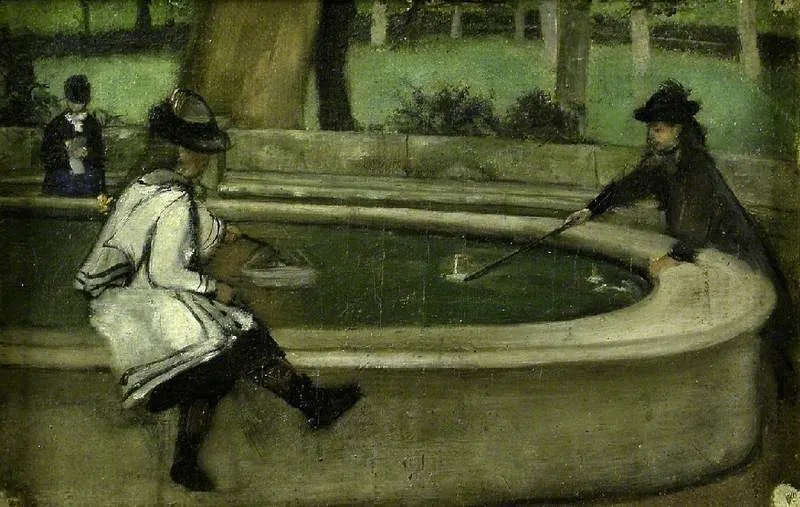
The Boating Pool is an oil painting by Lawrence Alma-Tadema. It dates from 1884 and is held in the collection of the Fitzwilliam Museum.
About this work
Overview
The Boating Pool is an oil painting created by Lawrence Alma-Tadema around 1884. Characterized by its serene and opulent depiction, the work features a man and woman seated by a small, round pool in a park setting, with the man's stick creating ripples in the water.
Subject & Meaning
The painting captures a peaceful, leisurely afternoon scene of a couple in a serene park environment. The central focus on the pool and the figures' relaxed poses convey a sense of tranquility and refined leisure.
Technique & Style
Executed in oil paint, the work exemplifies Alma-Tadema's signature style of refined figures and lavish settings, though here applied to a more intimate, everyday scene rather than his typical classical or Roman luxury themes.
History & Provenance
Created by Dutch-born, London-settled artist Lawrence Alma-Tadema, the painting is now part of the Fitzwilliam Museum's collection. Alma-Tadema trained at the Royal Academy of Antwerp before establishing his career in England.
Context
While Alma-Tadema is known for classical subjects, The Boating Pool reflects a quieter, more contemporary leisure scene, suggesting a broader exploration of refined life in his oeuvre.
Legacy
As part of Alma-Tadema's body of work, The Boating Pool contributes to the artist's reputation for capturing refined, serene atmospheres, though its impact is more nuanced compared to his more prominent classical pieces.
Artist & collection
Artist
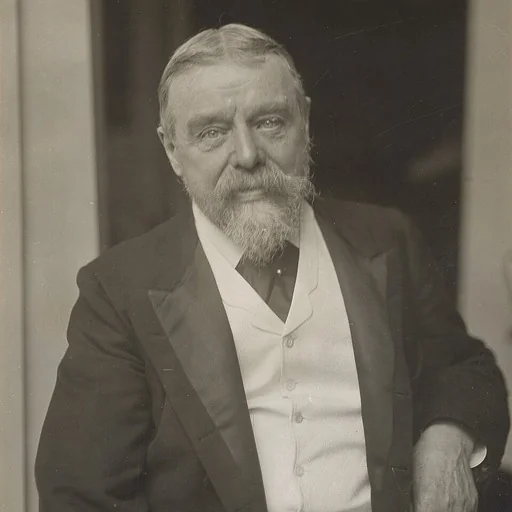
Sir Lawrence Alma-Tadema ( AL-mə TAD-ay-mə; born Lourens Alma Tadema, Dutch:; 8 January 1836 – 25 June 1912) was a Dutch painter who later settled in the United Kingdom, becoming the last officially recognised denizen in 1873.

- Luxembourg Gardens
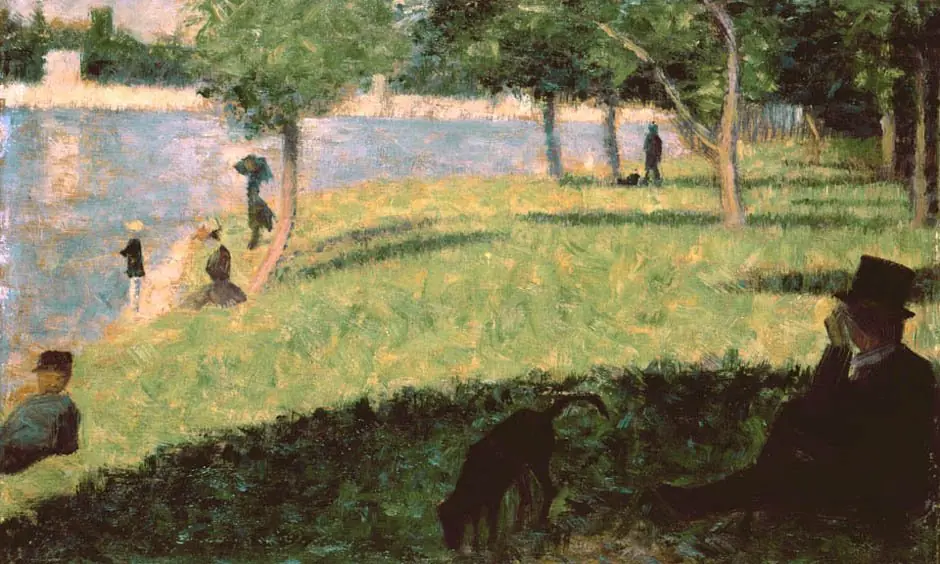 La Grande Jatte (Study VII)
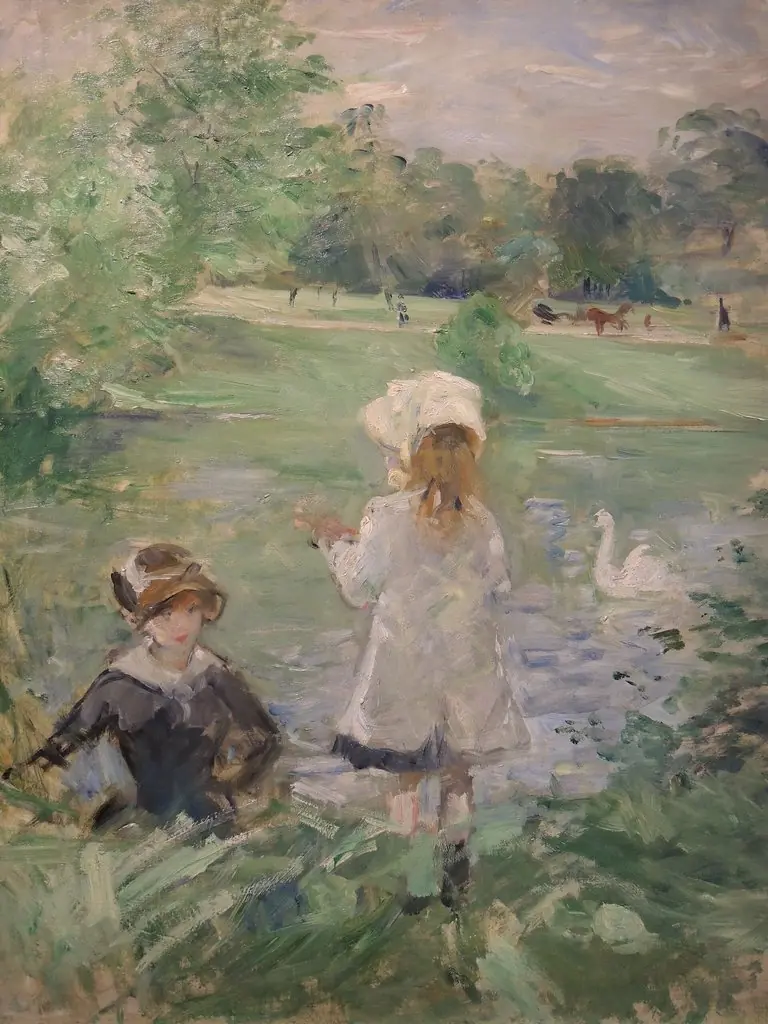 On the edge of the lake
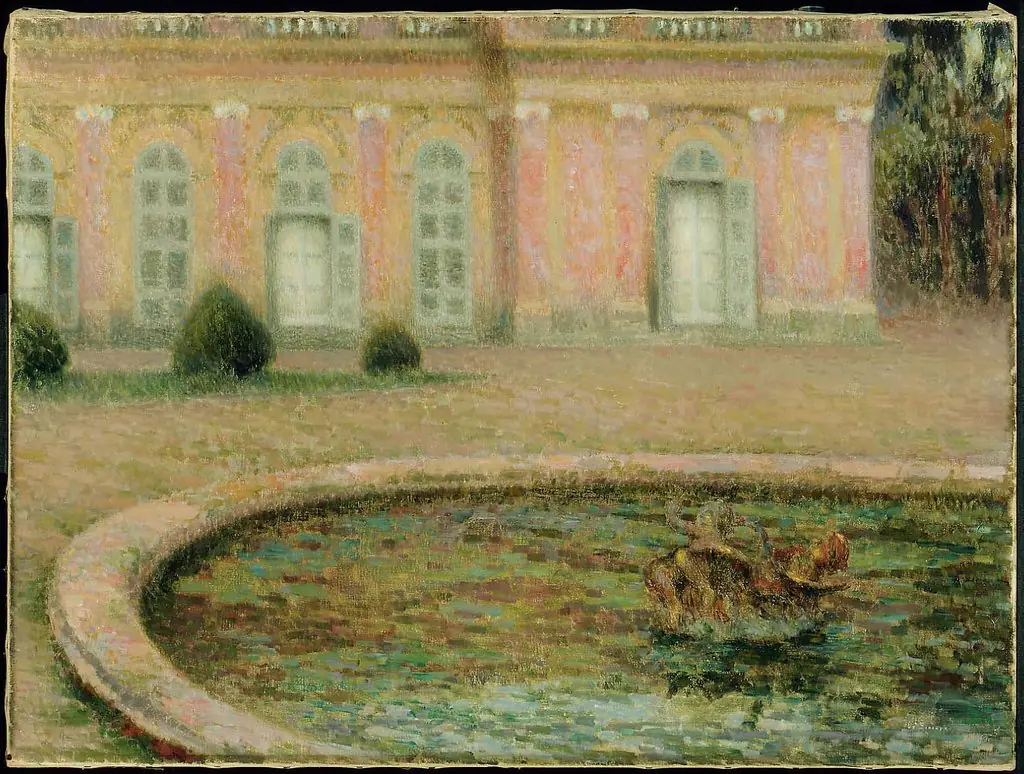 Grand Trianon
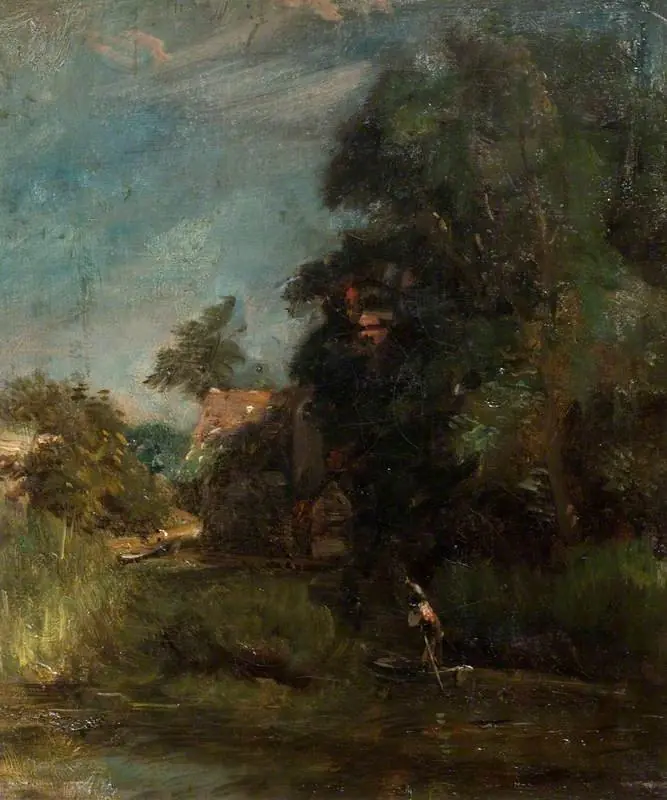 The Valley Farm (sketch)
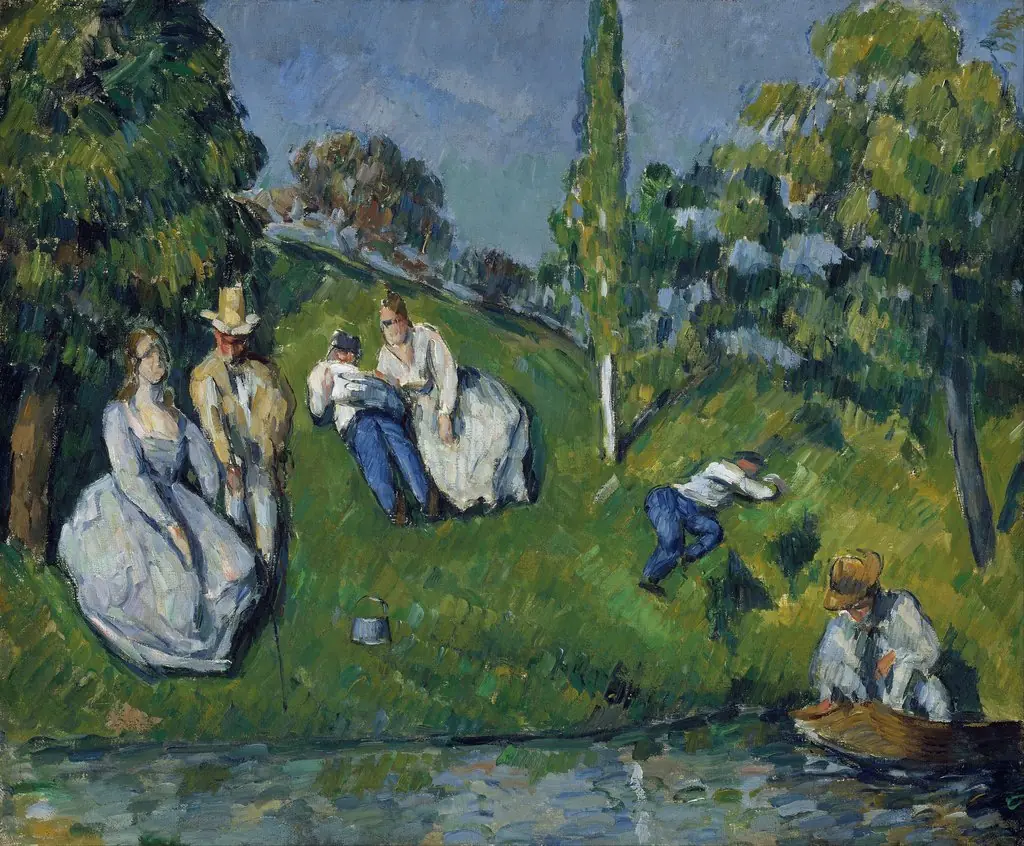 Au bord de l'étang (The Pond)
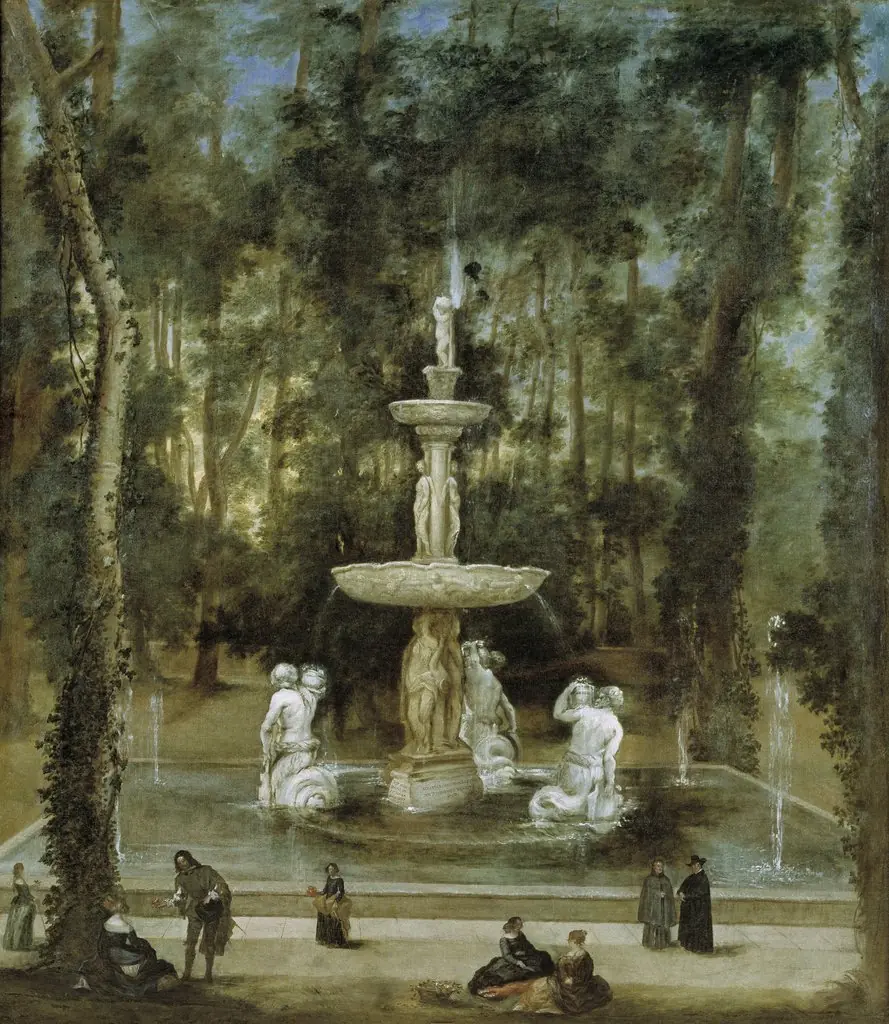 The Fountain of the Tritons in the Island Garden, Aranjuez
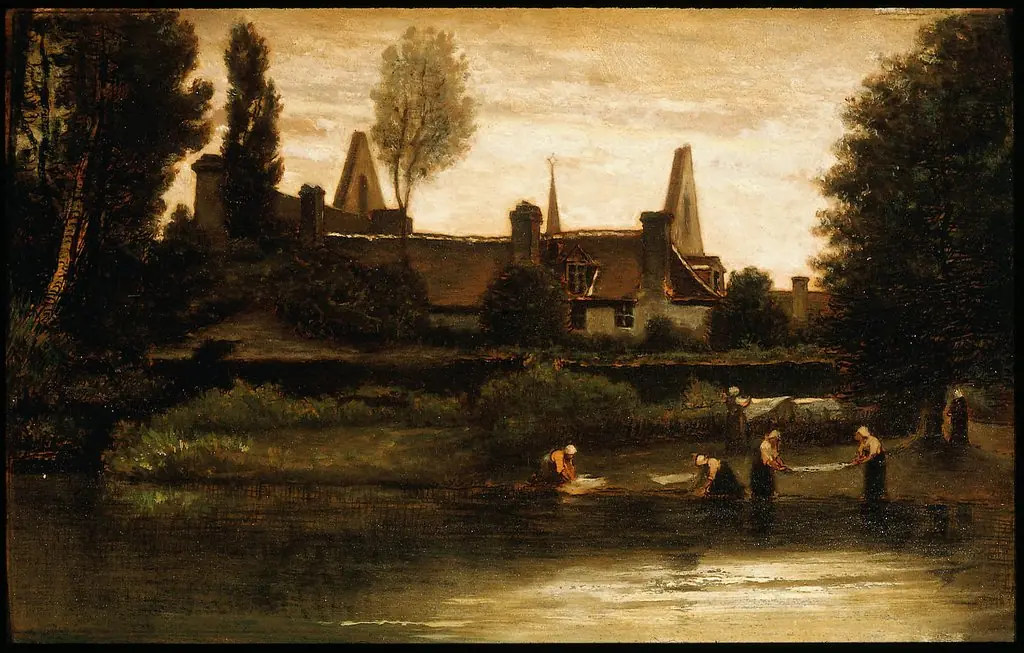 By the River
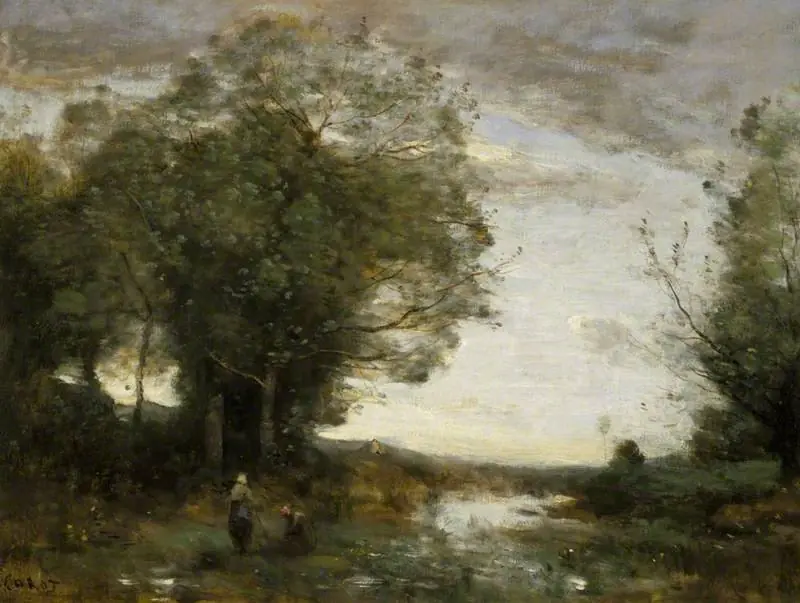 Souvenir of the Environs of La Ferté-sous-Jouarre (Morning)
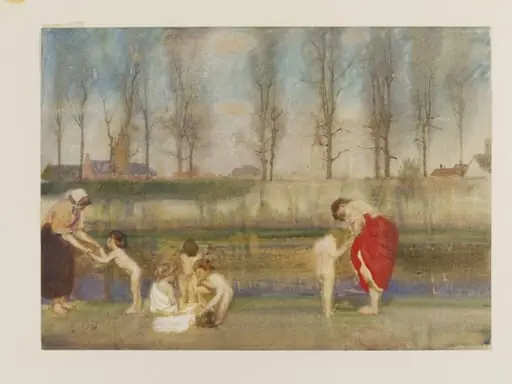 Bathing Party
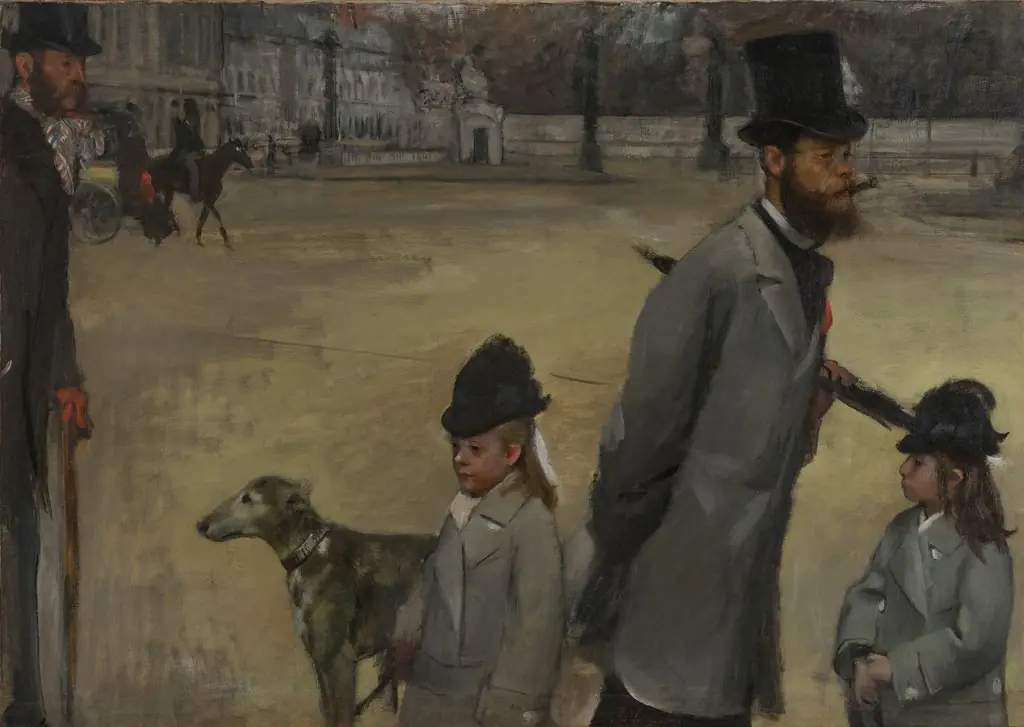 Place de la Concorde
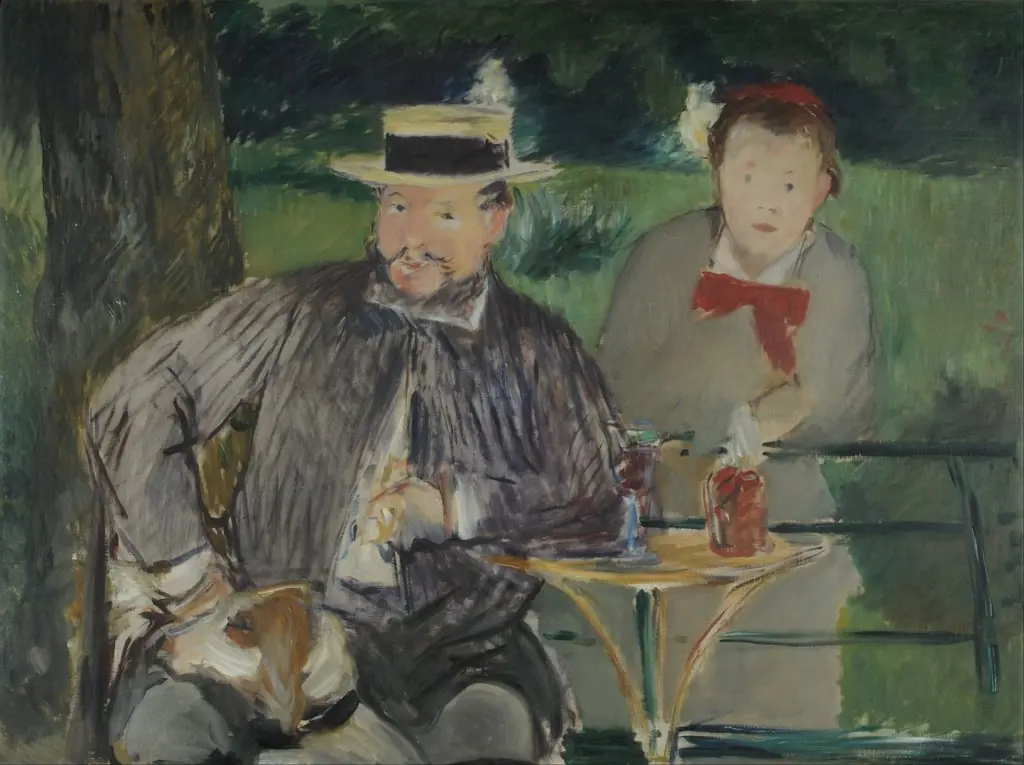 Portrait d'Ernest Hoschedé et sa fille Marthe