Artwork
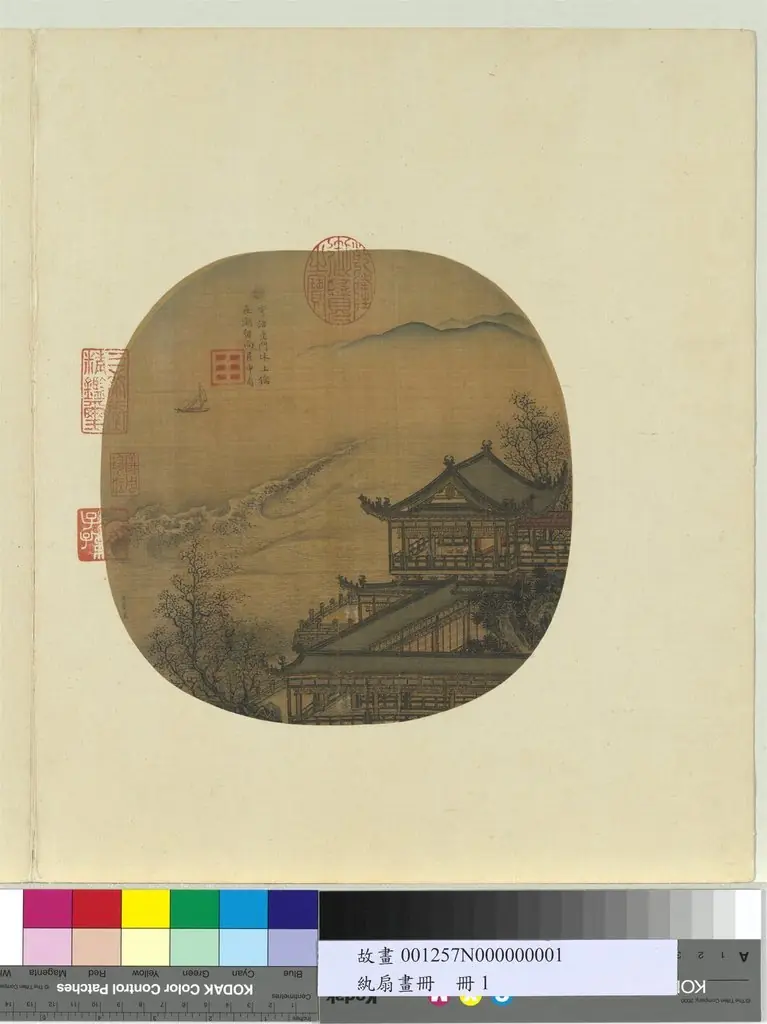
The Hangchow Tidal Bore by Moonlight
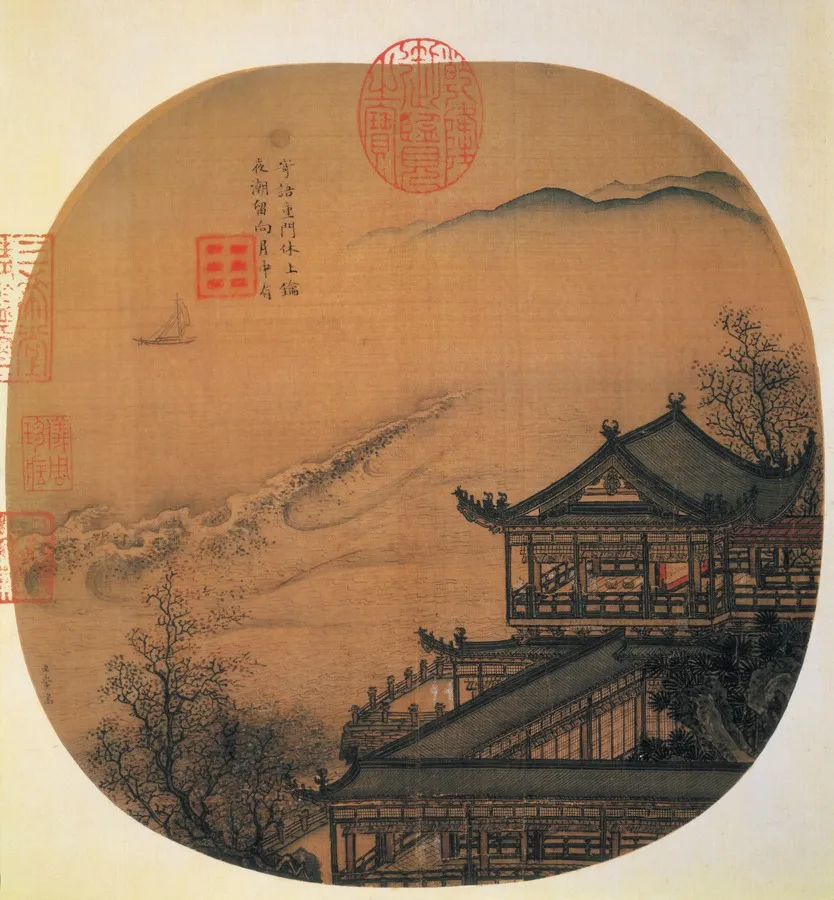
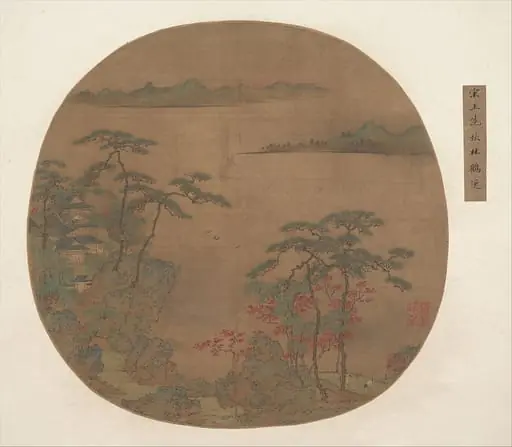
The Hangchow Tidal Bore by Moonlight is an unspecified painting by the Song dynasty painting artist Li Song. It dates from 1250 and is held in the collection of the National Palace Museum.
About this work
Overview
The Hangchow Tidal Bore by Moonlight, created around 1250 by Li Song, is a serene landscape painting housed at the National Palace Museum. The composition features a building, trees, a body of water, distant mountains, and a small boat, all set under a brightly shining moon.
Subject & Meaning
The painting captures a tranquil nighttime scene, juxtaposing a detailed, proximate environment (building and trees) with softer, more distant elements (mountains and water). This contrast may symbolize the harmony between human presence and nature.
Technique & Style
Li Song employs nuanced light and shadow to create depth and atmosphere. The work exhibits intricate detailing in the foreground, while softer brushstrokes characterize the background, anticipating techniques akin to 'sfumato' in achieving subtle, hazy effects.
History & Provenance
Created circa 1250, the painting is attributed to Li Song. It is currently part of the collection at the National Palace Museum, though specific details of its historical ownership or exhibitions are not provided.
Context
Given its date, the painting reflects the artistic sensibilities of 13th-century China, possibly influenced by the cultural and aesthetic values of the Song dynasty, emphasizing serenity and the interplay of light and nature.
Legacy
While specific influences or notable exhibitions of 'The Hangchow Tidal Bore by Moonlight' are not detailed, its preservation in a prominent museum suggests recognition of its historical and artistic value within Chinese landscape painting traditions.
Artist & collection

- 明/清 佚名 仙山樓閣圖 團扇頁|Palace
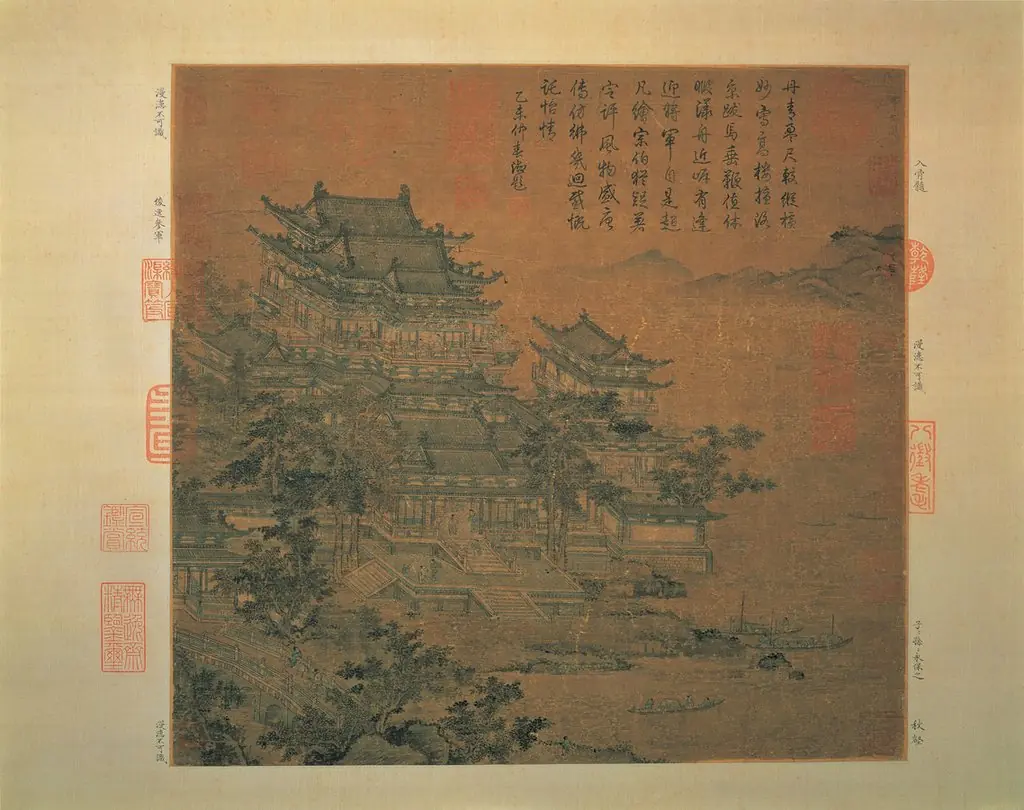 The Lo-yang Pavilion
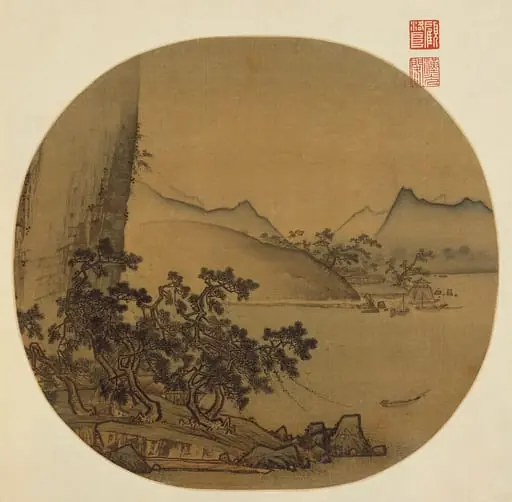 南宋 佚名 舊傳閻次于 風雨維舟圖 團扇|Boats Moored in Wind and Rain
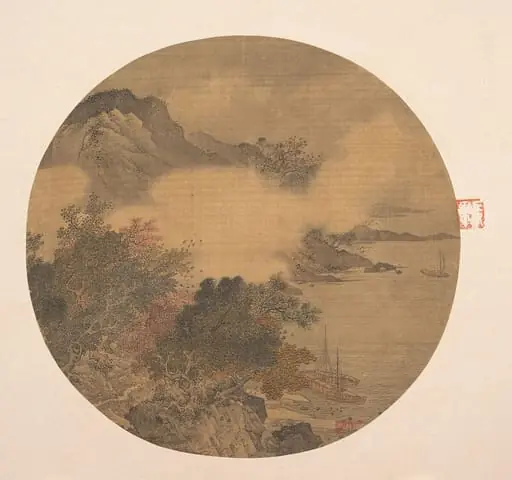 明 佚名 風雨艤舟圖 團扇|Misty Landscape
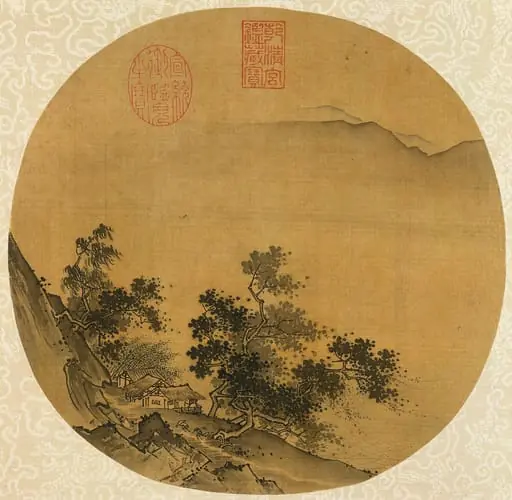 南宋 佚名 倣夏珪 冒雨尋莊圖 團扇|Returning Home in a Driving Rain
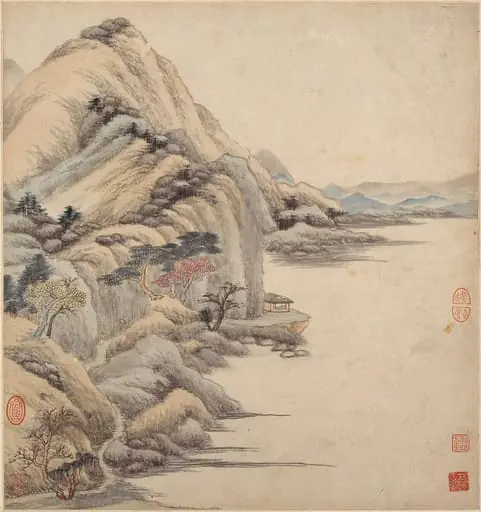 Untitled
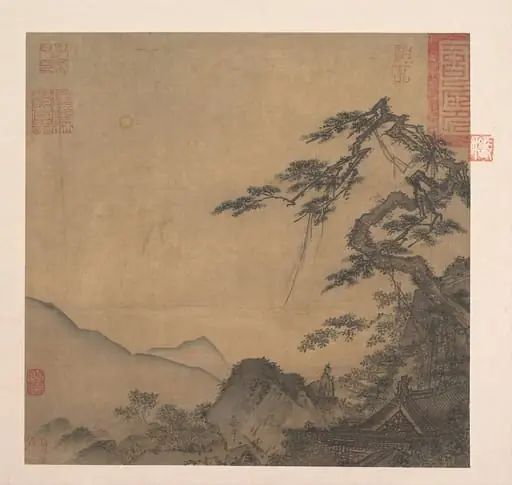 南宋 馬麟 松下高士圖 冊頁 絹本|Landscape with great pine
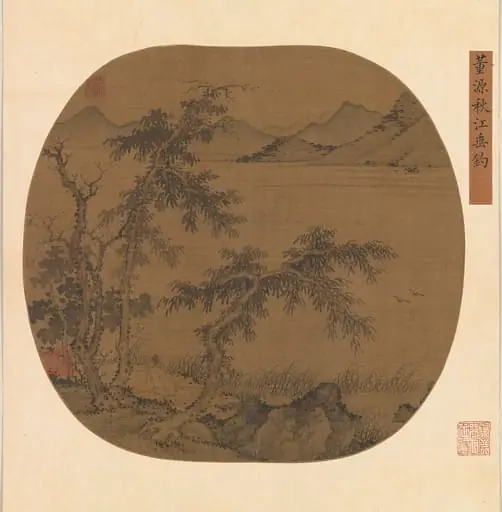 元 盛著 秋江垂釣圖 團扇|Angling in the Autumn River
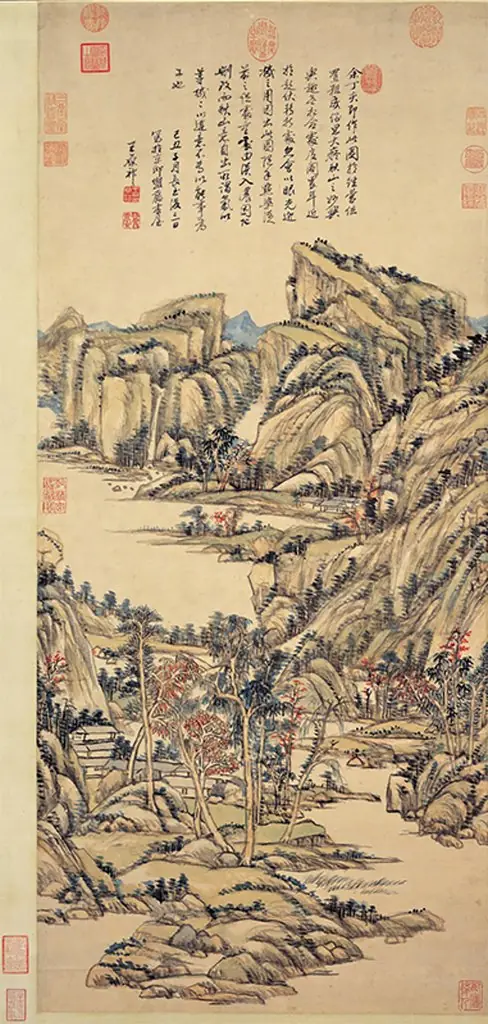 Autumn Mountains
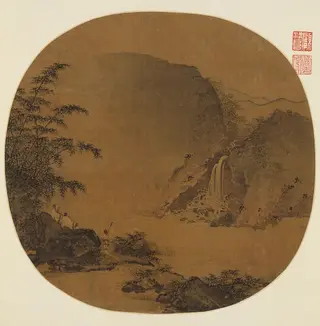 宋 佚名 觀瀑圖 團扇|Gentlemen gazing at a waterfall
 Untitled