Artwork
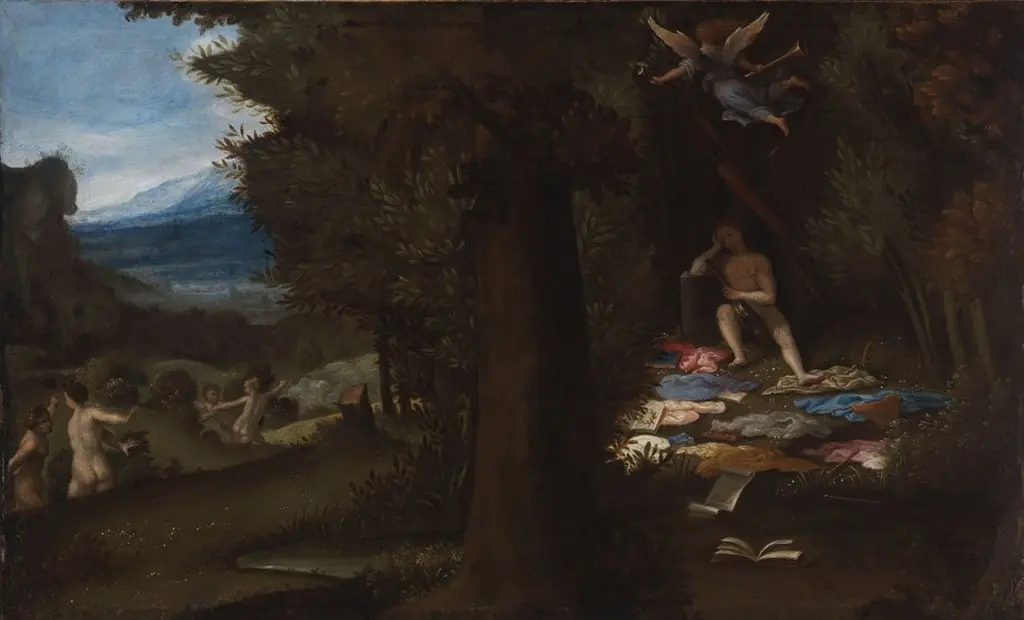
Israelites collecting Manna
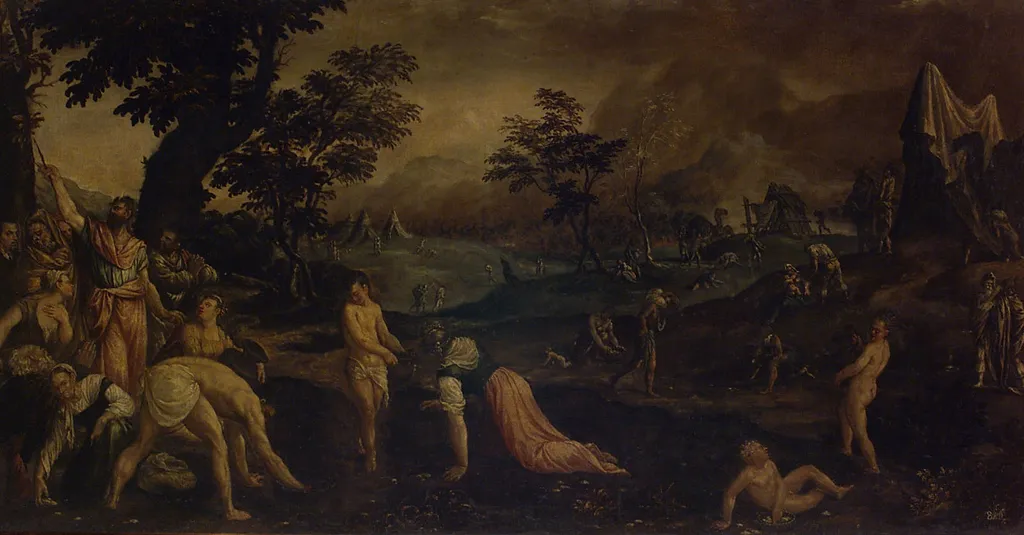
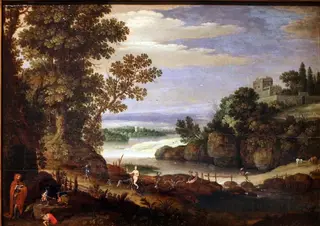
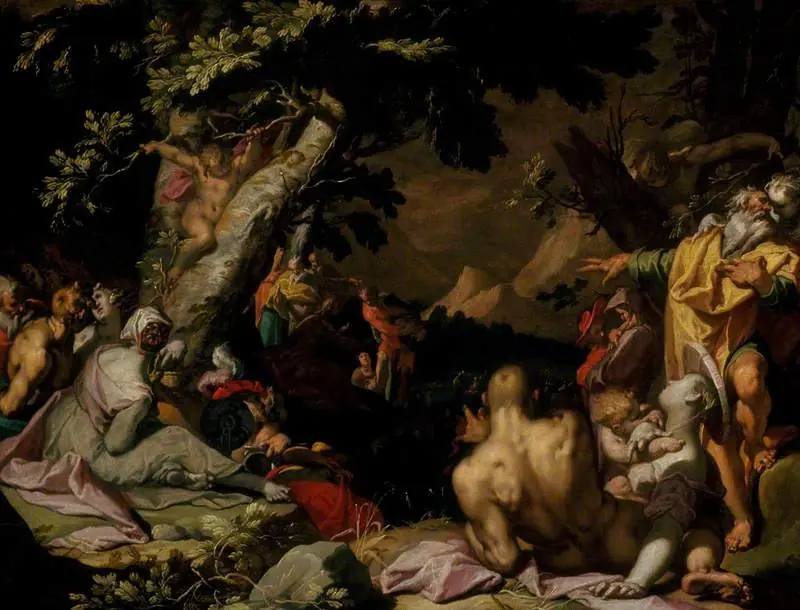
Israelites collecting Manna is an oil painting by the Mannerist artist Lodewijk Toeput. It dates from 1590 and is held in the collection of the Kunsthistorisches Museum.
About this work
Subject & Meaning
The scene is rendered in oil on canvas, a format suited to the narrative religious genre typical of late sixteenth-century painting.
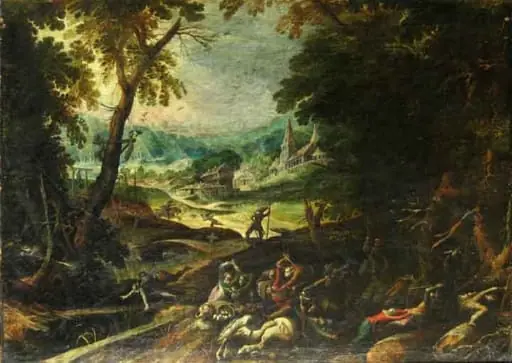
The painting depicts the biblical episode of the Israelites gathering manna, the miraculous food provided by God to the Israelites during their wandering in the wilderness after the Exodus from Egypt. According to the sources, the work's main subject is the gathering of manna, and it visually represents the Israelites within a landscape setting as they collect the divinely sent nourishment.
The iconography centers on the figures of the Israelites engaged in the act of collecting manna, set against a landscape backdrop. The scene is rendered in oil on canvas, a format suited to the narrative religious genre typical of late sixteenth-century painting. The combination of human figures, the miraculous substance of manna, and the surrounding landscape conveys both the spiritual significance of divine providence and the communal experience of the Israelites receiving sustenance in the wilderness.
Technique & Style
Israelites collecting Manna is executed in oil paint on canvas, a standard support for late sixteenth-century panel-derived easel painting. The work measures 98 cm in height by 187 cm in width, giving it a pronounced horizontal format suited to its landscape composition and the broad narrative of the Israelites gathering manna across an extended setting. The religious genre and the depiction of manna, Israelites, and landscape are consistent with Toeput's painterly handling of biblical subjects, in which figural action is distributed across an open, atmospheric environment rather than concentrated in a tightly framed devotional close-up.
The painting belongs to the collection of the Kunsthistorisches Museum in Vienna, having entered the imperial holdings under Archduke Leopold Wilhelm of Austria before passing into the museum's custody.
History & Provenance
The painting Israelites collecting Manna is dated to 1580 and attributed to Lodewijk Toeput, also known as Pozzoserrato. It was created in oil on canvas with dimensions of 98 cm in height and 187 cm in width.
The work entered the Kunsthistorisches Museum in Vienna, where it remains in the collection. Archduke Leopold Wilhelm of Austria is recorded as an early owner of the painting, which later became part of the holdings of the museum.
Israelites collecting Manna is an oil painting by Lodewijk Toeput created in 1580 and housed in the Kunsthistorisches Museum, where it is catalogued under its inventory number. The work entered the museum's collection through its transfer from Archduke Leopold Wilhelm of Austria and has been displayed in exhibitions focused on 16th-century religious art and Baroque masterpieces.
The painting measures 98 cm in height and 187 cm in width, reflecting its large-scale composition. Its provenance traces back to the Archduke's collection before its acquisition by the museum, establishing a continuous ownership record within a major European institution.
Context
Lodewijk Toeput painted Israelites collecting Manna in 1580, a religious work now housed in the Kunsthistorisches Museum in Vienna. The painting entered the collection of Archduke Leopold Wilhelm of Austria, reflecting the Habsburg court's patronage of Counter-Reformation era art. Its composition combines biblical narrative with a distinct landscape, characteristic of Toeput's style during his time in Italy.
Scholarship on the work remains limited, with most analysis focusing on its provenance and placement within the broader tradition of 16th-century biblical painting.
Legacy
The painting became part of the collection of Archduke Leopold Wilhelm of Austria and entered the Kunsthistorisches Museum, where it remains on display. Its status as a religious work depicting the gathering of manna has contributed to scholarly discussions of Counter‑Reformation art and the development of the biblical landscape genre in 16th‑century European painting.
Overview
Lodewijk Toeput, known in Italy as il Pozzoserrato, completed the oil painting Israelites collecting Manna in 1590. Executed in the Mannerist idiom, the work presents a biblical episode set within an expansive landscape populated by numerous figures. The canvas is part of the collection of the Kunsthistorisches Museum in Vienna.
Artist & collection
Artist
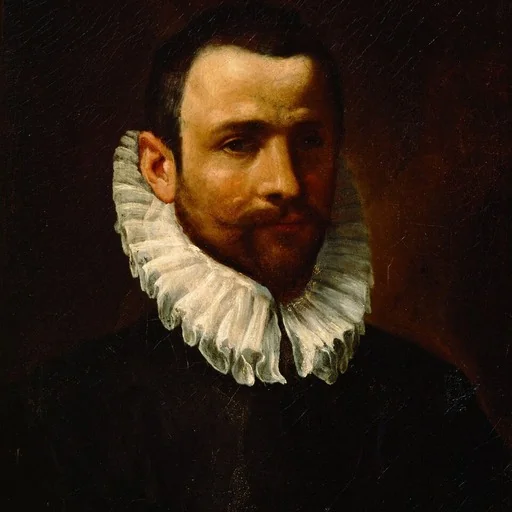
Lodewijk Toeput, called il Pozzoserrato (c. 1540/1550 – between 1603 and 1605) was a Flemish landscape painter and draftsman active in Italy. He is mainly known for his canvases and frescoes of landscapes and formal…