Artwork
The Purification of the Midianite Virgins
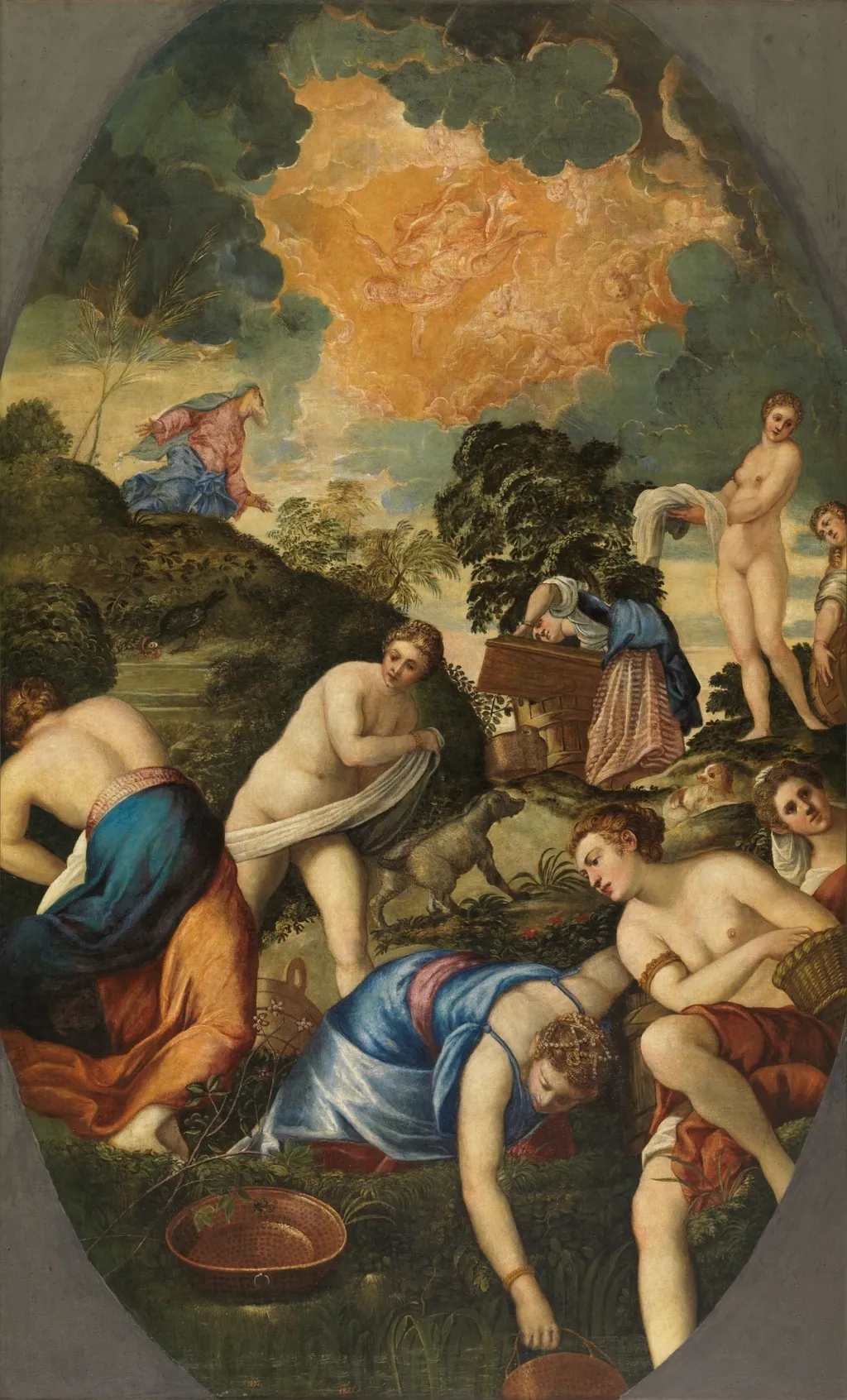
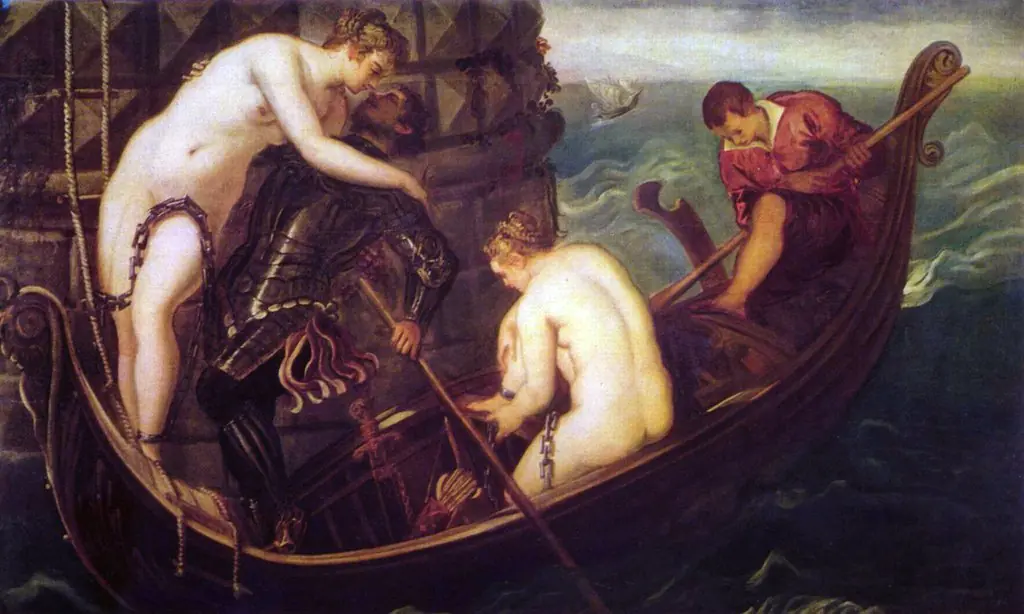
The Purification of the Midianite Virgins is an oil painting by the Mannerist artist Jacopo Tintoretto. It dates from 1550 and is held in the collection of the Museo del Prado.
About this work
Subject & Meaning
Painted in 1550, this work illustrates the biblical episode known as the Purification of the Midianite Virgins.
Painted in 1550, this work illustrates the biblical episode known as the Purification of the Midianite Virgins. The composition features specific iconographic elements including a large cauldron and gemstones, which visually articulate the narrative of spoils being sorted and purified following the Israelite victory over the Midianites. These objects symbolize the material wealth captured during the conflict and the subsequent ritualistic cleansing required before the treasures and captives could be integrated into the camp.
The scene represents a moment of transition and divine ordinance within the broader scriptural account, focusing on the handling of war booty and the selection of survivors.
Technique & Style
Executed in oil on canvas, the work measures 301 cm in height by 185 cm in width. Tintoretto’s handling emphasizes rapid, energetic brushwork and dramatic chiaroscuro, aligning with the Venetian tradition of the mid-sixteenth century. The composition orchestrates a dense crowd scene, with agitated figures arranged in diagonal rhythms and compressed space, directing the viewer’s focus toward the central cauldron.
Jewels and textiles are rendered with quick, flickering highlights, while the overall tonality favors warm, earthy hues punctuated by cooler accents to heighten the scene’s intensity.
History & Provenance
Jacopo Tintoretto created The Purification of the Midianite Virgins in 1550 as an oil painting on canvas. The work measures 301 cm in height and 185 cm in width. Its ownership history begins with Elisabeth Farnese, who held the piece before it passed to Charles III of Spain.
The painting subsequently entered the collection of Ferdinand VII of Spain and is currently held by the Museo del Prado.
The Purification of the Midianite Virgins is currently held in the collection of the Museo del Prado in Madrid. The painting is executed in oil on canvas and measures 301 cm in height by 185 cm in width. Historical records indicate that the work was previously owned by Elisabeth Farnese, Charles III of Spain, and Ferdinand VII of Spain before entering the museum's holdings. The provided sources do not contain specific accession numbers or details regarding the artwork's exhibition history.
Context
The Purification of the Midianite Virgins by Jacopo Tintoretto was created in 1550 as an oil painting on canvas, originally part of the Spanish royal collection through the patronage of Elisabeth Farnese, Charles III, and Ferdinand VII, and is now housed in the Museo del Prado, where it remains on public view.
Scholarship identifies the work as a significant example of Venetian Renaissance art, reflecting Tintoretto's mastery of composition and narrative dynamism, while its inclusion in royal collections underscores its prestige during the 16th century.
The painting depicts a biblical scene from the Book of Numbers, illustrating the purification ritual of Midianite virgins, and features symbolic elements such as a cauldron and gemstone, which have been analyzed for their theological and allegorical implications in art historical discourse.
Legacy
Tintoretto's Purification of the Midianite Virgins, painted in 1550, entered the Spanish royal collection through the patronage of Empress Elisabeth Farnese and remained in the possession of Charles III and Ferdinand VII of Spain, ensuring its preservation in a major museum setting.
The work's compositional vigor and vivid narrative have informed later Baroque and Rococo interpretations of biblical violence, particularly in Spanish and Italian art circles of the 17th century.
Its presence in the Museo del Prado since the 19th century has cemented its reputation as a key example of Tintoretto's mastery of color and movement, inspiring scholarly discourse on narrative painting in European art history.
Overview
Created around 1550, The Purification of the Midianite Virgins is an oil painting by Jacopo Tintoretto, a prominent Venetian artist of the Mannerist period. The work is characterized by its depiction of a group of women in a landscape setting, executed in muted tones with an emphasis on greens and browns.
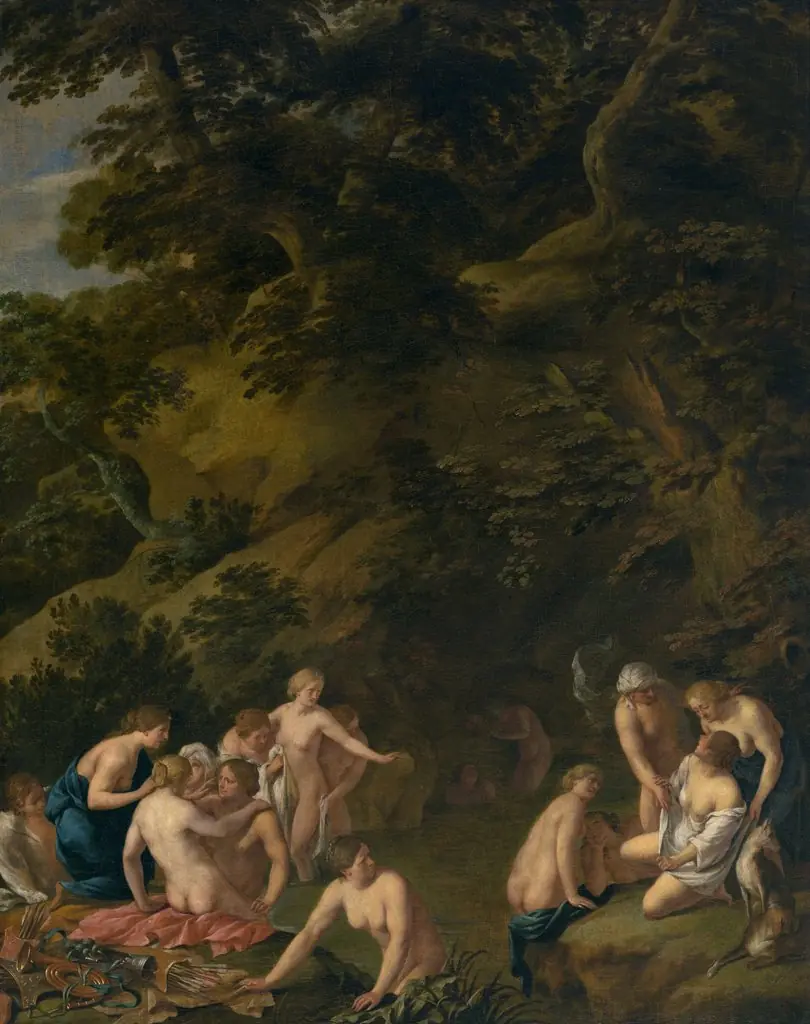
Artist & collection
Artist
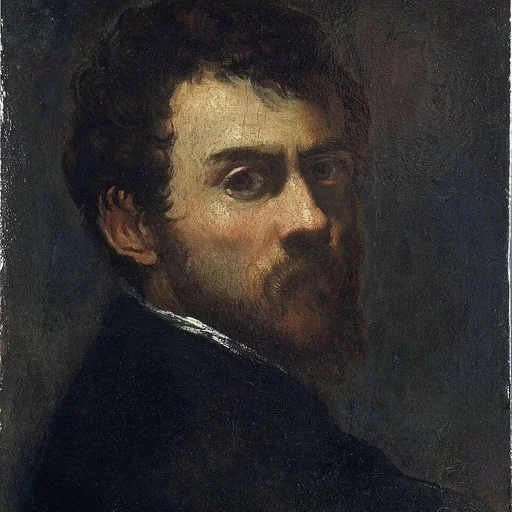
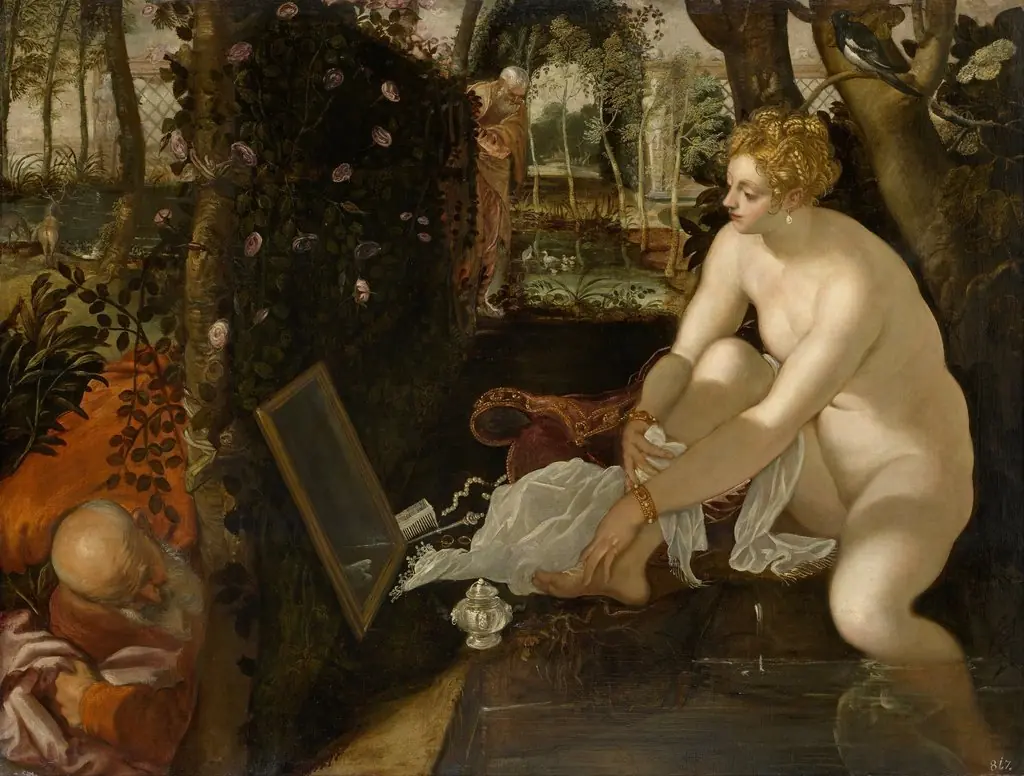
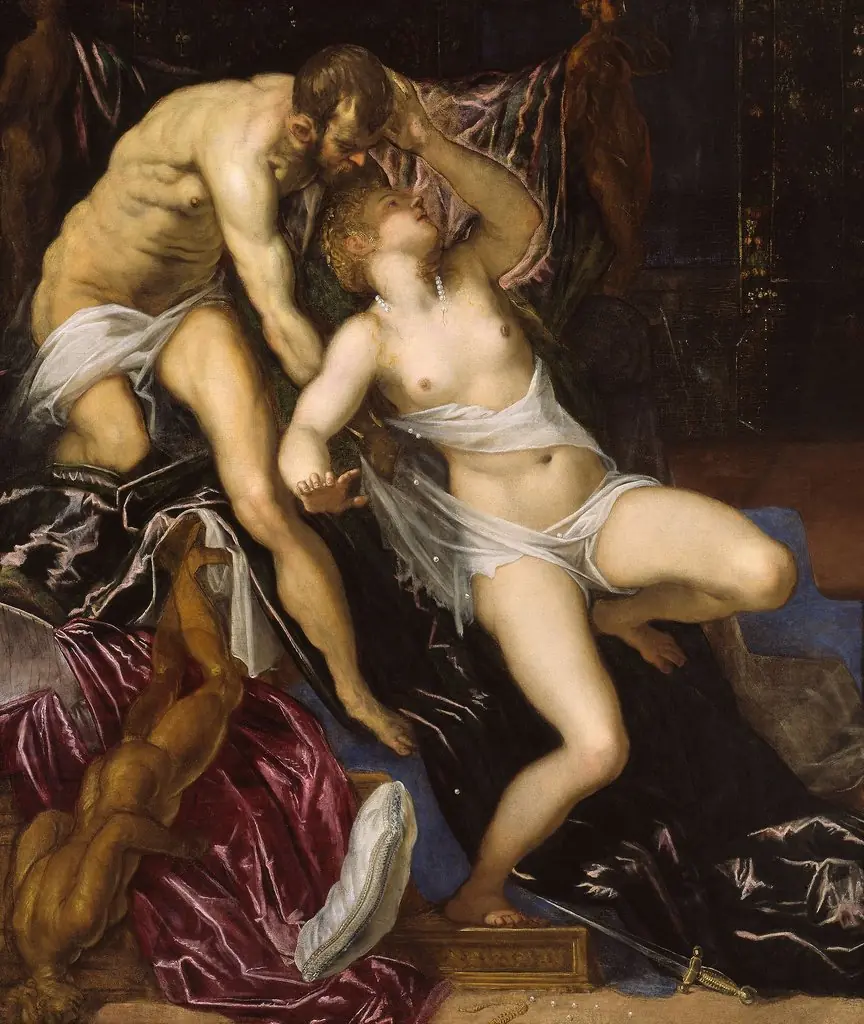
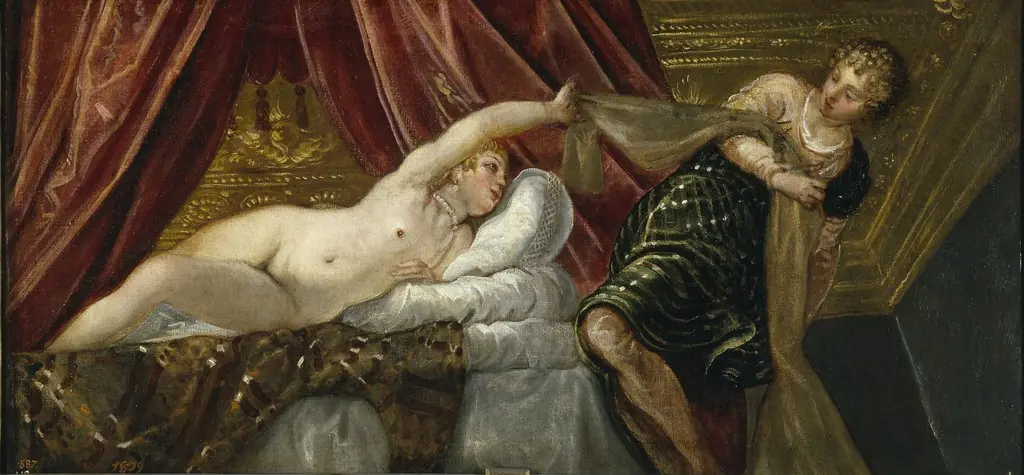
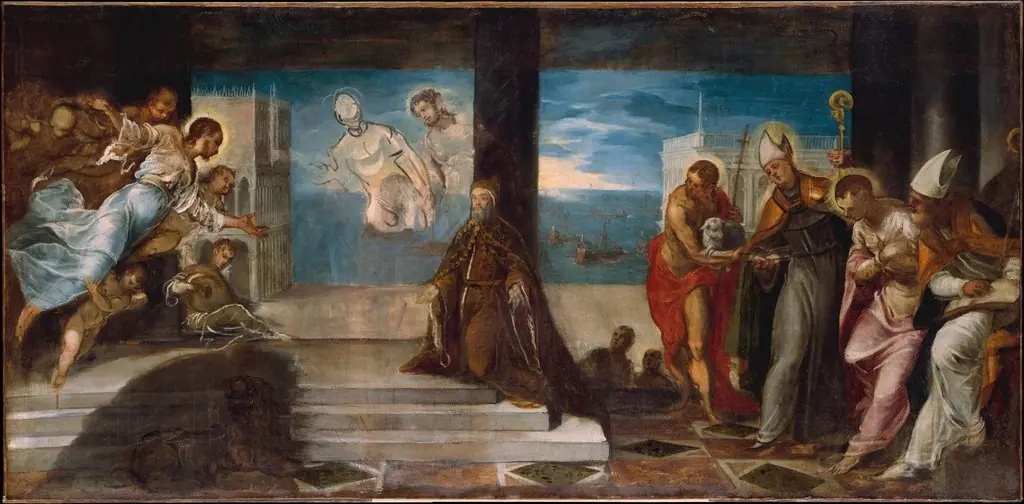
Jacopo Robusti (late September or early October 1518 – 31 May 1594), best known as Tintoretto ( TIN-tə-RET-oh; Italian:; Venetian: ), was an Italian Renaissance painter of the Venetian school.

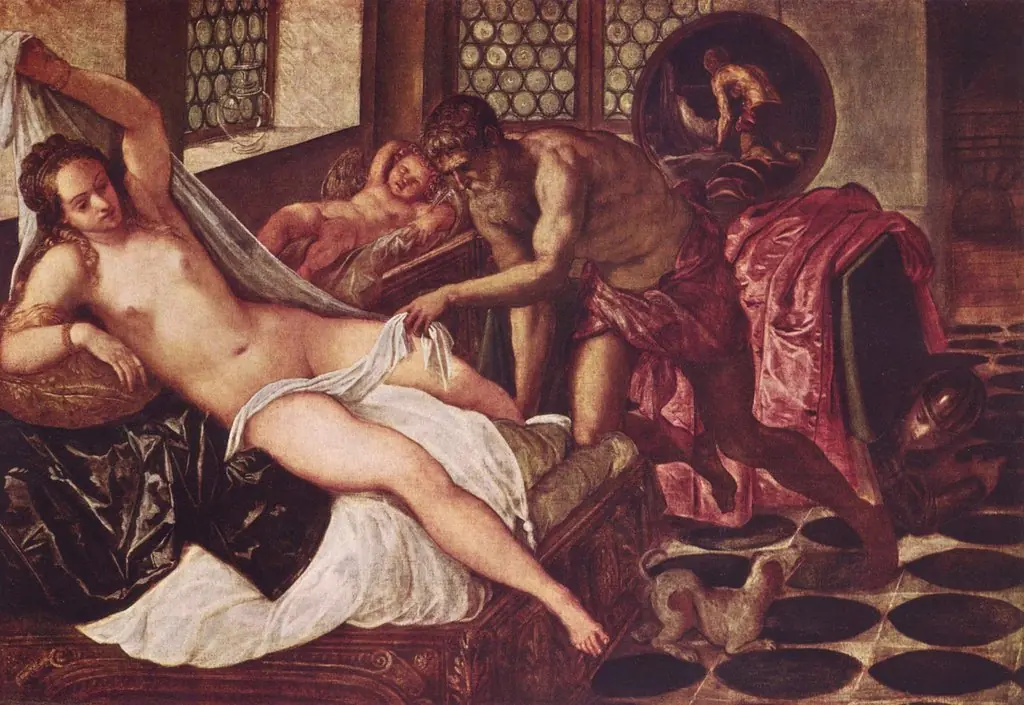


- The Bath of Diana and Callisto
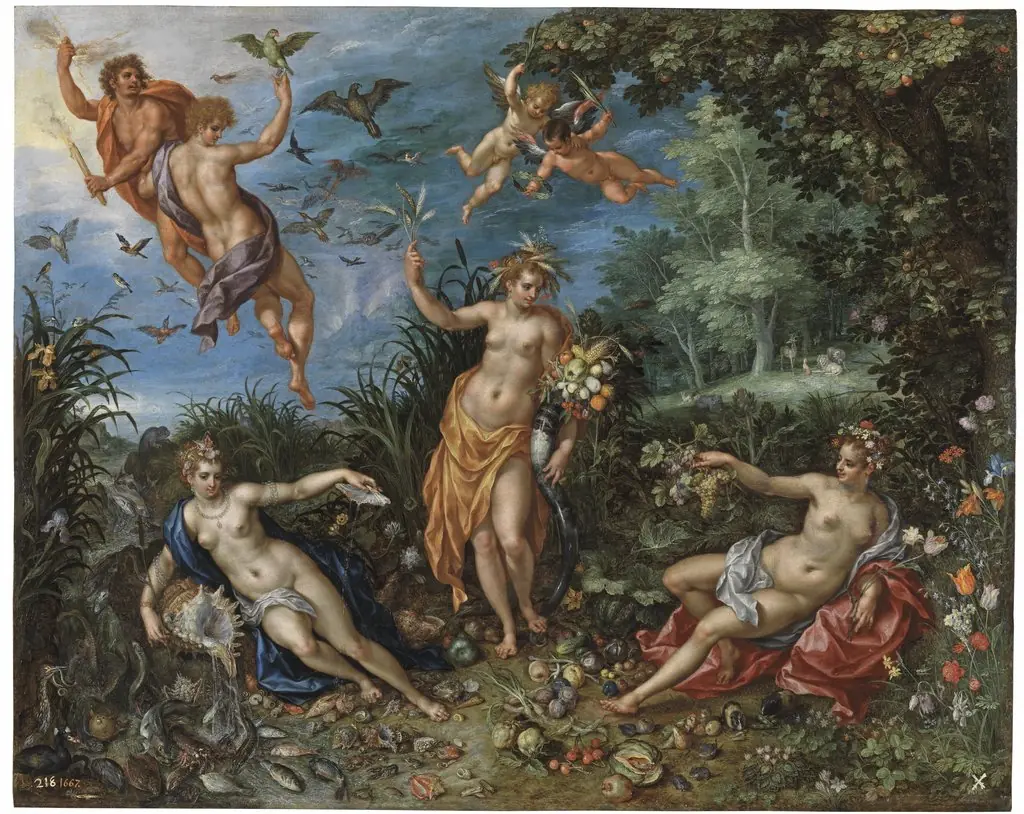 Allegory of Abundance and the Four Elements
 Venus and Mars with Cupid and the Three Graces in a Landscape
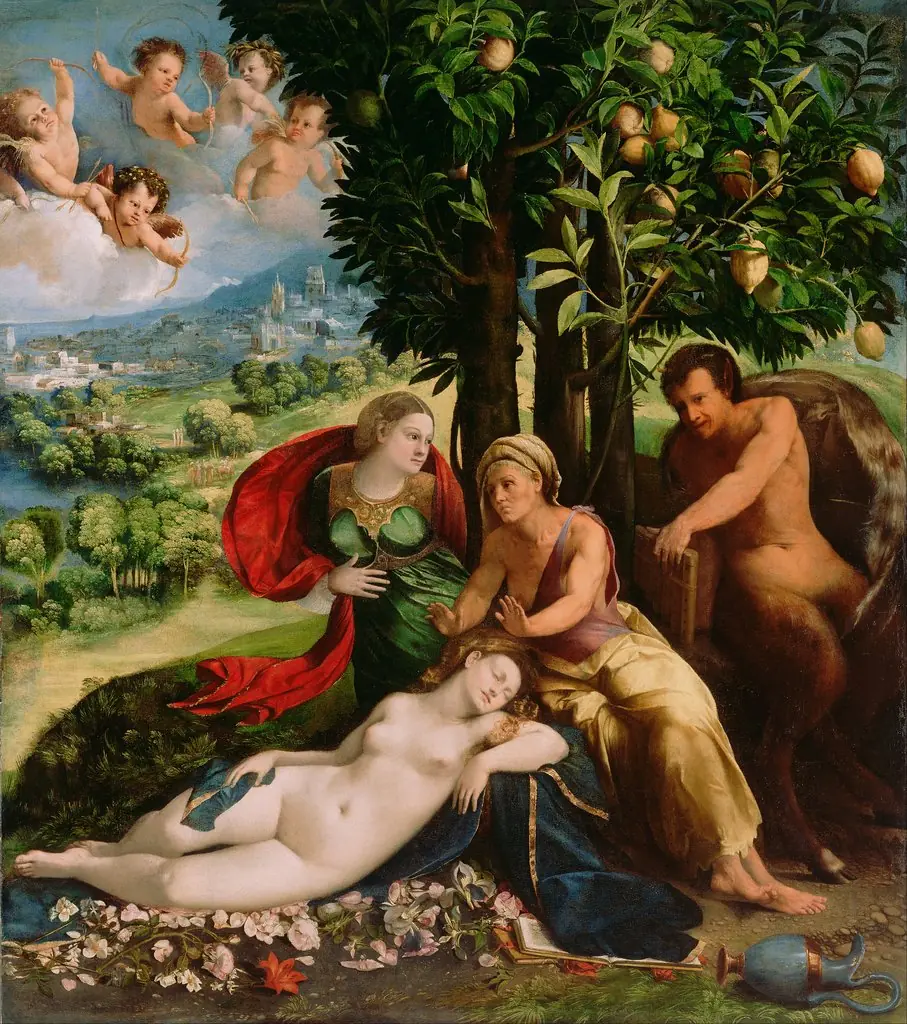 Mythological Scene
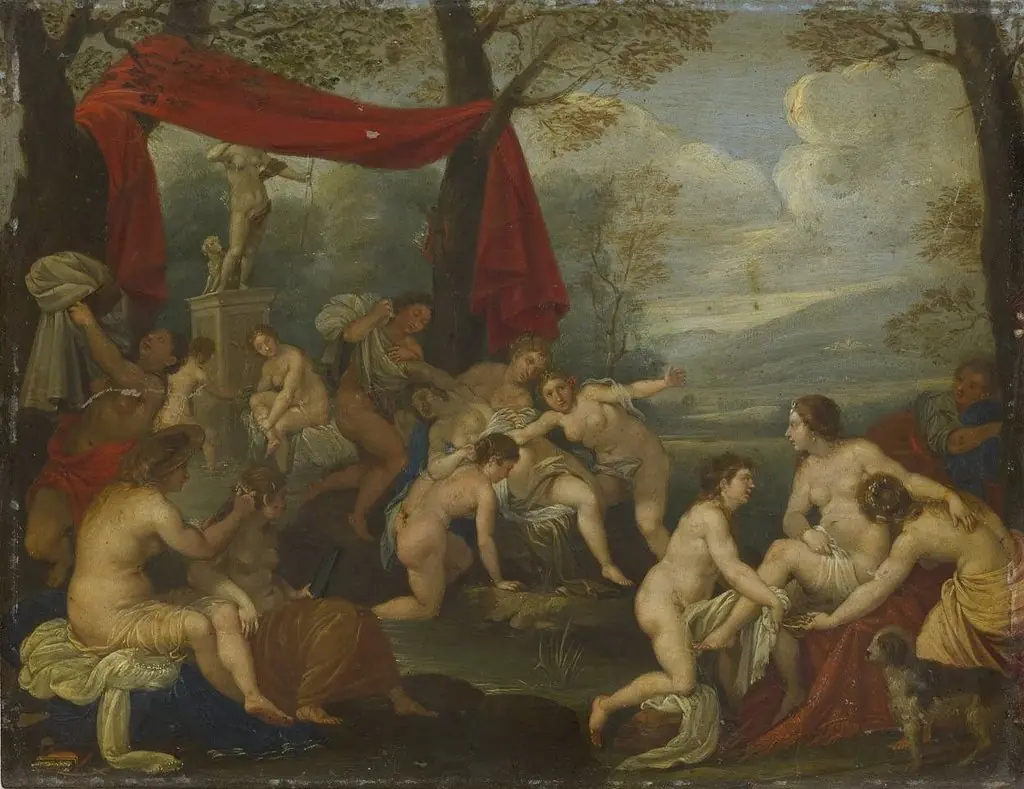 Diana entdeckt das Vergehen der Callisto
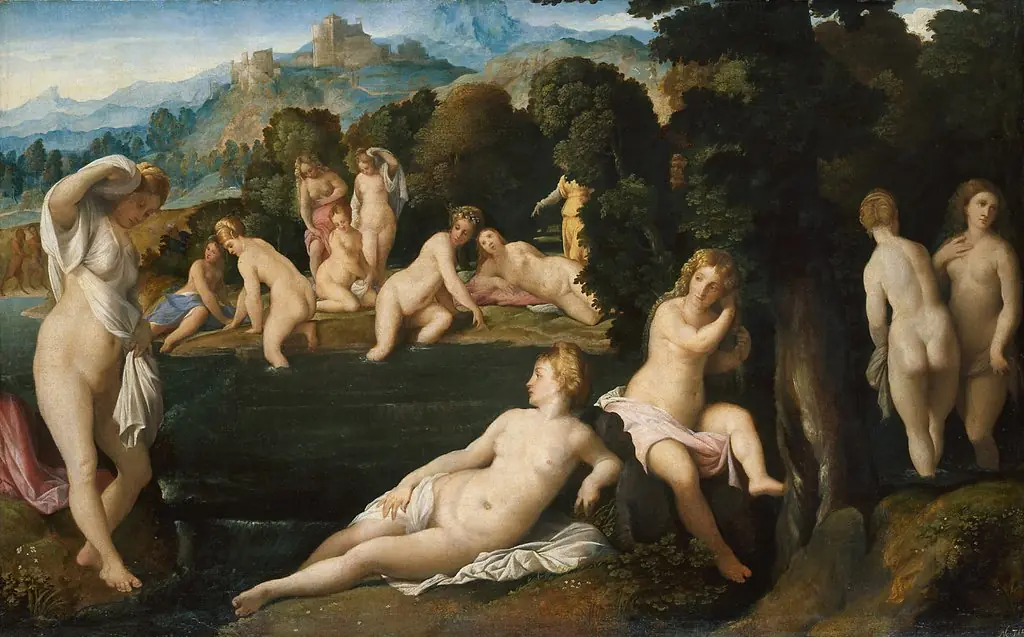 Bathing Nymphs
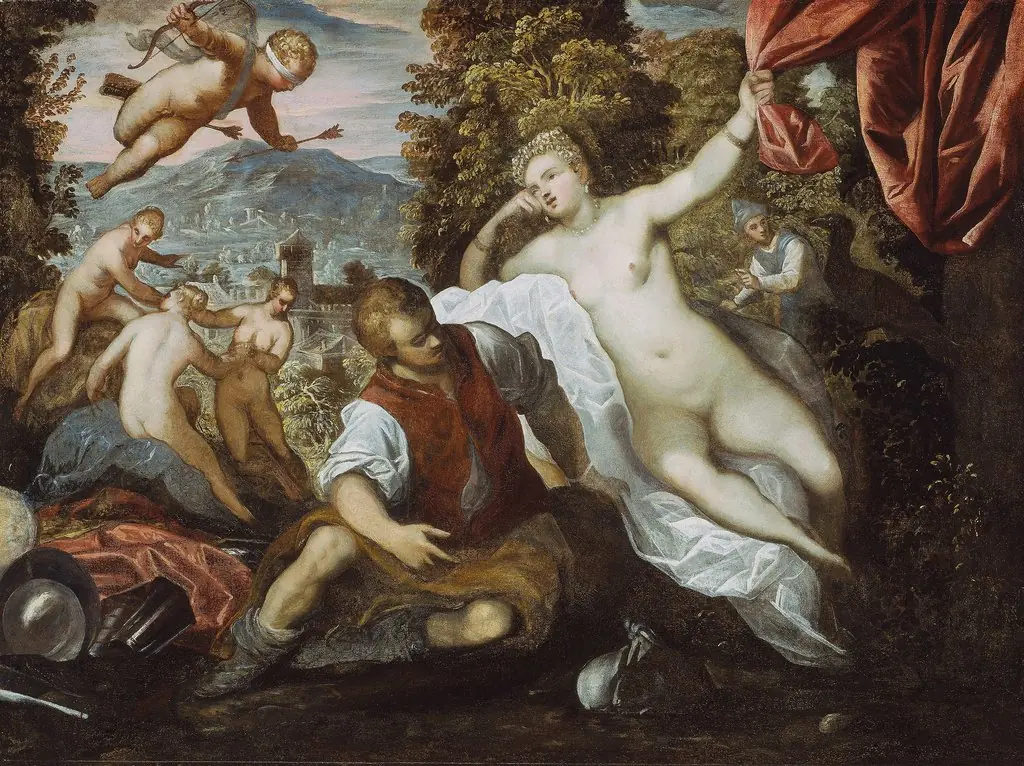 Venus and Mars with Cupid and the Three Graces in a Landscape
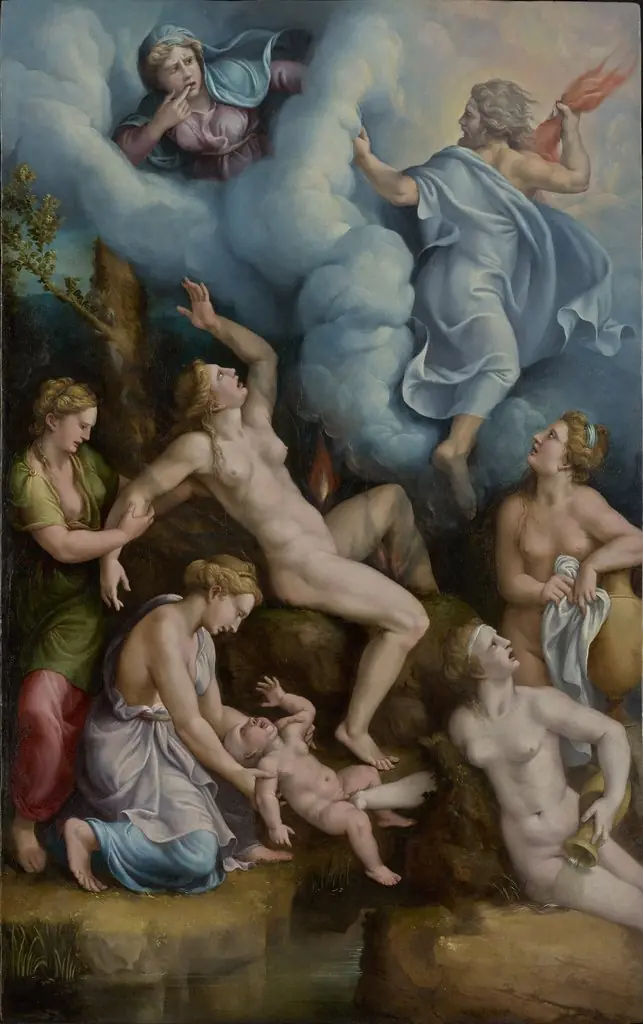 The Birth of Bacchus
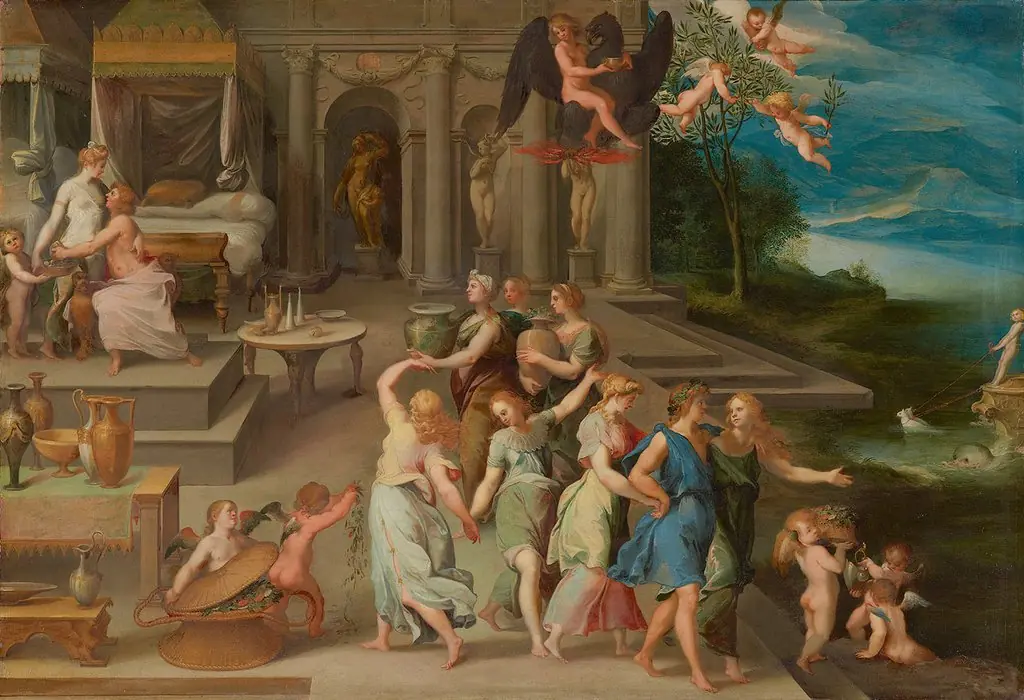 Mythological Wedding
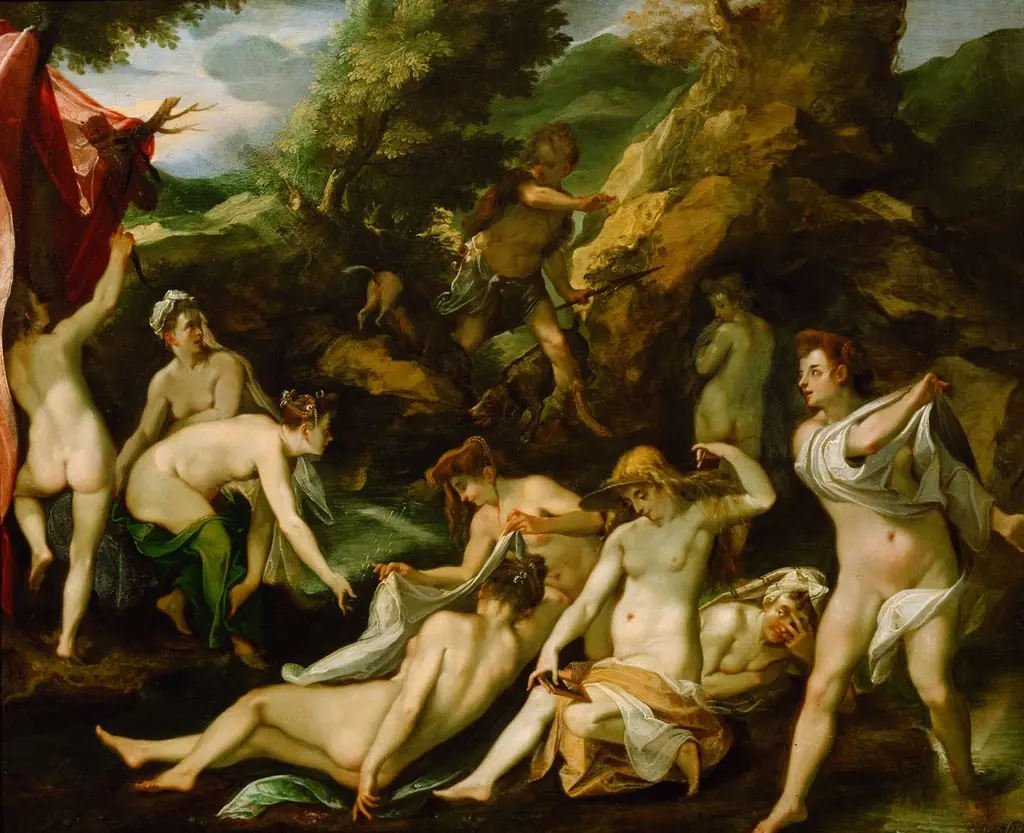 Diana and Actaeon
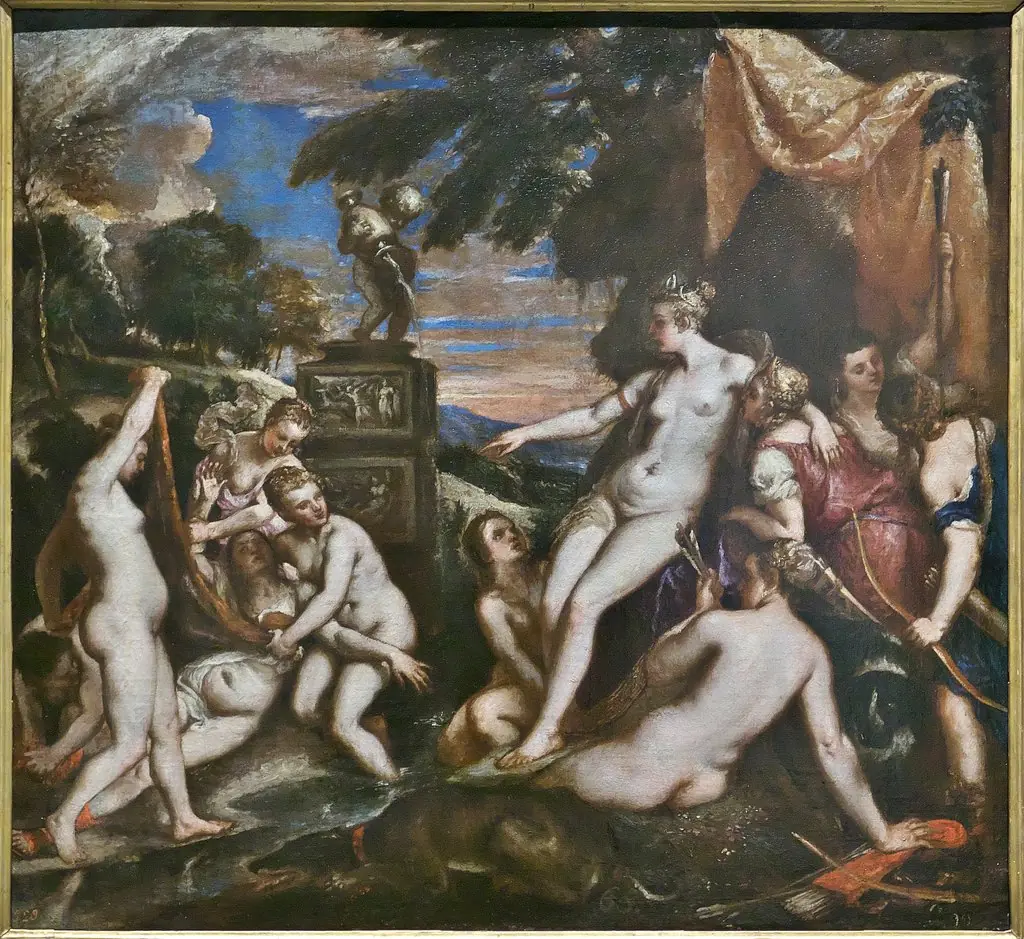 Diana and Callisto
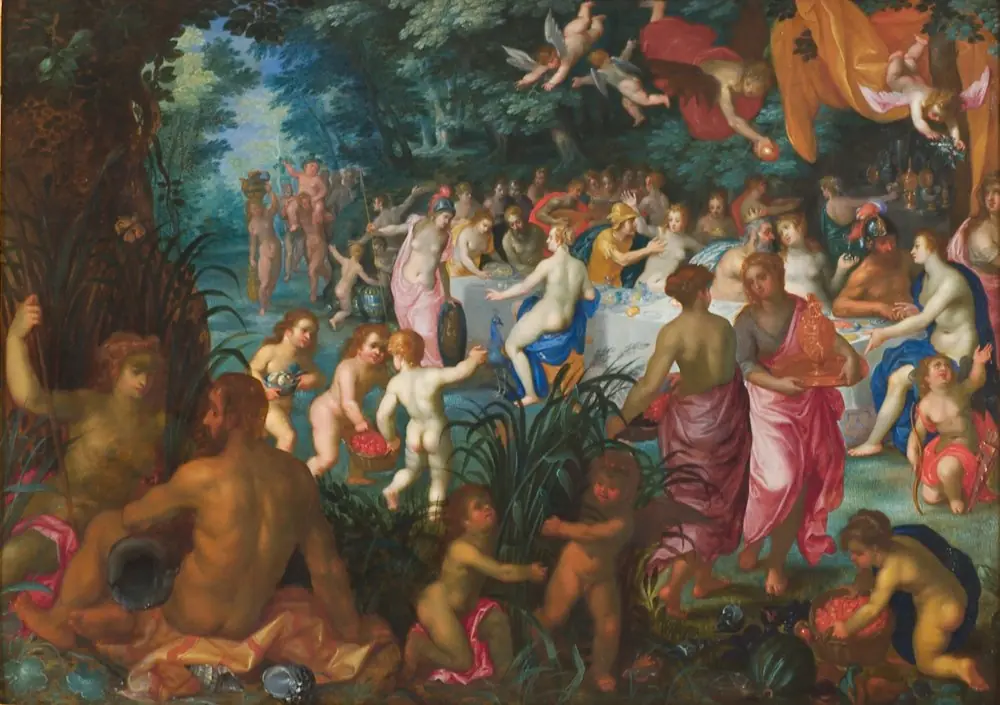 The Marriage of Peleus and Thetis