Artwork
Self-Portrait
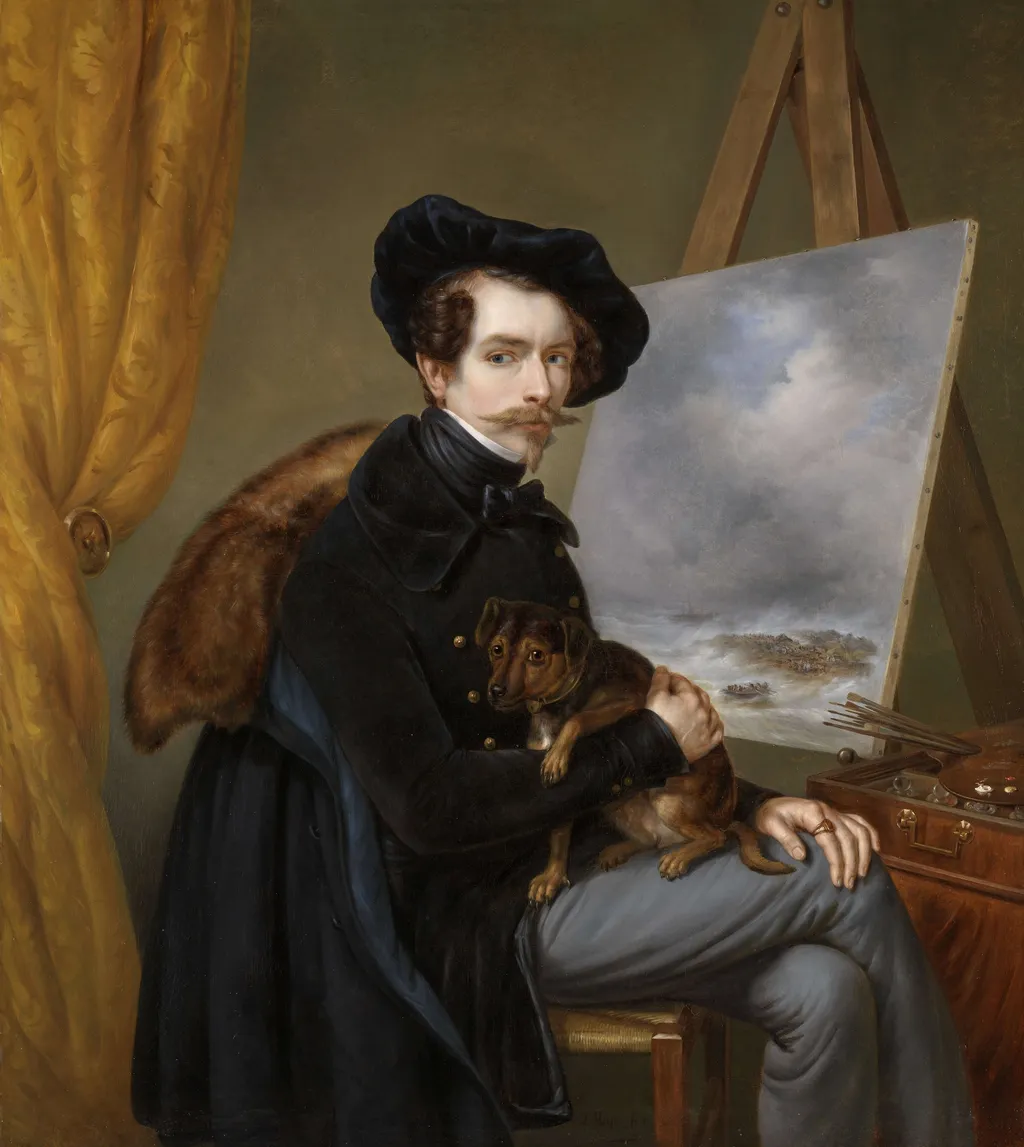
Self-Portrait is an oil painting by the Biedermeier artist Jan Weissenbruch. It dates from 1838 and is held in the collection of the Rijksmuseum.
About this work
Subject & Meaning
To his right sits a paint box containing a palette and brushes, while the canvas on his easel displays a seascape featuring people in distress during a storm.
The work depicts the artist Louis Meijer seated behind an easel with a small dog resting on his lap. He presents himself in formal Sunday attire, wearing a large black beret, a satin bow, a half-length jacket, and a fur-trimmed cloak. To his right sits a paint box containing a palette and brushes, while the canvas on his easel displays a seascape featuring people in distress during a storm.
This embedded maritime scene serves as a characteristic Romantic subject, symbolizing the artist's specialization and the dramatic themes prevalent in his oeuvre. The composition functions as a professional statement, combining personal likeness with the tools and subjects that defined his career.
History & Provenance
Louis Meijer's Self-Portrait was created in 1838. The painting is signed and dated mid-lower with the inscription "L. Meijer fecit / 1838" beneath the chair.
In June 1887, the work was acquired by the Rijksmuseum in Amsterdam, where it remains part of the collection.
The Self-Portrait by Louis Meijer is held in the Rijksmuseum Amsterdam under inventory number SK-A-2465. It entered the collection in June 1887. The work has been exhibited in the Rijksmuseum's presentation of Dutch painting from the first half of the nineteenth century, although specific exhibition titles or dates are not detailed in the provided sources.
Legacy
Louis Meijer's Self-Portrait (1838) has been recognized as an early example of Dutch Romantic portraiture, noted for its personal symbolism and technical execution. The Rijksmuseum's collection entry highlights its inclusion in 19th-century Dutch art surveys and its presence in exhibitions focusing on Romantic self-representation. The work's provenance, acquired by the Rijksmuseum in 1887, contributed to its institutional visibility, though specific later influence on artists is not documented in the provided sources.
Overview
Louis Meijer’s 1838 oil self‑portrait presents the artist seated in a modest interior, dressed in a dark coat and tall hat, with a small dog at his side. An easel behind him holds a miniature seascape, hinting at his reputation for maritime subjects. The composition is rendered with subdued lighting that isolates the figure against a warm, patterned wall, creating a quiet, introspective mood.
Technique & Style
Executed in oil on canvas, the work employs chiaroscuro to model the figure’s face and coat, contrasting illuminated areas with surrounding shadow. The brushwork is smooth and controlled, reflecting the Biedermeier preference for refined, intimate scenes. Subtle color modulation and careful rendering of textures, such as the fabric of the coat and the fur of the dog, demonstrate Meijer’s skill in handling varied surfaces.
Context
The portrait aligns with the Biedermeier movement’s focus on private, domestic subjects, diverging from the grand historical narratives of earlier Romanticism. While Meijer is chiefly remembered for dramatic seascapes, this intimate work reflects the period’s interest in personal identity and the everyday environment of the artist’s studio.
Own this work as a print
Artist & collection
Artist
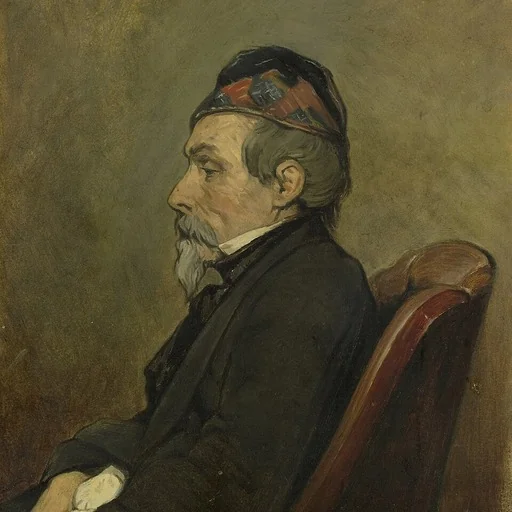
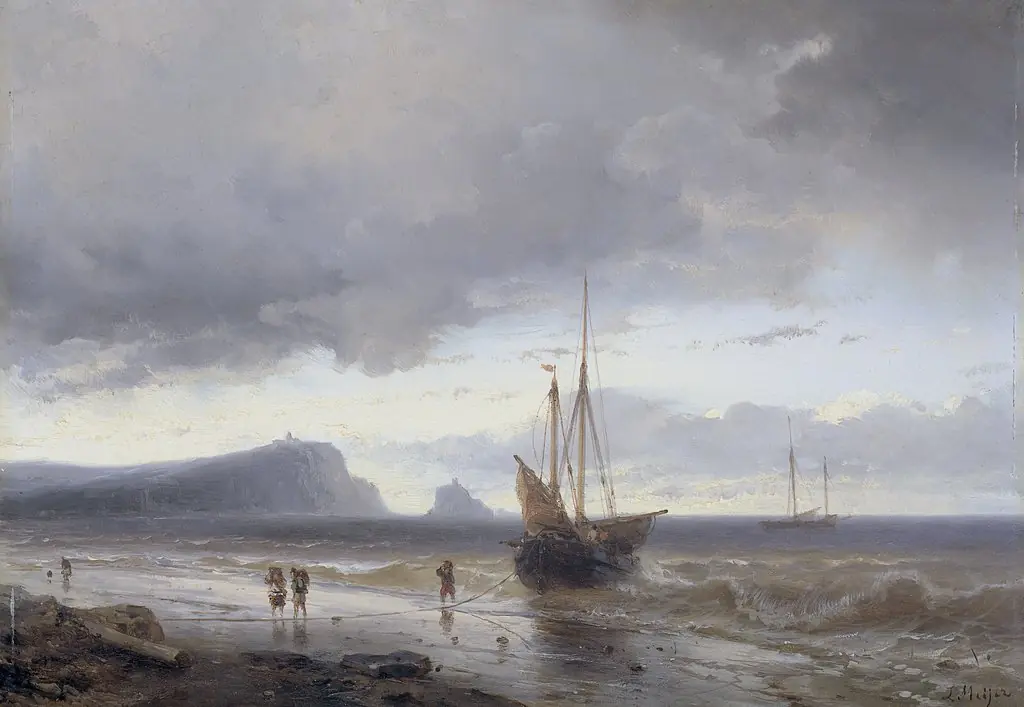
Johan Hendrik Louis Meijer (9 March 1809 – 31 March 1866) was a Dutch painter, etcher, lithographer, and draftsman.

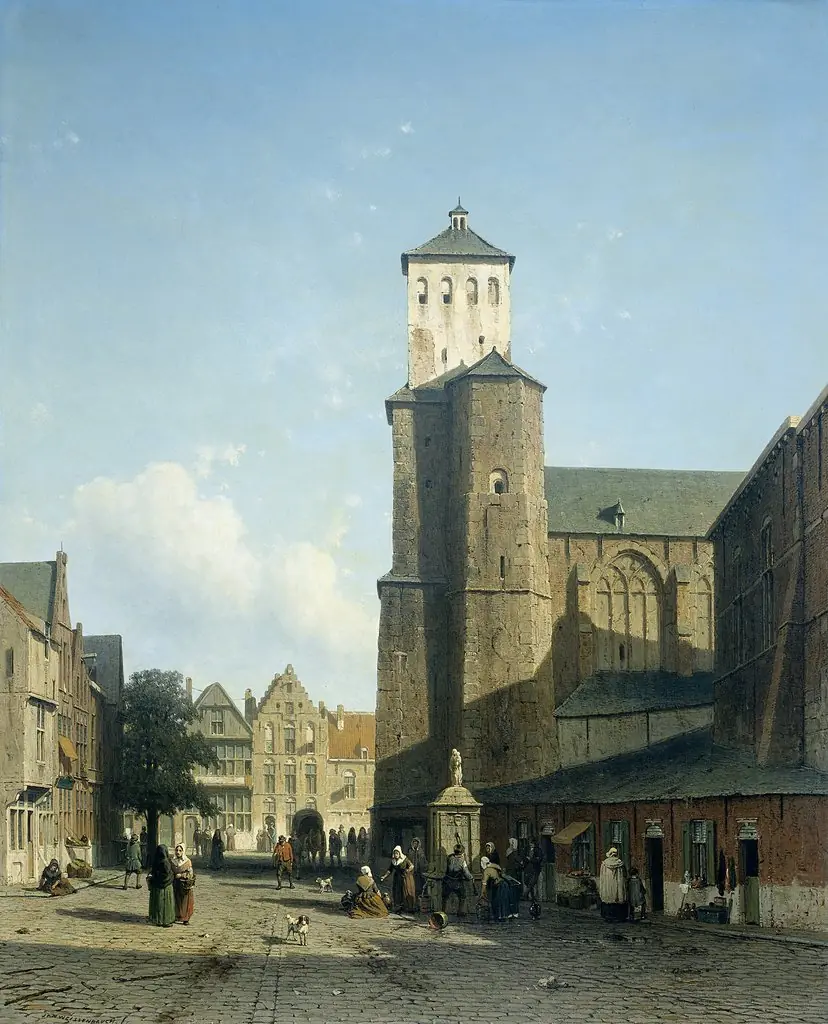
- Self-Portrait
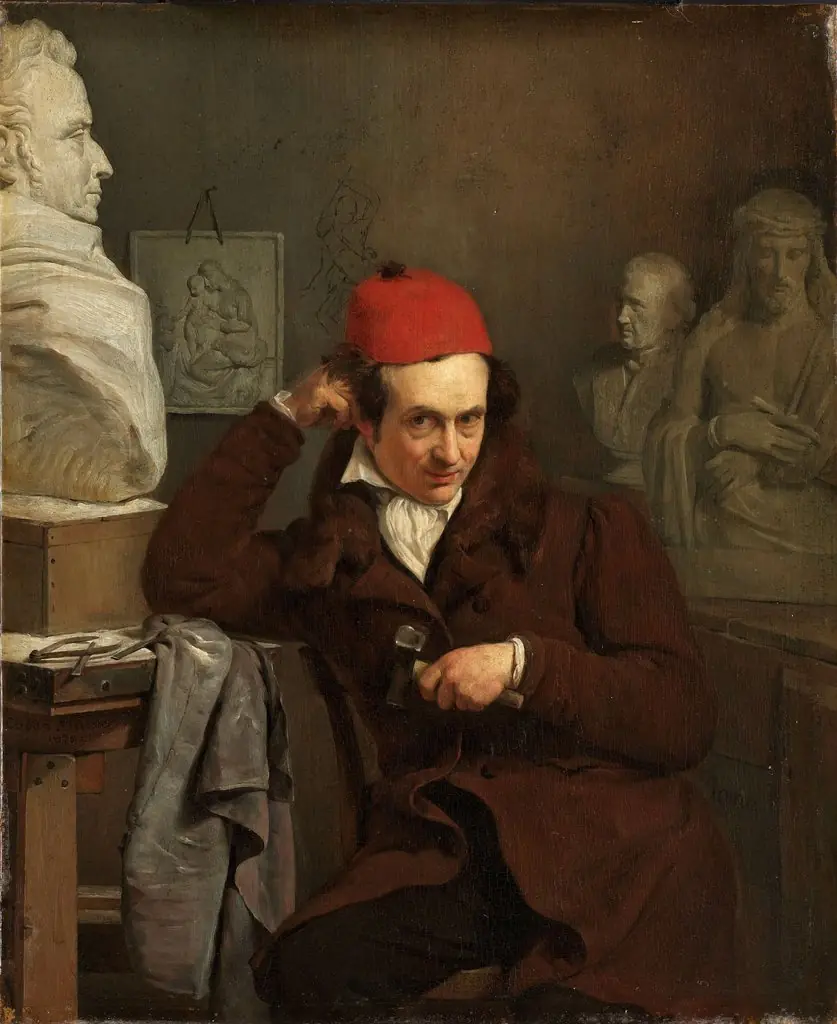 Portrait of Louis Royer
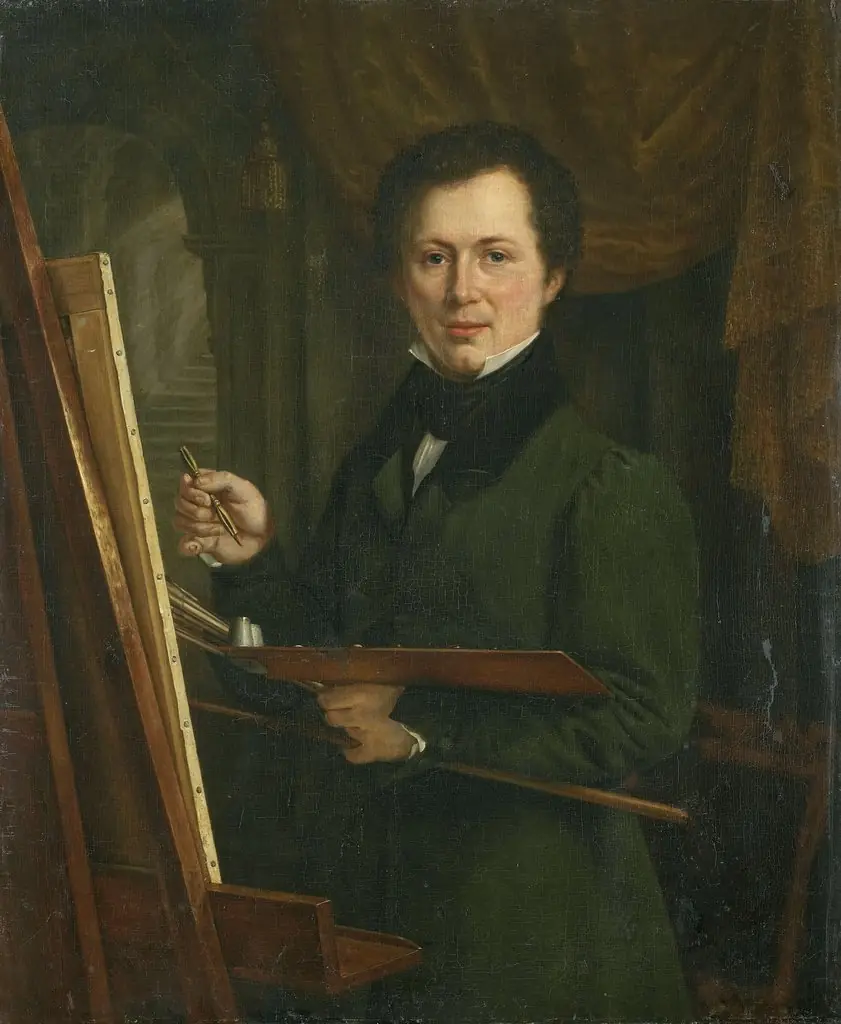 Portrait of a Painter
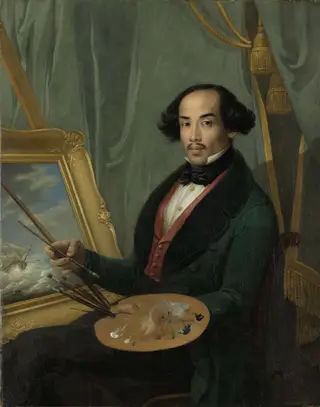 Portrait of Raden Syarif Bustaman Saleh
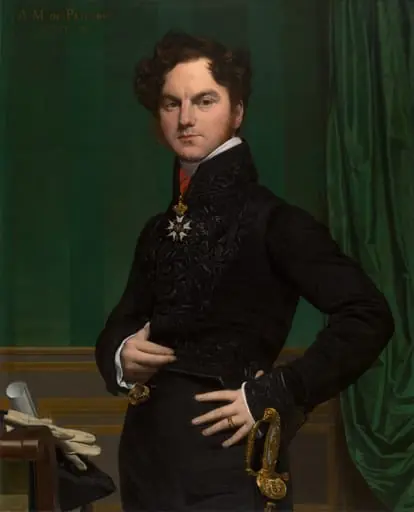 Amédée-David, the Comte de Pastoret
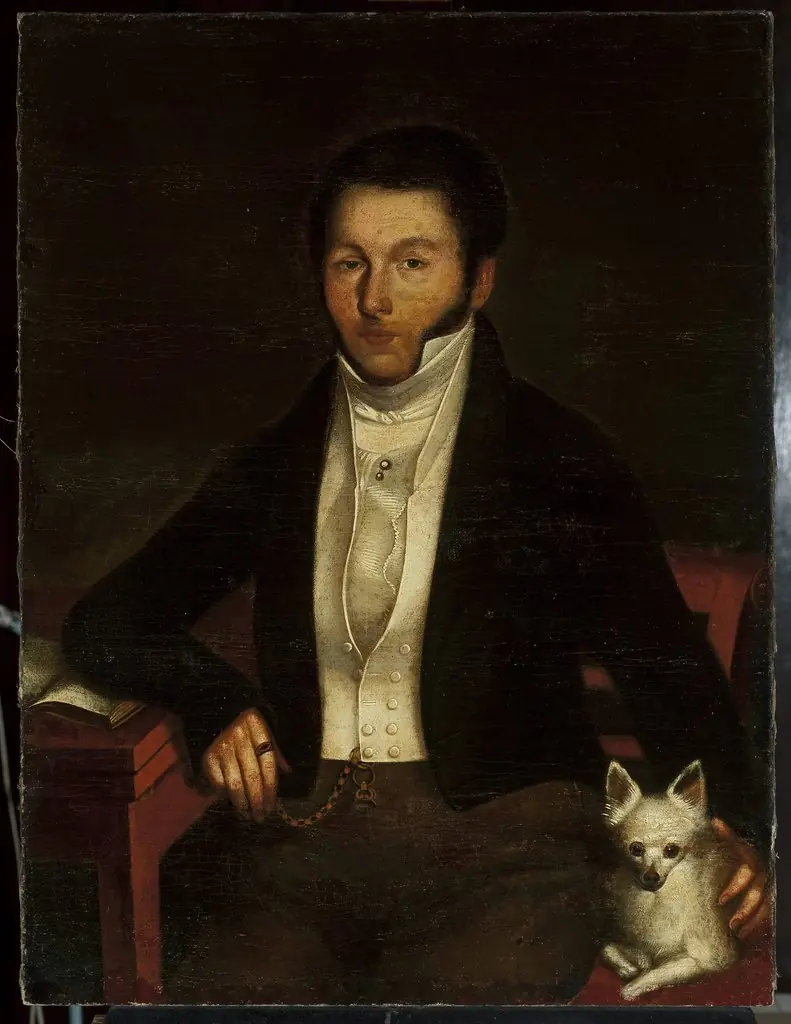 Portrait of Ignacy Innocenty Makowielski
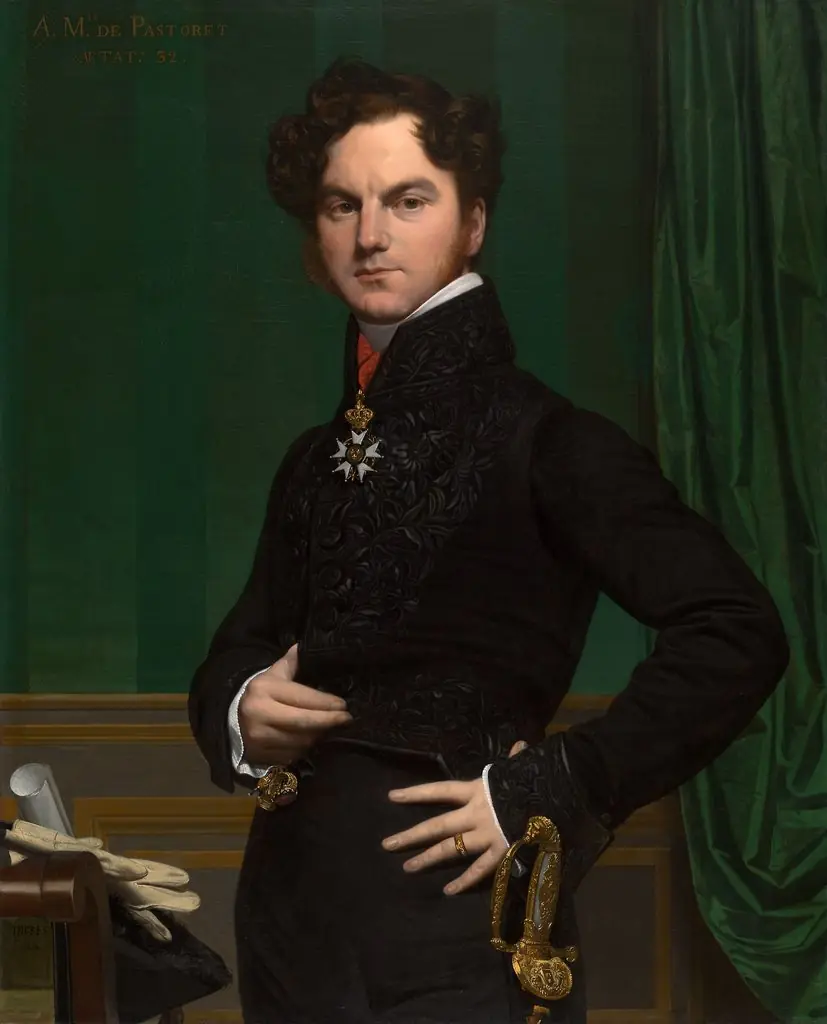 Amédée-David, the Comte de Pastoret
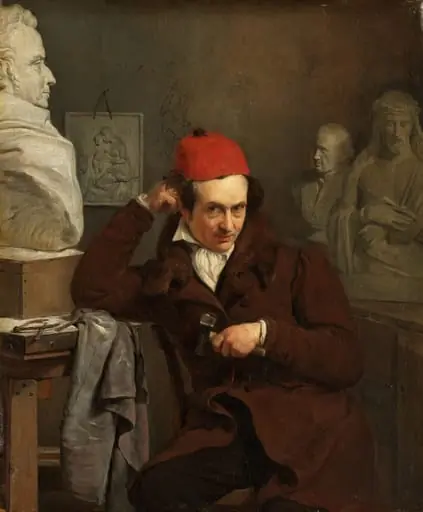 Portrait of Louis Royer
 Self-Portrait
 The painter Jean-Claude Bonnefond
 Self portrait, Erik Wahlbergson (1808-1865), artist
 Vapaaherra Rabbe Wreden muotokuva