Artwork
Bárbara de Braganza reina de España
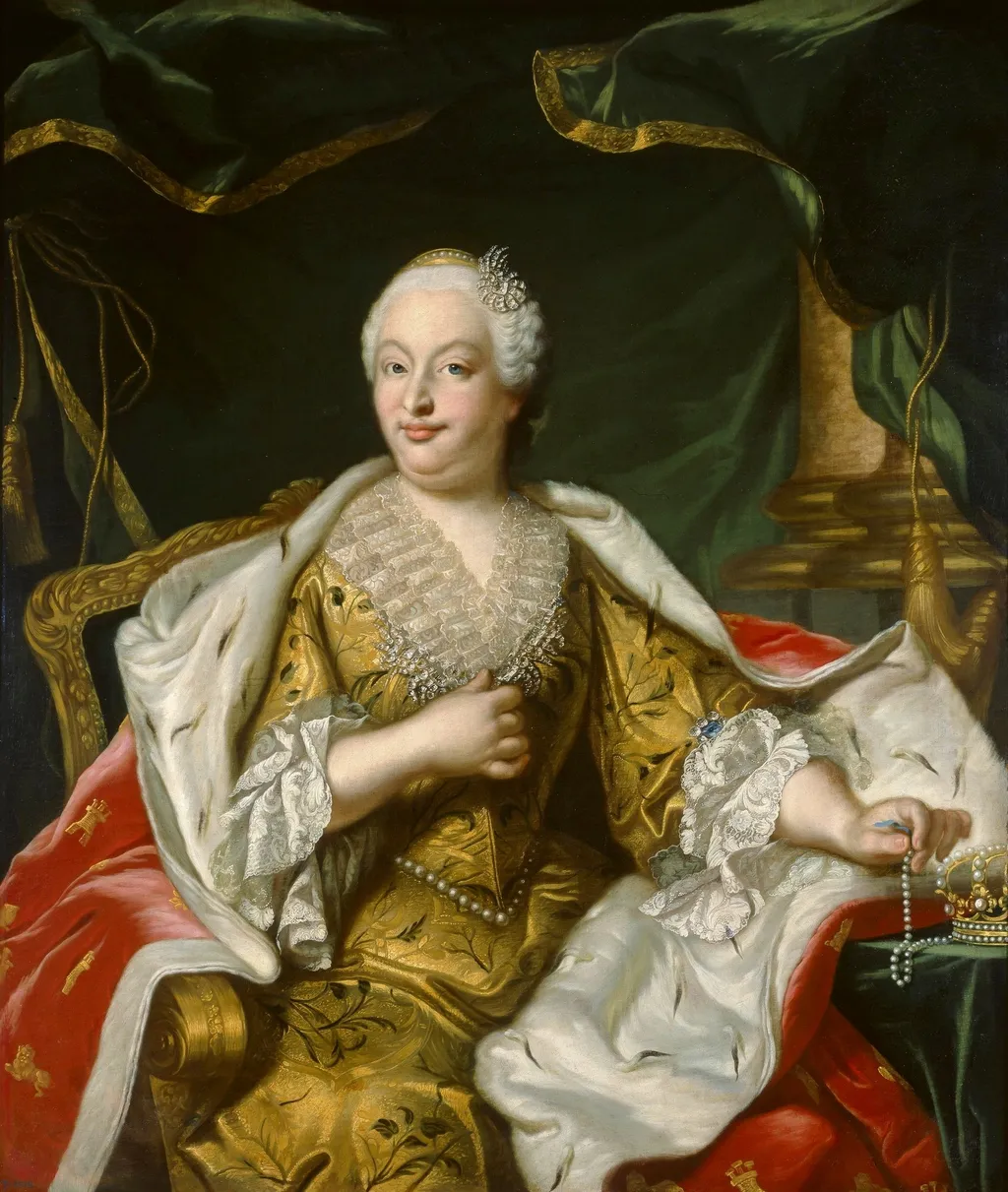
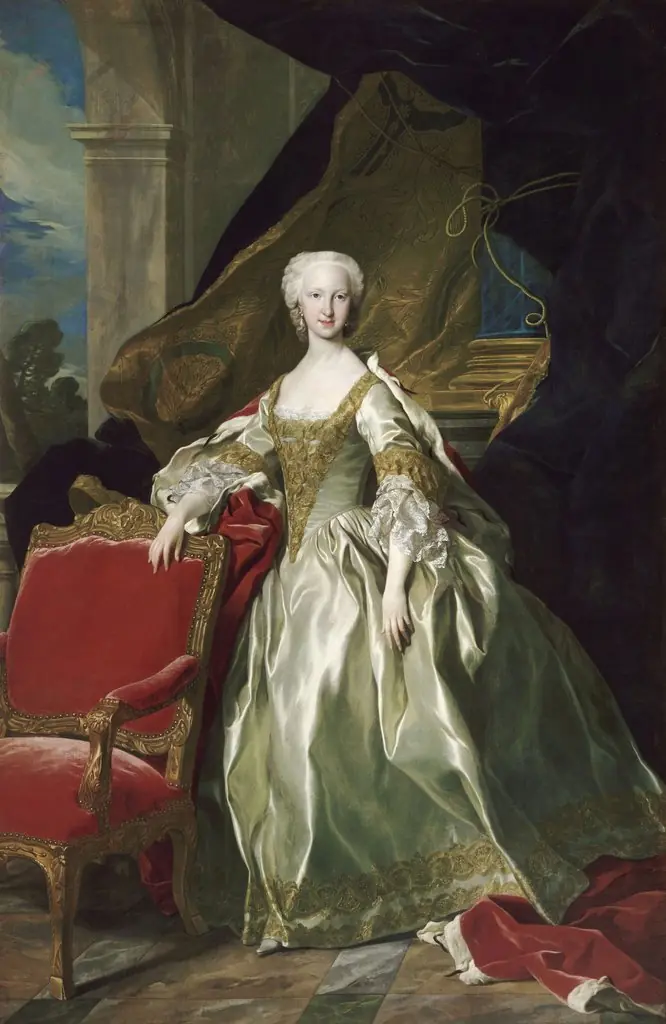
Bárbara de Braganza reina de España is an oil painting by the Rococo painting artist Louis-Michel van Loo. It dates from 1701 and is held in the collection of the Museo del Prado. Louis‑Michel van Loo’s oil portrait, executed in 1701, presents a regal female figure in sumptuous eighteenth‑century attire.
About this work
Technique & Style
The painting is classified as a formal portrait, emphasizing the sitter's position through the detailed representation of her attire and jewelry.
Executed in oil paint on canvas, this portrait measures 128 cm in height and 108 cm in width. The work depicts the subject adorned with a crown, gemstones, and a royal mantle, utilizing these elements to convey royal status within the genre of portraiture. The handling of the medium focuses on the realistic rendering of these regal attributes and the figure's likeness.
The painting is classified as a formal portrait, emphasizing the sitter's position through the detailed representation of her attire and jewelry. The composition centers on the figure, employing the oil medium to capture the textures of the fabric and the brilliance of the jewels.
History & Provenance
The portrait of Bárbara de Braganza by Louis-Michel van Loo is held in the collection of the Museo del Prado. Wikidata records its location at that museum, with the work catalogued as part of the institution's holdings.
No specific inventory or accession number is provided in the available sources, and no exhibition history beyond its presence in the Museo del Prado's collection is documented.
Overview
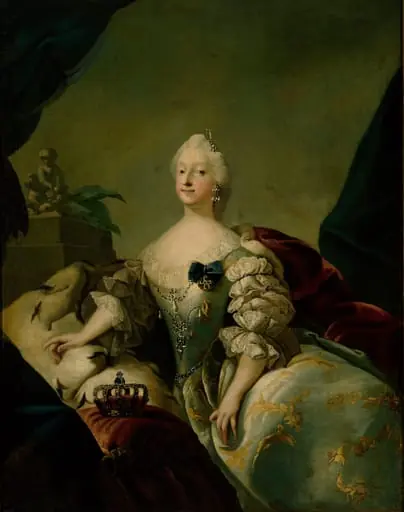
Louis‑Michel van Loo’s oil portrait, executed in 1701, presents a regal female figure in sumptuous eighteenth‑century attire. The canvas, now part of the Museo del Prado’s collection, captures the sitter with a crown, ornate jewelry, and a richly draped mantle, set against a darkened backdrop punctuated by muted foliage and a gilded frame.
Subject & Meaning
The work portrays Barbara of Braganza, who reigned as queen consort of Spain after her marriage to King Ferdinand VI. Her elaborate dress, crown‑like headpiece, and the presence of a fan suggest both her royal status and the courtly conventions of femininity and power during the early 1700s.
Context
The painting reflects the broader Baroque interest in opulent representation of monarchy, aligning with contemporary works that emphasized splendor and legitimacy. Van Loo, a prominent court painter, often depicted royalty with a focus on elaborate costume and the subtle interplay of light and shadow that defined the period’s aesthetic.
Own this work as a print
Artist & collection

- Tanskan kuningatar Sofia Magdalena
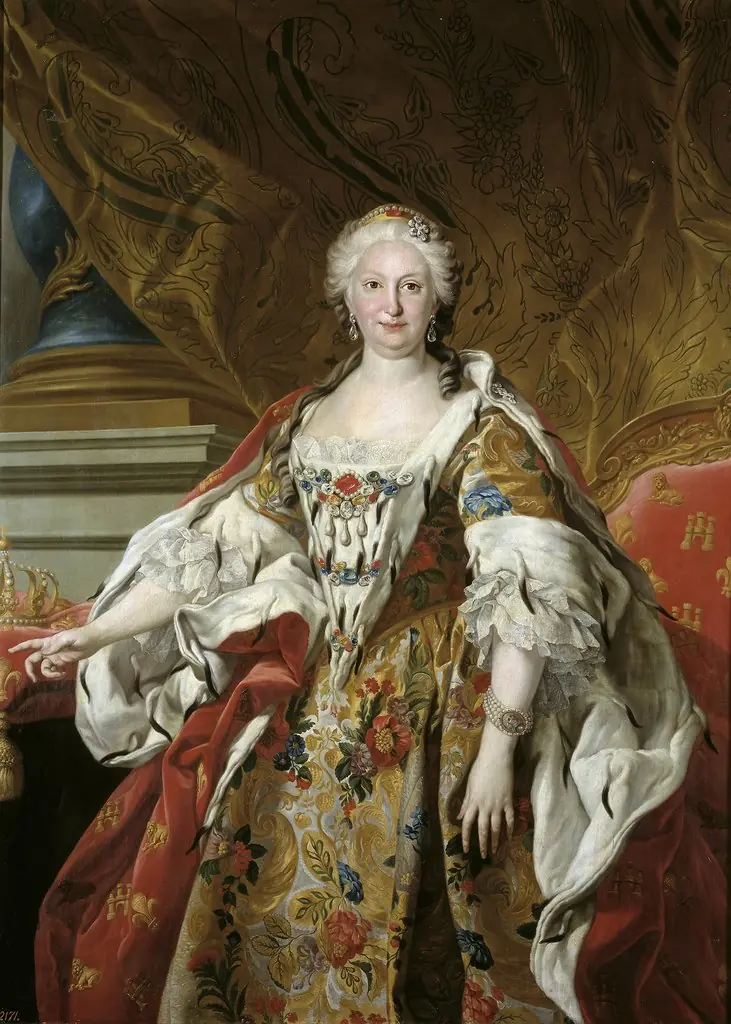 Elisabeth Farnese, Queen of Spain
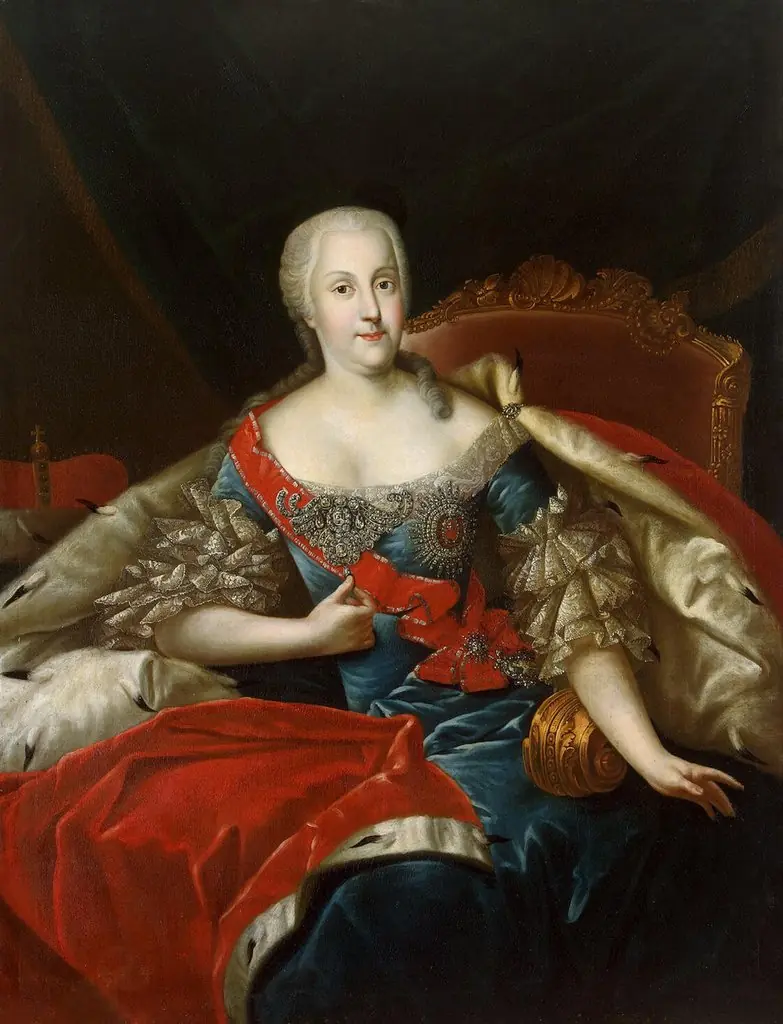 Portrait of Johanna Elisabeth, Princess of Anhalt-Zerbst
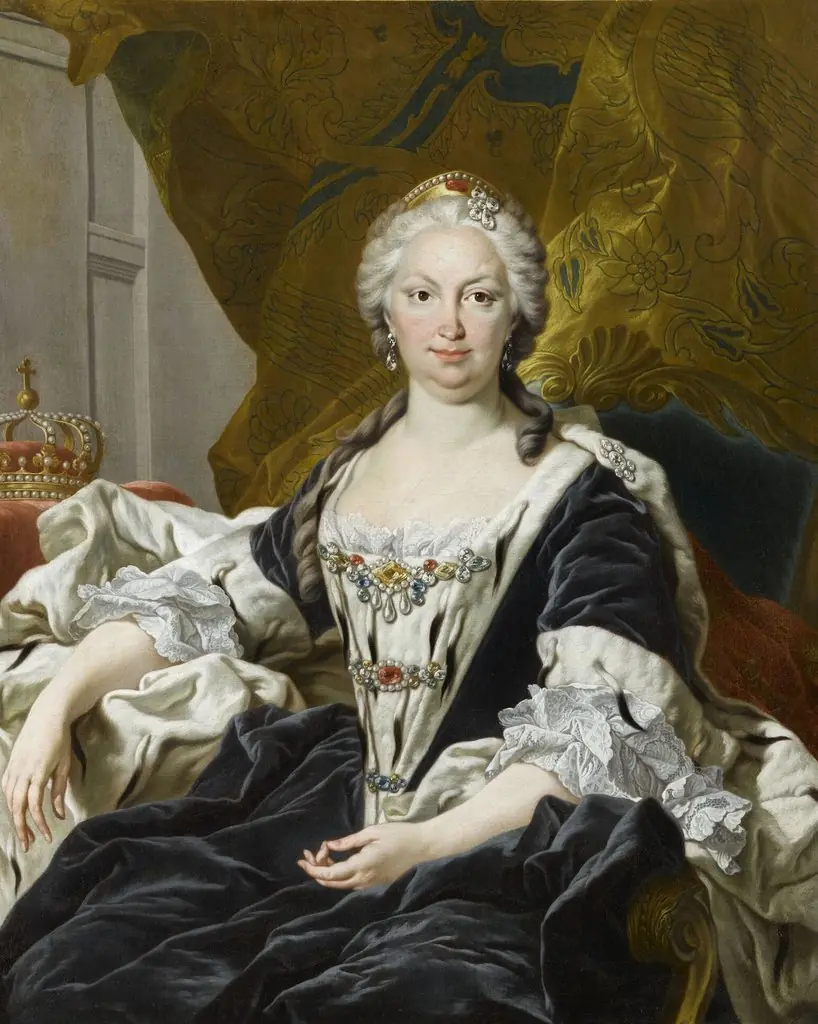 Elisabeth Farnese, Queen of Spain (1692-1766)
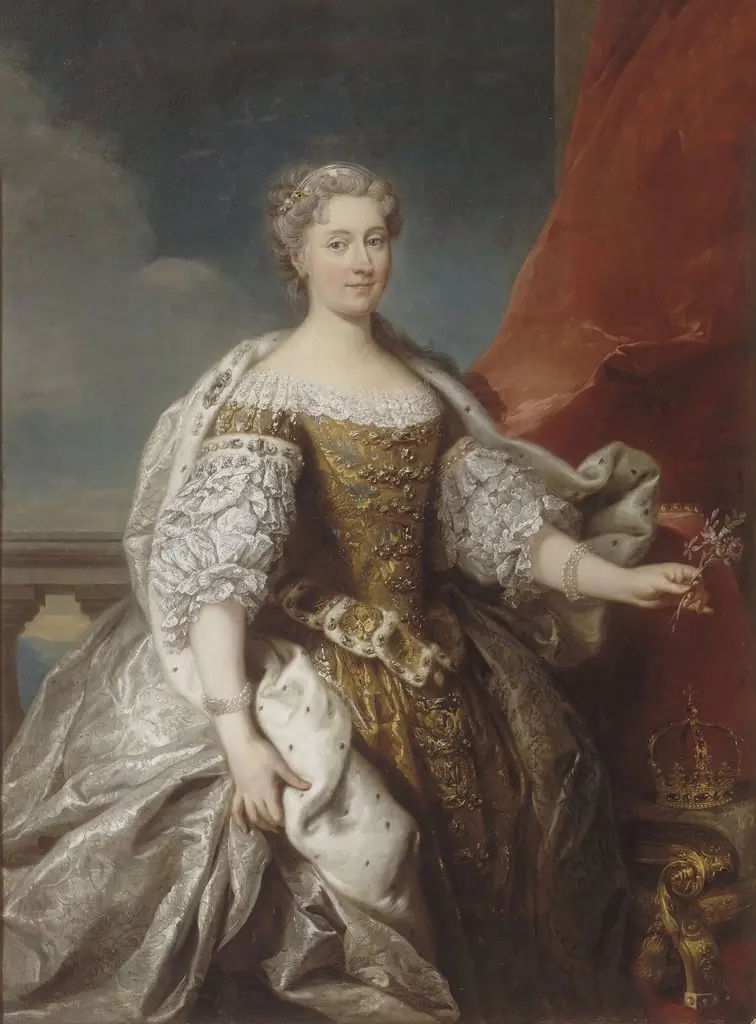 Catherine Opalińska, Queen of Poland
 Maria Theresa as Queen of Hungary
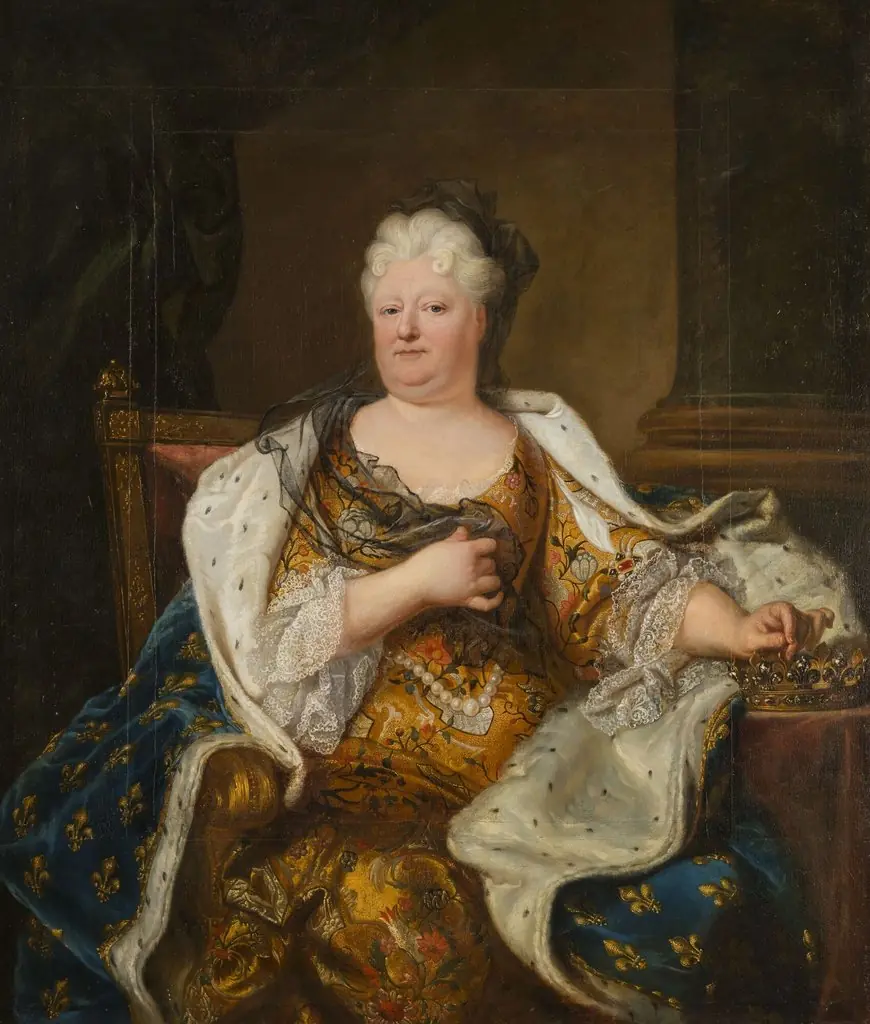 Elizabeth Charlotte, Princess Palatine
 Portrait of Ulrika Eleonora the Younger, Queen of Sweden
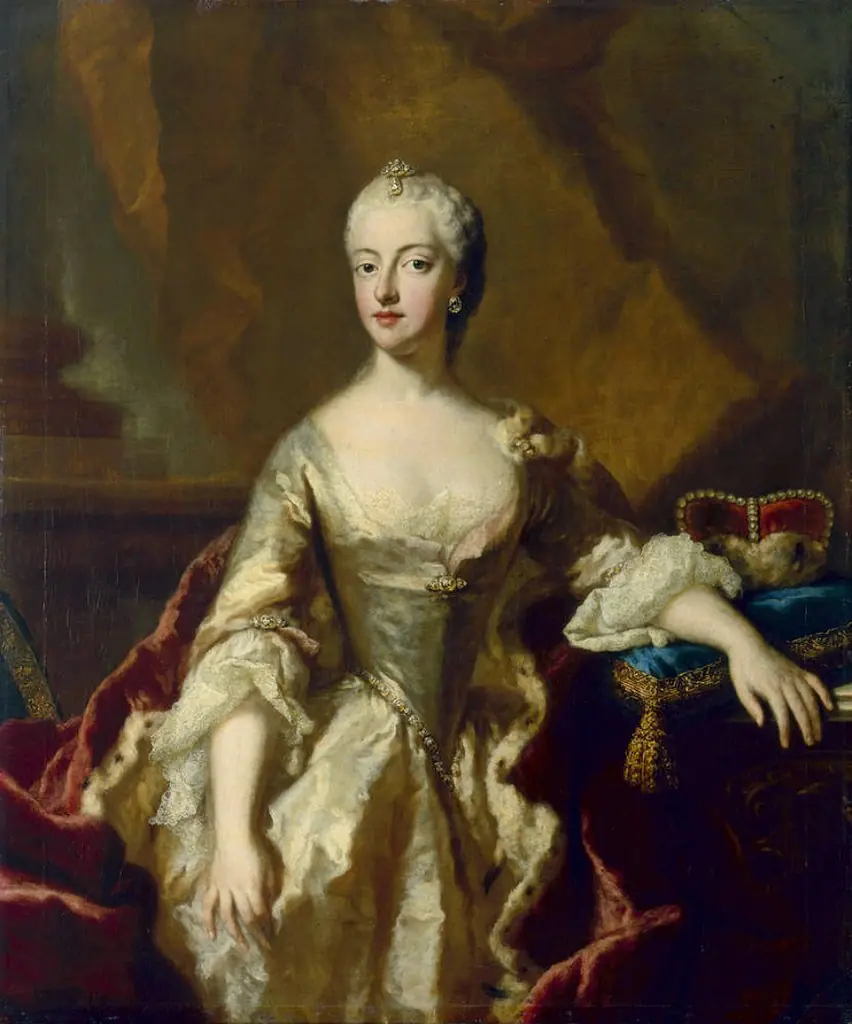 Margravine Maria Anna Josepha of Baden-Baden
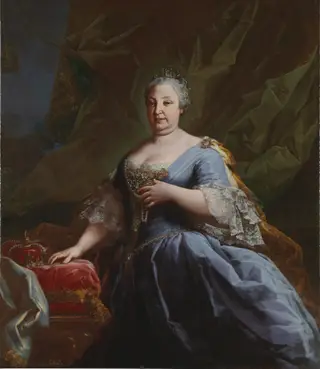 Bárbara de Braganza reina de España
 Tanskan kuningatar Louise
 Marie-Josephus of Saxe