Artwork
Portrait of Ulrika Eleonora the Younger, Queen of Sweden
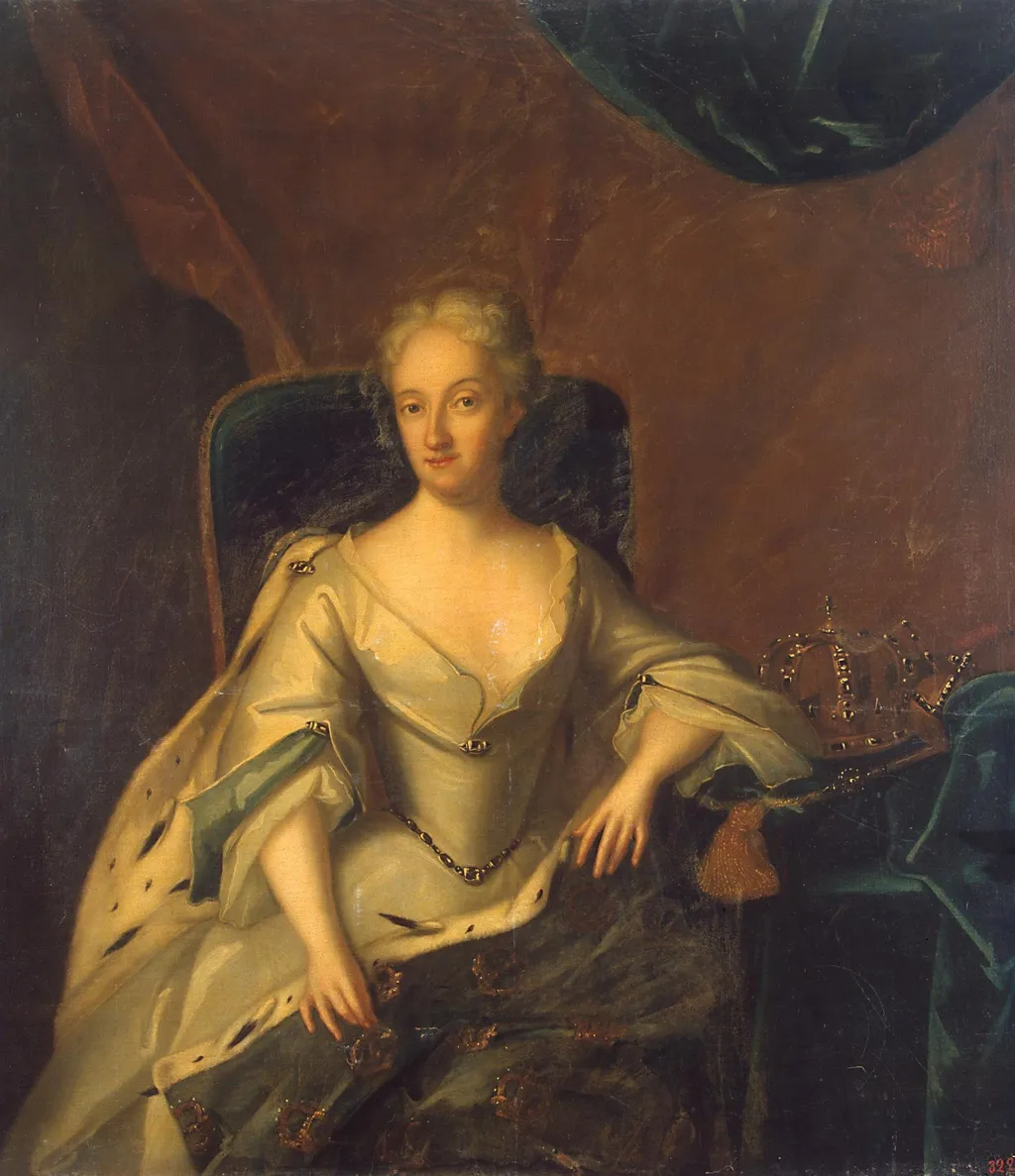
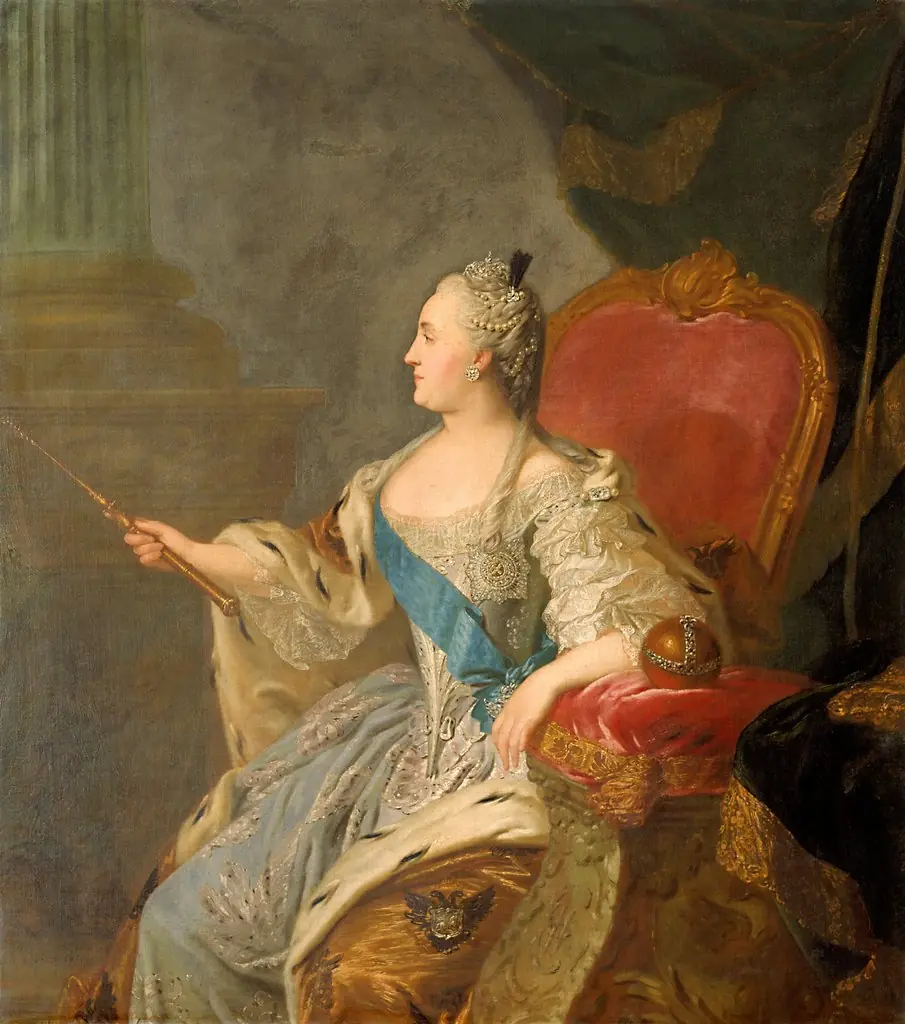
Portrait of Ulrika Eleonora the Younger, Queen of Sweden is an oil painting by the Rococo painting artist Unknown. It dates from 1725 and is held in the collection of the Hermitage Museum. The work is an oil painting portraying Ulrika Eleonora the Younger, who reigned as queen of Sweden.
About this work
Overview
The painting's presence in the Hermitage indicates its significance within the broader context of European royal portraiture collected by Russian patrons.
The Portrait of Ulrika Eleonora the Younger, Queen of Sweden is an oil painting on canvas dated to 1725, executed by an unknown artist. Measuring 132.6 by 119 centimeters, the work is held in the collection of the Hermitage Museum in Saint Petersburg. The portrait depicts the Swedish monarch who reigned from 1718 to 1720 before abdicating in favor of her husband, Frederick I. As a formal royal portrait from the early eighteenth century, it exemplifies the conventions of European court painting while preserving the image of a queen whose brief reign marked a pivotal transition in Swedish constitutional history. The painting's presence in the Hermitage indicates its significance within the broader context of European royal portraiture collected by Russian patrons.
Subject & Meaning
The subject, Ulrika Eleonora the Younger (1688-1741), was the daughter of King Charles XI and Queen Ulrika Eleonora of Denmark, and the sister of Charles XII. She became Queen of Sweden in December 1718 following her brother's death, but agreed to abolish autocratic rule and was crowned in Uppsala in March 1719. Her reign ended in February 1720 when she abdicated in favor of her husband, Frederick of Hesse-Kassel, thereafter serving as queen consort until her death from smallpox in November 1741. The portrait presents her in a three-quarter pose, seated and facing the viewer directly, a compositional choice that asserts her royal authority. The golden crown studded with jewels, placed on a dark surface draped with green cloth to her left, serves as an unambiguous emblem of sovereignty. The ermine-trimmed robe dotted with small dark spots across her lap signifies her elevated status, as ermine was traditionally reserved for monarchs and high nobility. The pale blue or silvery gown with jeweled clasps and dark jeweled belt further communicates wealth and position. The warm brownish-red drapery and pulled-back dark green curtain create a theatrical setting common to Baroque court portraiture, framing the subject within an atmosphere of controlled grandeur. The even, soft lighting on her face and chest avoids dramatic shadows, producing an image of composed dignity rather than theatrical intensity.
Technique & Style
The painting is executed in oil on canvas, with dimensions of 132.6 by 119 centimeters. The brushwork is notably smooth and blended, particularly in the rendering of flesh tones and fabrics, suggesting a practiced hand attuned to the conventions of court portraiture. More visible texture appears in the background drapery, where broader handling differentiates the decorative setting from the refined treatment of the subject. The palette is dominated by warm browns, muted greens, and pale silvery blues, creating a harmonious and restrained color scheme. Light falls evenly across the face and chest, producing soft shadows that model form without dramatic contrast. The surface shows fine craquelure throughout, consistent with its age and medium. A small red number in the lower right corner indicates a later inventory or collection mark. The overall technique aligns with early eighteenth-century European portrait traditions, where the ideal of polished finish prevailed in representations of royalty.
History & Provenance
The painting is dated to 1725, five years after Ulrika Eleonora's abdication and during her period as queen consort. While the artist remains unknown, the date places the work within a period when Georg Engelhard Schröder, who succeeded David von Krafft as royal court portraitist in 1724, was producing portraits of the queen and King Frederick I. However, no attribution to Schröder or any other specific artist can be established from available documentation. The work is currently located in the Hermitage Museum, though the precise date and circumstances of its acquisition by the museum are not specified in available sources. Its presence in this major Russian imperial collection suggests it may have entered through diplomatic channels, purchase, or as part of the broader acquisition of European art that characterized the Hermitage's formation. The painting's accession number and detailed provenance chain prior to its arrival at the Hermitage remain undocumented in the sources provided.
Context
The portrait belongs to a significant body of representations of Ulrika Eleonora the Younger, a figure of considerable historical importance in Swedish history. Her reign marked the formal end of absolute monarchy in Sweden and the beginning of the Age of Liberty, a parliamentary era that would last until 1772. The painting's creation in 1725 situates it after this constitutional transformation, when she held the reduced status of queen consort rather than reigning monarch. The work must be understood within the context of early eighteenth-century Swedish court culture, where portraiture served to maintain royal visibility and prestige even as political power shifted. Other artists associated with portraits of Ulrika Eleonora include Georg Engelhard Schröder, who became a favored court painter, and Georg Desmarées, whose portrait of her hangs in the Swedish State Portrait Collection at Gripsholm Castle. The existence of multiple portraits by various hands indicates sustained demand for her image, reflecting both her personal significance and the broader institutional need for royal representation. The Hermitage holding of this particular work places it within one of the world's most important collections of European painting, ensuring its continued visibility to scholars and the public.
Legacy
The portrait's afterlife is intertwined with the broader historical reputation of its subject. Ulrika Eleonora the Younger remains a significant figure in Swedish history as the monarch who voluntarily relinquished absolute power, enabling the constitutional framework that defined the Age of Liberty. Her image, preserved in this and other portraits, continues to serve as a visual document of a transformative moment in Scandinavian governance. The painting's residence in the Hermitage Museum ensures its preservation and public access, though it has not achieved the same level of individual scholarly attention as portraits by identified masters. Within the larger category of portrait paintings of Ulrika Eleonora of Sweden, which encompasses at least sixty-four documented works, this anonymous canvas contributes to understanding how her image was disseminated and adapted across different artistic contexts. The work stands as a material witness to the visual culture of early eighteenth-century European monarchy, and to the particular circumstances of a queen whose historical significance derives as much from her abdication as from her brief reign.
Artist & collection









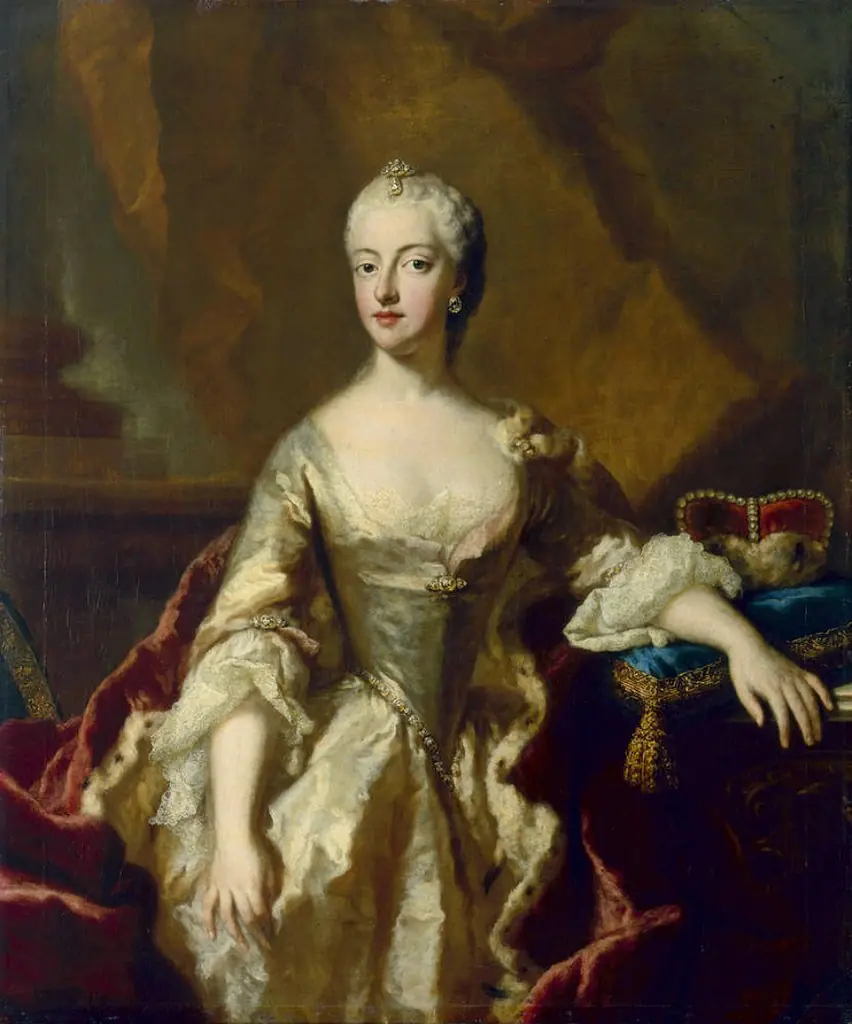
- Margravine Maria Anna Josepha of Baden-Baden
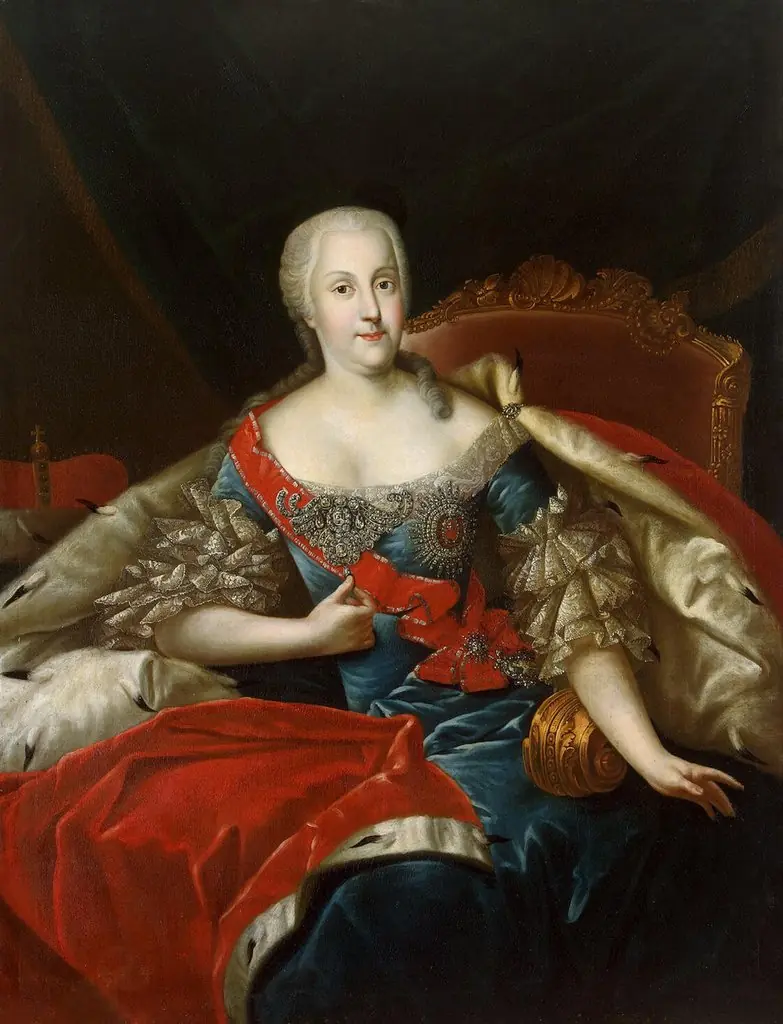 Portrait of Johanna Elisabeth, Princess of Anhalt-Zerbst
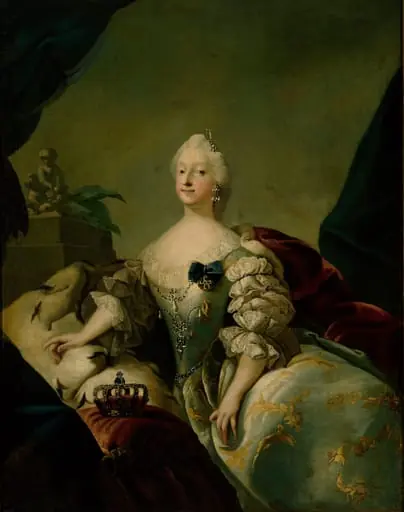 Tanskan kuningatar Louise
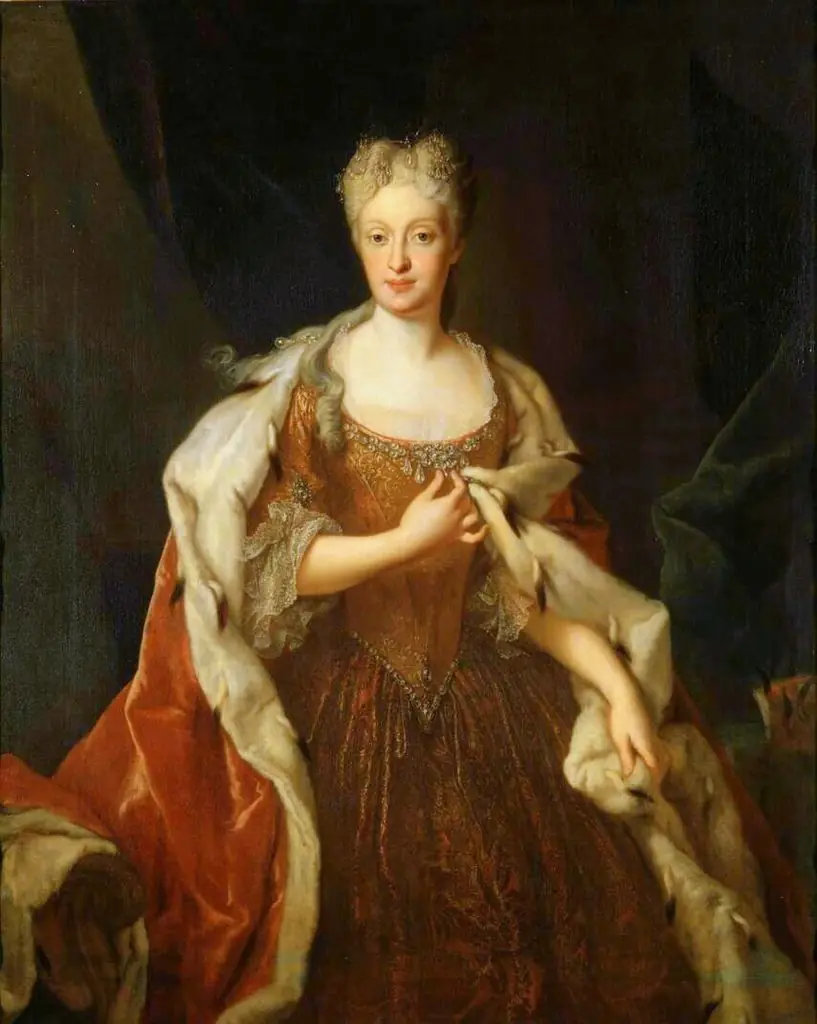 Porträt der Maria Josepha of Austria (1699-1757), Electress of Saxony and Queen of Poland
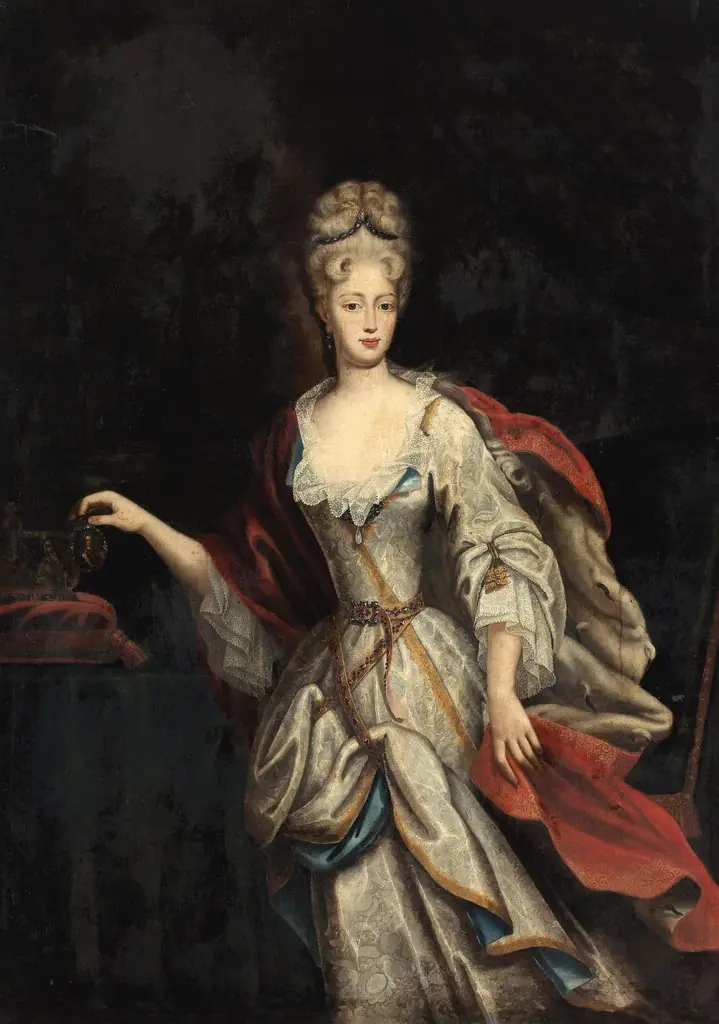 Bildnis einer Fürstin
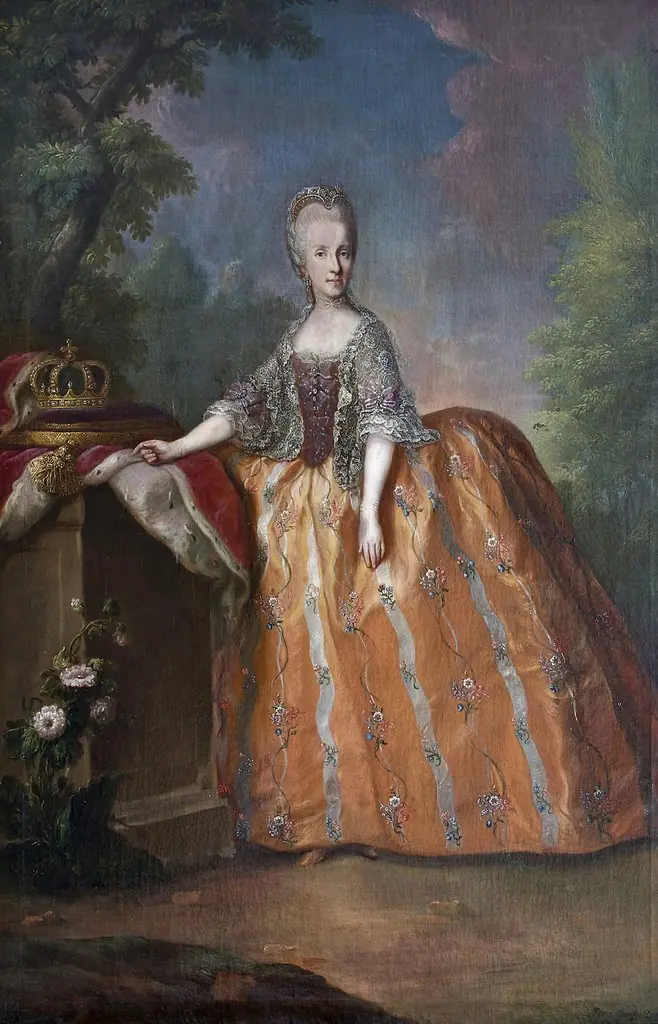 Maria Luisa of Spain, Holy Roman Empress
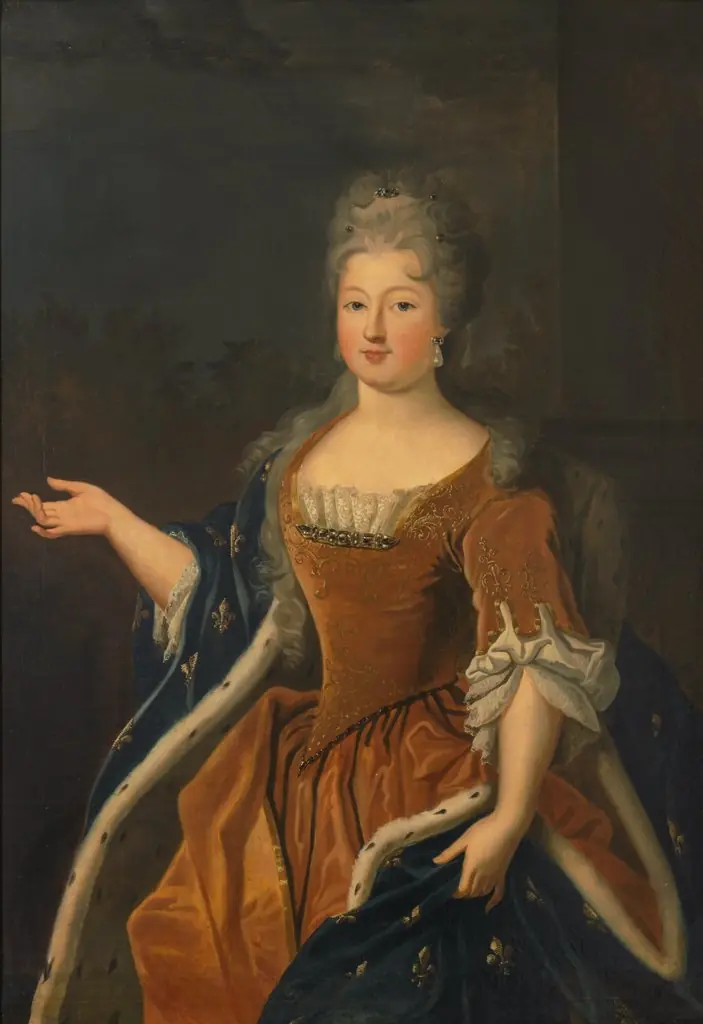 Portrait of Marie Louise-Elisabeth d'Orléans
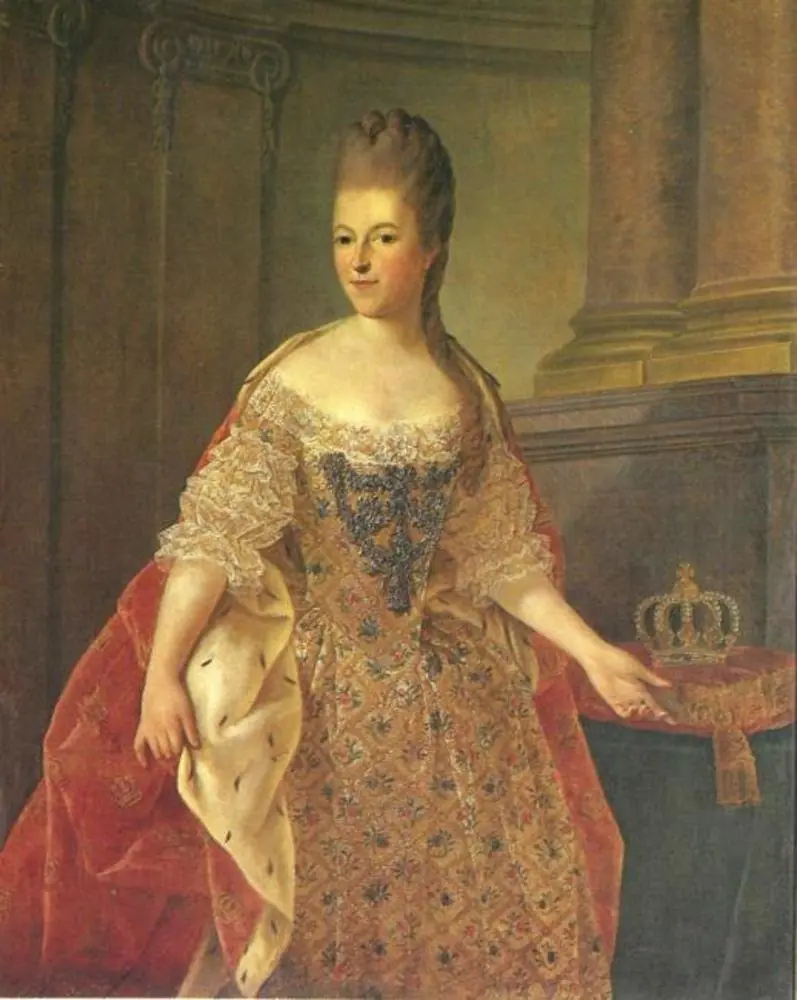 Frederika Sophia Wilhelmina (Wilhelmina; 1751-1820), prinses van Pruisen. Echtgenote van prins Willem V
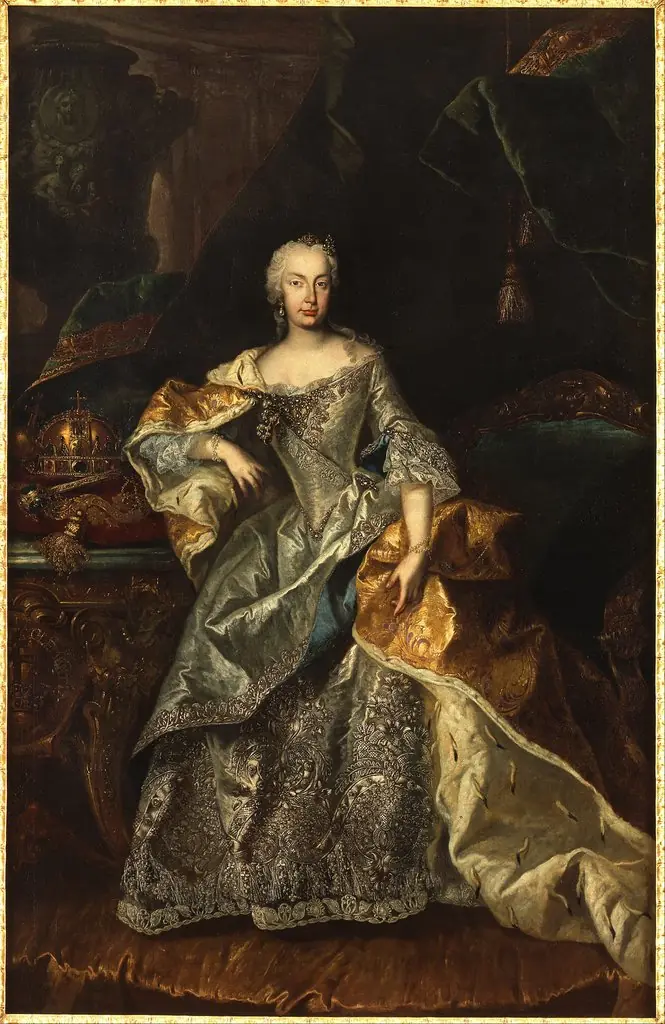 Maria Theresa as Queen of Hungary
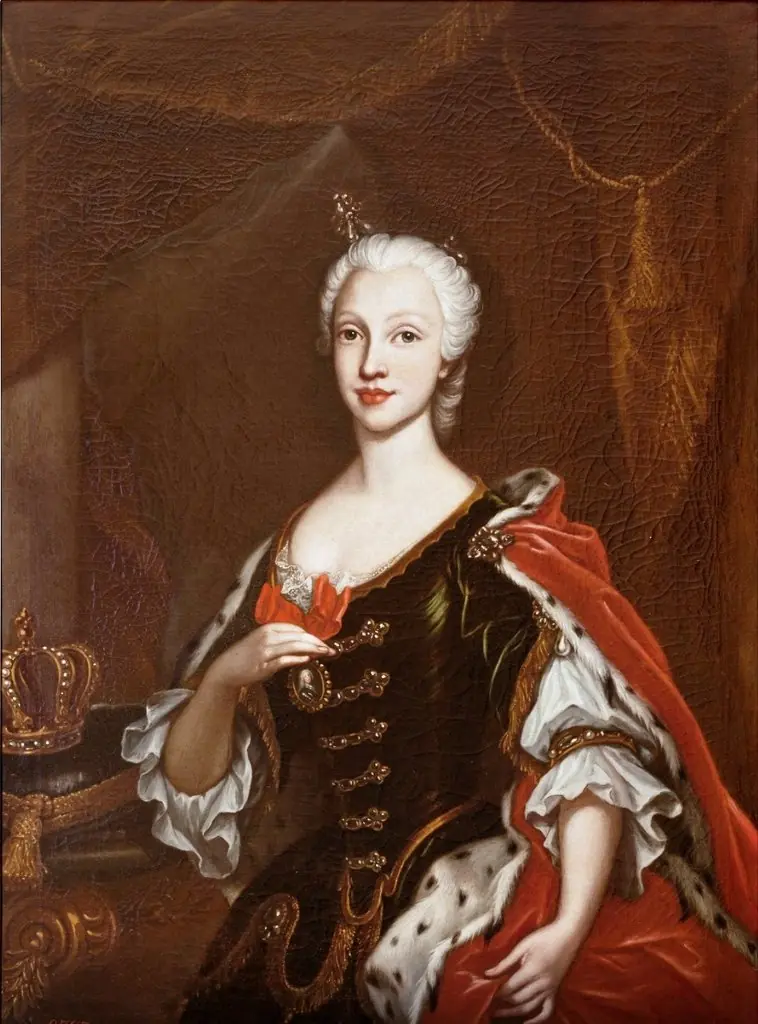 Maria Amalia of Saxony (1724-1760), Queen of Naples
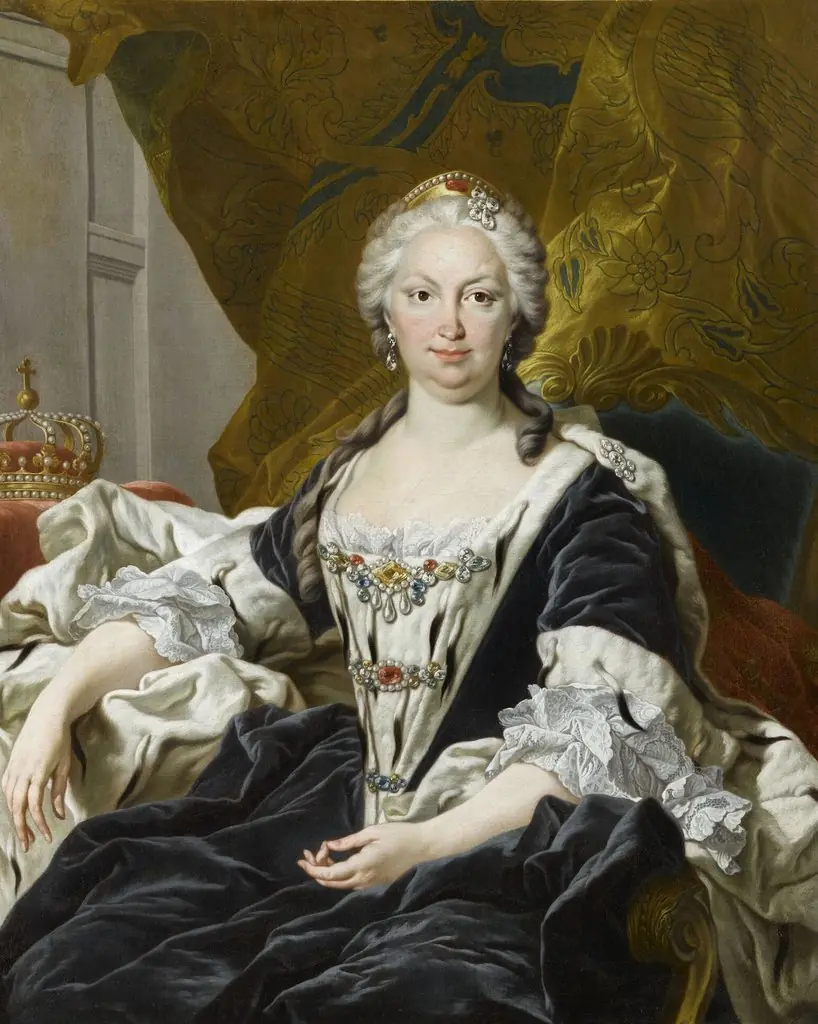 Elisabeth Farnese, Queen of Spain (1692-1766)
 Portrait of Catherine II