Artwork
The Infanta María Teresa Rafaela of Spain, future Dauphine of France (1726-1746)
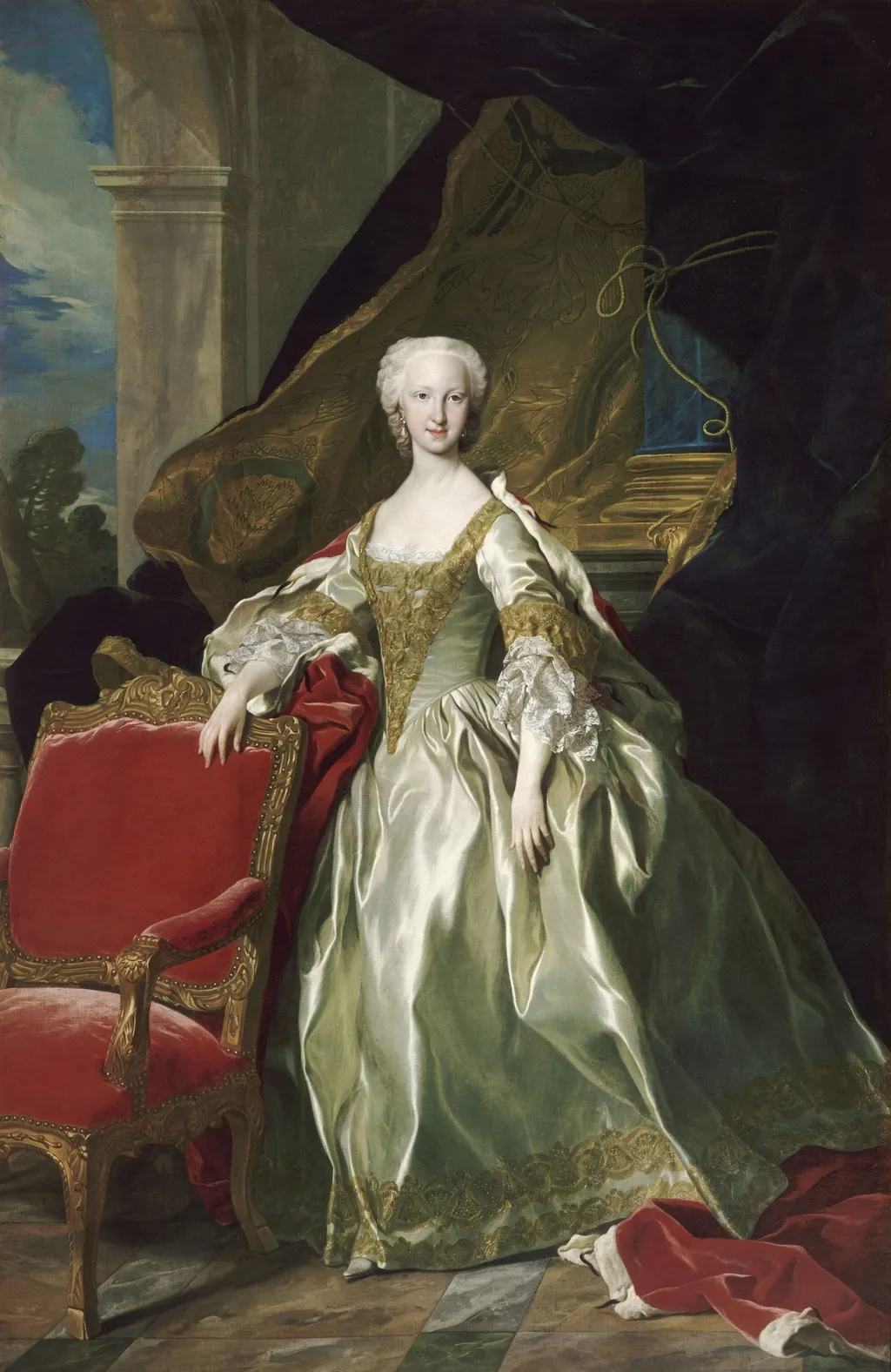
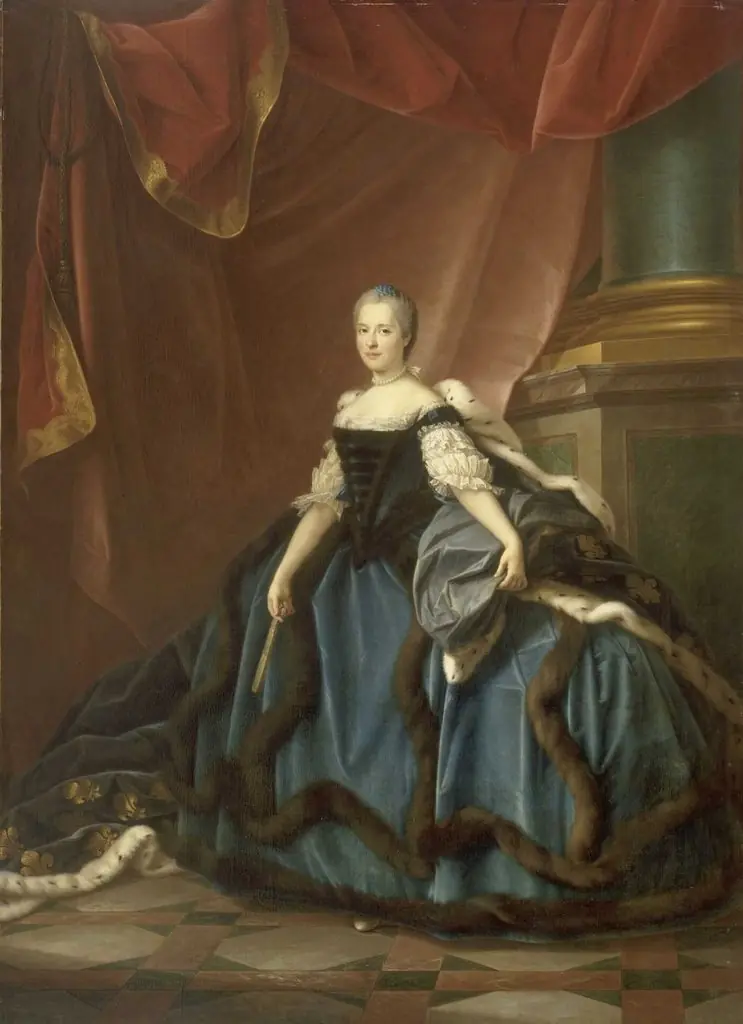
The Infanta María Teresa Rafaela of Spain, future Dauphine of France (1726-1746) is an oil painting by the Rococo painting artist Louis-Michel van Loo. It dates from 1745 and is held in the collection of the Palace of Versailles.
About this work
Subject & Meaning
The work functions as a formal representation of her royal identity at the French court, capturing her role within the lineage of the monarchy.
The painting depicts Maria Teresa Rafaela of Spain, identified in records as the future Dauphine of France, standing as the central subject. Rendered in oil on canvas, the portrait presents her adorned with specific regalia and accessories including a wig, lace, and a bijou. These elements of dress and ornamentation serve to visually articulate her status as the bride of the French crown prince.
The work functions as a formal representation of her royal identity at the French court, capturing her role within the lineage of the monarchy. The inclusion of these specific attributes underscores her position as a significant political figure through marriage, bridging the Spanish and French dynasties.
Technique & Style
Executed in 1745 by Louis-Michel van Loo, this large-scale portrait is an oil painting on canvas. The work measures 271 cm in height and 195 cm in width, characteristic of the grand format used for royal imagery at the French court. Van Loo's handling focuses on the meticulous rendering of luxurious textures, specifically depicting the intricate details of lace, jewelry (bijou), and the elaborate fabrics of the Dauphine's dress.
The composition also captures the formal styling of the period, including the subject's wig and regal bearing. Originally attributed to Louis de Silvestre, the painting demonstrates the refined academic style associated with van Loo's tenure as a premier portraitist in Versailles.
History & Provenance
Louis-Michel van Loo executed this oil on canvas portrait in 1745, depicting the Infanta María Teresa Rafaela shortly before her marriage to the French Dauphin. Although the work was at one point attributed to Louis de Silvestre, it is now securely recognized as a product of the French school by van Loo, who was born in Toulon and died in Paris. The painting entered the collections of the Museum of the History of France at the Palace of Versailles, where it remains housed today.
It is cataloged under multiple inventory numbers, including MV 3788, INV 7946, and B 2256, reflecting its long tenure within the national holdings.
The portrait is held by the National Museum of the Palaces of Versailles and Trianon in Versailles, France. Within the collection of the Museum of the History of France, the work carries the inventory numbers MV 3788, INV 7946, and B 2256. It was previously attributed to Louis de Silvestre before being correctly assigned to Louis-Michel van Loo.
The Joconde database records the piece under reference 000PE007330. The provided sources do not list any specific past or future exhibitions for this painting.
Context
The Infanta María Teresa Rafaela of Spain, future Dauphine of France, was painted by Louis-Michel van Loo in 1745 as a formal portrait intended to mark dynastic alliances. The work was created for presentation at the French court and reflects the diplomatic use of imagery within Bourbon ceremonial culture. Van Loo, a prominent French painter trained in the tradition of Charles Antoine Coypel and later director of the French Academy in Rome, developed a refined Rococo style that blended aristocratic elegance with emerging Enlightenment ideals of portraiture.
The painting's composition and execution were noted in contemporary accounts for their technical precision and courtly symbolism, contributing to van Loo's reputation as a leading portraitist of the mid-eighteenth century. It is housed in the Museum of the History of France at the Palace of Versailles, where it remains part of the national collection of royal portraiture.
Legacy
The portrait of the Infanta María Teresa Rafaela of Spain, painted by Louis-Michel van Loo in 1745, entered the collection of the Museum of the History of France at Versailles shortly after its creation and has remained part of the royal decorative program there. Contemporary inventories and later catalogues recorded the work under the title Marie-Thérèse-Antoinette-Raphaelle d'Espagne, future Dauphine of France, and it was reproduced in several 19th-century engravings that circulated among European art circles. The image was frequently cited in 19th-century French art histories as an example of court portraiture and as a visual reference for the diplomatic ties between Spain and France.
Its condition remained stable through the 19th century, with no documented interventions noted in the museum's conservation reports.
The painting continues to be referenced in modern scholarship on French Rococo portraiture, and its composition has been studied in exhibitions examining dynastic imagery at Versailles.
Overview
Louis-Michel van Loo’s 1745 oil portrait presents the Spanish Infanta María Teresa Rafaela, later the Dauphine of France. The work is part of the Versailles collection, where it remains on display as a representation of mid‑eighteenth‑century court portraiture.
Own this work as a print
Artist & collection

 Marie-Josephus of Saxe
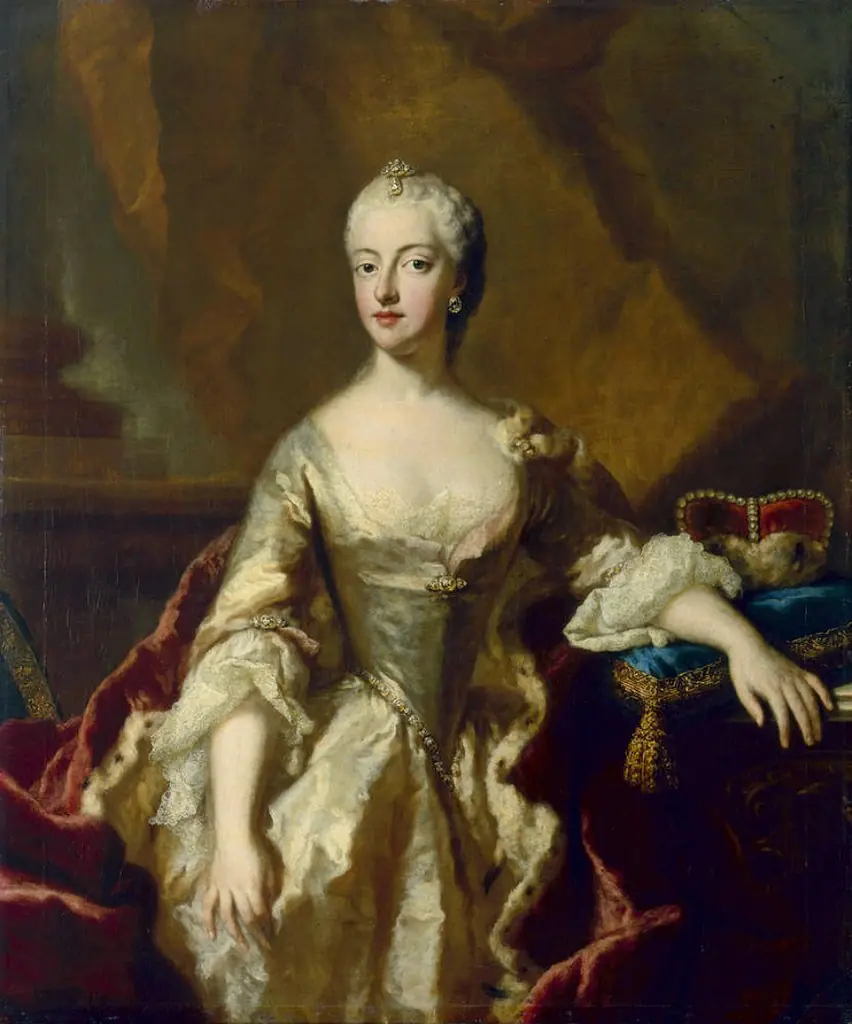 Margravine Maria Anna Josepha of Baden-Baden
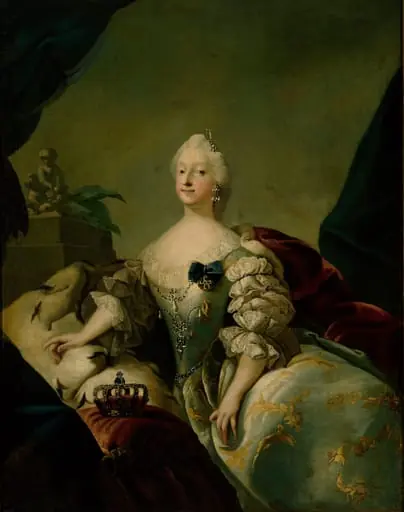 Tanskan kuningatar Louise
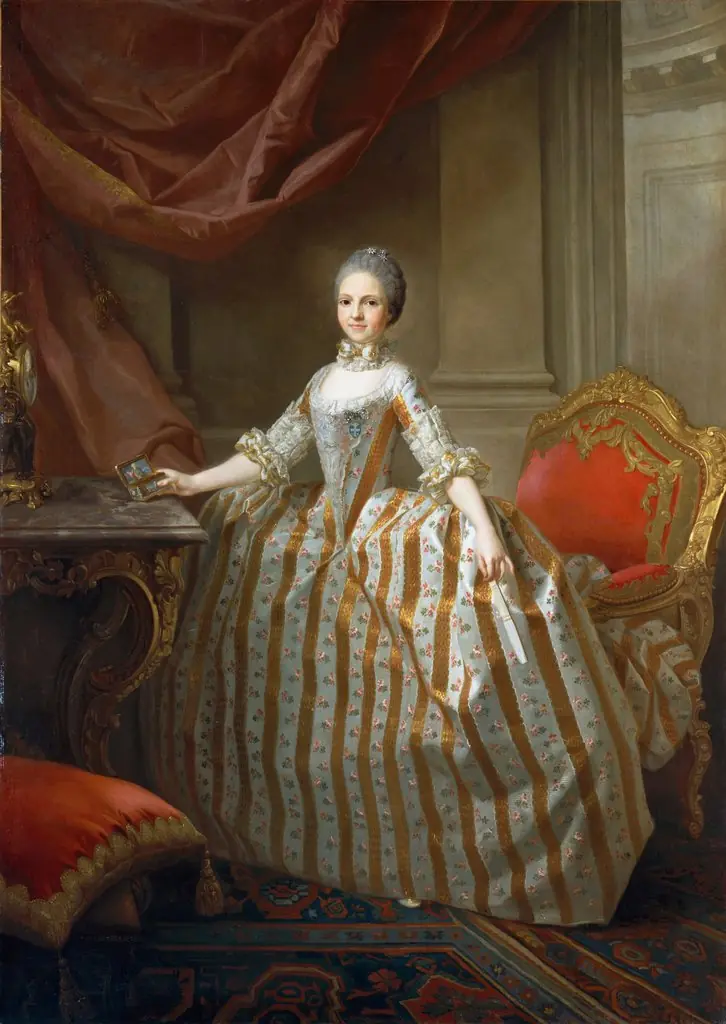 Maria Luisa of Parma (1751–1819), Later Queen of Spain
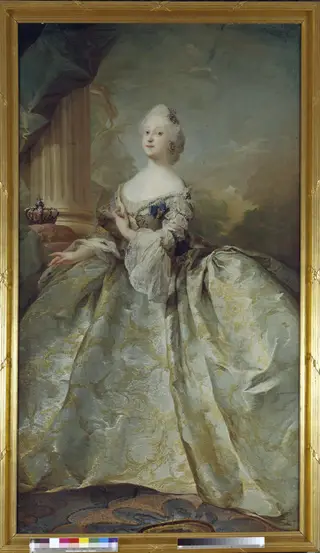 Portræt af Louise, Frederik V's første dronning
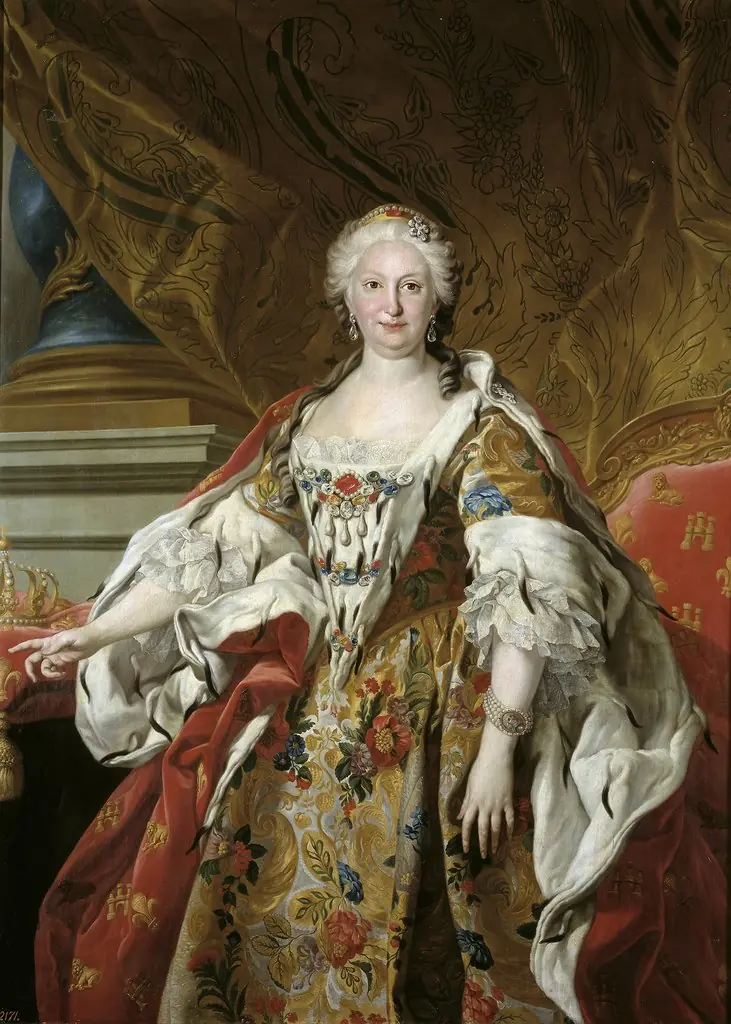 Elisabeth Farnese, Queen of Spain
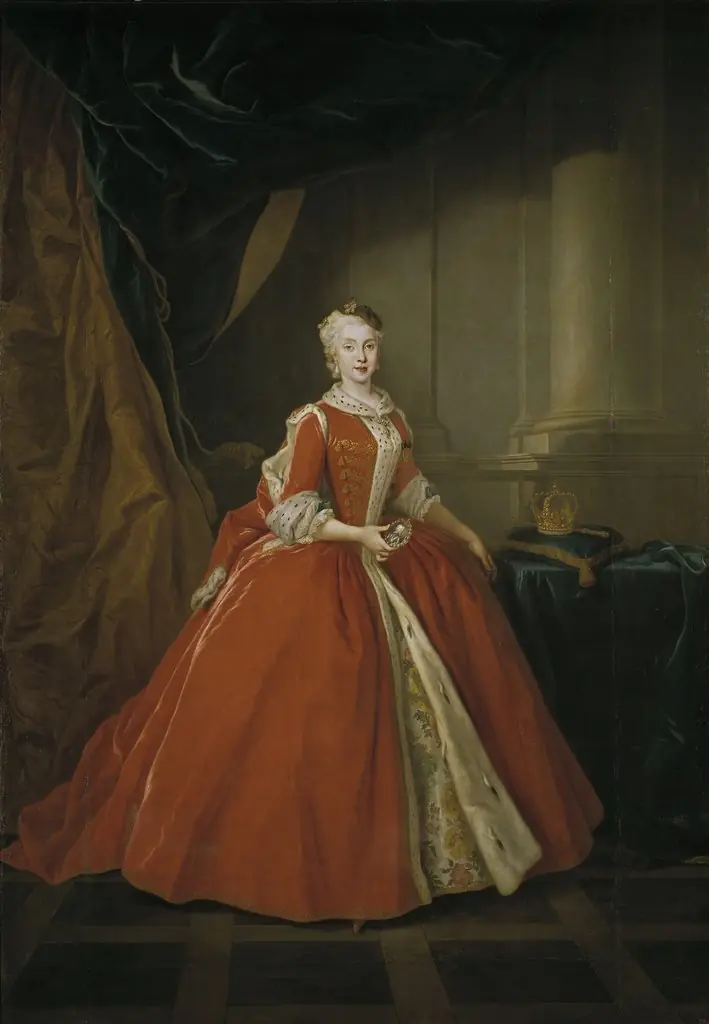 Maria Amalia de Saxony
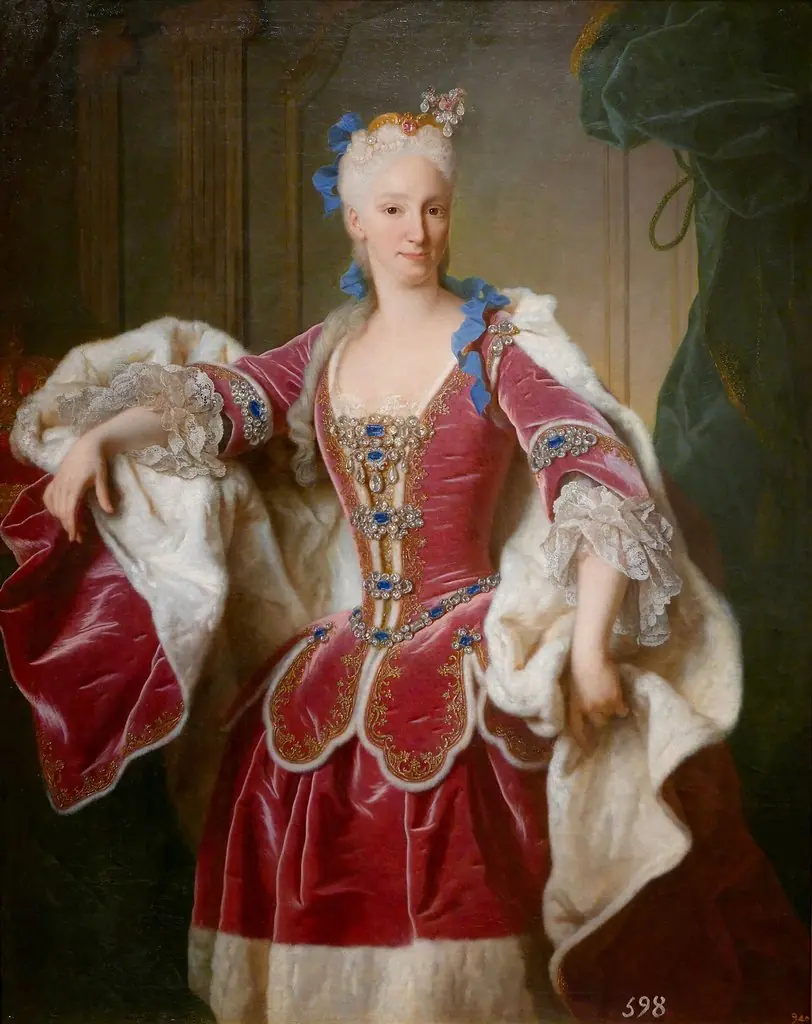 Elisabeth Farnese, Queen of Spain
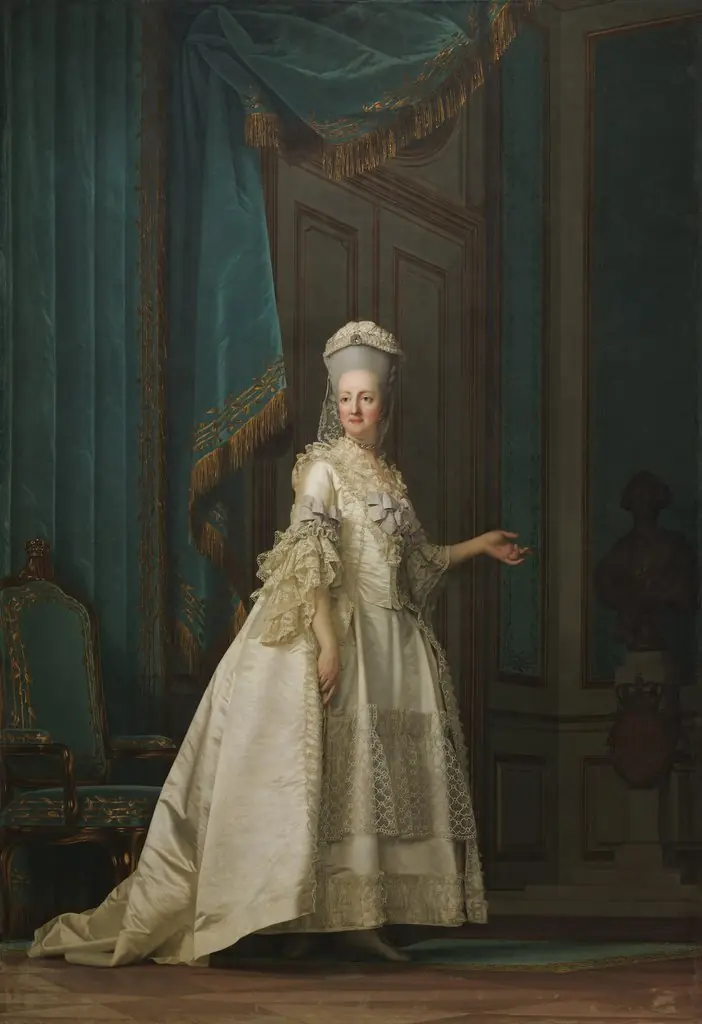 The Queen Dowager Juliane Marie