Artwork
Mountainous Landscape
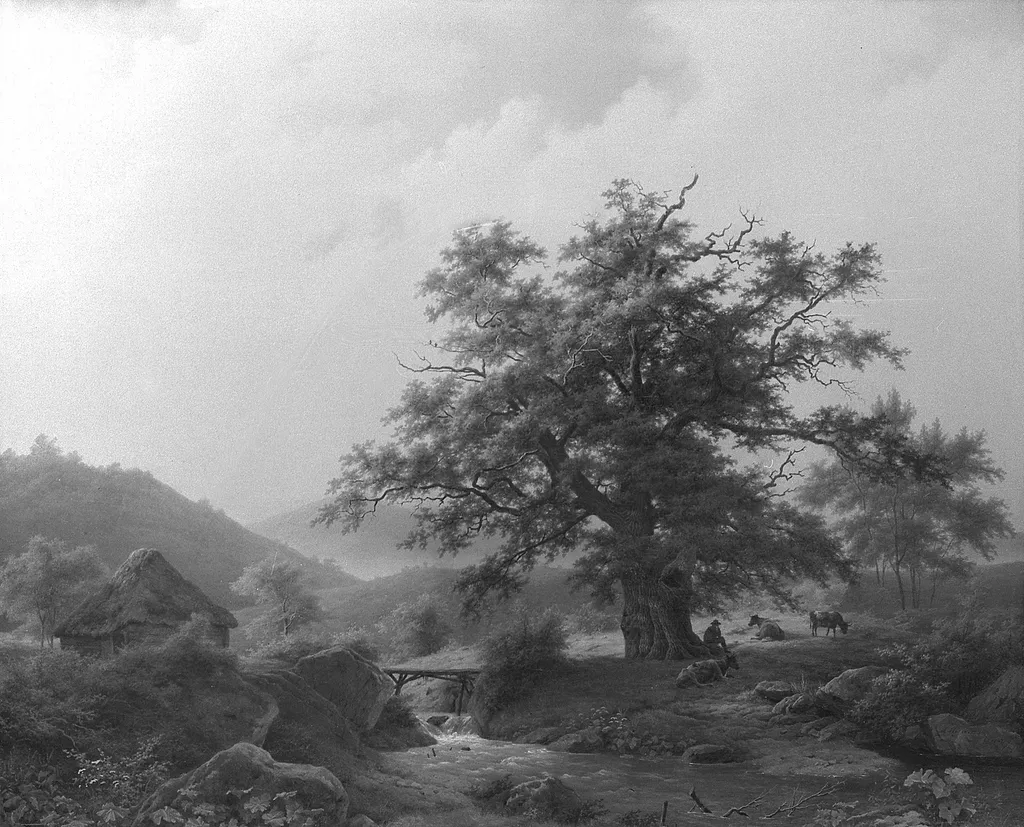
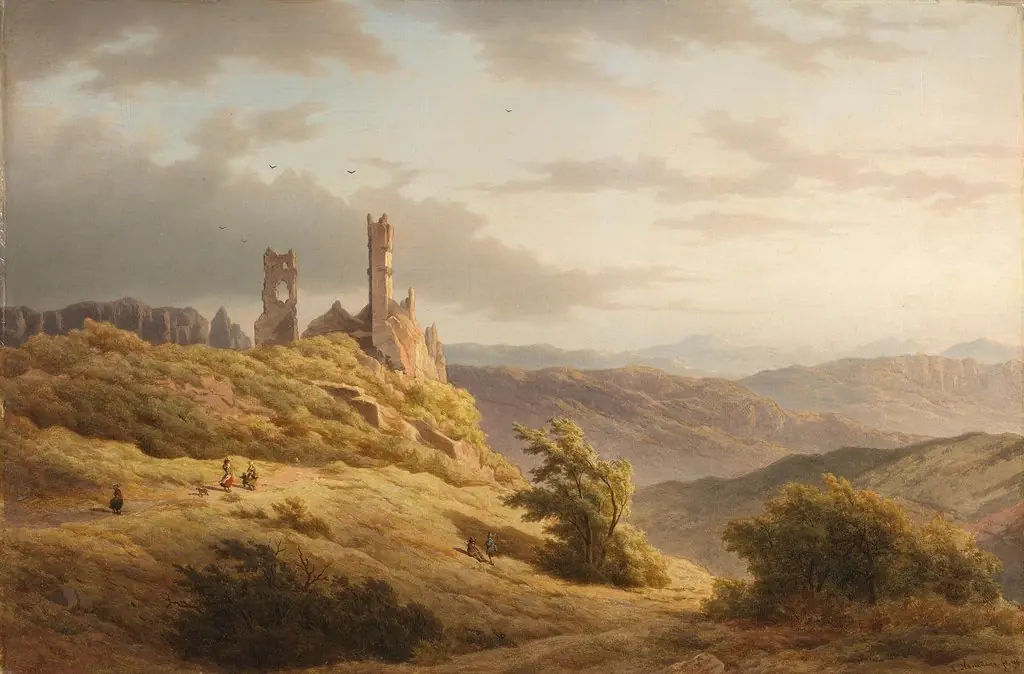
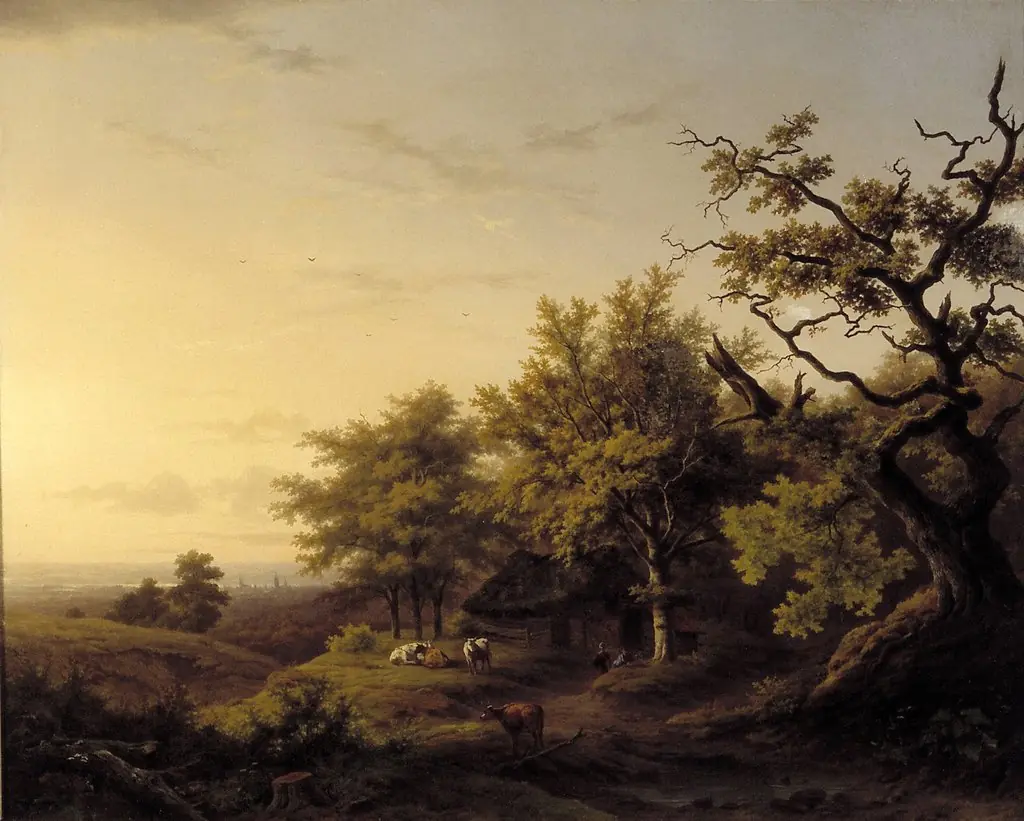
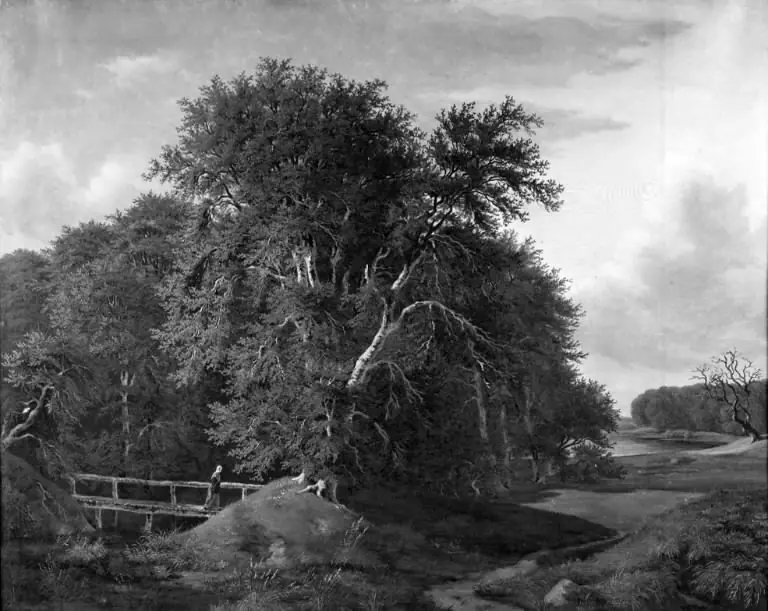
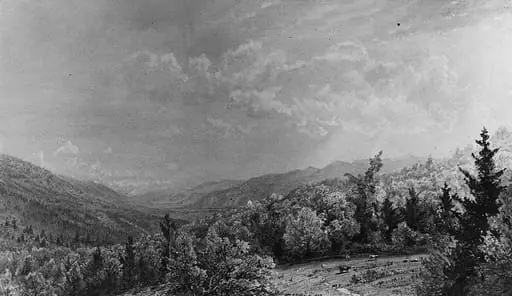
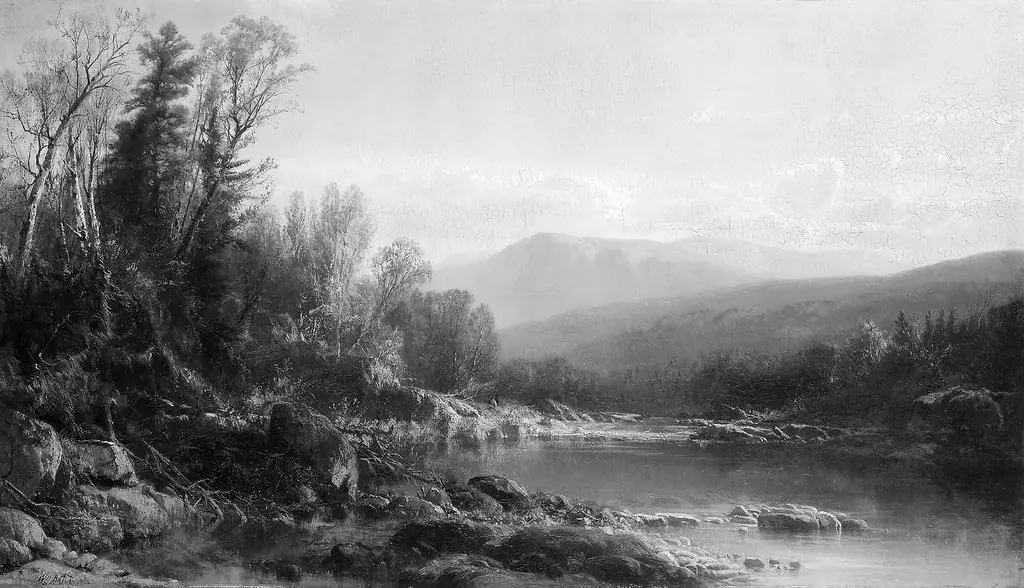
Mountainous Landscape is an oil painting by the Barbizon school artist Louwrens Hanedoes. It dates from 1847 and is held in the collection of the Rijksmuseum.
About this work
Technique & Style
The painting was originally owned by Reinhard, Baron van Lynden, and remains classified as a landscape painting within the museum's holdings.
Mountainous Landscape is an oil painting executed on canvas by Dutch artist Louwrens Hanedoes in 1847. The work measures 57 cm in height and 71 cm in width and depicts a dramatic mountainous scene rendered in oil paint. It belongs to the landscape genre and is part of the Rijksmuseum's collection, specifically held in the depot of the Cultural Heritage Agency of the Netherlands Art Collection.
The painting was originally owned by Reinhard, Baron van Lynden, and remains classified as a landscape painting within the museum's holdings.
History & Provenance
Mountainous Landscape is an oil painting created in 1847 by Dutch artist Louwrens Hanedoes. The work measures 57 cm in height and 71 cm in width, executed on canvas.
The painting entered the collection of Reinhard, Baron van Lynden, and was later acquired by the Rijksmuseum, where it is recorded in the Cultural Heritage Agency of the Netherlands Art Collection depot. Its provenance is documented through these ownership transitions, reflecting its historical journey from creation to institutional custody.
Mountainous Landscape is held in the Rijksmuseum depot of the Cultural Heritage Agency of the Netherlands Art Collection, formerly associated with Reinhard, Baron van Lynden.
The work was created in 1847 by Louwrens Hanedoes as an oil paint painting.
It has been part of the Rijksmuseum collection since its acquisition.
Exhibition history includes displays within the Rijksmuseum's permanent galleries focusing on 19th-century Dutch landscape painting.
Context
The painting Mountainous Landscape by Louwrens Hanedoes, created in 1847 as an oil on canvas work measuring 57 cm in height and 71 cm in width, occupies a distinct position within 19th-century Dutch landscape painting. Its reception and scholarly interpretation are closely tied to the artist's role within the Romantic movement's engagement with Dutch topographical traditions, particularly through his documented relationship with the landscape genre as practiced by contemporaries in the Netherlands. The work's significance is contextualized by its inclusion in the Rijksmuseum's collection and its provenance under the ownership of Reinhard, Baron van Lynden, reflecting the patronage networks of the period.
Contemporary scholarship engages with its formal qualities and historical context within Dutch Romanticism, situating it within broader artistic dialogues of the mid-1800s.
Overview
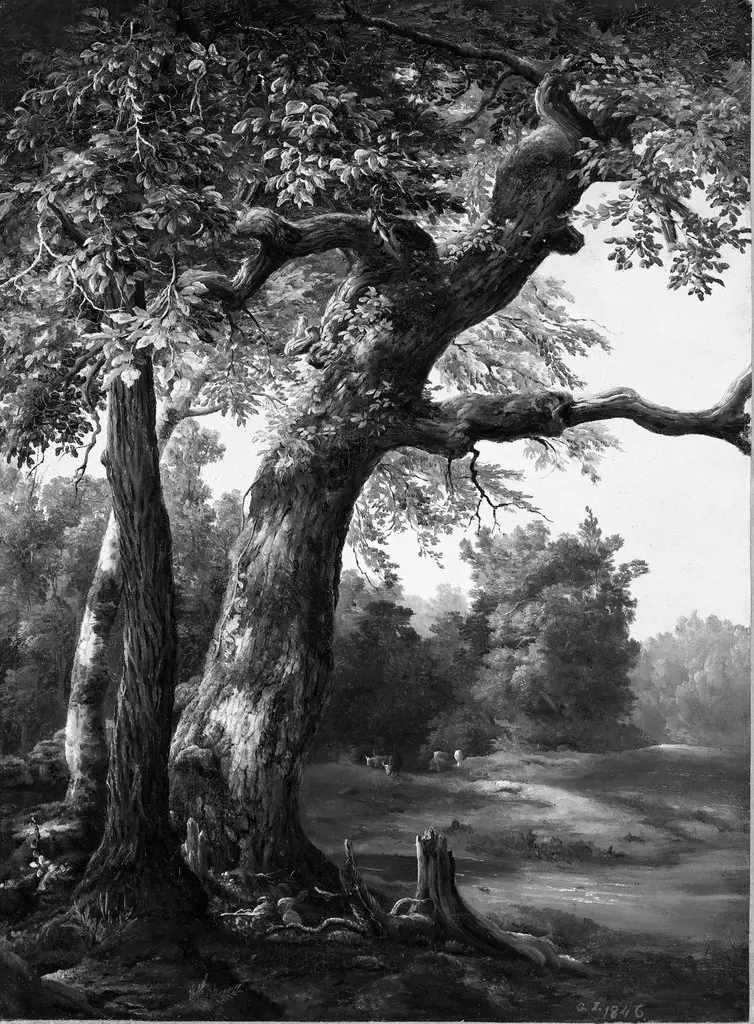
Created in 1847 by Dutch painter Louwrens Hanedoes, this oil on canvas depicts a tranquil mountainous scene. A massive, gnarled tree dominates the foreground, its sprawling branches framing a vista of gentle hills that ascend toward distant peaks. The composition balances foreground solidity with atmospheric background, inviting the viewer into a quiet natural setting.
Subject & Meaning
The central tree serves as a focal point, symbolizing endurance within the landscape, while the subdued hills and mountains suggest the vastness and permanence of nature. The work conveys a sense of calm contemplation, encouraging reflection on the relationship between human presence and the surrounding environment.
Own this work as a print
Artist & collection

Artist
Louwrens Hanedoes (14 July 1822, Woudrichem - 9 February 1905, Woudrichem) was a Dutch landscape painter; in the Romantic style at first, later turning to Realism.