Artwork
From the Flume House, Franconia, New Hampshire
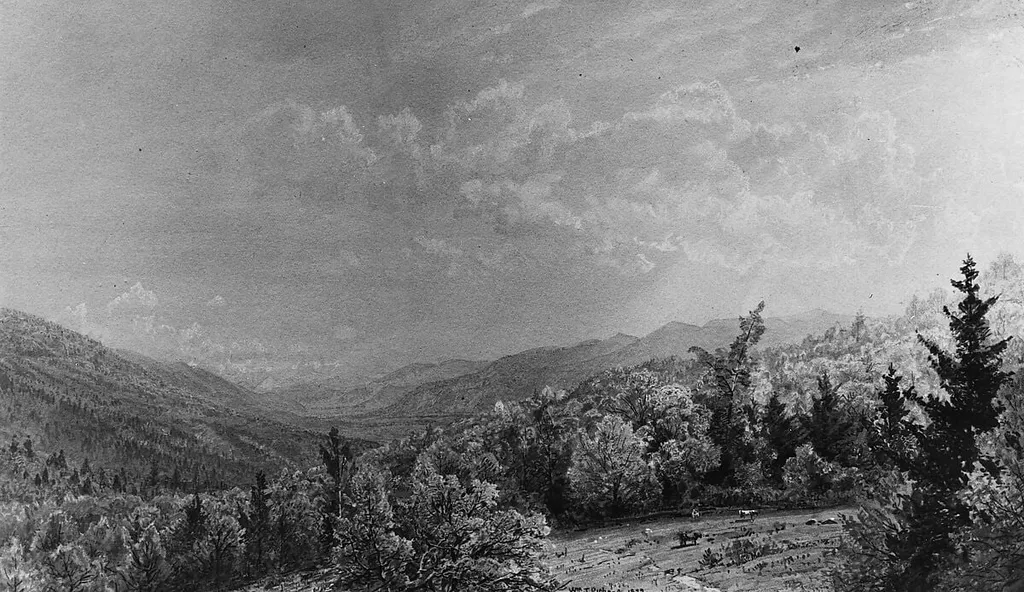
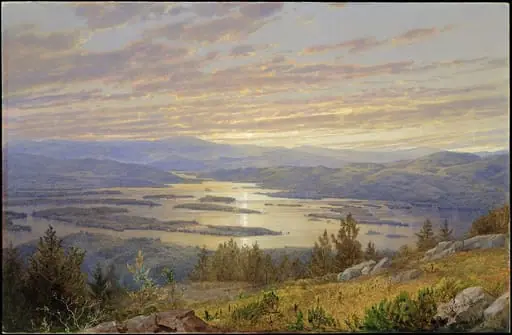
From the Flume House, Franconia, New Hampshire is a watercolor work on paper by the Hudson River School artist William Trost Richards. It dates from 1872 and is held in the collection of the Metropolitan Museum of Art.
About this work
Subject & Meaning
The artwork functions as a visual document of the site, emphasizing the organic forms of the vegetation against the backdrop of the New Hampshire wilderness.
Created in 1872, this watercolor by William Trost Richards depicts a landscape scene situated in Franconia, New Hampshire, specifically referencing the Flume House. The composition focuses on the natural environment, prominently featuring trees as the primary subject matter within the regional setting. As a work of the landscape genre, the piece serves as a topographical record of this specific location in the White Mountains, capturing the flora and terrain associated with the area during the late nineteenth century.
The artwork functions as a visual document of the site, emphasizing the organic forms of the vegetation against the backdrop of the New Hampshire wilderness.
Technique & Style
The work is executed in watercolor and gouache, combined with graphite, on tan wove paper. Its modest dimensions, 21 by 36 centimeters, and the use of a tinted paper support are consistent with the small-scale, plein-air sketching practice characteristic of Richards's landscape work of the early 1870s. The combination of transparent watercolor with opaque gouache over a graphite underdrawing allows for both fluid washes and crisper accents, well suited to the rendering of foliage and structural detail in the Franconia scenery. No condition issues are noted in the available records.
History & Provenance
William Trost Richards created this watercolor in 1872 at the Flume House in Franconia, New Hampshire. Executed in watercolor, gouache, and graphite on tan wove paper, it depicts the Franconia landscape with a prominent tree and is classified as a landscape. The work is held in the permanent collection of the Metropolitan Museum of Art, within The American Wing, and measures 21 by 36 centimeters. The available records do not contain a specific accession number or details regarding the artwork's exhibition history.
Context
William Trost Richards created From the Flume House, Franconia, New Hampshire in 1872 as a watercolor, gouache, and graphite work on tan wove paper depicting the New Hampshire landscape. The piece is housed in the Metropolitan Museum of Art and is classified within The American Wing's landscape genre. Its depiction of Franconia's trees aligns with Richards' broader focus on natural scenery characteristic of 19th-century American art.
Overview
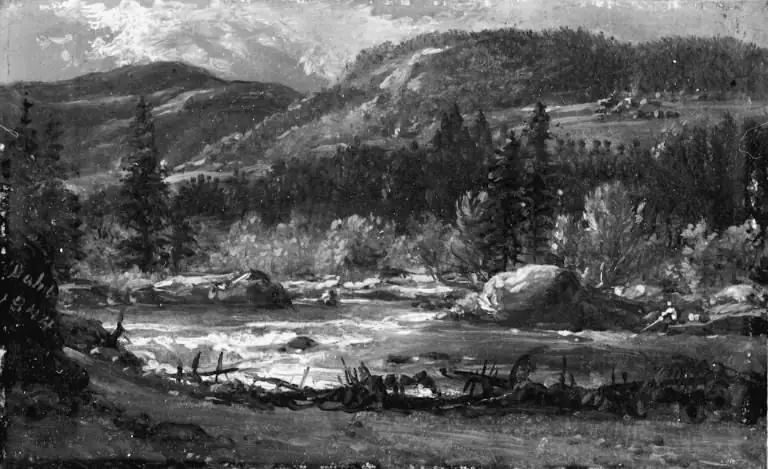
William Trost Richards’ 1872 work, titled From the Flume House, Franconia, New Hampshire, is a modestly sized watercolor and gouache composition on tan wove paper. The image presents a tranquil forest clearing in the White Mountains, where a modest wooden structure nestles among pines beside a rocky stream.
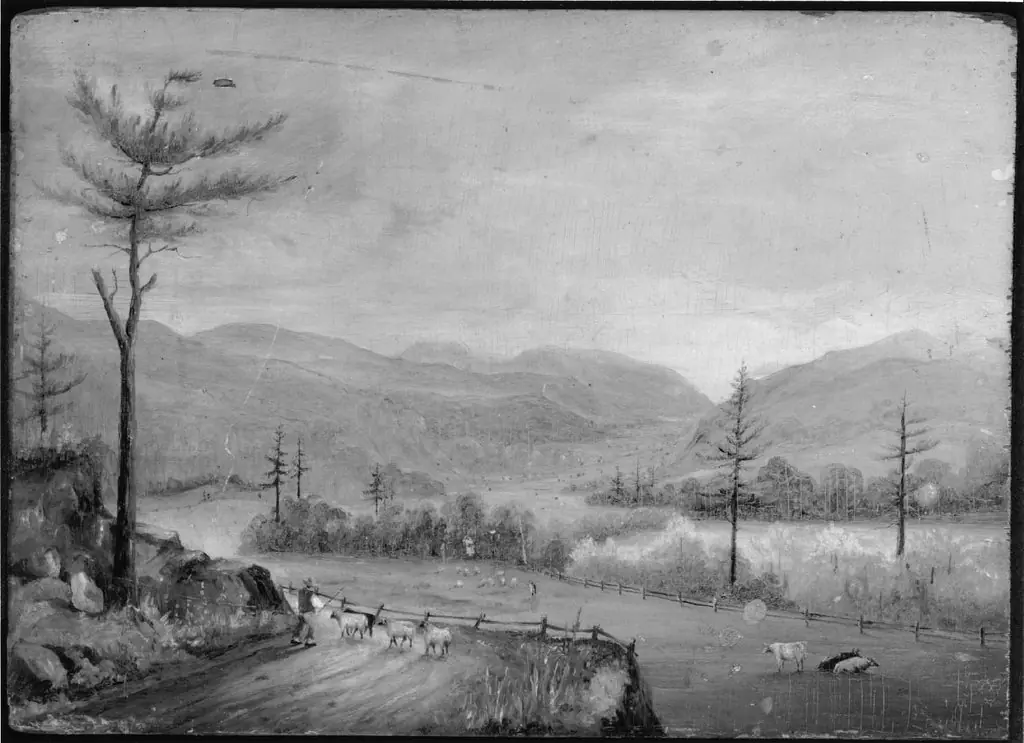
Artist & collection
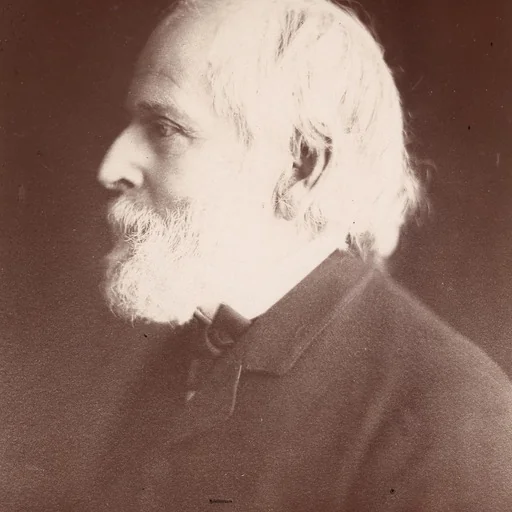

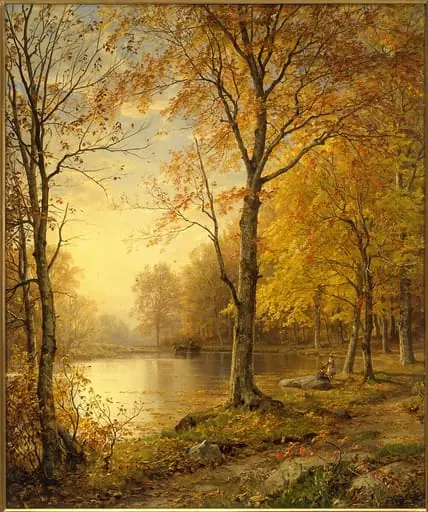
 At Five Ponds, North Waterford, Maine
 Landscape with Hills
 Mountain Scenery with a River
 Maidstone, Vermont
 Landscape at Bruflat in Valdres, Norway
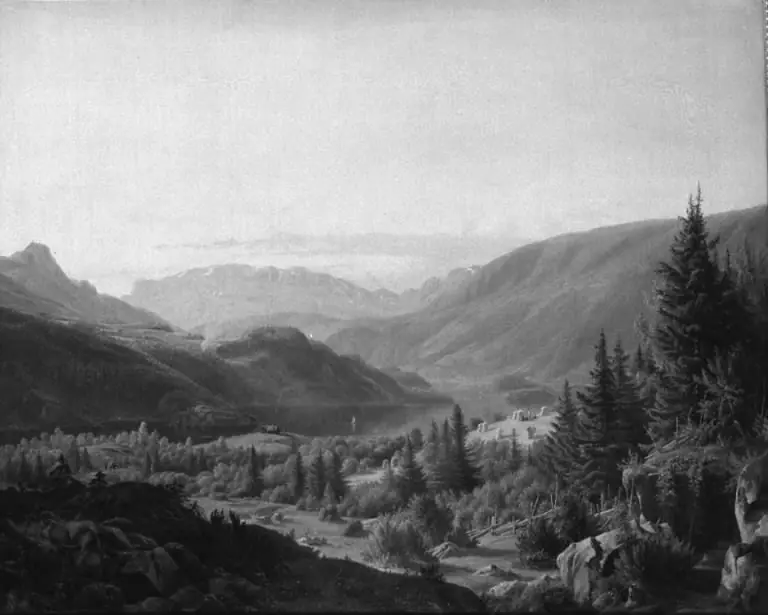 Parti i Valders i Norge. Aften
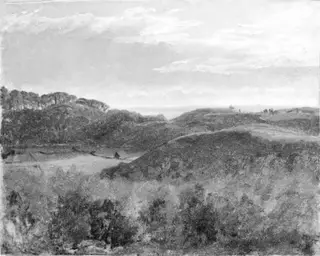 Landscape with Hills
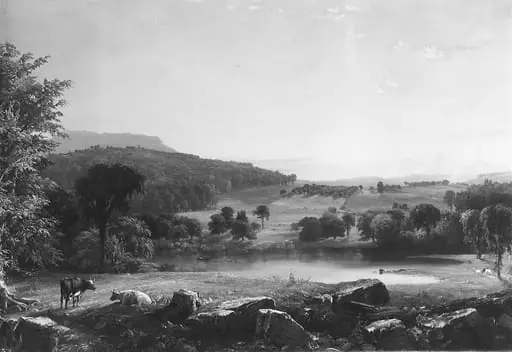 View near Sherburne, Chenango County, New York
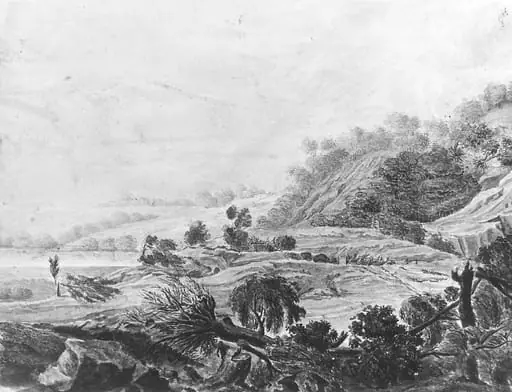 After the Tornado
 Landscape
 Landscape at Bruflat in Valdres, Norway
- View of Valley of the Franconia Mountains, New Hampshire