Subject
Cottage
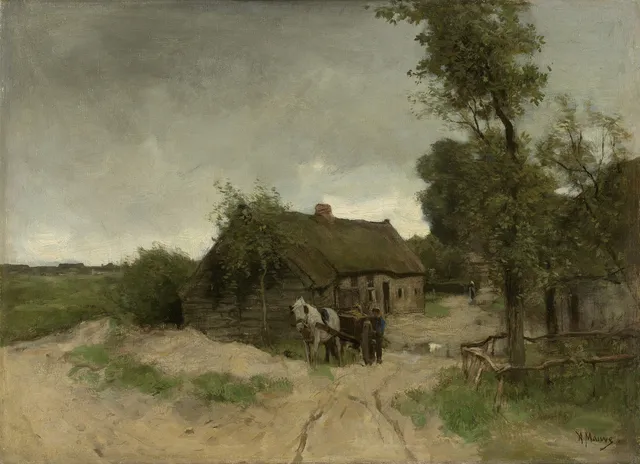
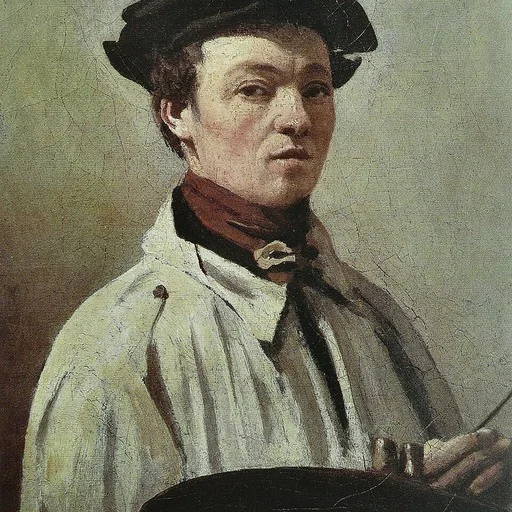
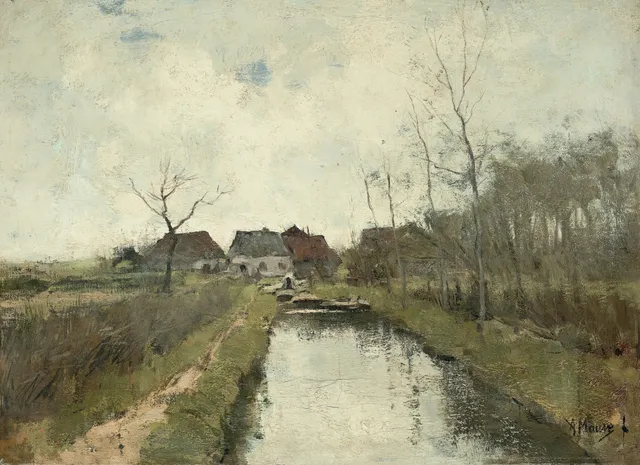
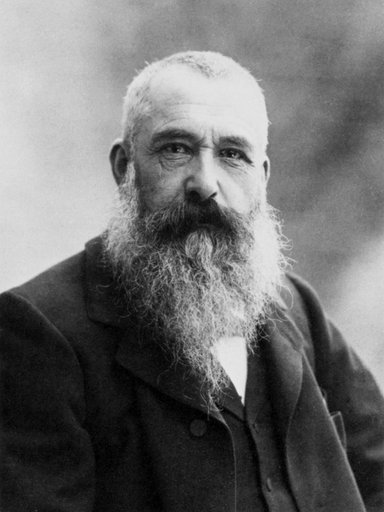
Cottage is a subject in art. The gallery holds 96 works in this subject in art, including works by Jean Baptiste Camille Corot, Claude Monet and Rembrandt van Rijn.
A cottage, during England's feudal period, was the holding by a cottager (known as a cotter or bordar) of a small house with enough garden to feed a family and in return for the cottage, the cottager had to provide some form of service to the manorial lord. However, in time cottage just became the general term for a small house.
Key artists

Overview
A cottage is a traditionally small house, typically found in rural or semi-rural locations. The term originated in England during the feudal period to describe a small dwelling with enough attached garden land to feed a family, held by a cottager, or cotter, in exchange for service to a manorial lord. Over time, the word shed its strict feudal associations and became a general term for a modest, cozy dwelling. In modern usage, it frequently denotes a holiday or vacation home, and the concept appears across numerous cultures under localized names, such as the Finnish mökki, the Swedish stuga, the Russian dacha, and the Czech chata.
Across movements & periods
The architectural and artistic treatment of the cottage has evolved alongside social and economic changes. In the medieval period, cottages were purely functional, built cheaply from local materials like cob, rubble stone, and thatch, with no architectural flourishes. The Renaissance introduced slightly more polished stonework, timber framing, and chimneys, while the Romantic era prioritized charm and aesthetics through arched windows and decorative thatched roofs. The Industrial Revolution transformed the cottage into housing for weavers and miners, often noted for poor living conditions. In the 20th and 21st centuries, contemporary cottage architecture has shifted toward ecological sensitivity, employing sustainable materials, large windows to connect with nature, and open-plan layouts that blend modern convenience with rustic form.
Legacy
The legacy of the cottage extends from a symbol of feudal labor to a globally recognized architectural ideal of retreat and simplicity. The traditional cottage garden, with its informal density of ornamental and edible plants, remains a widely imitated horticultural style. In contemporary culture, the cottage has been reinterpreted as an off-the-grid hideaway, with modern architects emphasizing sustainable construction and minimal environmental impact, such as structures elevated on boulders or clad in materials that weather to match the landscape. Furthermore, the term has expanded to cover modern prefabricated dwellings and mobile homes in countries like France, demonstrating the concept's enduring adaptability as both a built form and a cultural idea of rustic escape.
Works
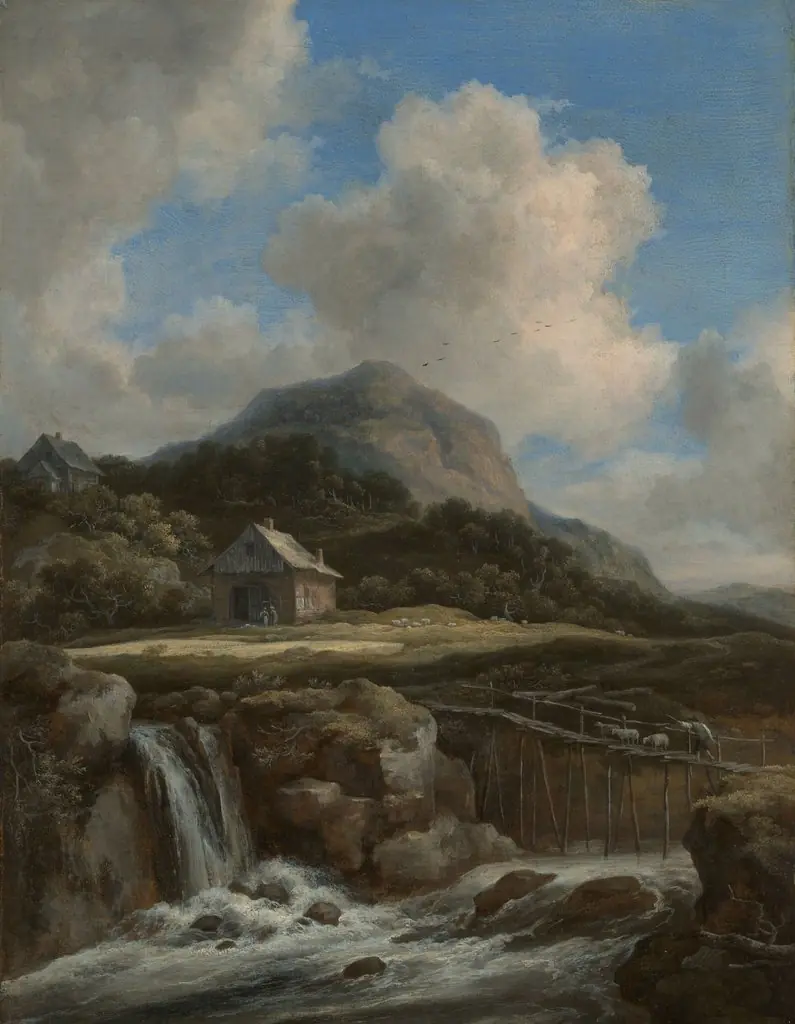 Mountain Torrent
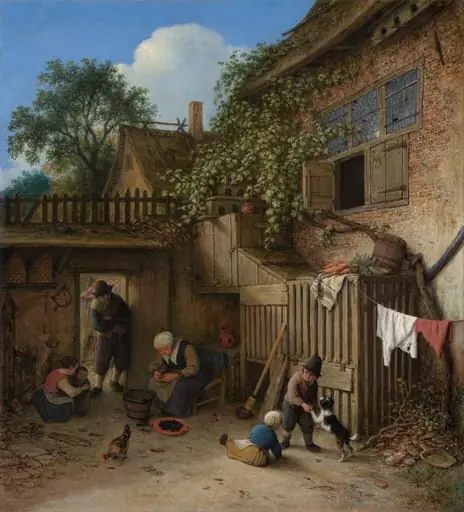 The Cottage Dooryard
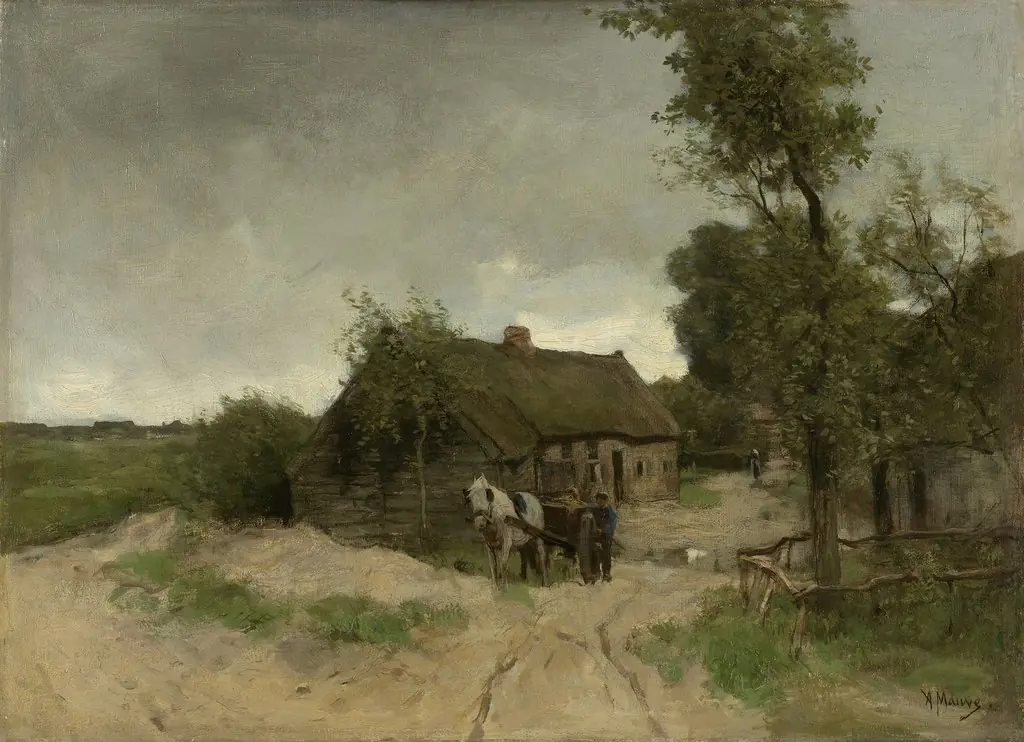 Cottage on the dirt road
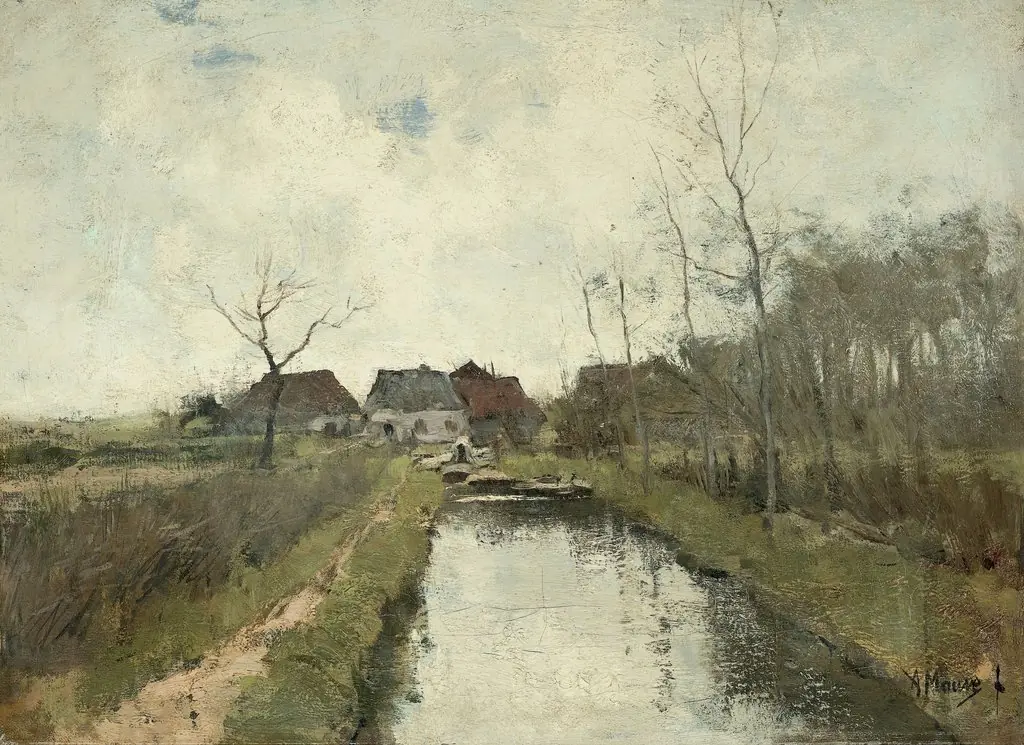 Cottages by a ditch
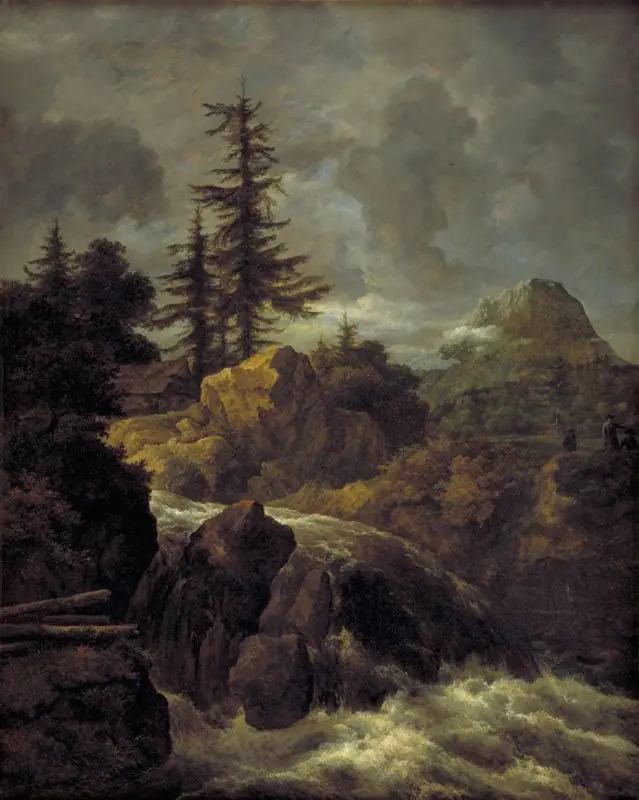 Landscape with a Waterfall and a Hut
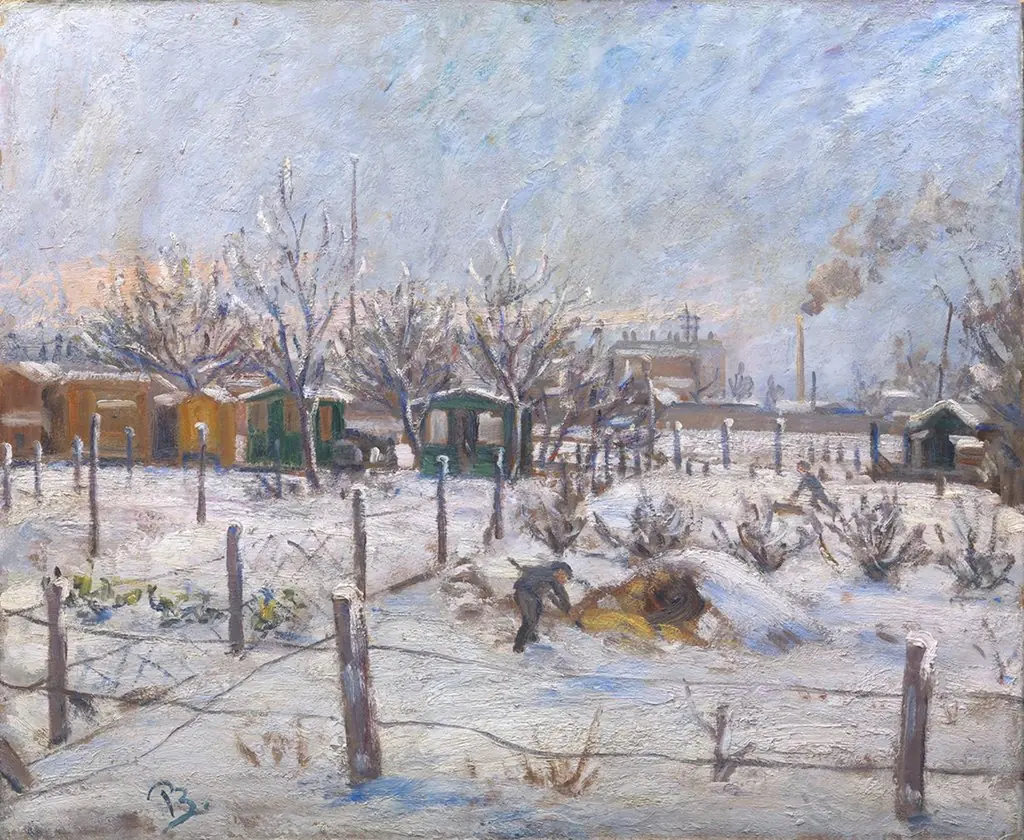 Winter at Nørrebro
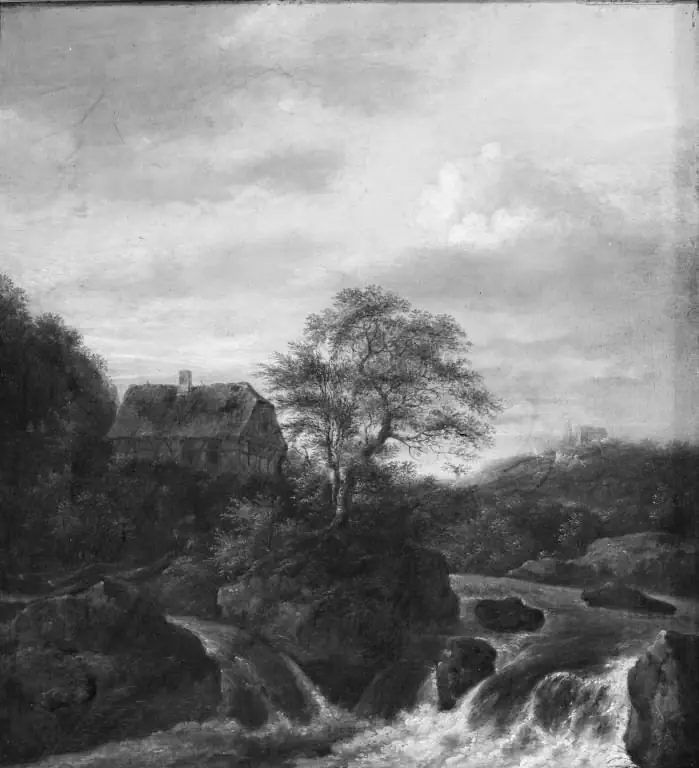 A Waterfall in a Rocky Region
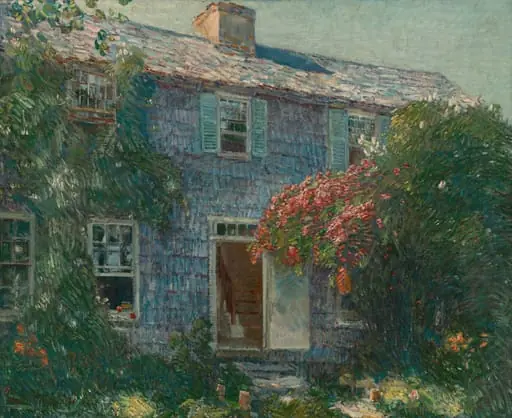 Old House at East Hampton
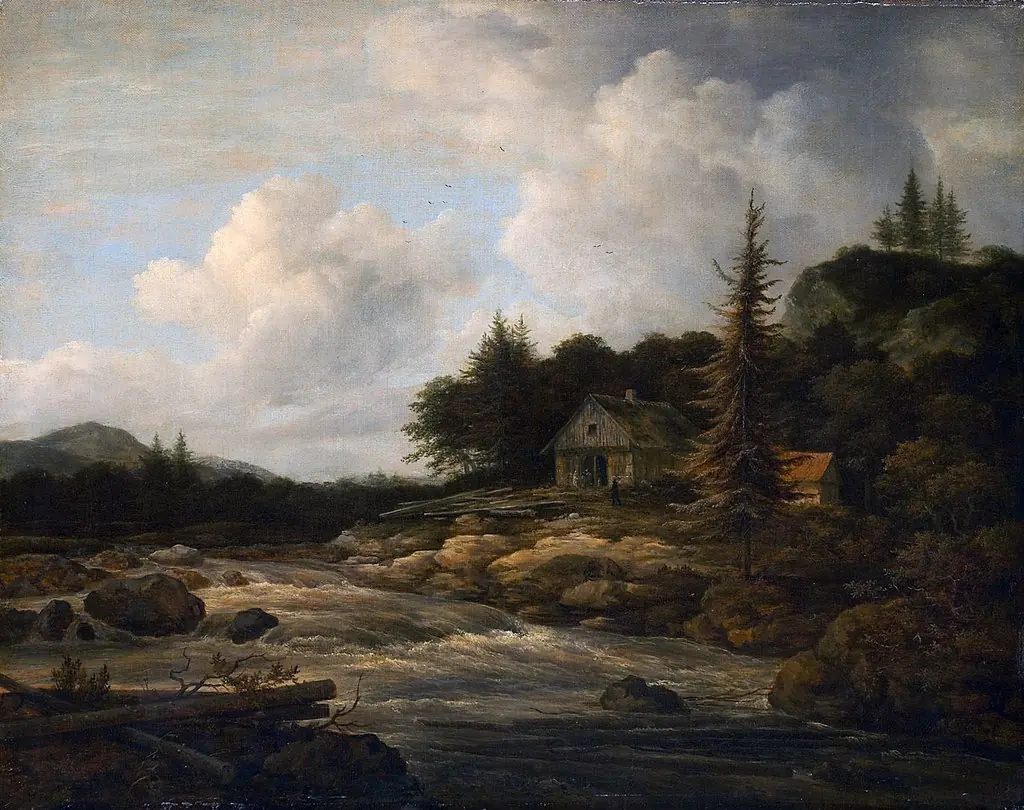 Landscape with Mountain Stream
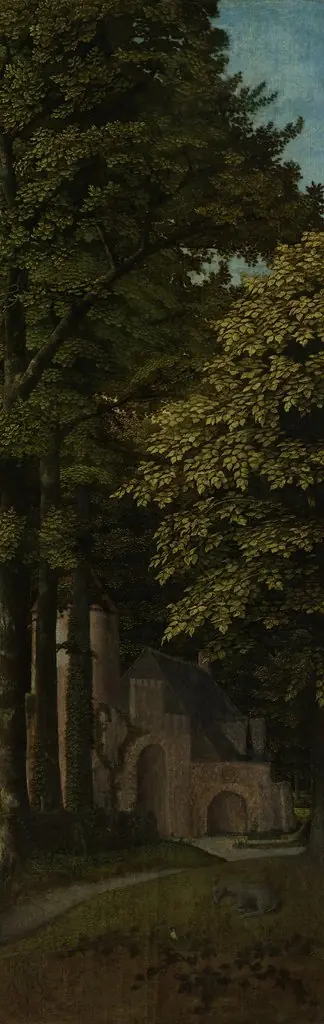 Outer left wing of a triptych with a view in a forest
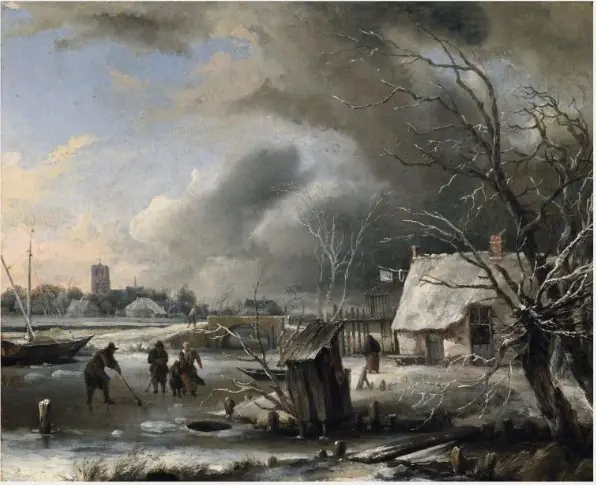 A River Scene in Winter
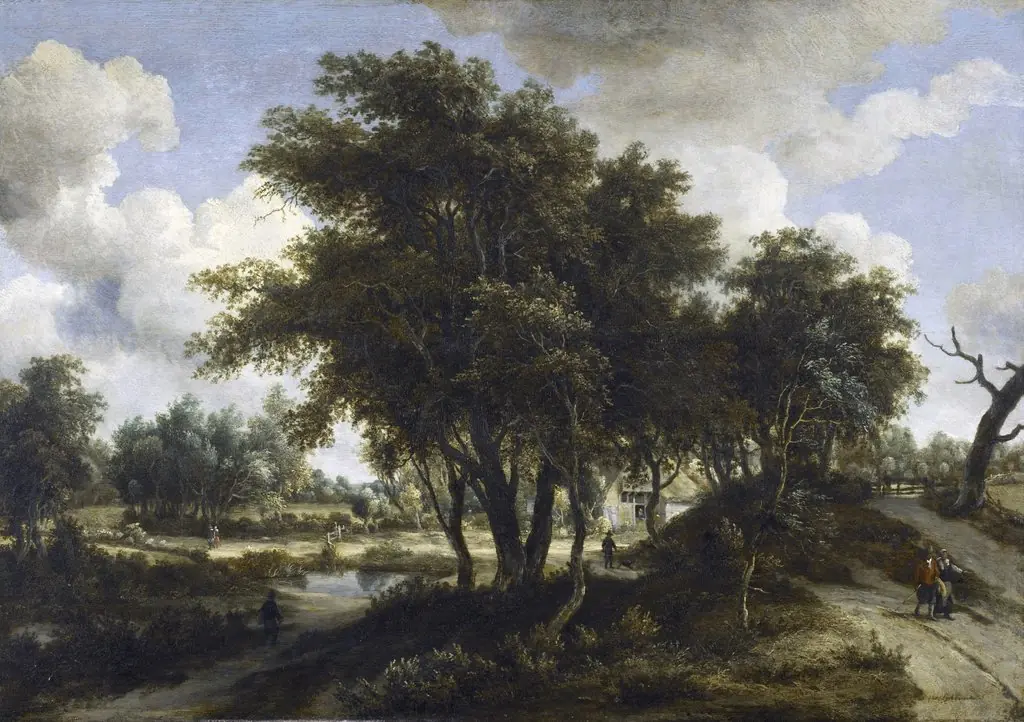 The Cottage
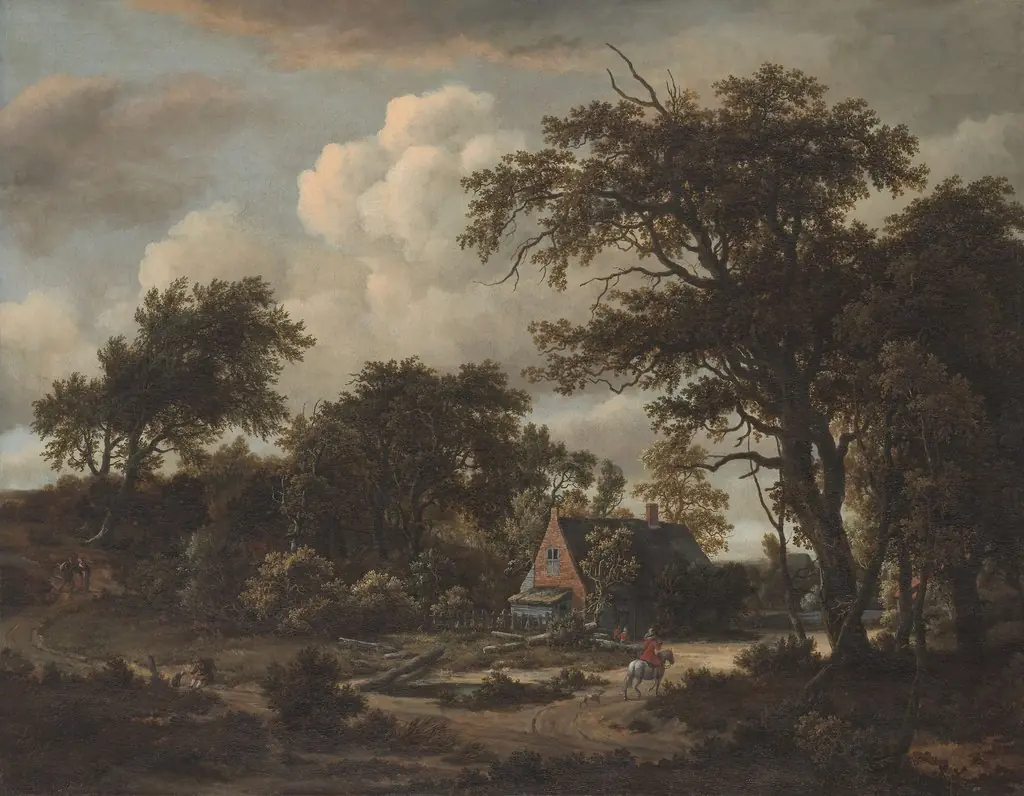 Wooded Landscape with Cottage and Horseman
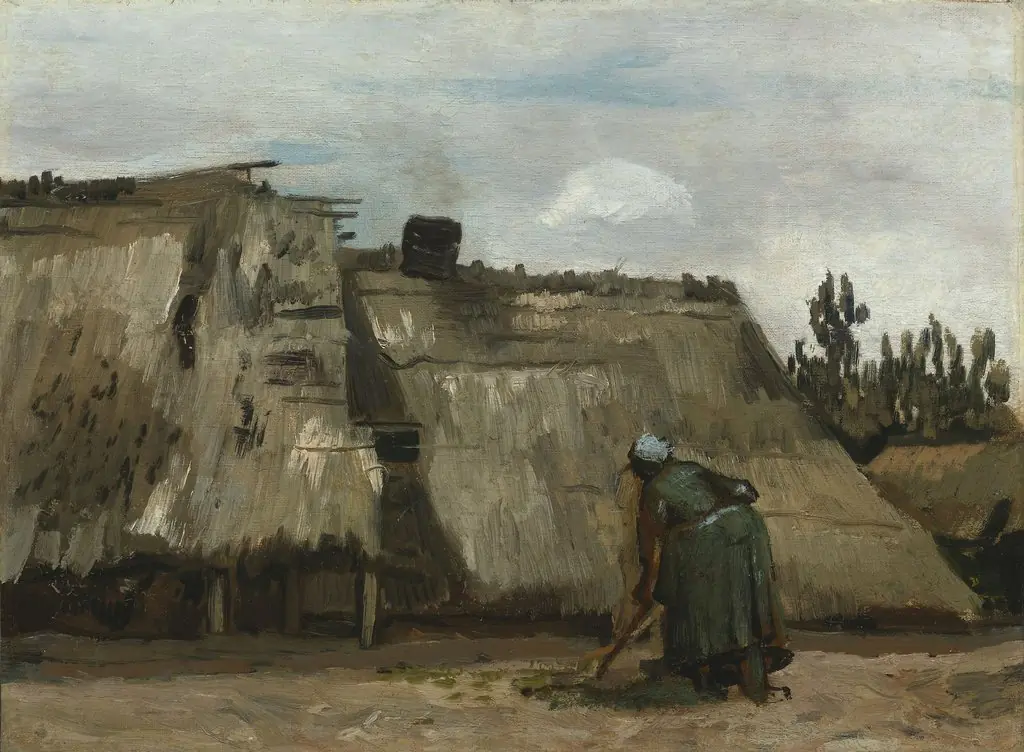 A Peasant Woman Digging in Front of Her Cottage
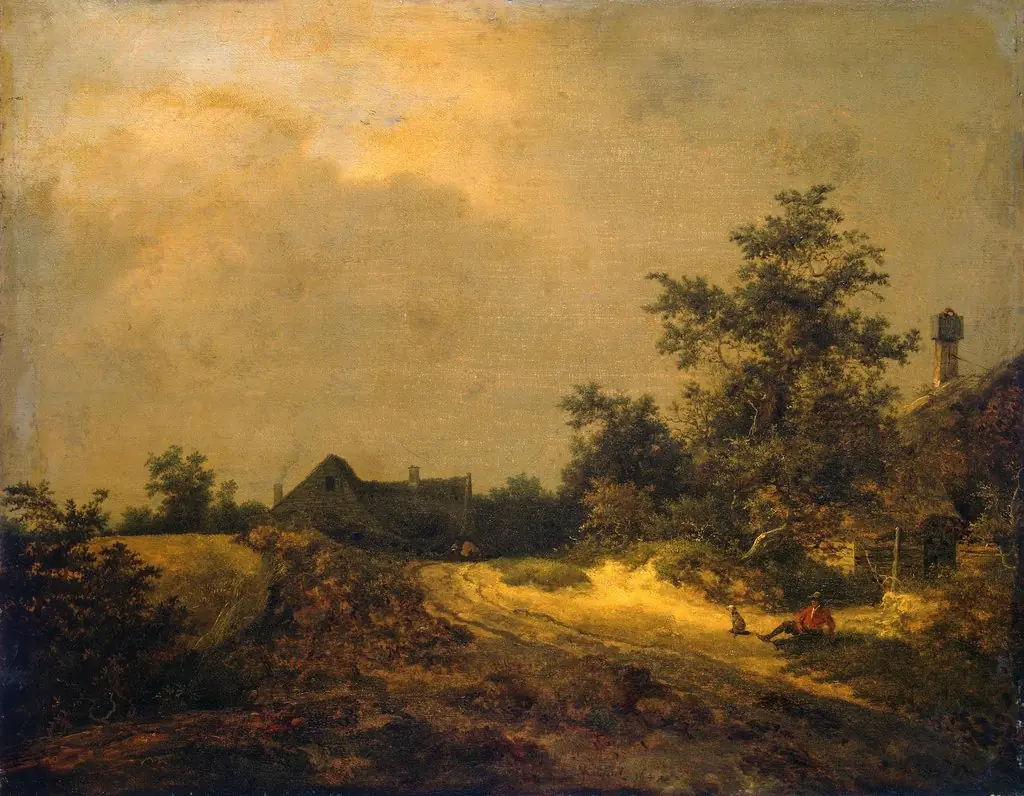 Landscape with some houses and a sand track
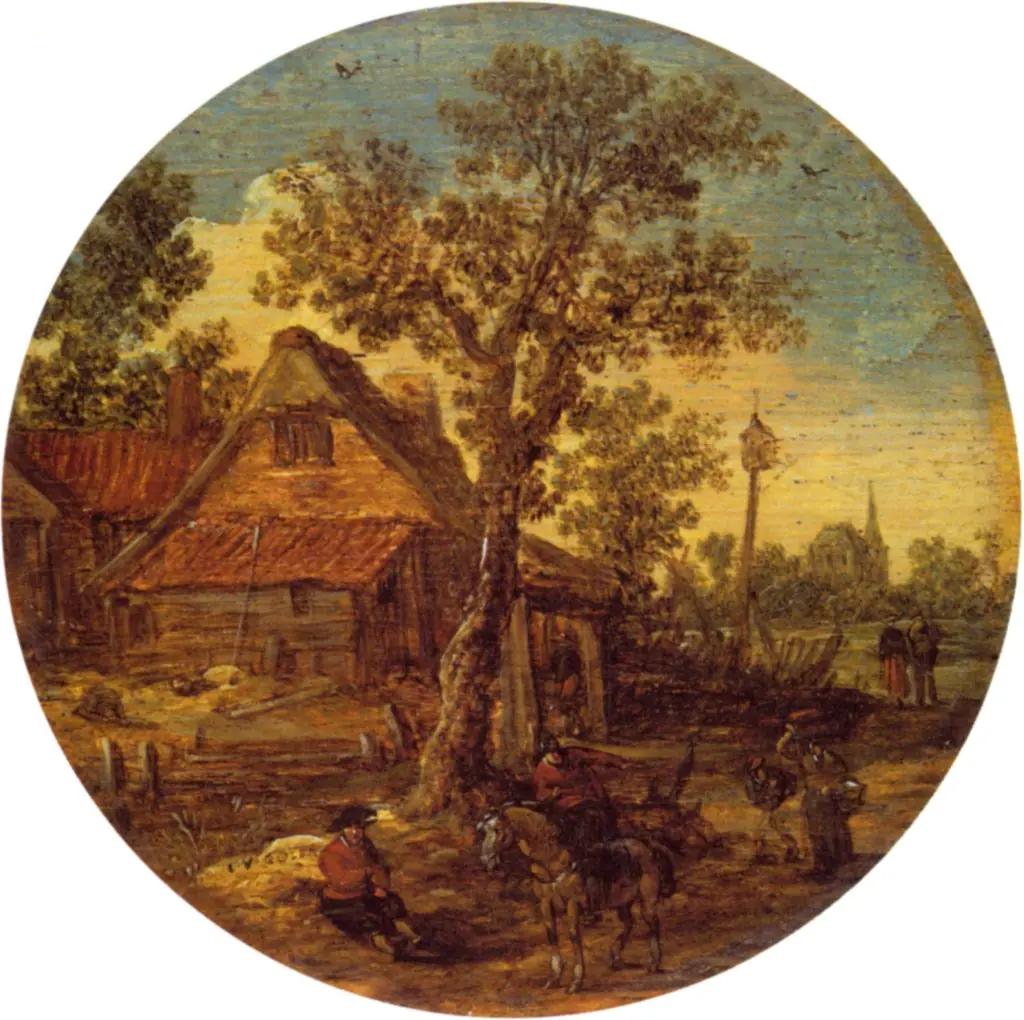 Summer
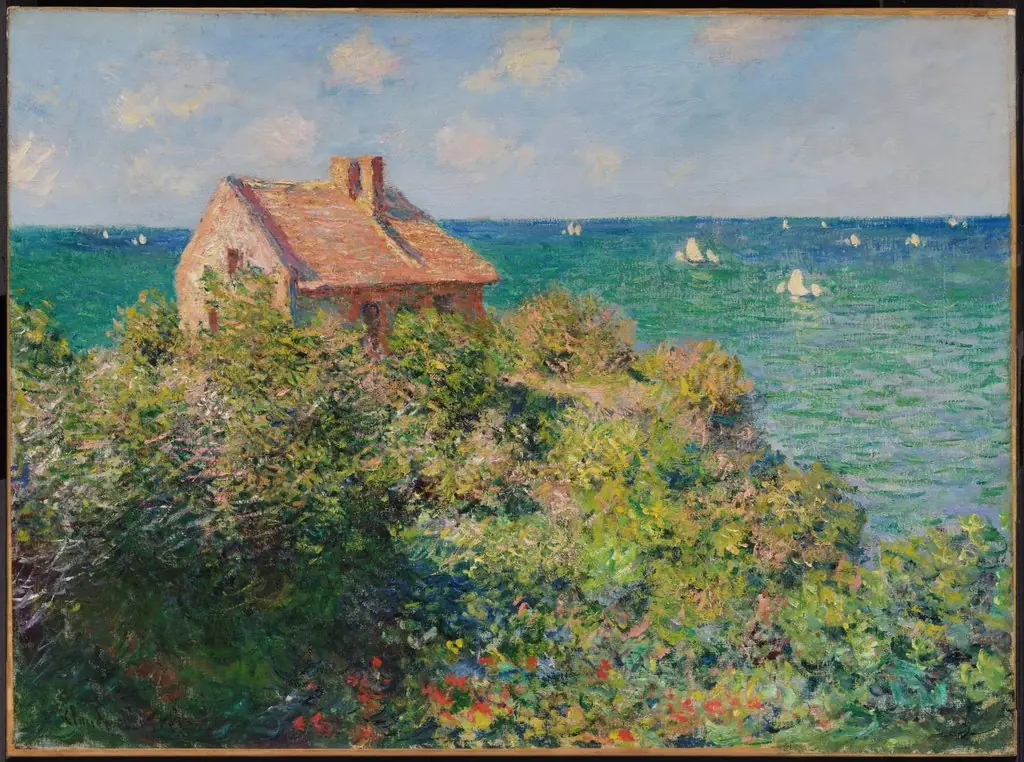 Fisherman's Cottage on the Cliffs at Varengeville
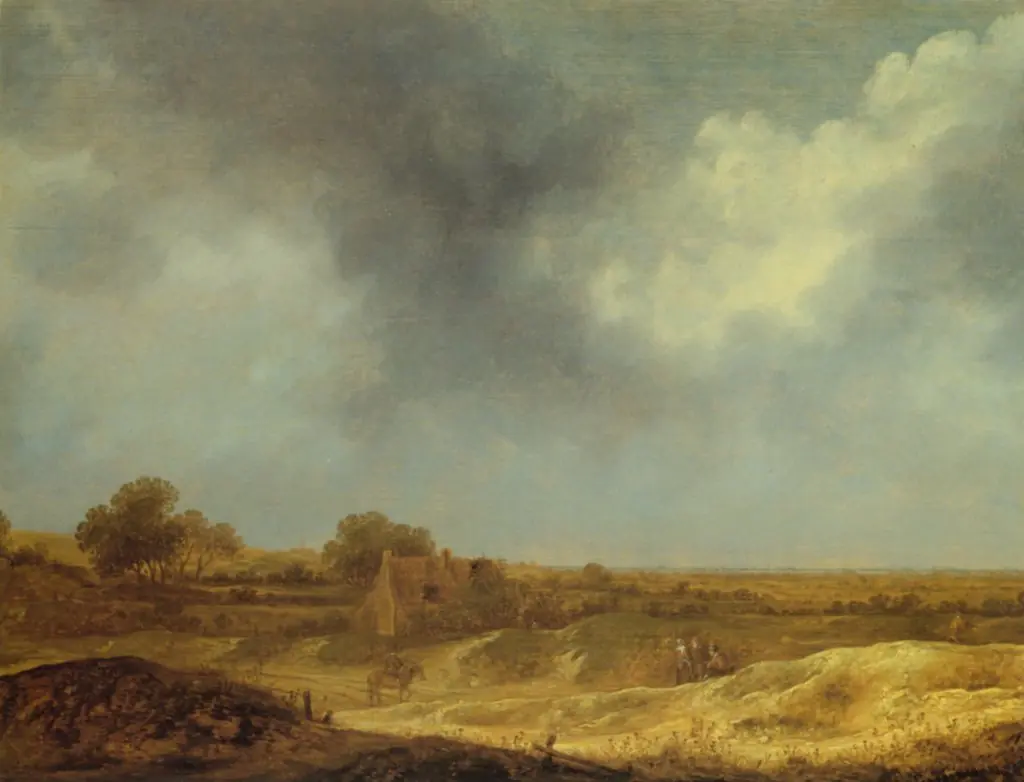 Hilly Landscape
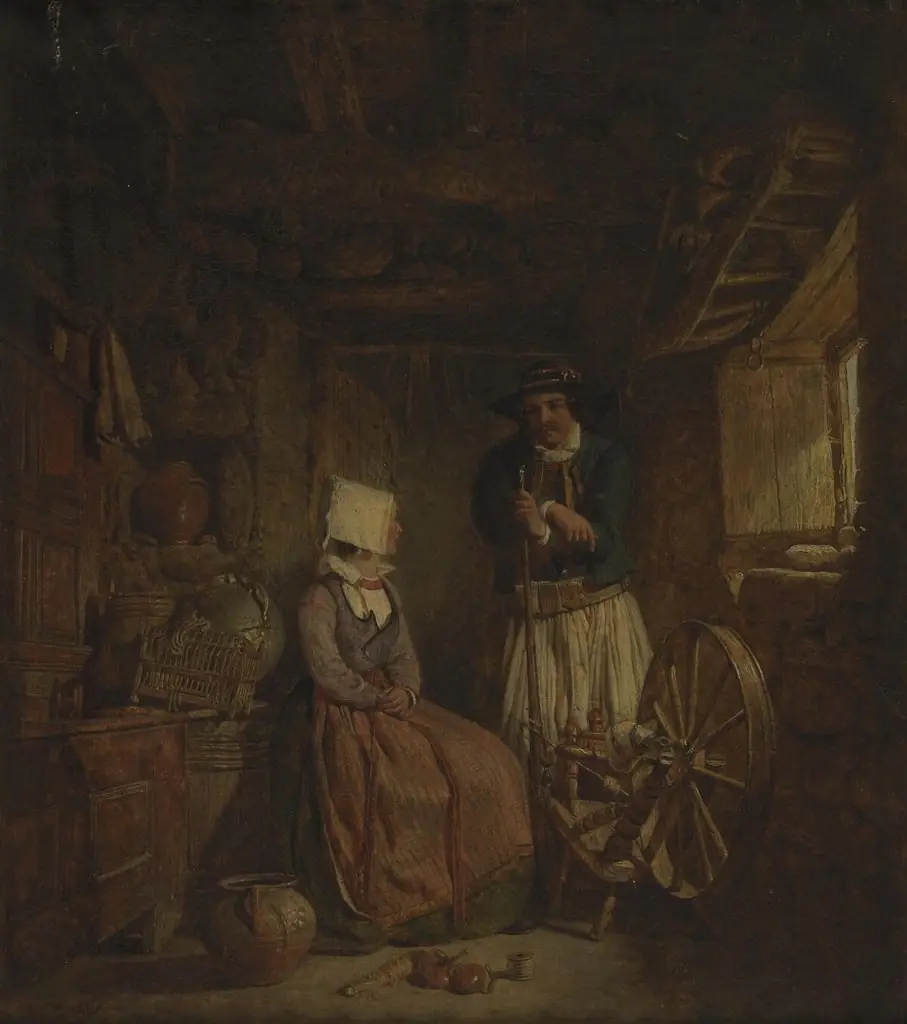 Cottage interior
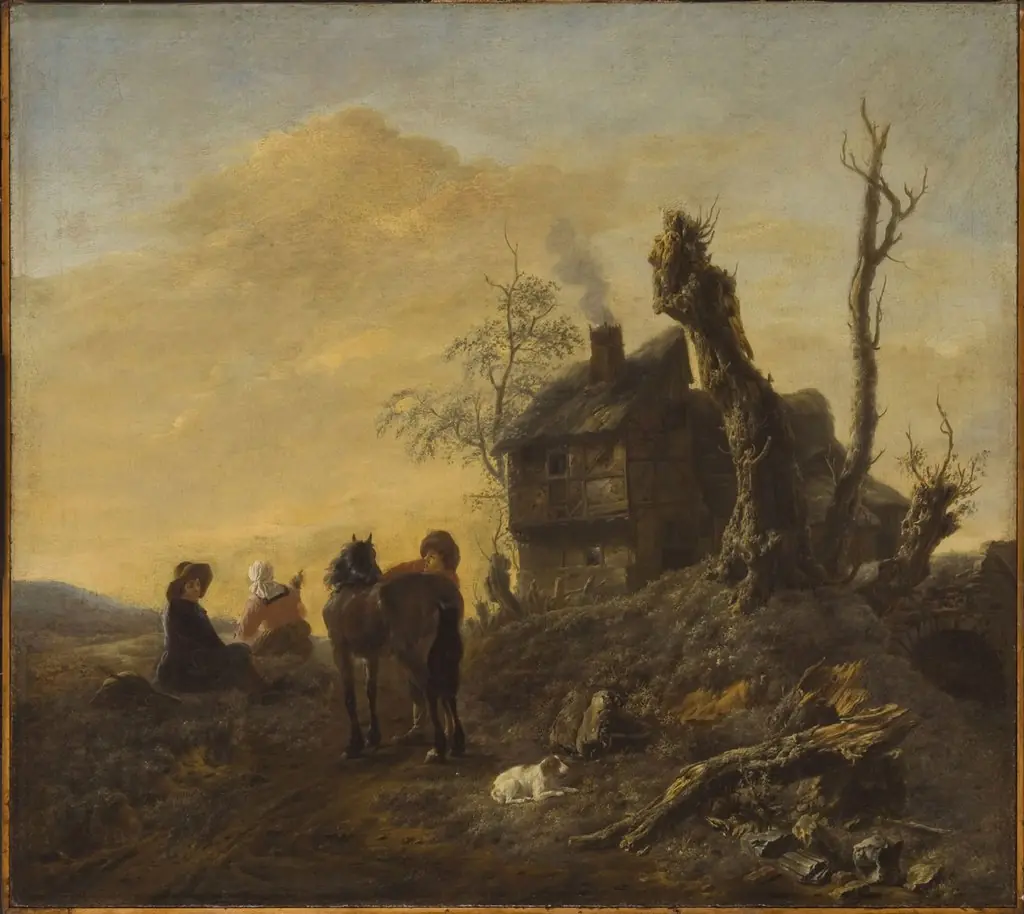 The Halt at the Cottage
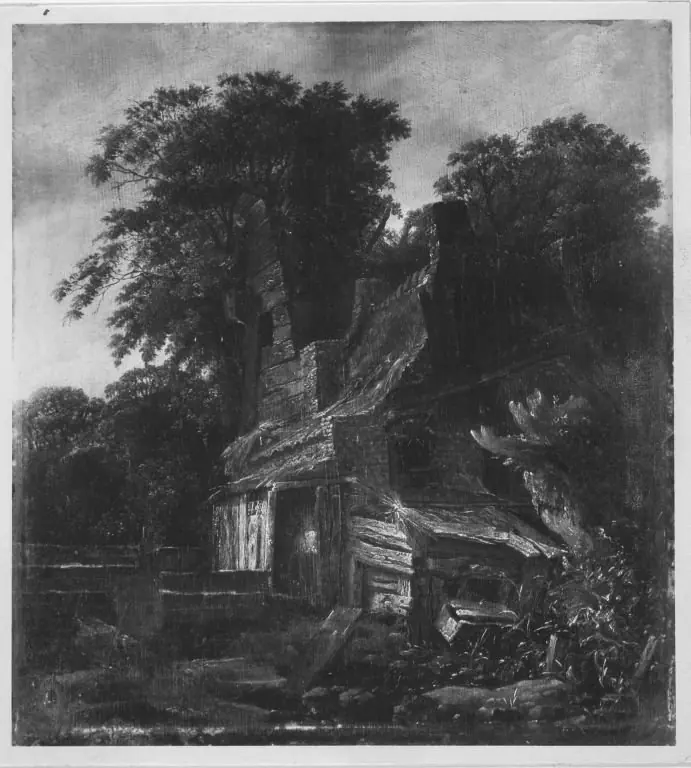 Baumlandschaft mit Hütte
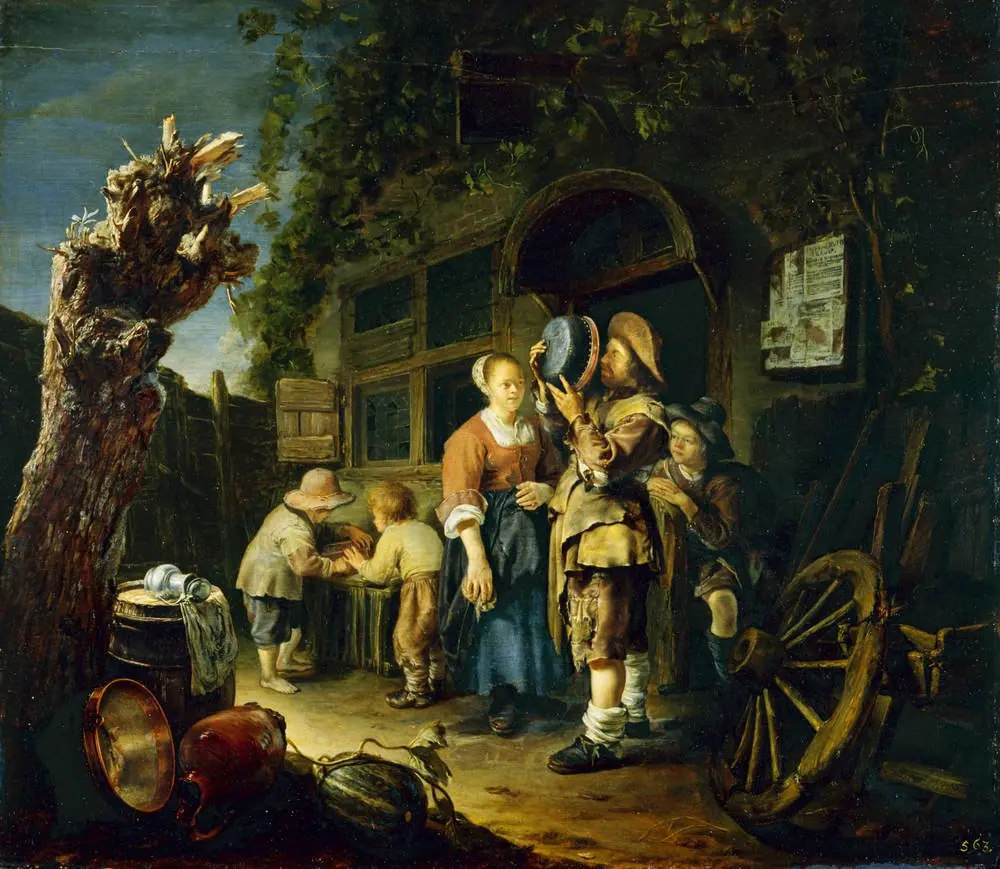 The Tinker
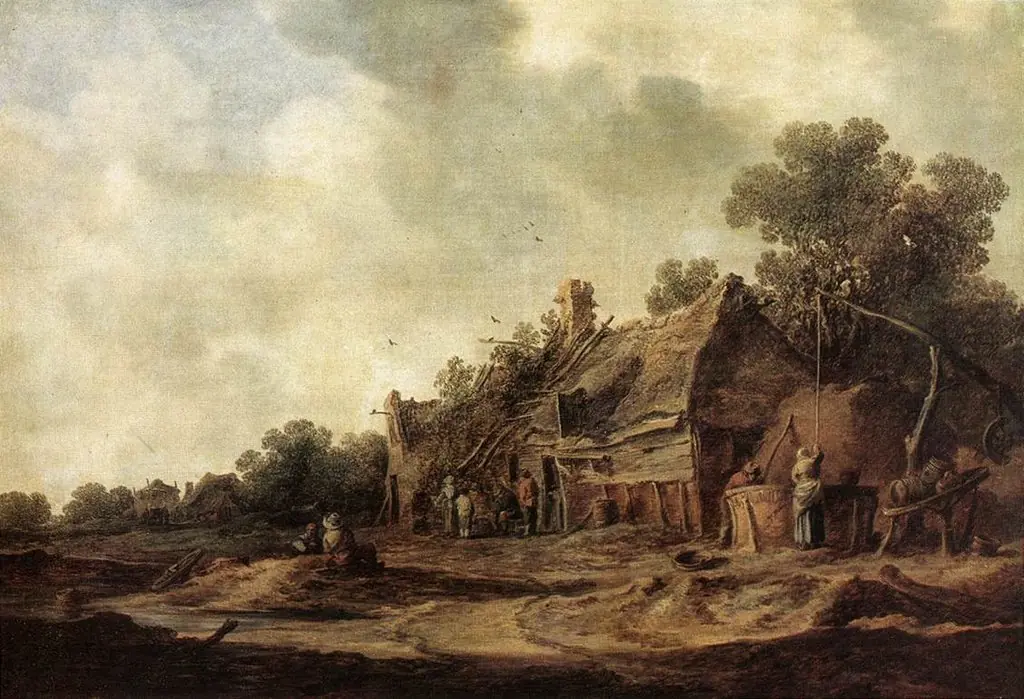 Peasant Huts with a Sweep Well
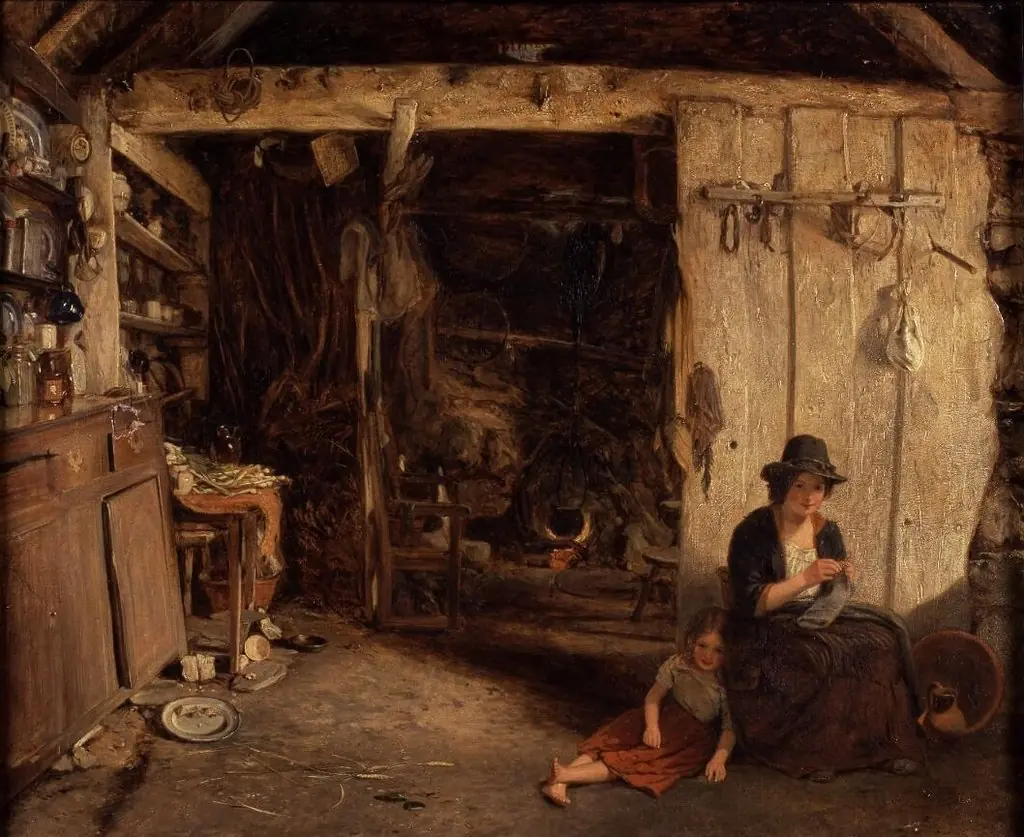 Cottage interior - North Wales
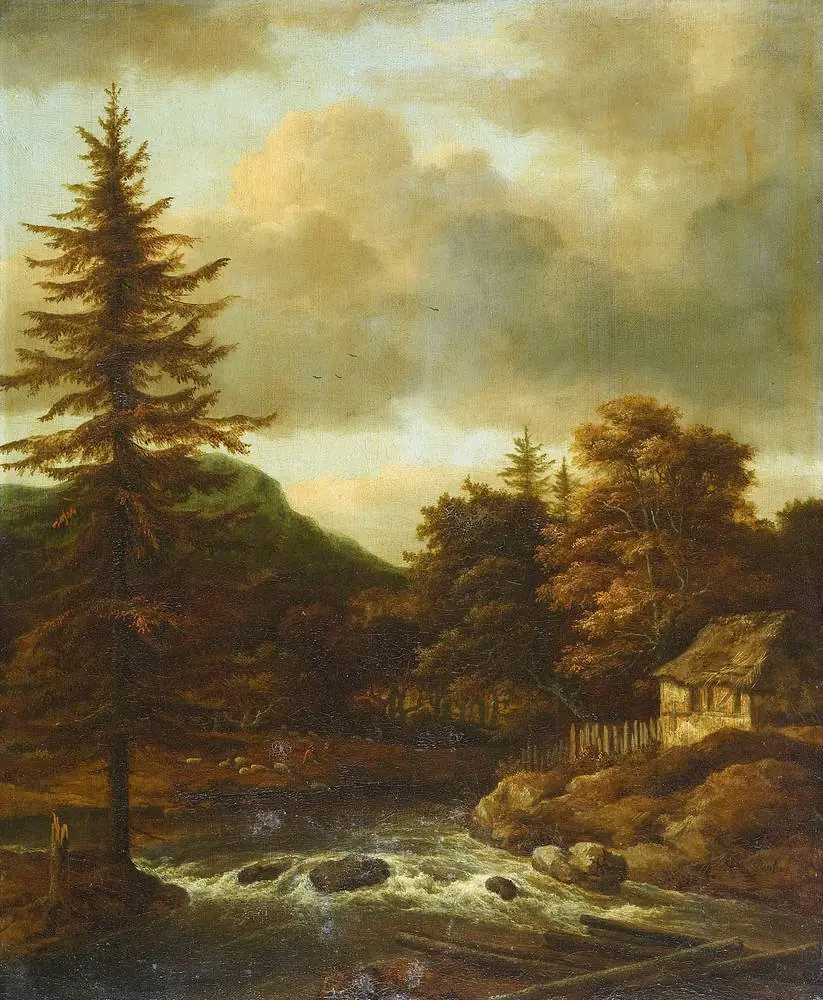 Waterfall with Pine tree
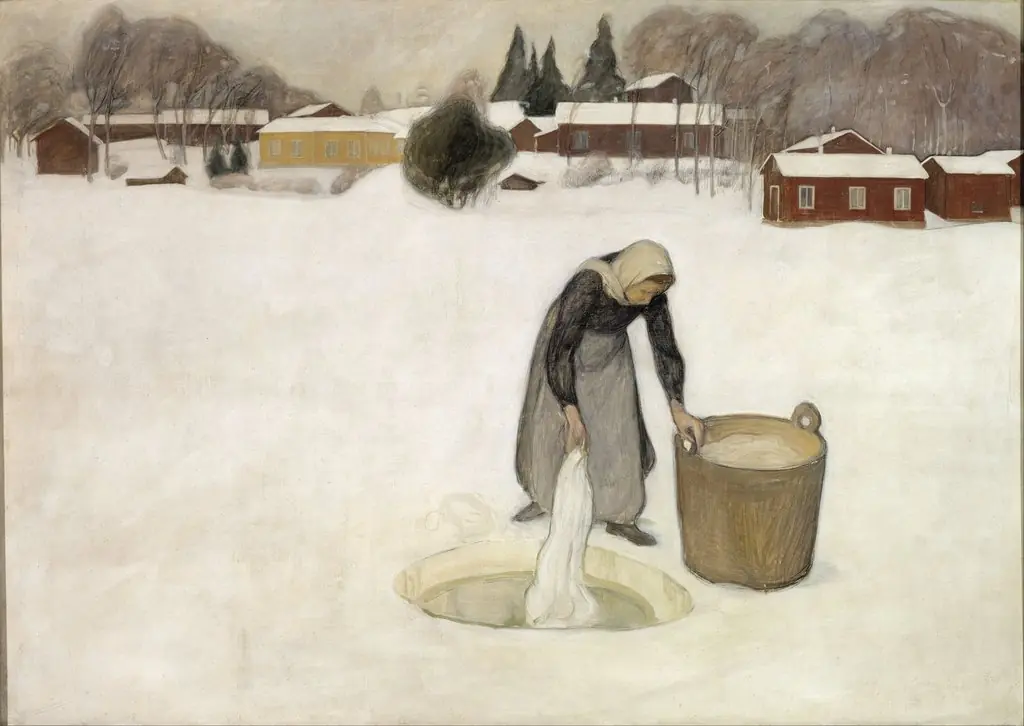 Washing on the Ice
 End of the Hamlet of Gruchy
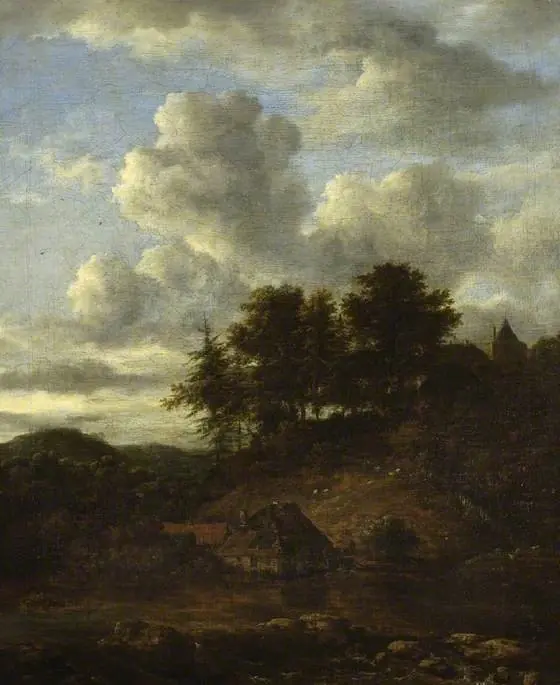 Landscape with river and pines
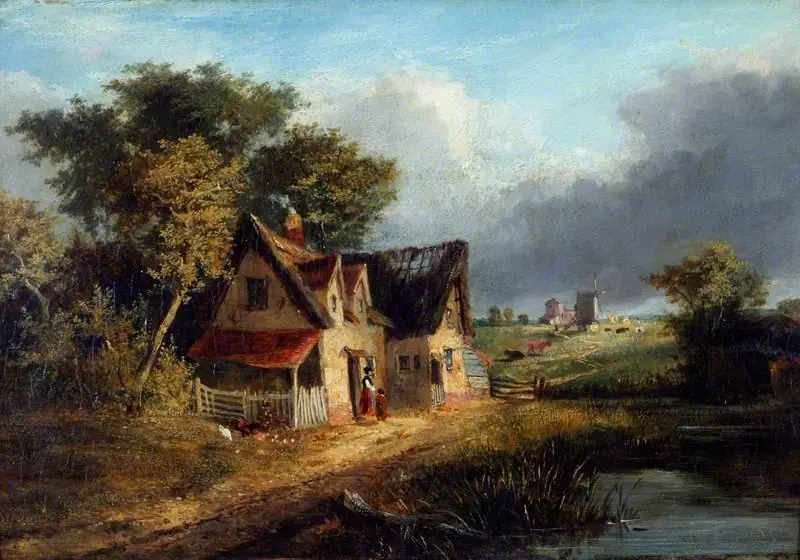 Landscape
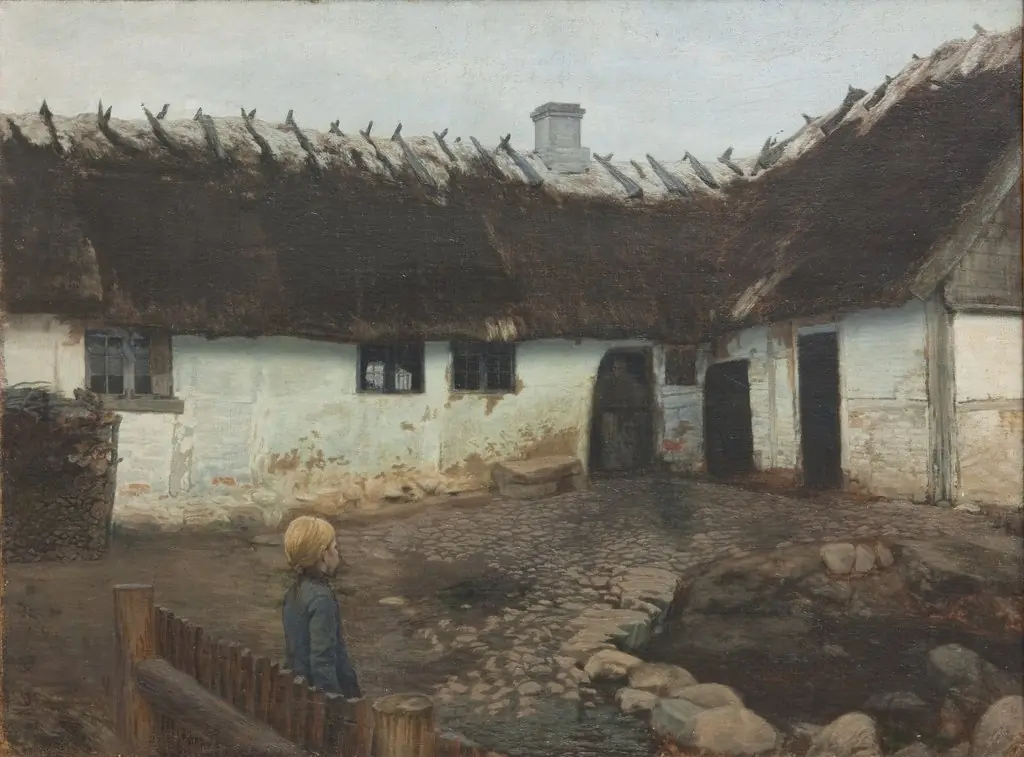 Uden for et husmandssted
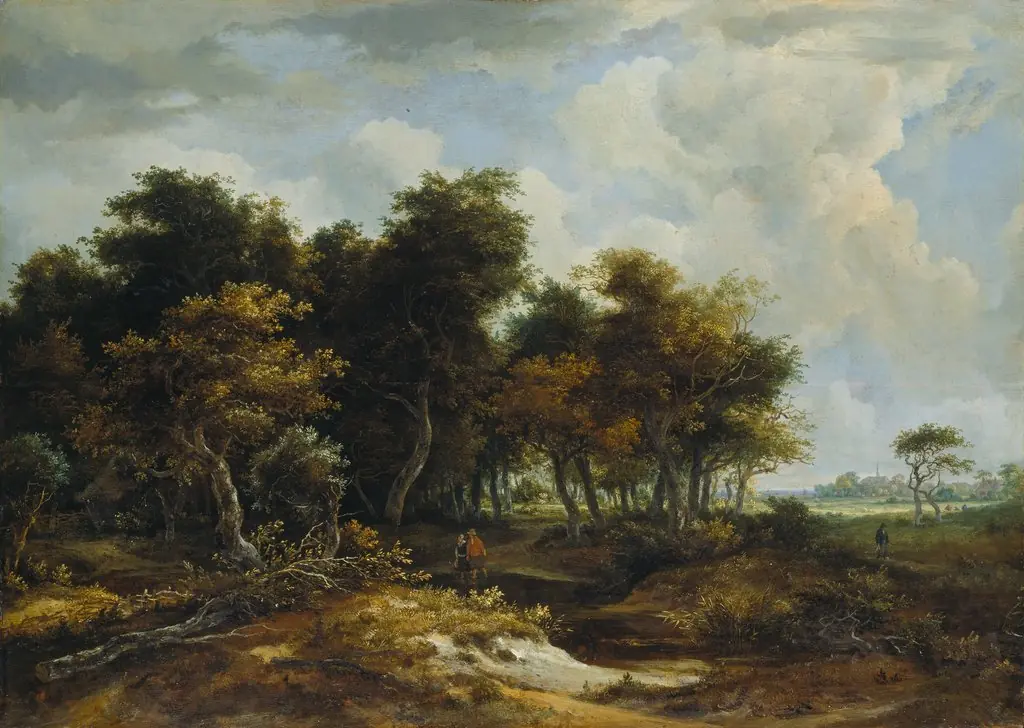 Entrance to a Forest
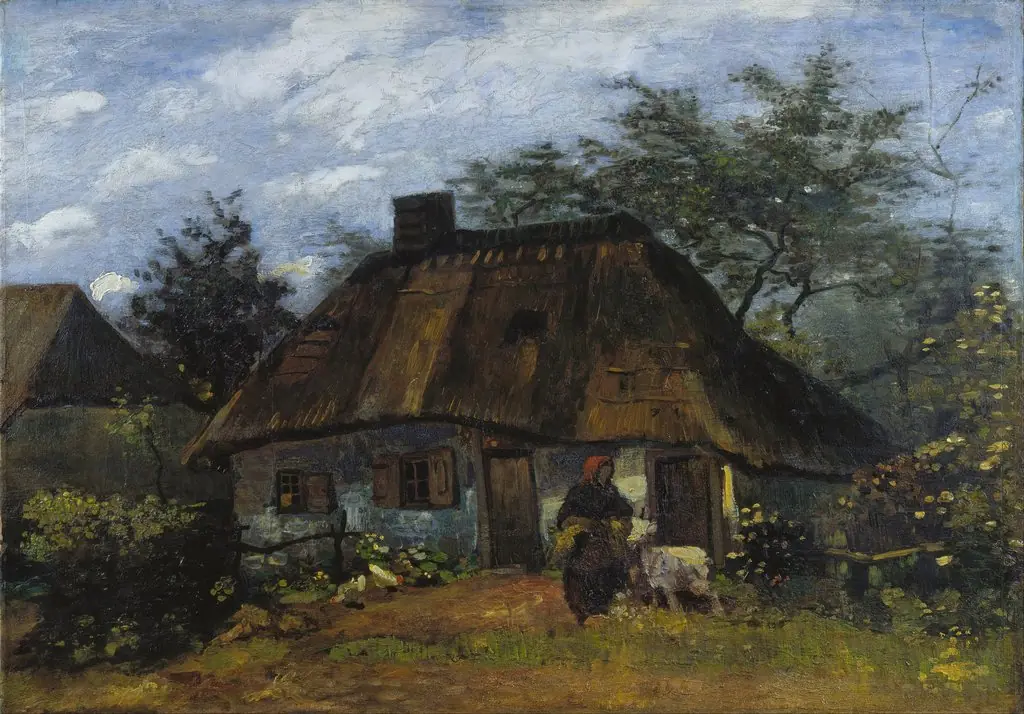 Cottage and Woman with Goat
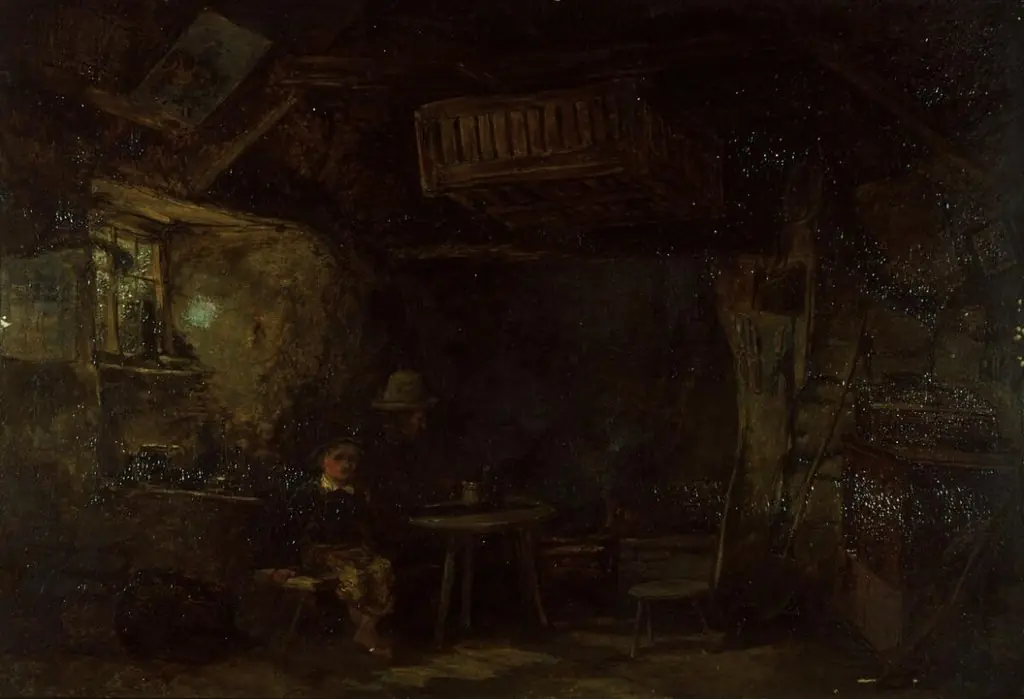 Interior of a Welsh cottage
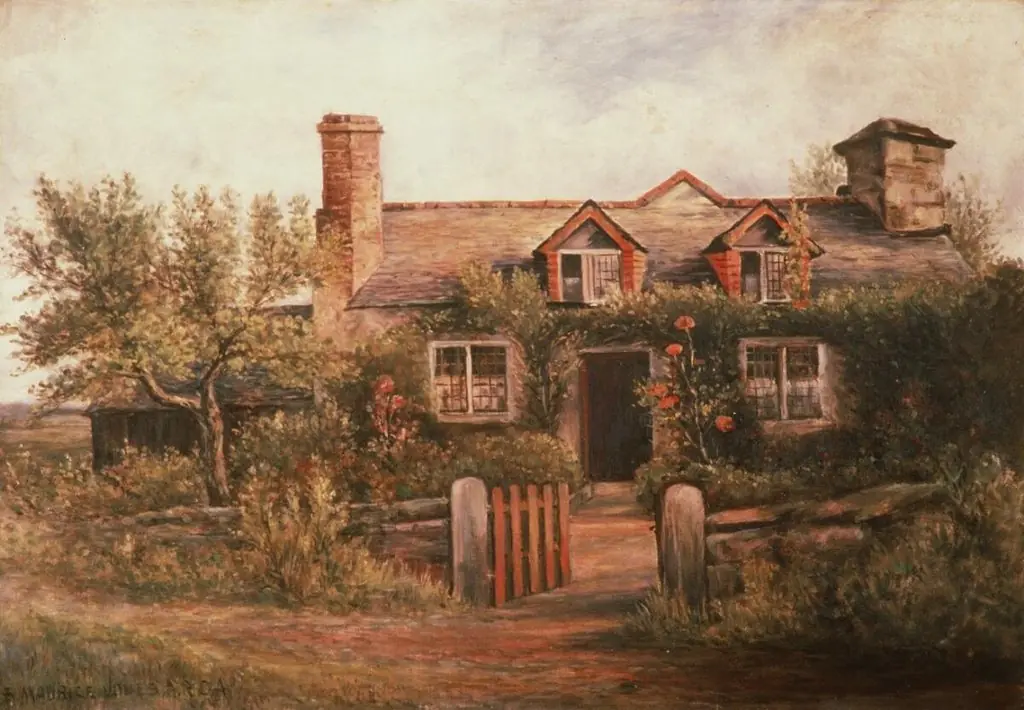 Tan y Celyn, Trefriw
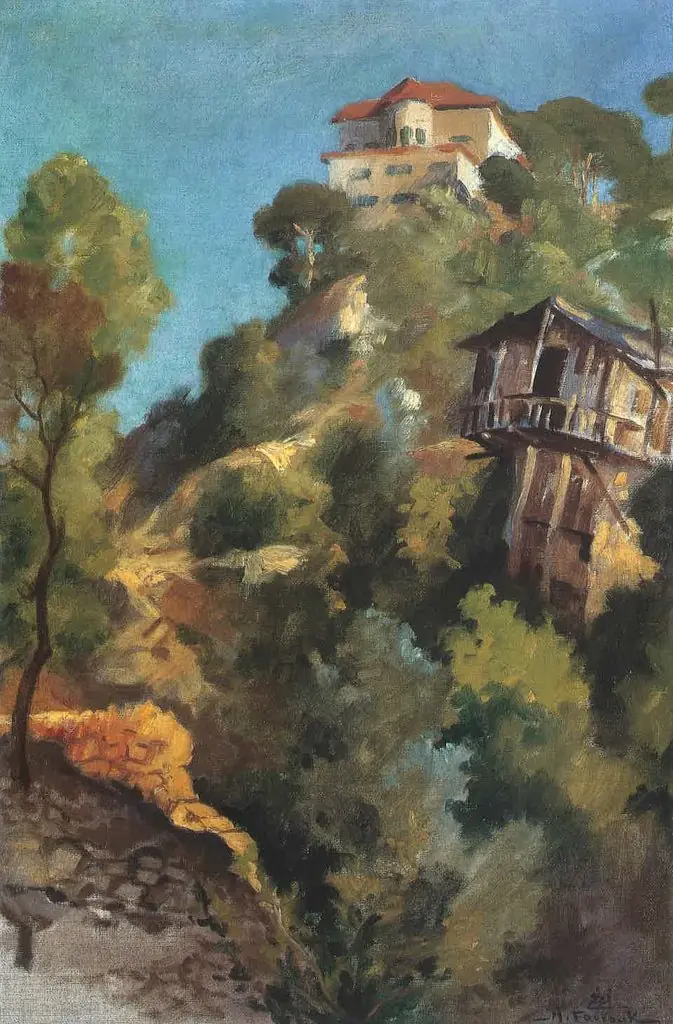 Bikfaya. The Palace and the cabin
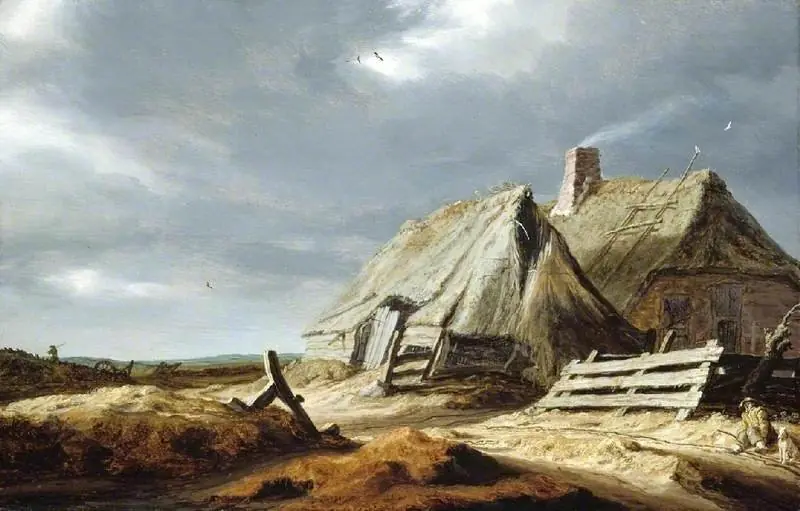 Farm buildings in a landscape
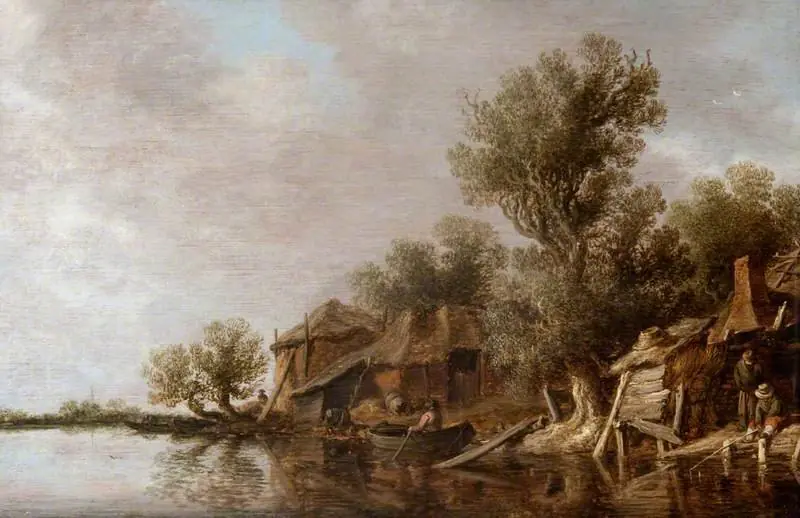 Cottages and Fishermen by a River
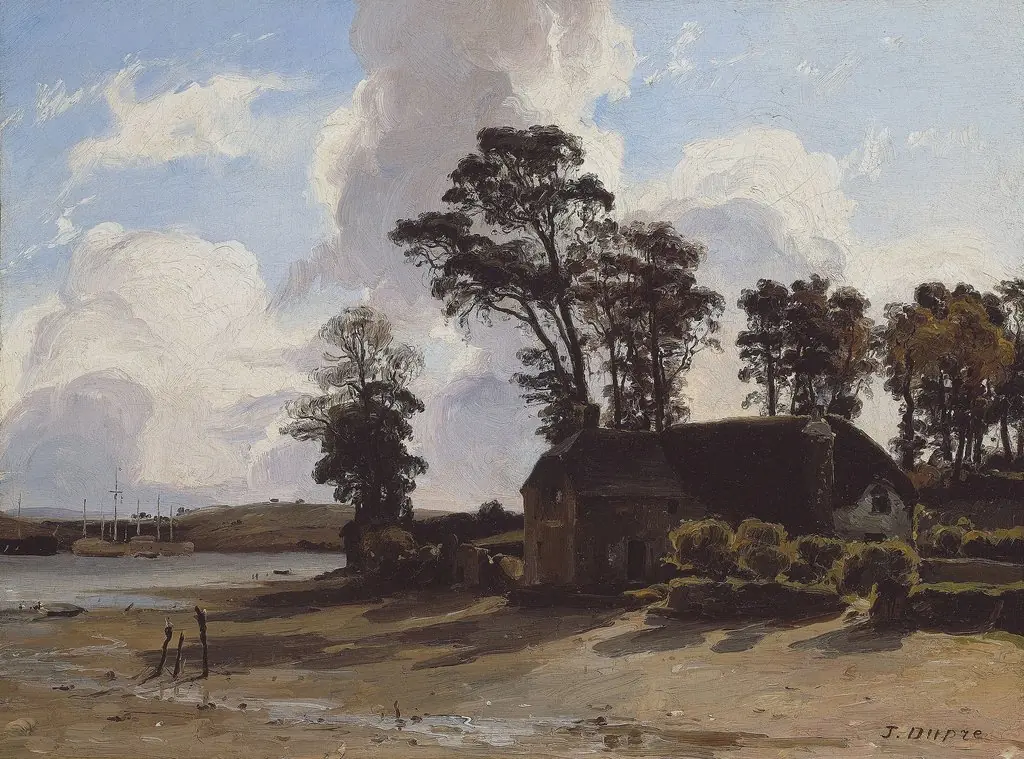 The Estuary Farm
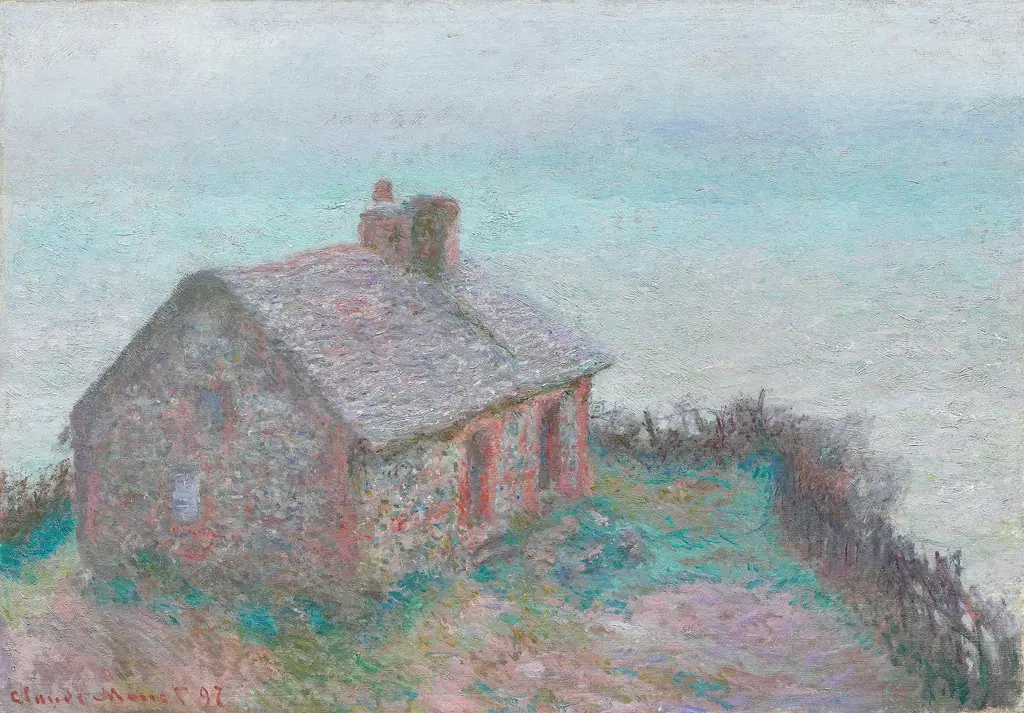 The Customs House at Varengeville
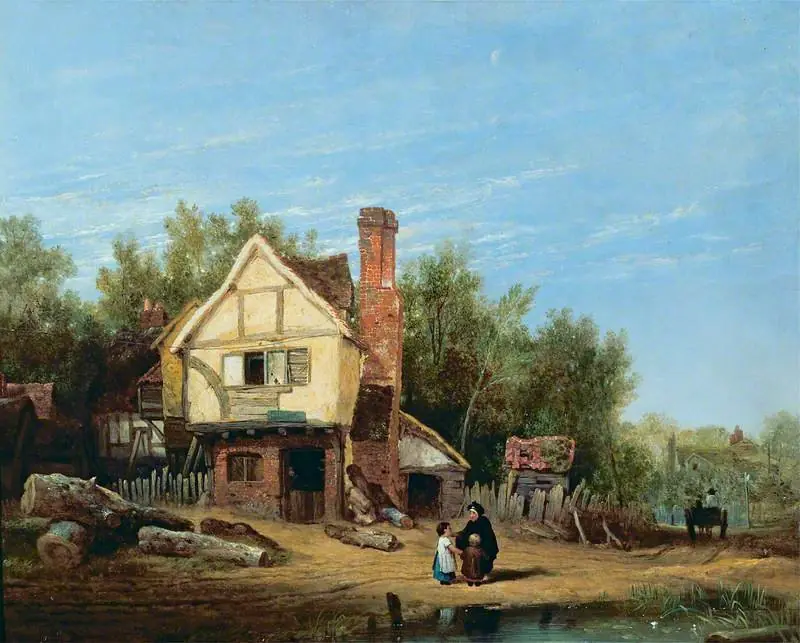 Landscape with Cottages
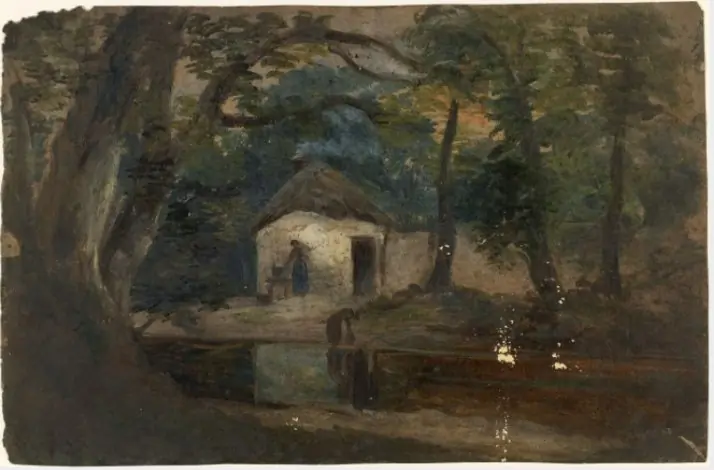 Woman at Work outside a Cottage
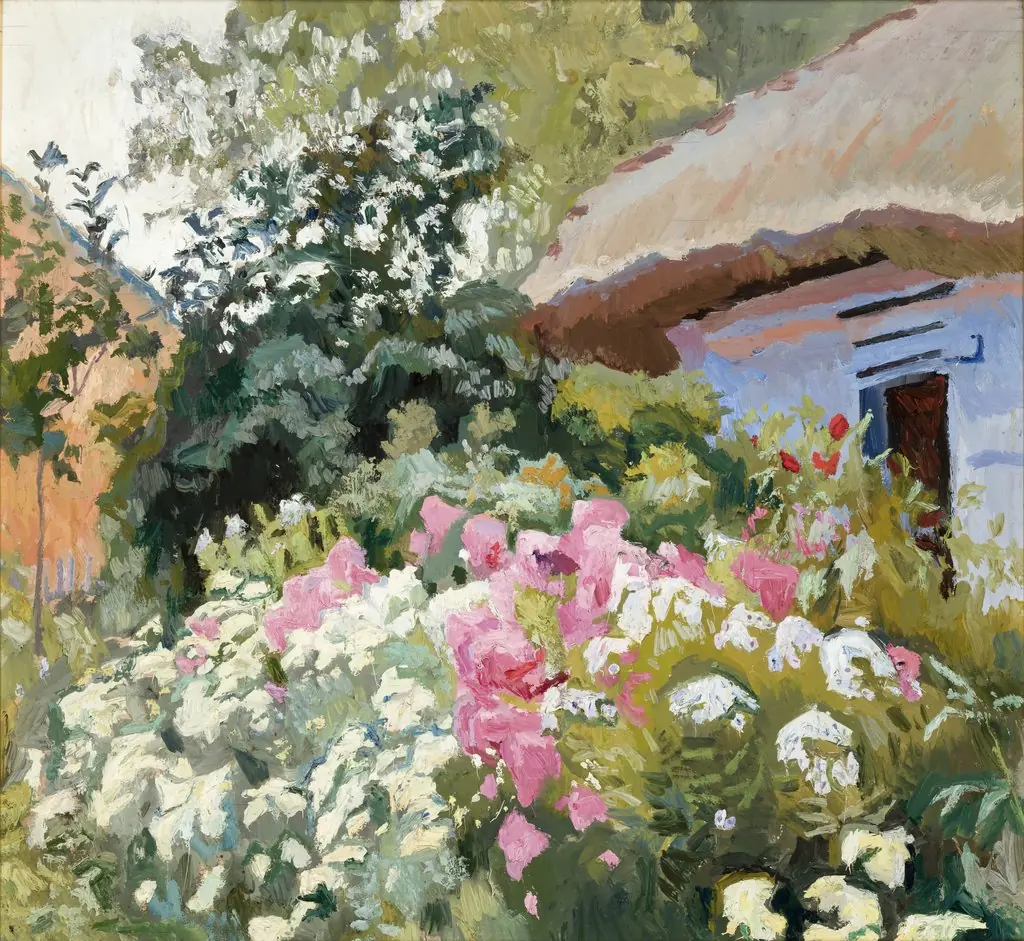 Flowers in Front of the Cottage
 Landscape with cottages
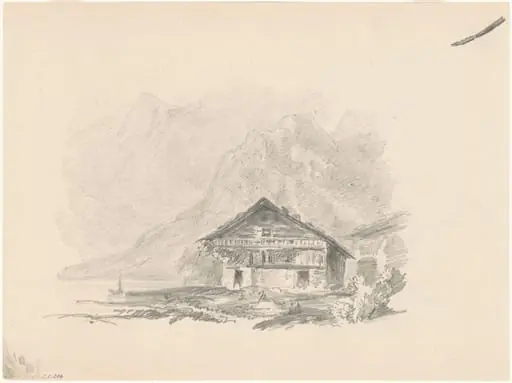 Swiss Chalet
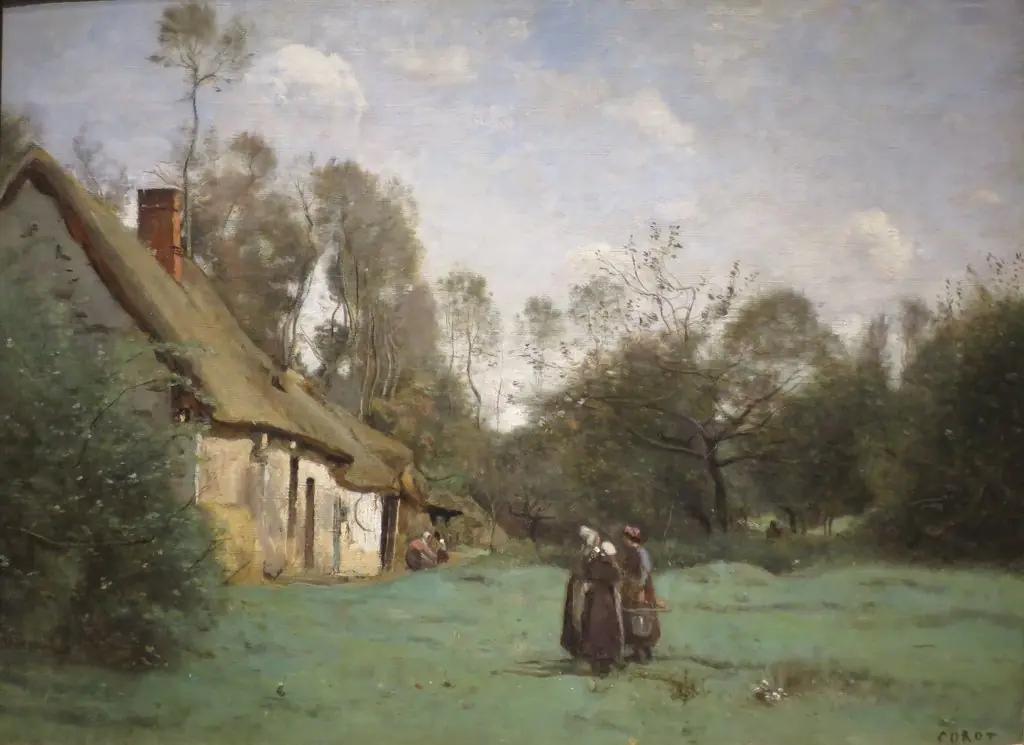 Thatched Cottage in Normandy
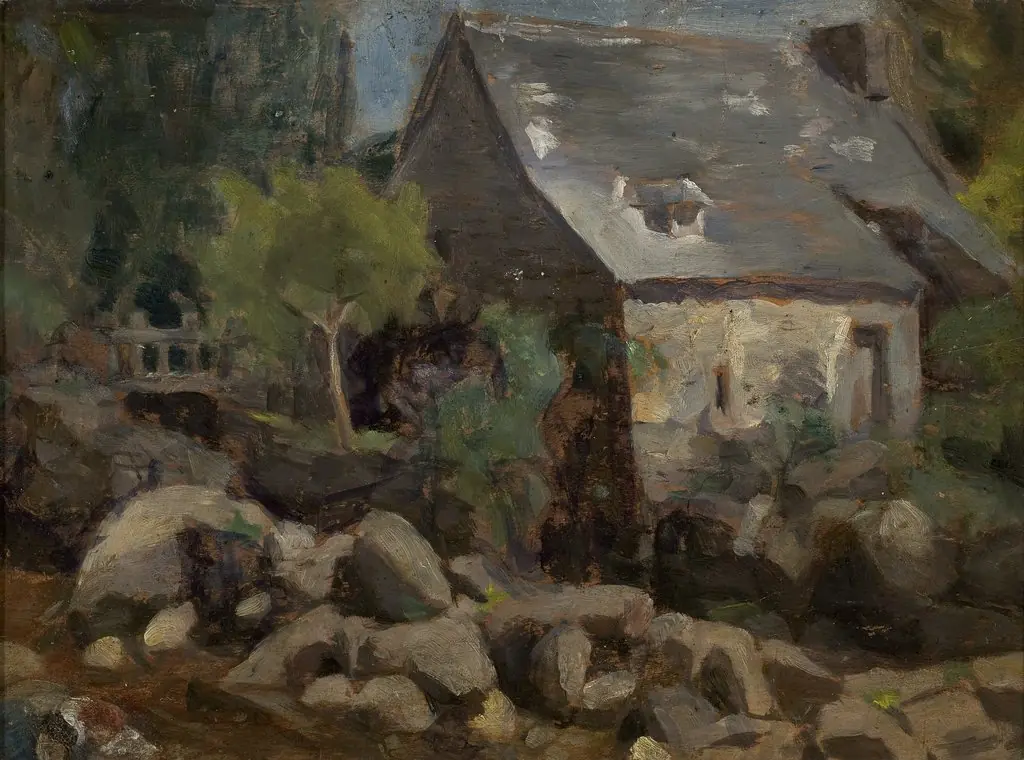 Rustic Landscape with Bridge and Houses
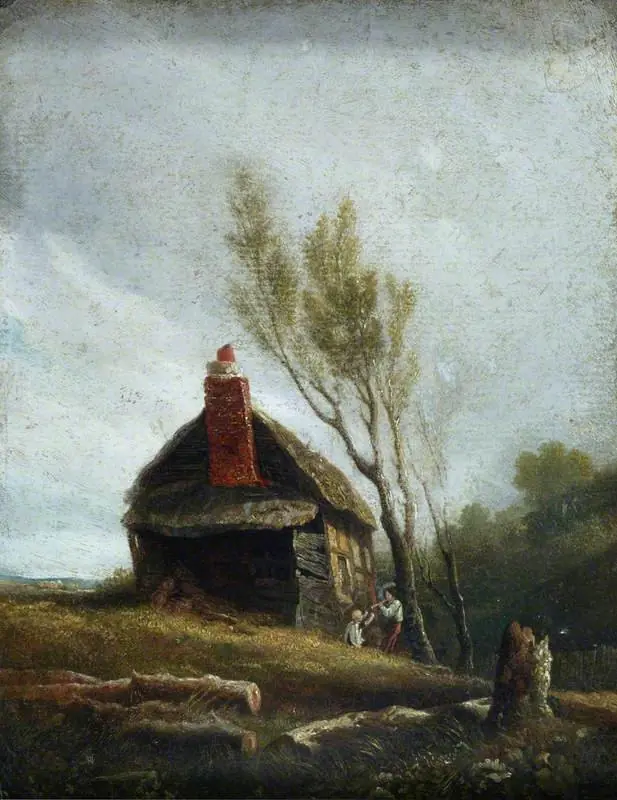 Landscape: A Cottage with Trees and Two Children
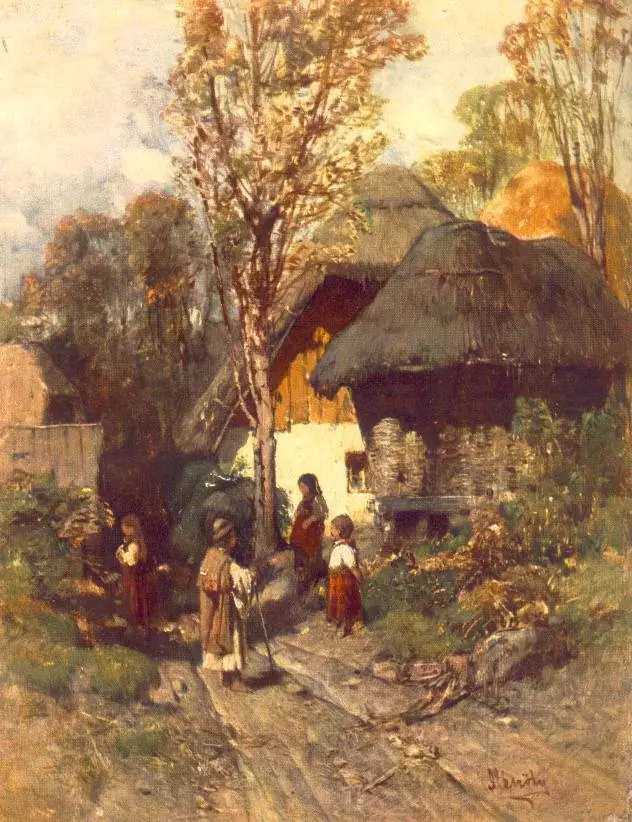 Bottom of the Village
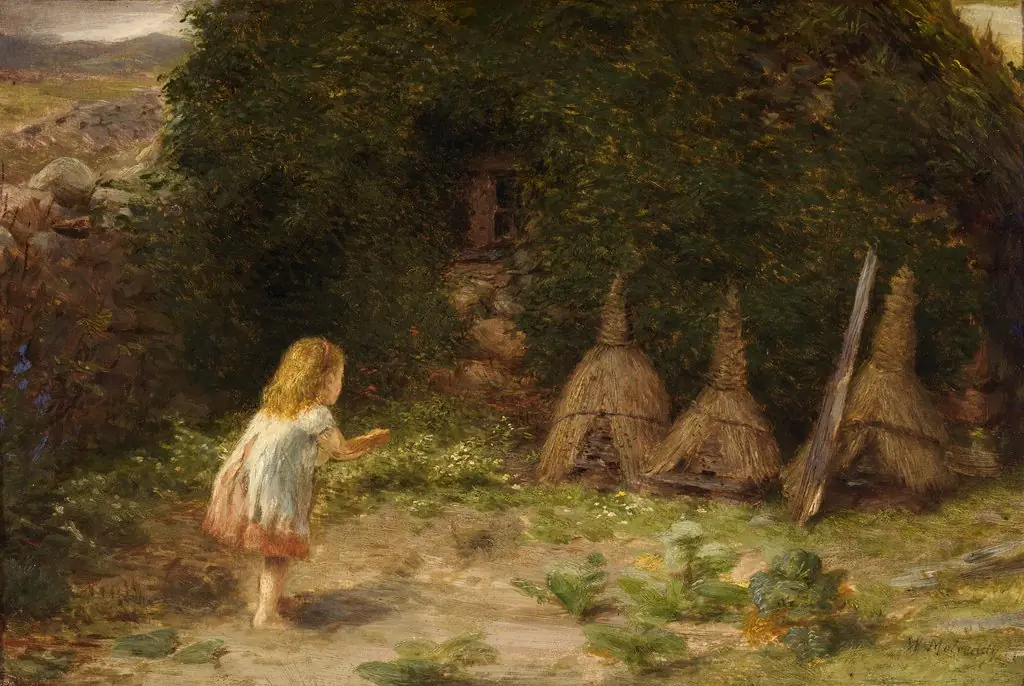 Cupping the Bees
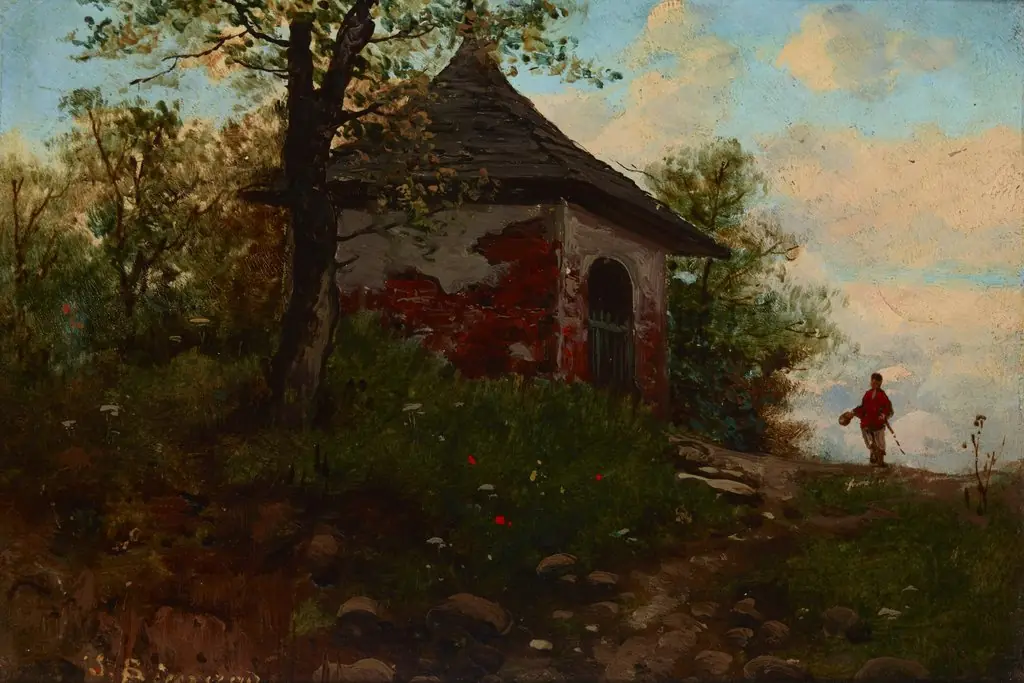 Landscape with a Wayside Shrine
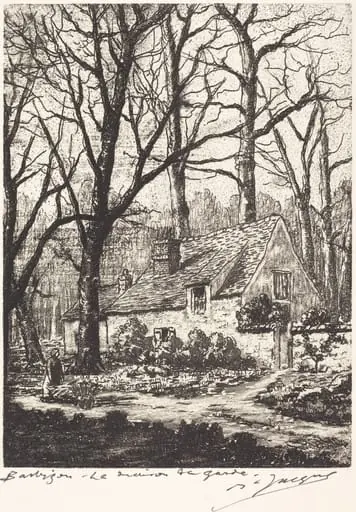 Barbizon: La maison de garde
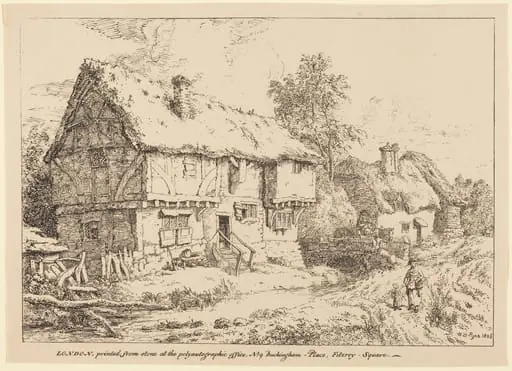 Old Cottages
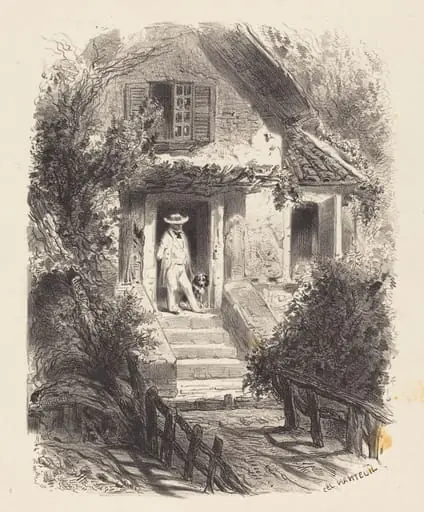 Music Title
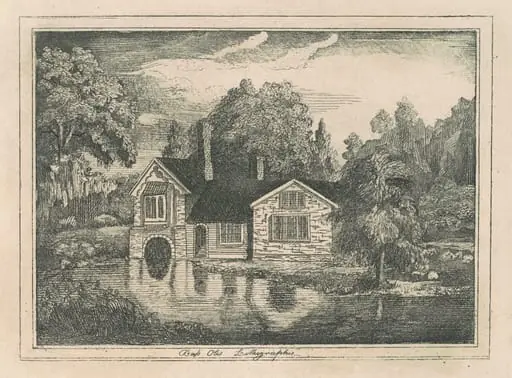 House by a Pond
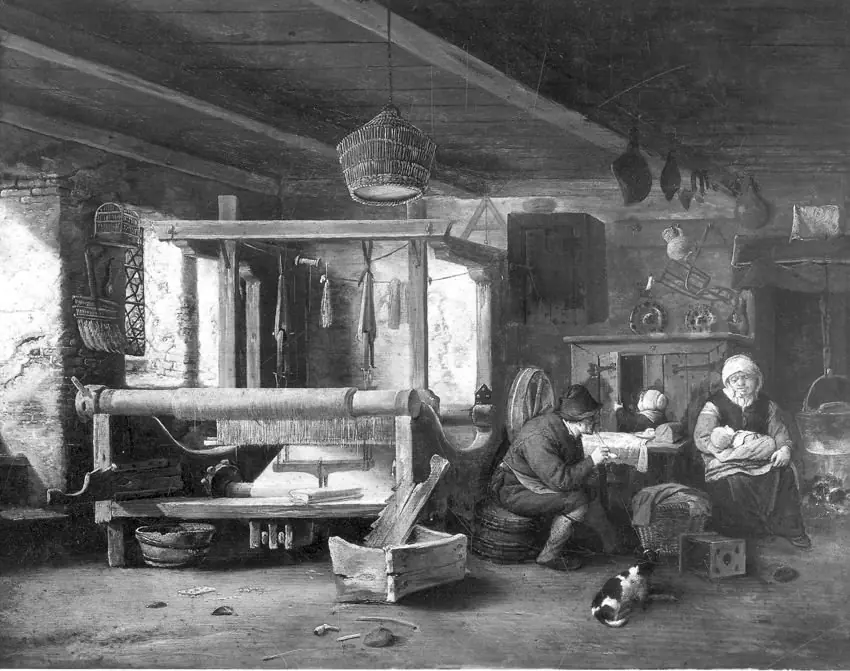 Weaver's workshop
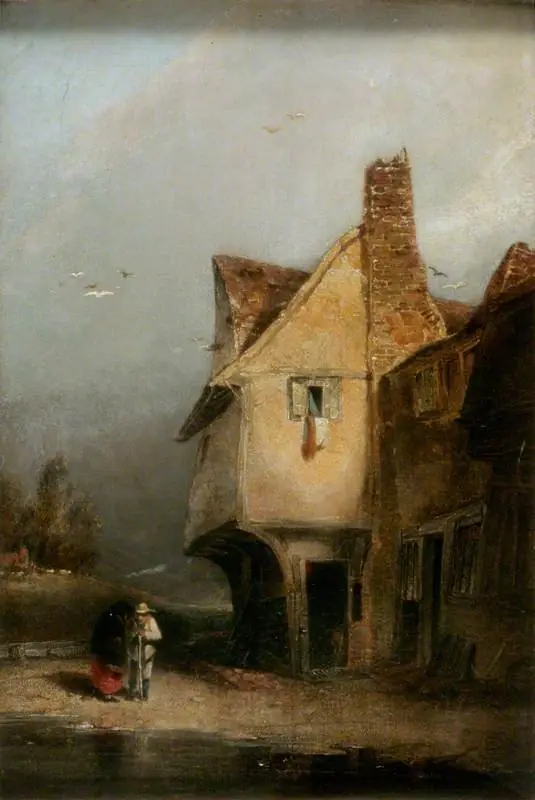 An Old Cottage, St Albans
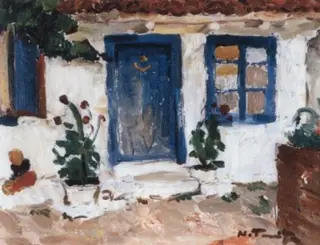 Casa lui Tefik
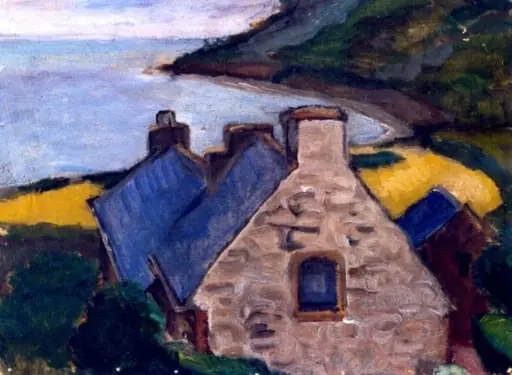 Case la malul mării - Bretania
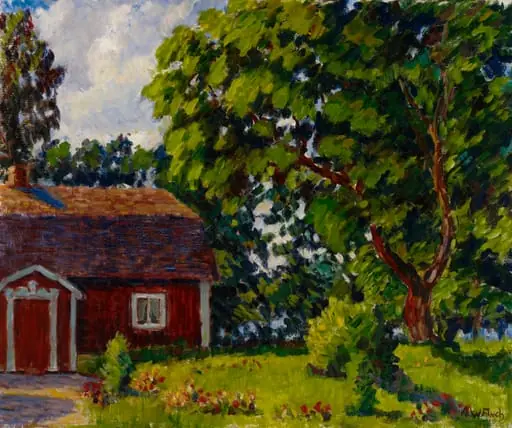 Urajärven museo
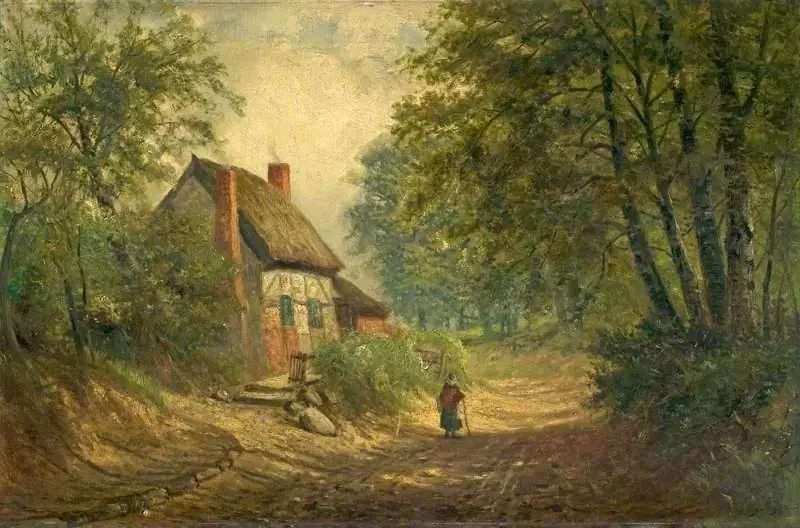 Littleover Hollow, Derby
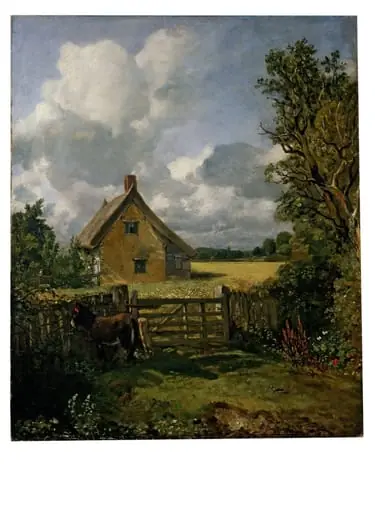 The Cottage in a Cornfield
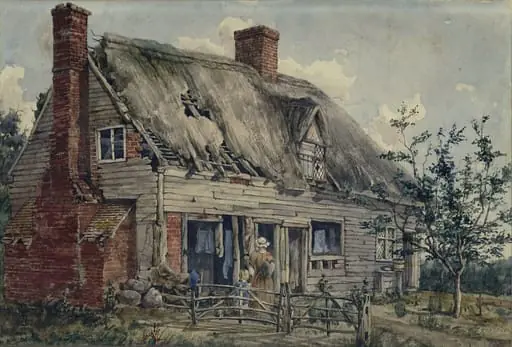 Cottage at Felixstowe
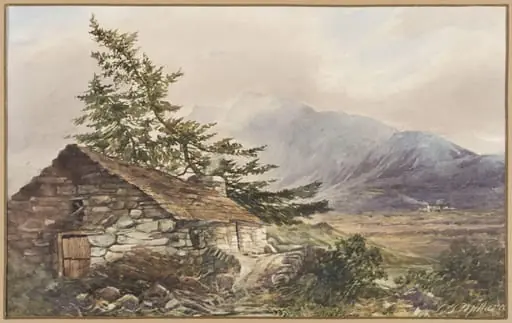 Cottage near Capel Curig
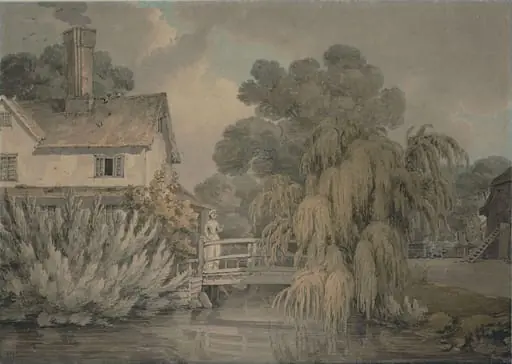 Ranger's Cottage, Hyde Park
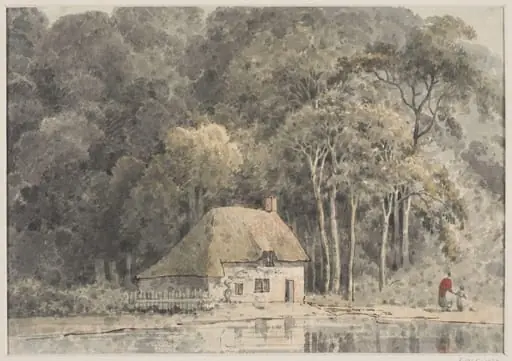 Cottage by a Lakeside, Somerset
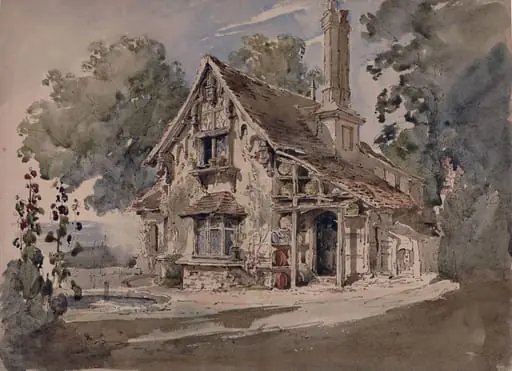 A Country Cottage
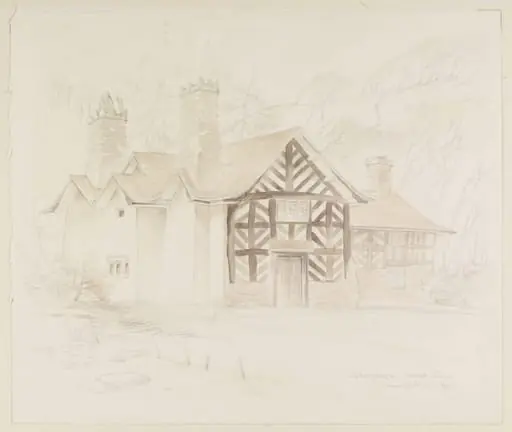 World's End, Llangollen, Denbighshire
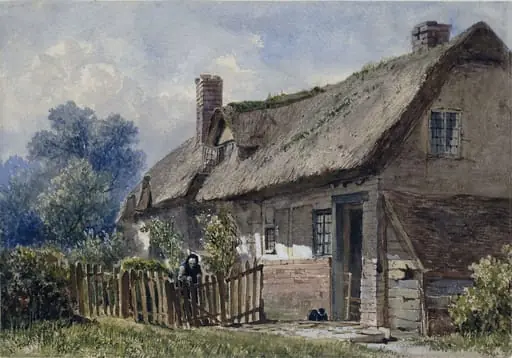 Rustic cottage
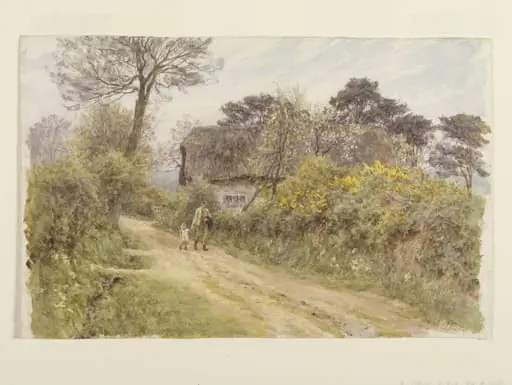 A Cottage in the Isle of Wight
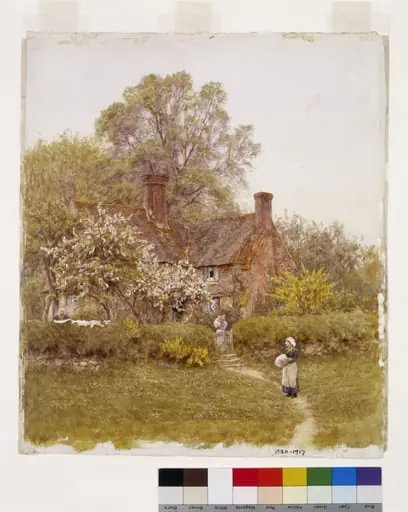 A Cottage at Chiddingfold, Surrey
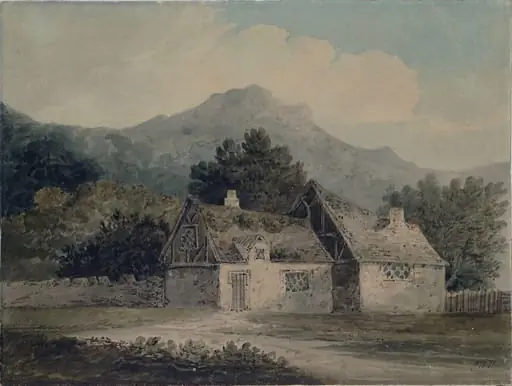 Mountainous landscape with cottages
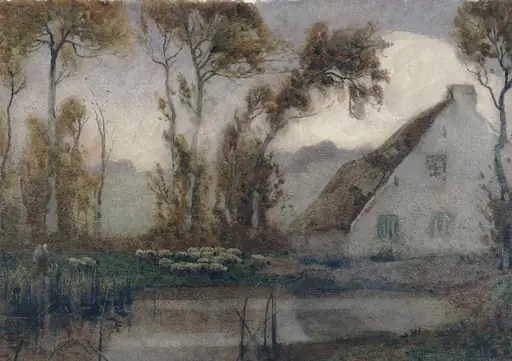 Ma Campagne
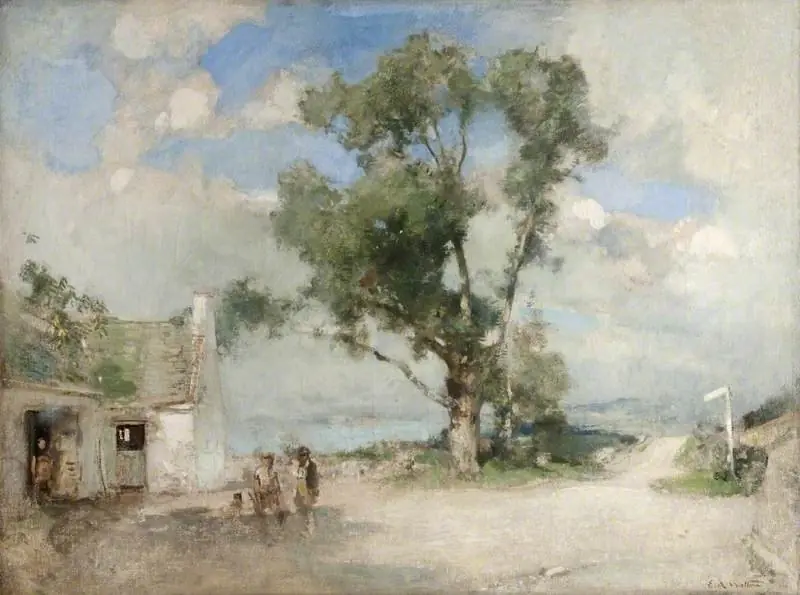 The Smithy at the Crossroads
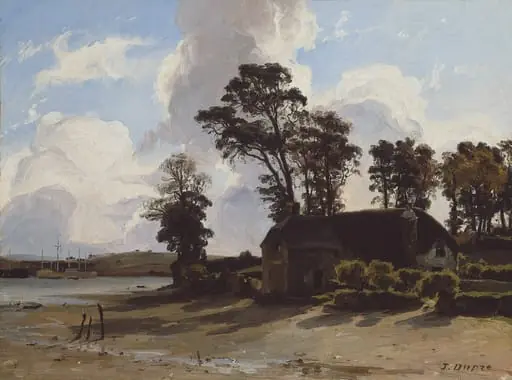 The Estuary Farm
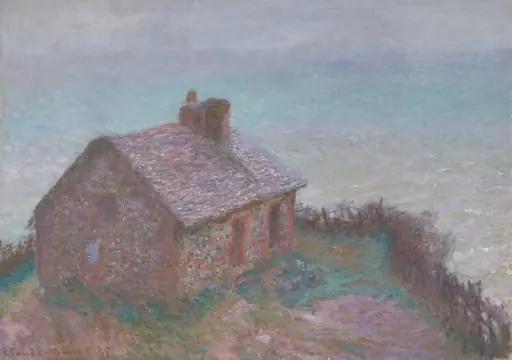 The Customs House at Varengeville
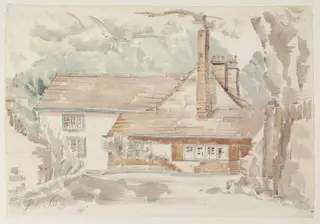 Cottages at Norton, No.2
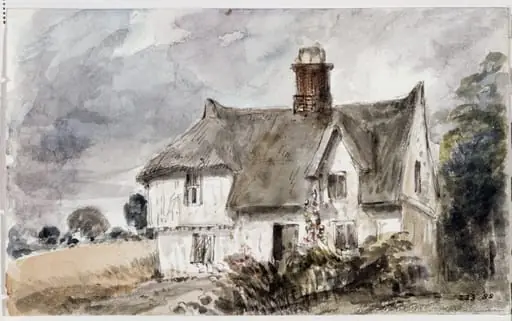 A cottage near a cornfield
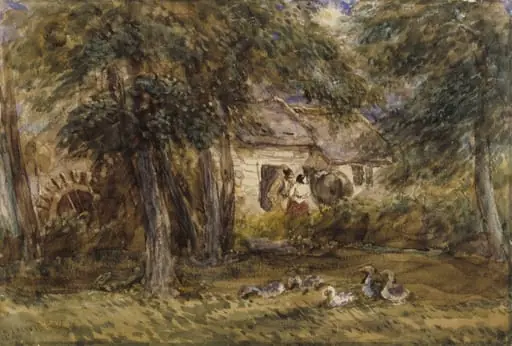 A Water-Mill near Bettws-y-Coed
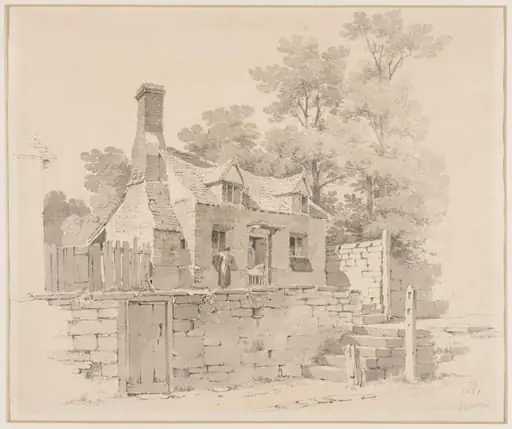 A Cottage in High Street, Hastings
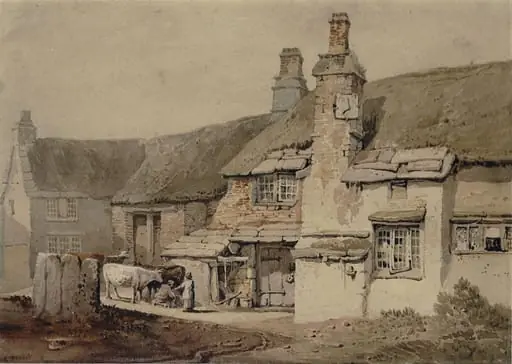 The Farmhouse
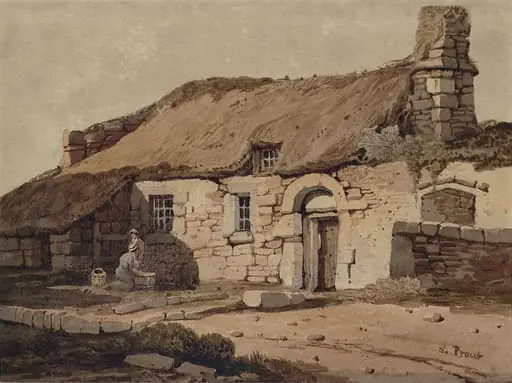 Cottage near Penguswick, Cornwall
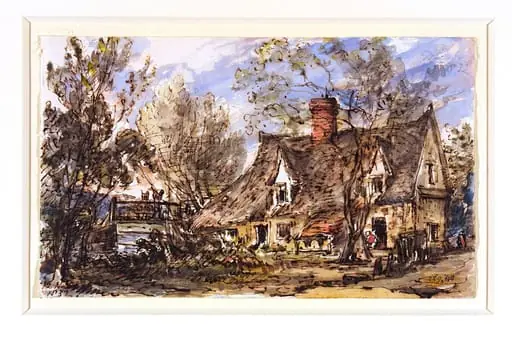 Bridge Cottage, Flatford
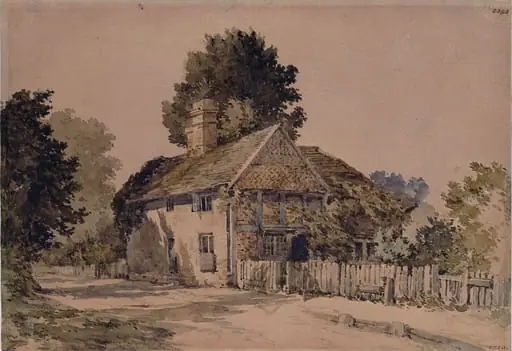 Cottage near Shere, Surrey
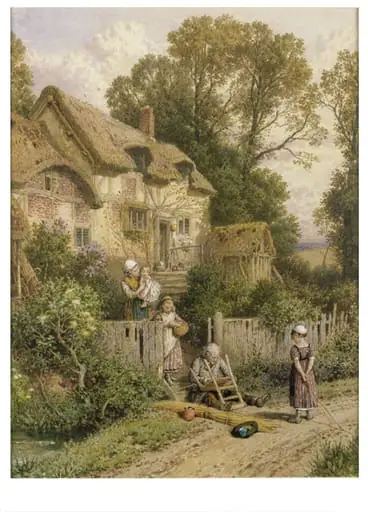 The Chair-Mender
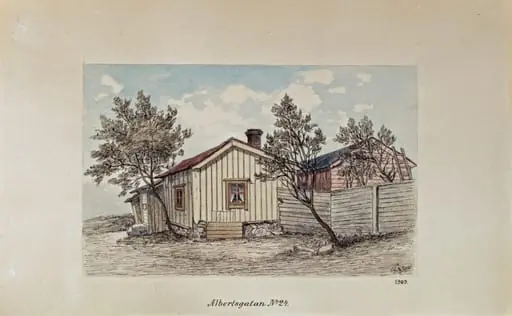 Albertinkatu 24
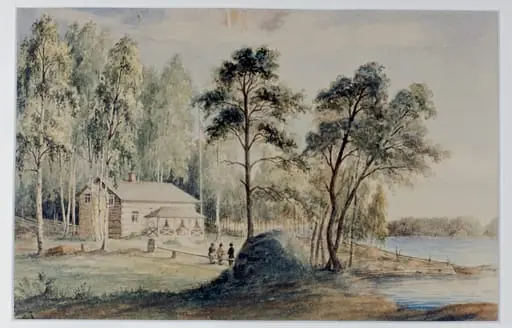 Lauttasaari, Katajaharjunniemi
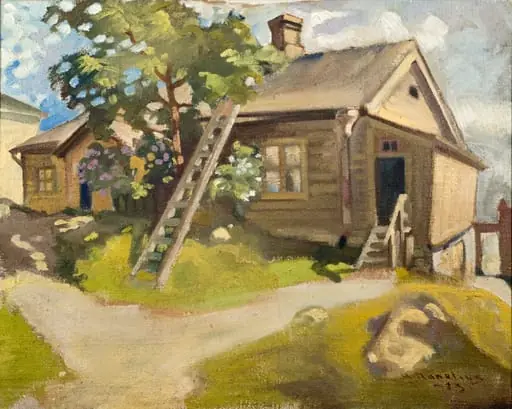 Pihanäkymä, Punavuorenkatu 23
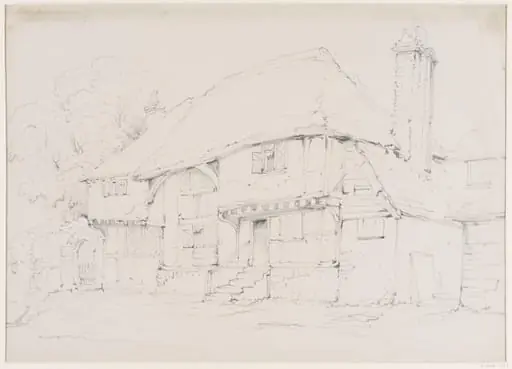 Steyning
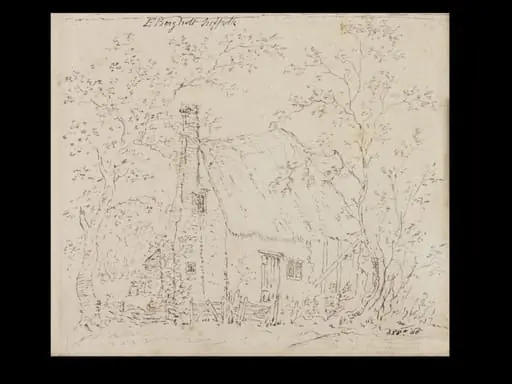 Cottage at East Bergholt
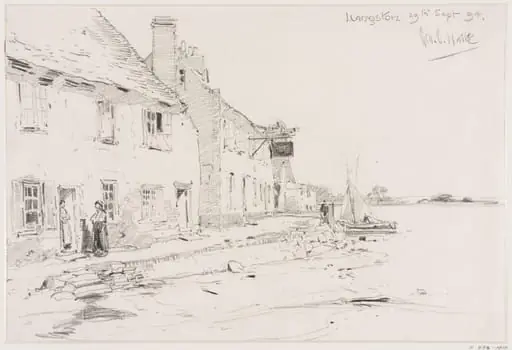 Langston.
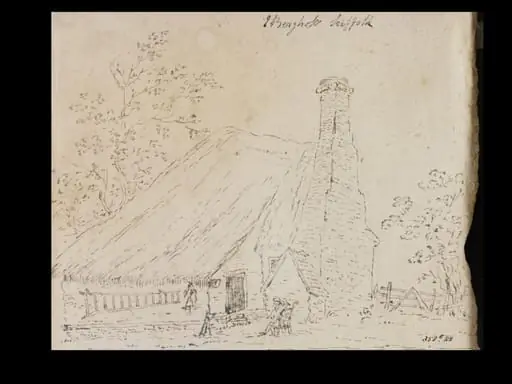 Cottage at East Bergholt, with a cottager
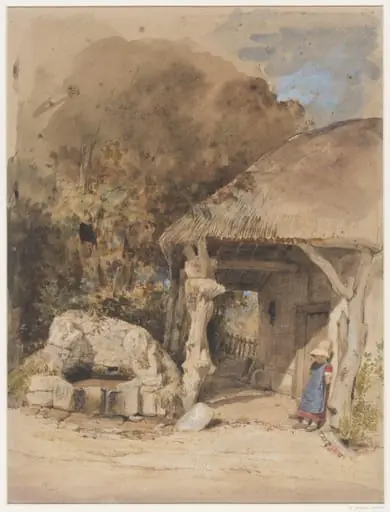 A Child under a Thatched Porch near a Spring.
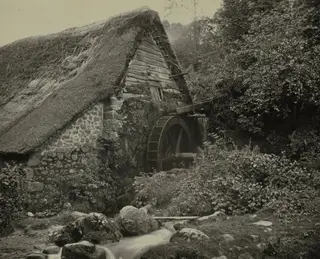 Holy Street Mill
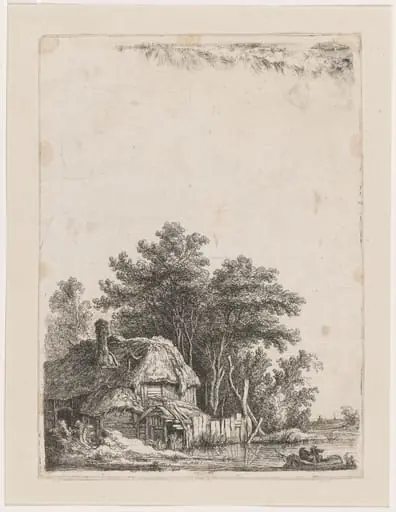 Landscape with Cottage on the Water
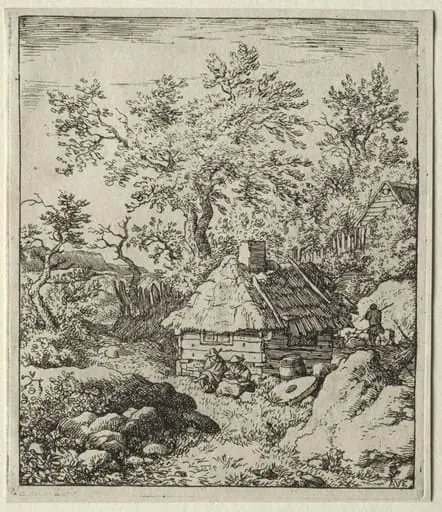 The Millstone
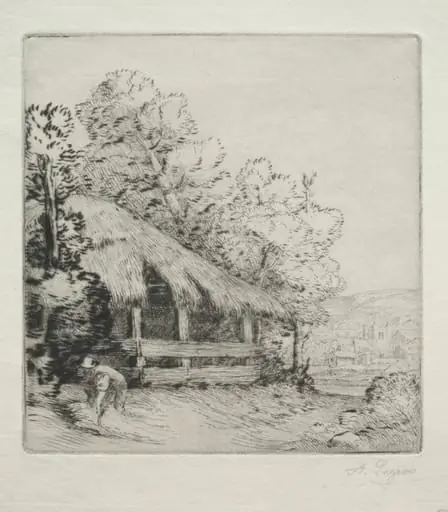 The Little Shed (Le Petit Hangar)
Frequently asked questions
What is Cottage?
Cottage is a subject in art. A cottage, during England's feudal period, was the holding by a cottager (known as a cotter or bordar) of a small house with enough garden to feed a family and in return for the cottage, the cottager had to provide some form of service to the manorial lord.
How many Cottage works does Artifact World Gallery have?
Artifact World Gallery holds 96 public-domain Cottage works, all free to view and download.
Who are the key Cottage artists?
Key Cottage artists in the collection include Jean Baptiste Camille Corot, Claude Monet and Rembrandt van Rijn.
Where can I see Cottage works?
Cottage works in the collection are held by Victoria and Albert Museum, National Gallery of Art and Art Institute of Chicago.