Artwork
Flora
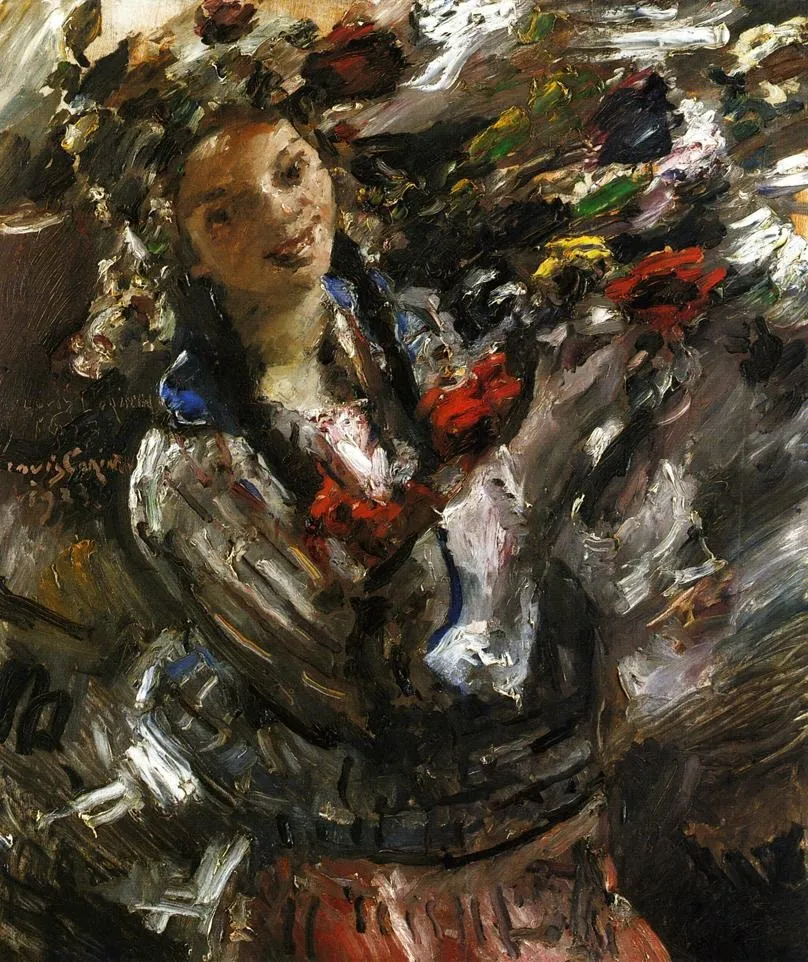
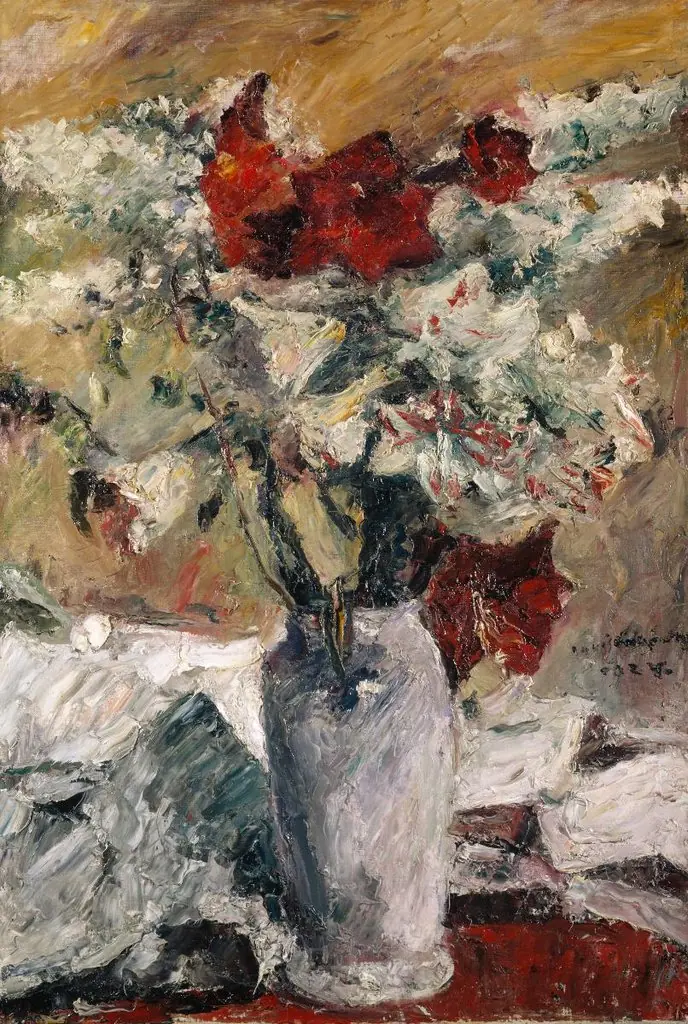
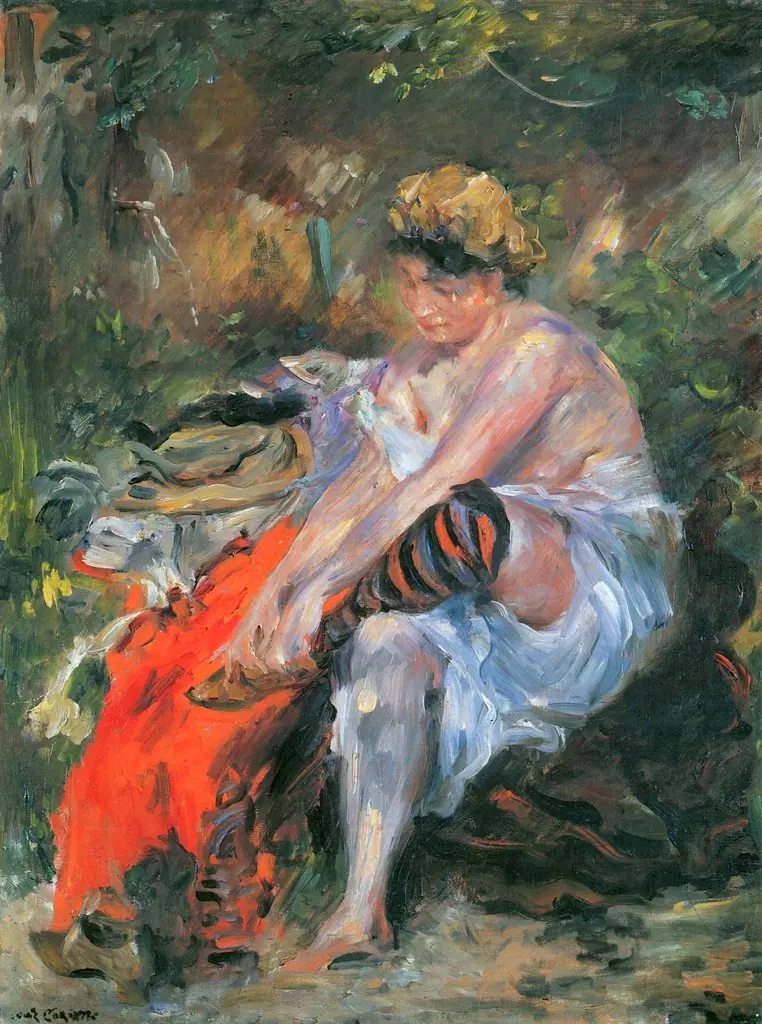
Flora is an oil painting by the German Expressionist artist Lovis Corinth. It dates from 1923 and is held in the collection of the Hamburger Kunsthalle.
About this work
Overview
The composition emphasizes texture and color over spatial depth, reflecting Corinth’s expressive approach in his later years.
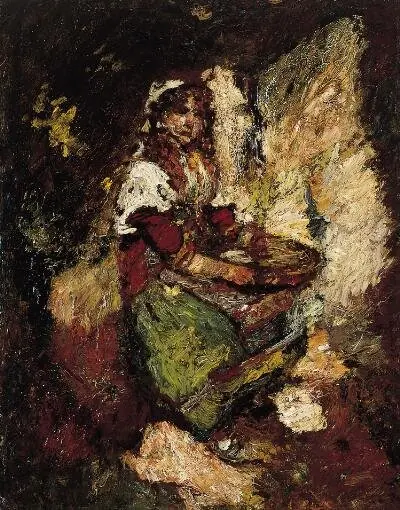
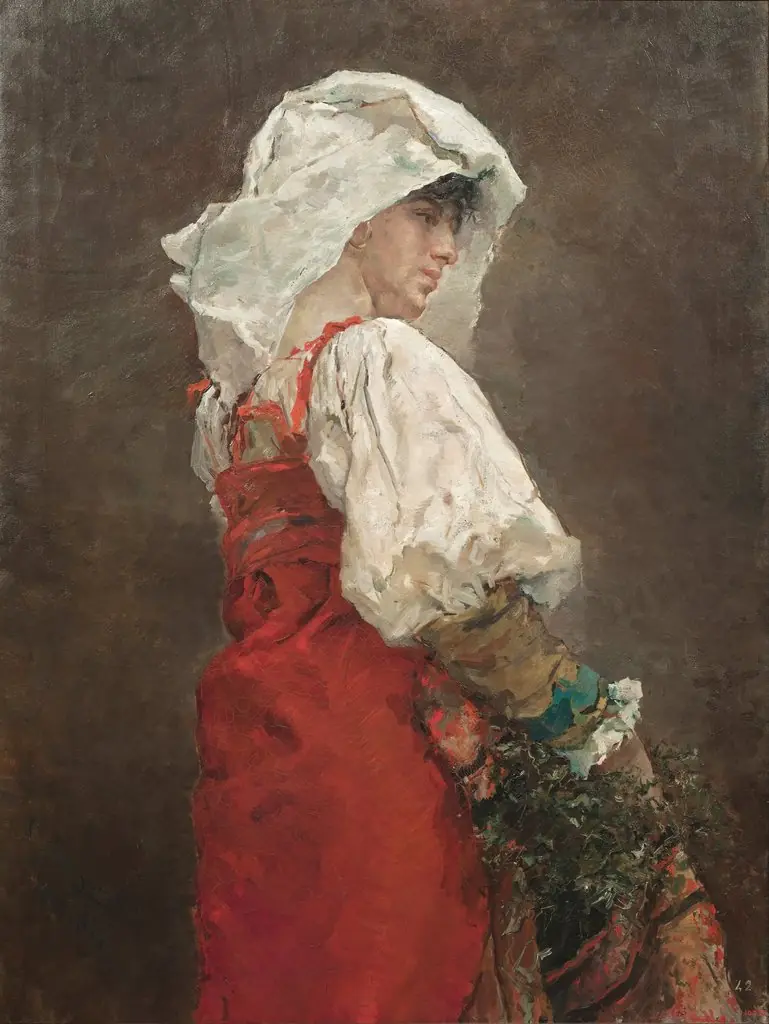
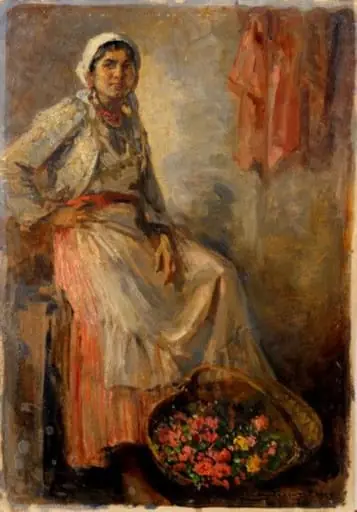
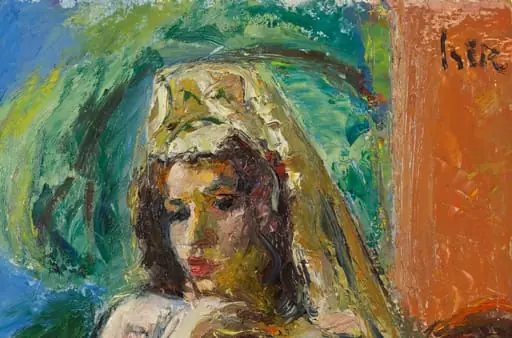
Painted in 1923, Flora is an oil portrait by Lovis Corinth featuring his wife, Wilhelmine Corinth. The work belongs to the collection of the Hamburger Kunsthalle. It presents a full-figure depiction centered on the sitter, surrounded by an abundance of flowers and ornate fabric. The composition emphasizes texture and color over spatial depth, reflecting Corinth’s expressive approach in his later years.
Subject & Meaning
The subject is Wilhelmine Corinth, portrayed not as a formal portrait but as an embodiment of seasonal renewal, evoking the Roman goddess Flora. The profusion of blossoms and her vivid attire suggest fertility and the transient beauty of nature. Her calm demeanor contrasts with the energetic brushwork, hinting at a personal meditation on life and decay, themes recurrent in Corinth’s post-war work.
Technique & Style
Corinth applied thick, gestural strokes of oil paint to render both fabric and petals with tactile intensity. The dress and bouquet are rendered in saturated hues, reds, blues, whites, while the background dissolves into muted greens and browns. The brushwork is loose yet deliberate, balancing realism with emotional immediacy.
This technique reflects his shift from academic precision toward a more expressive, almost impressionistic mode in his final decade.
History & Provenance
Created in 1923, the painting remained in the artist’s possession until his death in 1925. It entered the Hamburger Kunsthalle’s collection shortly thereafter, likely through acquisition from the family estate. Its documented history is straightforward, with no known transfers or exhibitions prior to its institutional acquisition, reflecting its status as a private, intimate work rather than a public commission.
Context
Flora was painted during the final years of Corinth’s life, following personal losses and the upheaval of World War I. His style had evolved from early realism toward a more visceral, emotionally charged approach. The painting aligns with a broader trend among German artists of the time who turned to nature and domestic subjects as sources of stability and symbolic meaning amid societal fragmentation.
Legacy
Flora stands as a testament to Corinth’s late-period synthesis of portraiture and still life. It is not widely reproduced but is recognized in scholarly circles for its emotional depth and technical boldness. The work contributes to understanding how German Expressionism absorbed personal grief and natural symbolism, influencing later generations focused on psychological realism in figurative painting.
Artist & collection
Artist
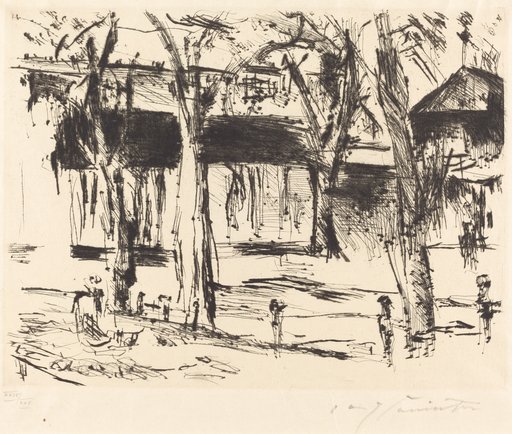
Lovis Corinth (21 July 1858 – 17 July 1925) was a German artist and writer whose mature work as a painter and printmaker realized a synthesis of impressionism and expressionism.