Artwork
Expulsion of the Money-Changers from the Temple
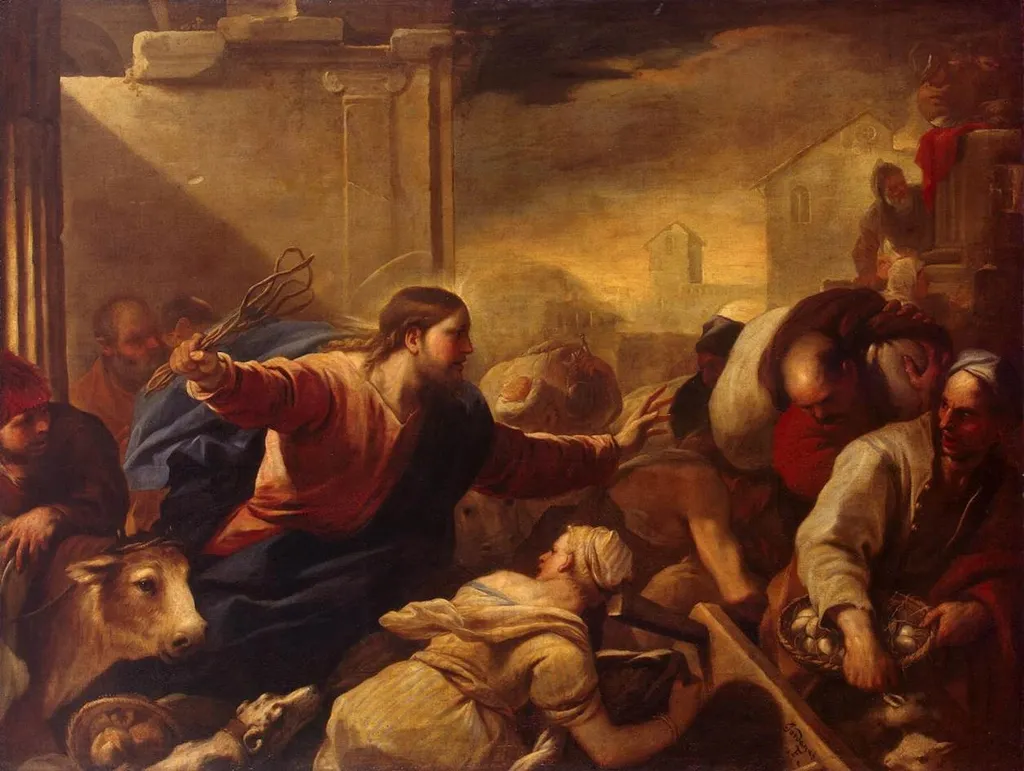
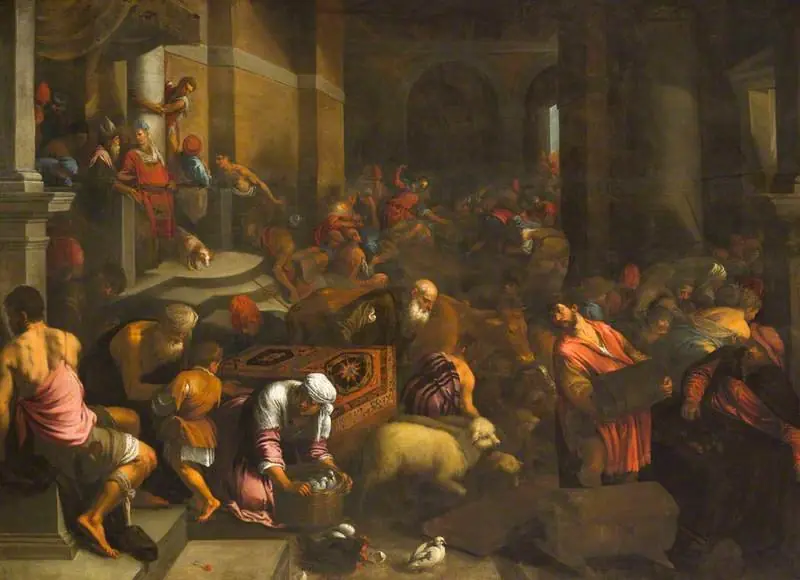
Expulsion of the Money-Changers from the Temple is an oil painting by the High Baroque Italian artist Luca Giordano. It dates from 1675 and is held in the collection of the Hermitage Museum.
About this work
Overview
Its composition captures a moment of abrupt disruption within a sacred space, rendered with dynamic movement and heightened emotional tension.
Painted in 1675 by Luca Giordano, this oil-on-canvas work depicts the biblical episode of Christ driving merchants from the Temple. The painting resides in the State Hermitage Museum in Saint Petersburg. Its composition captures a moment of abrupt disruption within a sacred space, rendered with dynamic movement and heightened emotional tension. The scene is neither idealized nor serene, emphasizing the forceful nature of the intervention.
Subject & Meaning
The scene illustrates Christ’s condemnation of commercial activity within the Temple, a moment of moral purification. Figures scatter in disarray, vendors clutch coins, livestock bleat, and worshippers recoil. The central figure, clad in red, gestures with authority, embodying divine reprimand.
The inclusion of money bags and animals underscores the profanation of sacred ground, reinforcing the theological message of spiritual integrity over material gain.
Technique & Style
Giordano employs stark chiaroscuro to heighten drama, directing light from a distant doorway to carve forms from shadow. The contrast isolates key gestures and expressions, lending urgency to the chaos. Brushwork is fluid yet decisive, capturing motion in tumbling limbs and fluttering fabrics.
The palette is restrained, dominated by earth tones and the vivid red of the central figure, drawing the eye without distraction.
History & Provenance
Commissioned during Giordano’s mature period, the painting entered the Hermitage collection in the 18th century, likely through imperial acquisitions of Italian Baroque works. Its presence in Russia reflects Catherine the Great’s broader efforts to assemble a comprehensive European art collection. The work has remained in the museum’s holdings since, with no documented alterations or major restorations.
Context
Created in the wake of the Counter-Reformation, the subject resonated with Catholic efforts to reaffirm sacred space against worldly corruption. Giordano, working in Naples under Spanish rule, absorbed influences from Caravaggio and Ribera, blending their naturalism with his own theatrical flair. The painting aligns with broader 17th-century trends that favored emotionally charged biblical narratives to inspire devotion.
Legacy
Though less widely known than other treatments of the subject, Giordano’s version exemplifies the Neapolitan Baroque’s capacity for visceral storytelling. Its influence is seen in later artists who adopted similar lighting and compositional urgency. The painting remains a studied example of how religious themes were rendered with psychological realism and kinetic energy in late 17th-century Italy.
Artist & collection

Artist
Luca Giordano was an Italian late-Baroque painter and printmaker in etching. Giordano was one of the most celebrated artists of the Neapolitan Baroque, whose vast output included altarpieces, mythological paintings and…

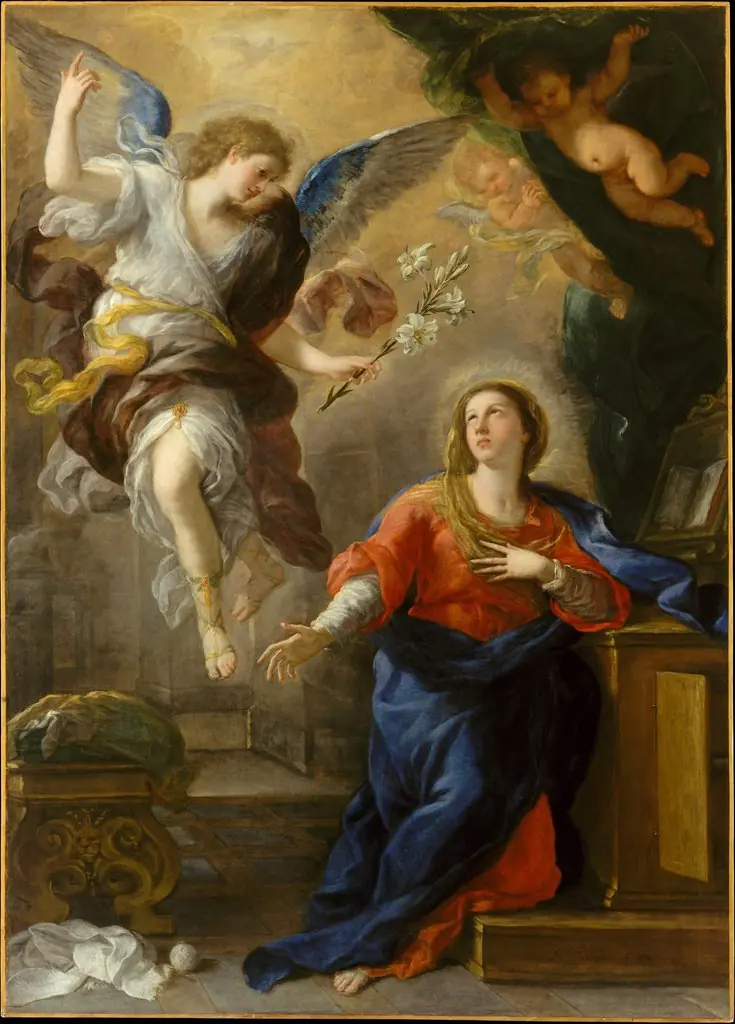
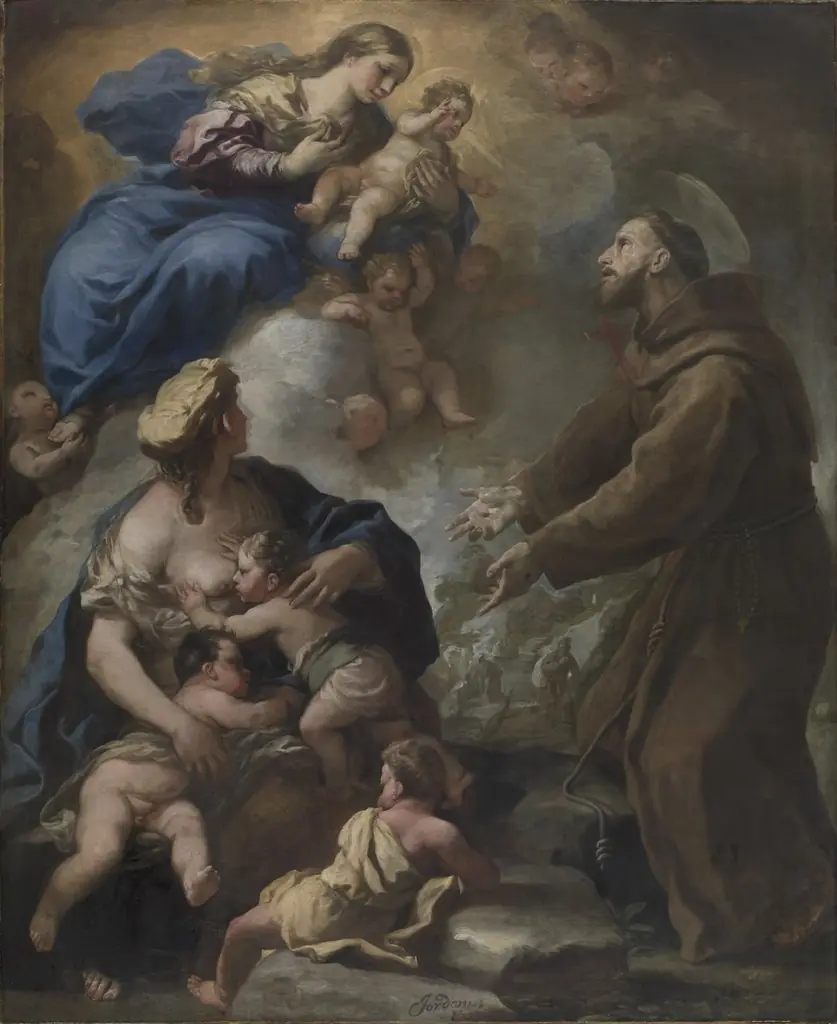
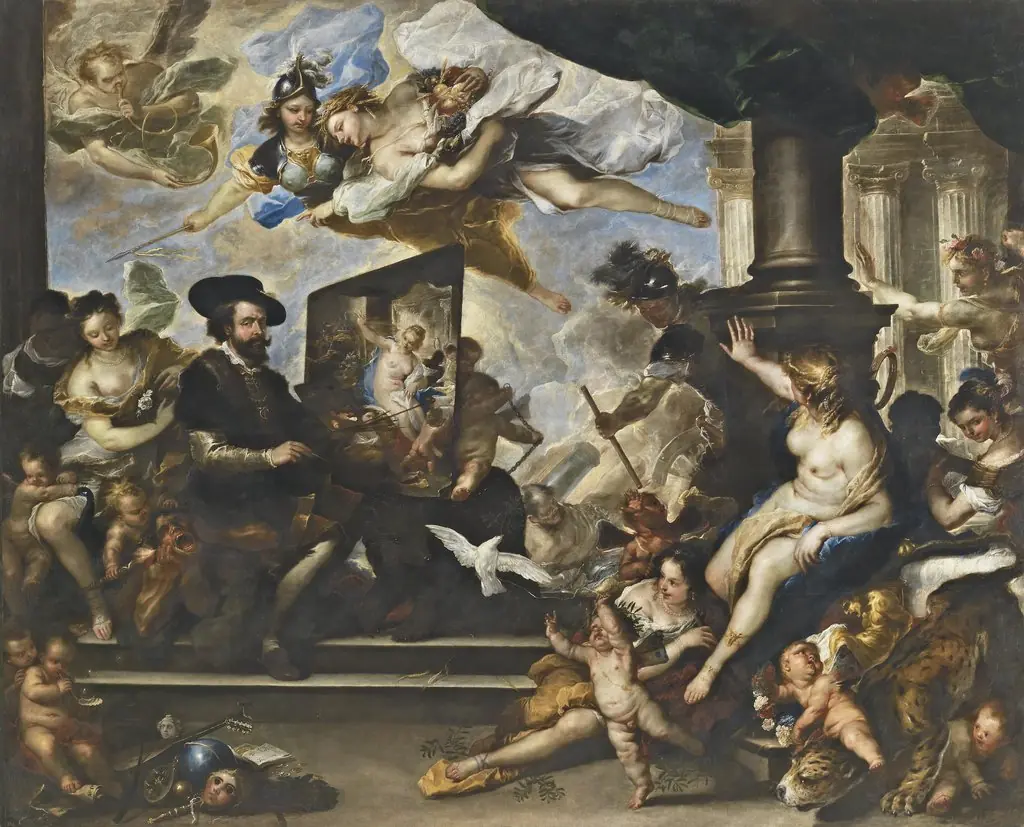
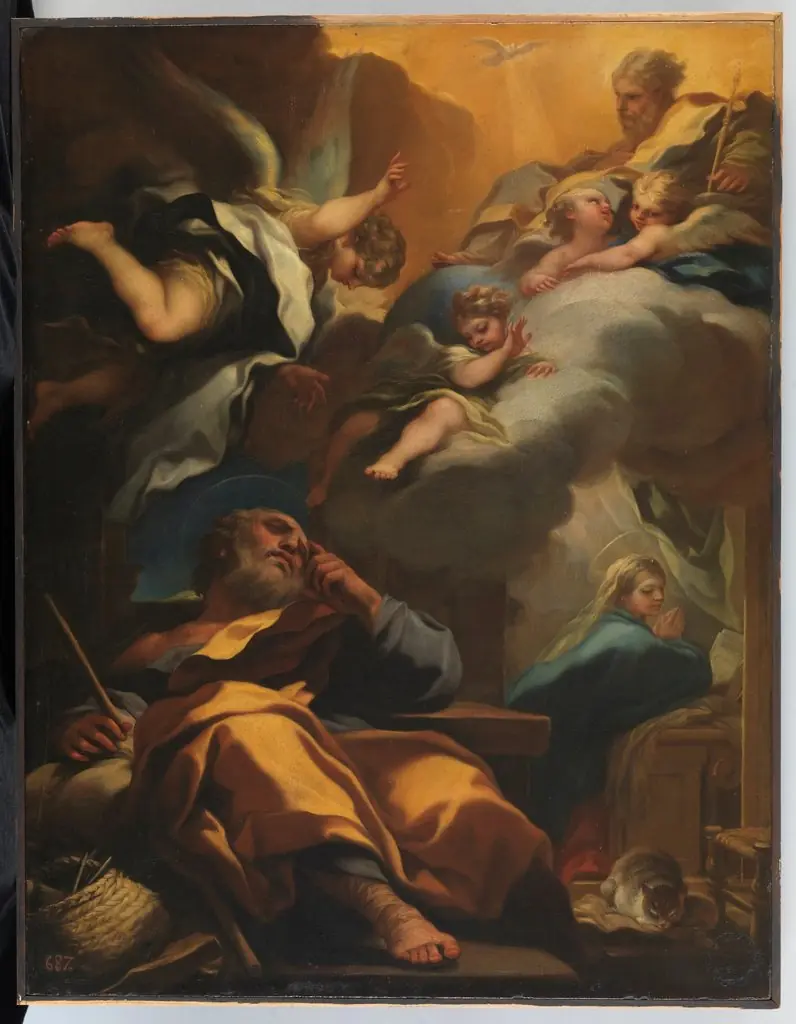
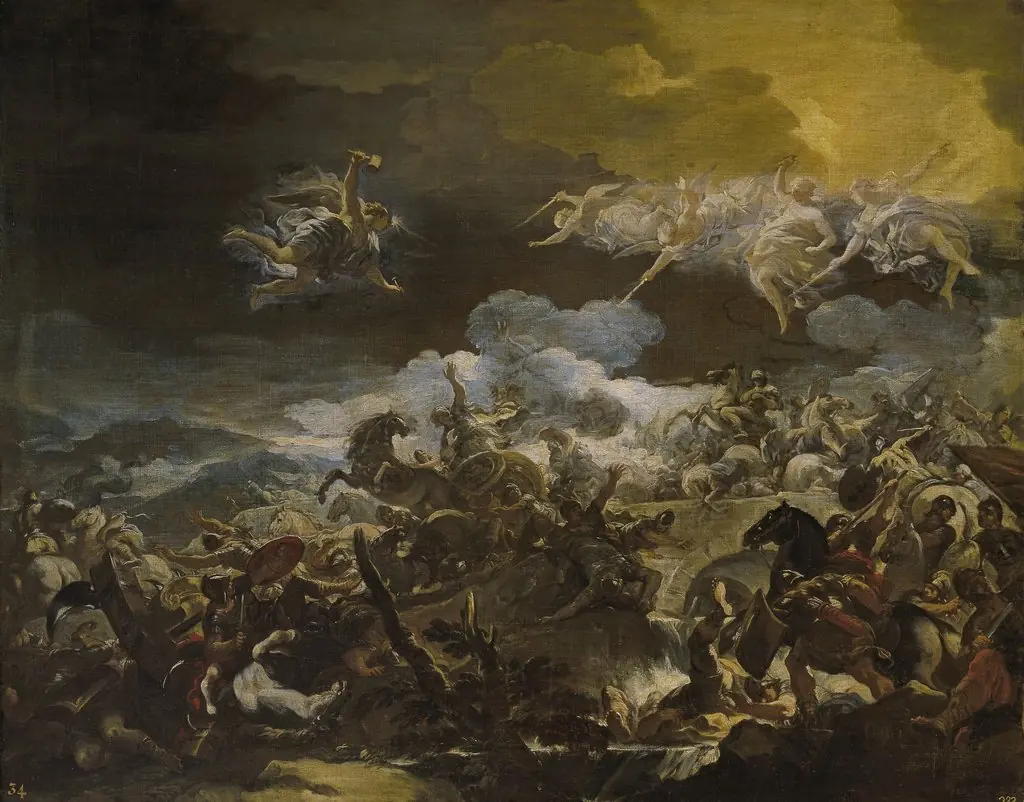
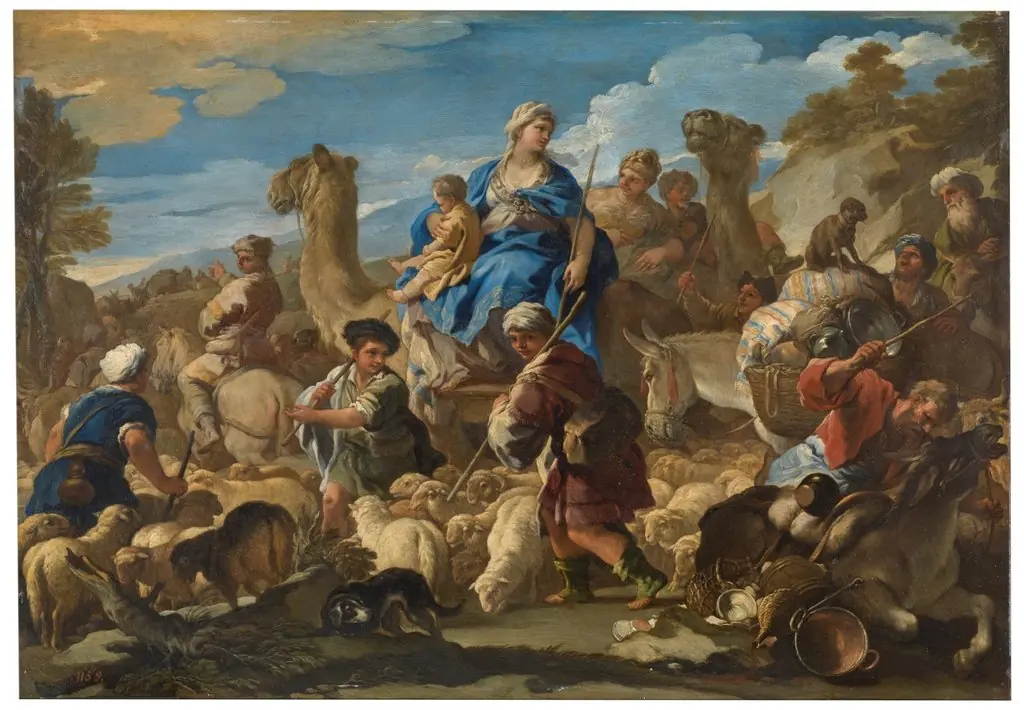
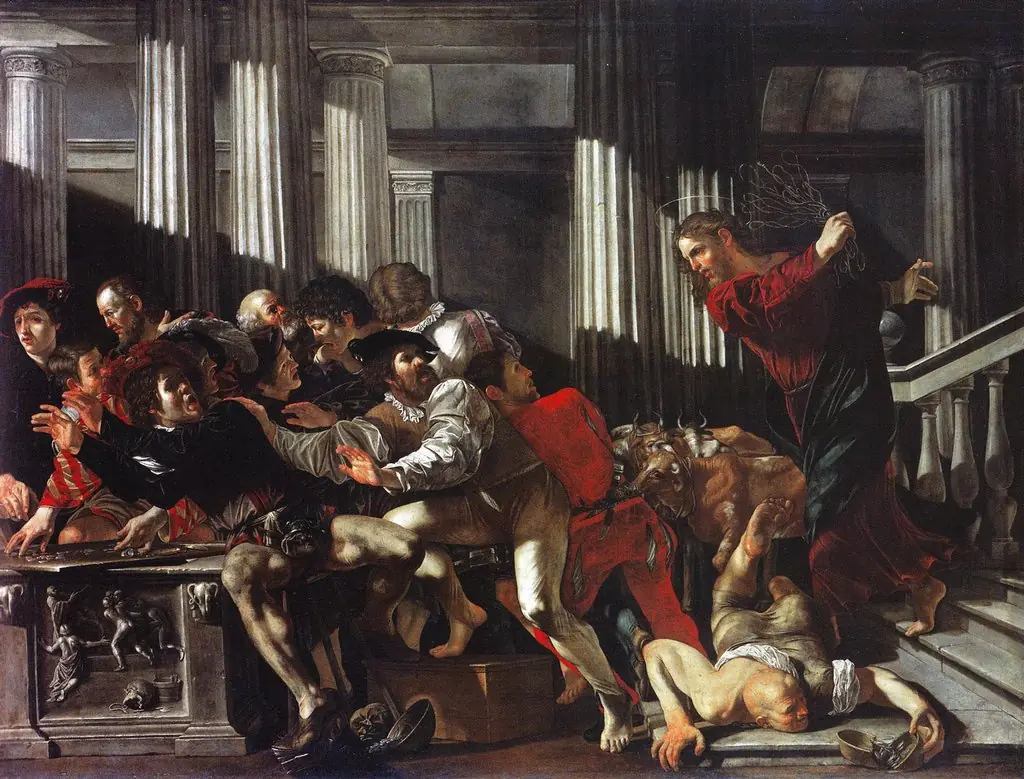
- Christ driving the money-changers from the Temple
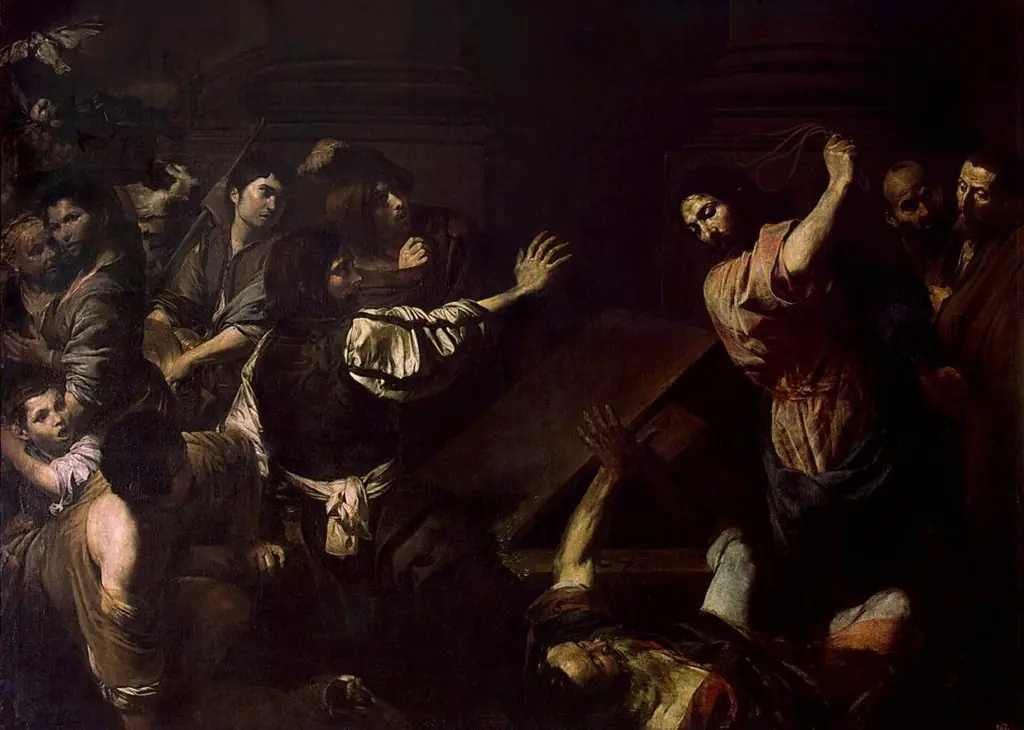 Expulsion of the Money-Changers from the Temple
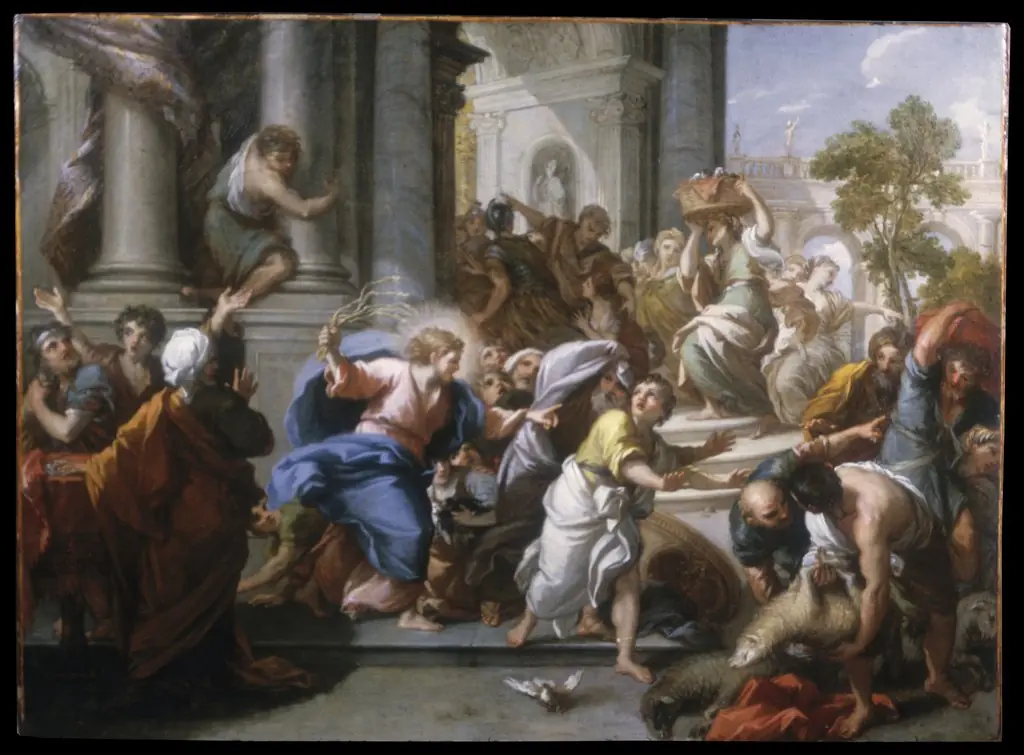 The Cleansing of the Temple
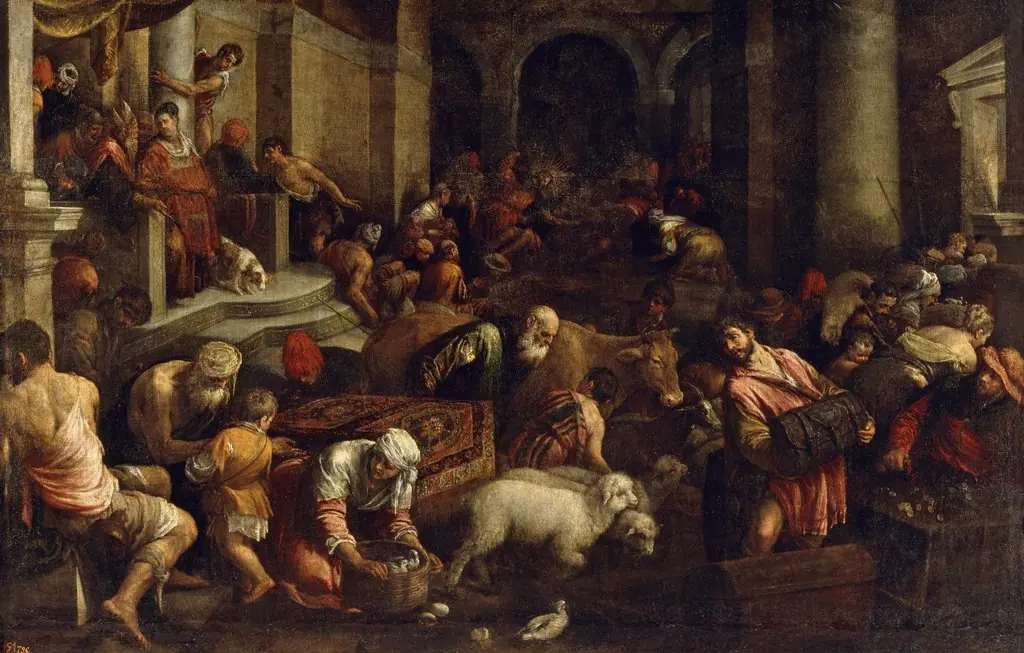 Expulsion of the Merchants from the Temple
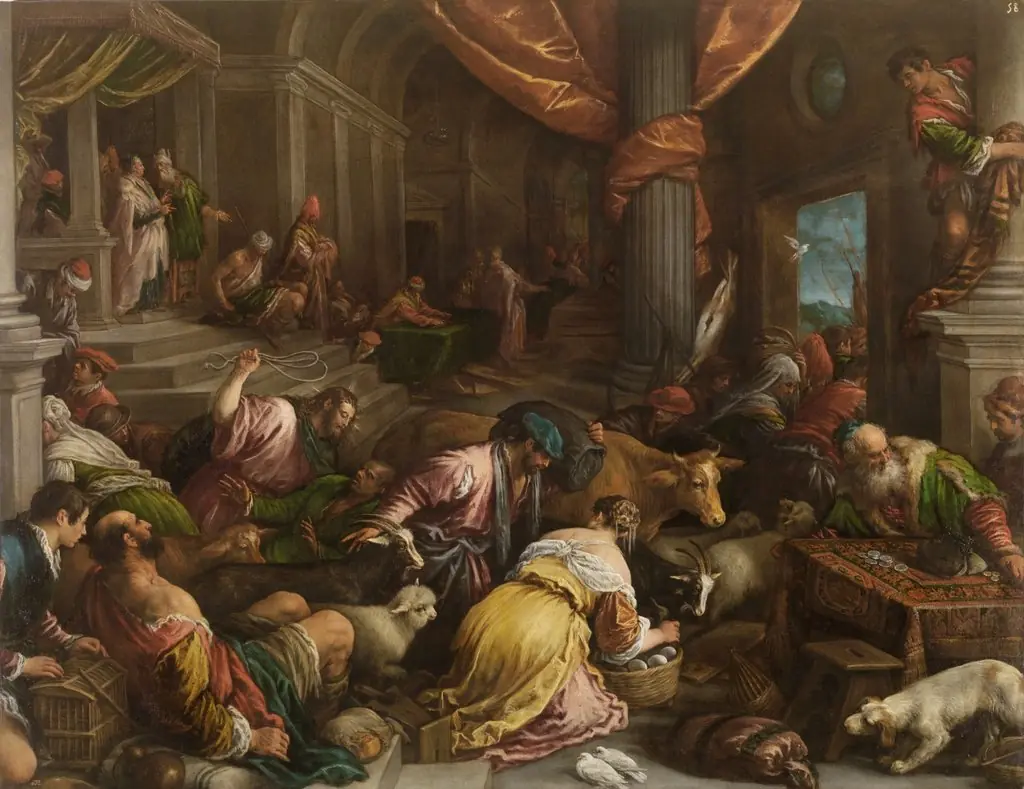 The Traders Cast out of the Temple
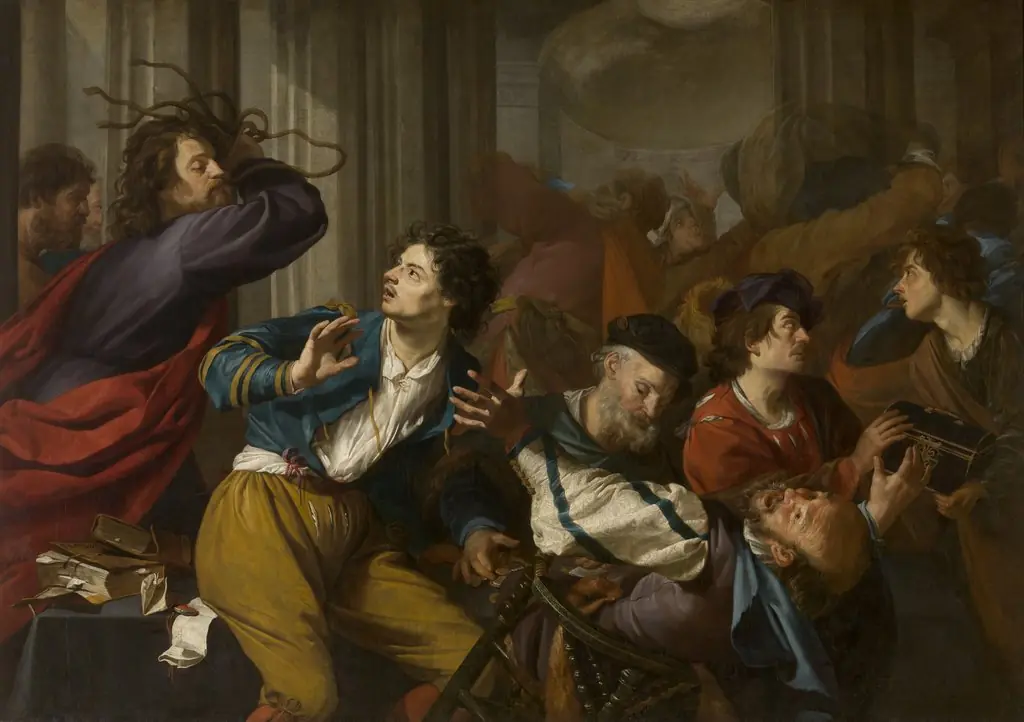 Christ Driving the Money-changers from the Temple
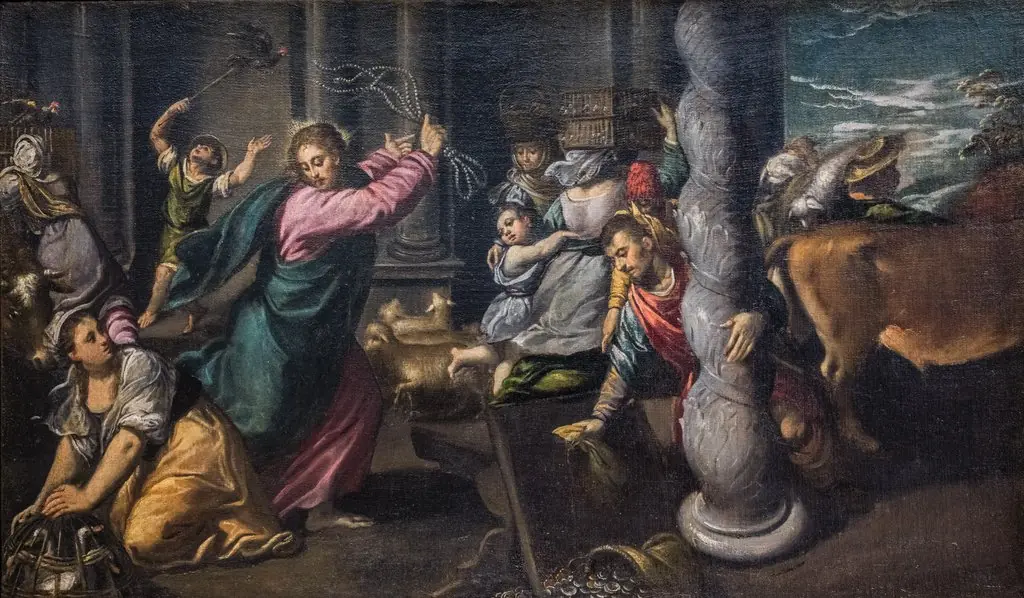 Driving of the merchants from the temple
 Christ Driving the Money-changers from the Temple