Artwork
François Vilain de Gand, baron de Rassenghem. Bishop of Tournai (1647-66)
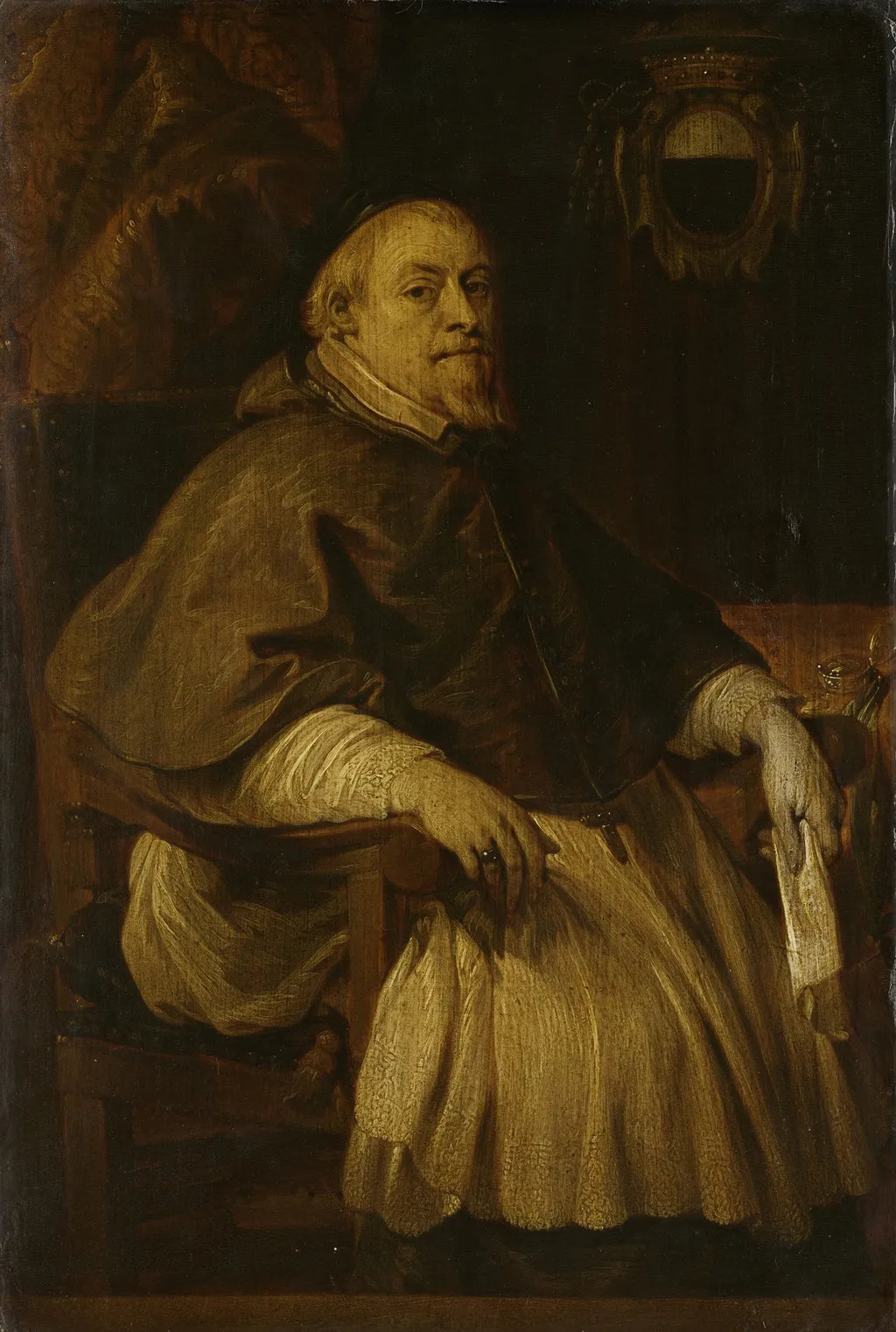
François Vilain de Gand, baron de Rassenghem. Bishop of Tournai (1647-66) is an oil painting by the Flemish Baroque painting artist Lucas Franchoys the Younger. It dates from 1650 and is held in the collection of the Rijksmuseum.
About this work
Subject & Meaning
The work is a formal portrait depicting François Vilain de Gand, baron de Rassenghem, who served as the Bishop of Tournai from 1647 until his death in 1666.
The work is a formal portrait depicting François Vilain de Gand, baron de Rassenghem, who served as the Bishop of Tournai from 1647 until his death in 1666. Painted by Lucas Franchoys the Younger in 1650, the image captures the sitter during his tenure as a high-ranking ecclesiastical figure. As an oil painting on panel, the piece functions as a traditional representation of clerical authority and status within the Dutch Golden Age context.
The subject is presented as a dignified religious leader, reflecting the formal portraiture conventions used to commemorate bishops and nobility of the era.
Technique & Style
The portrait is executed in oil paint on panel, a common support for seventeenth-century Netherlandish cabinet portraits. The compact dimensions, 41 by 27.5 cm, suggest an intimate, bust-length format. Franchoys’s handling is precise and polished, with careful attention to the sitter’s facial features and the textures of his ecclesiastical vestments.
The restrained palette and controlled brushwork align with the formal conventions of mid-century Flemish portraiture, emphasizing dignified representation over dramatic effect.
History & Provenance
The portrait of François Vilain de Gand, baron de Rassenghem, was executed in 1650 by Lucas Franchoys the Younger. Created as an oil painting on panel, the work measures 41 cm in height and 27.5 cm in width. It is currently held in the collection of the Rijksmuseum.
The documented ownership chain traces back through the Six family lineage. The painting was previously owned by Jan Six van Vromade and his father, Pieter Hendrik Six van Vromade. Prior to them, it was in the possession of Jan Pieter Six VI, followed by Hendrik Six van Hillegom.
The work also formed part of the collection of Lucretia Johanna van Winter before entering its current institutional home.
The portrait of François Vilain de Gand, baron de Rassenghem, is held in the collection of the Rijksmuseum in Amsterdam. The work entered the museum's holdings as part of the Six van Vromade collection, which previously included ownership by Jan Six van Vromade, Pieter Hendrik Six van Vromade, and earlier members of the Six and Van Winter families. Specific inventory or accession numbers for the painting are not provided in the available records. No exhibition history for this particular portrait is documented in the current sources.
Legacy
The portrait by Lucas Franchoys the Younger depicting François Vilain de Gand, baron de Rassenghem, has been recognized as part of the Rijksmuseum collection since its provenance included Lucretia Johanna van Winter and subsequent family owners before transfer to institutional custody. Its representation of 17th-century ecclesiastical authority contributed to scholarly reassessments of Baroque portraiture within European museum holdings.
Overview
This 17th-century oil painting, created circa 1650 by Lucas Franchoys the Younger, is a portrait of François Vilain de Gand, baron de Rassenghem, who served as Bishop of Tournai from 1647 to 1666. The work is part of the Rijksmuseum's Dutch Golden Age collection.
Context
The portrait reflects the artistic and cultural exchange of the Flemish Baroque period, with Franchoys' work influenced by prominent figures like Van Dyck, while the subject's position as Bishop of Tournai situates the piece within the religious hierarchy of the time.
Own this work as a print
Artist & collection
Artist
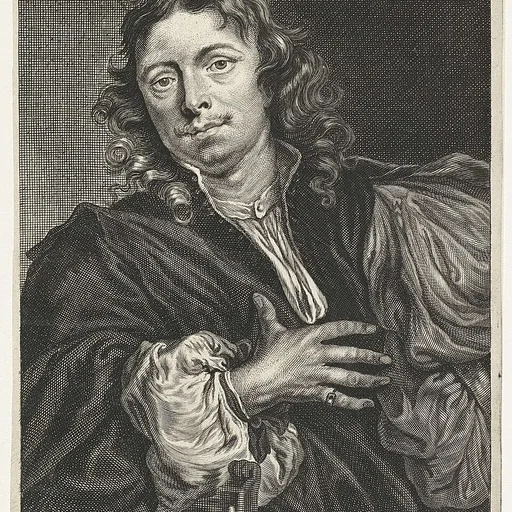
Lucas Franchoys the Younger or Lucas Franchoys II (28 June 1616 in Mechelen – 3 April 1681 in Mechelen) was a Flemish Baroque painter from Mechelen, who painted numerous altarpieces and portraits in a style reminiscent of Anthony van Dyck.

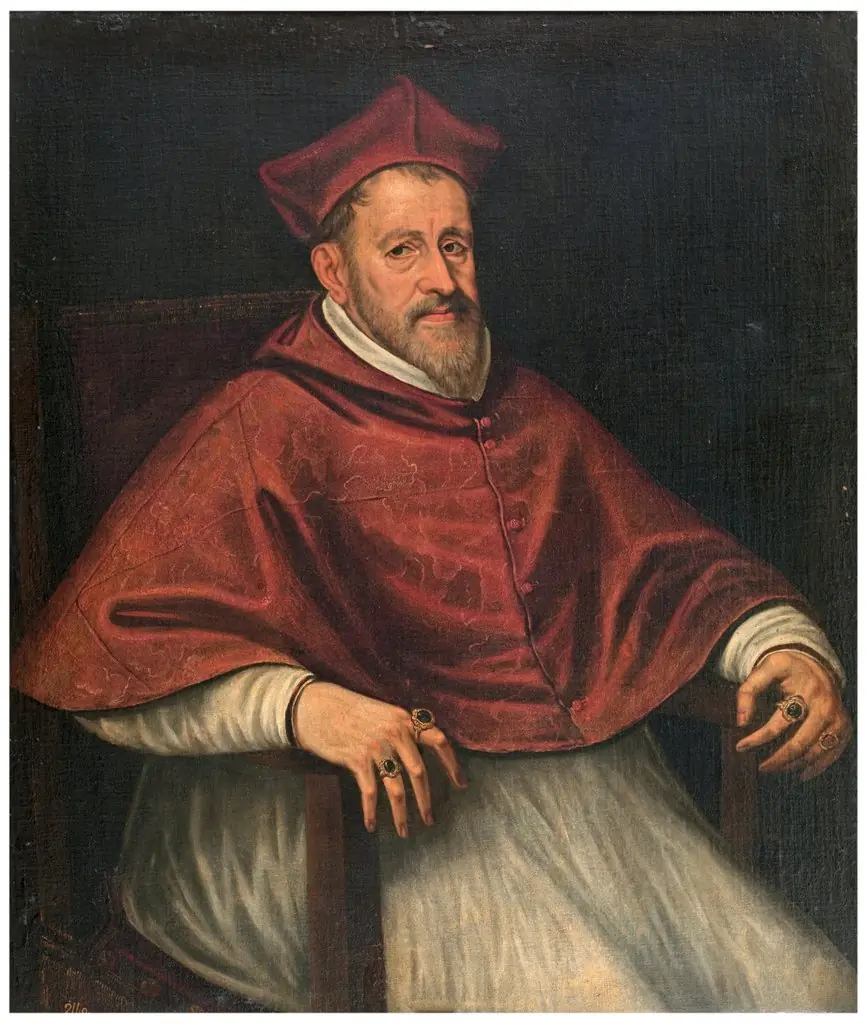 Cardinal Gaspar Quiroga
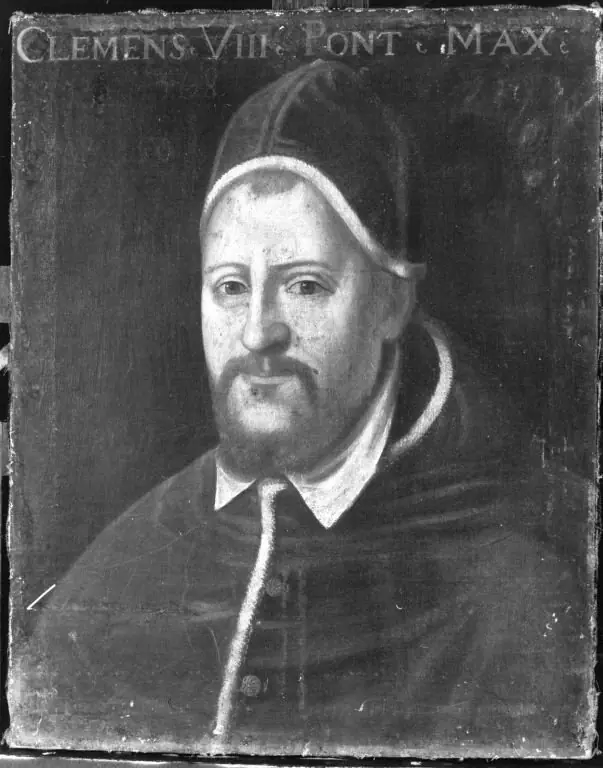 Portrait of Pope Clement VIII Aldobrandini
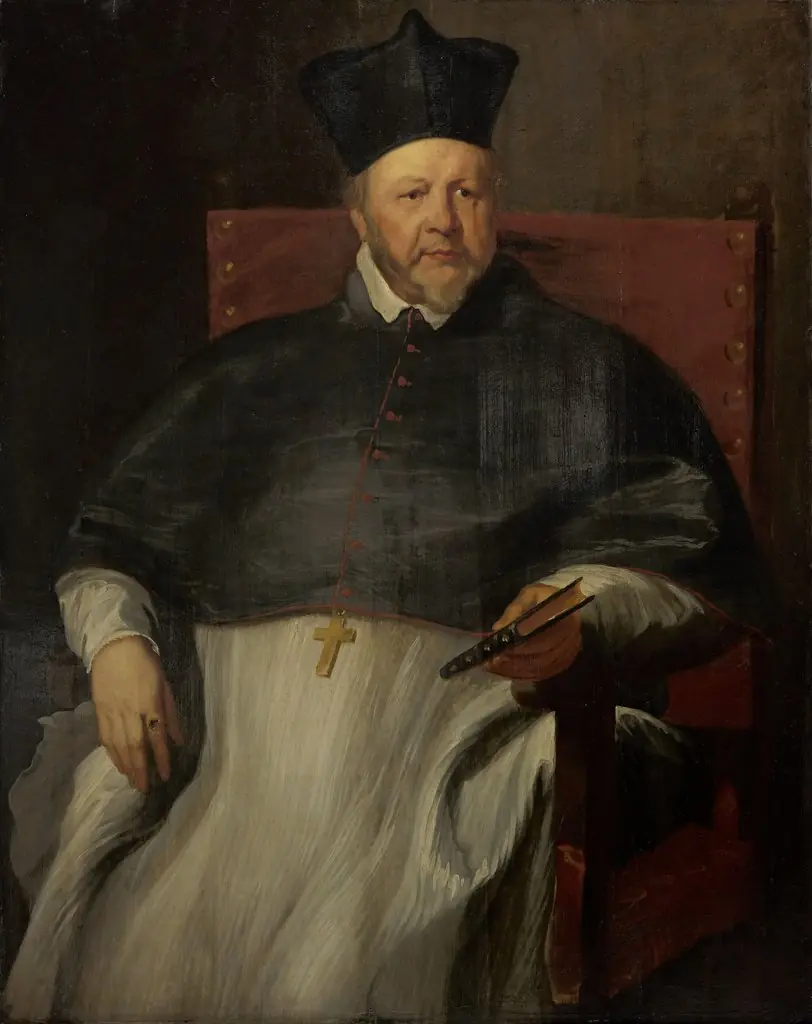 Joannes Malderus, Bishop of Antwerp
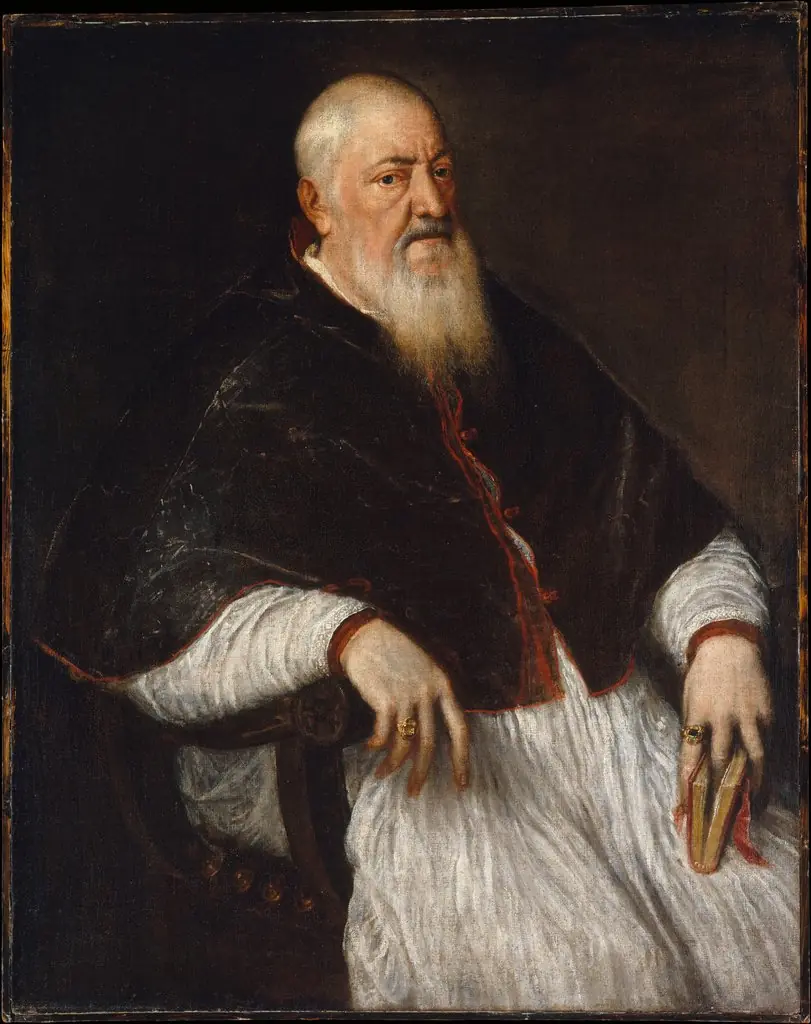 Portrait of Cardinal Filippo Archinto
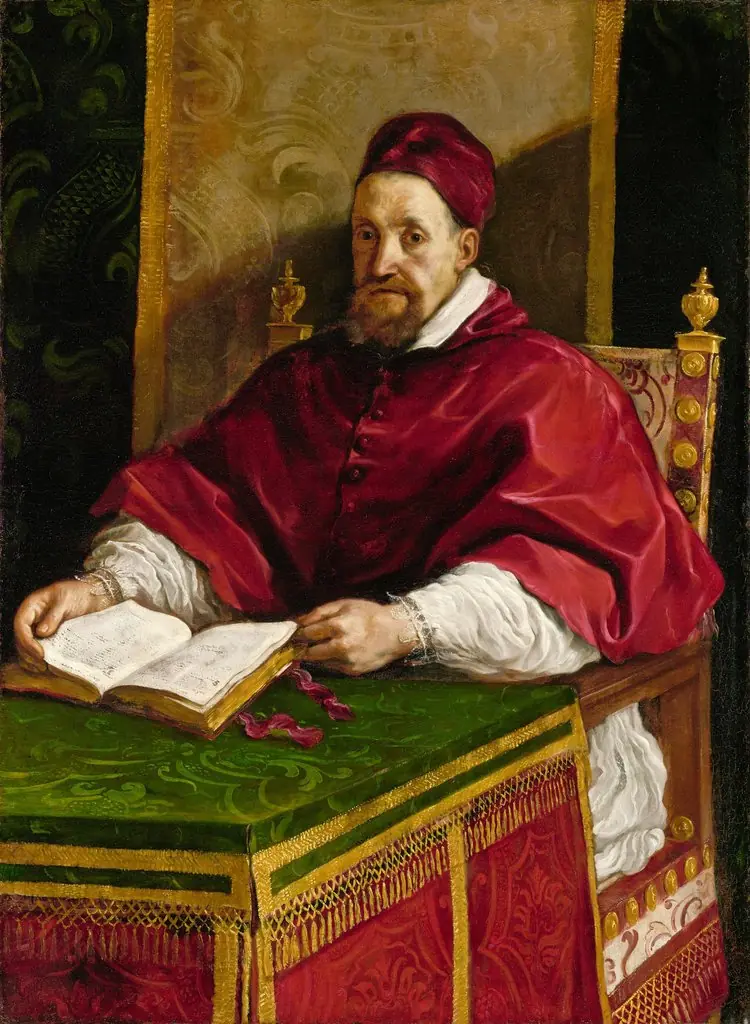 Portrait of Pope Gregory XV
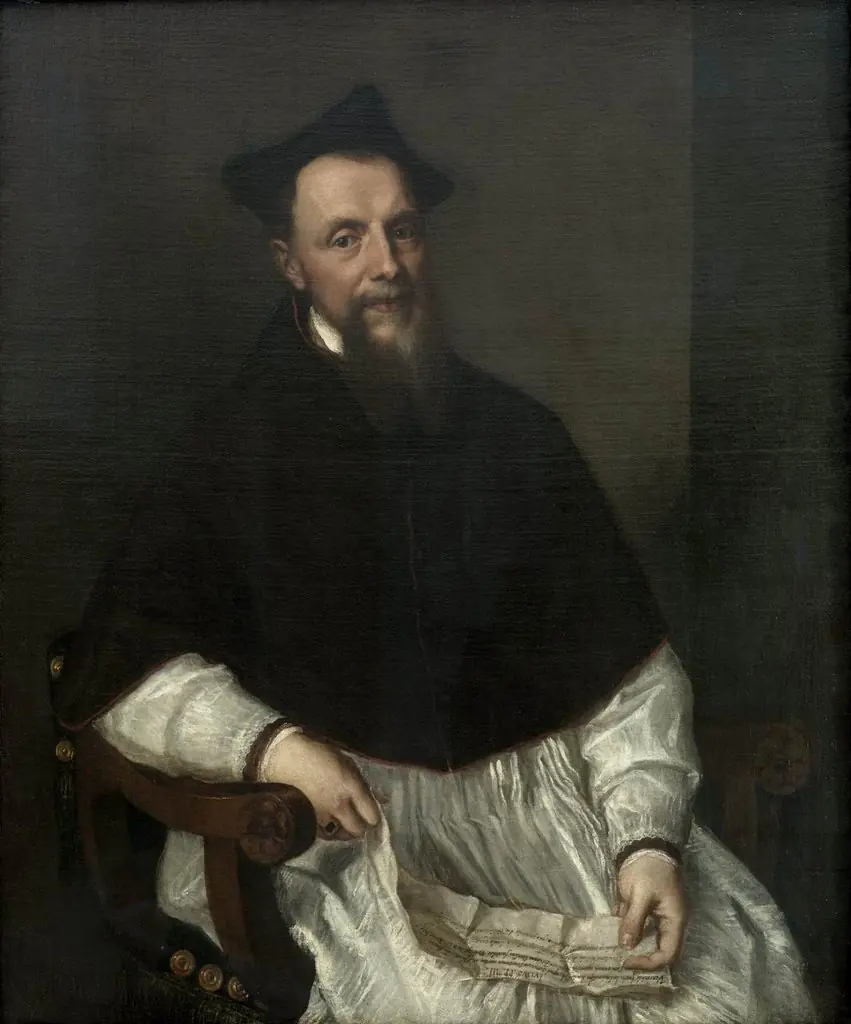 Portrait of Bishop Ludovico Beccadelli
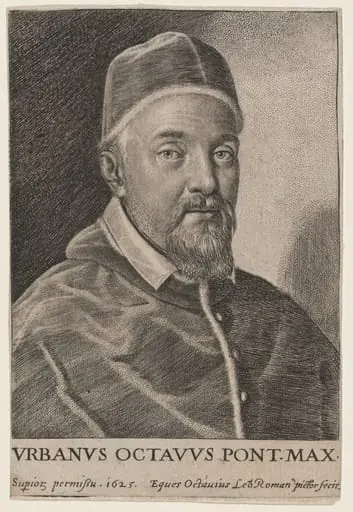 Pope Urban VIII
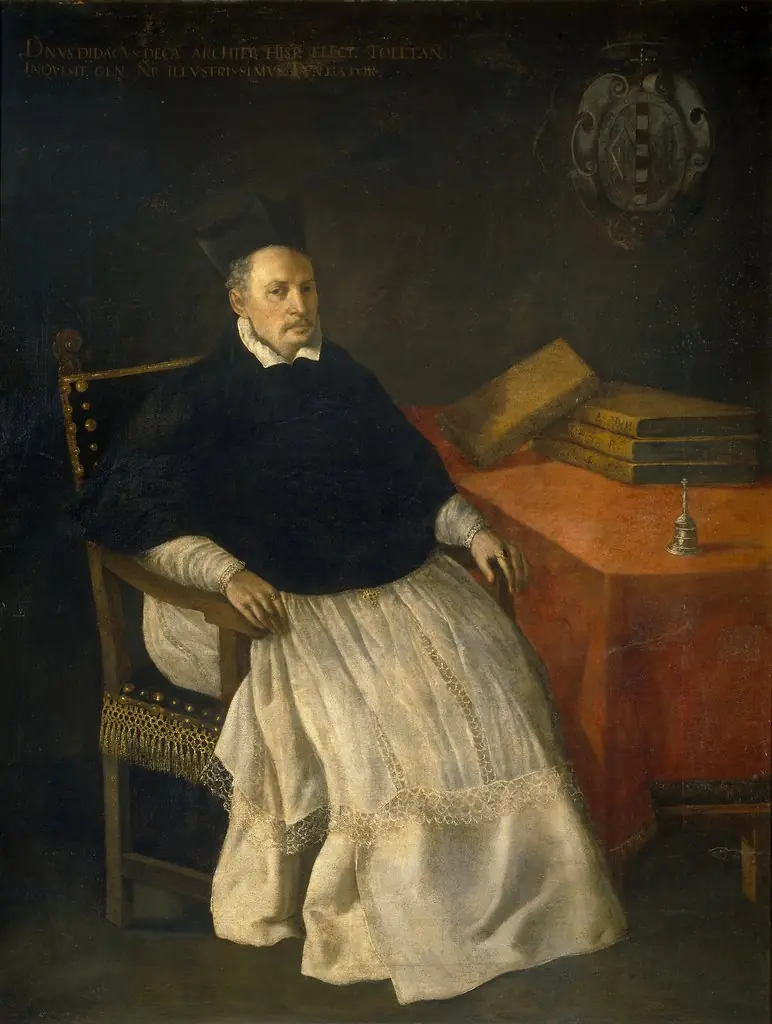 Fray Diego de Deza y Tavera arzobispo de Sevilla
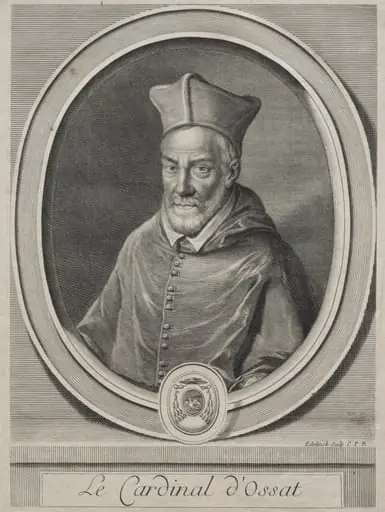 Cardinal Arnaud d'Ossat
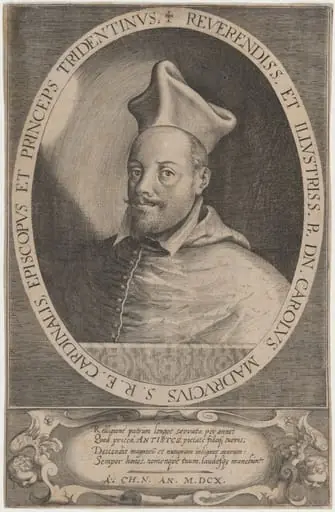 Cardinal Carolus Madrucius
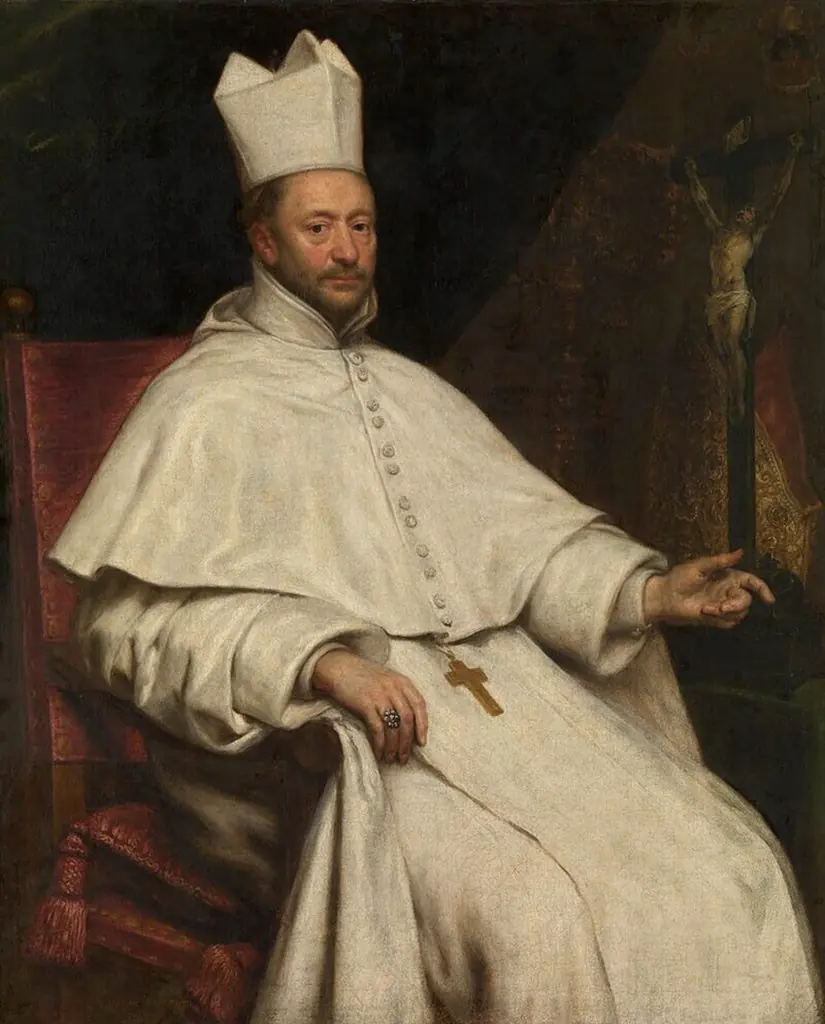 Norbertus van Couwerven, abbot of St Michael's