Artwork
Pietà
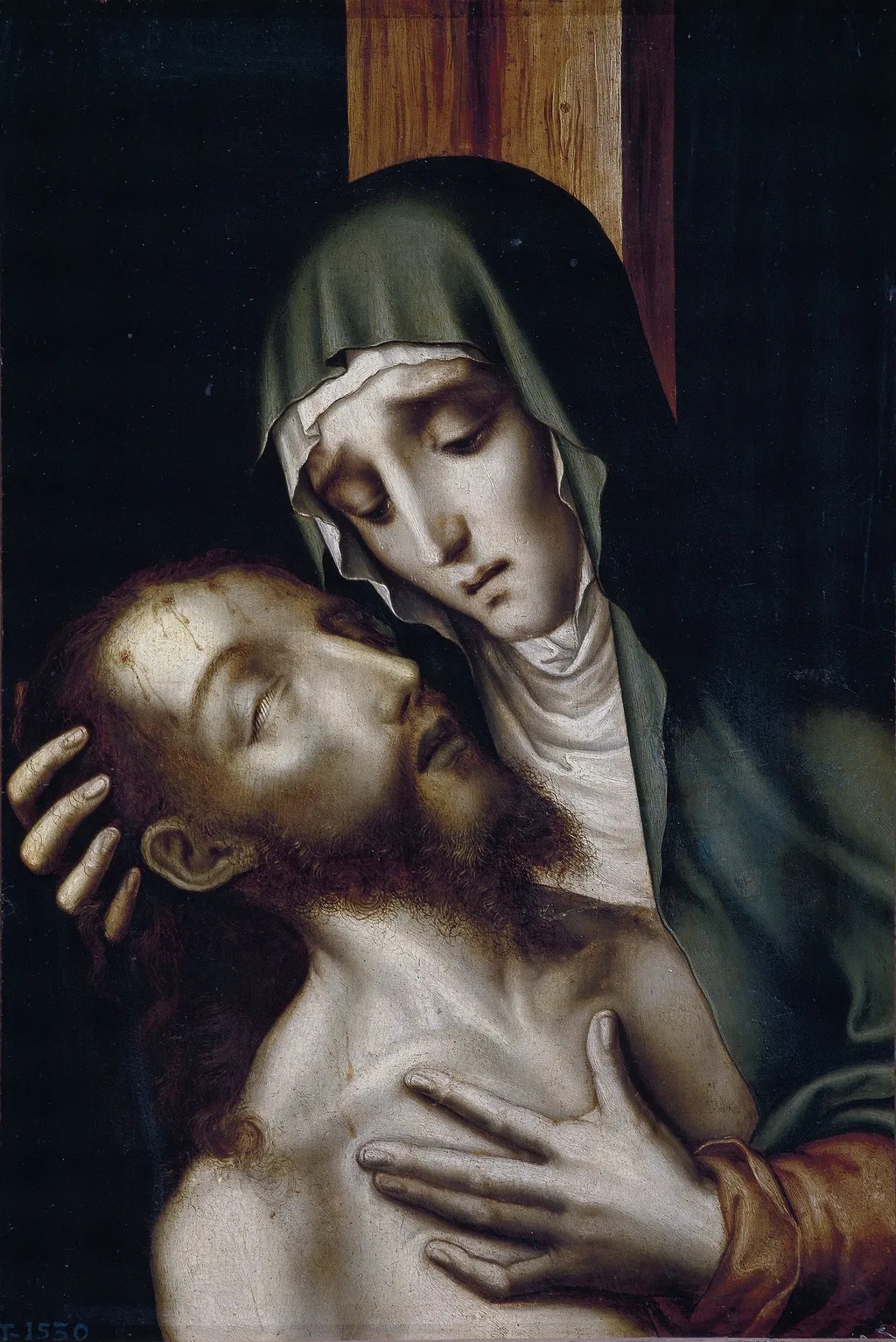
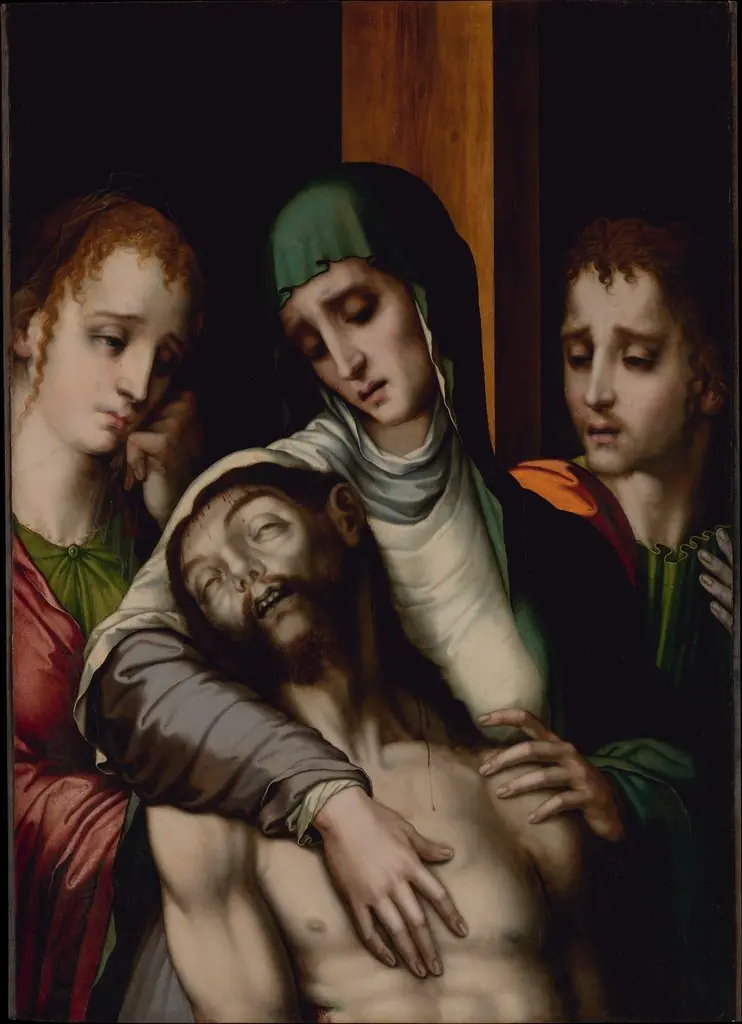
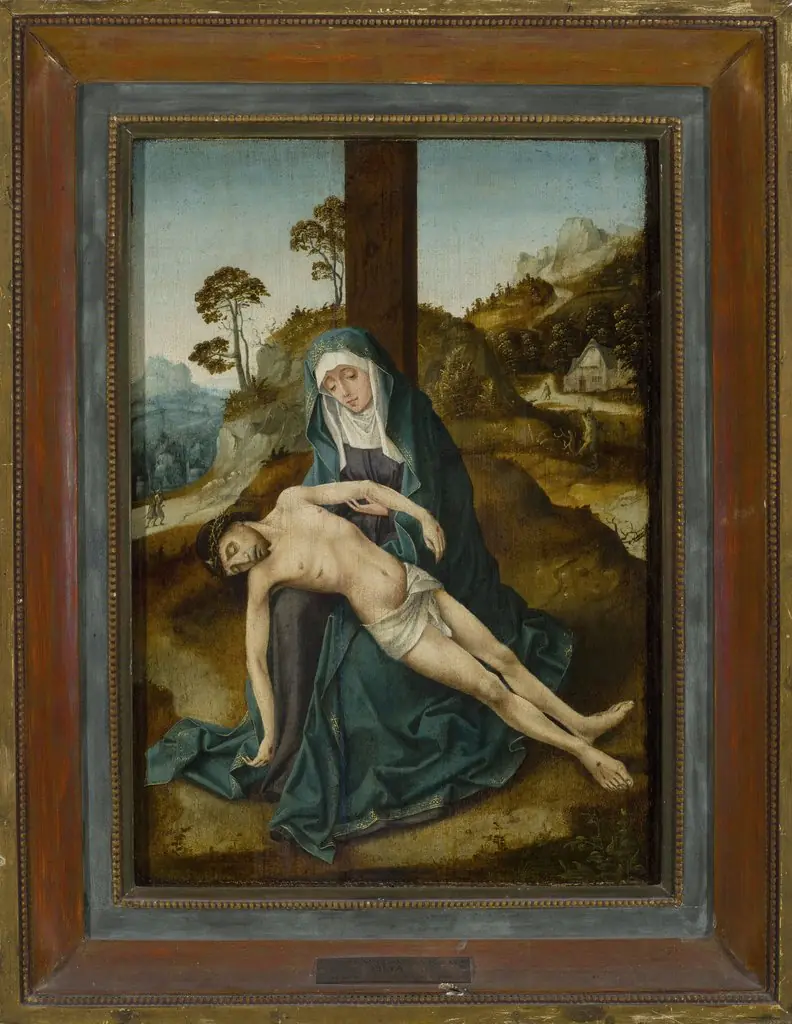
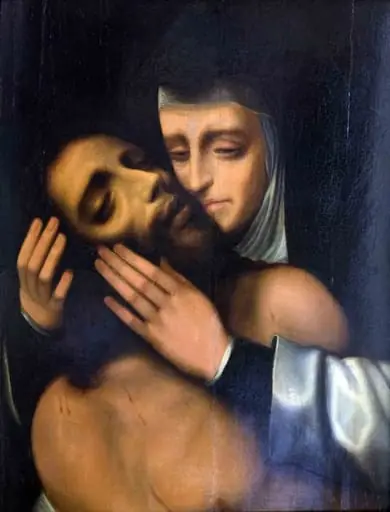
Pietà is an oil painting by the Mannerist artist Luis de Morales. It dates from 1565 and is held in the collection of the Museo del Prado.
About this work
Subject & Meaning
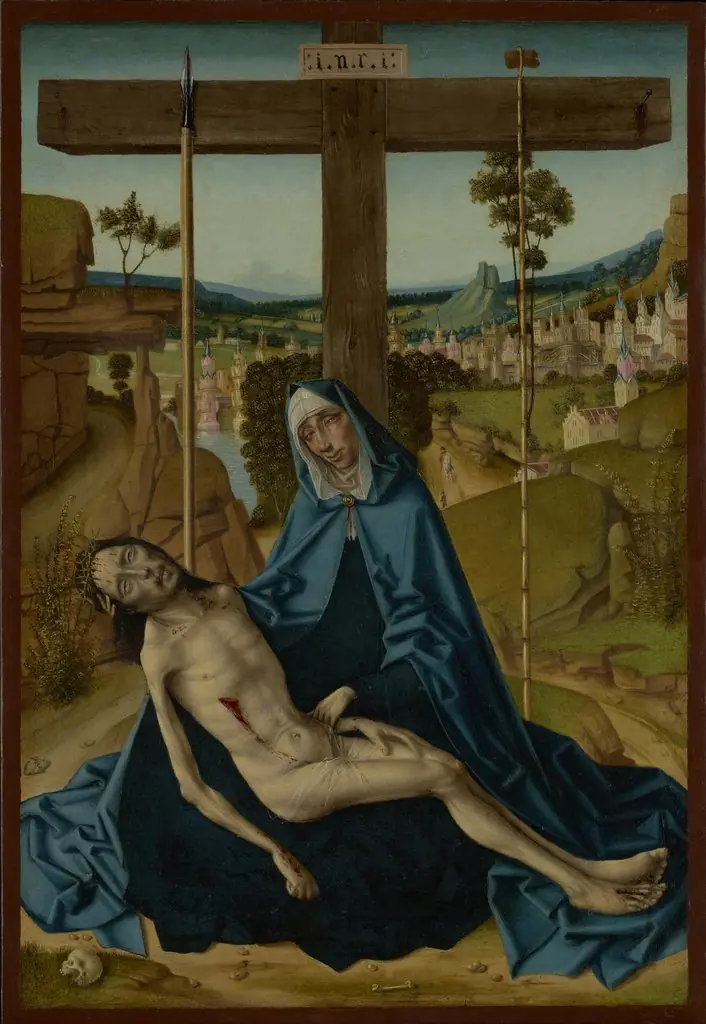
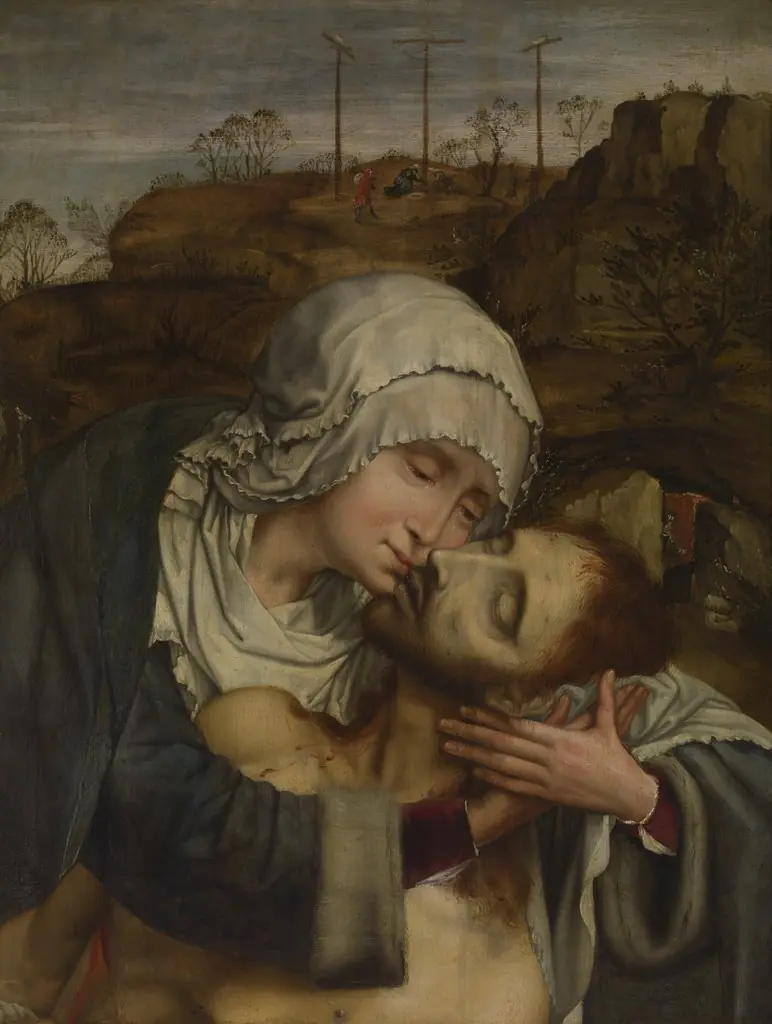
The painting portrays the Virgin Mary cradling the dead Christ, a traditional representation of the Pietà that emphasizes themes of sorrow, compassion, and the human cost of redemption.
Luis de Morales, active in the mid-sixteenth century, created this work as an expression of devotional piety common in Counter-Reformation Spain, where the intimate suffering of Christ was central to religious contemplation.
Technique & Style
The religious subject is rendered in the refined, polished manner associated with Morales, with smooth handling of the oil medium on the wooden support.
Luis de Morales's Pietà is executed in oil paint on panel, a support consistent with the artist's devotional works of the 1560s. The composition occupies a modest format, measuring 42 cm in height by 30 cm in width, an intimate scale suited to private contemplation. The religious subject is rendered in the refined, polished manner associated with Morales, with smooth handling of the oil medium on the wooden support. The painting is held in the collection of the Museo del Prado.
The work dates to the mid-1560s, with its inception recorded around 1565, and is classified as a religious painting depicting the Pietà with the figure of Jesus Christ.
History & Provenance
The Pietà by Luis de Morales is dated to 1565 in the artist's catalogue record, while the Wikidata entry lists inception as 1565 and separately as 1567, indicating some uncertainty around the precise year of creation. The work is executed in oil paint on panel, consistent with Morales's small-format devotional practice of the mid-sixteenth century.
The painting is held in the collection of the Museo del Prado in Madrid, where it is catalogued as P02513. No information is available in the provided sources regarding the original commissioner, early patronage, or the chain of ownership through which the panel entered the Prado's holdings.
Overview
Luis de Morales, a 16th‑century Spanish painter often called “El Divino,” completed an oil painting titled Pietà in 1565. The work presents the Virgin Mary cradling the dead Christ, a motif common in Counter‑Reformation art. Today the canvas belongs to the Museo del Prado’s collection, where it remains a representative example of Morales’s devotional output.
Context
The painting emerges from the Spanish Renaissance, a time when artists blended Italian models with local devotional sensibilities. Morales, known for his intense religious imagery, integrated the graceful poses of Raphael with the dramatic lighting favored by Leonardo’s followers, producing works that catered to the Counter‑Reformation’s demand for emotionally resonant visual narratives.
Own this work as a print
Artist & collection
Artist
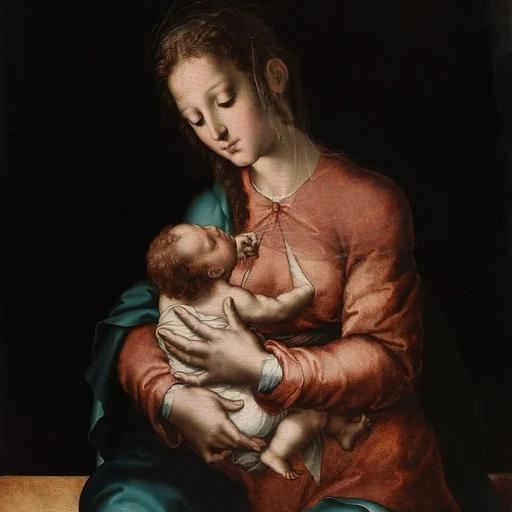
Luis de Morales (1509 – 9 May 1586) was a Spanish painter active during the Spanish Renaissance in the 16th century.