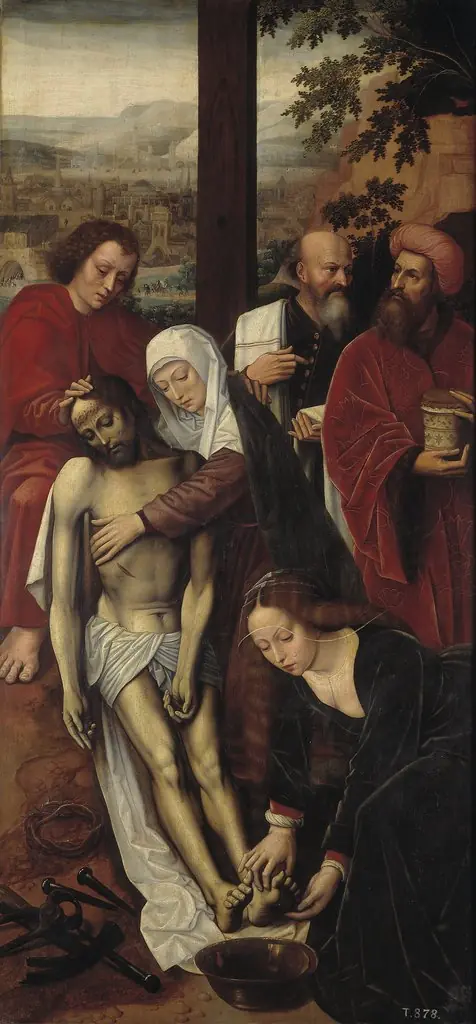
Artwork
Pieta
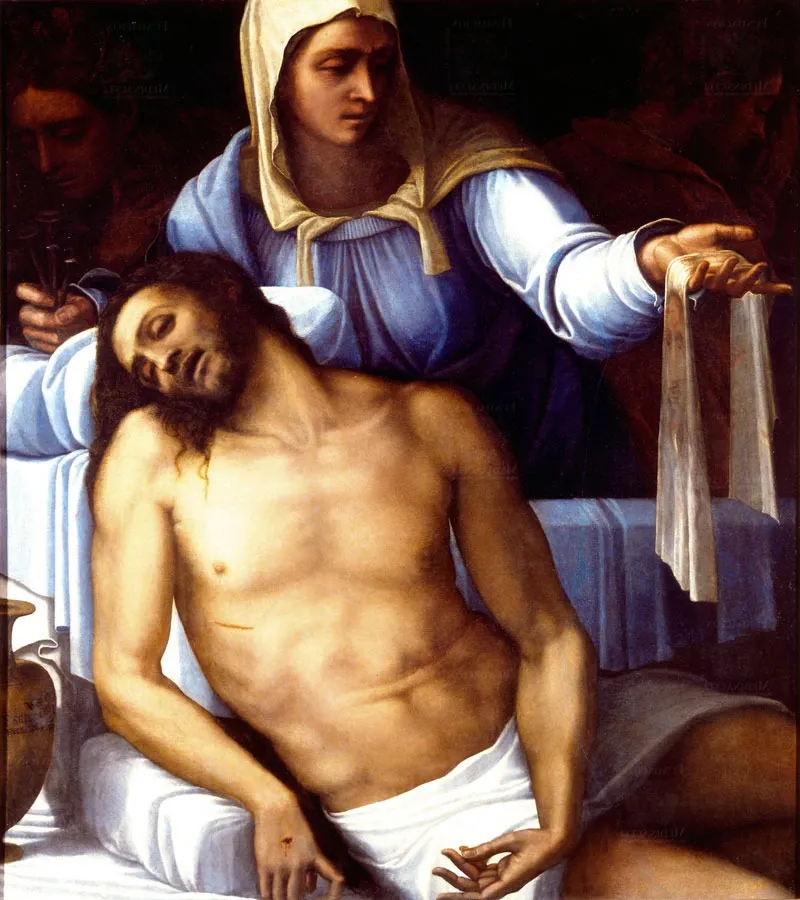
Pieta is an oil painting by the Mannerist artist Sebastiano del Piombo. It dates from 1533 and is held in the collection of the Museo del Prado.
About this work
This painting is called "Pieta" and it shows a scene from the Bible where Mary is mourning the death of Jesus.
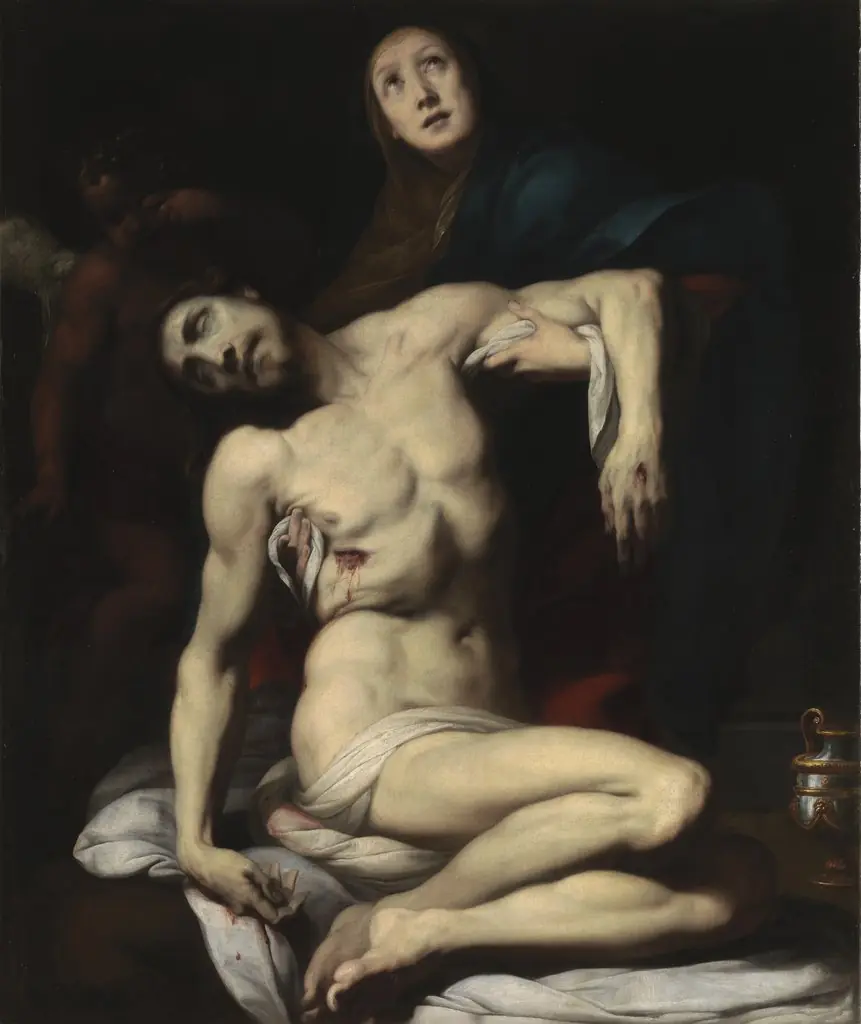
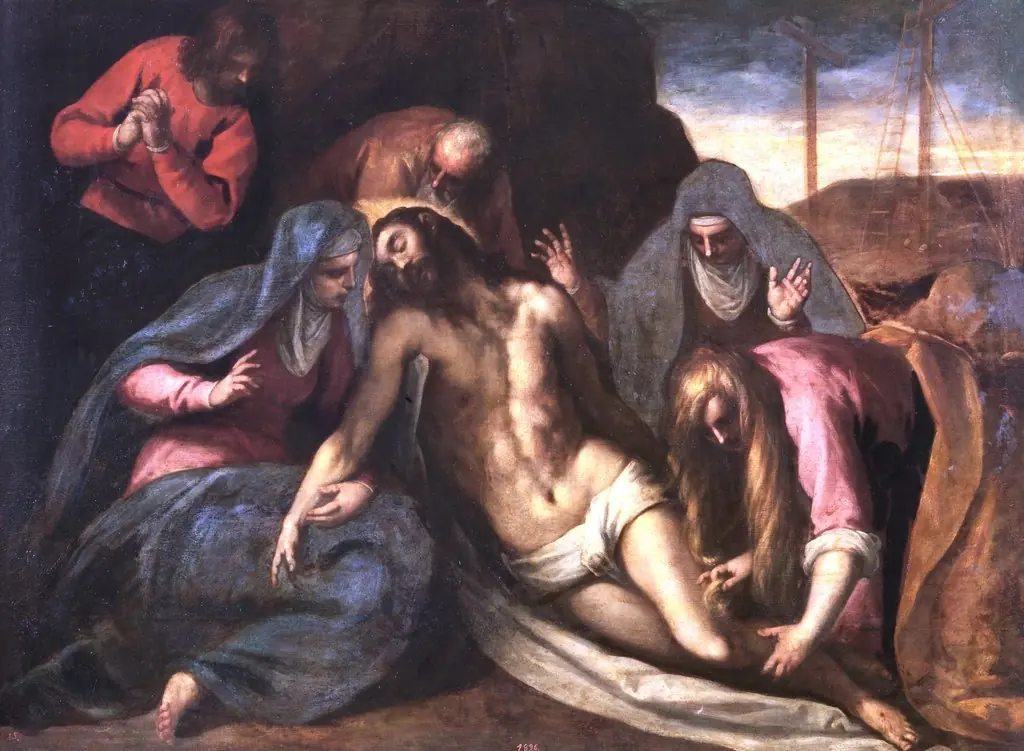
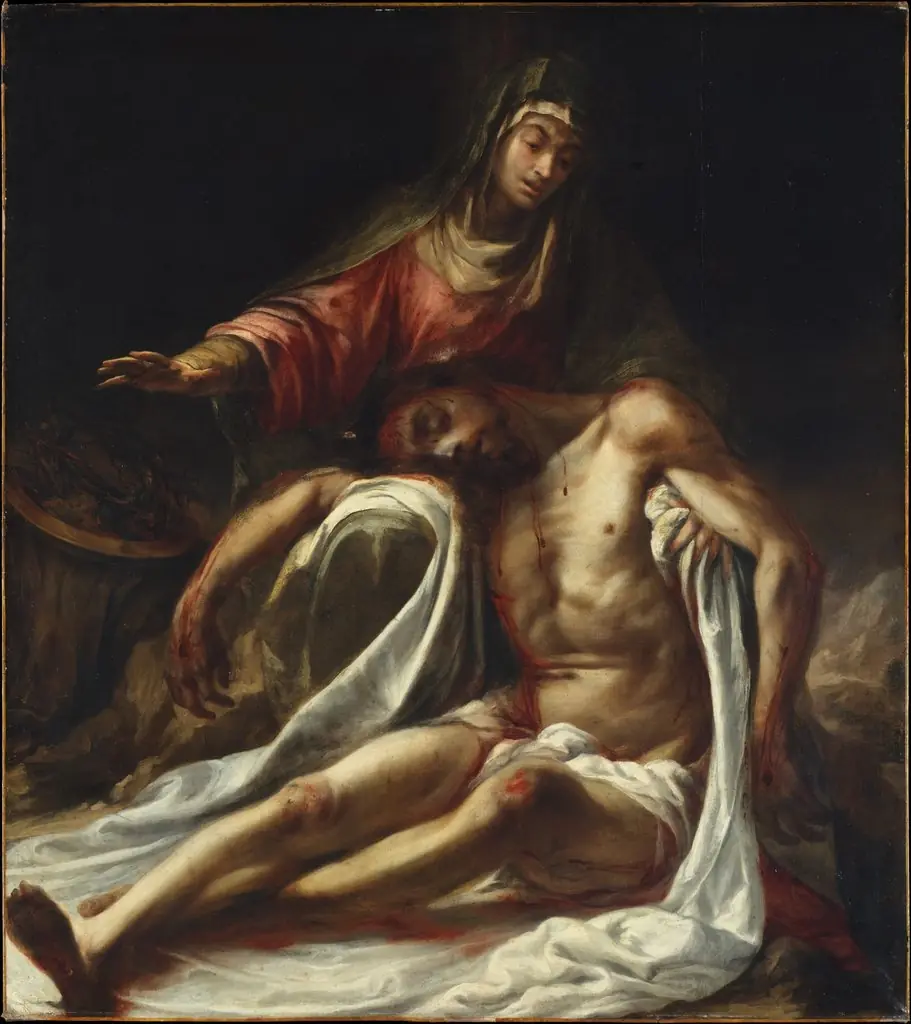
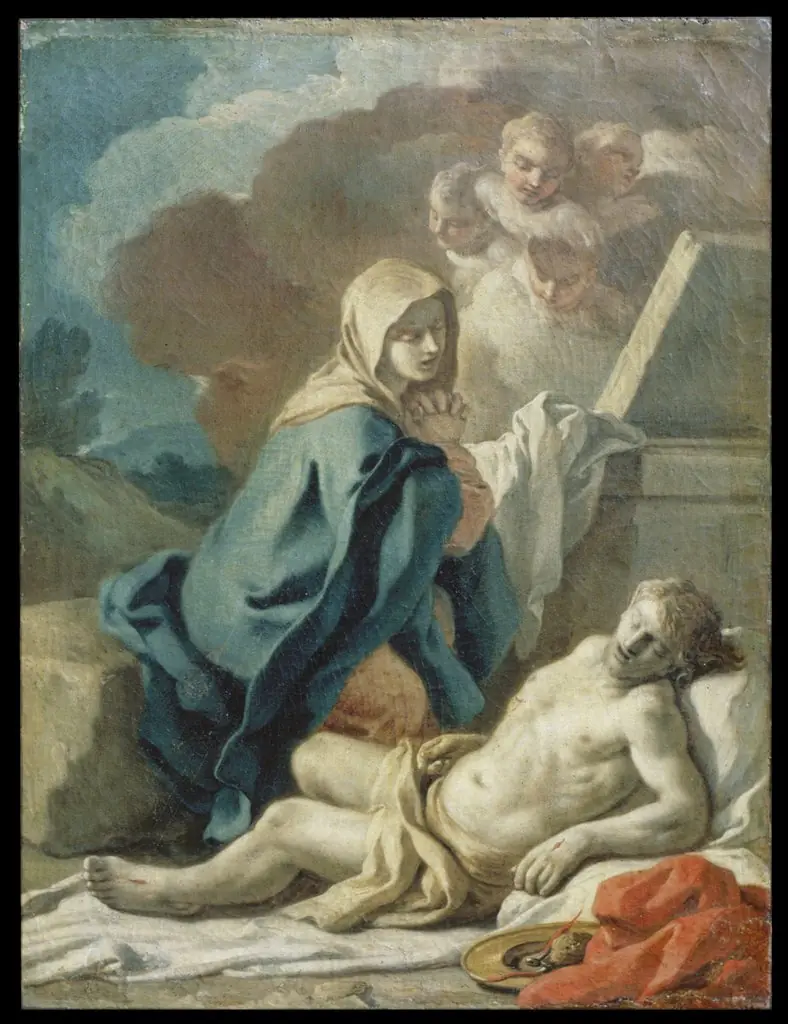
This painting shows a woman in a blue dress and a white head covering. She is sitting behind a man who is lying down with his head tilted back. The man has long hair and is wearing a white cloth around his waist. There are some other people in the background, but they are not very clear.
The woman is holding a cloth in her right hand, and there is a small amount of blood on the man's chest. The background of the painting is dark, which makes the figures in the foreground stand out more.
This painting is called "Pieta" and it shows a scene from the Bible where Mary is mourning the death of Jesus. It was painted by Sebastiano del Piombo in 1533. If you want to learn more about this style of painting, you could look up the artist Sebastiano del Piombo.
Subject & Meaning
The painting depicts the Pietà, a scene of the Virgin Mary cradling the dead Christ, rendered in oil on slate (124×111 cm, 3 cm thick, 103 kg) around 1533-1539. Its dark appearance results from the absorbent nature of the slate support, which limits visibility of the flanking figures of Mary Magdalene and possibly Saint John. The work was commissioned in 1533 by Ferrante I Gonzaga for Francisco de los Cobos, who intended a funerary chapel in Úbeda; the subject was chosen to fulfill a specifically Spanish devotional emphasis on Christ’s suffering. Sebastiano del Piombo consulted Michelangelo for models, particularly for the dead Christ, and the composition reflects both the Vatican Pietà and Spanish devotional practices, including relics and the Veronica veil. The painting fractured during the Spanish Civil War in 1936 and was subsequently reinforced with an iron backing; it was restored by the Museo del Prado between 1988 and 1991.
Technique & Style
Sebastiano del Piombo executed the *Pieta* in oil paint on a slate support between 1533 and 1539. The stone panel measures 124 by 111 cm, possesses a thickness of approximately 3 cm, and weighs 103 kg. The artist selected slate to ensure the work's longevity, yet the material's absorbent pores necessitated a heavy application of paint to achieve opacity, resulting in a characteristically dark surface where flanking figures like Mary Magdalene are often difficult to discern. The painting suffered significant physical trauma in 1936 when it fractured into two pieces during the Spanish Civil War. It was subsequently repaired with an iron backing attached to the reverse. A rigorous restoration and cleaning campaign was conducted by the Prado Museum workshop between 1988 and 1991 to address the aging varnish and stabilize the fractured slate.
History & Provenance
The *Pietà* by Sebastiano del Piombo was commissioned in 1533 by Ferrante I Gonzaga on behalf of Francisco de los Cobos y Molina, then Secretary and State Councillor to Charles V. Destined for the funerary chapel of the Sacra Capilla del Salvador in Úbeda, the work depicts the Virgin holding the dead Christ, aligning with Spanish devotional preferences of the period. Execution involved collaboration with Michelangelo, who provided models, particularly for the dead Christ, drawing on Michelangelo’s own *Pietà* in Rome. The painting is executed in oil on slate, a choice that darkened the composition due to the stone’s absorbent surface. After being damaged in the Spanish Civil War (1936), it was restored and later transferred to the Casa de Pilatos in Seville (1940). Between 1988 and 1991, the Museo del Prado undertook a thorough cleaning and structural repair, after which it entered the museum’s holdings as a deposit of the Casa Ducal de Medinaceli. The work is held by the Museo del Prado, Madrid, as a deposit of the Casa Ducal de Medinaceli. It entered the Museo del Prado’s custody after conservation and transfer from the Casa de Pilatos, Seville, in 1991. The painting was fractured during the Spanish Civil War in 1936 and later reinforced with an iron backing visible on the reverse.
Context
Sebastiano del Piombo's *Pietà* (1533-1539) represents a pivotal, albeit contentious, collaboration with Michelangelo, who provided the models for the figures, particularly the dead Christ. This project is cited by historian Paul Joannides as the most arduous joint effort of Sebastiano's career and the catalyst for the permanent rupture of their friendship in 1535. The conflict stemmed partly from Michelangelo's disdain for oil paint, which he viewed as a medium for the weak, contrasting with his own fresco work on the *Last Judgment*. The work's choice of slate as a support, intended to ensure permanence, resulted in a notably dark surface that obscures secondary figures due to the stone's absorbency. Commissioned for Francisco de los Cobos's funerary chapel in Úbeda, the painting reflects a specific Spanish devotional context that incorporated local relics, distinguishing it from contemporary Italian prototypes.
Legacy
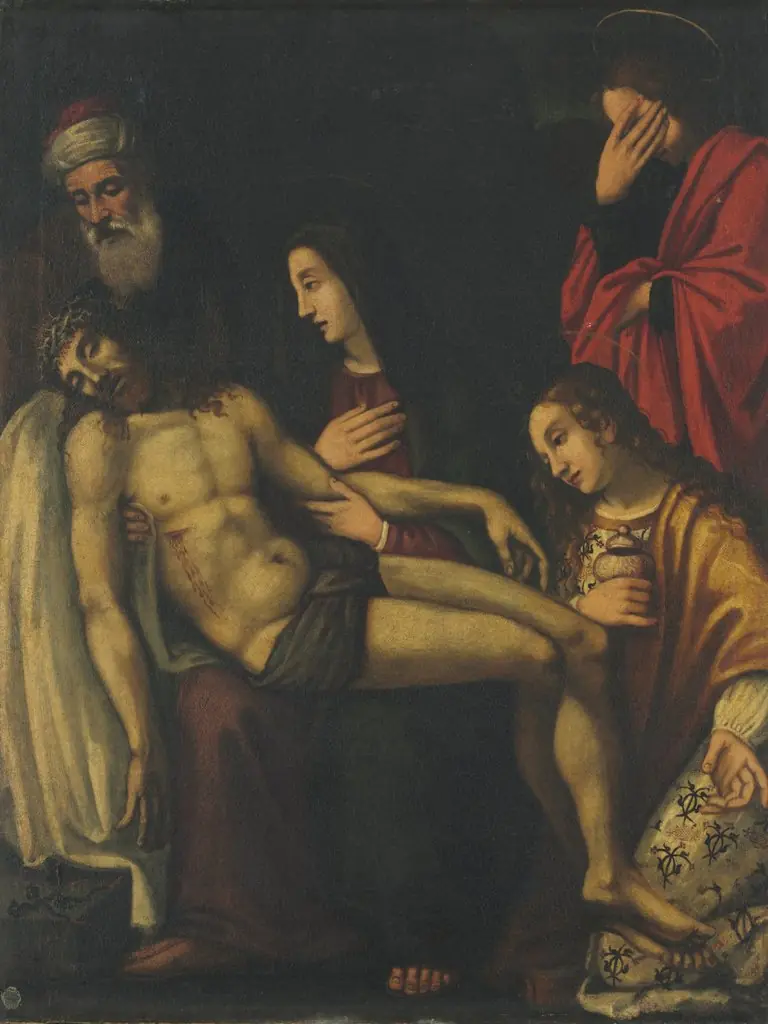
The work's legacy is marked by its status as the most arduous collaborative project between Sebastiano del Piombo and Michelangelo, a partnership that reportedly ended in 1535 due to artistic disagreements over the use of oil on stone. This technical choice, intended to ensure the painting's durability, instead resulted in a notably dark surface and contributed to the rupture of their friendship, as Michelangelo criticized oil painting as an art for the weak. The painting suffered physical trauma during the Spanish Civil War in 1936 when it fractured into two pieces, necessitating the attachment of an iron backing for stabilization. Following a period of declining legibility due to aging varnish, the piece underwent a rigorous restoration by the Prado Museum's workshop between 1988 and 1991, securing its current display in Madrid. A copy attributed to a follower of Juan de Juanes is also held in the collection of the Szépművészeti Múzeum in Budapest.
Artist & collection
Artist
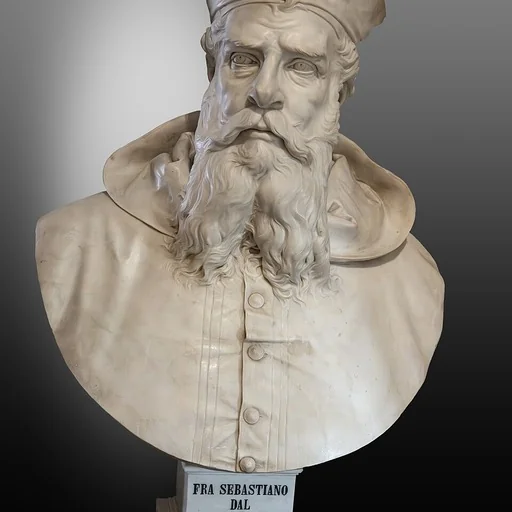
Sebastiano del Piombo (Italian:; c. 1485 – 21 June 1547) was an Italian painter of the High Renaissance and early Mannerist periods, famous as the only major artist of the period to combine the colouring of the Venetian…

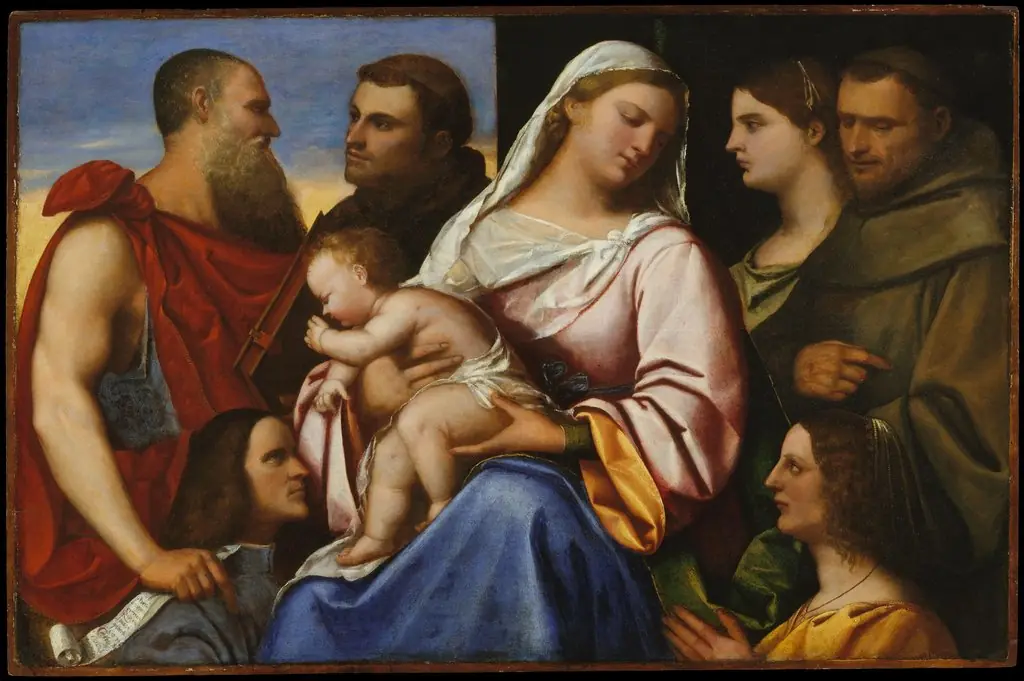 Madonna and Child with Saints and Donors
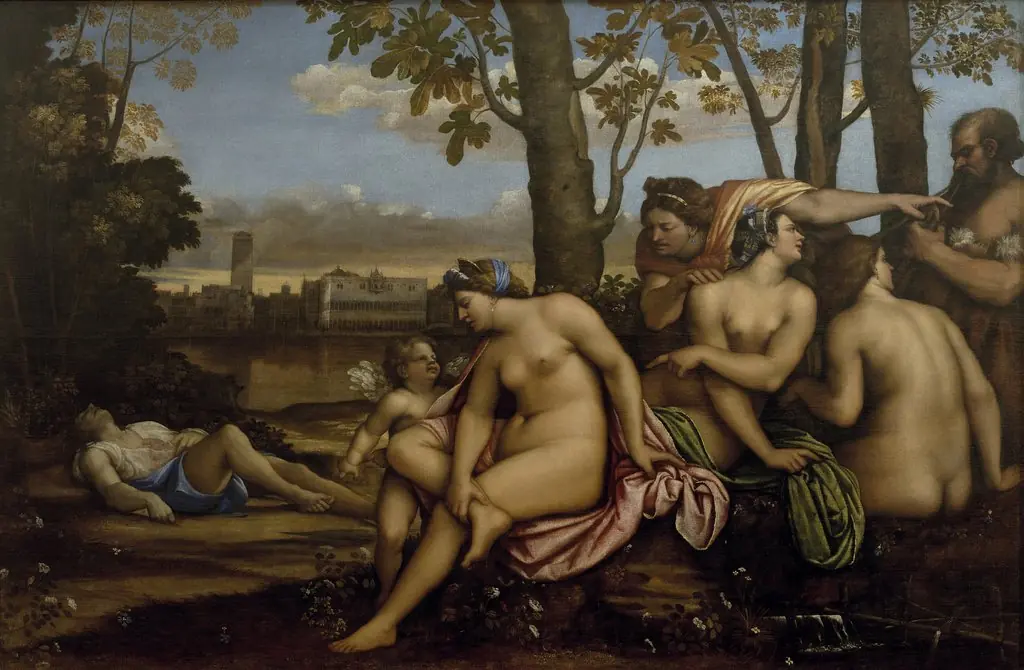 Death of Adonis
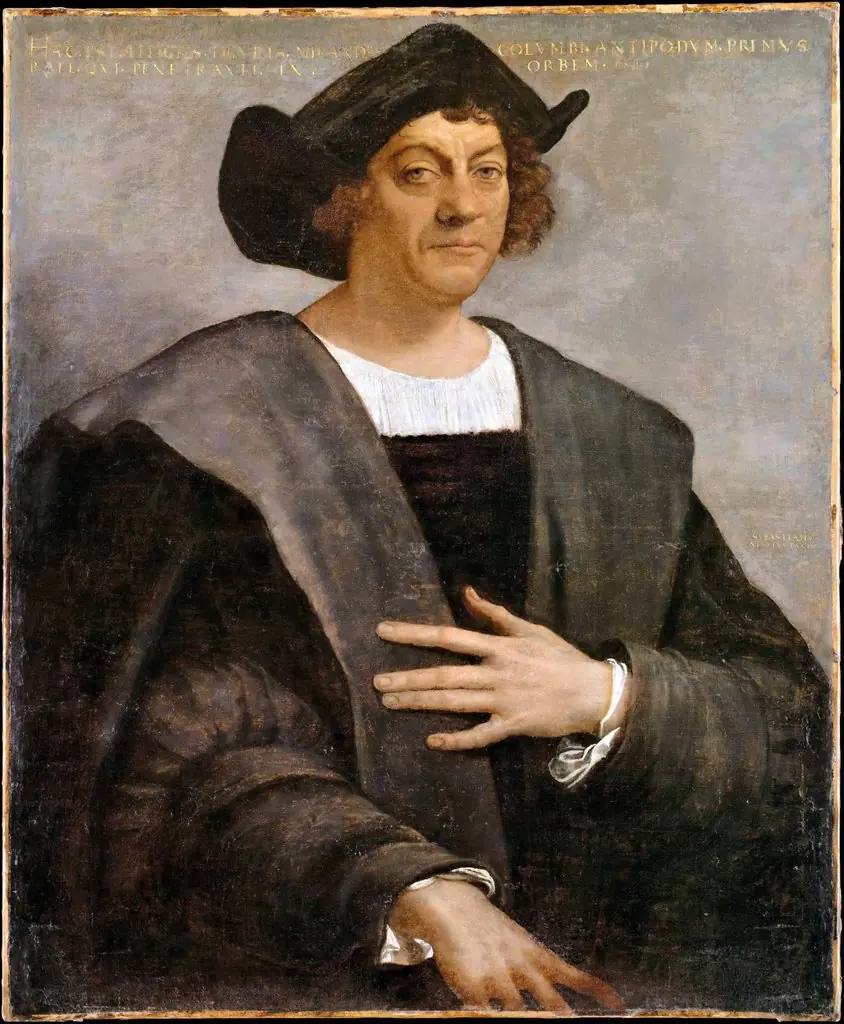 Portrait of a Man, Said to be Christopher Columbus (born about 1446, died 1506)
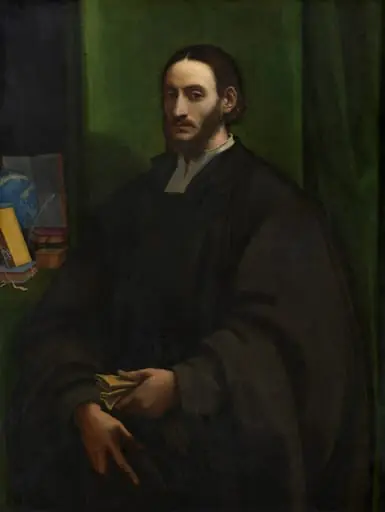 Portrait of a Humanist
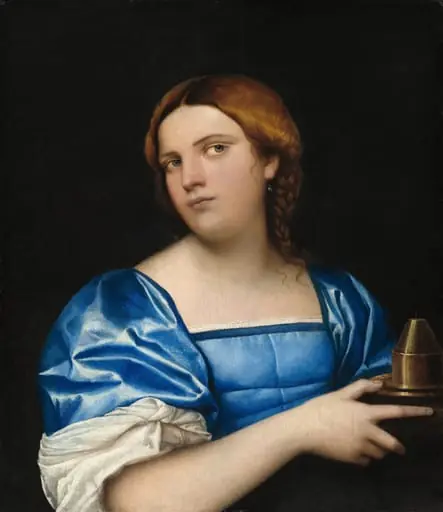 Portrait of a Young Woman as a Wise Virgin
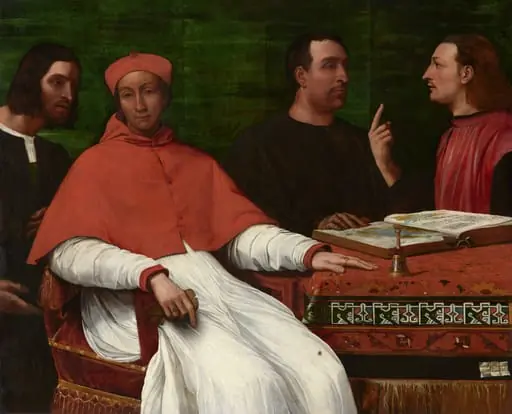 Cardinal Bandinello Sauli, His Secretary, and Two Geographers
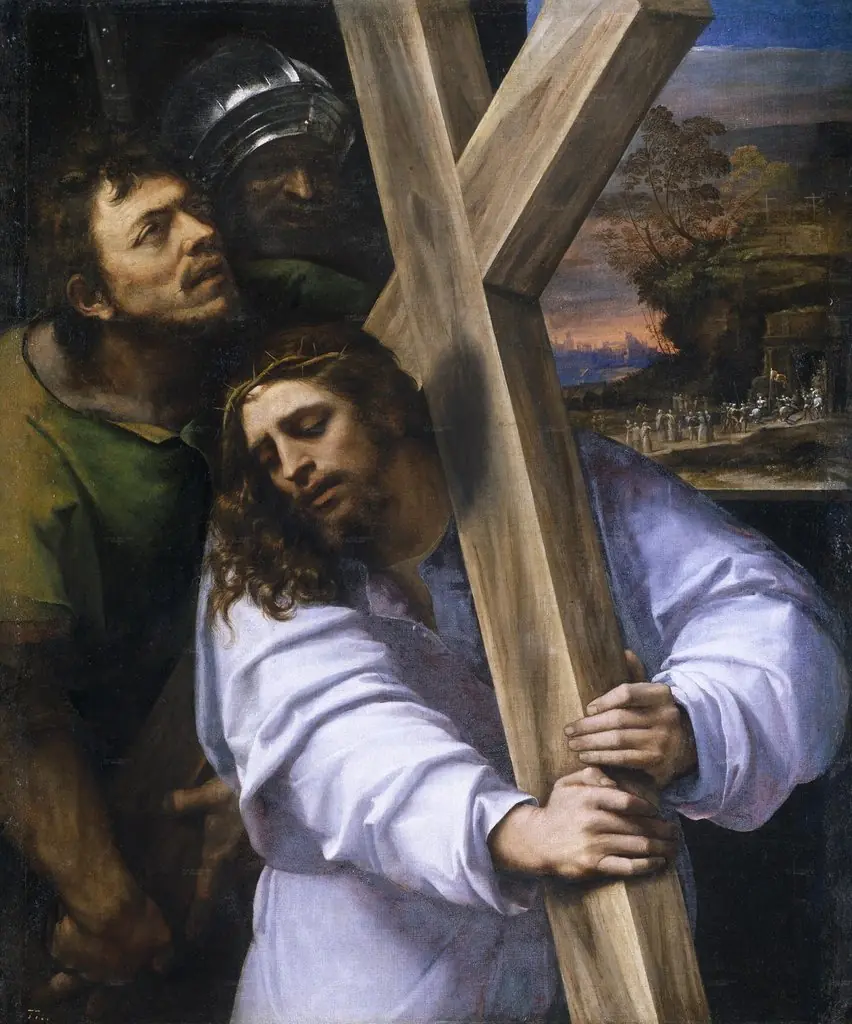 Jesus carrying the Cross
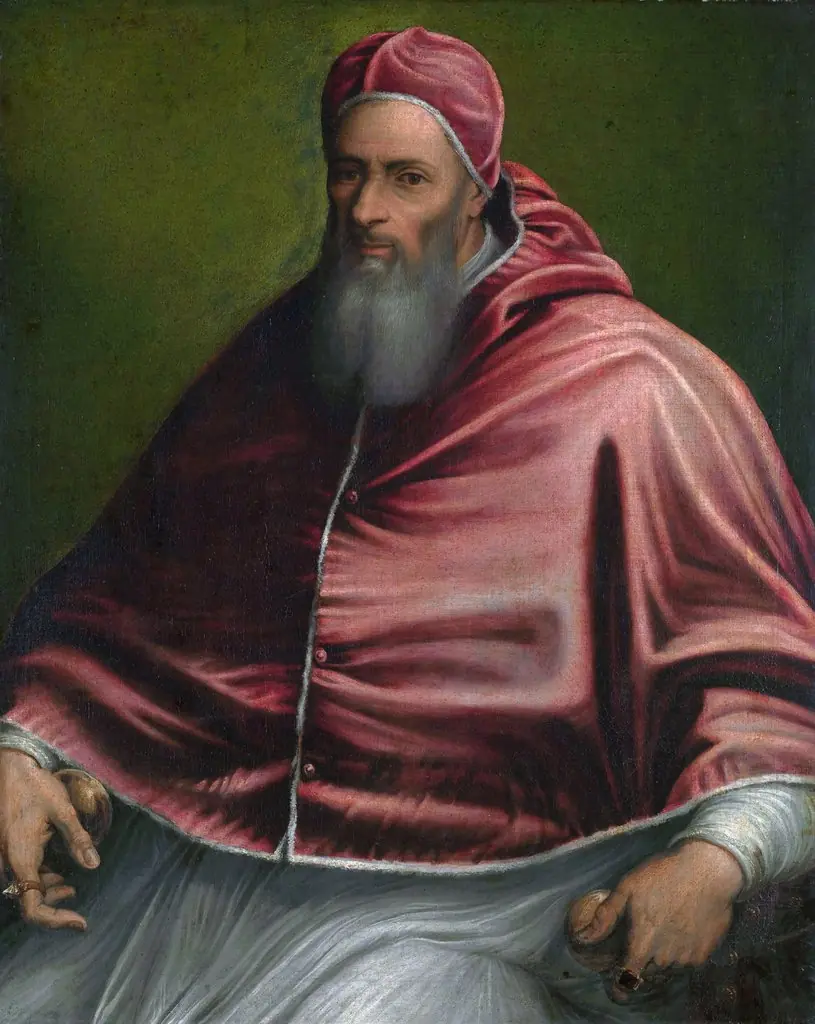 Pope Julius III (1478-1555)