Artwork
Scholar Reclining and Watching Rising Clouds; Poem by Wang Wei
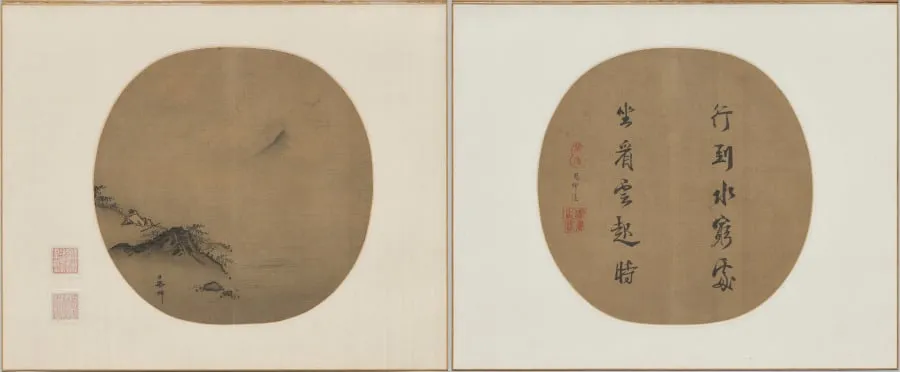
Scholar Reclining and Watching Rising Clouds; Poem by Wang Wei is an unspecified painting by the Song dynasty landscape artist Ma Lin. It dates from 1256 and is held in the collection of the Cleveland Museum of Art.
- Accession no.
- 1961.421
- Credit line
- John L. Severance Fund
About this work
To see how other artists painted Chinese scholar landscapes, look up china, southern song dynasty (1127-1279).
A man in a long robe lounges on a rock by a river, watching thin clouds drift over far-off mountains. The scene is mostly empty, just water, sky, and a few strokes of ink for trees.
This painting was made for an emperor who wrote a poem on the same fan. The artist, Ma Lin, answered the poem with brushwork, using soft gray washes to show mist and distance. It’s a quiet conversation between words and pictures.
To see how other artists painted Chinese scholar landscapes, look up china, southern song dynasty (1127-1279).
Overview
The work combines a poem by Wang Wei, transcribed in calligraphy by Emperor Lizong, with a landscape painted by Ma Lin. Executed as a single hand‑fan, it presents a reclined scholar beside a riverbank, gazing at thin clouds over distant mountains, rendered in restrained ink washes that emphasize emptiness and atmosphere.
Subject & Meaning
The composition depicts a solitary literati figure reclining on a rock at the water’s edge, embodying contemplation as he watches the clouds rise. The visual narrative mirrors the poem’s meditation on the meeting of water’s end and the emergence of clouds, suggesting a harmonious dialogue between nature, poetry, and scholarly reflection.
Technique & Style
Ma Lin employs sparse brushwork and graded gray washes to suggest mist and depth, limiting detail to essential forms such as a few ink‑stroked trees and the distant mountain range. The restrained palette and emphasis on negative space reflect Chan Buddhist aesthetic principles that value simplicity and the suggestion of form over explicit representation.
History & Provenance
Commissioned by Emperor Lizong of the Southern Song dynasty, the fan originally united the emperor’s calligraphic inscription with Ma Lin’s painted response. The piece illustrates the collaborative relationship between imperial patronage and court artists, linking the royal court with the broader literati and monastic culture surrounding Hangzhou.
Context
Created during the Southern Song period (1127–1279), the work exemplifies the era’s scholarly landscape tradition, where poetry, calligraphy, and painting were integrated. It also reflects the cultural exchange between the palace, educated officials, and nearby Buddhist monasteries, all of which contributed to the development of Chan‑influenced visual art.
Artist & collection

Artist
Ma Lin (simplified Chinese: 马麟; traditional Chinese: 馬麟; pinyin: Mǎ Lín; Wade–Giles: Ma Lin) (c.

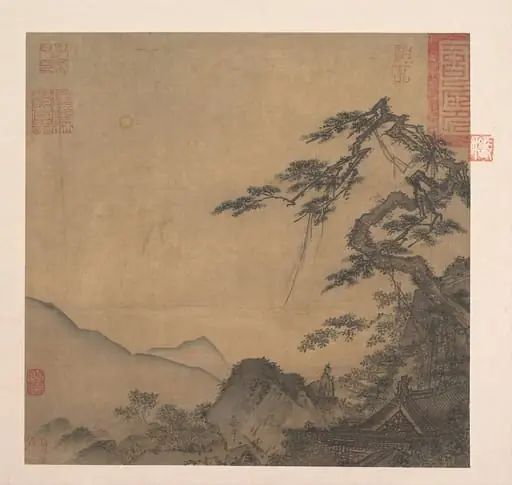 南宋 馬麟 松下高士圖 冊頁 絹本|Landscape with great pine
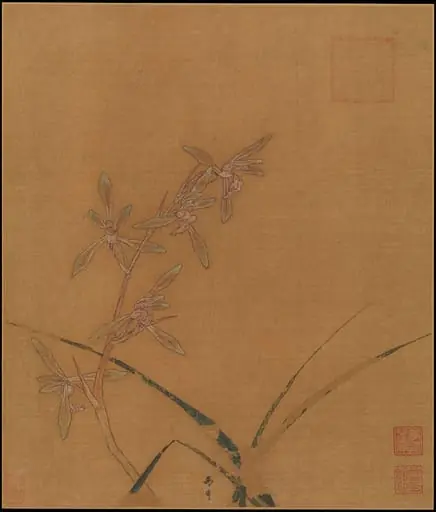 南宋 馬麟 蘭花圖 冊頁 絹本|Orchids
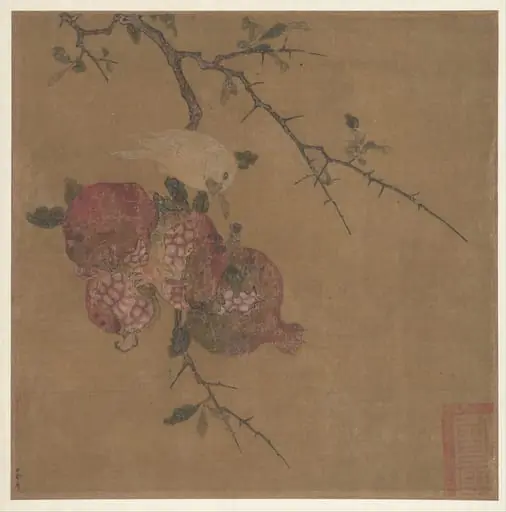 明/清 佚名 傳馬麟 石榴白鳥圖 冊頁 |Pomegranates after Ma Lin
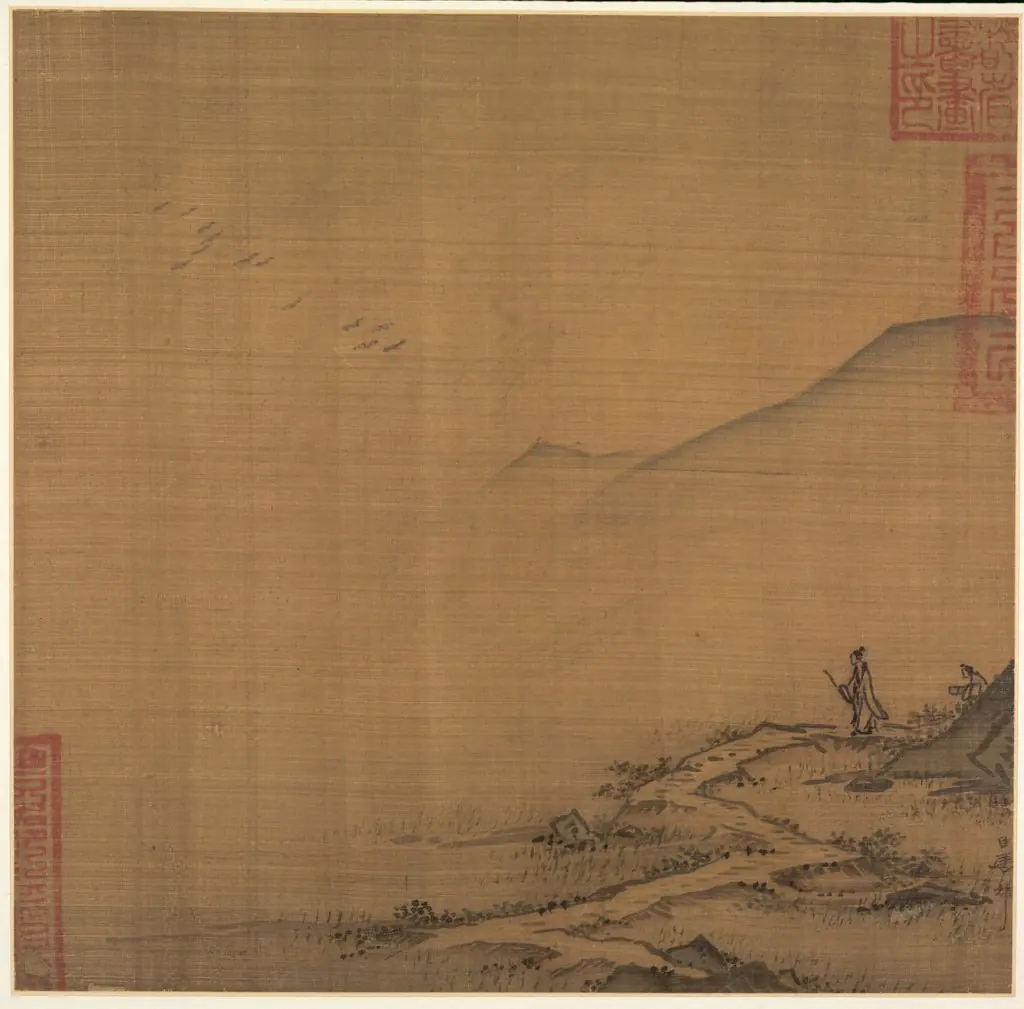 Landscape with Flying Geese
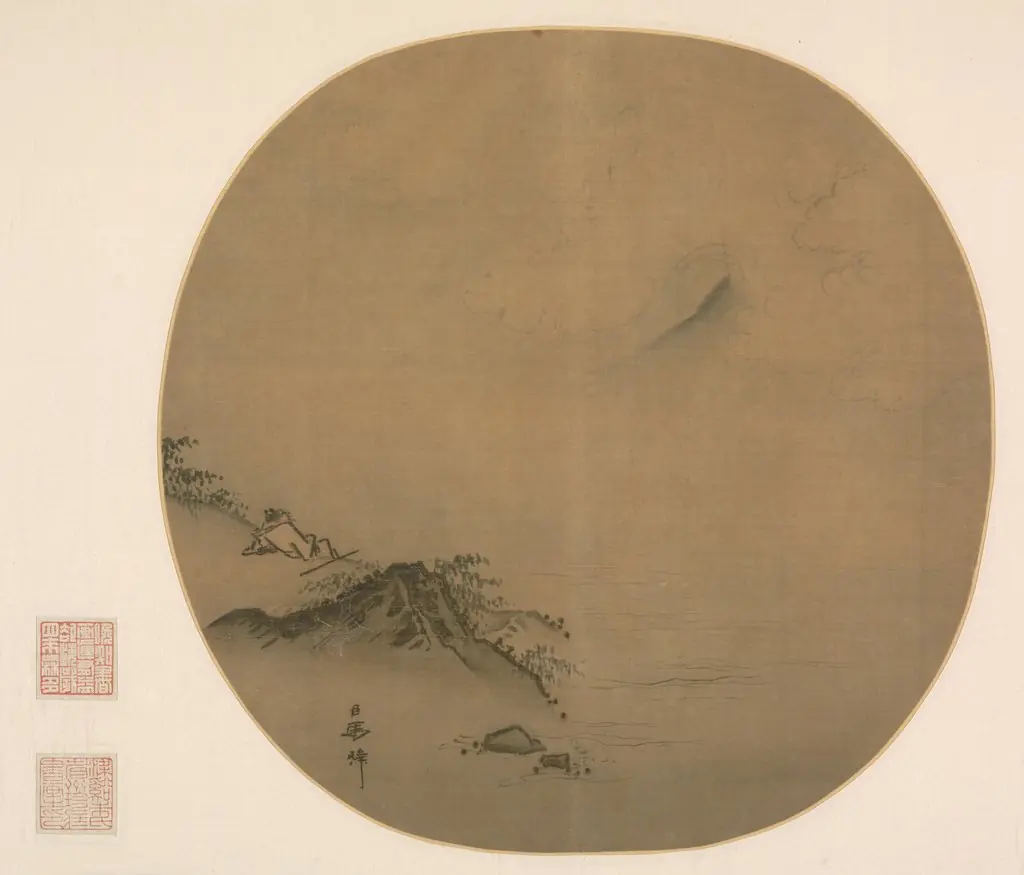 Scholar Reclining and Watching Rising Clouds, Poem by Wang Wei
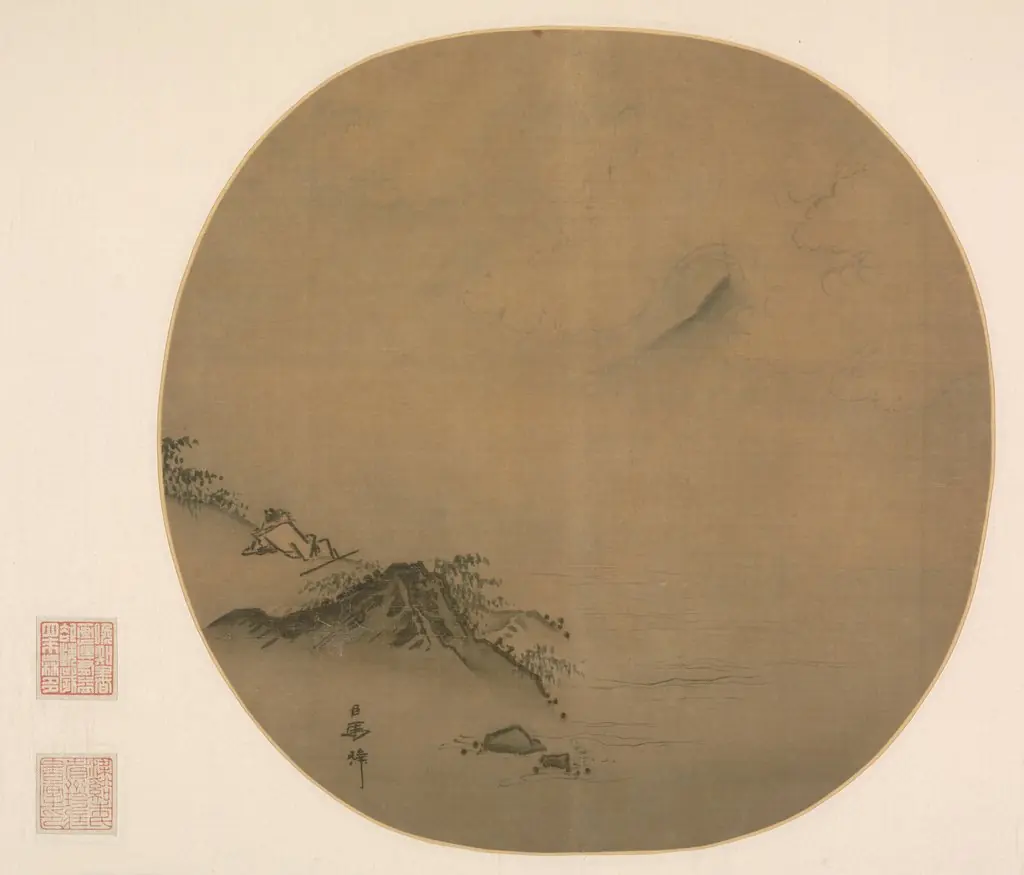 Scholar Reclining and Watching Rising Clouds; Poem by Wang Wei
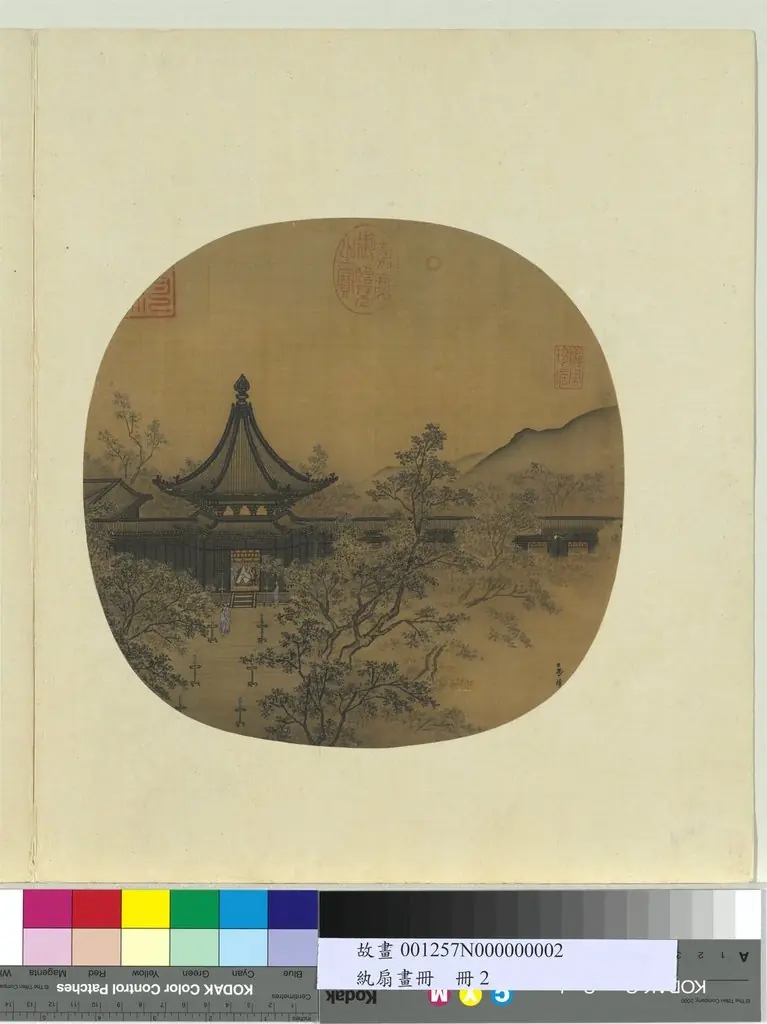 紈扇畫冊 冊 宋馬麟秉燭夜遊圖
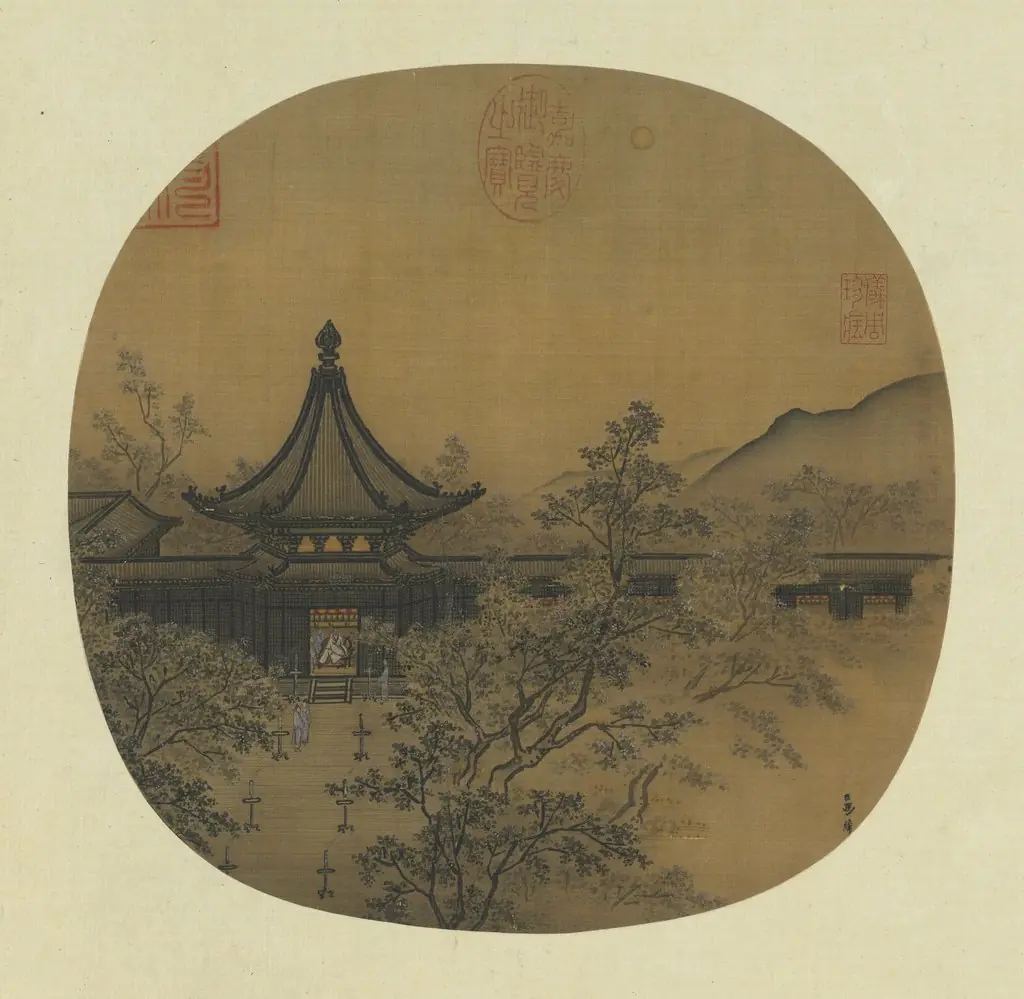 Waiting for Guests by Lamplight
- Ink Flowers
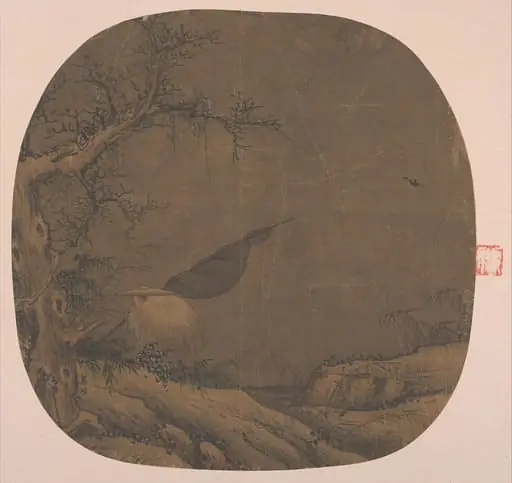 Untitled
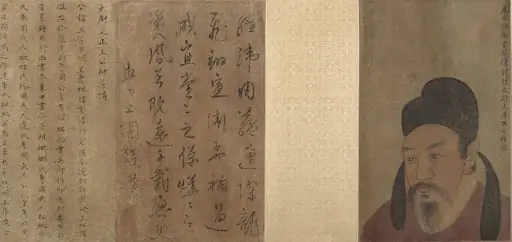 清 佚名 摹王旦、王素、王禹偁小像圖 卷|Three Bust Portraits of Tang and Song Officials
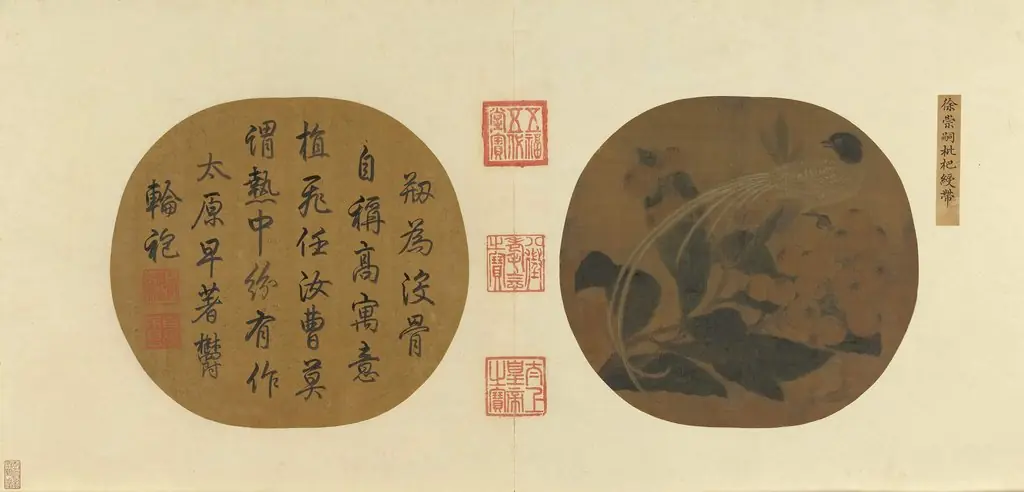 Flycatcher and Loquats
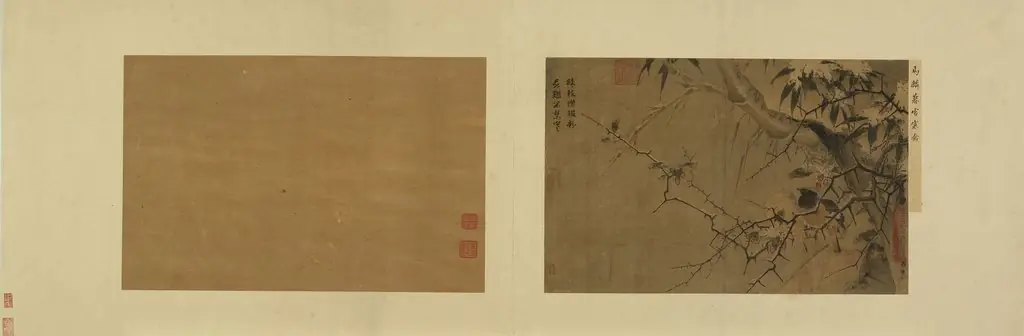 Bird Chilled by a Late Snowfall
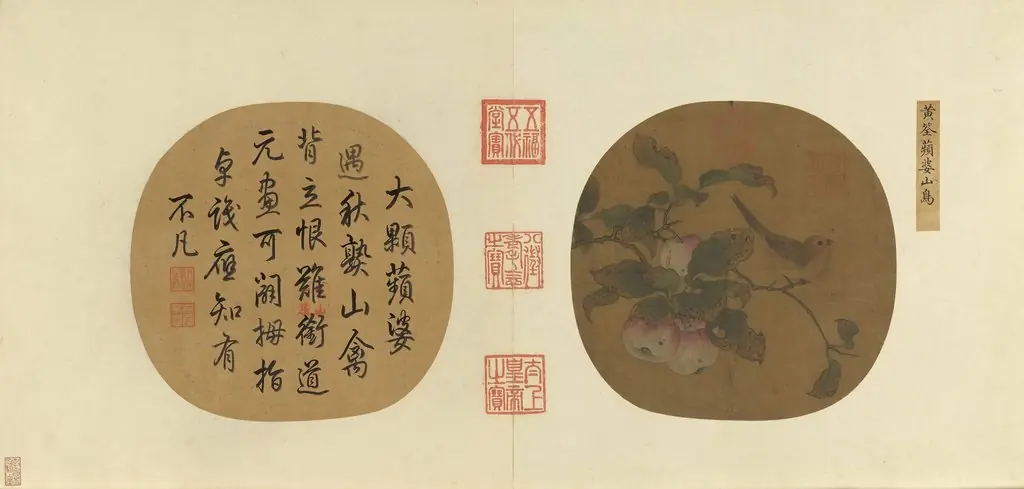 Bird on an Apple Branch
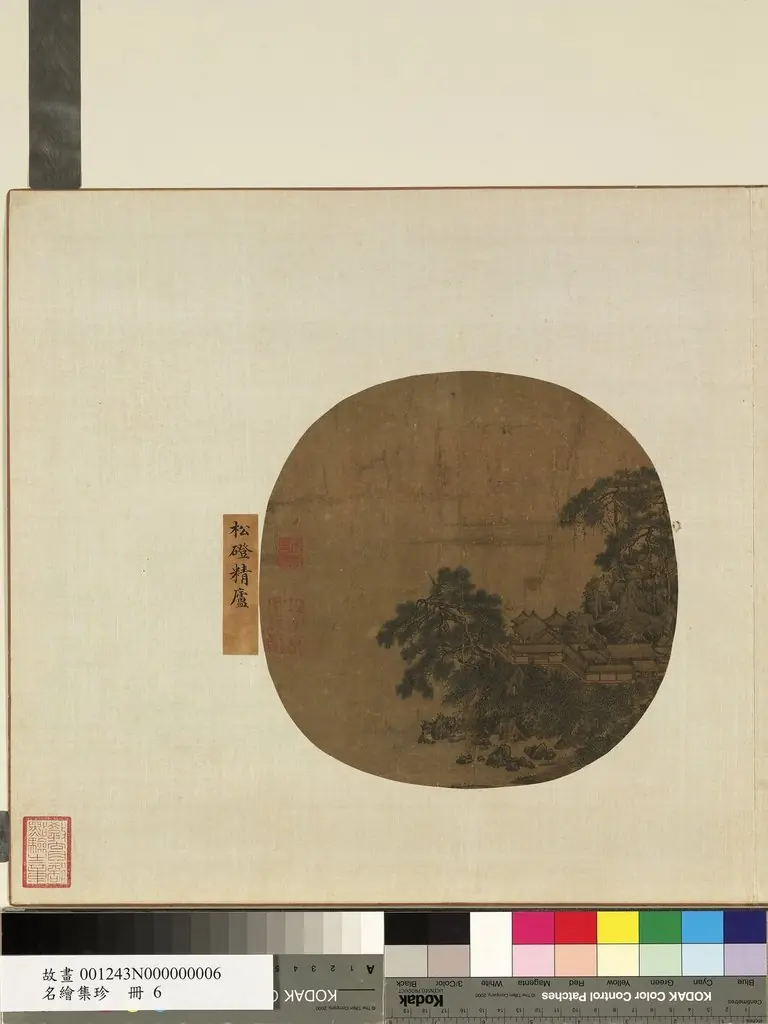 名繪集珍 冊 宋閻次平松磴精廬
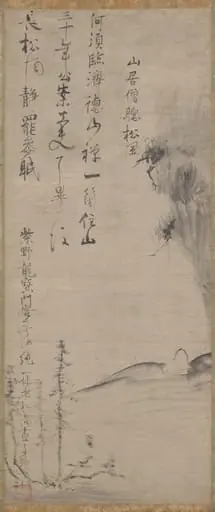 Listening to the Wind in the Pines
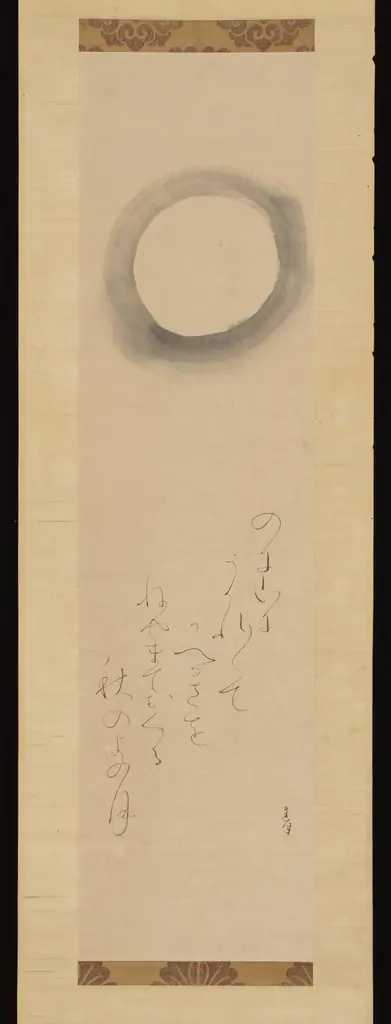 Waka Poem: “Across the fields and hills…”
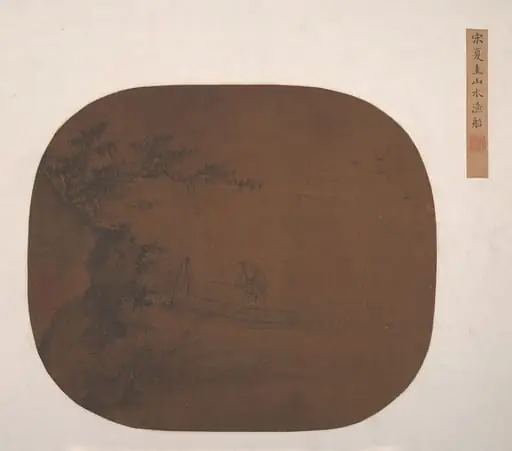 Untitled
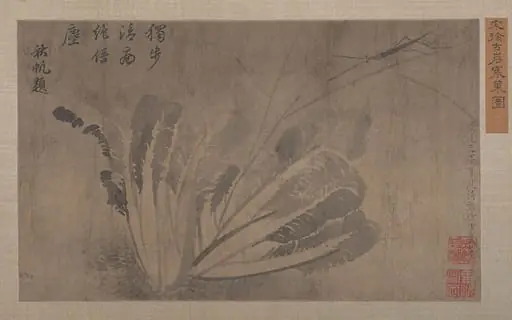 Untitled
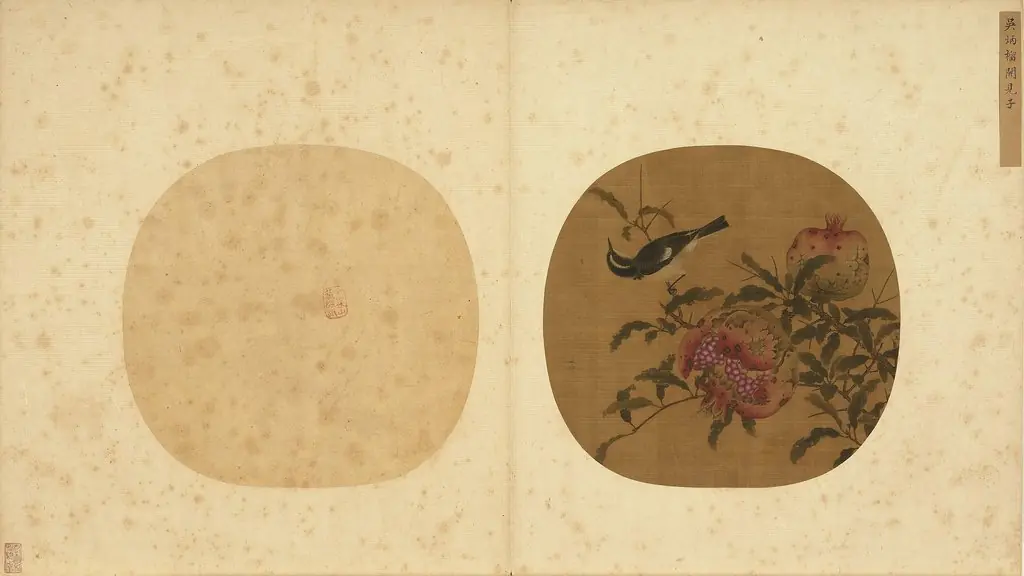 Seeds Visible in an Open Pomegranate