Artwork
清 佚名 摹王旦、王素、王禹偁小像圖 卷|Three Bust Portraits of Tang and Song Officials
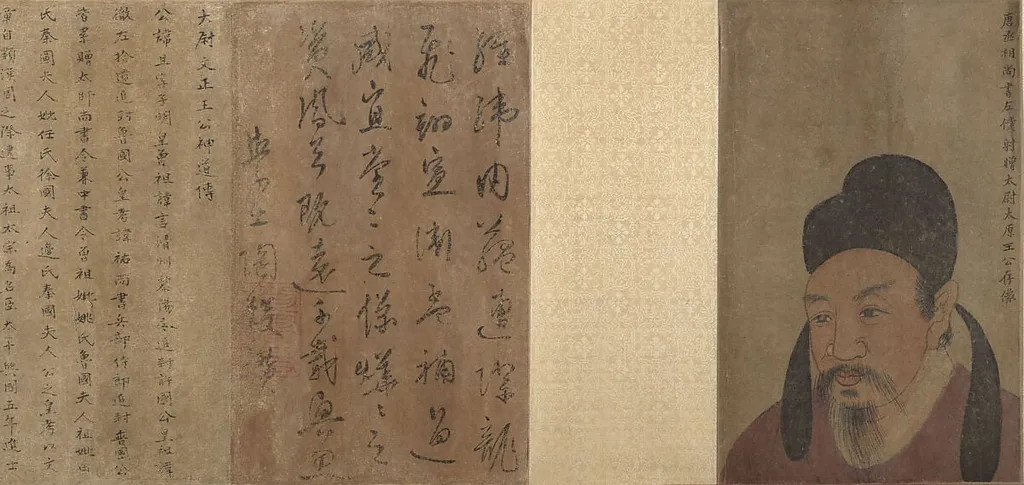
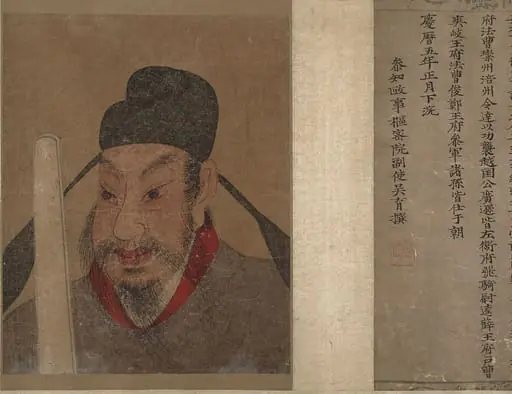
清 佚名 摹王旦、王素、王禹偁小像圖 卷|Three Bust Portraits of Tang and Song Officials is an ink painting. It dates from 1777 and is held in the collection of the Metropolitan Museum of Art.
- Accession no.
- 47.18.90
About this work
Subject & Meaning
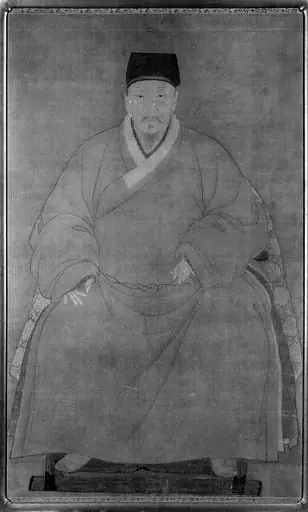
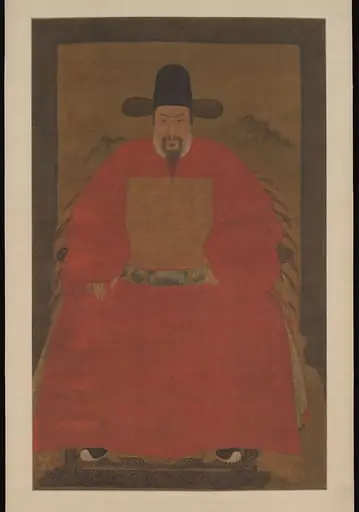
The handscroll presents three bust‑length portraits of Tang and Song dynasty officials, identified in the title as depictions of “Tang and Song officials.
The handscroll presents three bust‑length portraits of Tang and Song dynasty officials, identified in the title as depictions of “Tang and Song officials.” Each figure is rendered in ink and color, emphasizing the formal attire and dignified posture typical of historical portraiture. As a portrait genre work, the images function as visual records of past bureaucrats, reflecting an 18th‑century scholarly interest in earlier Chinese governance.
The composition, with individual heads isolated against minimal background, underscores the subjects’ status and authority. The work is part of the Metropolitan Museum of Art collection and was created in China in 1777.
Technique & Style
The work is executed as a handscroll combining two distinct supports and media. The first portrait is rendered in ink and color on paper, while the second and third portraits are painted in ink and color on silk, producing a deliberate variation in surface handling within a single scroll format. The bust-length format isolates the sitters' heads and shoulders against unadorned grounds, a compositional device that focuses attention on facial features and subtle coloring rather than setting or attributes.
History & Provenance
The scroll is an anonymous Qing-dynasty work dated to 1777, executed in ink and color on paper for the first portrait and on silk for the second and third. According to the cataloguing record, it is held in the collection of the Metropolitan Museum of Art. The painting is described as a Qing-period copy of earlier bust portraits of the Tang and Song officials Wang Dan, Wang Su, and Wang Yucheng, though the sources provide no further details about its original commission, the circumstances of its production, or the chain of ownership that brought it from its creation into the Metropolitan Museum's holdings.
The handscroll is held in the collection of the Metropolitan Museum of Art, where it is recorded as part of the institution's paintings holdings. Its inception is dated to 1777, and it was made in China. No specific inventory or accession number is recorded in the available sources, and no exhibition history is documented for the work.
The painting's current location at the Metropolitan Museum of Art is confirmed through its cataloguing as a portrait within the museum's collection, with the work attributed to an anonymous painter.
Context
Scholarship on Three Bust Portraits of Tang and Song Officials positions the work as a Qing dynasty pastiche of earlier Song and Tang portraiture, reflecting the eighteenth-century revival of archaism in Chinese court art. The scroll’s anonymous authorship and its status as a copy (摹) align it with the Qing imperial workshop’s practice of replicating historical models to assert cultural continuity. While the Metropolitan Museum of Art’s accession file and Wikidata confirm its 1777 date, the work has not been the subject of extensive standalone analysis, instead appearing in broader studies of Qing portraiture as an example of state-sponsored emulation of classical styles.
Its significance lies in its dual role: as a document of Qing antiquarianism and as a rare surviving instance of multi-figure portraiture from the period. The scroll’s inclusion in the Metropolitan Museum’s collection underscores its recognition as a representative artifact of late imperial Chinese painting, though its critical reception remains tied to its provenance rather than innovative technique or aesthetic impact.
Overview
This handscroll, titled Three Bust Portraits of Tang and Song Officials, is an anonymous Qing dynasty work that reinterprets earlier depictions of prominent historical figures. Executed with ink and color, the piece features three distinct portraits, with one rendered on paper and the other two on silk. It offers a visual record of officials from China's Tang and Song dynasties, presented in a formal and traditional manner.
Artist & collection