Artwork
Passage from Virgin to Bride
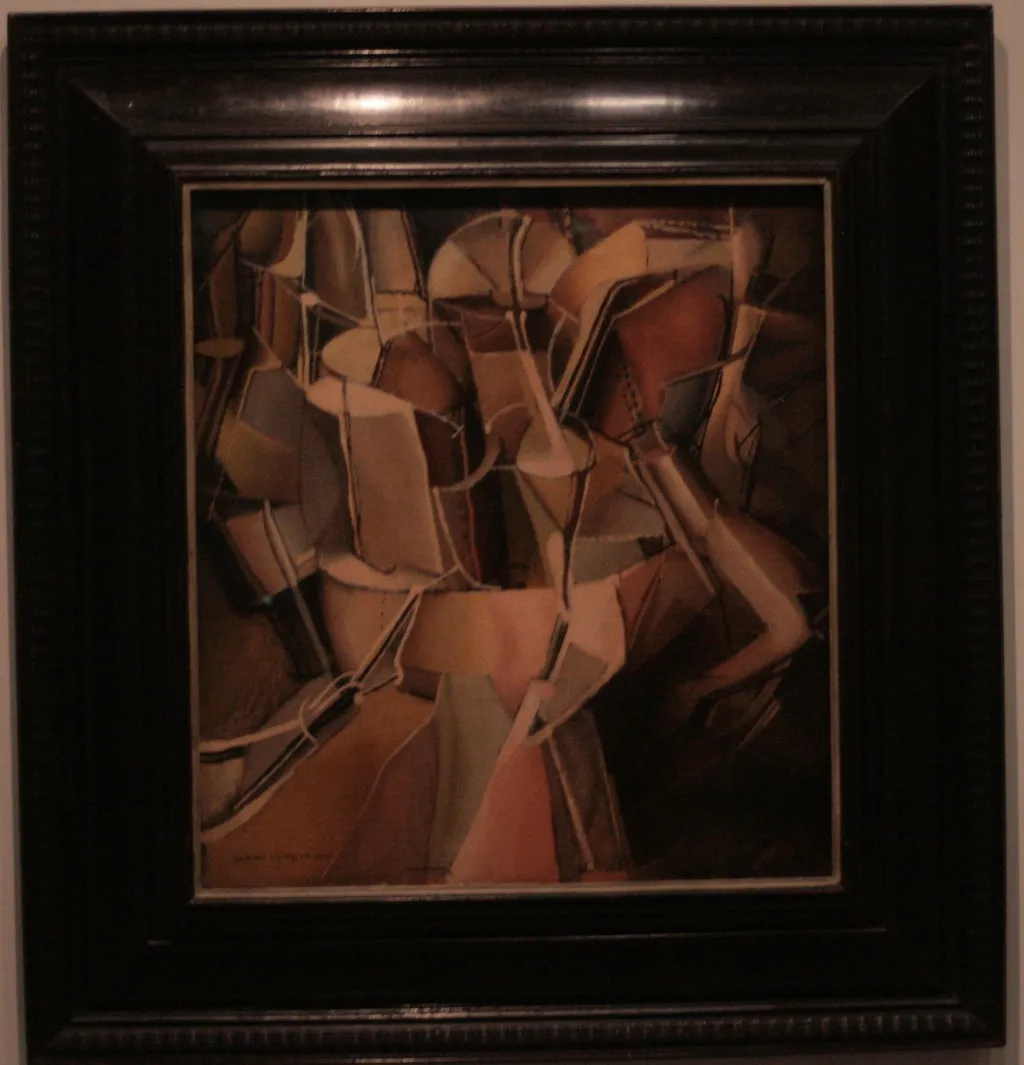
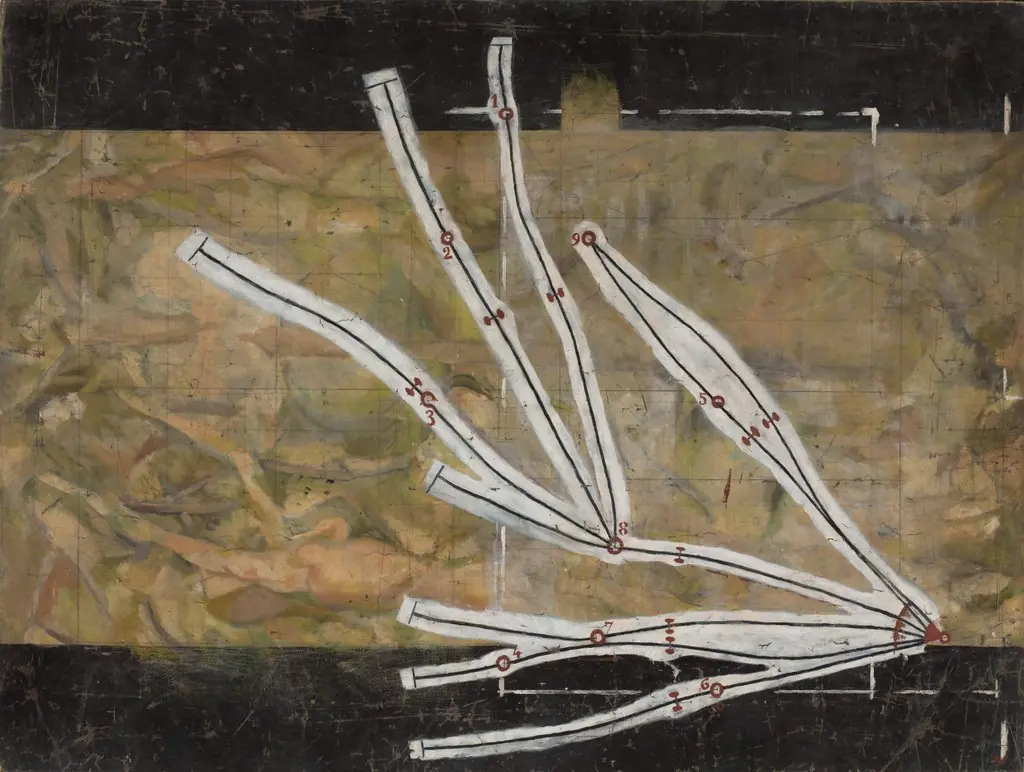
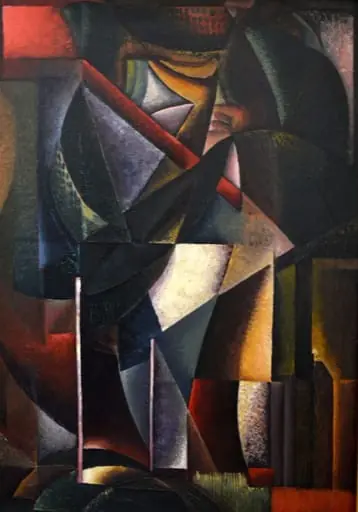
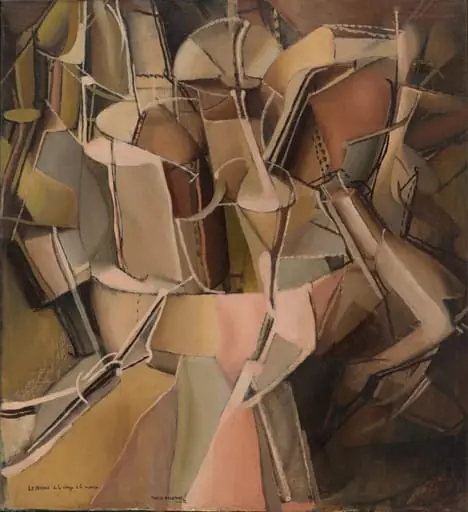
Passage from Virgin to Bride is an oil painting by the Cubism Analytic artist Marcel Duchamp. It dates from 1912 and is held in the collection of the Museum of Modern Art.
About this work
Overview
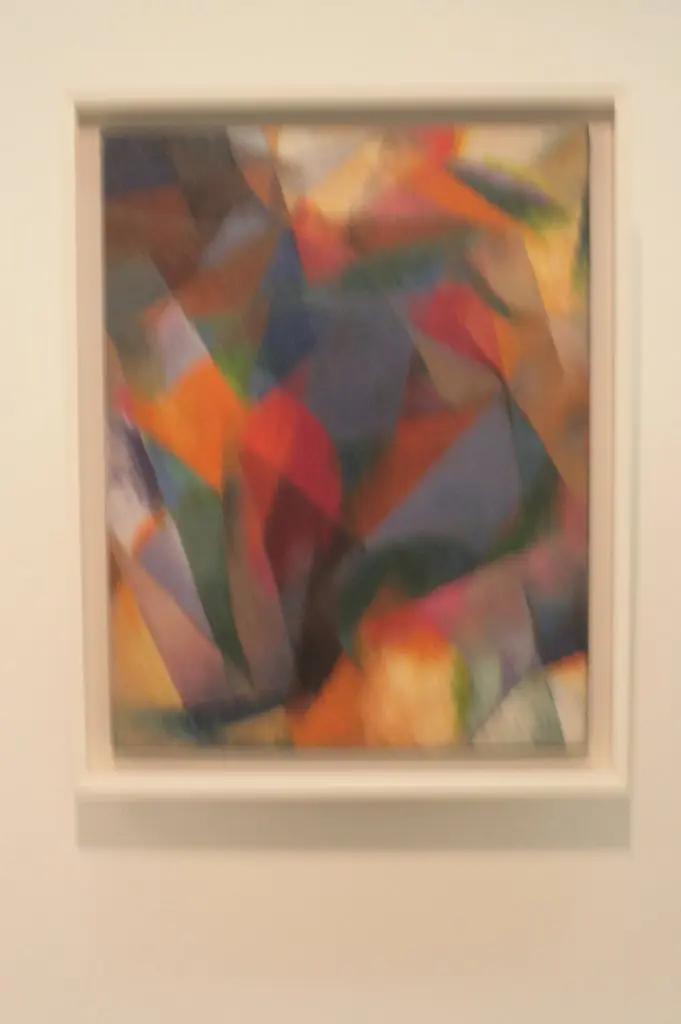
Marcel Duchamp completed Passage from Virgin to Bride in 1912 using oil on canvas. The work emerged during his engagement with Analytic Cubism, a phase marked by the deconstruction of form and spatial ambiguity. It is held in the collection of the Museum of Modern Art in New York, where it represents a transitional moment in Duchamp’s early career before his turn toward conceptual art.
Subject & Meaning
The title suggests a symbolic transformation, possibly referencing themes of transition, sexuality, or spiritual evolution. Yet the painting resists literal interpretation; no identifiable figures or narrative are present. Instead, the work evokes psychological or metaphysical change through abstract composition, leaving meaning open to viewer inference rather than explicit depiction.
Technique & Style
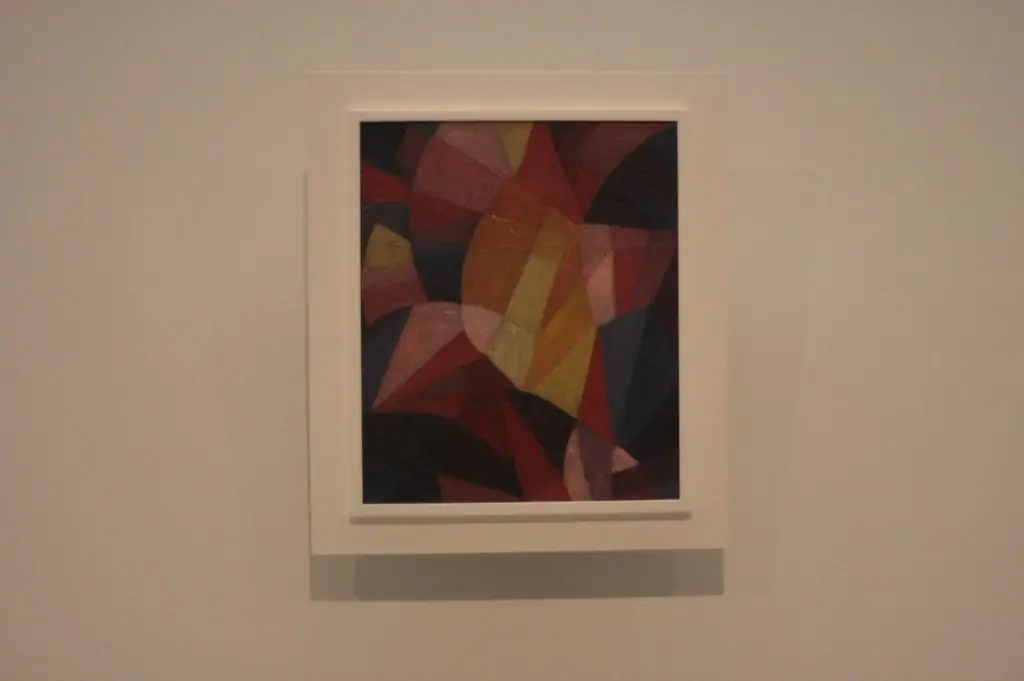
Duchamp employed fragmented planes, overlapping geometric forms, and a muted palette of browns, beiges, and dark tones to dissolve traditional representation.
Duchamp employed fragmented planes, overlapping geometric forms, and a muted palette of browns, beiges, and dark tones to dissolve traditional representation. Black outlines define some shapes, enhancing their structural presence against textured brushwork. The surface reveals varied application, thin glazes and thicker impasto, contributing to a sense of layered depth without clear spatial hierarchy.
History & Provenance
Created in 1912, the painting was made during Duchamp’s time in France, before his move to the United States. It remained in his personal collection until 1953, when it was acquired by the Museum of Modern Art. Its inclusion in the museum’s holdings reflects its significance in tracing the evolution of early 20th-century modernism and Duchamp’s departure from conventional pictorial norms.
Context
This work aligns with the broader Cubist project of reimagining perception through multiple viewpoints and fractured form. While influenced by Picasso and Braque, Duchamp’s approach was more introspective, emphasizing internal states over external reality. The painting reflects a moment when avant-garde artists were challenging the limits of visual language, moving toward abstraction as a means of expressing complex ideas.
Legacy
Passage from Virgin to Bride stands as a precursor to Duchamp’s later conceptual works, illustrating his early skepticism toward representational art. Though less known than his readymades, the painting reveals his persistent interest in systems of meaning, perception, and transformation. It remains a key example of how Cubism was adapted by artists seeking to express abstract, non-visual concepts.
Artist & collection
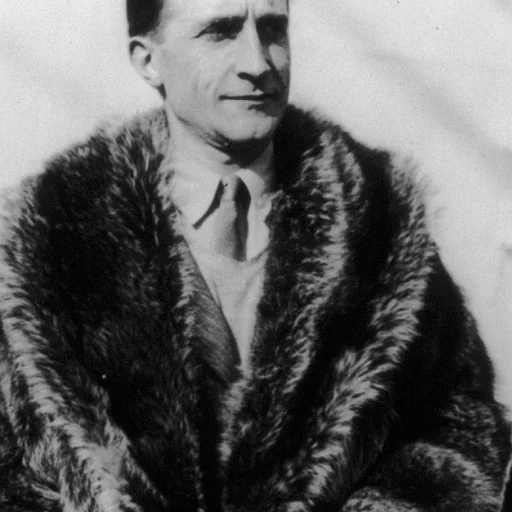
Artist
Henri-Robert-Marcel Duchamp (UK: US:; French:; 28 July 1887 – 2 October 1968) was a French American artist, chess player, and inventor who played a key role in the development of the avant-garde in the United States and…