Artwork
Portrait of Sir Henry Neville
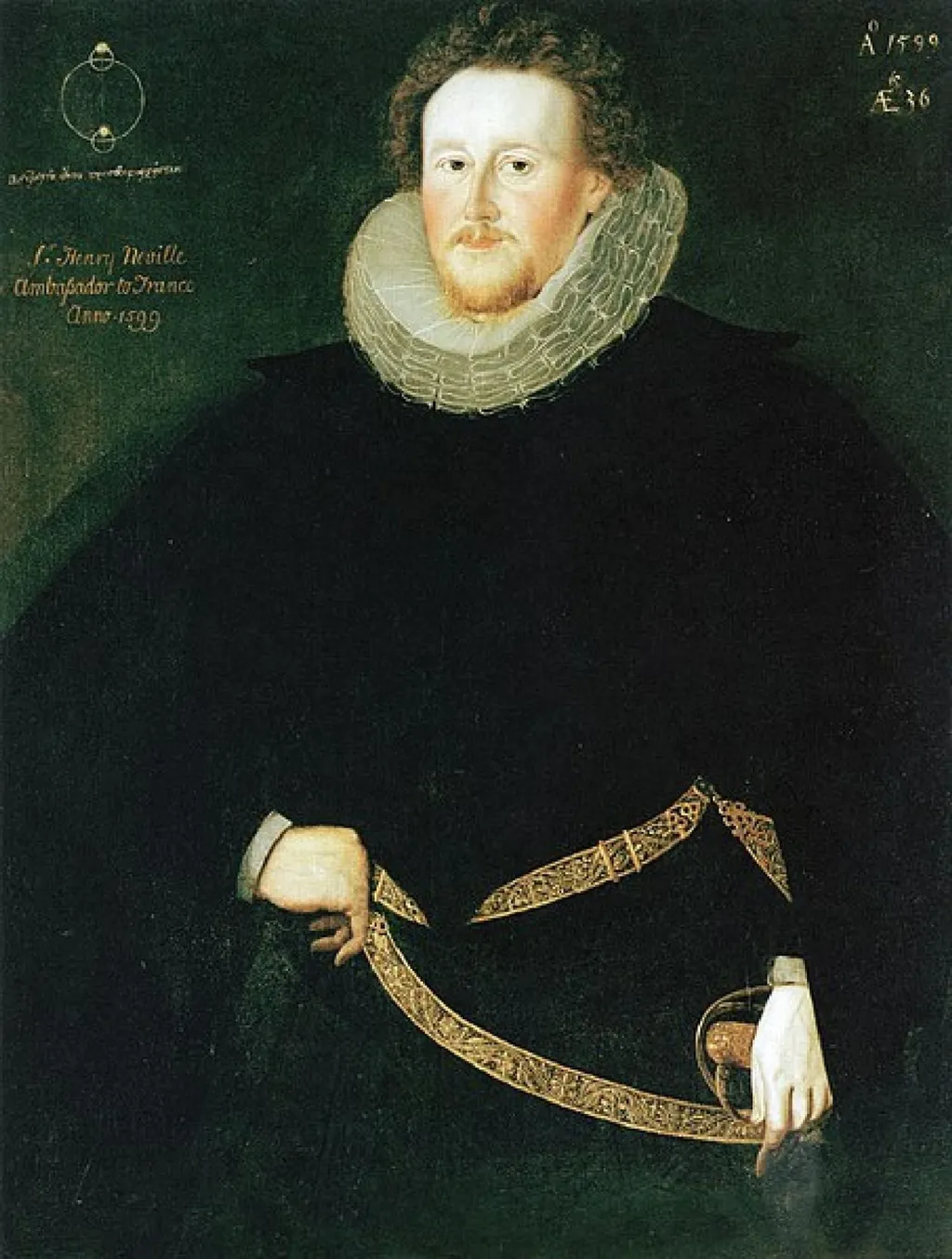
Portrait of Sir Henry Neville is an unspecified painting by the Mannerist artist Marcus Gheeraerts the Younger. It dates from 1599 and is held in the collection of the University of Cyprus. This portrait depicts Sir Henry Neville, a diplomat of the late Elizabethan era, rendered in a formal yet intimate pose.
About this work
Overview
This portrait depicts Sir Henry Neville, a diplomat of the late Elizabethan era, rendered in a formal yet intimate pose. He stands still, dressed in dark attire with a crisp white collar, gloves held loosely in one hand. Behind him, an ethereal astronomical sketch and a Greek inscription appear to float, blending scholarly symbolism with the physical presence of the sitter.
Subject & Meaning
' The inclusion of celestial imagery suggests an interest in astronomy, while the linguistic choice reflects his education and diplomatic role.
The Greek phrase 'Absolutely without correction' inscribed beside the star chart underscores a theme of moral precision, aligning with Neville’s family motto, 'Ne vile velis', 'desire nothing base.' The inclusion of celestial imagery suggests an interest in astronomy, while the linguistic choice reflects his education and diplomatic role. Together, these elements construct an image of intellectual and ethical steadfastness.
Technique & Style
The painting employs chiaroscuro to model the sitter’s form with subtle gradations of light and shadow, enhancing the three-dimensionality of his face and hands. The background elements, star chart and inscription, are rendered with softer edges, creating a sense of otherworldliness. This contrast grounds the portrait in realism while elevating its symbolic content through atmospheric ambiguity.
History & Provenance
Commissioned during Neville’s tenure as ambassador, the portrait likely served to project his scholarly and moral authority abroad. Its survival suggests it remained within family or diplomatic circles. The precise origin and early ownership remain undocumented, but its iconography aligns with elite portraiture of the period, where personal and intellectual identity were carefully curated.
Context
In late 16th-century England, portraiture increasingly incorporated classical references to signal humanist learning. Neville’s inclusion of Greek and celestial imagery reflects broader cultural trends among the educated elite, who linked scientific inquiry with moral virtue. His role as ambassador made such visual signaling essential, reinforcing credibility through erudition.
Legacy
The portrait stands as a quiet example of how personal identity was encoded in Elizabethan art. Rather than overt grandeur, it conveys character through restraint and allusion. Its blend of scientific, linguistic, and ethical symbols influenced later diplomatic portraiture, where intellectual depth was as valued as social status.
Own this work as a print
Artist & collection
Artist
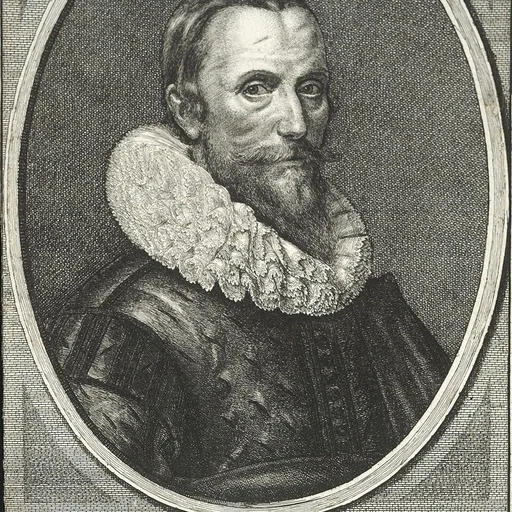
Marcus Gheeraerts (also written as Gerards or Geerards; c. 1561/62 – 19 January 1636) was a Flemish artist working at the Tudor court, described as "the most important artist of quality to work in England in large-scale…
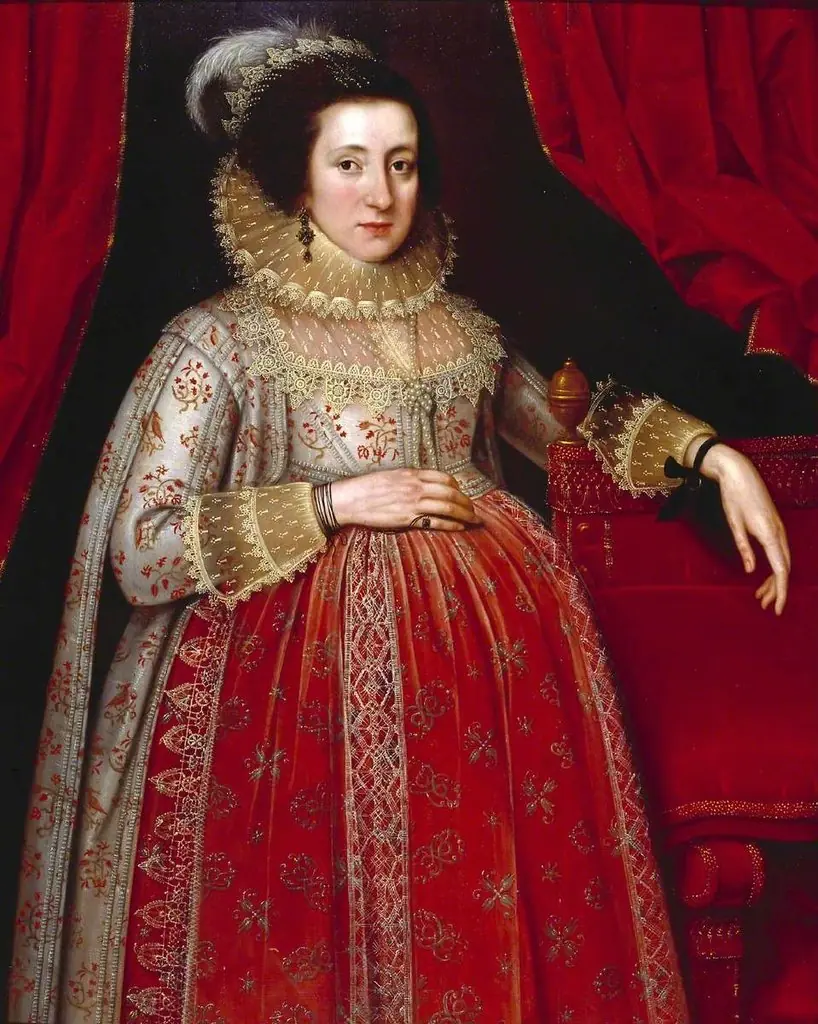
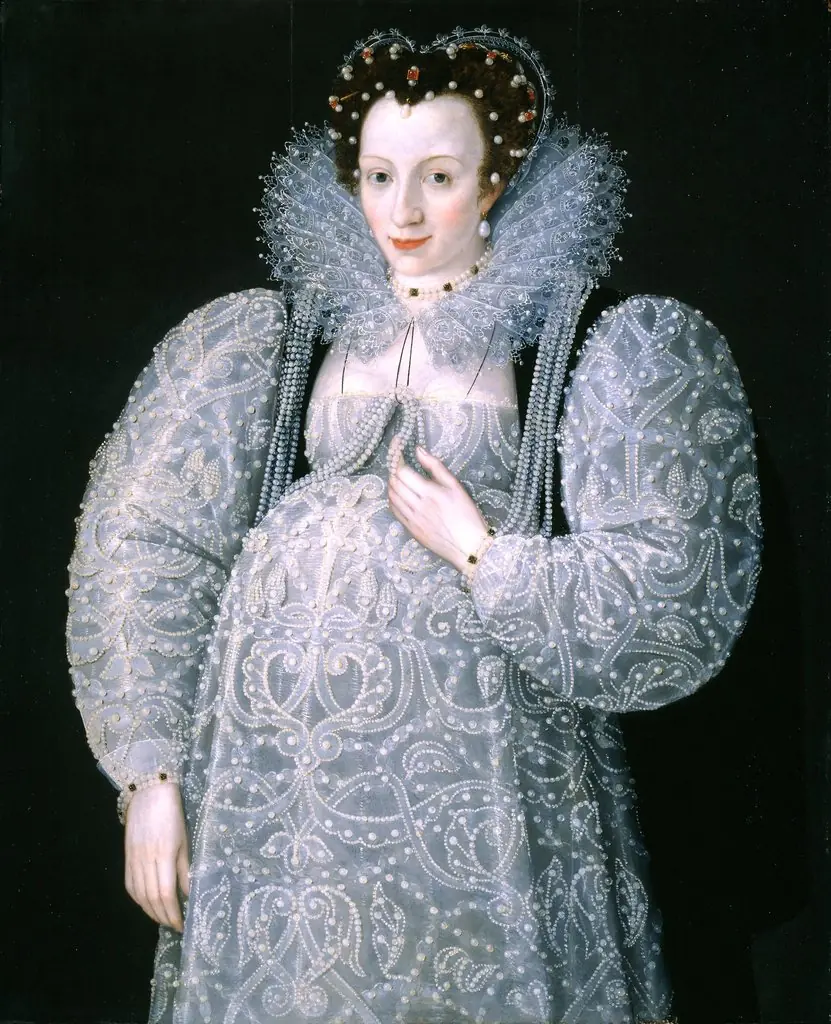
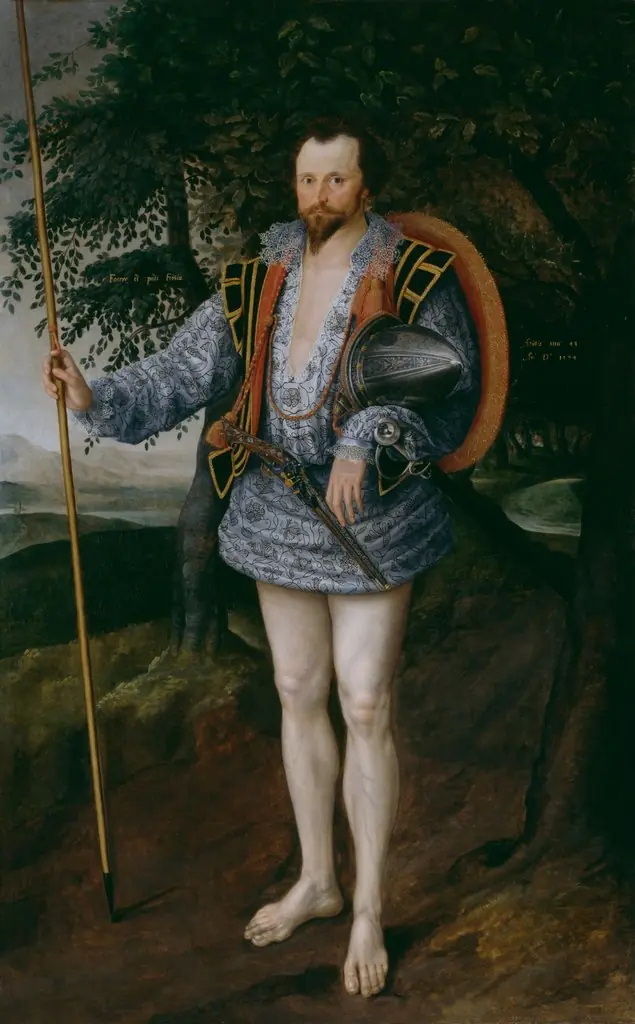
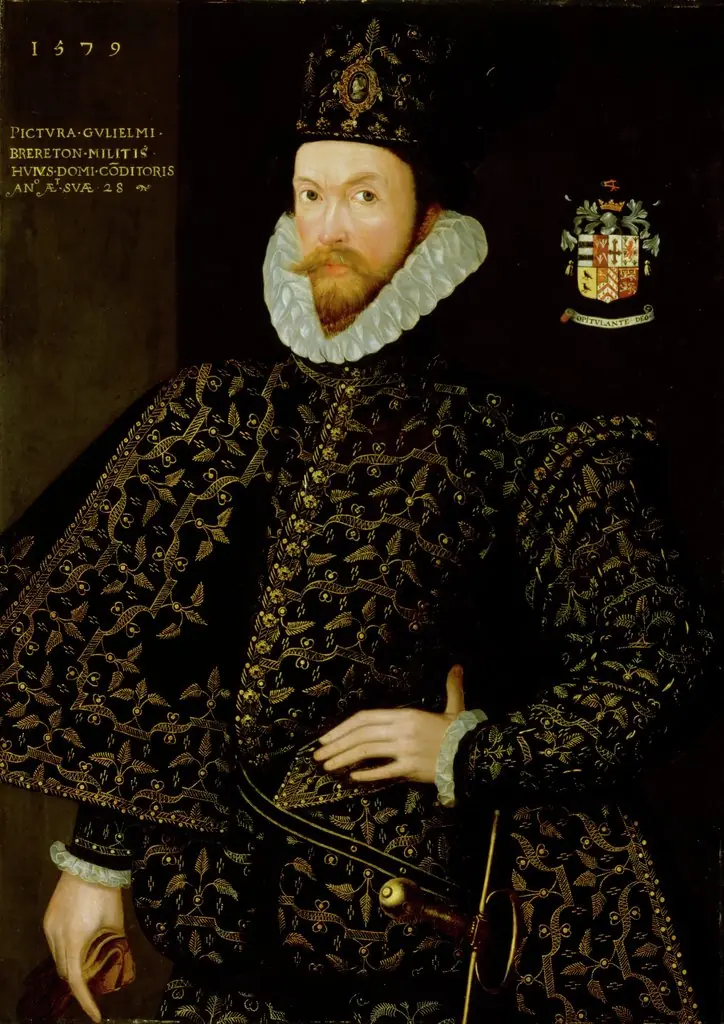
- Sir William Brereton, 1579
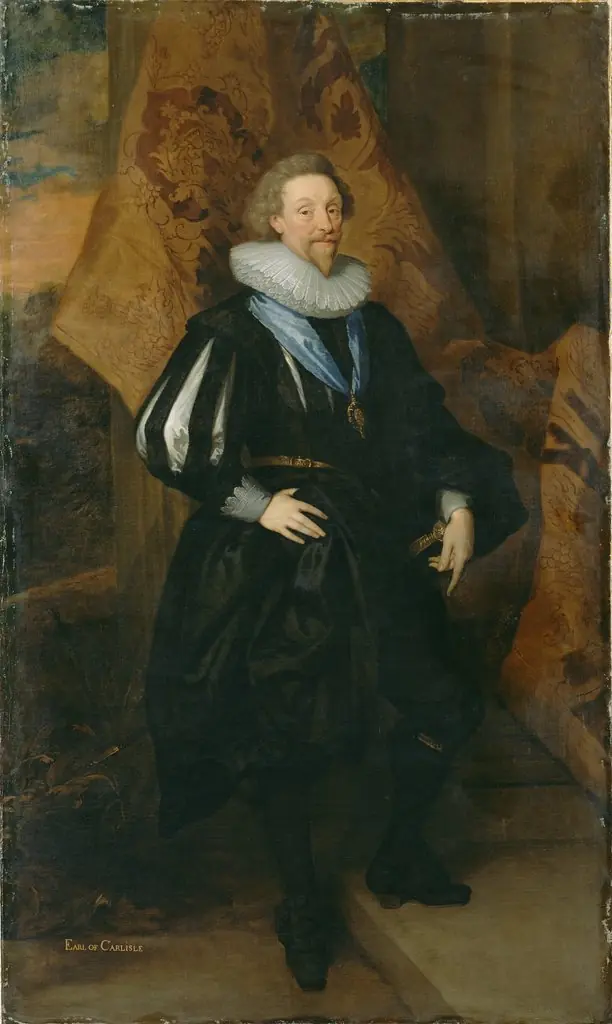 Portrait of James Hay, 1st Earl of Carlisle
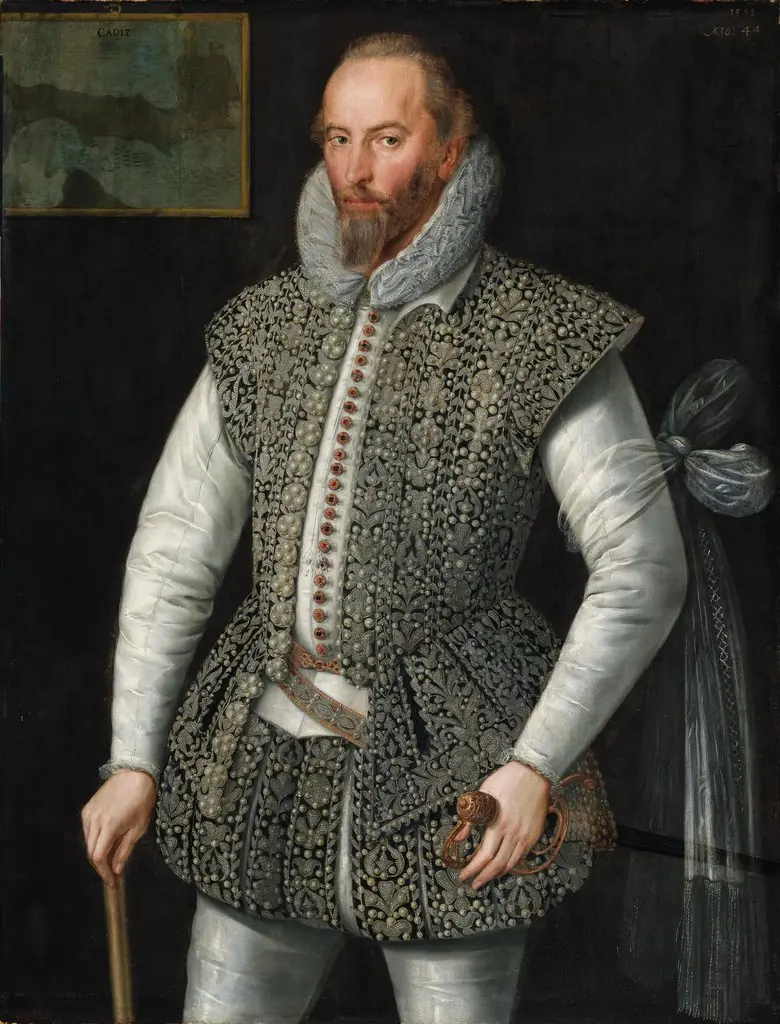 Portrait of Sir Walter Raleigh (1522-1618), Soldier and Historian
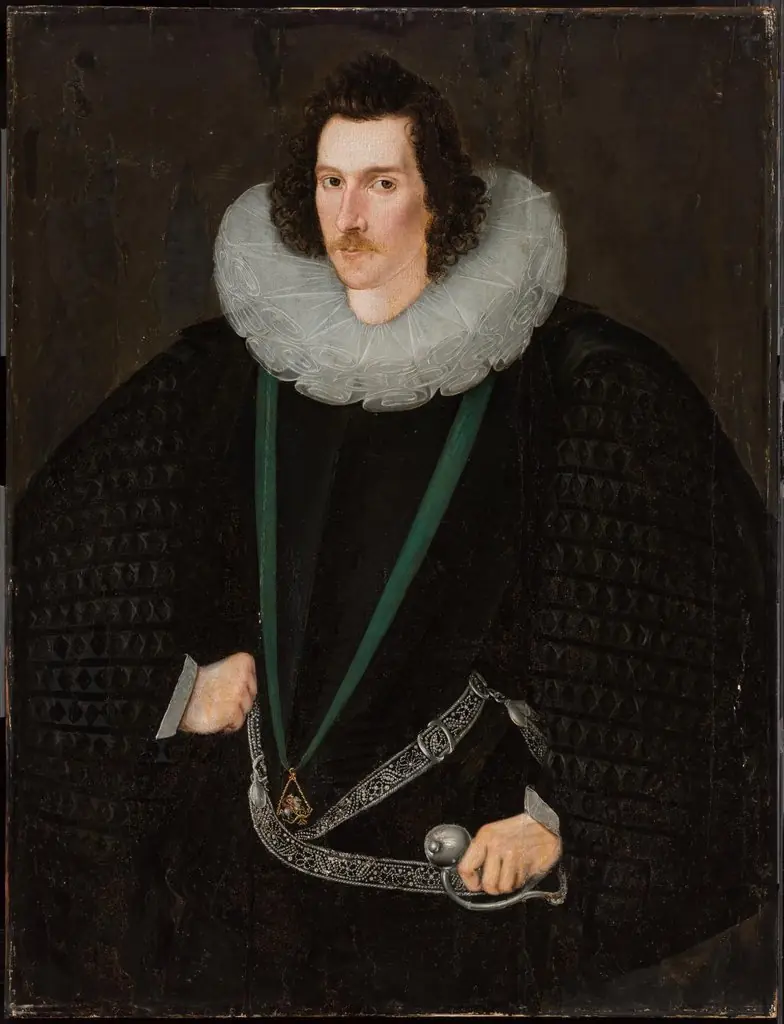 Robert Devereux, 2nd Earl of Essex, as a Knight of the Garter
 Robert Devereux, 2nd Earl of Essex
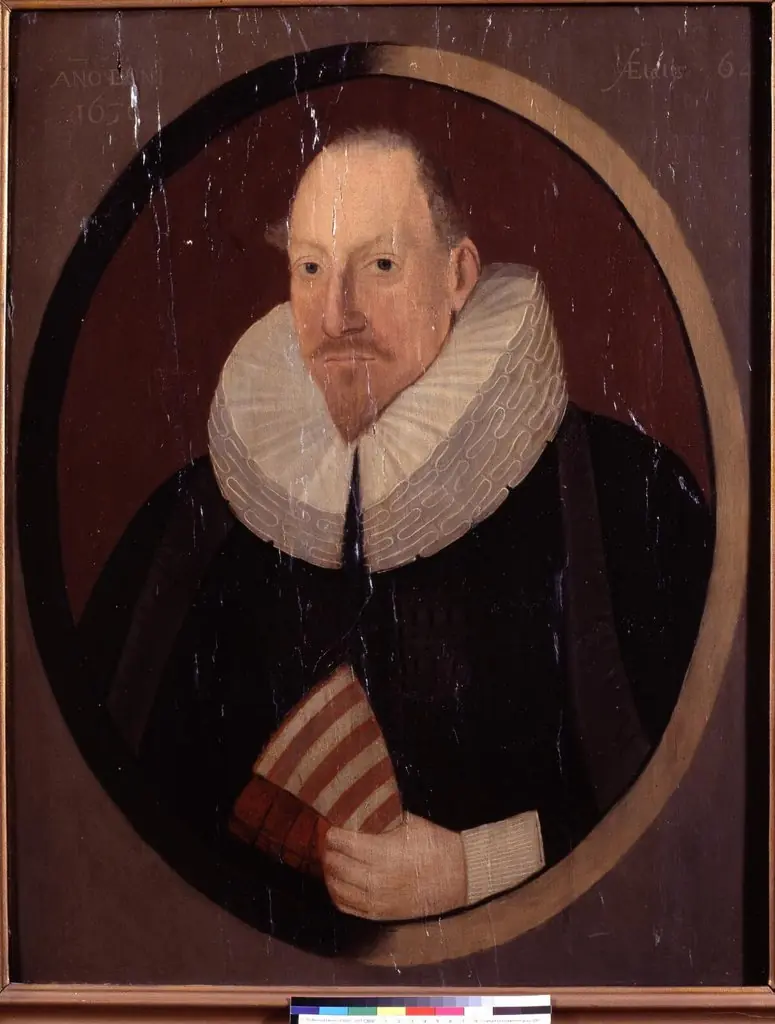 Thomas Thelwall
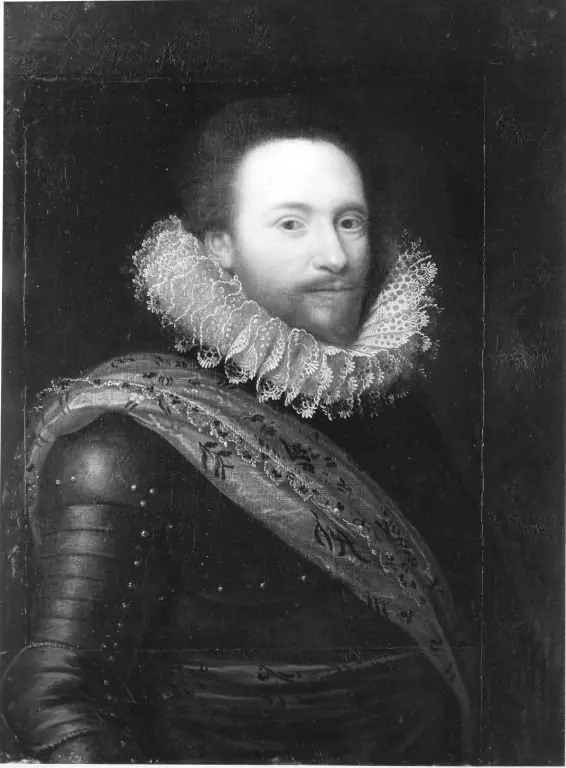 Männliches Bildnis (zugeschrieben)
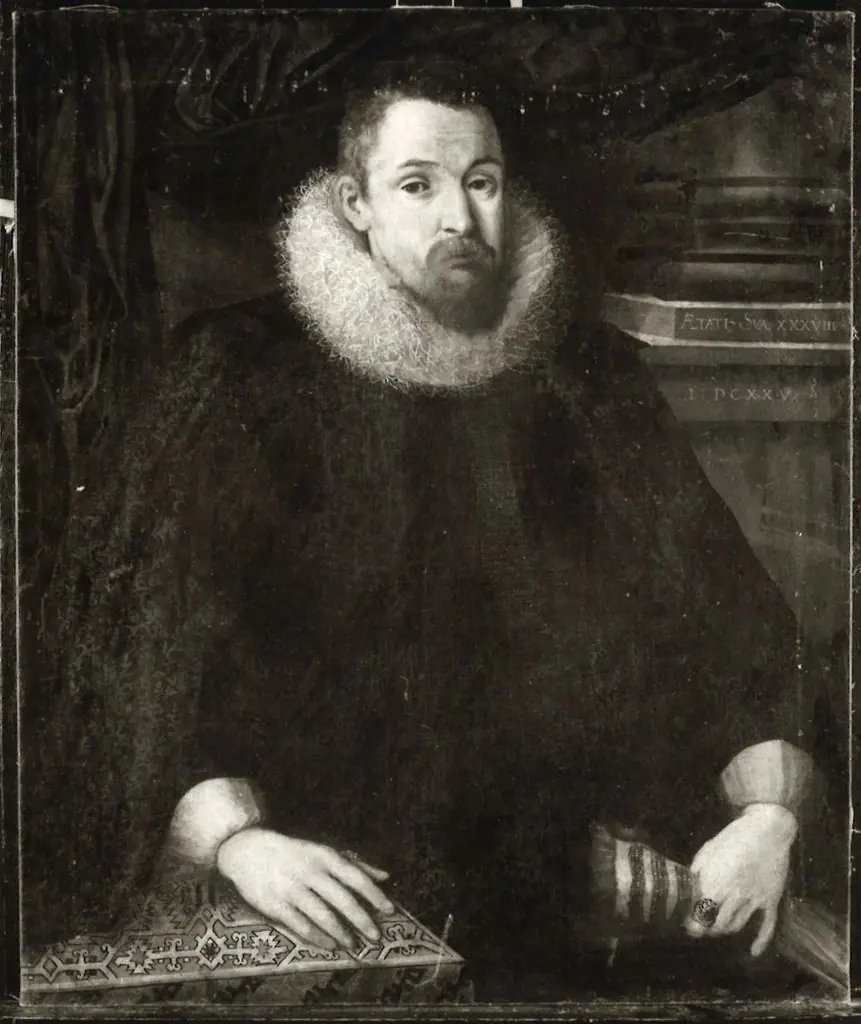 Bildnis eines vornehmen Mannes im Alter von 38 Jahren
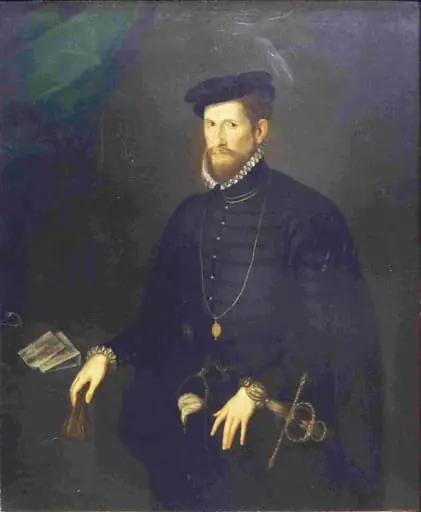 Portretul lui Nicholas Throckmorton
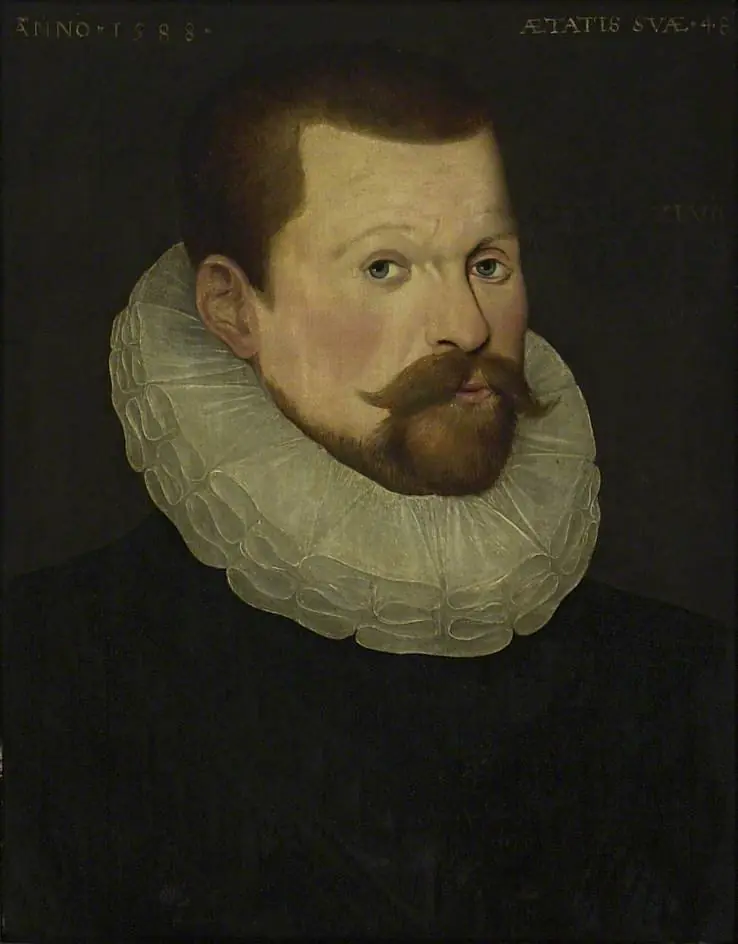 Portrait of a Man, called Sir Francis Drake
 Portrait of a gentleman
 Jacques d'Albon, seigneur de Saint-André (ca. 1505-1562), Marschall von Frankreich