Artwork
Parable of the unjust steward
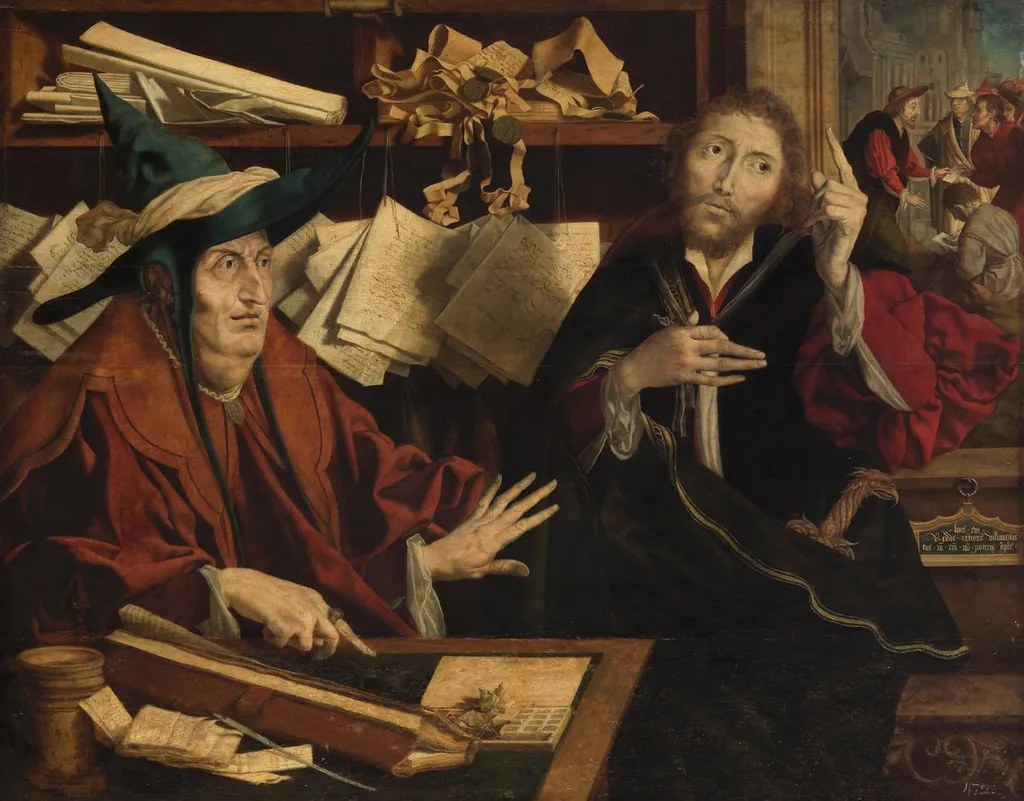
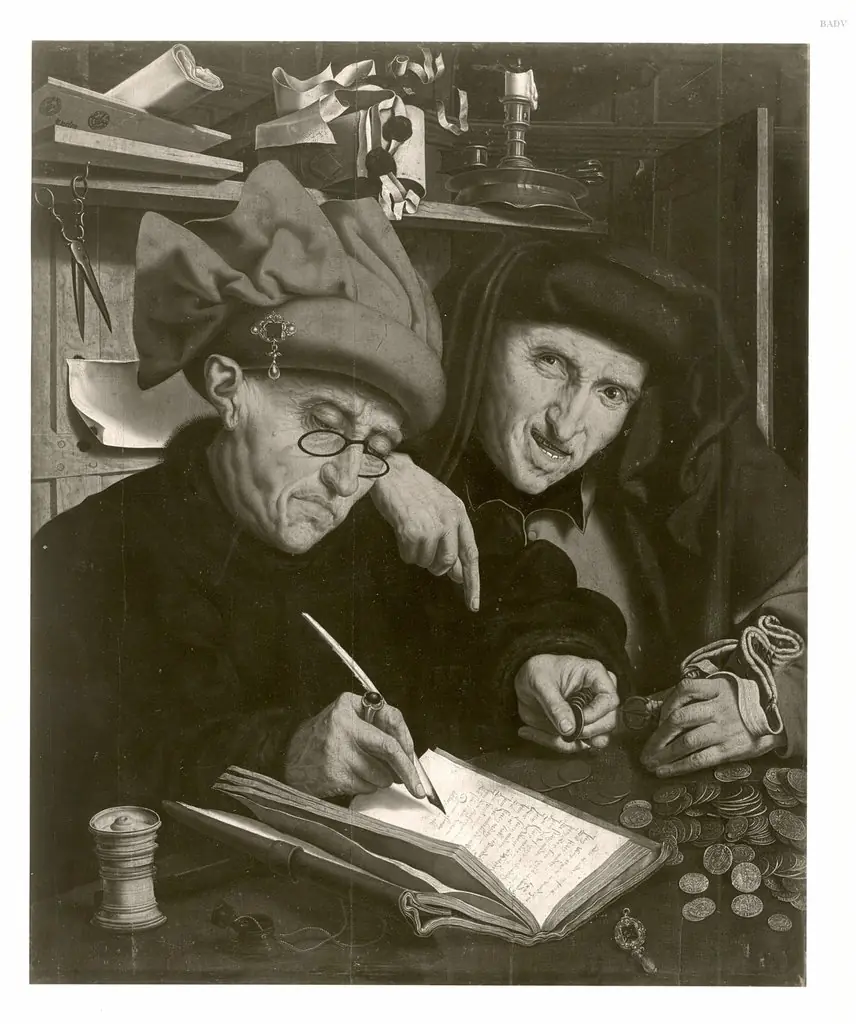
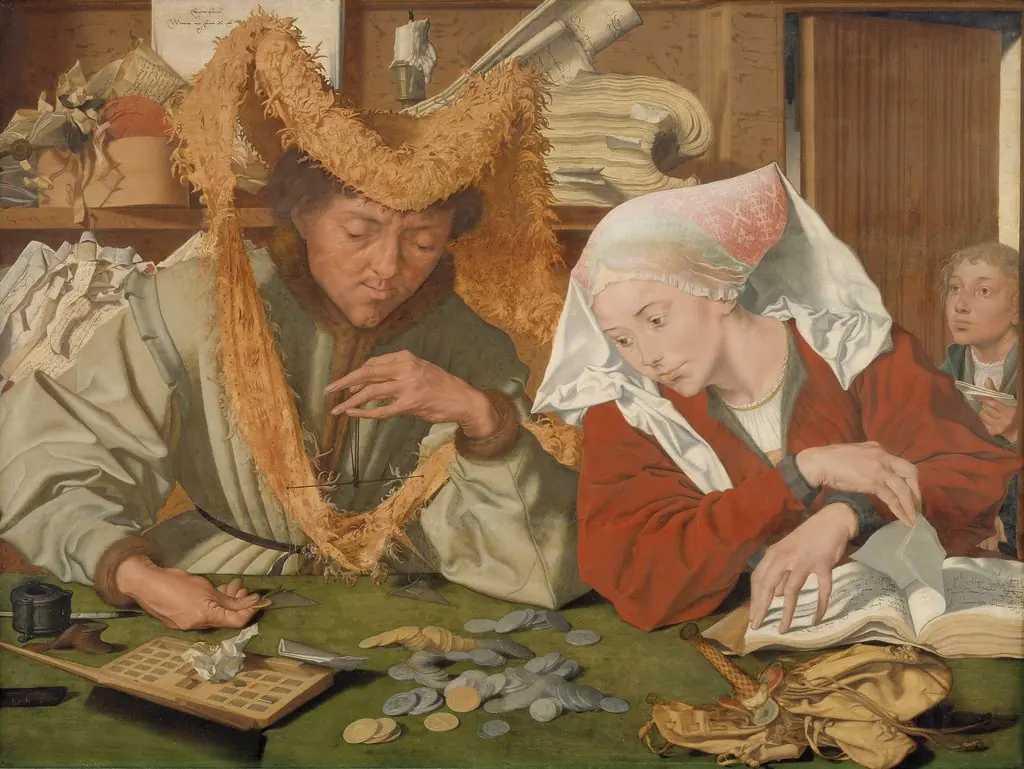
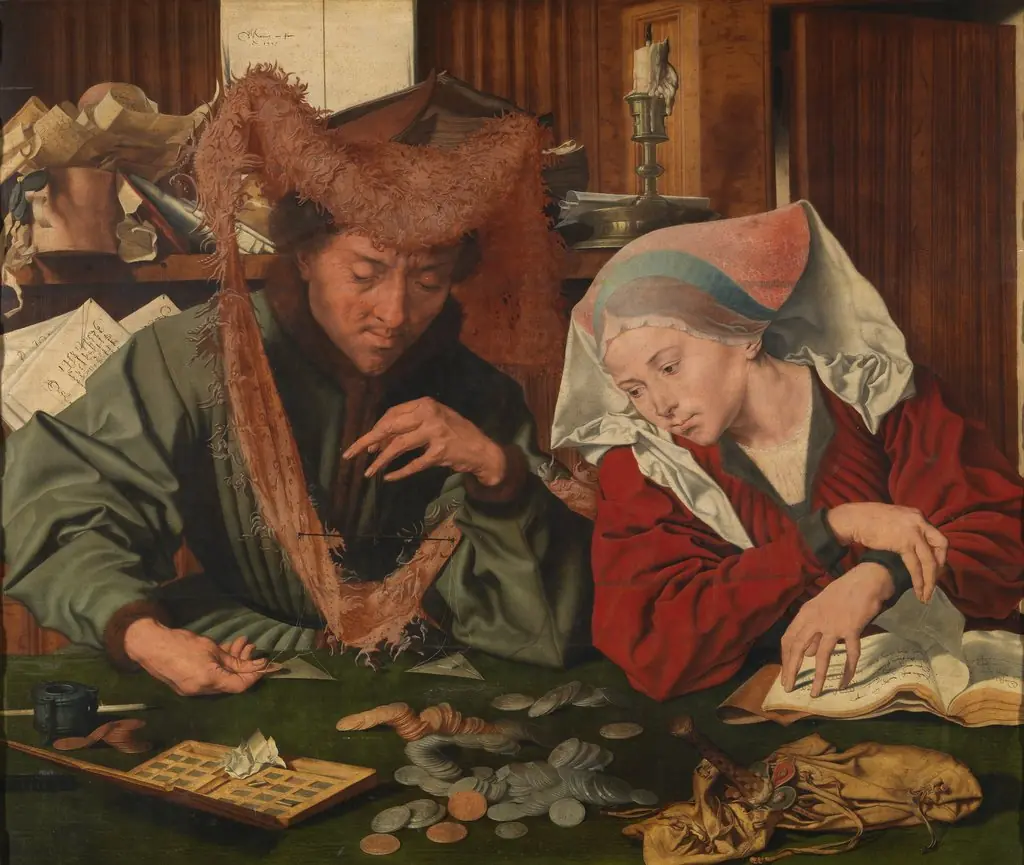
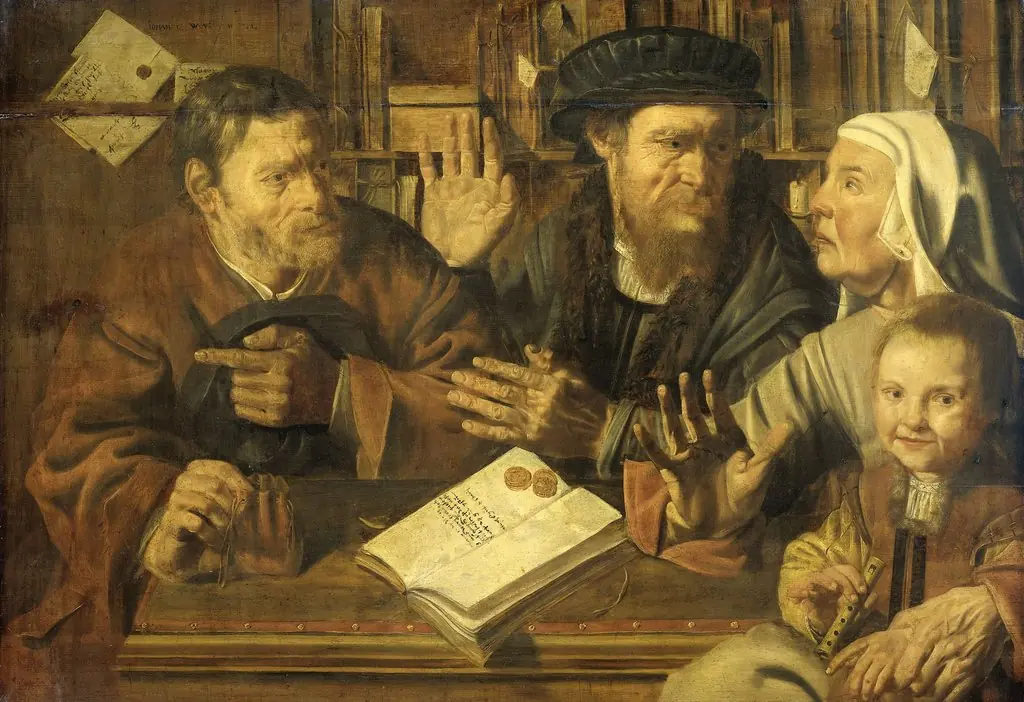
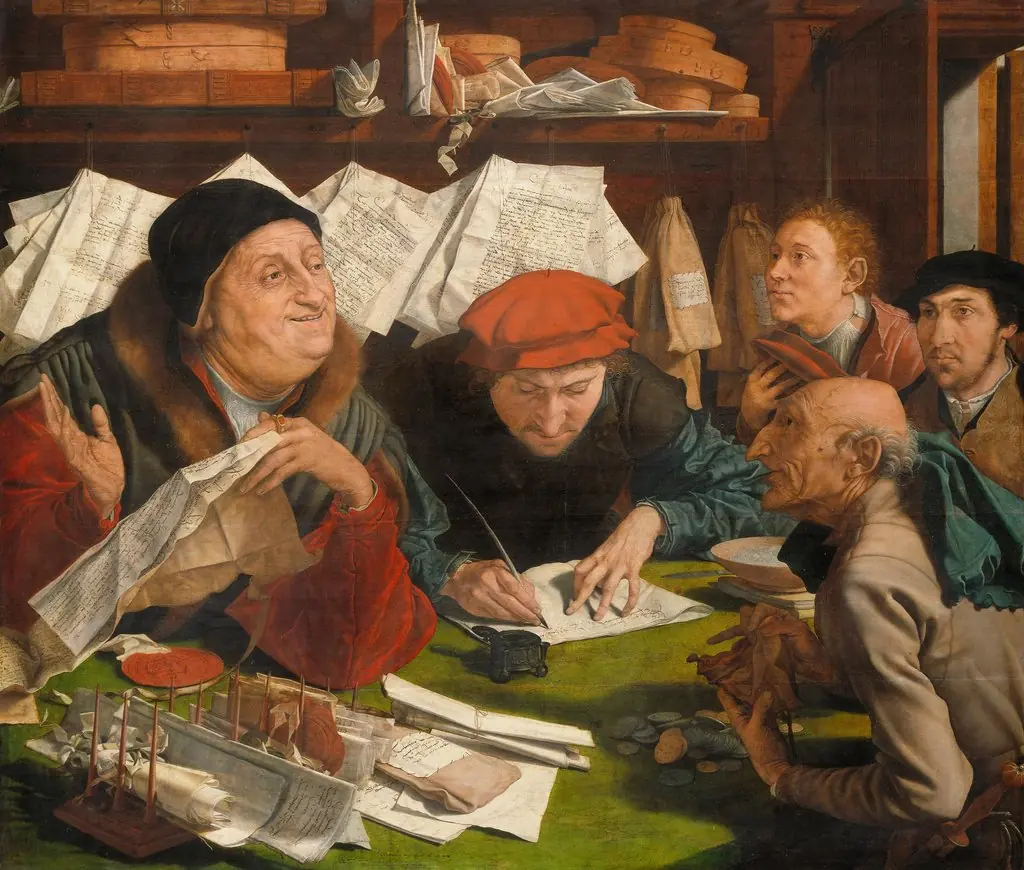
Parable of the unjust steward is an oil painting by the Northern Renaissance artist Marinus van Reymerswaele. It dates from 1540 and is held in the collection of the Kunsthistorisches Museum.
About this work
Subject & Meaning
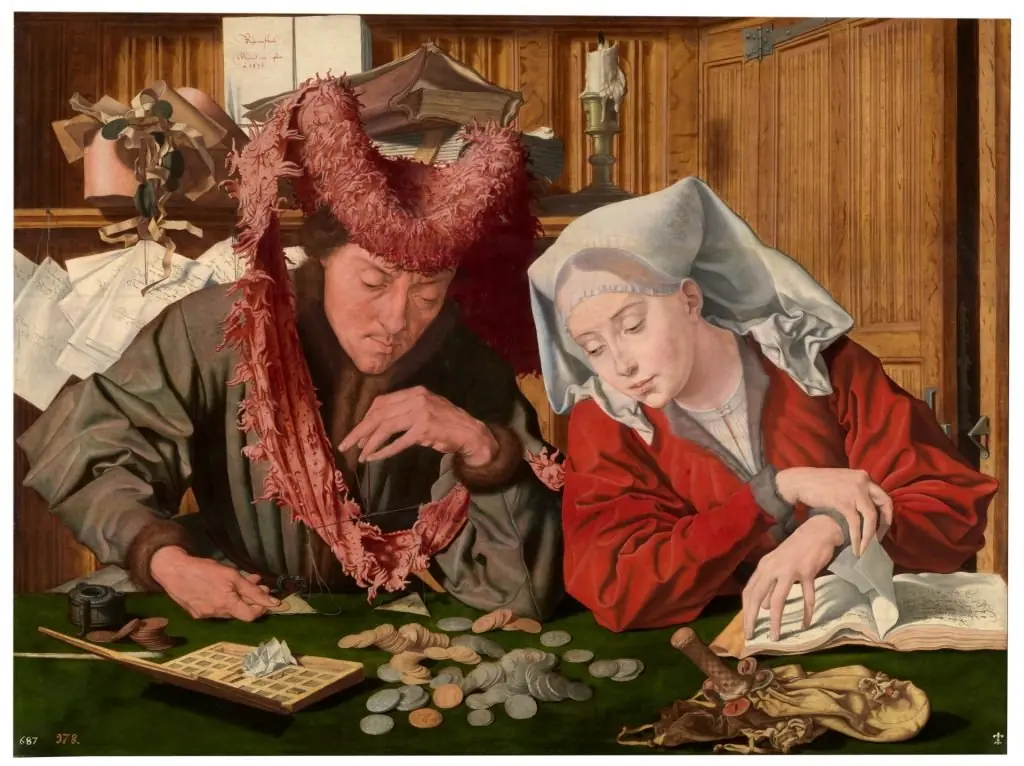
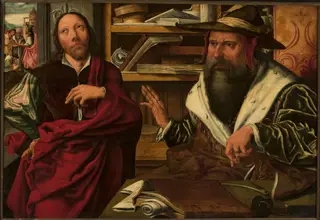
The painting depicts the biblical Parable of the Unjust Steward, a religious narrative centered on a seneschal managing an office or legal setting.
The painting depicts the biblical Parable of the Unjust Steward, a religious narrative centered on a seneschal managing an office or legal setting. Created in 1540 by Marinus van Reymerswaele, the work utilizes the figure of the steward to explore themes of financial administration and moral ambiguity within a religious context. The composition places the steward within a professional environment, likely representing a lawyer's office, to visualize the parable's focus on worldly stewardship and the handling of accounts.
As a work of religious art, the piece serves as a visual exegesis of the scriptural story, emphasizing the tension between earthly duty and spiritual consequence through the detailed portrayal of the central figure in his administrative role.
Technique & Style
Executed in 1540, this religious painting by Marinus van Reymerswaele utilizes oil paint applied to a wooden panel support. The work measures 77 cm in height and 96.5 cm in width. Stylistically, the composition focuses on the Parable of the Unjust Steward, depicting figures identified as a seneschal, an office worker, and a lawyer within an interior setting. The medium and support are characteristic of Netherlandish panel painting traditions of the mid-sixteenth century.
History & Provenance
Parable of the Unjust Steward is attributed to Marinus van Reymerswaele and dated to 1540, executed in oil paint on panel. The work is held in the collection of the Kunsthistorisches Museum in Vienna, where it is catalogued under inventory number GG_962. Both sources confirm its placement within that institution's holdings and its religious subject matter. No further details concerning commission, intermediate ownership, or acquisition history are documented in the available sources.
The painting is held in the Kunsthistorisches Museum, Vienna, where it is inventoried as GG_962.
It has been exhibited in the museum’s holdings of Netherlandish painting; the work appeared in the Kunsthistorisches Museum’s 2019 reinstallation of its Dutch and Flemish galleries, where it remains on permanent display.
Overview
Marinus van Reymerswaele, a Dutch painter of the early sixteenth century, executed the oil painting Parable of the Unjust Steward in 1540. The work belongs to the Northern Renaissance and is part of the collection of the Kunsthistorisches Museum in Vienna. It presents a domestic interior that functions as a visual illustration of a biblical parable.
Context
During the mid‑sixteenth century, Northern European painters often combined devotional subjects with everyday settings, making biblical narratives accessible to a mercantile audience. Van Reymerswaele’s focus on a legal office mirrors contemporary concerns about trade, credit, and moral responsibility, situating the painting within the broader cultural discourse of the Reformation era.
Artist & collection
Artist
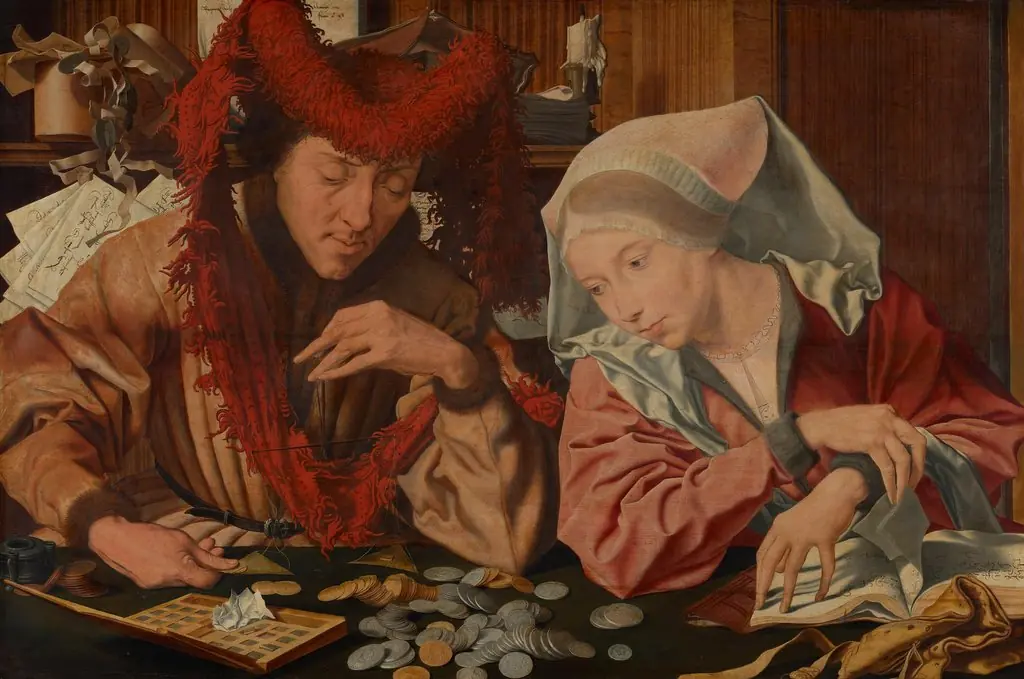
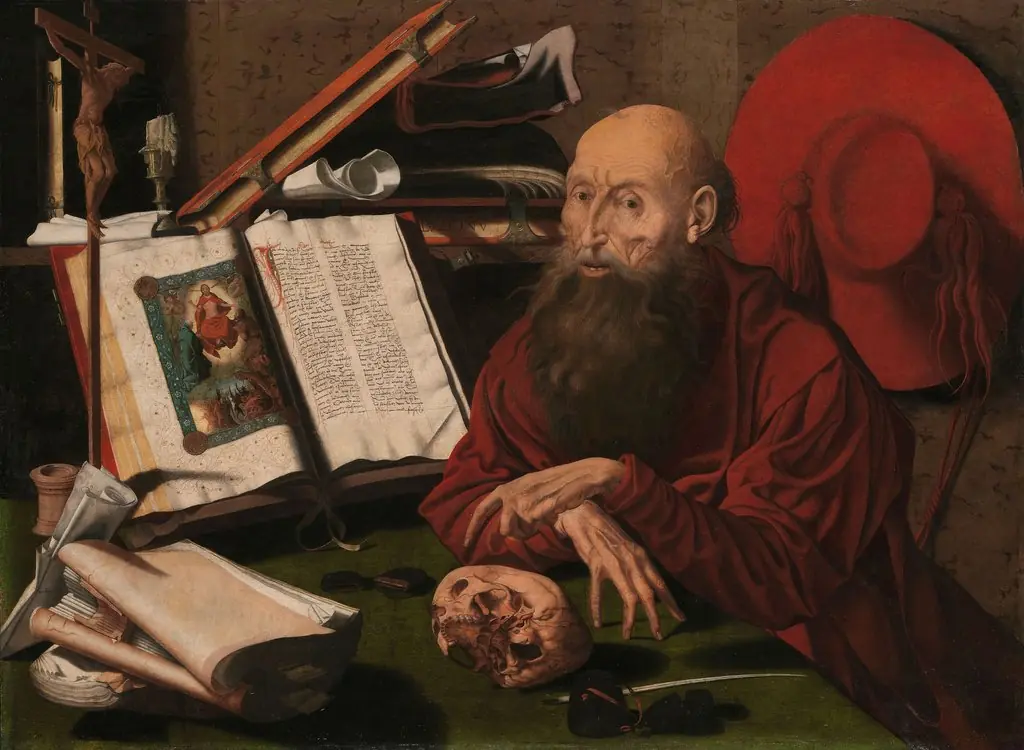
Marinus van Reymerswaele or Marinus van Reymerswale (c. 1490 – c. 1546) was a Dutch Renaissance painter mainly known for his genre scenes and religious compositions. After studying in Leuven and training and working as…