Artwork
City wall in India
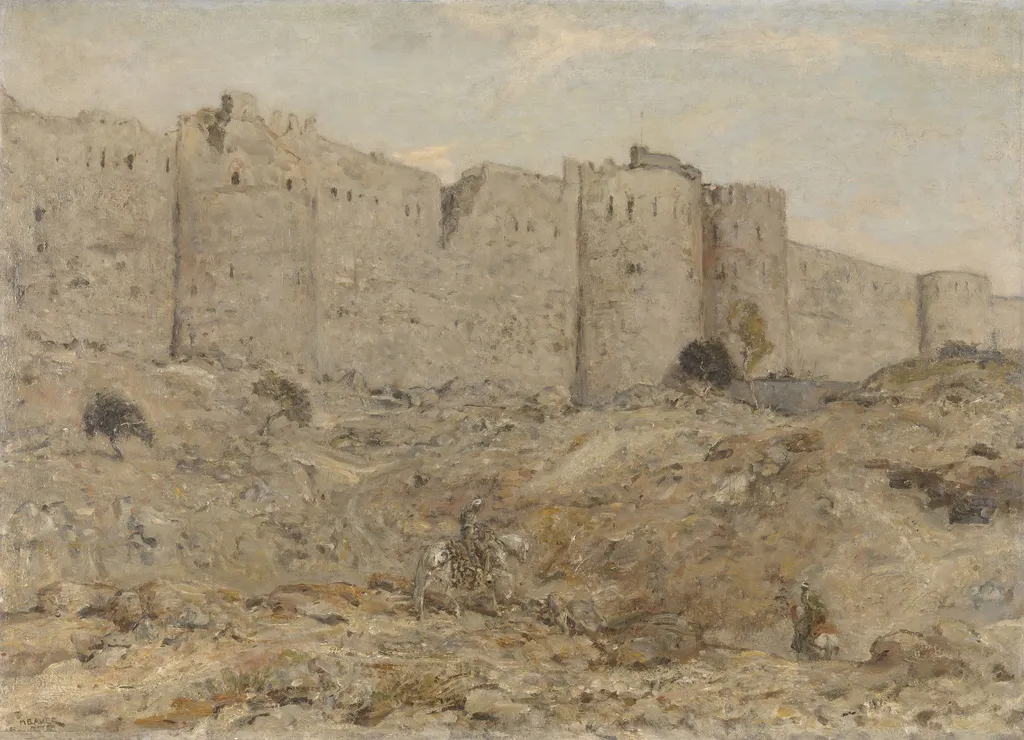
City wall in India is an oil painting by the Orientalist artist Marius Bauer. It dates from 1900 and is held in the collection of the Rijksmuseum.
About this work
Subject & Meaning
Through this view, Bauer’s Orientalist lens captures the fort’s enduring presence, inviting contemplation of its historical significance.
The painting depicts Purana Qila, the historic fort in Delhi, focusing on its imposing city walls. As a landscape work, it presents the fortified ramparts against the surrounding terrain, highlighting the monument’s architectural mass.
The fortified walls convey a sense of timeless strength and serve as a visual symbol of India’s layered Mughal heritage. Through this view, Bauer’s Orientalist lens captures the fort’s enduring presence, inviting contemplation of its historical significance.
Technique & Style
Mari us Bauer created City wall in India in 1899 using oil paint applied to a canvas support. The work is classified as a landscape painting and depicts the Purana Qila. The canvas measures 50 cm in height and 69 cm in width. The piece is currently held in the collection of the Rijksmuseum.
History & Provenance
Marius Bauer created the oil painting City wall in India in 1899. Executed on canvas, the work depicts the Purana Qila, a historic fortress located in India. The painting measures 50 cm in height and 69 cm in width.
It is currently held in the collection of the Rijksmuseum, where it remains preserved as part of their landscape painting holdings.
The painting City wall in India is held in the collection of the Rijksmuseum. The work was created in 1899 and depicts the Purana Qila. Specific inventory or accession numbers are not provided in the available records. No exhibition history is documented in the provided sources.
Overview
Created in 1900 by Dutch artist Marius Bauer, this oil painting presents a weathered stone fortification that aligns with the historic Purana Qila in Delhi. The composition emphasizes the texture of crumbling masonry and the sparse, uneven terrain surrounding it, rendered in muted browns and grays that convey an aged, desolate atmosphere.
Context
City wall in India belongs to the broader Orientalist movement, a trend in which European painters depicted scenes from the Middle East, North Africa, and Asia, often relying on travel photographs as visual sources. Bauer, like many of his contemporaries, consulted images taken by photographers such as Félix Bonfils to inform his compositions, merging documentary detail with artistic interpretation.
Own this work as a print
Artist & collection
Artist
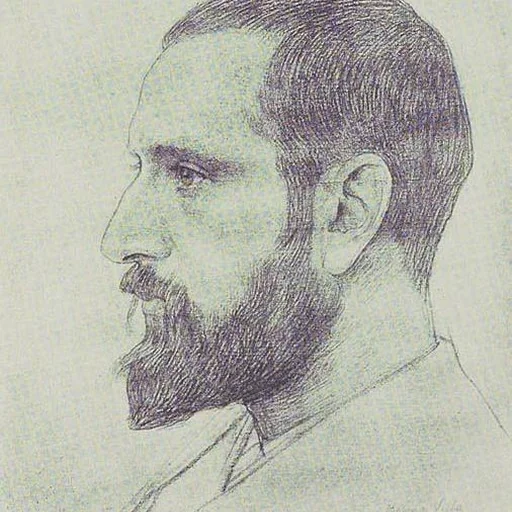
Marius Alexander Jacques Bauer (25 January 1867 – 18 July 1932) was a Dutch painter, etcher and lithographer, best known for his Oriental scenes.

- Bridge near Toledo
 Remains of the Ancient Temple of Jerusalem
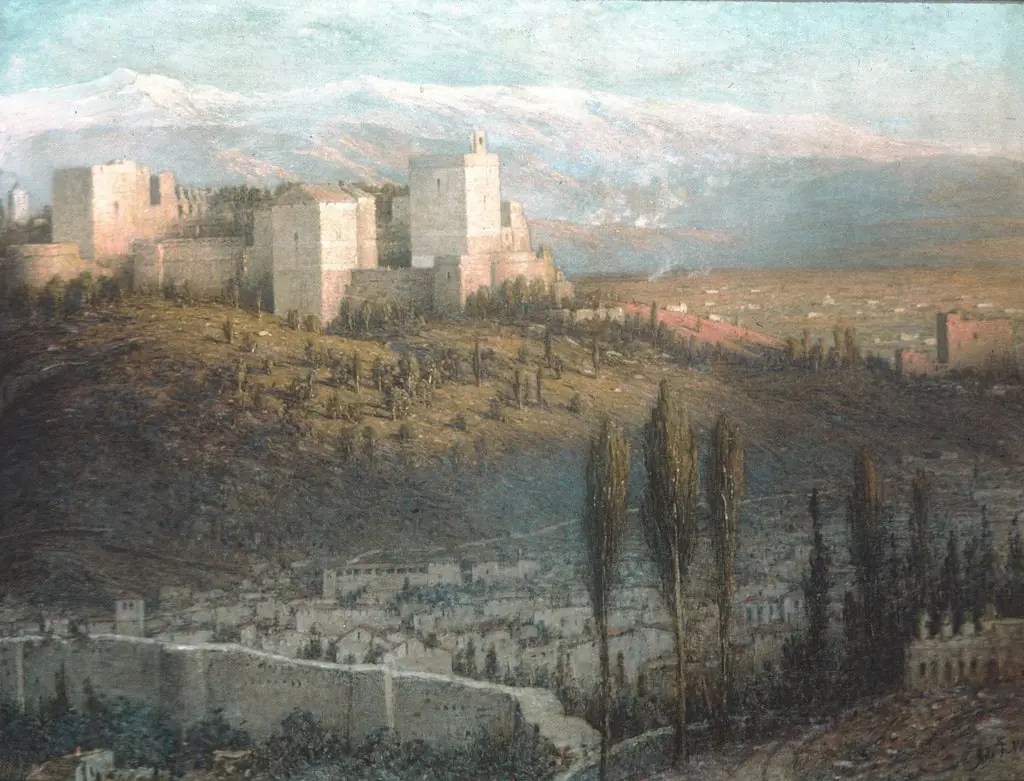 The Alhambra, Granada, Spain
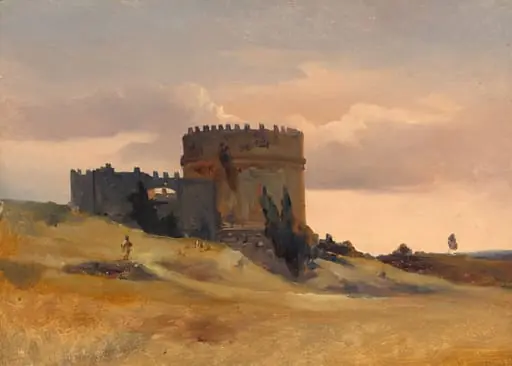 The Tomb of Caecilia Metella
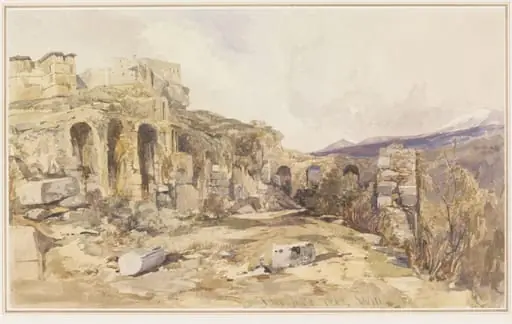 Tlos
Tlos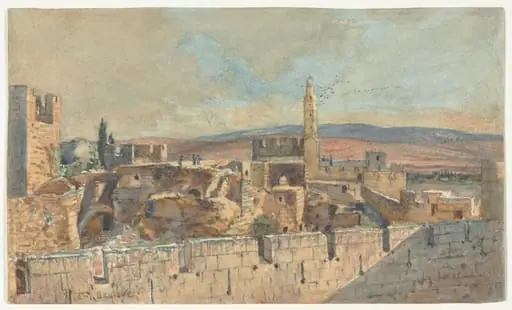 View of the Old City of Jerusalem
 Landscape with Rock and Fortress
 Landscape with Rock and Fortress
 Spain (Elche)
 The Alcazar of Carmona, Andalusia
 Château-Gaillard at Sunset
 Greeks Working in the ruins of the Acropolis