Artwork
Approaching Thunder Storm
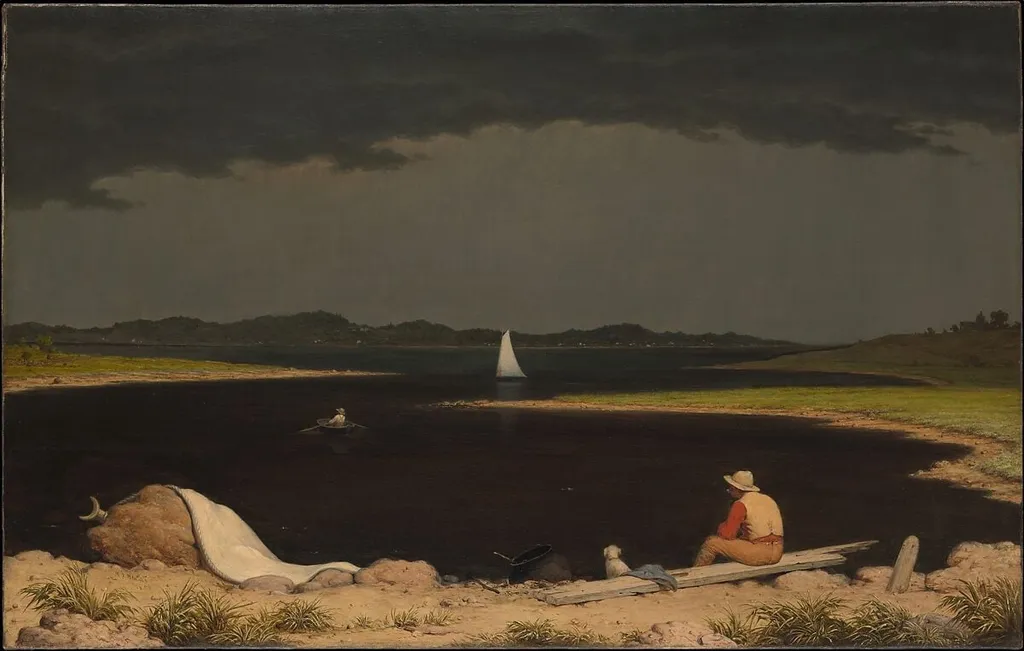
Approaching Thunder Storm is an oil painting by the Hudson River School artist Martin Johnson Heade. It dates from 1859 and is held in the collection of the Metropolitan Museum of Art.
About this work
Black clouds mass over Narragansett Bay as a man sits on a plank with his dog, watching a white sailboat drift between the shores. Martin Johnson Heade painted this prelude to a storm in 1859 after sketching a real tempest near Prudence Island, Rhode Island. An unnatural light glows in the foreground against the darkening water.
Subject & Meaning
In the foreground, a fisherman sits on the shore with his dog, an iron kettle, and a spread sail, facing the darkening sky and a faint red bolt of lightning.
The painting depicts a coastal scene on Narragansett Bay, Rhode Island, moments before a storm. In the foreground, a fisherman sits on the shore with his dog, an iron kettle, and a spread sail, facing the darkening sky and a faint red bolt of lightning. Another fisherman rows toward land, having left his sailboat in the bay.
The composition emphasizes an ominous, expectant mood through blackening clouds and eerily illuminated terrain. Art historians have connected this impending storm to the mounting national tensions preceding the American Civil War, reading the painting as a metaphor for political crisis. Heade's deliberate simplification, open space, strong horizontal bands, and stark contrasts, creates a monumental, serious atmosphere that reinforces the work's symbolic weight as a commentary on a nation bracing for conflict.
Technique & Style
Painted in oil on canvas (71.1 × 111.8 cm), the work demonstrates Heade's characteristic handling through numerous pentimenti, including original larger, jagged hills on the horizon, indicating ongoing compositional adjustments. The formal composition is markedly open, employing a wide-angle perspective and an expansive, low horizon line influenced by Frederic Edwin Church. Heade juxtaposes broad swaths of dark, elemental color, deep brown-black water, gray sky, and pale green coastal strips, creating strong tonal contrasts.
This deliberate simplicity and monumental stillness, achieved through sparse foreground detail and a nearly empty central space, departs from conventional Hudson River School landscape painting, emphasizing the tense atmospheric mood rather than narrative incident.
History & Provenance
Martin Johnson Heade painted Approaching Thunder Storm in 1859, basing it on a sketch he made of an approaching storm on Narragansett Bay, Rhode Island, likely around 1858. The work is his largest painting to date and is signed and dated 'M. J. Heade / 1859' in the lower left. Numerous pentimenti reveal that Heade altered the composition over time, including originally larger and more jagged hills on the horizon.
The painting was exhibited at the National Academy of Design in 1860. In 1868, Heade painted a similar composition, Thunder Storm on Narragansett Bay. The artwork is now in the collection of the Metropolitan Museum of Art. No commission details are documented.
Context
Art historians situate Approaching Thunder Storm within the Luminist branch of the Hudson River School, though Heade was a peripheral figure who favored prosaic coastal and marsh scenes over pristine wilderness. Diana J. Strazdes argued that the painting exemplifies Heade's attempt to inject a 'serious, monumental simplicity' into his art by refusing to prettify the landscape. Critics have linked the tense, pre-storm atmosphere to the mounting national anxieties preceding the Civil War.
The composition's expansive horizon shows the influence of Frederic Edwin Church, with whom Heade shared a studio. Exhibited at the National Academy of Design in 1860, the work established a then-unprecedented scale for the artist and later informed his 1868 Thunder Storm on Narragansett Bay.
Legacy
Approaching Thunder Storm has been praised for its dramatic mood and often linked to pre-Civil War tensions in the United States, securing its reputation as a key work within the Luminist tradition. The painting directly influenced Heade’s own later practice: in 1868 he painted Thunder Storm on Narragansett Bay, a more streamlined composition based on this earlier work. Housed in the Metropolitan Museum of Art, the painting remains a celebrated example of American landscape painting and continues to be studied for its innovative use of color and composition.
Overview
Martin Johnson Heade's 1859 oil painting, Approaching Thunder Storm, captures the intense moments preceding a tempest. This canvas, which was the artist's largest work at the time, is now part of the Metropolitan Museum of Art's collection. It presents a dramatic portrayal of nature's power, characterized by dark, ominous skies and an unnaturally bright foreground, creating a sense of impending change and tension.
Artist & collection

Artist
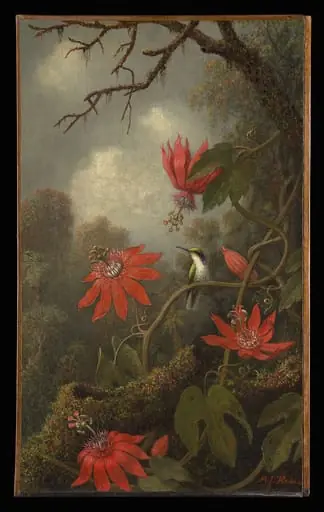
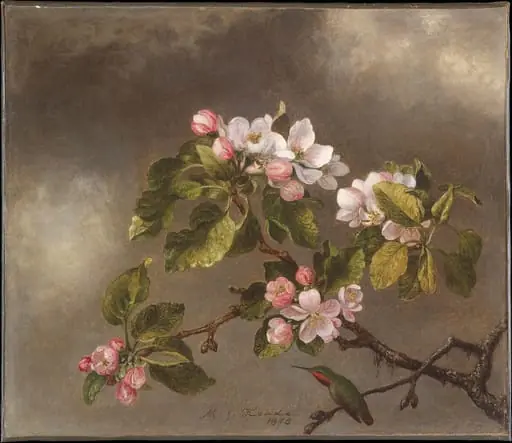
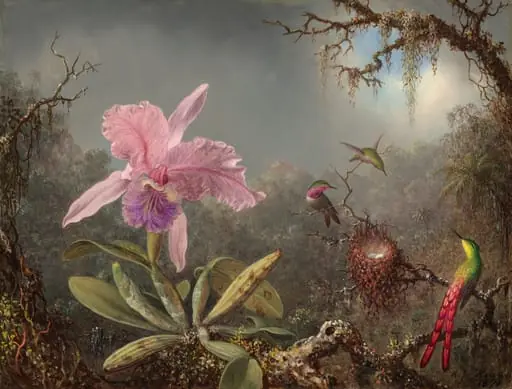
Martin Johnson Heade (August 11, 1819 – September 4, 1904) was an American painter known for his salt marsh landscapes, seascapes, and depictions of hummingbirds, often depicted with orchids, as well as lotus blossoms and other still lifes.


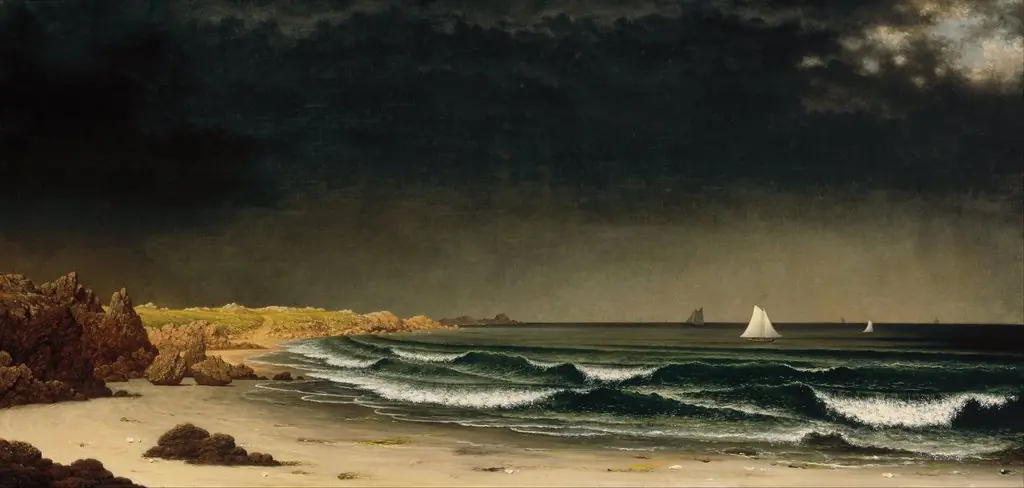 Approaching Storm: Beach near Newport
 York Harbor, Coast of Maine
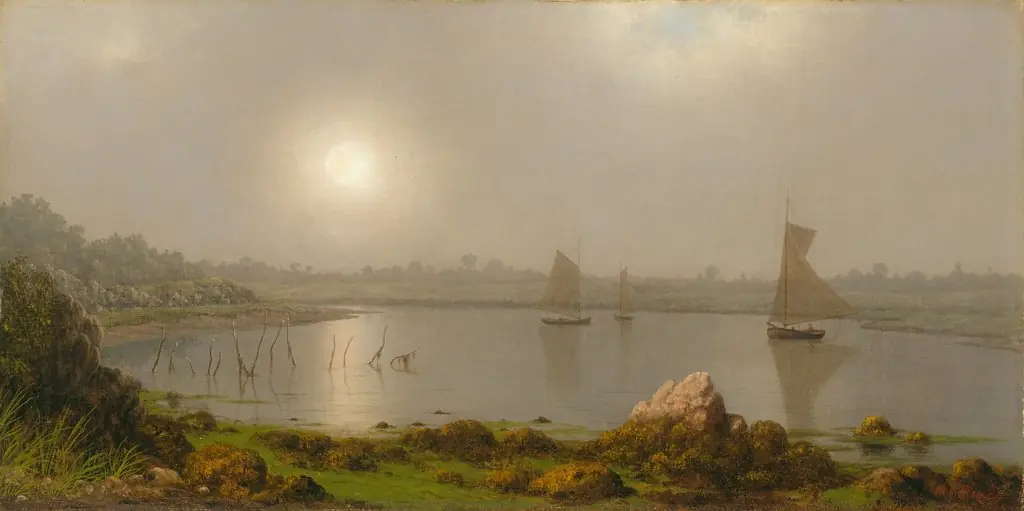 York Harbor, Coast of Maine
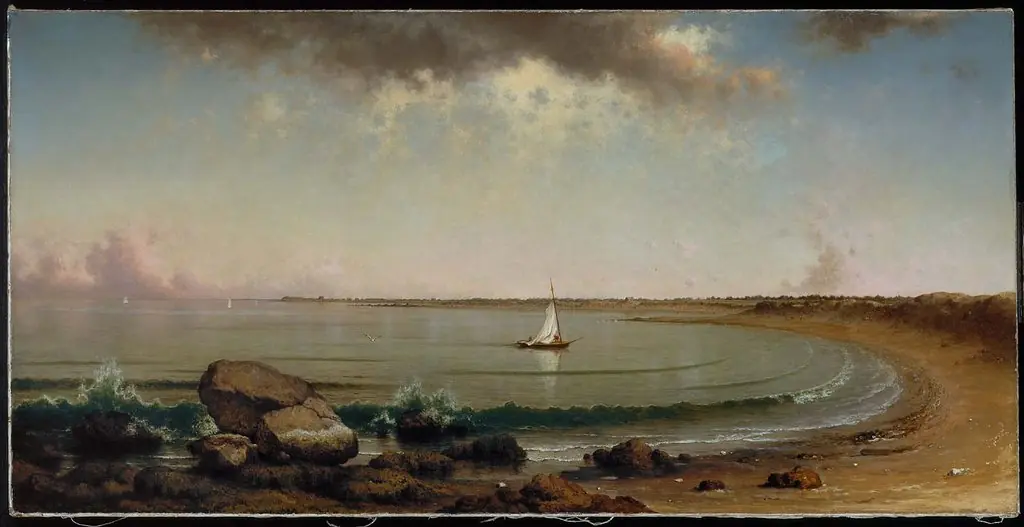 Shore Scene: Point Judith
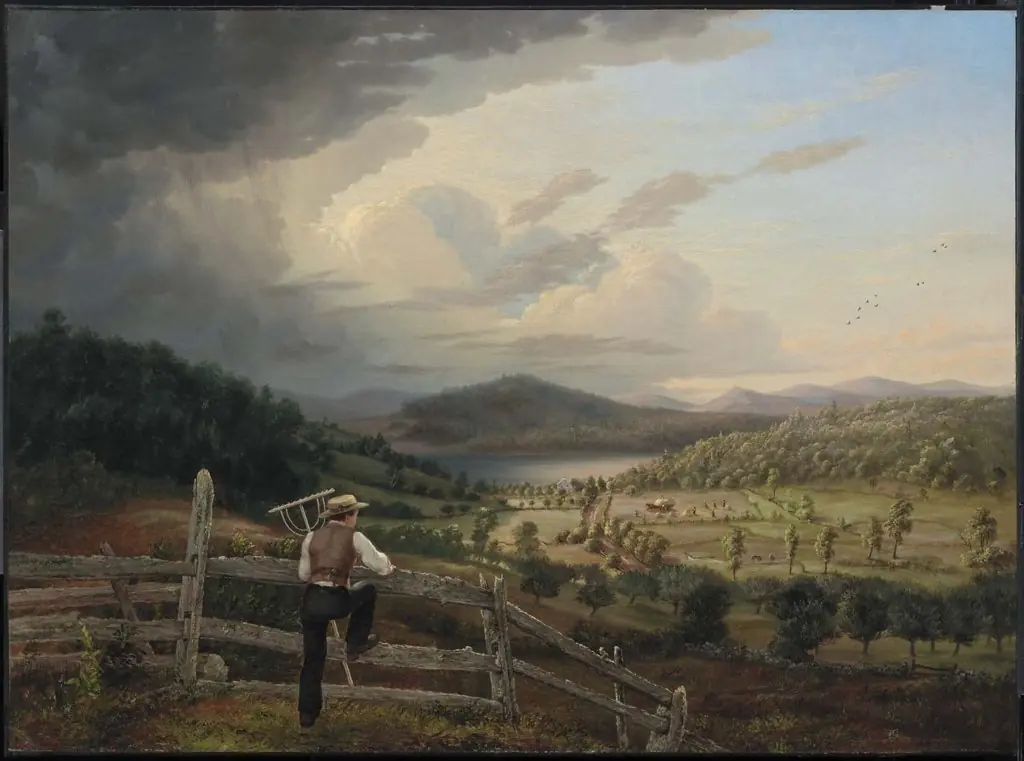 Haying at Lapham's Farm, Auburn, Maine
 Suomalainen järvimaisema
 Sailing Boats in Guldborg Sound
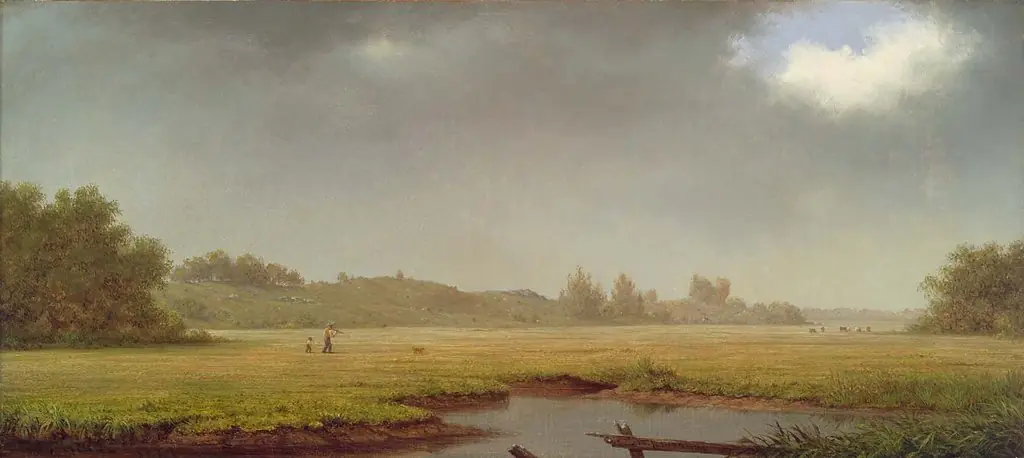 Cloudy Day, Rhode Island
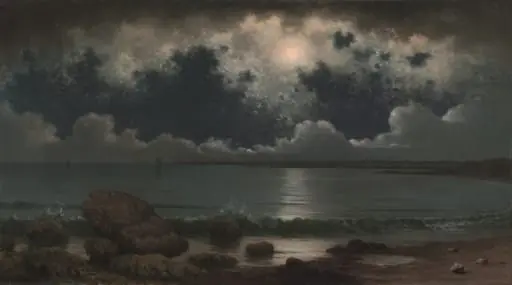 Point Judith, Rhode Island
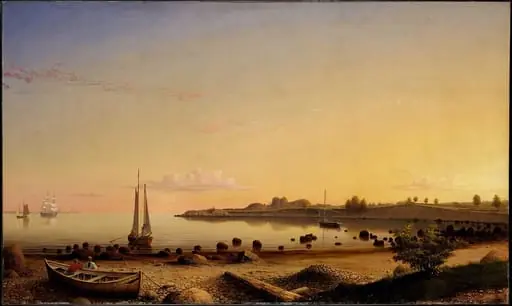 Stage Fort across Gloucester Harbor
- Rising of a Thunderstorm at Sea