Artwork
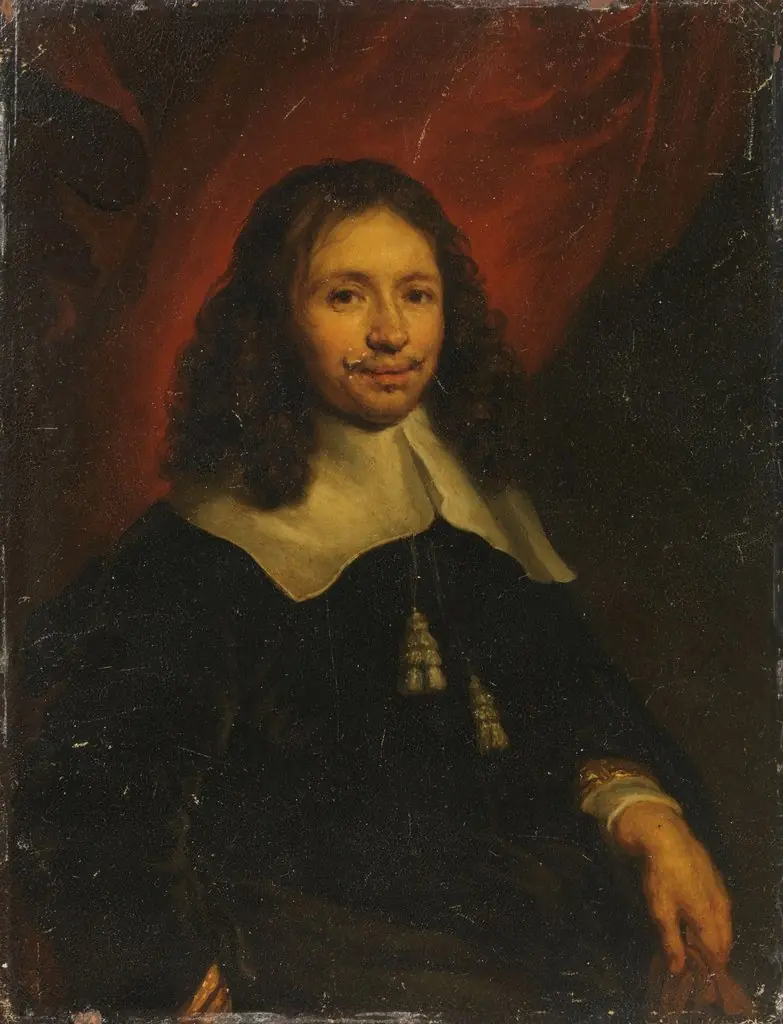
Self-Portrait
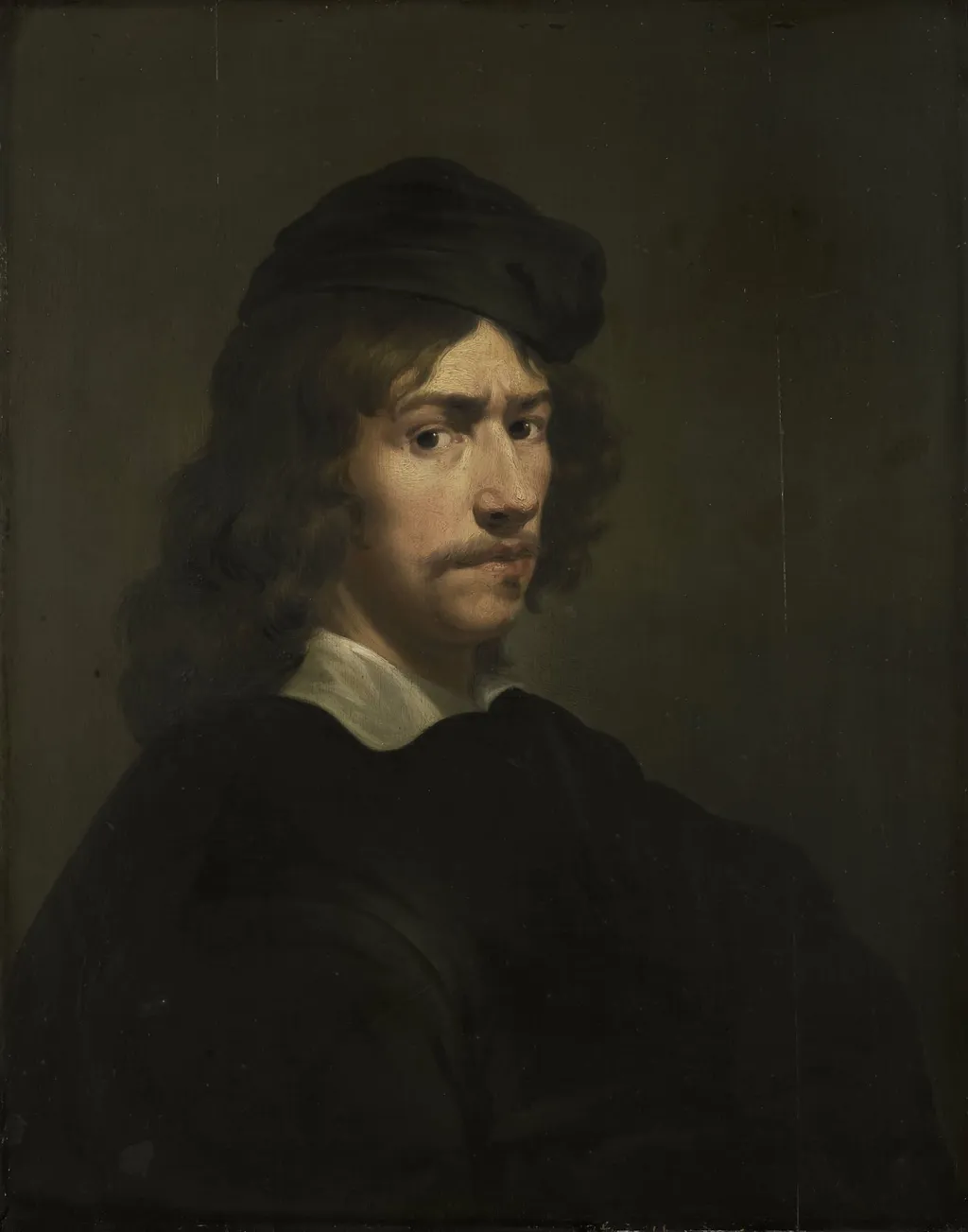
Self-Portrait is an unspecified painting by the Dutch Golden Age artist Martin Mytens. It dates from 1703 and is held in the collection of the Rijksmuseum. The work is a small-scale portrait presenting a male sitter in three‑quarter view, his bust turned toward the right.
About this work
Subject & Meaning
The self-portrait reflects the artist's status as a court painter in Stockholm and his integration into Northern European artistic circles.
The self-portrait reflects the artist's status as a court painter in Stockholm and his integration into Northern European artistic circles. Depicted in fine attire against a restrained background, the work emphasizes his professional identity rather than personal expression. Symbolically, the meticulous rendering of clothing and accessories aligns with 17th-century portrait conventions that conveyed status and refinement among elite sitters. The painting's unsigned nature and frequent confusion with contemporaries like David Klöcker Ehrenstrahl underscore the challenges of attribution in a competitive court art market. Its later reevaluation in the 19th century, particularly by Nils Arfwidsson, marked a shift from contemporary criticism labeling him an 'old paint-spoiler' to recognition of his role in shaping Swedish art collecting and artistic networks.
Context
Martin Mytens the Elder, a Dutch-Swedish painter from a prominent artistic dynasty, initially produced works considered simple compared to the dominant style of David Klöcker Ehrenstrahl, the leading court portraitist of his time. To compete, Mytens adopted a more colorful and dramatic approach, though critics later argued this came at the expense of character. His legacy suffered immediately after his death in 1736; Swedish diplomat Carl Gustaf Tessin harshly dismissed him as an "old paint-spoiler," leading to the artist being largely forgotten for over a century. Many of his unsigned paintings were historically misattributed to Ehrenstrahl or his nephew David von Krafft due to stylistic similarities. Mytens's reputation was not rehabilitated until 1841, when literary and art critic Nils Arfwidsson reevaluated his contribution in the magazine *Frey*, marking a turning point in modern scholarship regarding his role in Swedish art history.
Legacy
Following Martin Mytens the Elder's death in 1736, his reputation suffered a sharp decline characterized by harsh posthumous criticism. Swedish diplomat Carl Gustaf Tessin famously dismissed him as an "old paint-spoiler" (färgskämmare), and the artist was largely forgotten by the art world for over a century. This period of obscurity ended in 1841 when literary and art critic Nils Arfwidsson reevaluated his contributions in the magazine Frey, sparking a renewed interest in his work. Although many of his paintings were historically confused with those of David Klöcker Ehrenstrahl due to being unsigned, this later reexamination helped distinguish his stylistic identity. His legacy also extends through his artistic lineage, as he trained his son, Martin van Meytens the Younger, who subsequently became a court painter in Vienna.
Own this work as a print
Artist & collection
Artist
Peter Martin Mijtens the Elder, also spelled Meytens or Mytens (1648–1736), was a Dutch-Swedish painter. Trained in the Dutch Republic, he worked principally there as well.

- Self portrait
 The Fingernail Test
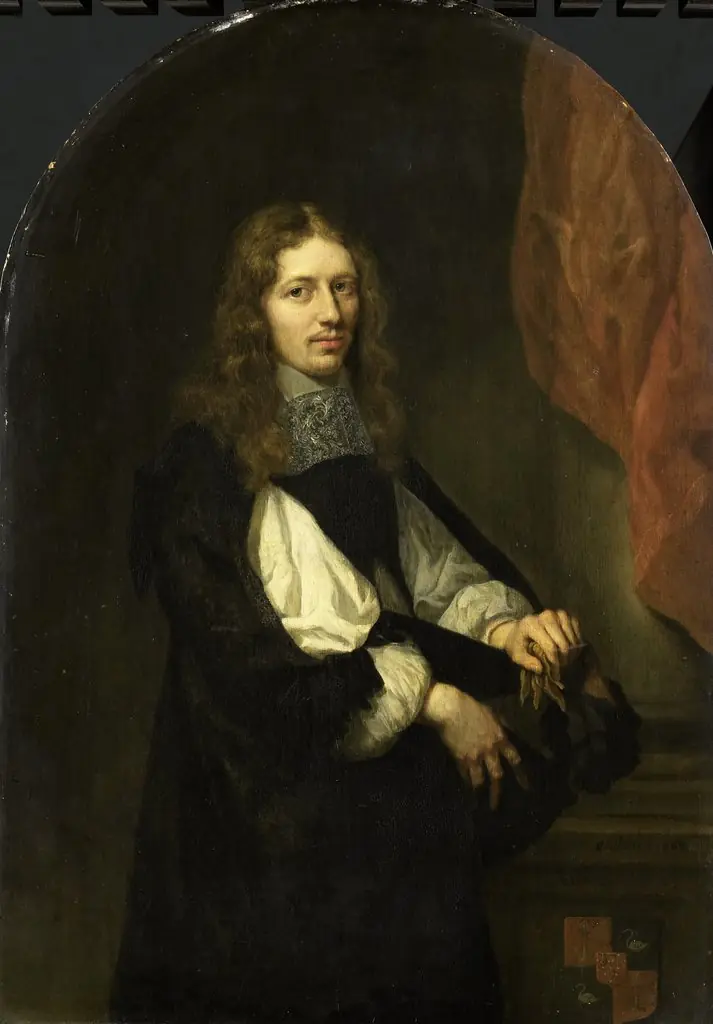 Portrait of Pieter de Graeff (1638-1707), lord of Zuid-Polsbroek, Purmerland, and Ilpendam. Alderman of Amsterdam
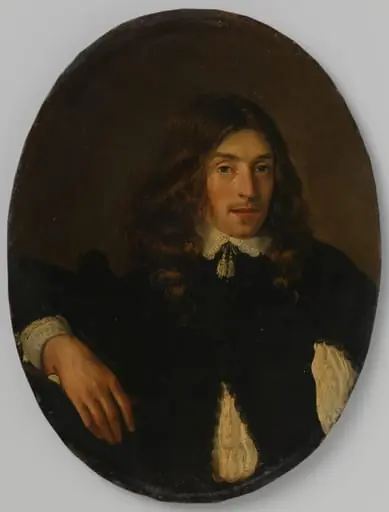 Portrait of a Young Man
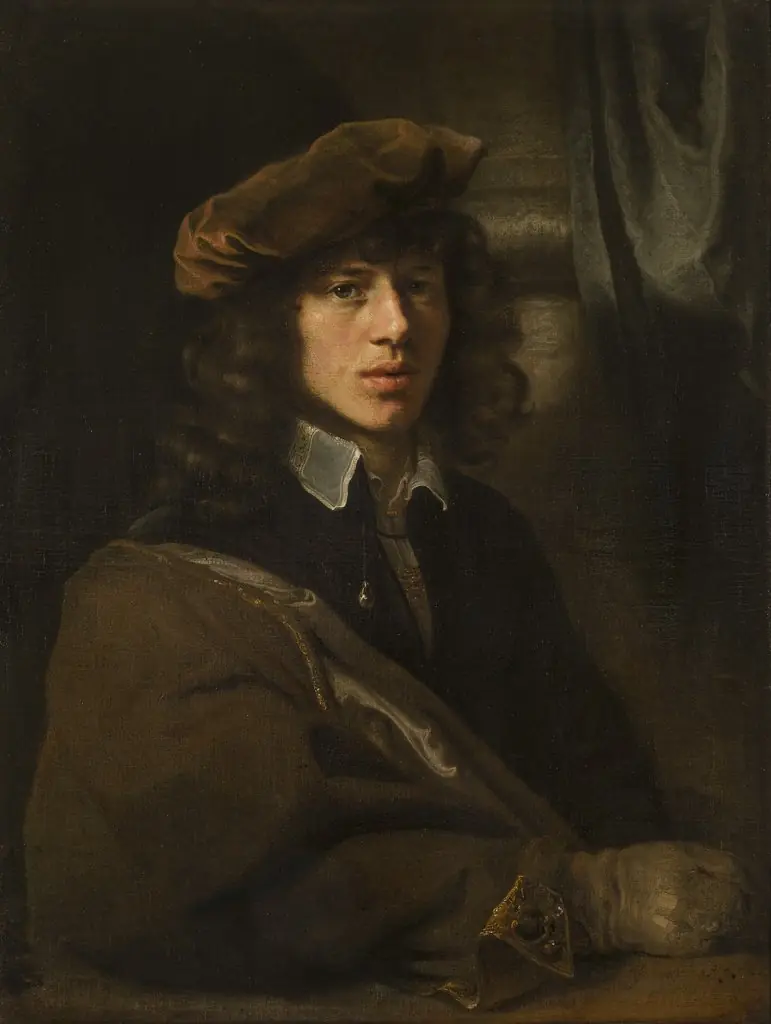 Portrait of Carel Fabritius
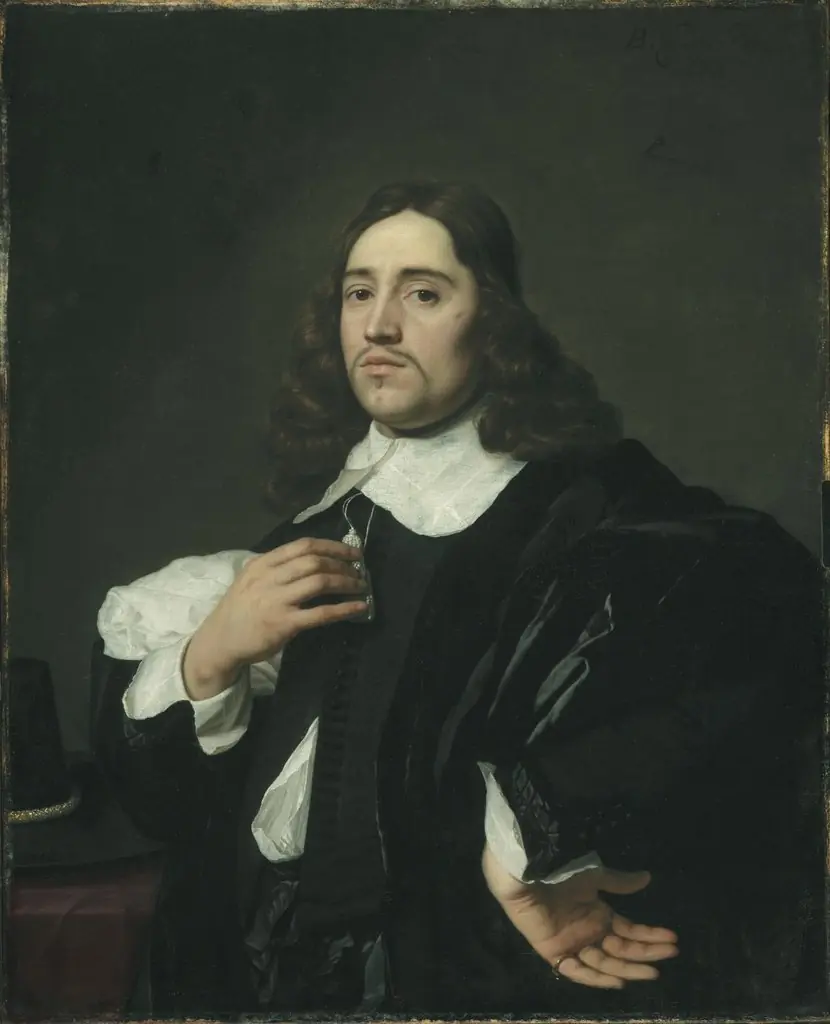 Portrait of a Gentleman (hand on hip)
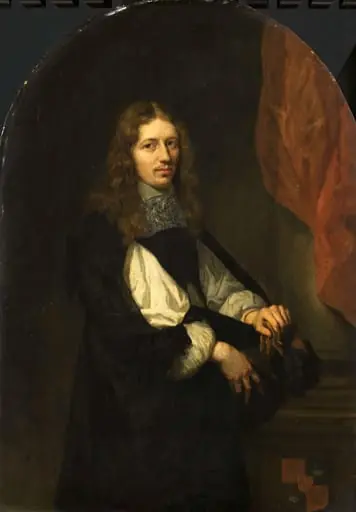 Portrait of Pieter de Graeff (1638-1707), lord of Zuid-Polsbroek, Purmerland, and Ilpendam. Alderman of Amsterdam
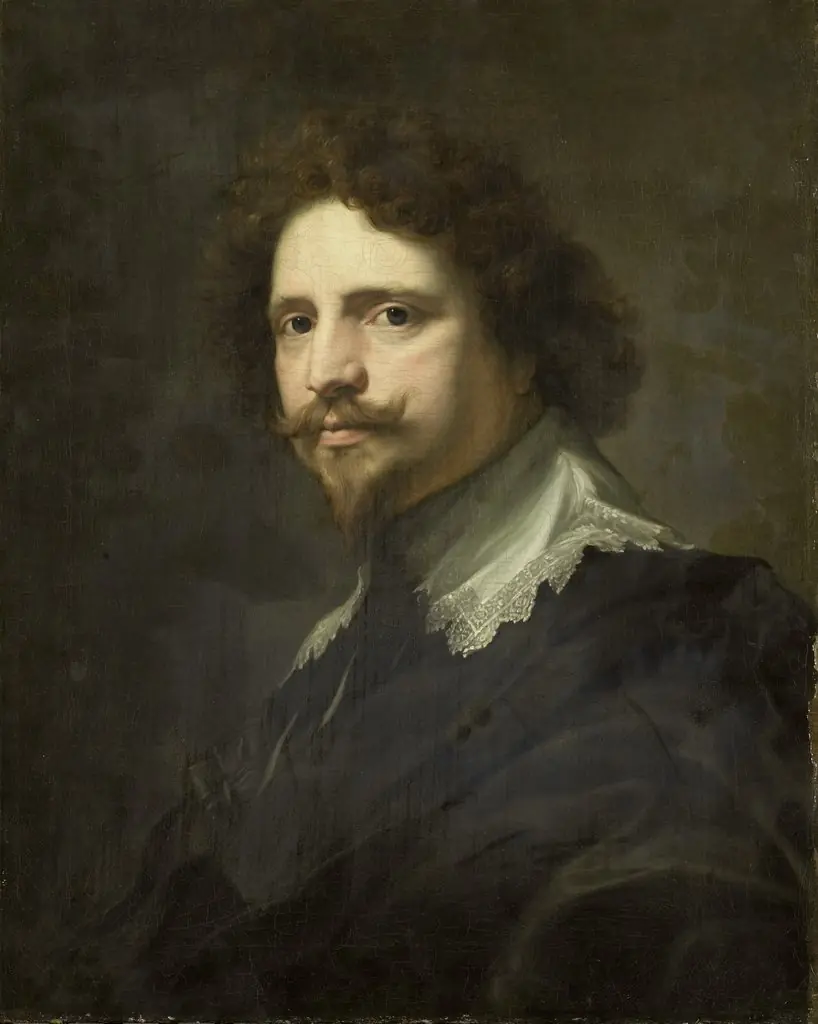 Portrait of Michel le Blon (1587-1657). Agent of Queen Christina of Sweden, goldsmith and engraver
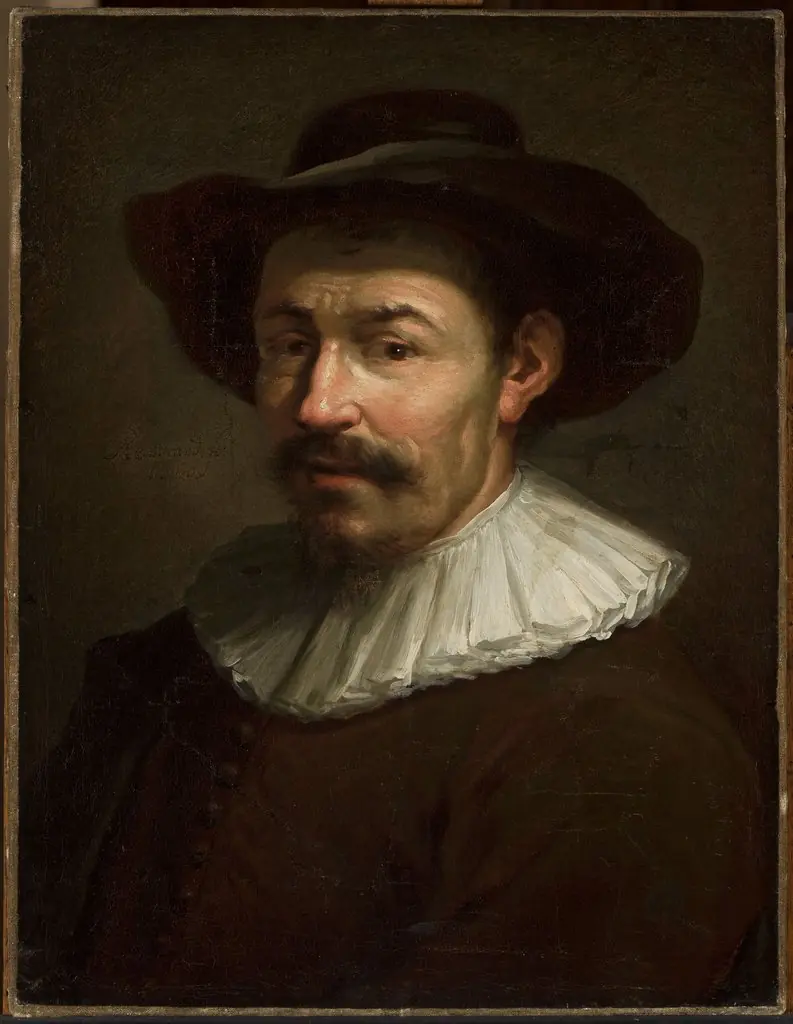 Portrait of a man in a white frill
![Portrait of a Gentleman [possibly Jacob van Campen], by Thomas de Keyser](https://artifactworldgallery.com/img/thomas-de-keyser--portrait-of-a-gentleman-possibly-jacob-van-campen--d0c829ca95efaf31-w320.webp) Portrait of a Gentleman [possibly Jacob van Campen]
Portrait of a Gentleman [possibly Jacob van Campen]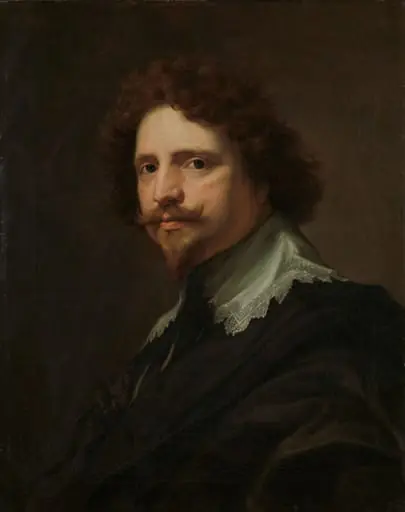 Portrait of Michel Le Blon (1587-1656)
 Dionijs Wijnands (1628-73). Amsterdam merchant