Artwork
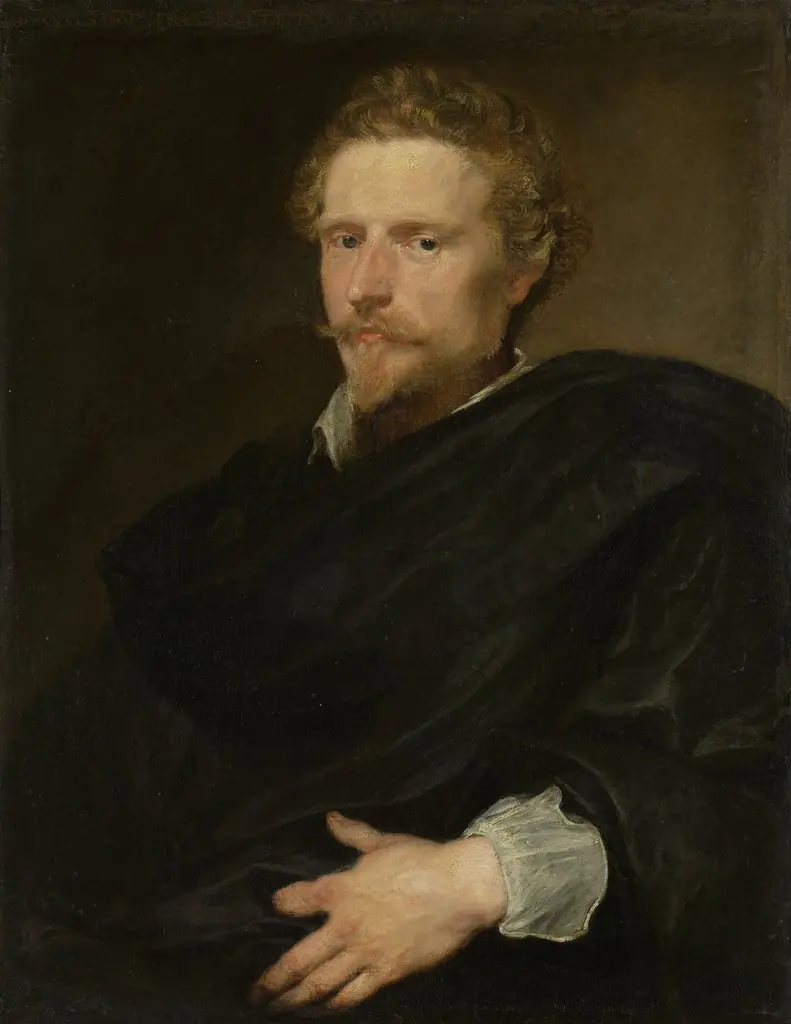
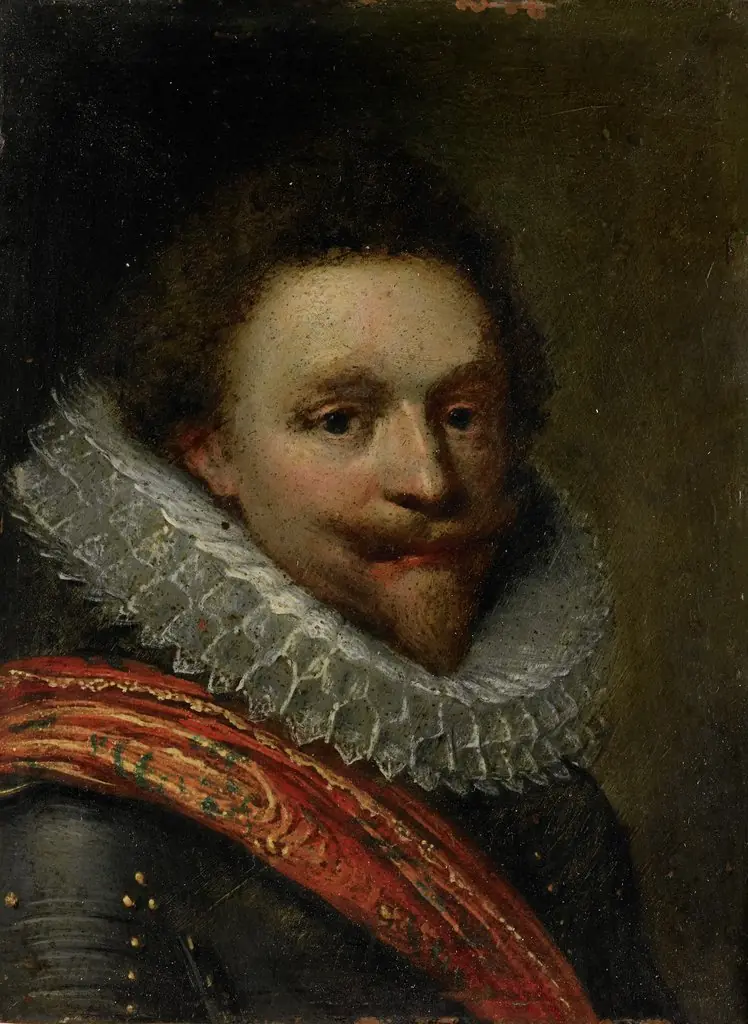
Portrait of Michel le Blon (1587-1657). Agent of Queen Christina of Sweden, goldsmith and engraver
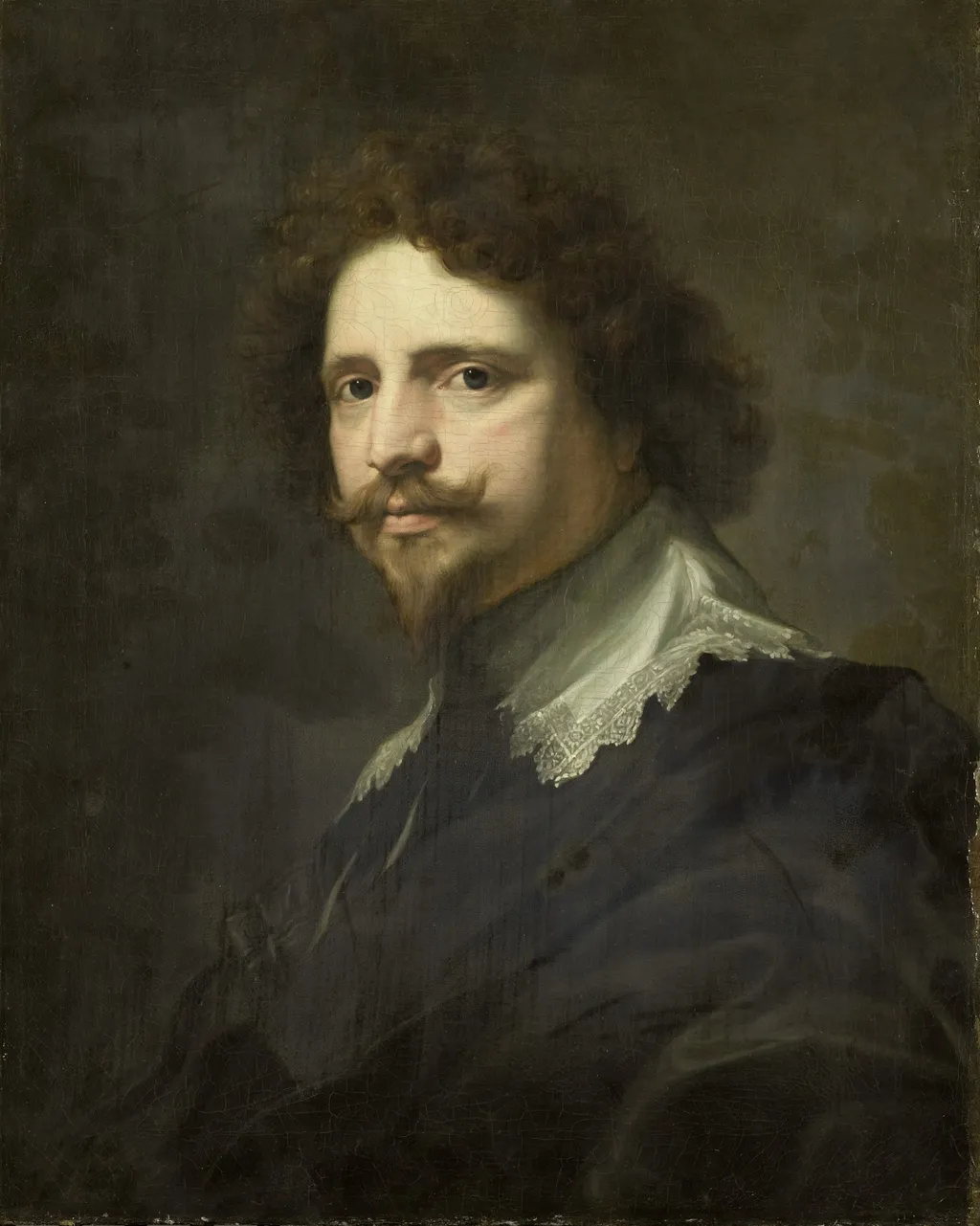
Portrait of Michel le Blon (1587-1657). Agent of Queen Christina of Sweden, goldsmith and engraver is an oil painting by the Baroque artist Anthony van Dyck. It is held in the collection of the Rijksmuseum.
About this work
Subject & Meaning
The painting depicts Michel Leblond as a young man in period attire, rendered with characteristic Baroque naturalism. Van Dyck emphasizes his status as a court artist through fine clothing and confident posture, while the intimate scale suggests a private rather than formal commission.
Technique & Style
The Portrait of Michel le Blon is executed in oil paint on canvas, a standard support for Anthony van Dyck's Baroque-era portraiture.
The Portrait of Michel le Blon is executed in oil paint on canvas, a standard support for Anthony van Dyck's Baroque-era portraiture. The work measures 57 cm in height by 46 cm in width, a modest format suited to intimate likenesses of the sitter. Classified as a painting within the portrait genre, it reflects the Baroque movement through its medium and handling.
The canvas support and oil paint medium are consistent with van Dyck's established practice of producing refined, small-scale portraits on woven fabric during the later phase of his career, around 1650.
History & Provenance
The portrait of Michel le Blon is dated to 1650, the year given for its inception in the work's cataloguing data, and is attributed to Anthony van Dyck. The painting was produced in the Low Countries and depicts its sitter, the agent of Queen Christina of Sweden, goldsmith and engraver, in oil on canvas.
According to the documented ownership chain, the work was held by Josephus Augustinus Brentano before entering the collection of the Rijksmuseum, where it is currently located.
Portrait of Michel le Blon (1587-1657) is part of the Rijksmuseum collection in Amsterdam. It bears the inventory number SK-A-2365. The work was exhibited in the Rijksmuseum's 2019 exhibition "Baroque Masterpieces from Northern Europe".
Context
Anthony van Dyck painted this portrait during his active years in the mid-17th century, reflecting his role as court painter to Charles I of England and his continued influence across Northern Europe after his Italian period. The work depicts Michel le Blon, a prominent Amsterdam goldsmith and engraver who served Queen Christina of Sweden, situating the painting within van Dyck's broader practice of rendering elite sitters engaged in specialized crafts. This portrait exemplifies the Baroque emphasis on individuality and status, aligning with van Dyck's established genre of aristocratic and professional portraiture.
Its creation in the Low Countries connects to the artist's origins while his service to foreign royalty underscores the transnational nature of 17th-century artistic patronage.
Legacy
Van Dyck's 1650 portrait of Michel le Blon, a goldsmith and court agent of Queen Christina of Sweden, established a model for Baroque portraiture through its restrained elegance and psychological depth. The work entered the collection of Josephus Augustinus Brentano and later influenced European portraitists who sought to emulate van Dyck's blend of realism and grandeur. Its legacy persists in the way later artists approached courtly representation, particularly in rendering the status of craftsmen within aristocratic circles.
Overview
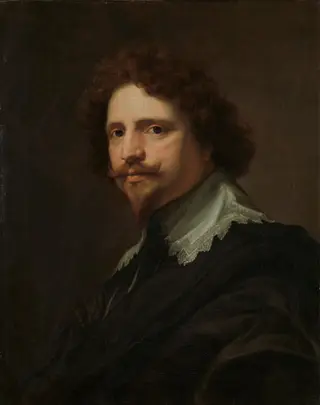
Anthony van Dyck’s oil portrait of Michel le Blon, dated to around 1650, presents the Swedish court’s goldsmith and engraver in a tightly focused, three‑quarter view. The sitter’s dark hair and full beard are rendered against a plain, shadowed backdrop, allowing the face and richly detailed collar to dominate the composition.
Own this work as a print
Artist & collection
Artist
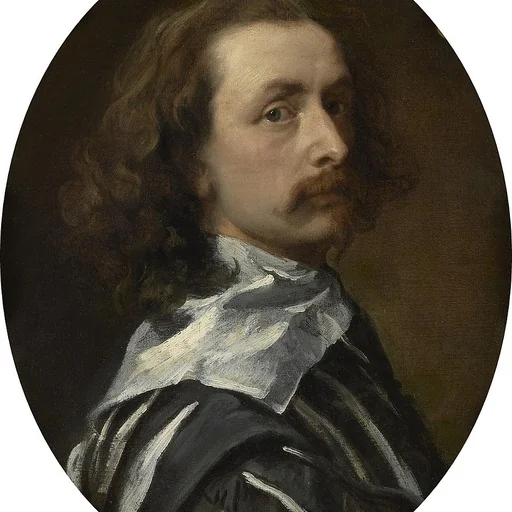
Sir Anthony van Dyck (; Dutch: Antoon van Dijck; 22 March 1599 – 9 December 1641) was a Flemish Baroque artist, who became the leading court painter in England after success in the Spanish Netherlands and Italy.

 Johannes Baptista Franck (ca. 1599-1663)
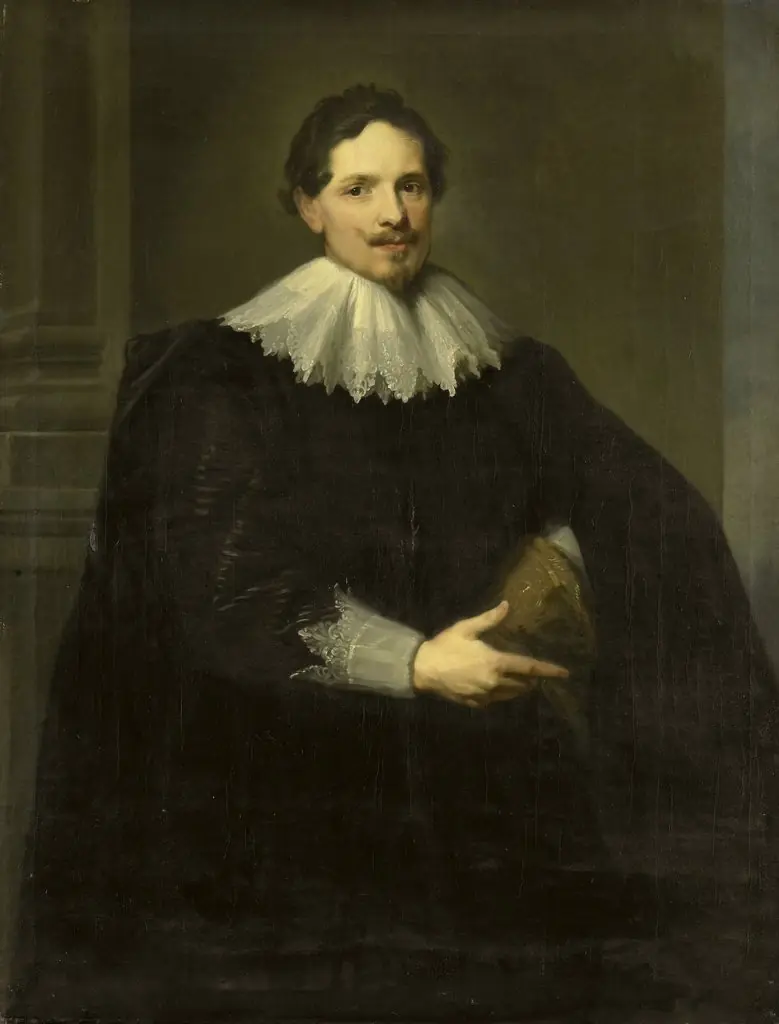 Sebastiaan Leerse, Antwerp Merchant
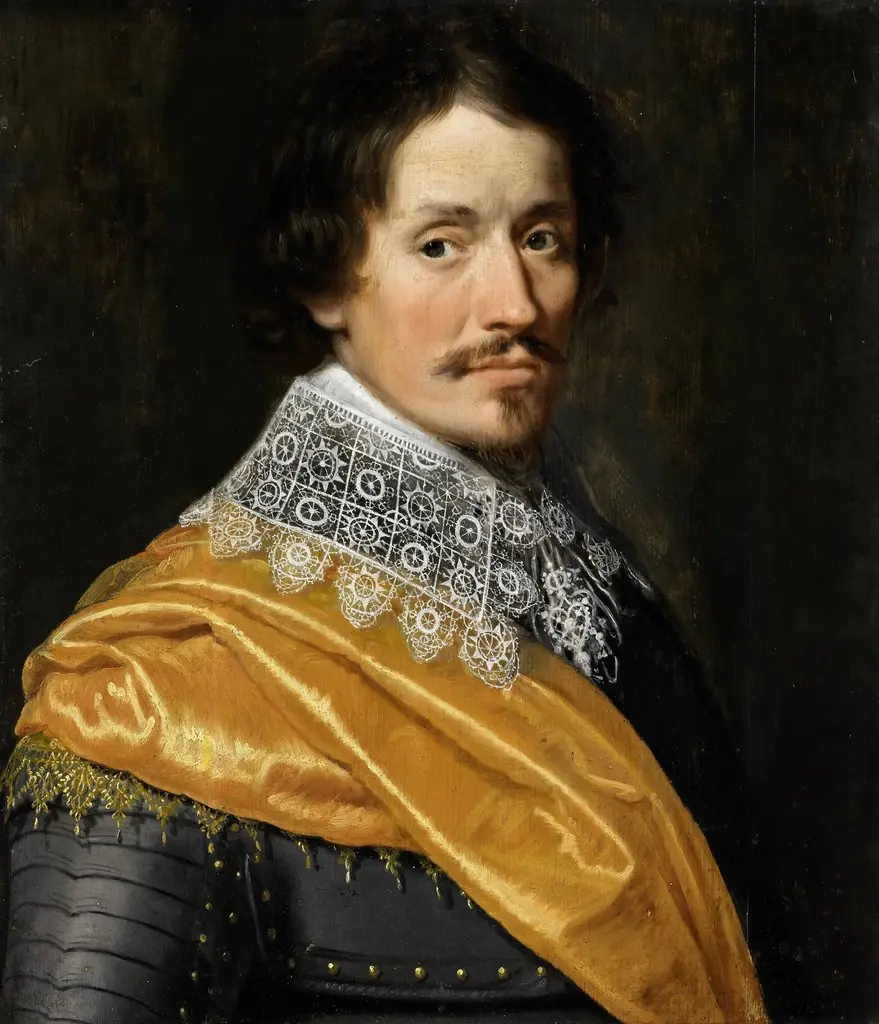 Portrait of an officer
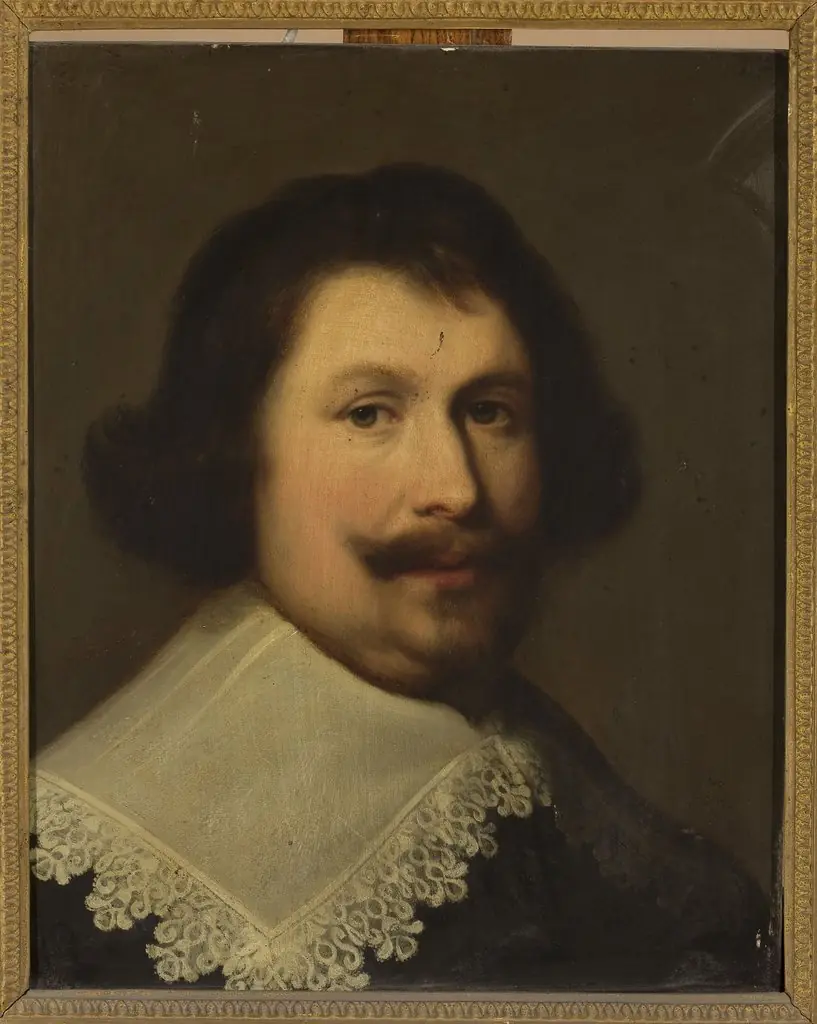 Portrait of a nobleman
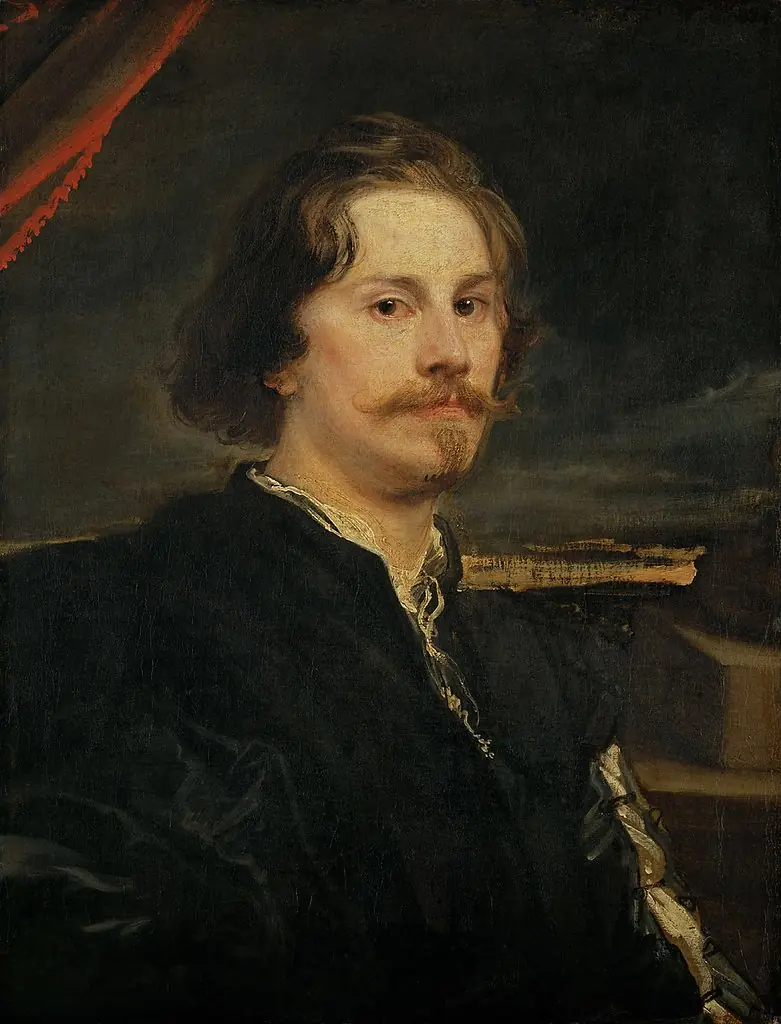 Portrait of Pieter Soutman
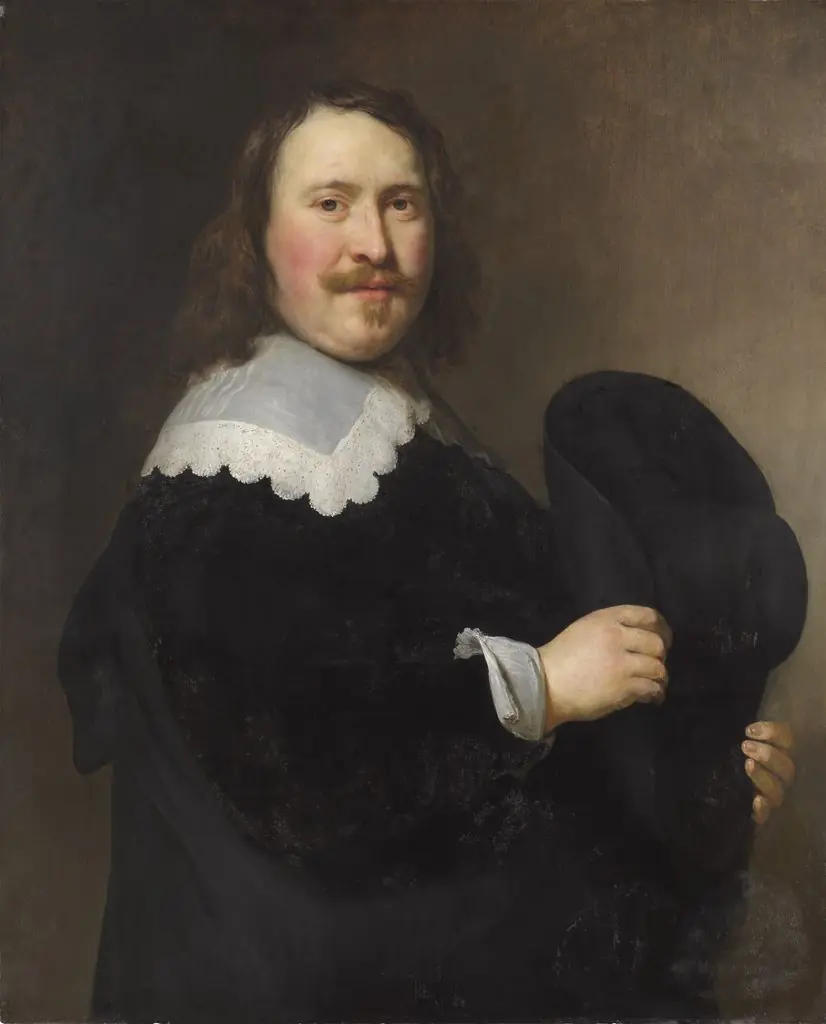 Portrait of a Man with a Hat
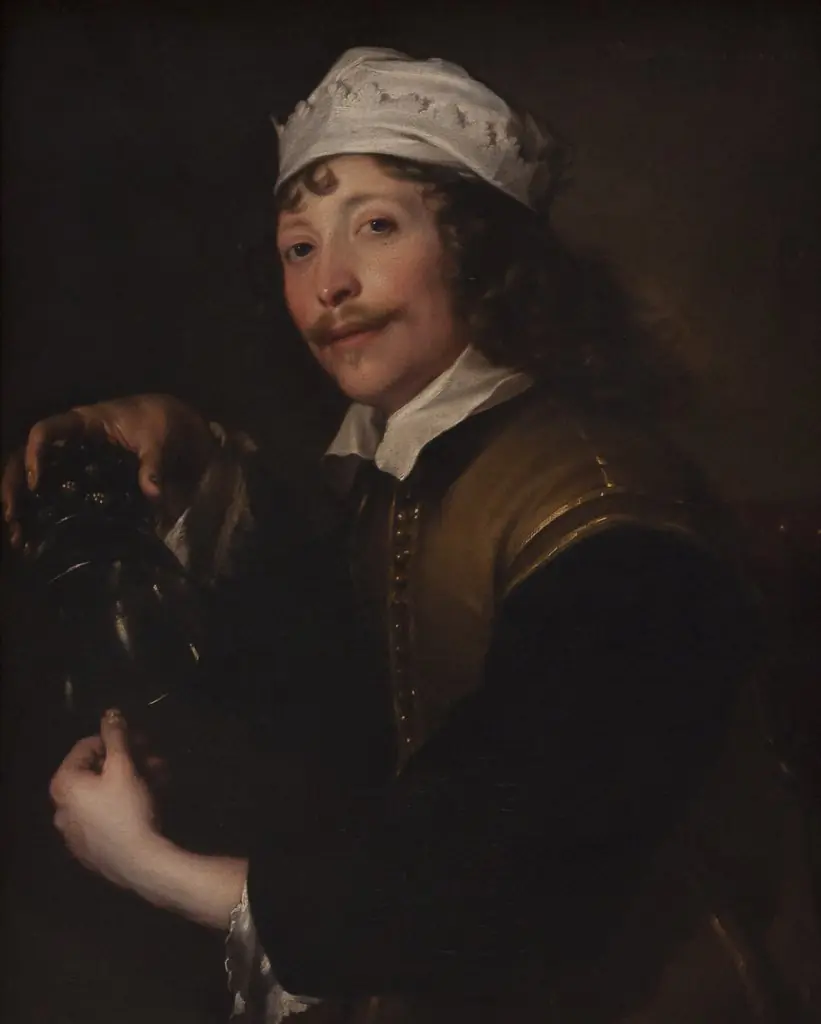 The Fingernail Test
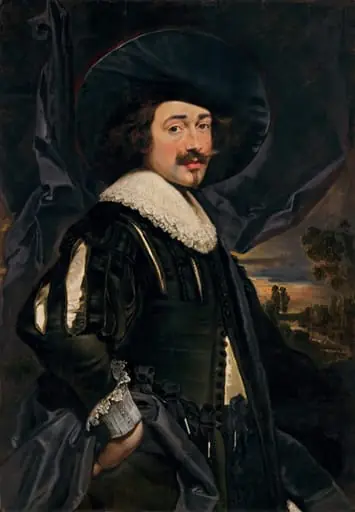 Portrait of a Man in a Wide-Brimmed Hat
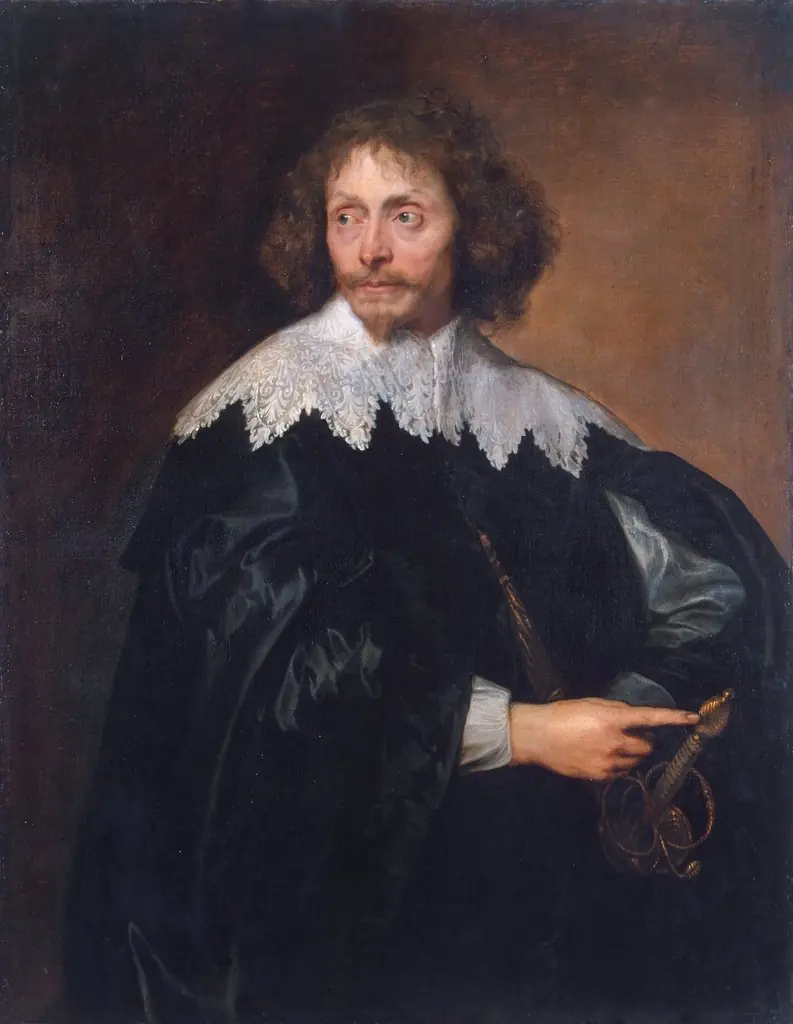 Portrait of Sir Thomas Chaloner
 Portrait of Frederik Hendrik (1584-1647), Prince of Orange