Artwork
Merkur und Argus
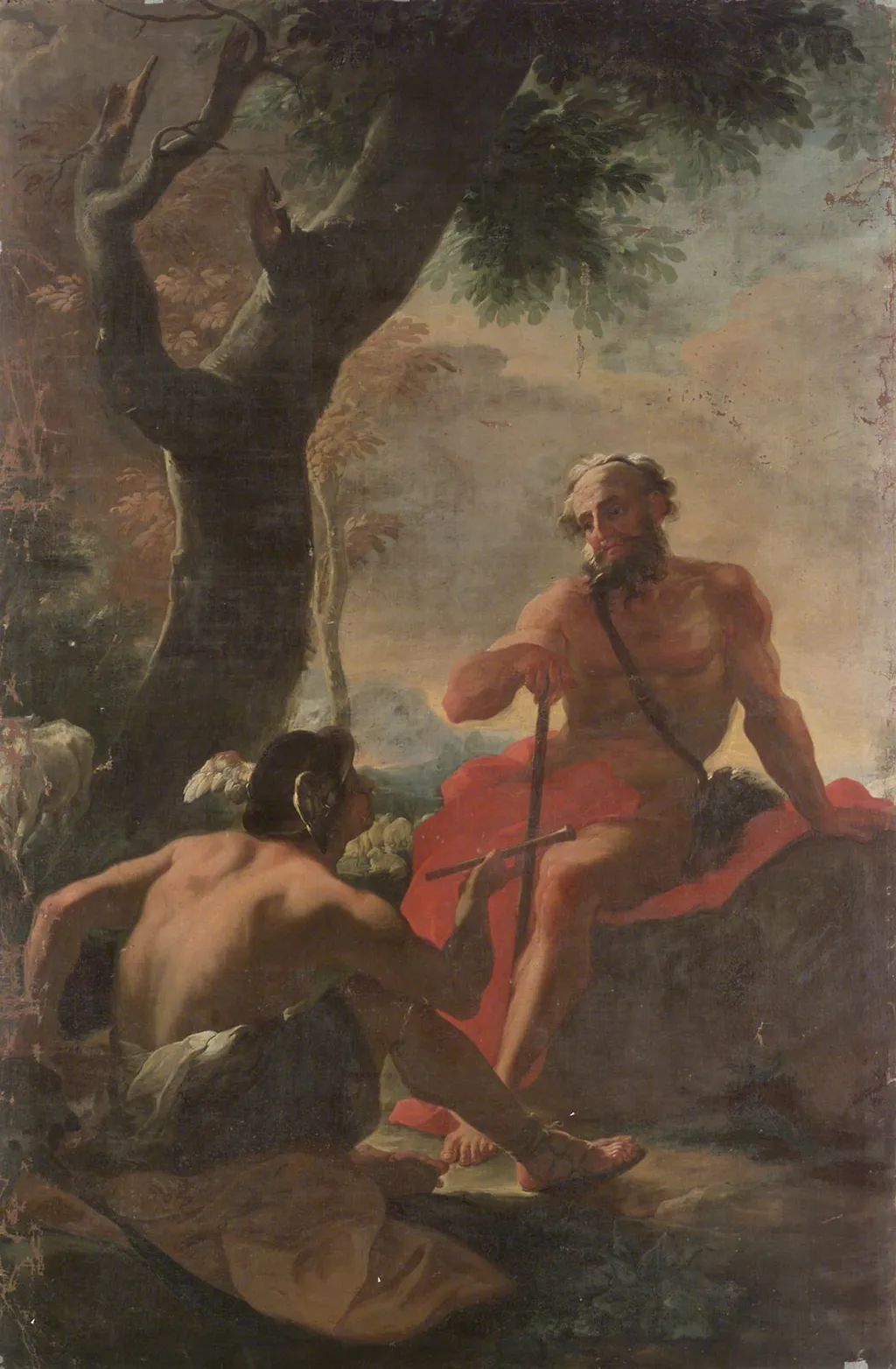
Merkur und Argus is an unspecified painting by the High Baroque Italian artist Martino Altomonte. It dates from 1708 and is held in the collection of the Kunsthistorisches Museum.
About this work
Overview
Merkur und Argus is a 1708 painting by Martino Altomonte, an Italian Baroque painter of Austrian descent. The work is characteristic of the High Baroque Italian period and is now part of the Kunsthistorisches Museum's collection.
Subject & Meaning
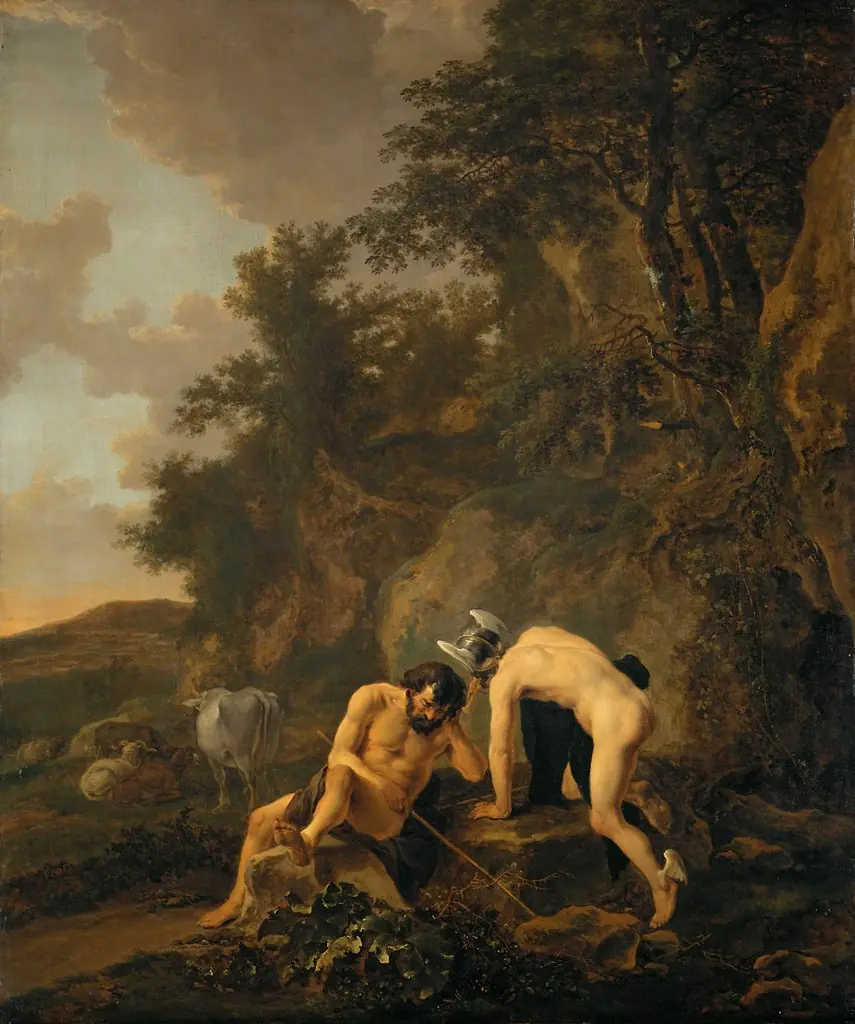
Mercury, identifiable by his leafy wreath, sits weary and bearded, wrapped in a distinctive red cloth, while Argus kneels beside him, looking downward.
The painting depicts a scene from classical mythology featuring Mercury (Merkur) and Argus. Mercury, identifiable by his leafy wreath, sits weary and bearded, wrapped in a distinctive red cloth, while Argus kneels beside him, looking downward. The interaction between the two figures suggests a moment of contemplation or instruction, drawing on the mythological narrative where Mercury, tasked by Jupiter, ultimately outwits and slays Argus, a giant with a hundred eyes, to free Io. This mythological theme reflects Altomonte's penchant for historical and mythological subjects.
Technique & Style
Altomonte employs a muted color palette in the background, with the vibrant red cloth serving as a focal point. The contrast highlights the central figures against the softer, hazy sky and the natural surroundings of trees and bushes. The composition reflects the dramatic lighting and intense emotional expression typical of the Baroque style.
History & Provenance
Created in 1708, Merkur und Argus is one of Altomonte's smaller-scale works compared to his usual large formats. The painting is currently housed at the Kunsthistorisches Museum as part of its collection.
Context
This work exemplifies the 18th-century European fascination with classical mythology as a subject for art. Altomonte's interpretation of the Mercury and Argus myth situates him within a broader tradition of Baroque artists drawing upon ancient stories for themes and motifs.
Legacy
While not as widely recognized as some of his larger works, Merkur und Argus contributes to the understanding of Altomonte's stylistic range and his contribution to the Baroque movement in Italy. Its preservation in a major museum ensures its study and appreciation within the context of European Baroque art.
Artist & collection
Artist
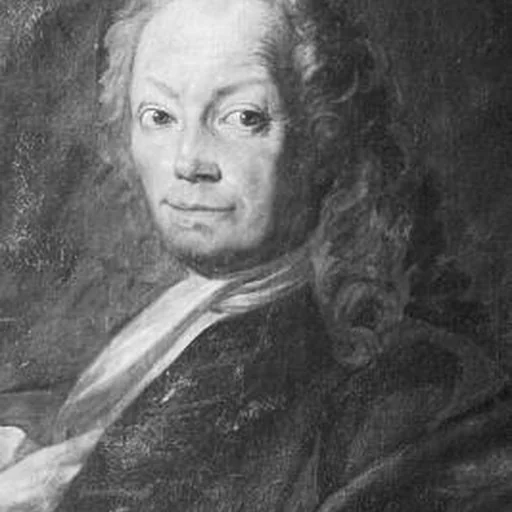
Martino Altomonte, born Johann Martin Hohenberg (8 May 1657 – 14 September 1745) was an Italian Baroque painter of Austrian descent who mainly worked in Poland and Austria.

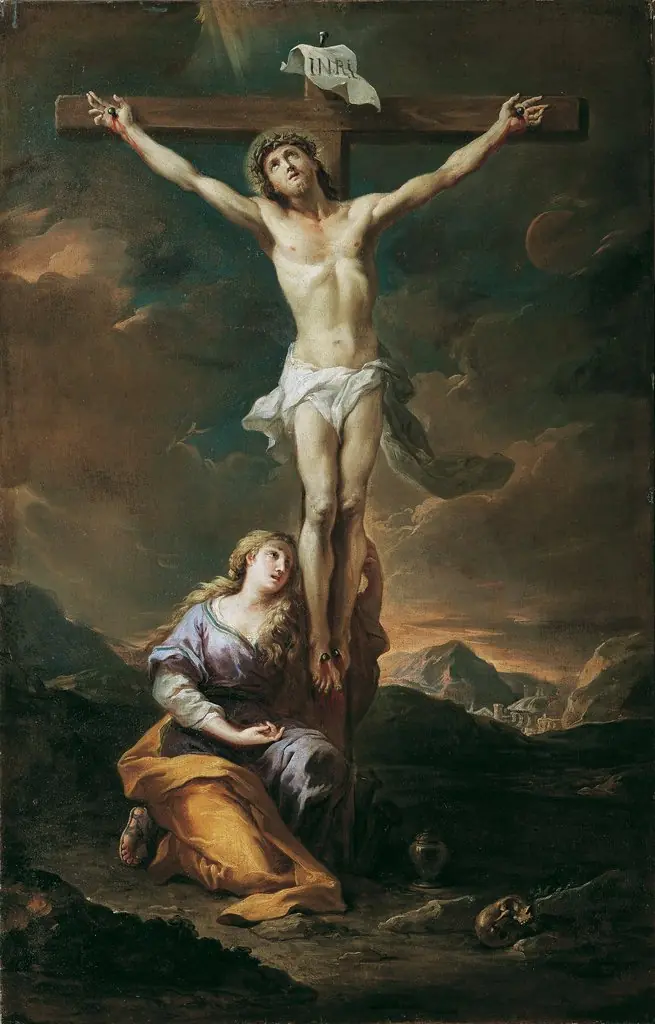
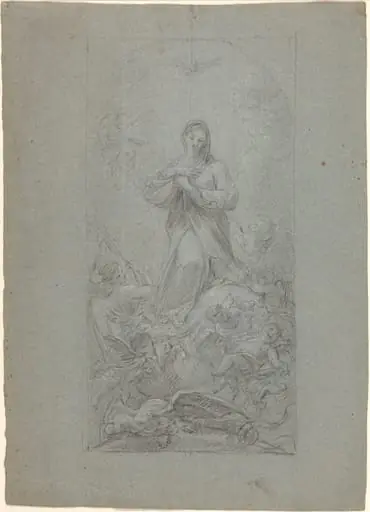
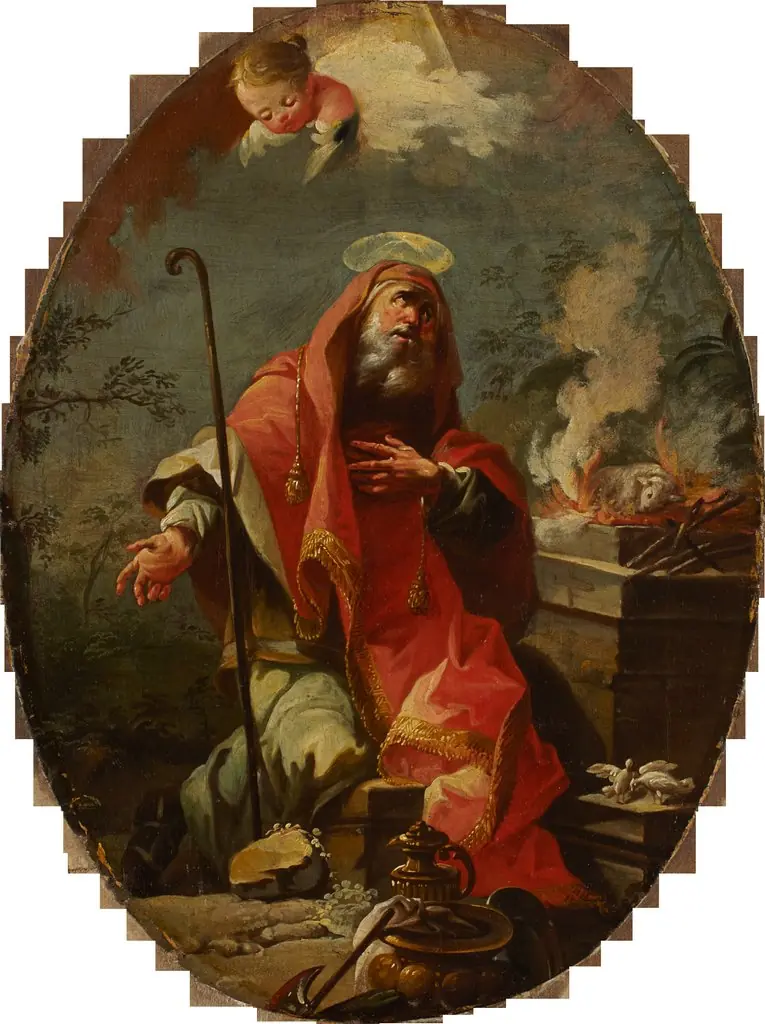
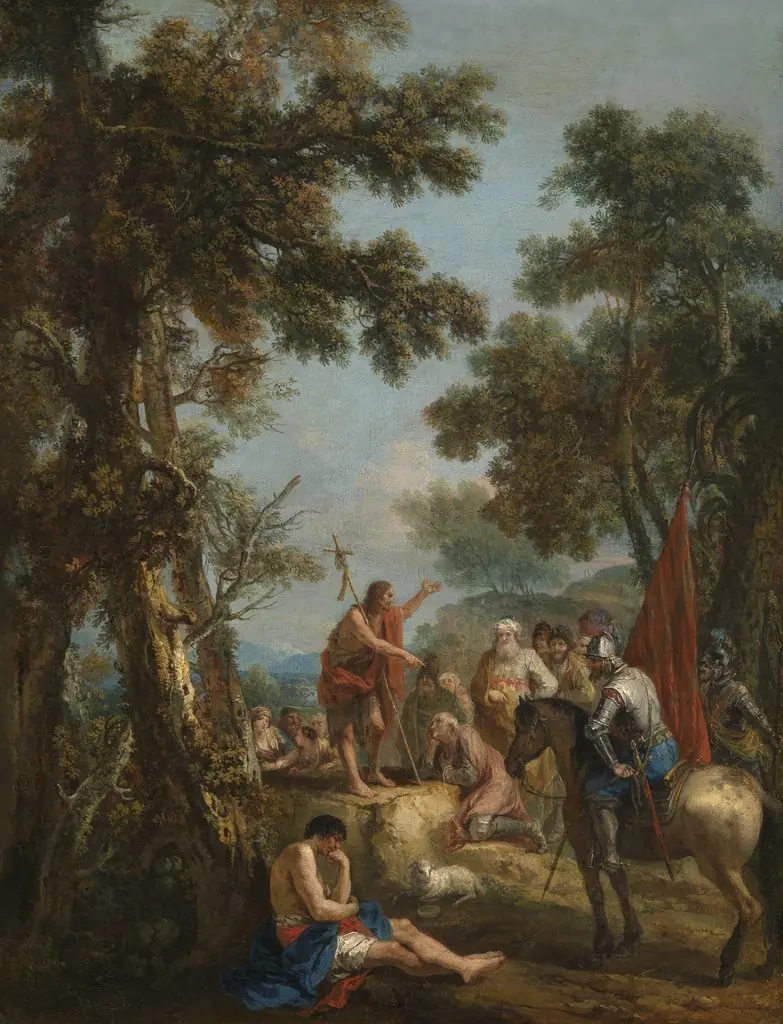
- John the Baptist Preaching
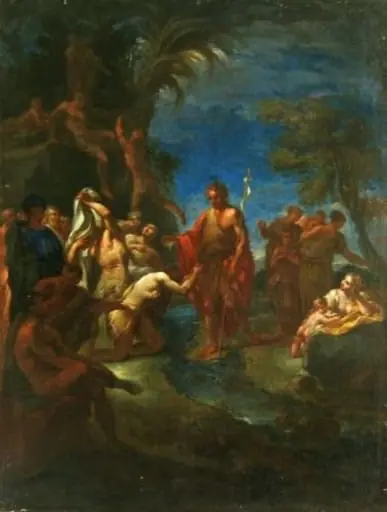 Botezul lui Cristos în Iordan
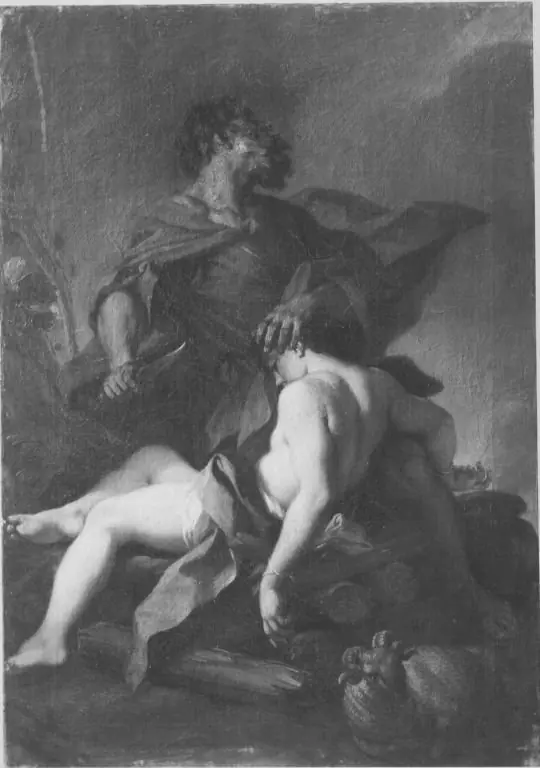 Abraham opfert Isaak
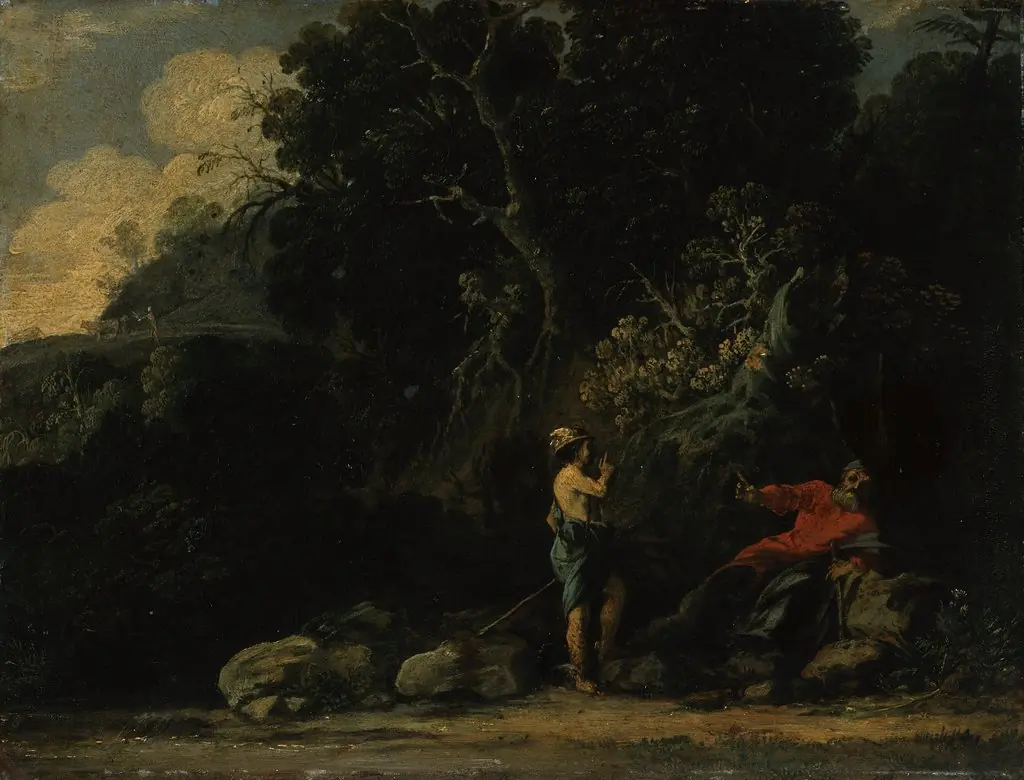 Forest Landscape with Mercury and Battus
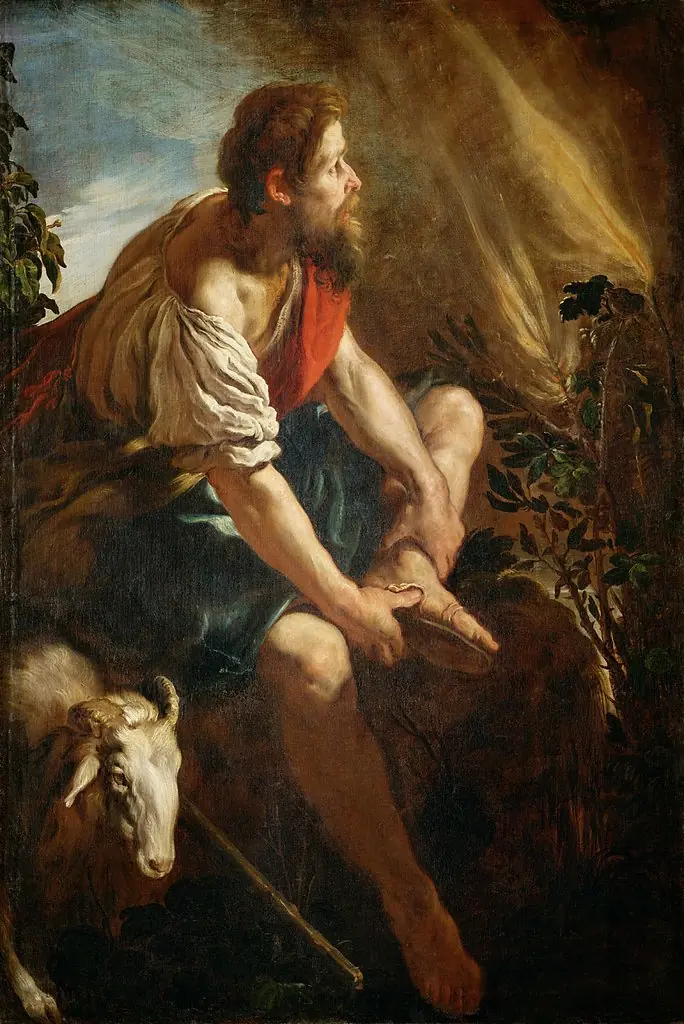 Moses before the Burning Bush
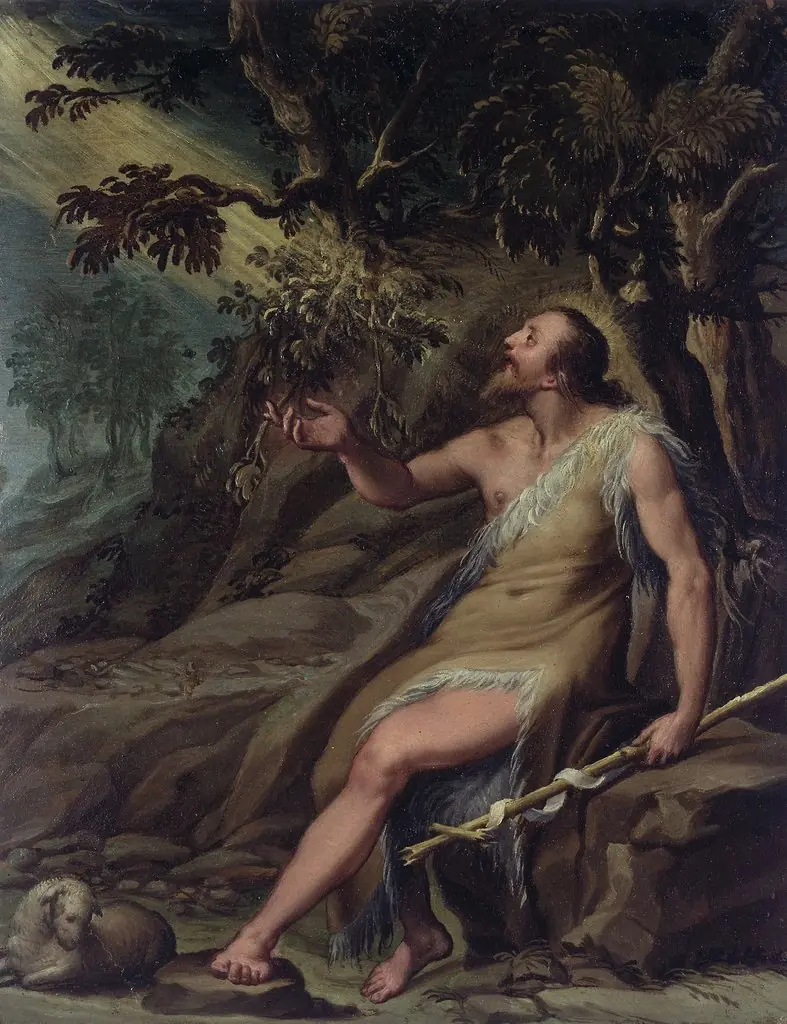 Saint John the Baptist in the Wilderness
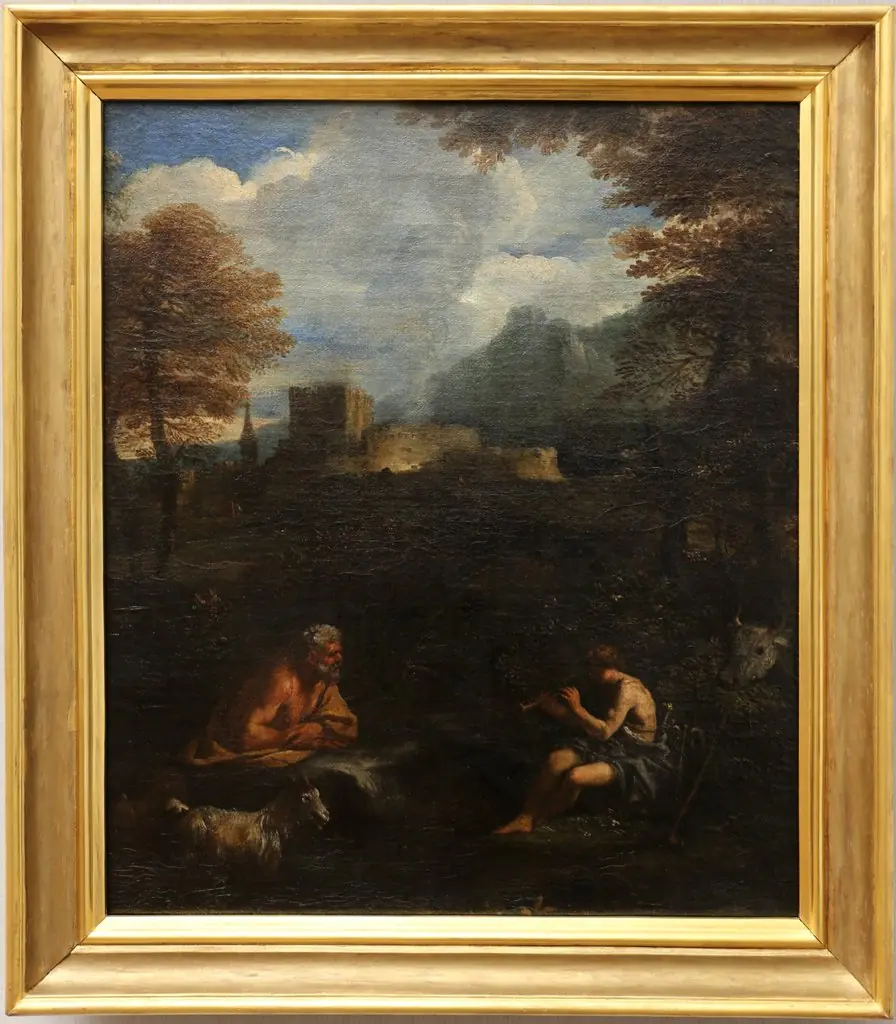 Mercury and Argus (Gemäldegalerie)
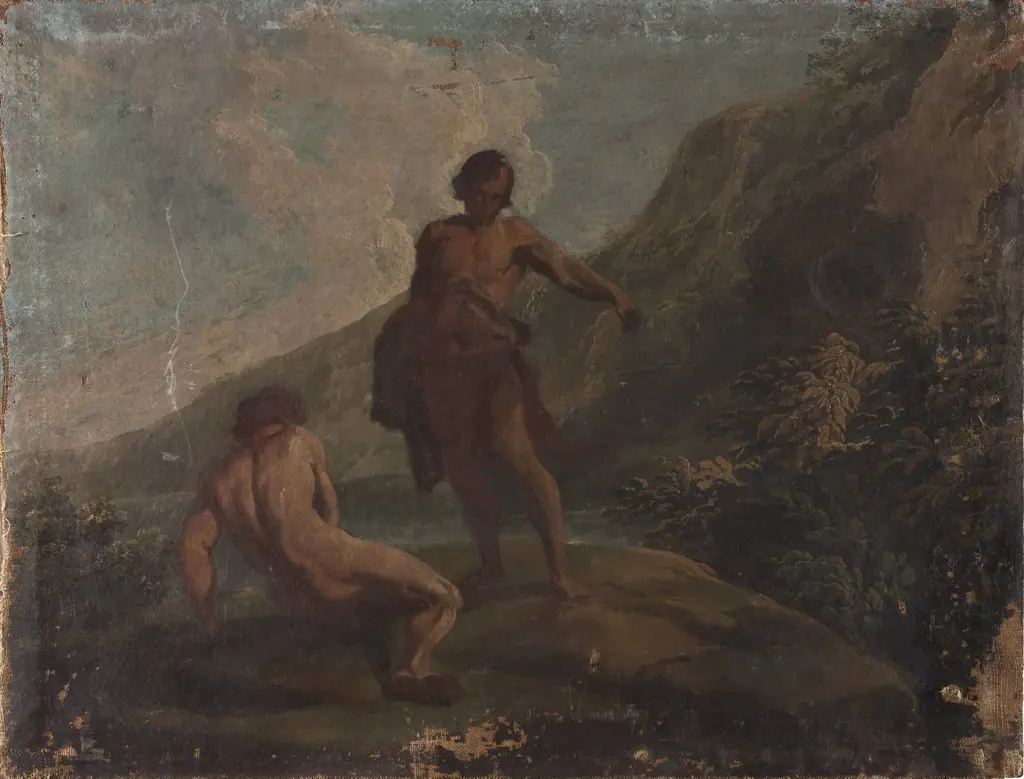 Landskap
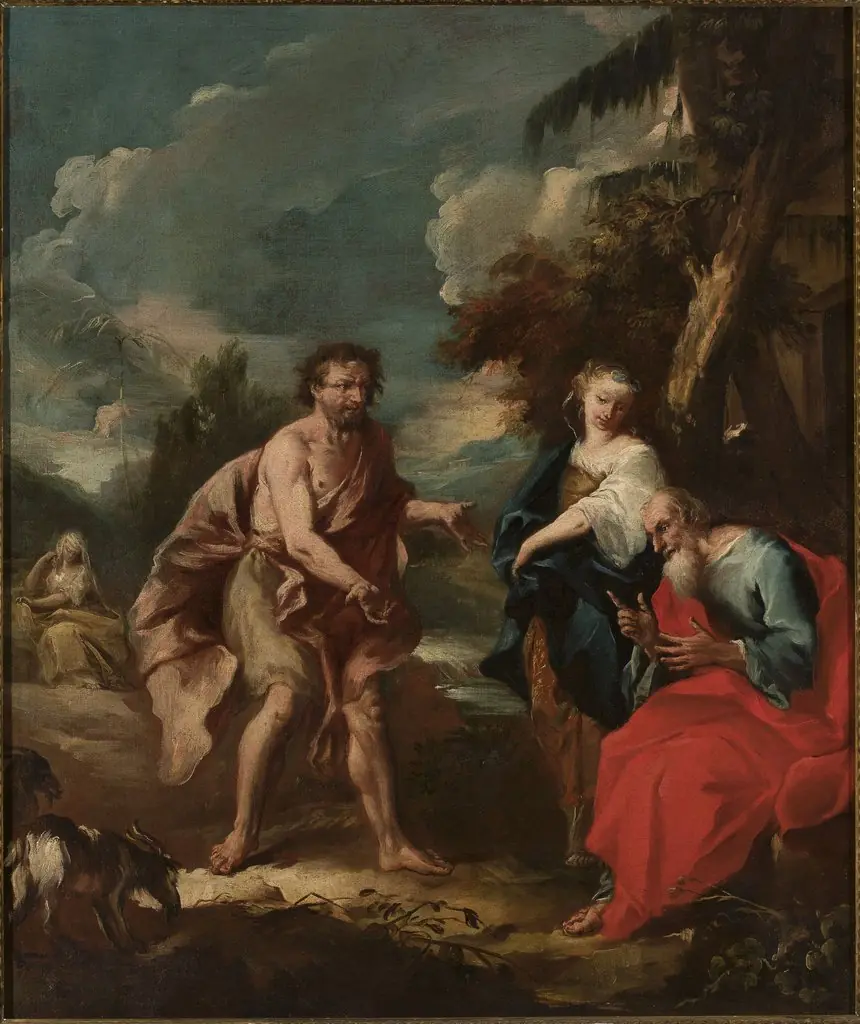 Jacob and Rachel
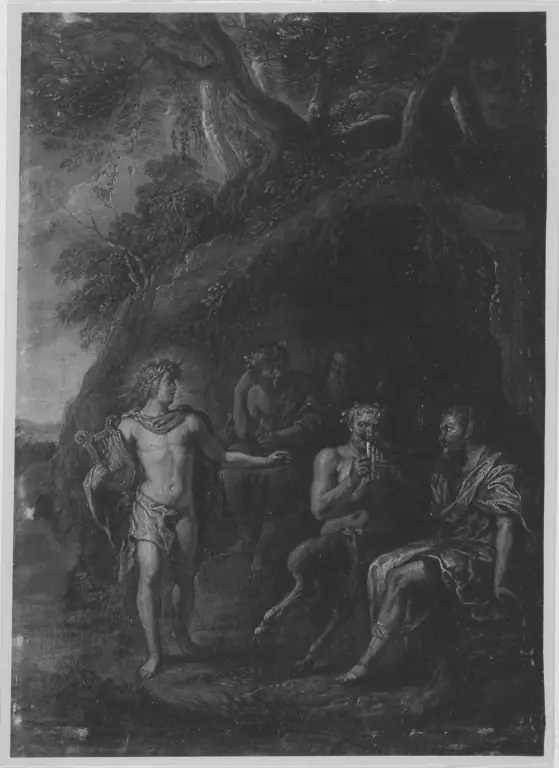 Das Urteil des Midas
 Southern rocky landscape with Mercury and Argus
 Two Sheperds