Artwork
Mary House
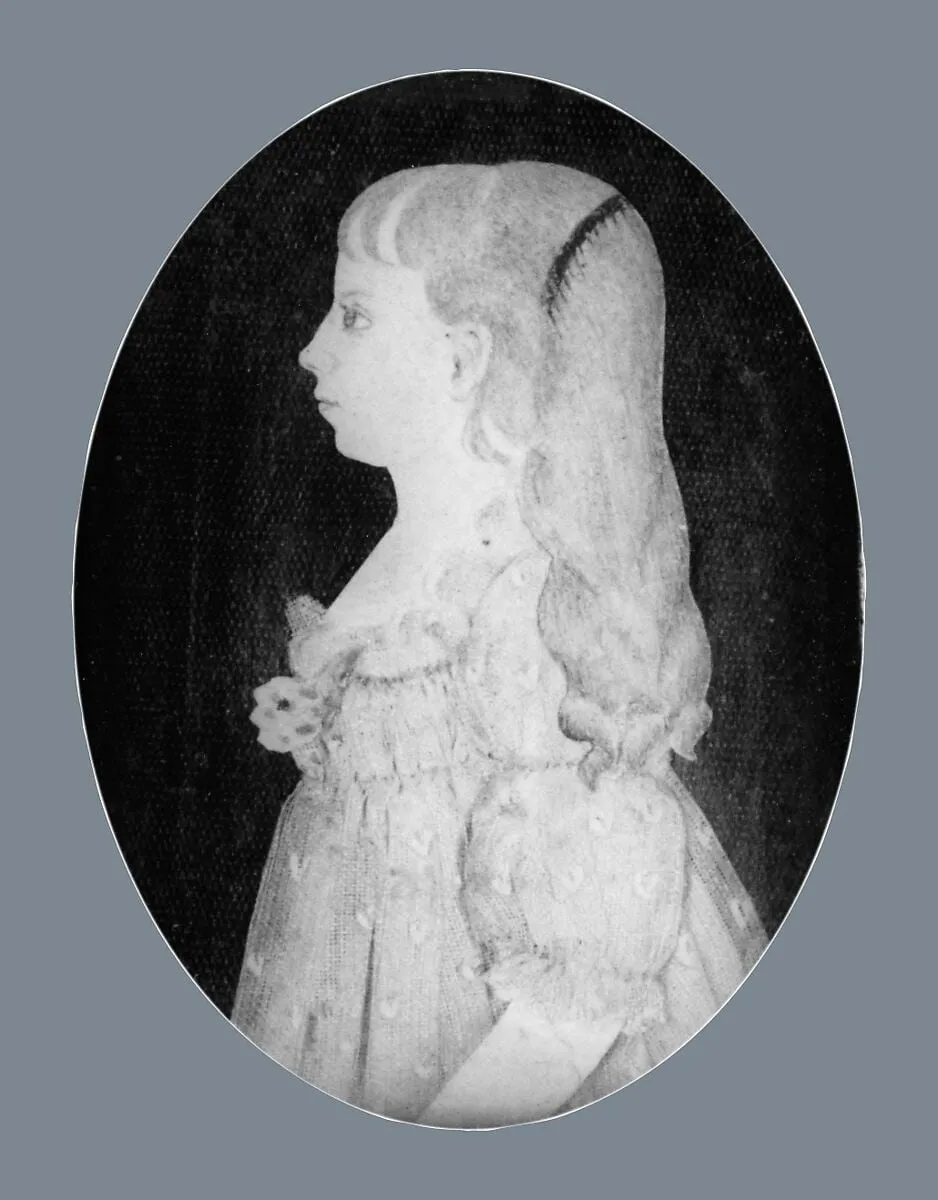
Mary House is a watercolor painting by the American Folk Art artist Mary Way. It dates from 1795 and is held in the collection of the Metropolitan Museum of Art.
About this work
Technique & Style
The handling is precise and linear, characteristic of profile miniatures, with delicate stippling in the flesh tones and careful hatching in the costume.
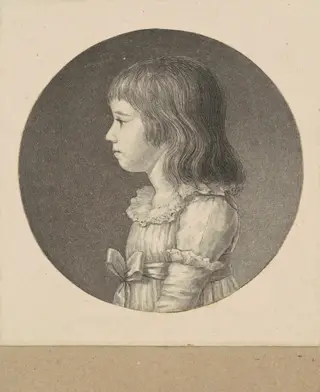
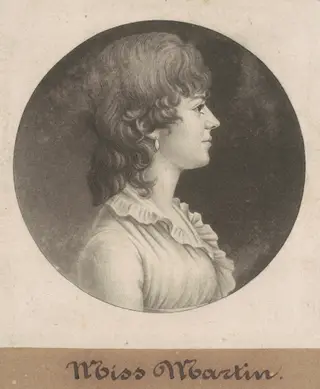
Executed in 1795, the portrait employs watercolor on paper, with linen additions reinforcing the support, typical of miniature practice of the period. The handling is precise and linear, characteristic of profile miniatures, with delicate stippling in the flesh tones and careful hatching in the costume. The sitter is shown in strict profile, wearing a white headband against a plain background, emphasizing clarity and restraint.
The work’s small dimensions (7.3 × 6 cm) align with contemporary miniature conventions, favoring intimate scale and refined detail. No evidence of significant later intervention is recorded, suggesting the piece remains close to its original condition.
History & Provenance
Created in 1795, the watercolor portrait known as Mary House was executed by the American artist Mary Way. The work is a miniature depicting a girl in profile, characterized by a headband and rendered in watercolor on paper with linen additions. While the specific commissioning details or original ownership chain are not detailed in the provided records, the piece has been established within the collection of the Metropolitan Museum of Art.
It is currently classified under the museum's American Wing. The artwork measures approximately 7.3 inches in height and 6 inches in width. Its creation marks a specific moment in late 18th-century American portraiture, with the date of 1795 serving as the definitive inception point for this surviving example of Way's work.
Mary Way's 1795 watercolor portrait, titled Mary House, is held in the collection of the Metropolitan Museum of Art. The work is classified within the museum's American Wing and is cataloged as a miniature painting. Its physical dimensions are recorded as 7.3 units in height and 6 units in width.
The artwork is executed in watercolor on paper with added linen elements. While the sources confirm the piece is part of the Met's permanent holdings, they do not provide a specific accession number, a detailed provenance chain, or a list of past exhibitions where the work has been displayed.
Overview
The portrait "Mary House" captures a young girl in profile, her features gently illuminated against a dark ground. Rendered in watercolor on paper, the artwork depicts her wearing a white dress adorned with small blue floral patterns. A distinctive feature is the inclusion of a real linen element, adding a unique textural dimension to the composition.
Context
Mary Way holds a notable position as one of the earliest American women to sustain herself financially through artistic endeavors. Her commitment to painting often extended into the night, after her daytime work involved cutting fabric for clothing. This dedication, balancing a practical trade with her artistic passion, underscores the challenges and perseverance required for women pursuing professional art careers in her era.
Artist & collection
Artist
Mary Way (1769 – November 1833) was an American painter, known for her portrait miniatures. She, along with her sister Elizabeth Way Champlain, was among the first women to work as a professional artist in the United States.