Artwork
The Seven Works of Mercy
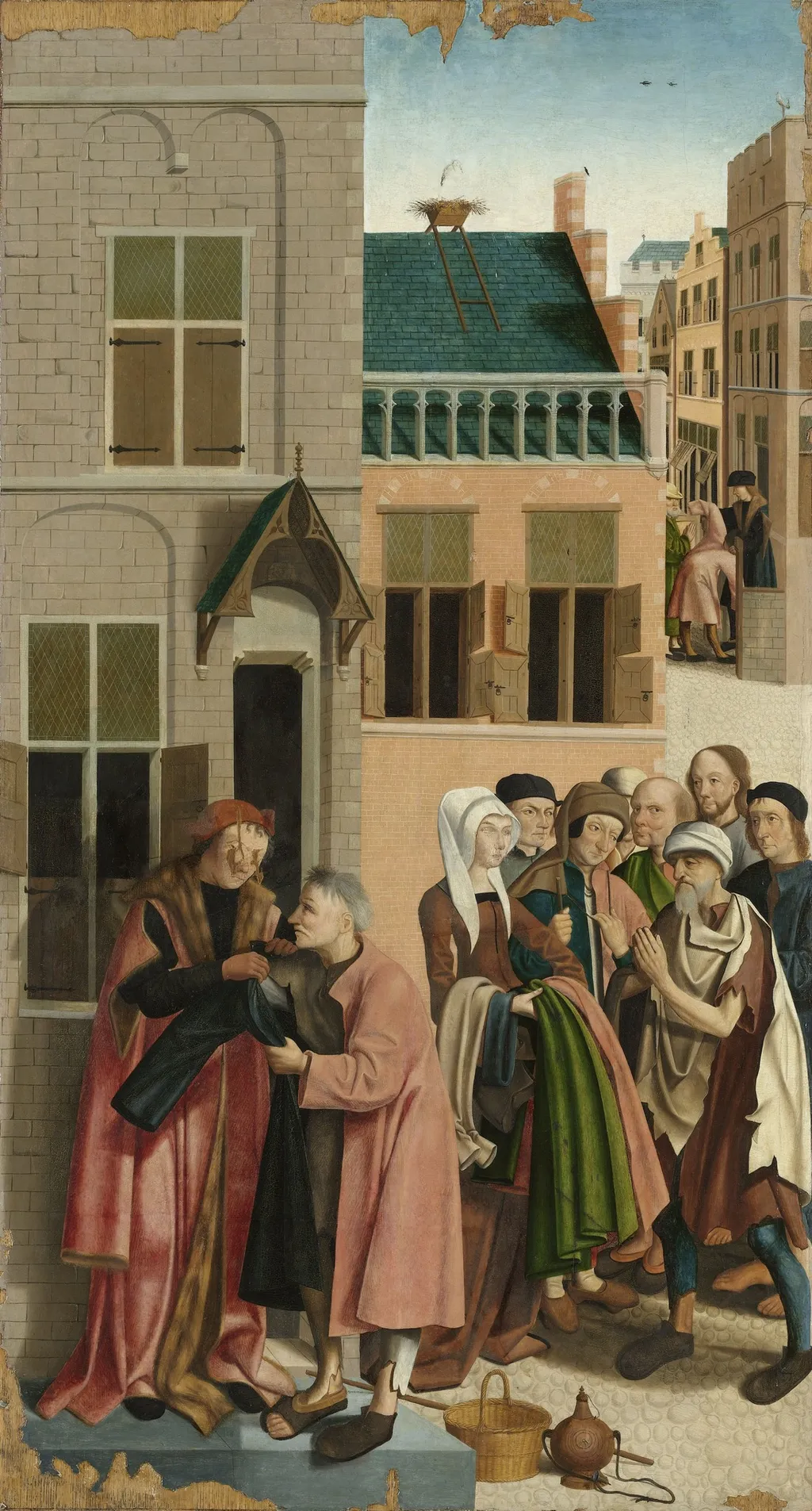
The Seven Works of Mercy is an oil painting by the Northern Renaissance artist Master of Alkmaar. It dates from 1504 and is held in the collection of the Rijksmuseum.
About this work
Technique & Style
As a piece of religious art, its formal composition is dedicated to illustrating the seven works of mercy, a traditional Christian subject matter.
Executed in 1504, this religious painting by the Master of Alkmaar utilizes oil paint applied to a wooden panel support. The work measures 103.5 cm in height and 56.8 cm in width. As a piece of religious art, its formal composition is dedicated to illustrating the seven works of mercy, a traditional Christian subject matter.
The application of oil on panel was a standard technique for Netherlandish painting of this period, allowing for the detailed rendering characteristic of the era.
History & Provenance
The panel was commissioned for the chapel of the Holy Spirit in Alkmaar and completed in 1504 by the Master of Alkmaar, as indicated by the dated inscription on the work.
By the early modern period it had entered the collection of the Haarlem city orphanage, where it remained until the late eighteenth century. It was transferred to the Amsterdam city orphanage in 1795, where it stayed until 1808.
In 1816 the painting was acquired by the Rijksmuseum in Amsterdam, where it has been part of the permanent collection since then.
The painting is held in the collection of the Rijksmuseum, where it is cataloged under the inventory number SK-A-2815-3. Created in 1504, the work measures 103.5 cm in height and 56.8 cm in width. The provided sources confirm its current location and accession details but do not contain specific records regarding its past exhibition history or previous ownership.
Overview
The Seven Works of Mercy is a series of seven oil‑on‑panel paintings executed in 1504 by the anonymous artist known as the Master of Alkmaar. Created for the church of Saint Lawrence in Alkmaar, the panels illustrate the traditional Christian acts of mercy and now belong to the Rijksmuseum in Amsterdam.
Subject & Meaning
Each panel portrays one of the charitable deeds, feeding the hungry, sheltering the homeless, visiting the sick, and similar acts, rendered as bustling street scenes. The compositions emphasize communal participation, with figures assisting one another amid a lively urban backdrop, underscoring the moral imperative of active compassion.
Context
The series belongs to a broader tradition of didactic religious art that flourished in the Low Countries during the Northern Renaissance. By depicting charitable acts within a contemporary townscape, the paintings connected biblical teachings to everyday life for a lay audience.
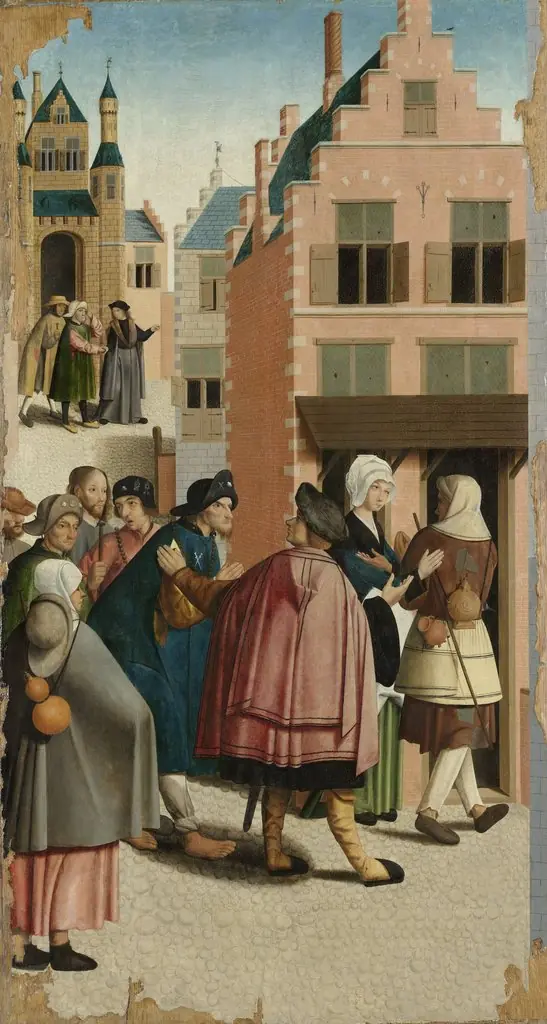
Artist & collection
Artist
The Master of Alkmaar was a Dutch painter active around Alkmaar at the beginning of the sixteenth century.

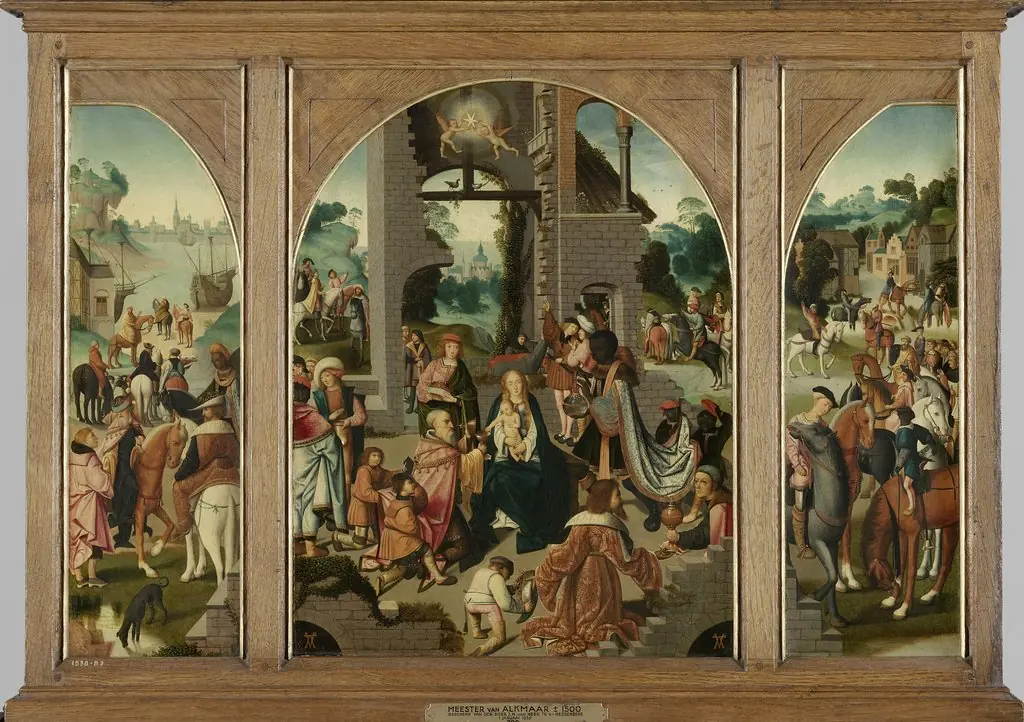 Triptych with the adoration of the Magi (centre panel and inner wings), St Antony Abbot (outer left wing) and St Adrian (outer right wing)
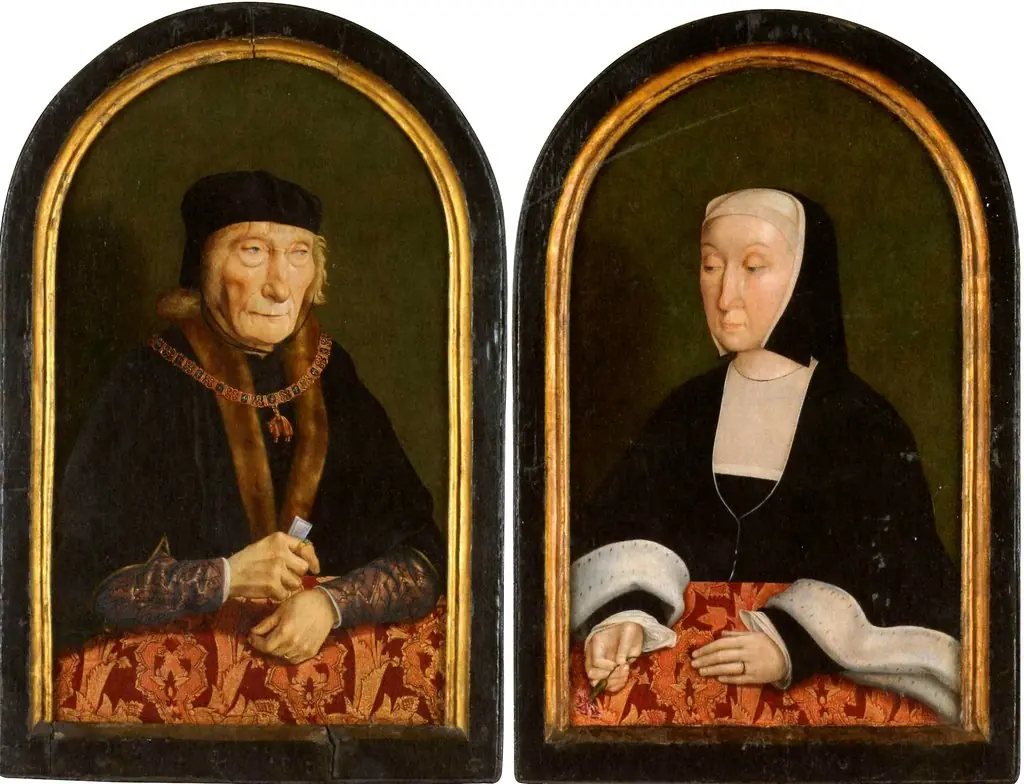 Portrait of Jan III, First Count of Egmond (1438–1516) and his wife Magdalena van Werdenburg, Countess of Egmond (1464–1538)
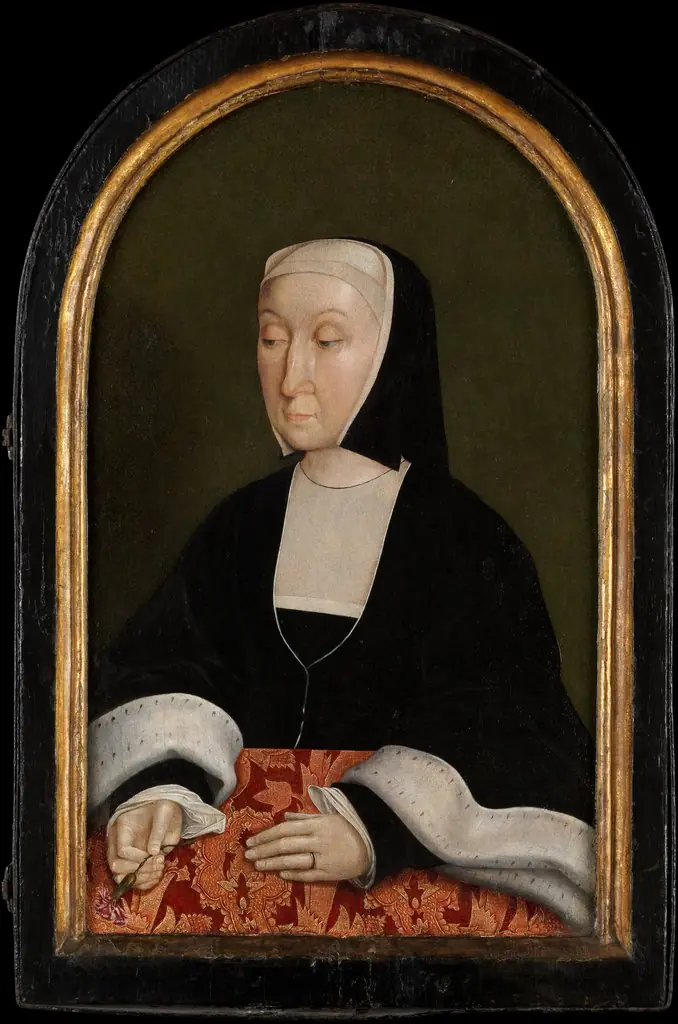 Portrait of Magdalena van Werdenburg (1464–1538), Countess of Egmond and wife of Jan (1438–1516), First Count of Egmond;
- The Seven Works of Mercy
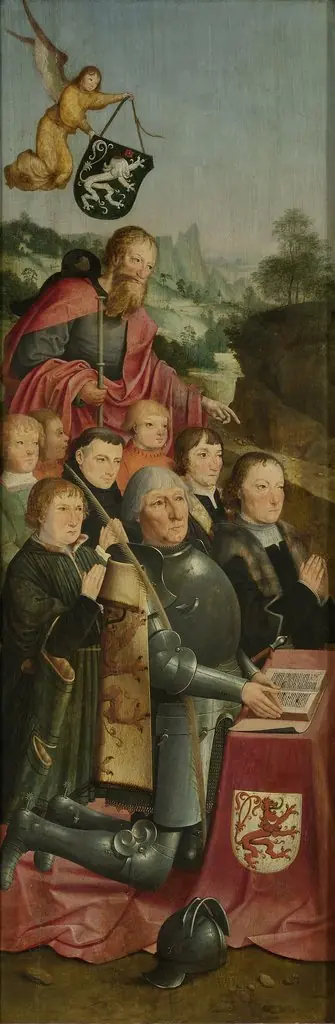 Memorial Panel with Eight Male Portraits, probably Willem Jelysz van Soutelande and Family, with Saint James the Greater and the Van Soutelande Family Crest, inner left wing of an altarpiece
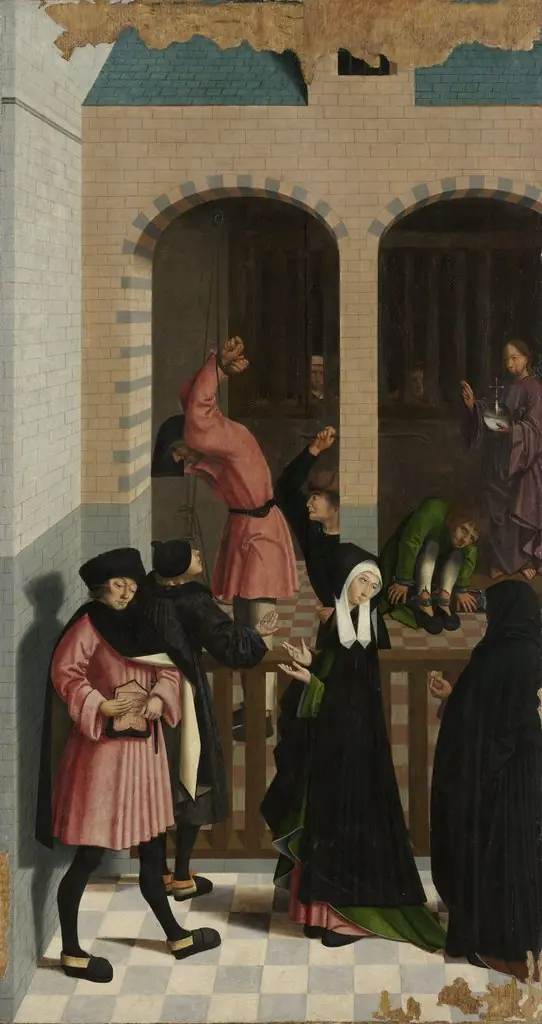 The Seven Works of Mercy
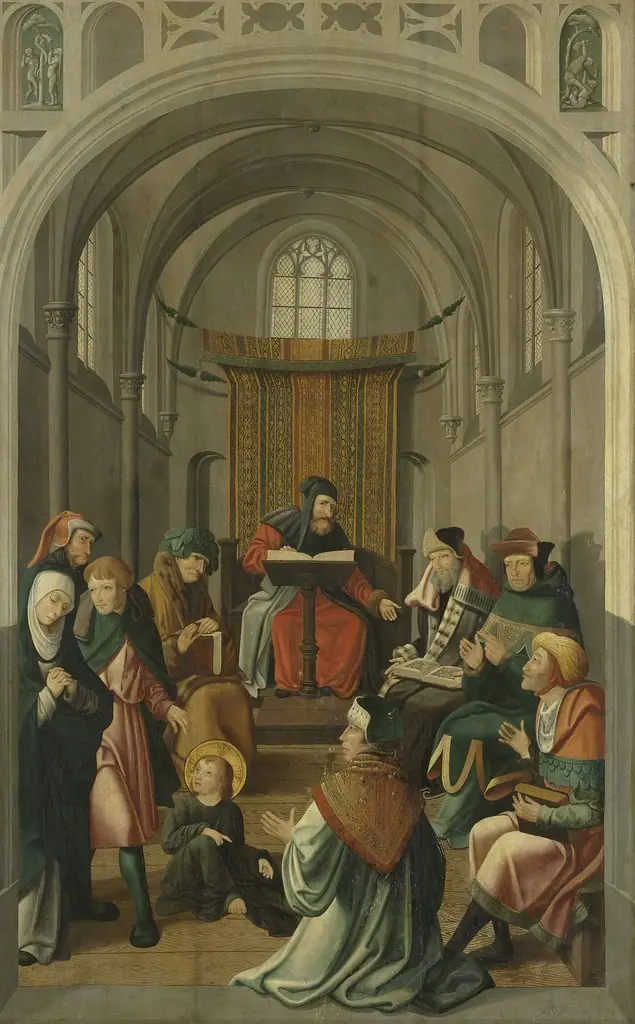 Panel of an altarpiece with Jesus disputing with the doctors in the Temple (inner wing) and Christ appearing to his mother (outer wing)
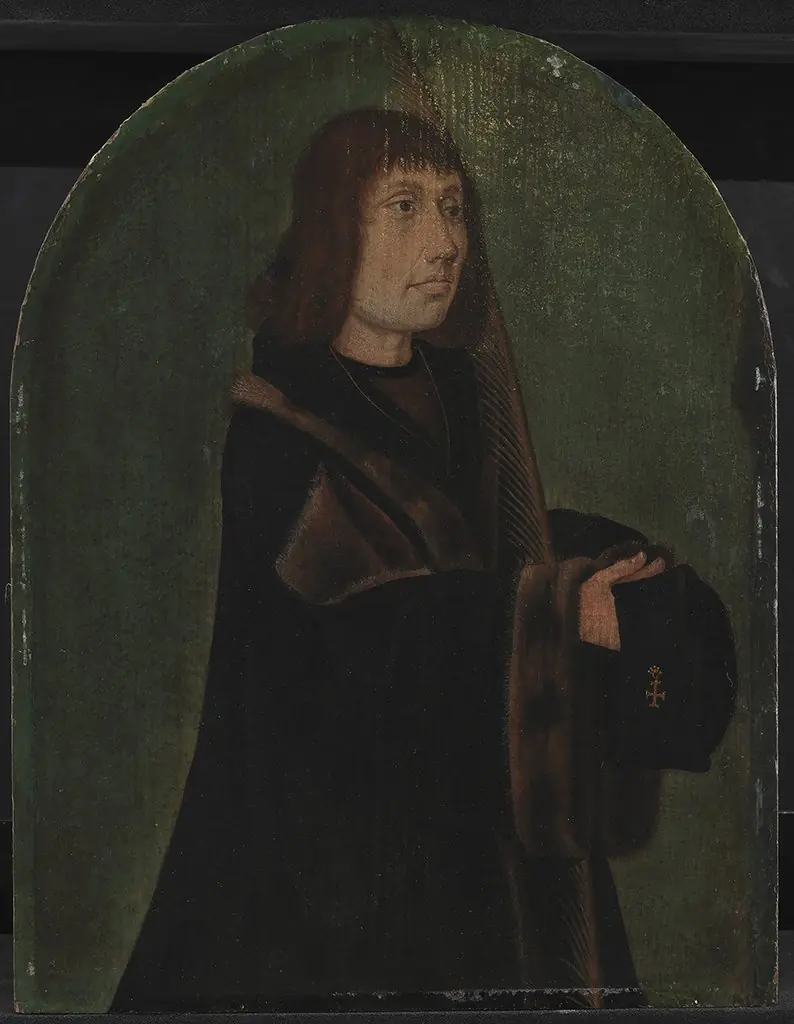 Portrait of a Man
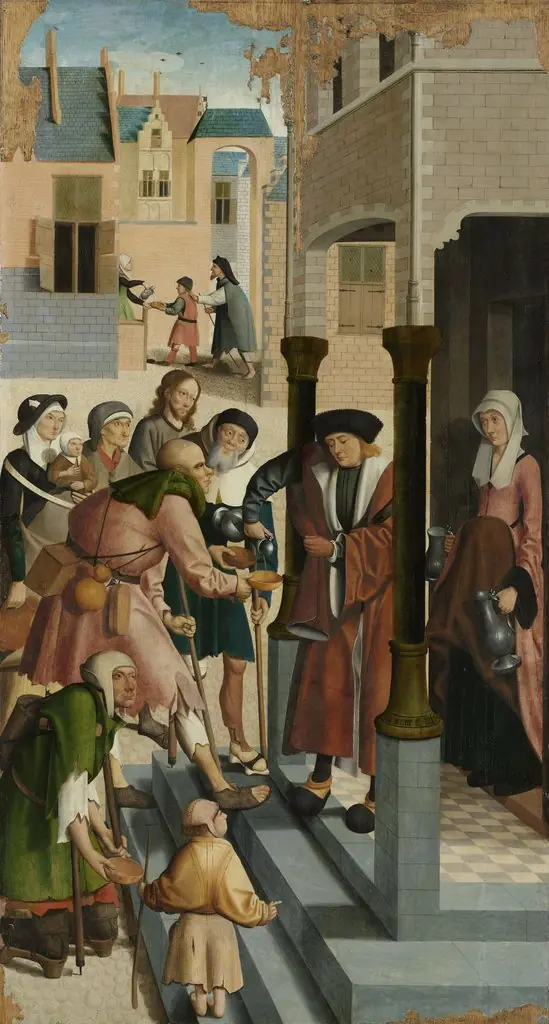 De zeven werken van barmhartigheid. 2: Het laven van de dorstigen.
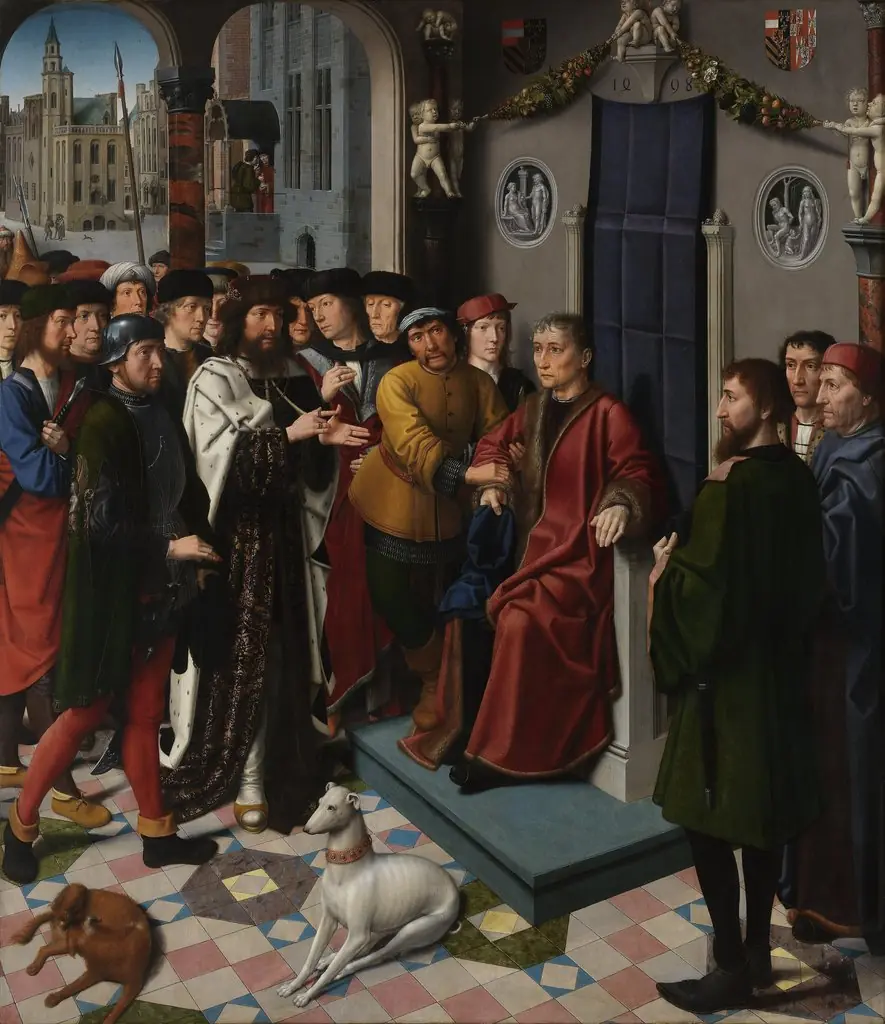 Judgement of Cambyses: The Arrest of Sisamnes
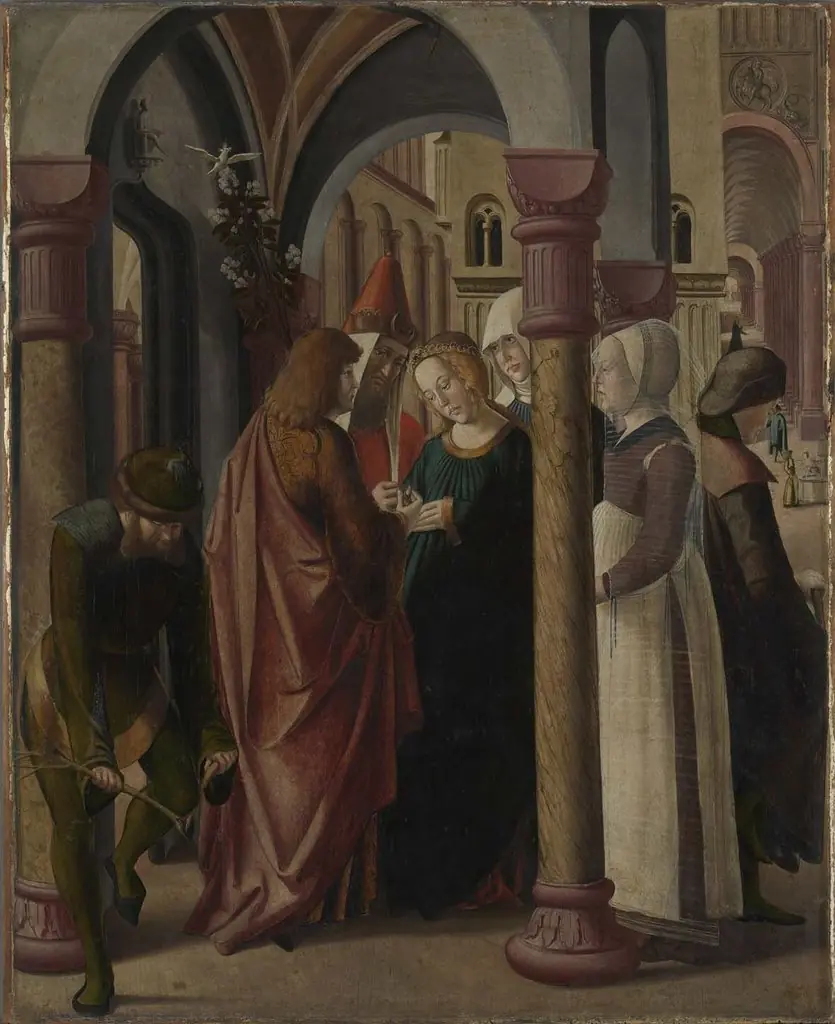 Marienaltar: Vermählung Mariae
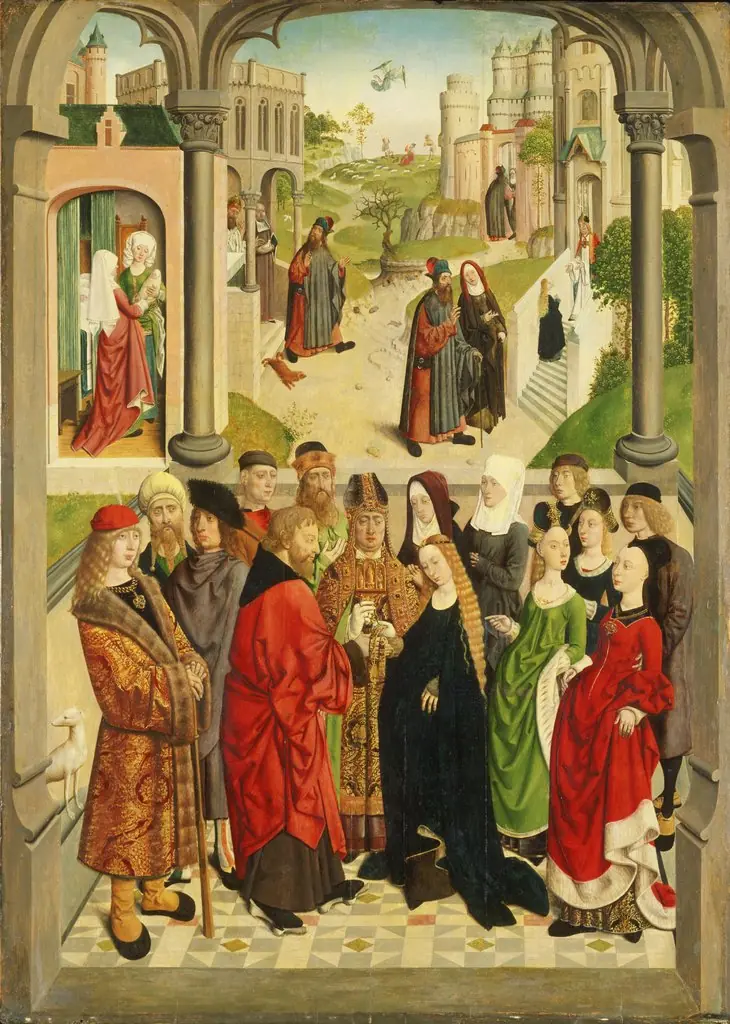 The Marriage of the Virgin, with the Expulsion of Saint Joachim from the Temple, the Angel Appearing to Saint Joachim, the Meeting at the Golden Gate, the Birth of the Virgin, and the Presentation of the Virgin
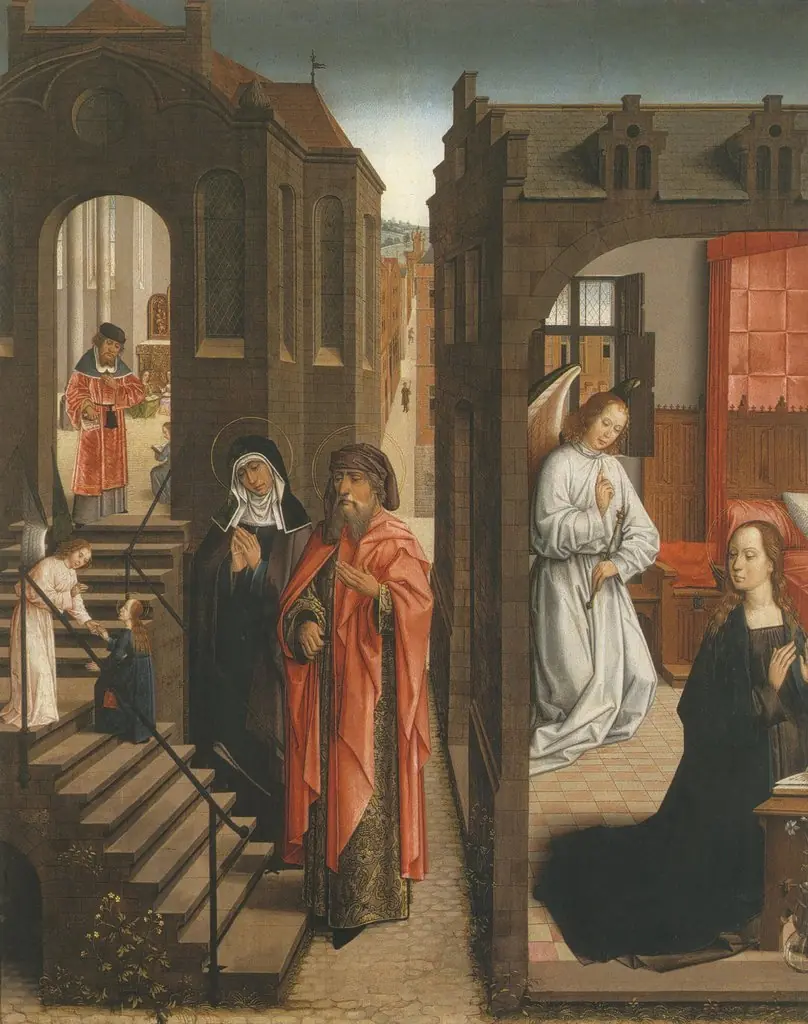 Opdracht van Maria en Annuntiatie
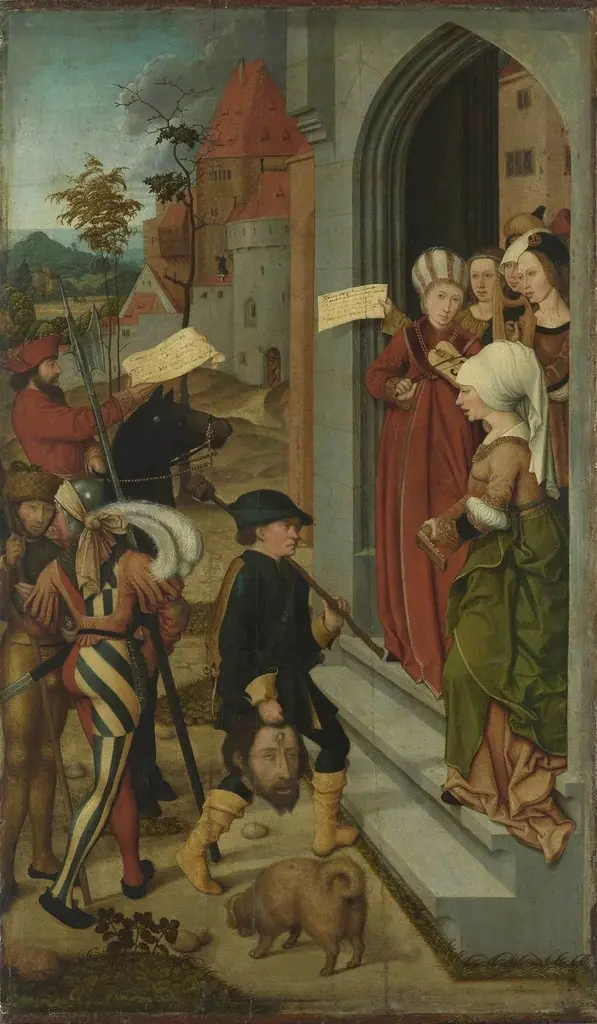 The returning of David with the head Goliath
 Christ Presented to the People
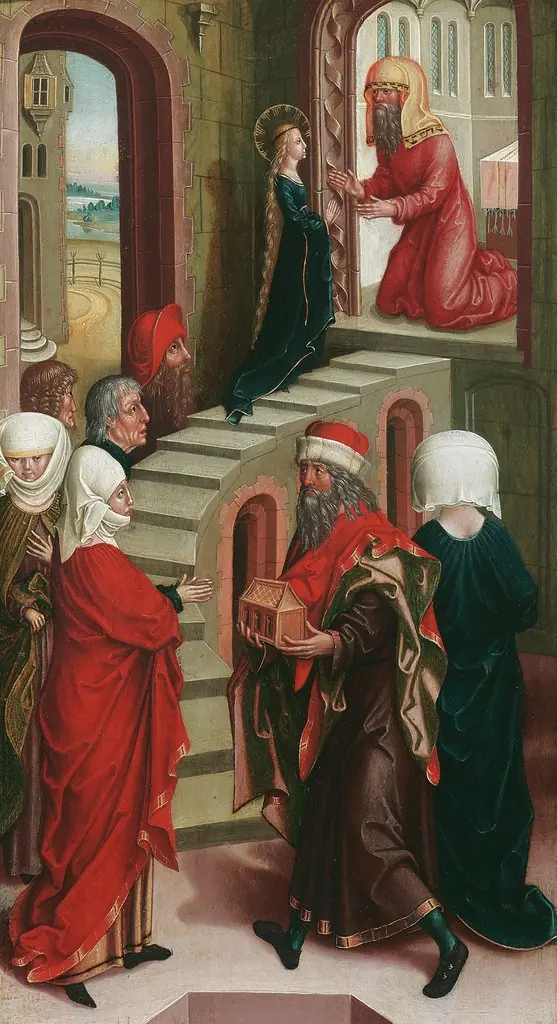 The presentation of Mary in the temple