Artwork
Saints Bartholomew and Simon
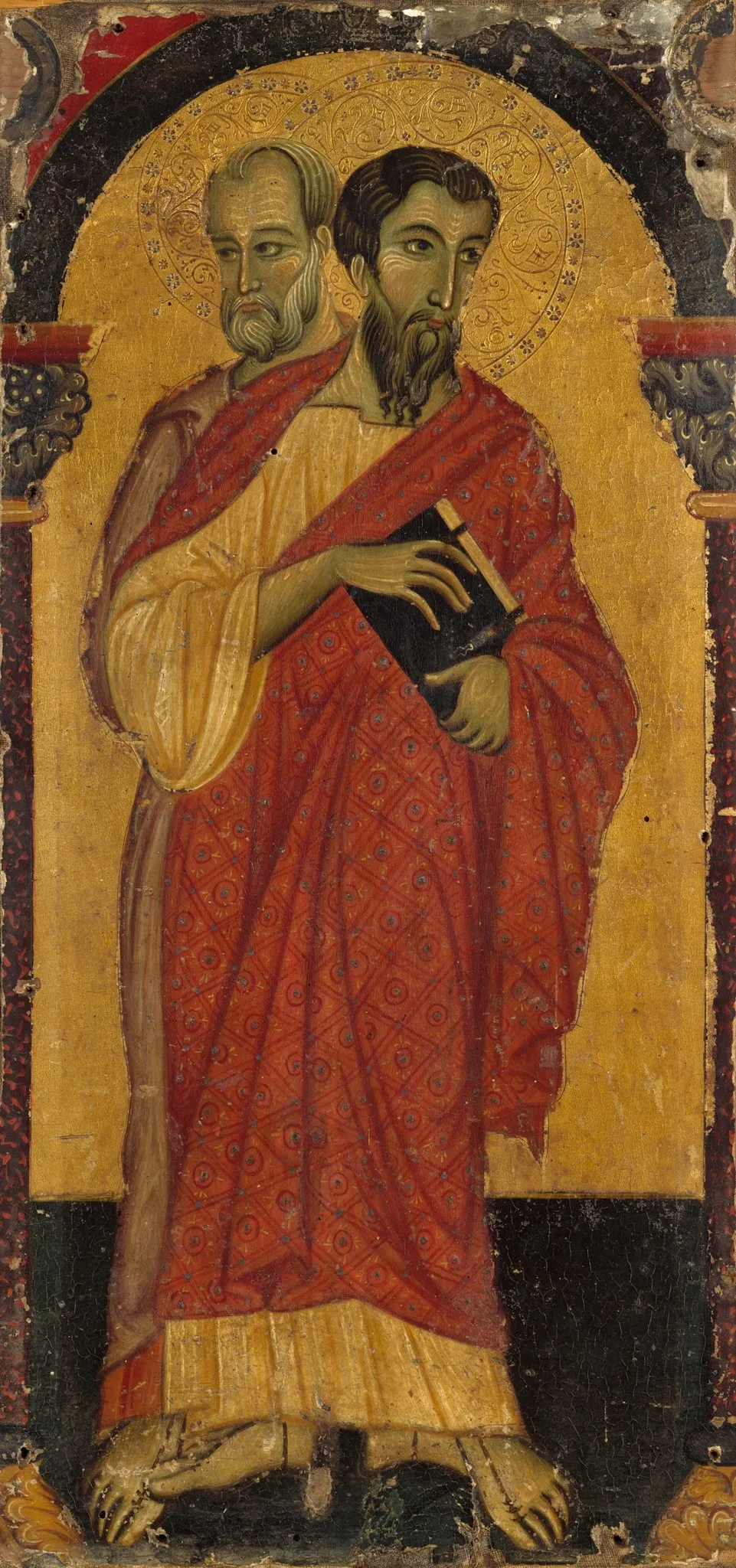
Saints Bartholomew and Simon is an unspecified painting by the Italo Byzantine artist Master of Saint Francis. It dates from 1272 and is held in the collection of the Metropolitan Museum of Art.
About this work
Subject & Meaning
The work is associated with the San Francesco al Prato church and is now housed at the Metropolitan Museum of Art as part of the Robert Lehman Collection.
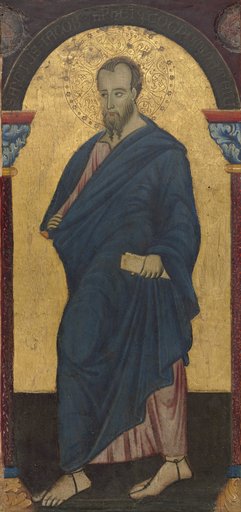
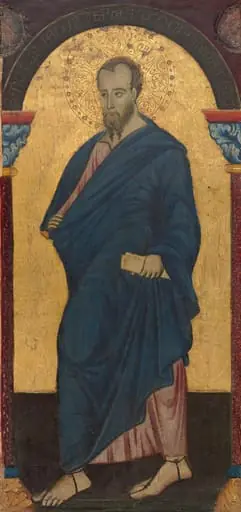
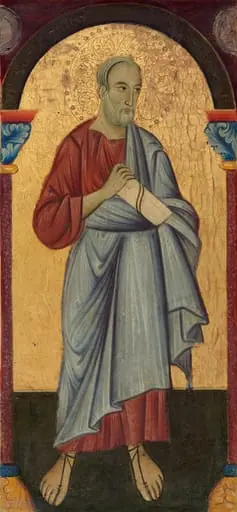
The panel painting titled Saints Bartholomew and Simon, created by the Master of Saint Francis in 1272, falls within the genre of religious art. The work depicts two specific apostles: Bartholomew the Apostle and Simon the Zealot. As a religious composition, the piece serves to represent these two saints within a devotional program consistent with the purposes of thirteenth-century altarpieces.
The work is associated with the San Francesco al Prato church and is now housed at the Metropolitan Museum of Art as part of the Robert Lehman Collection.
History & Provenance
Saints Bartholomew and Simon was created in 1272 by the Master of Saint Francis. The painting is associated with the San Francesco al Prato church, indicating its ecclesiastical origins. It entered the collection of Robert Lehman and is now held by the Metropolitan Museum of Art as part of the Robert Lehman Collection.
The sources do not specify the original commissioner or the chain of custody between its thirteenth-century production and its acquisition by Robert Lehman, leaving the early provenance undocumented.
Overview
“Saints Bartholomew and Simon” is a religious panel painting from 1272, attributed to the artist known as the Master of Saint Francis. This work, now housed at The Metropolitan Museum of Art, presents two significant figures from Christian tradition. It offers insight into devotional art practices of the late thirteenth century, emphasizing spiritual representation over naturalistic depiction.
Technique & Style
The artist employs a stylized approach characteristic of the period, presenting the saints with formal symmetry. Rich textiles, such as the red robe adorned with gold patterns, indicate the figures' veneration. A prominent golden background, detailed with intricate designs, creates a celestial aura, typical of medieval religious art. This aesthetic emphasizes the spiritual realm, contrasting with the more naturalistic styles that would emerge later.
Artist & collection