Artwork
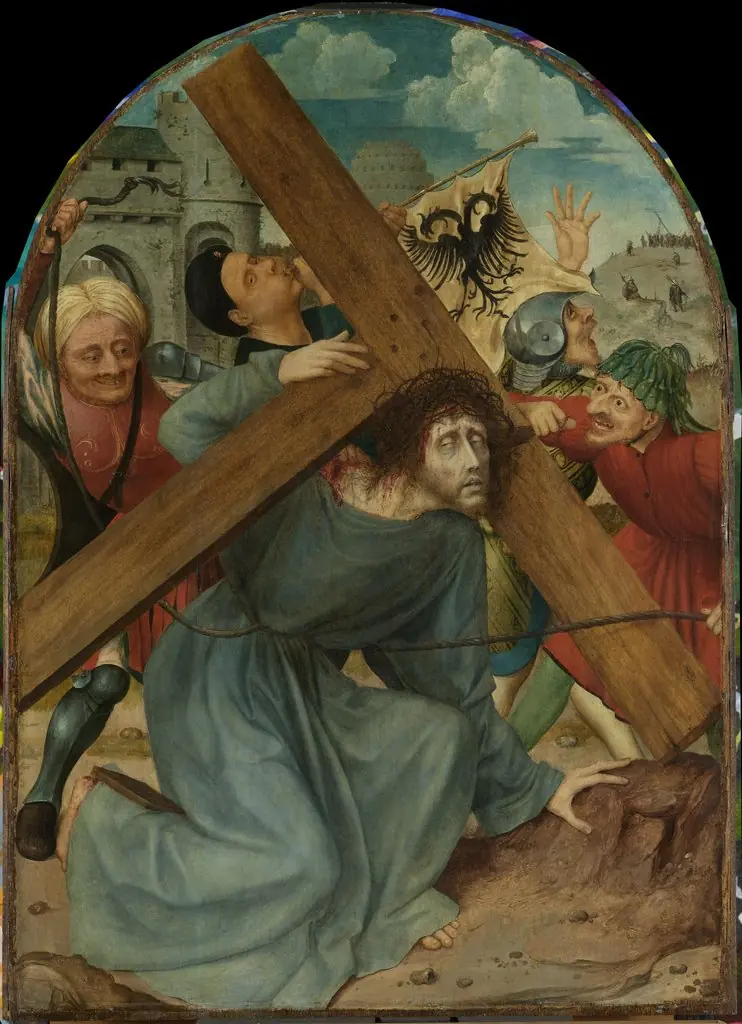
Christ Carrying the Cross
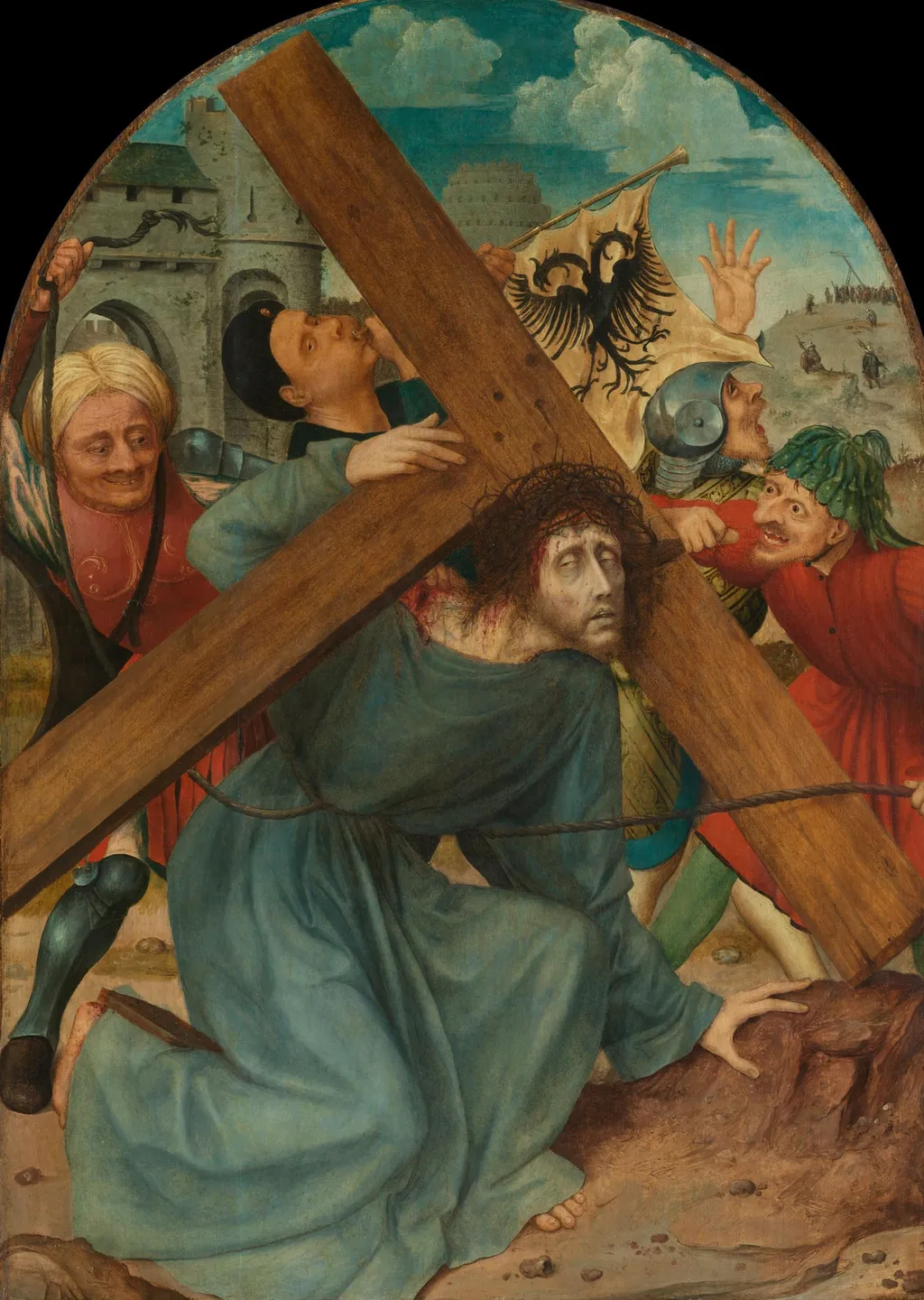
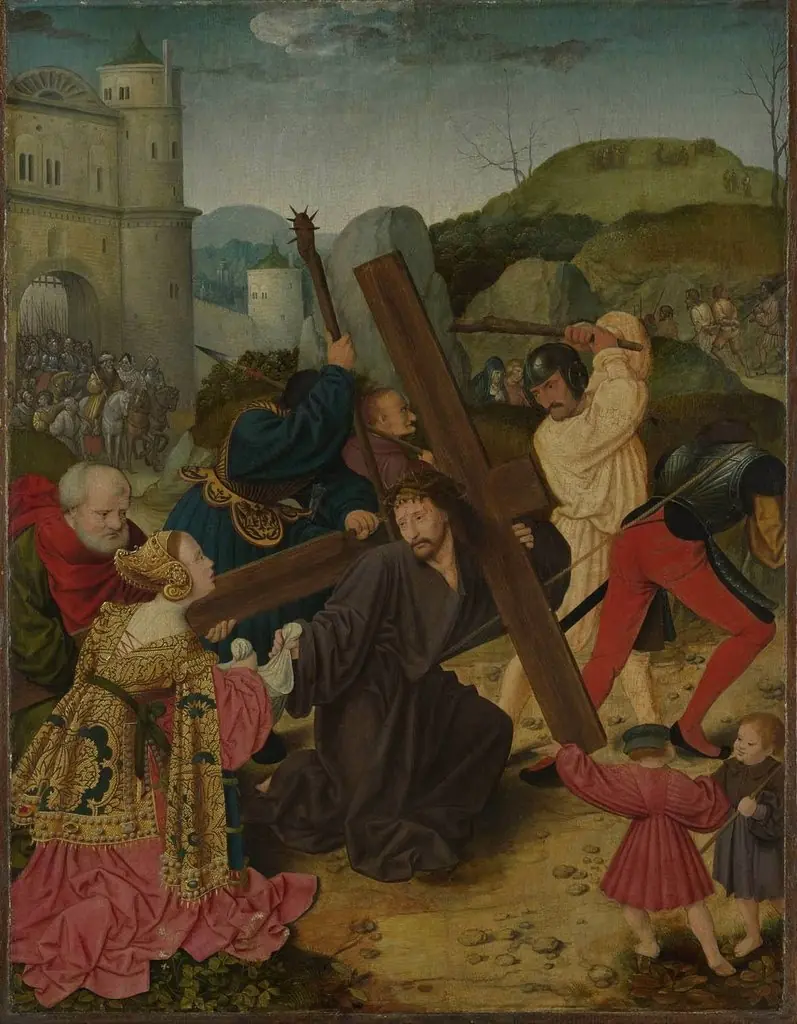
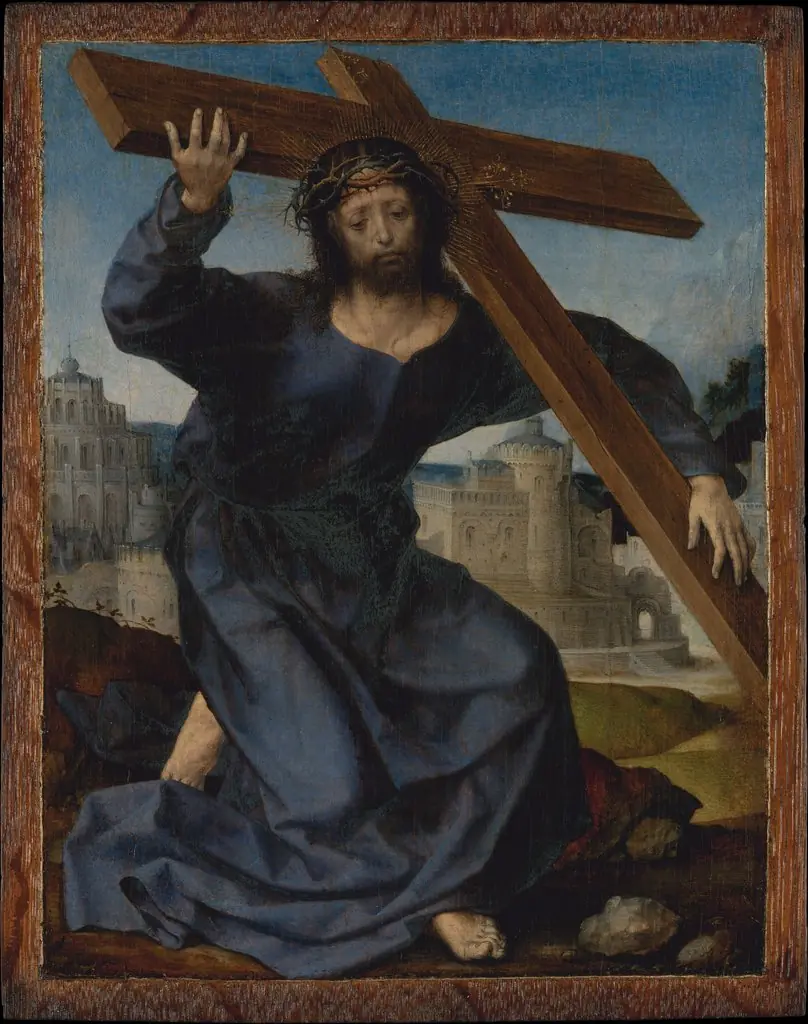
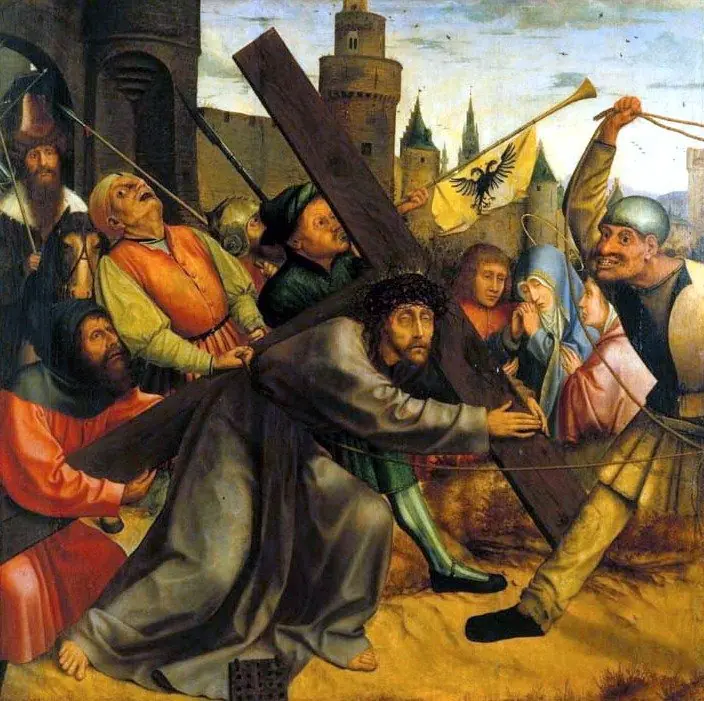
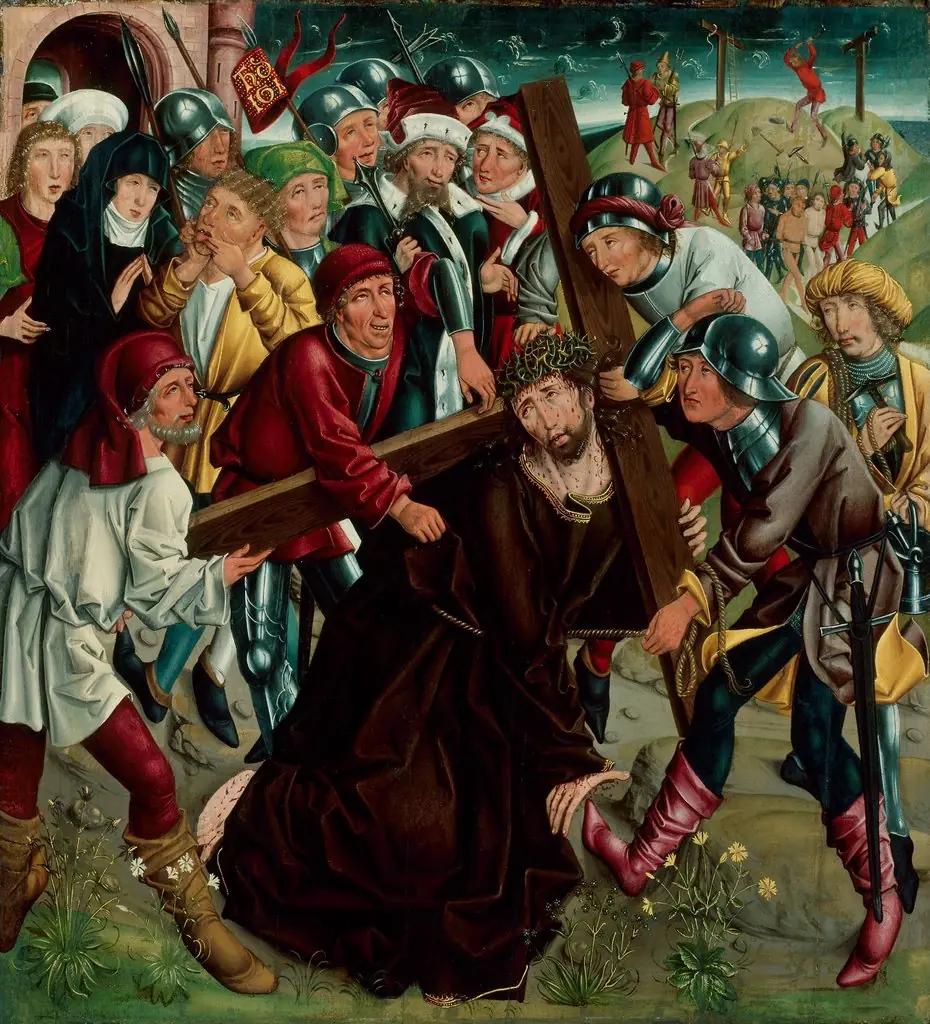
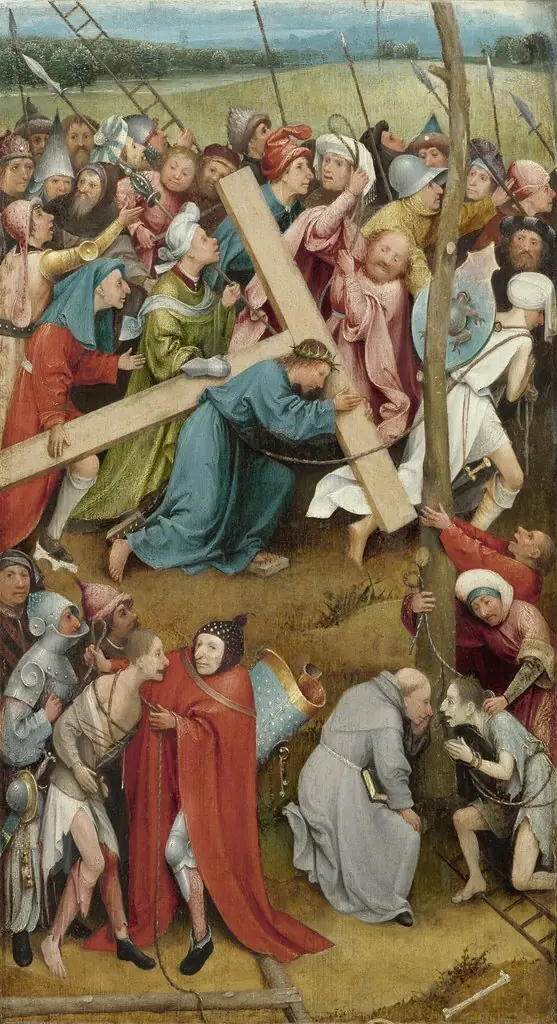
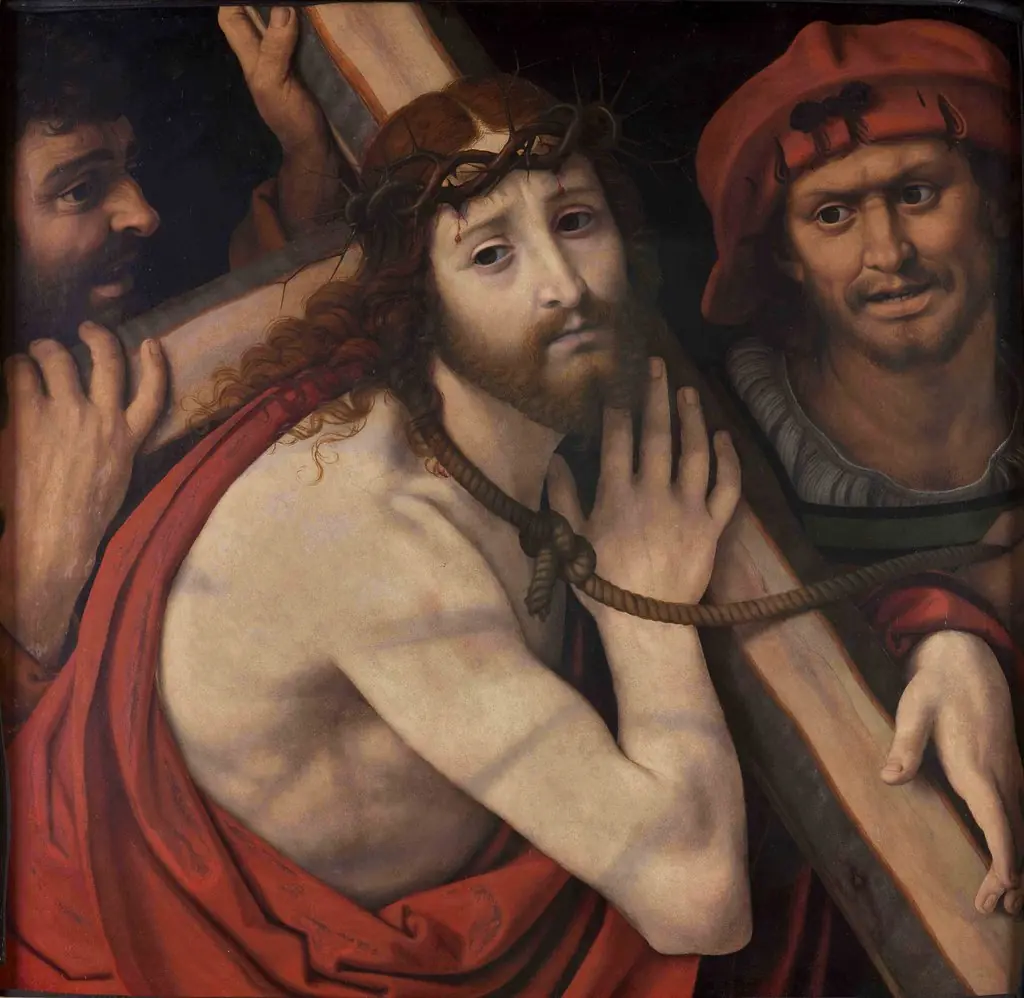
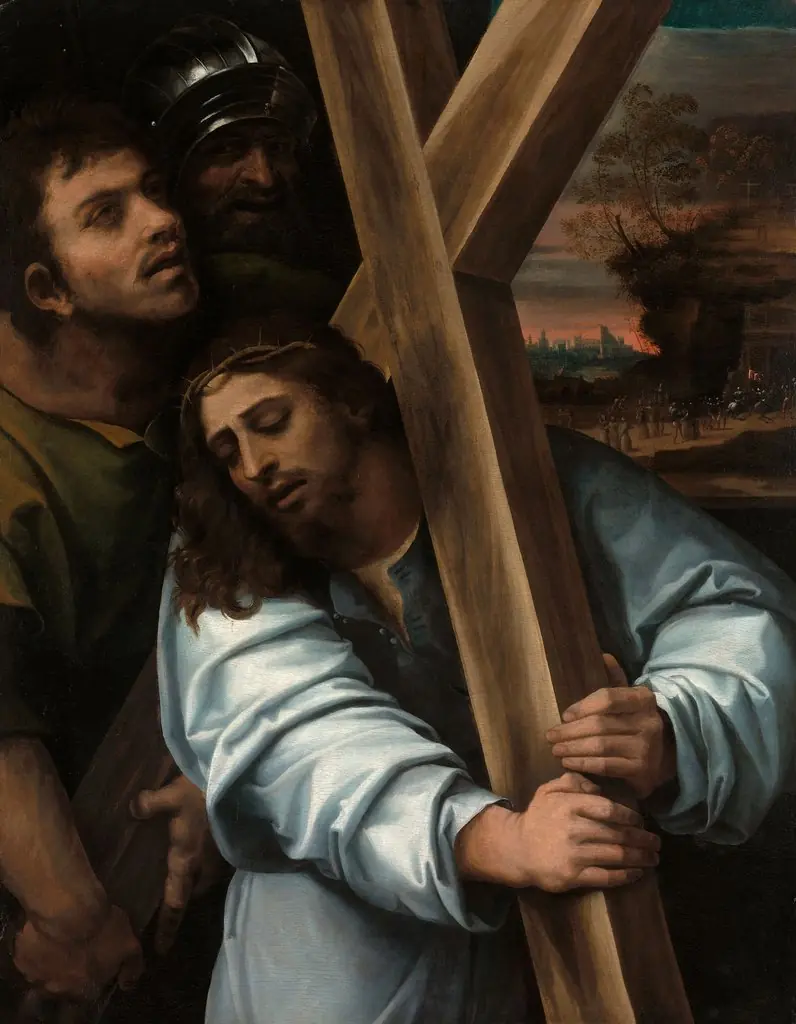
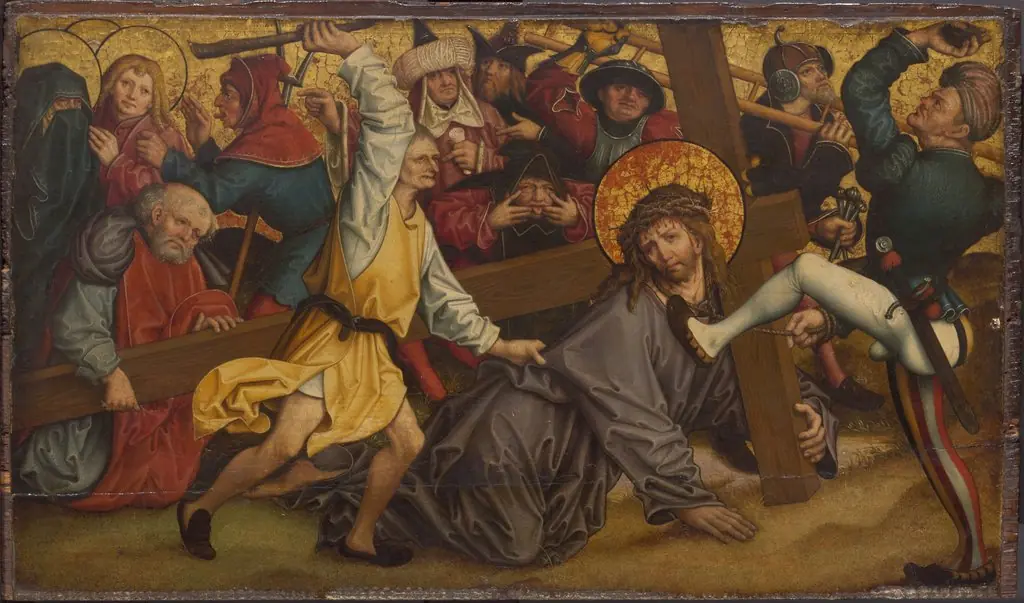
Christ Carrying the Cross is an unspecified painting by the Northern Renaissance artist Quinten Metsys. It dates from 1510 and is held in the collection of the Rijksmuseum. Quentin Massys, a prominent painter in Antwerp during the early 1500s, created a work that centers on the moment Christ bears the cross.
About this work
Subject & Meaning
The painting depicts the biblical scene of Christ bearing the cross on the way to Calvary, a standard subject in Passion iconography that emphasizes his suffering and sacrifice. In Early Netherlandish tradition this image functions as a moralising meditation on redemption and human frailty, while also allowing the artist to explore themes of endurance, compassion and the grotesque realism of physical torment. The work therefore represents both a devotional focus on Christ's redemptive act and a broader commentary on the human condition within the cultural context of 16th‑century Flemish art.
Technique & Style
Quinten Massijs employed oil on wooden panel for his religious and portrait works, using transparent glazes to achieve rich color depth characteristic of Early Netherlandish painting. His technique featured precise draftsmanship, meticulous detail in textures such as fabric and metal, and strong chiaroscuro to model forms, drawing on influences from Dirk Bouts, Hans Memling, and Rogier van der Weyden while maintaining a distinct Antwerp school sensibility. The handling of figures emphasized individual character and emotional expression, often with grotesque realism in facial details, as seen in works like Christ Carrying the Cross, which reflects his mastery of composition and narrative clarity within the religious tradition.
History & Provenance
The work was created during Massijs' mature period in Antwerp, where he had been a registered master in the Guild of Saint Luke since 1491.
Christ Carrying the Cross is attributed to the Flemish painter Quinten Massijs (I) and dated to the period between circa 1510 and 1515. The work was created during Massijs' mature period in Antwerp, where he had been a registered master in the Guild of Saint Luke since 1491. While specific details regarding the original commission or the early ownership chain of this particular painting are not documented in the available records, the timeframe aligns with the artist's production of religious works characterized by intense expression and detailed realism. The painting reflects the stylistic influences of earlier Netherlandish masters, combining rigorous outline with rich, transparent pigments typical of the Antwerp school's development in the early 16th century.
Context
Quinten Massijs (I) is recognized as a key figure in the Early Netherlandish tradition and a founding member of the Antwerp School, which rose to prominence in the 16th century as Antwerp replaced older centers like Bruges and Ghent in artistic influence. His work, characterized by religious intensity, meticulous detail, and satirical realism, reflects influences from Dirk Bouts, Hans Memling, and Rogier van der Weyden while also incorporating elements from Italian Renaissance art and contemporaries such as Albrecht Dürer. As documented in sources, Massijs created significant works like the altarpiece for St. Peter's Church in Leuven and the widely studied 'Christ Carrying the Cross,' which exemplifies his mastery of expressive figures and symbolic detail. His legacy extends through his family of artists and posthumous honors, including the naming of streets, a square, and an asteroid in his memory.
Own this work as a print
Artist & collection
Artist
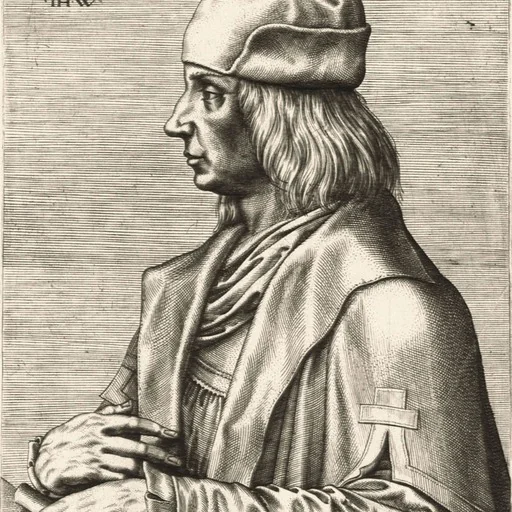
Quentin Matsys (UK: MAT-sysse, US: MAHT-sysse; also Massys or Metsys; Flemish: Quinten Matsijs; 1466–1530) was a Flemish painter in the Early Netherlandish tradition.