Artwork
The Adoration of the Magi
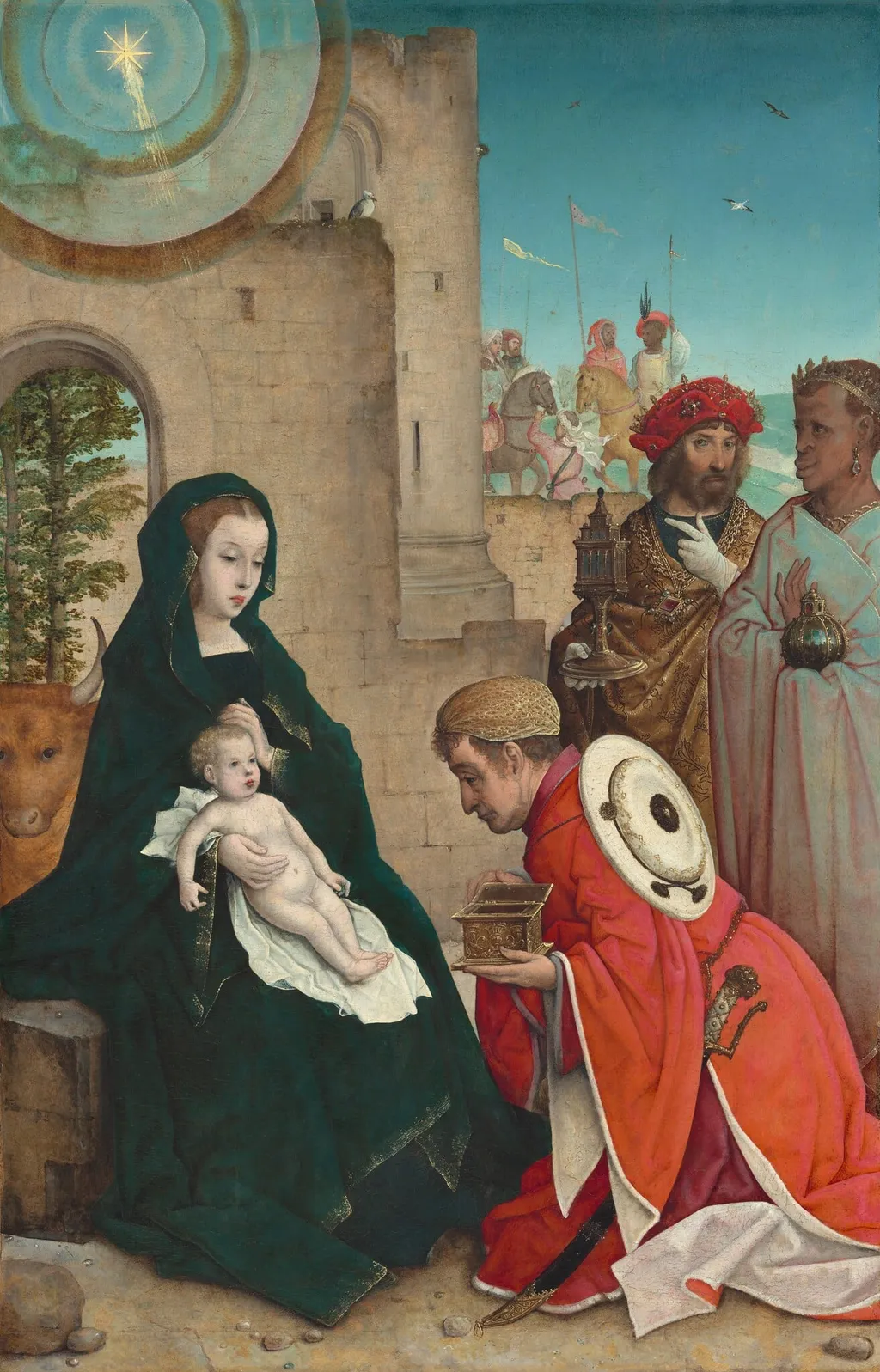
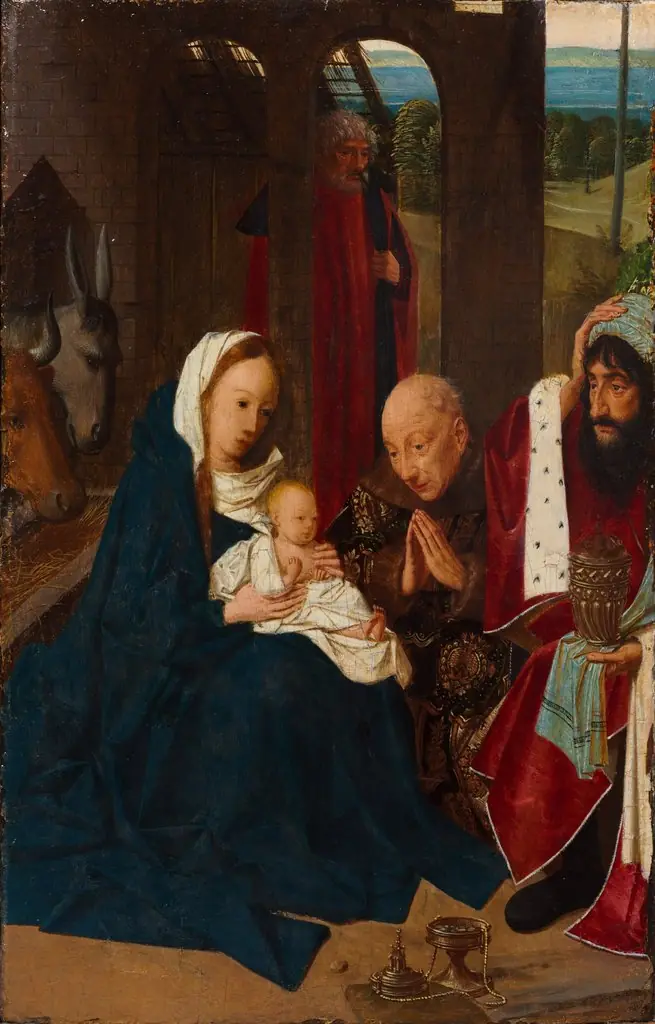
The Adoration of the Magi is an oil painting by the Northern Renaissance artist Juan de Flandes. It dates from 1514 and is held in the collection of the National Gallery of Art.
About this work
Subject & Meaning
The subject matter aligns with traditional iconography of the Epiphany, emphasizing the spiritual encounter between the holy figures and the visiting kings.
The painting depicts the Adoration of the Magi, a religious narrative centered on the Christ Child. Created by Juan de Flandes in 1508, the work illustrates the biblical episode where the Magi pay homage to the infant Jesus. As a religious genre piece, the composition focuses on the theological significance of the Magi's visit, representing the recognition of Christ's divinity by the Gentiles.
The artwork was originally commissioned for the main chapel of the Church of San Lázaro in Palencia, underscoring its liturgical purpose and role in devotional practice. The subject matter aligns with traditional iconography of the Epiphany, emphasizing the spiritual encounter between the holy figures and the visiting kings.
Technique & Style
The work is executed in oil on a wooden panel, a format typical of early 16th‑century Iberian altarpieces. Juan de Flandes painted it circa 1508 for the main chapel of the Church of San Lázaro in Palencia, where it remained until the late 18th century. The panel measures roughly 125 × 79 cm and was later sold to a New York dealer before entering the Samuel H. Kress collection and being donated to the National Gallery of Art.
Its surface retains the fine linear modeling and rich coloration characteristic of Flemish‑inspired religious painting, with a composed arrangement of the Virgin, Child and the visiting Magi that emphasizes devotional intimacy.
History & Provenance
The Adoration of the Magi was commissioned around 1508 by Don Sancho de Castilla for the main chapel of the church of San Lázaro in Palencia, where it remained until at least 1761. In 1952, the painting was acquired in Spain by New York dealer Frederick Mont. By 11 February 1953, Mont had sold it to the Samuel H. Kress Foundation, which in turn donated the work to the National Gallery of Art, Washington, D.C., in 1961. Documentary confirmation of its presence in San Lázaro in 1761 is recorded in Ignace Vandevivere’s 1967 study.
The work is held by the National Gallery of Art, Washington, D.C., as part of the Samuel H. Kress Collection, accessioned in 1961. Originally installed in the main chapel of the church of San Lázaro, Palencia, it was commissioned in 1508 by Don Sancho de Castilla. Confirmed in the church until at least 1761, the four panels were later acquired in Spain by Frederick Mont in 1952 and sold to the Samuel H. Kress Foundation on 11 February 1953, before being gifted to the Gallery in 1961.
Overview
Juan de Flandes completed The Adoration of the Magi around 1514, an oil painting on panel. This religious work illustrates the biblical narrative of the Three Kings' visit to the infant Christ. The artist's meticulous approach is evident in the detailed portrayal of the figures and their elaborate attire, characteristic of his distinct style.
Context
The Adoration of the Magi was a frequently chosen subject for artists throughout the late medieval and Renaissance periods. Its narrative offered opportunities for rich visual storytelling, allowing painters to explore themes of devotion, prophecy, and the recognition of Christ's divinity by the wider world. Juan de Flandes's interpretation contributes to this extensive artistic tradition.
Own this work as a print
Artist & collection


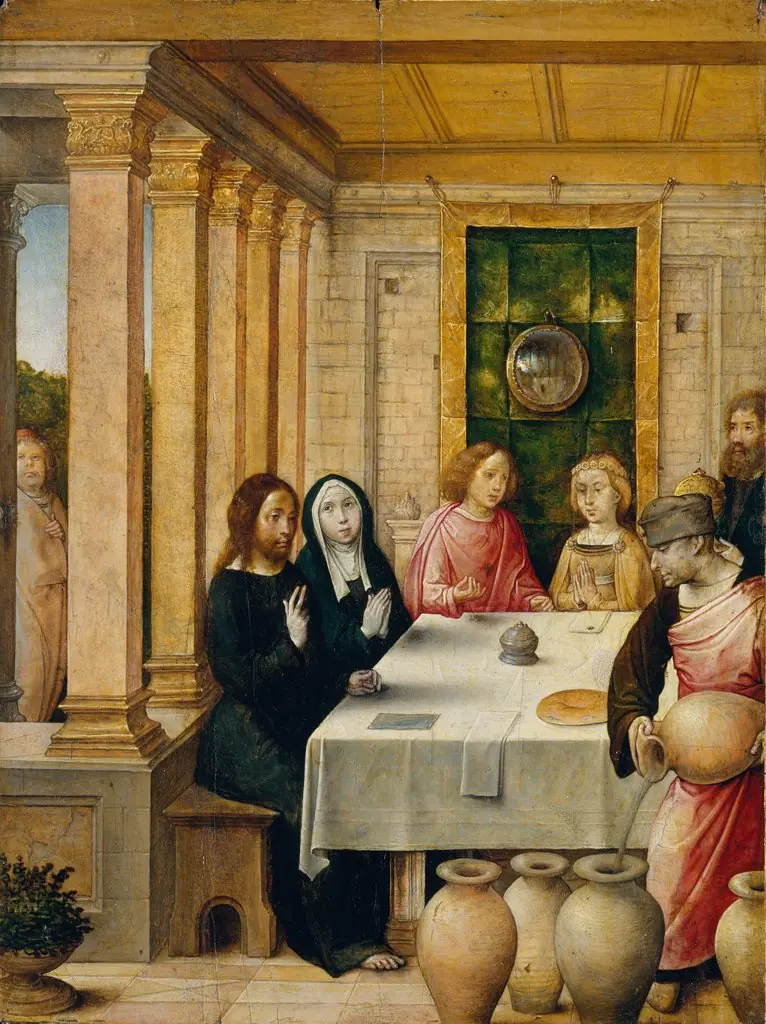
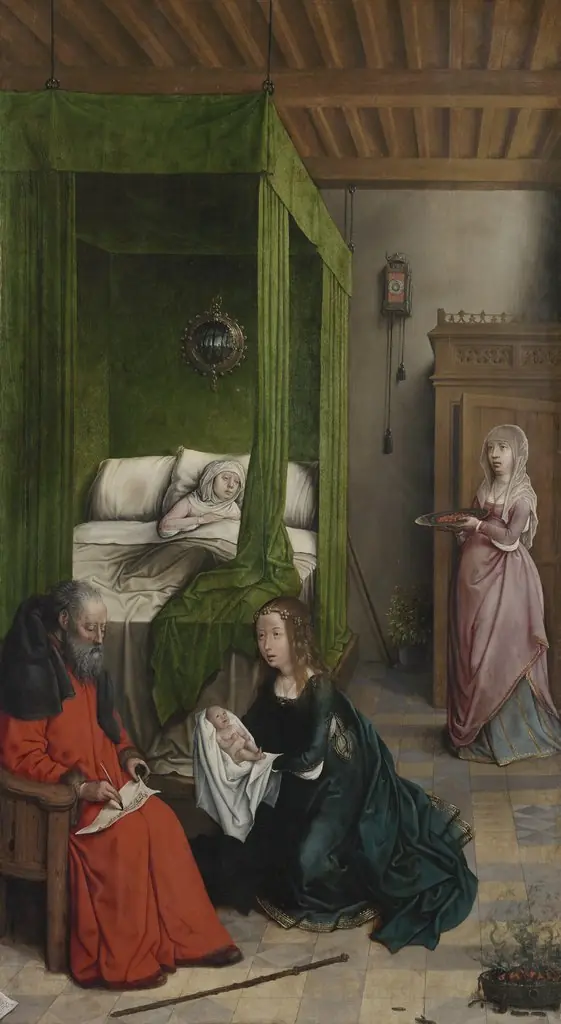
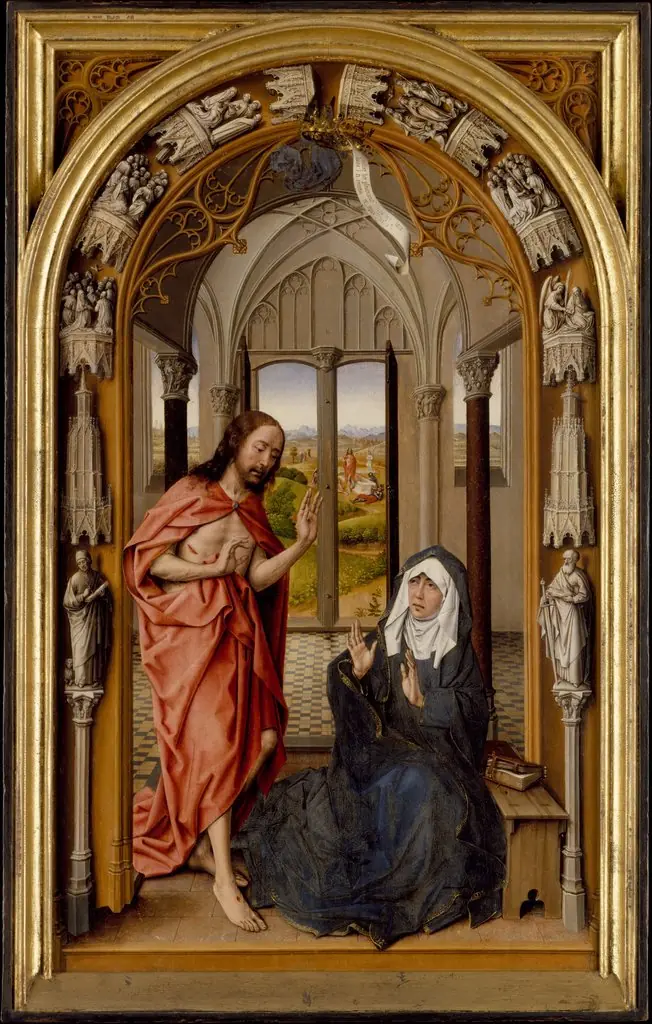
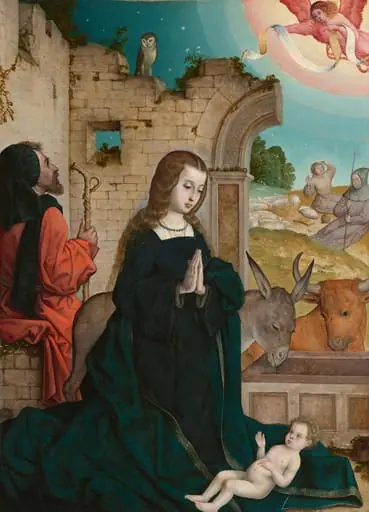
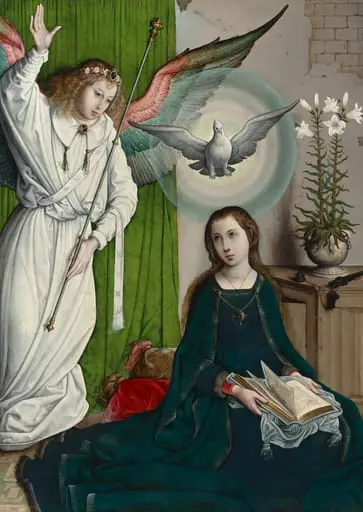
- The Adoration of the Magi
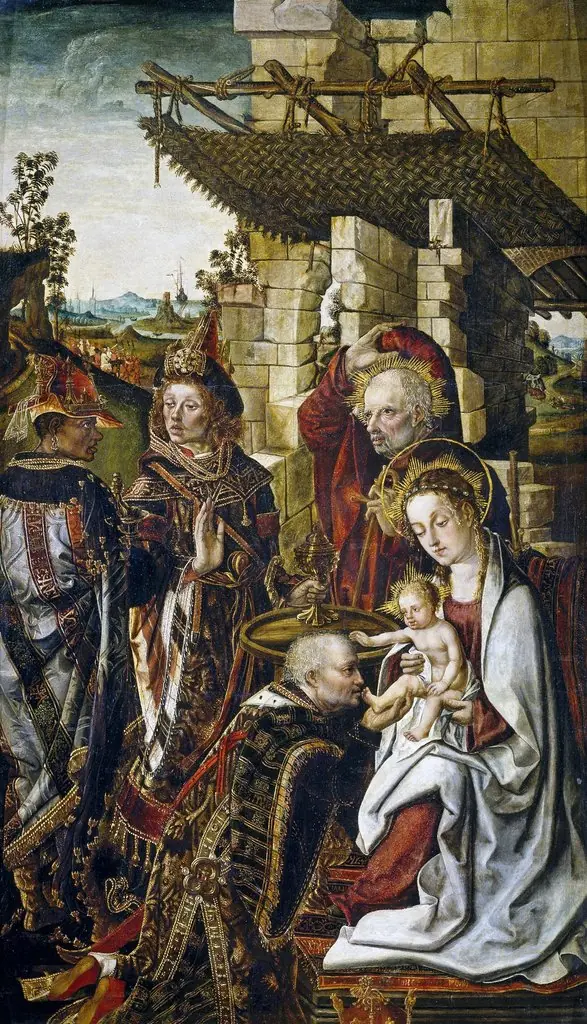 The Adoration of the Magi
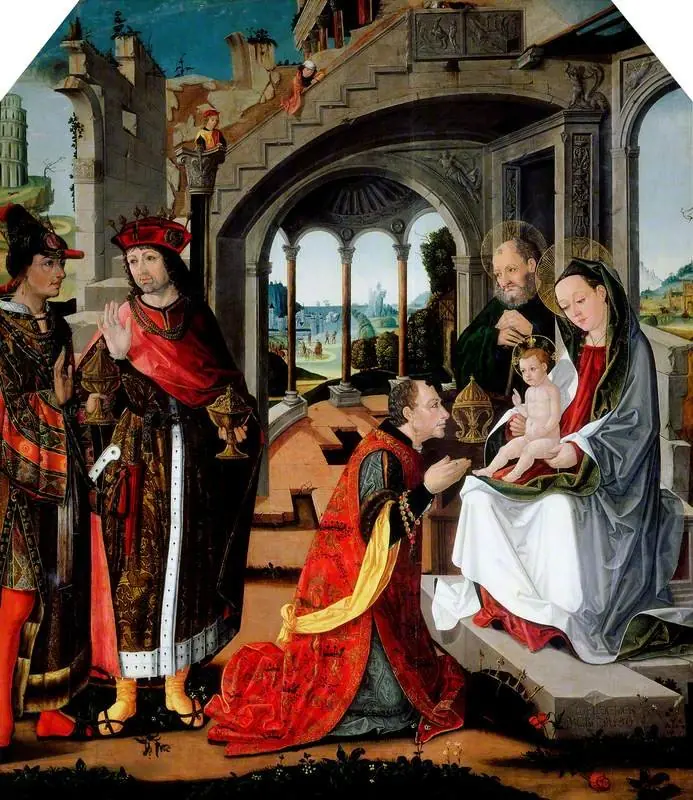 The Adoration of the Magi
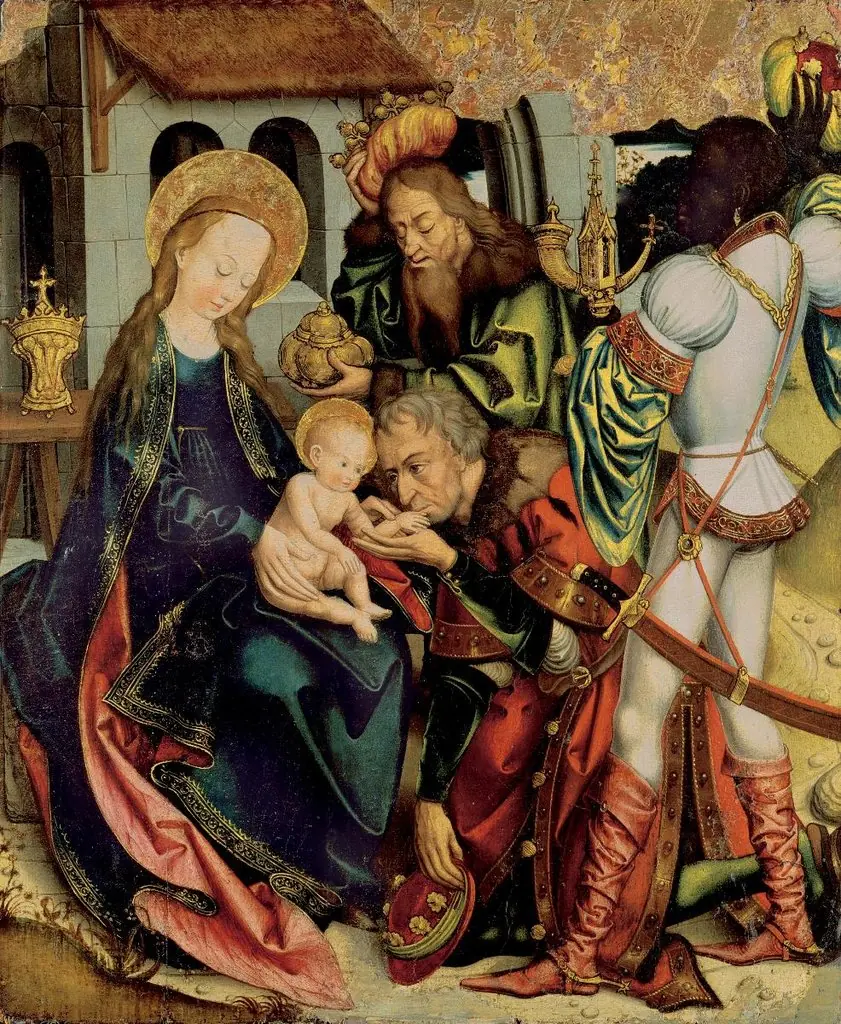 Anbetung der Heiligen Drei Könige
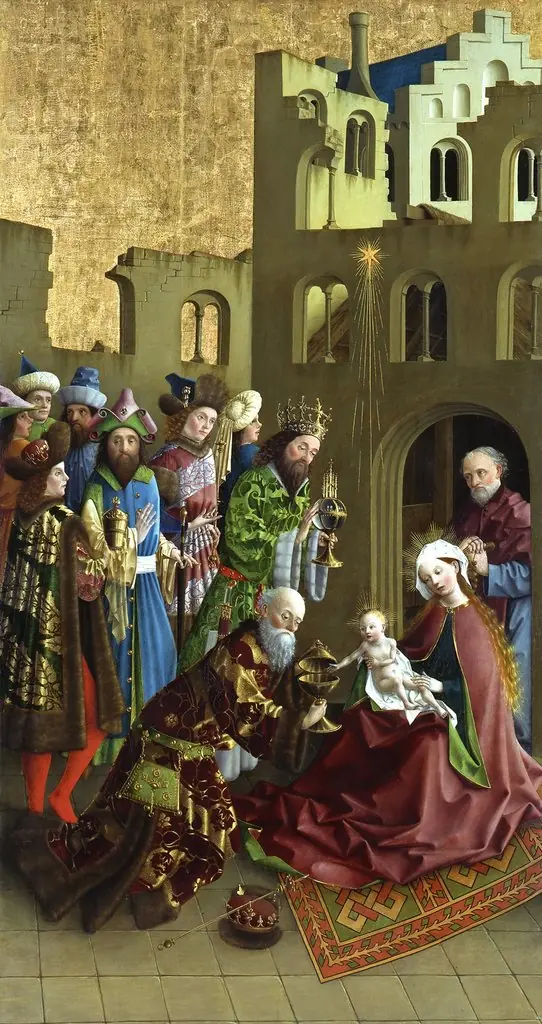 Darmstadt Altarpiece: The Epiphany
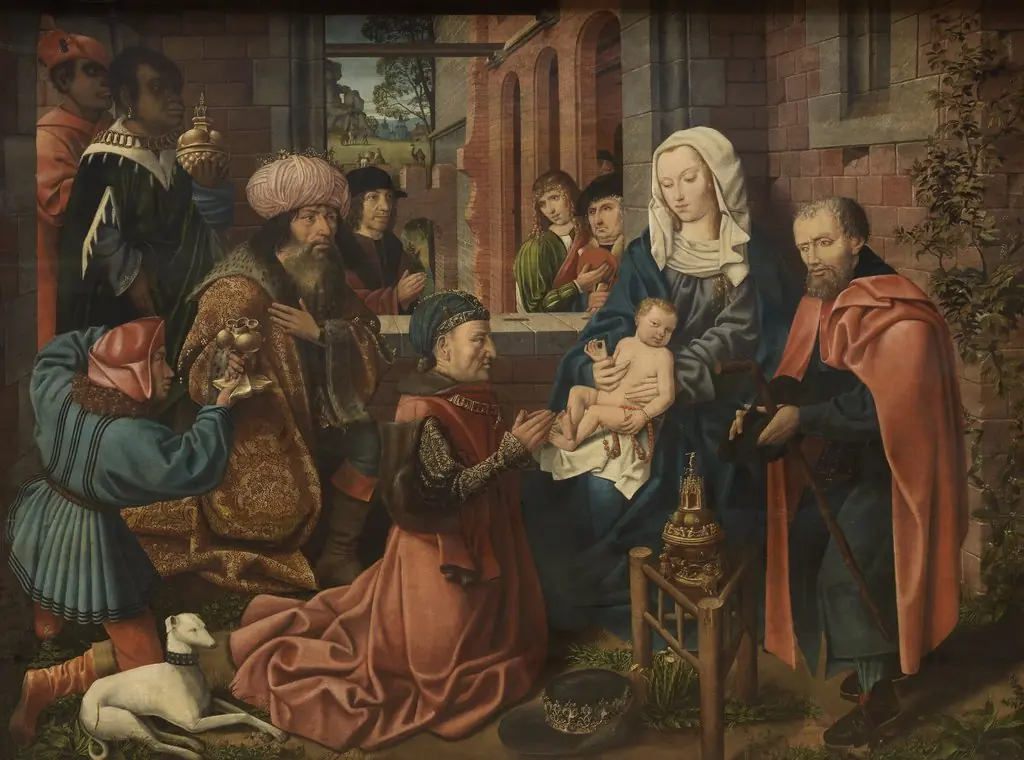 The Adoration of the Magi
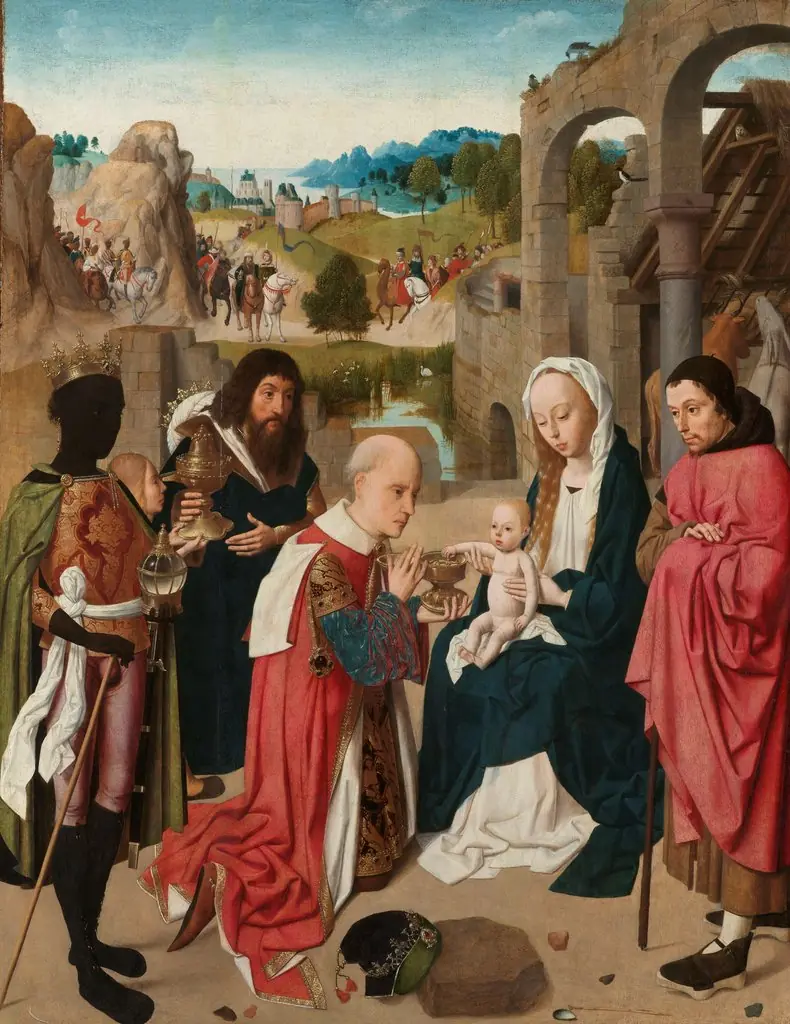 The Adoration of the Magi
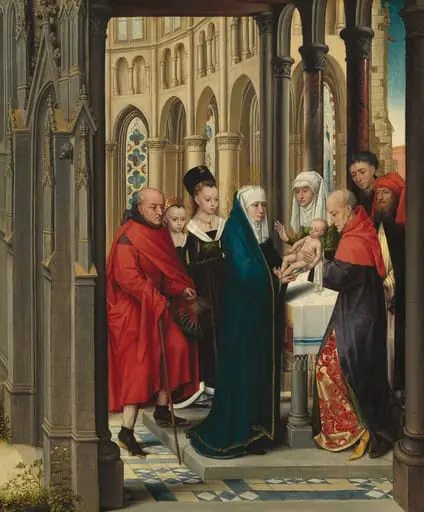 The Presentation in the Temple
 The Adoration of the Magi
 Virgin and Child with Saint Anne, Saint Gereon, and a Donor
 Tronende Maria en Christus, met Sint-Hiëronymus, Johannes de Doper en een kartuizer monnik