Artwork
The Adoration of the Shepherds
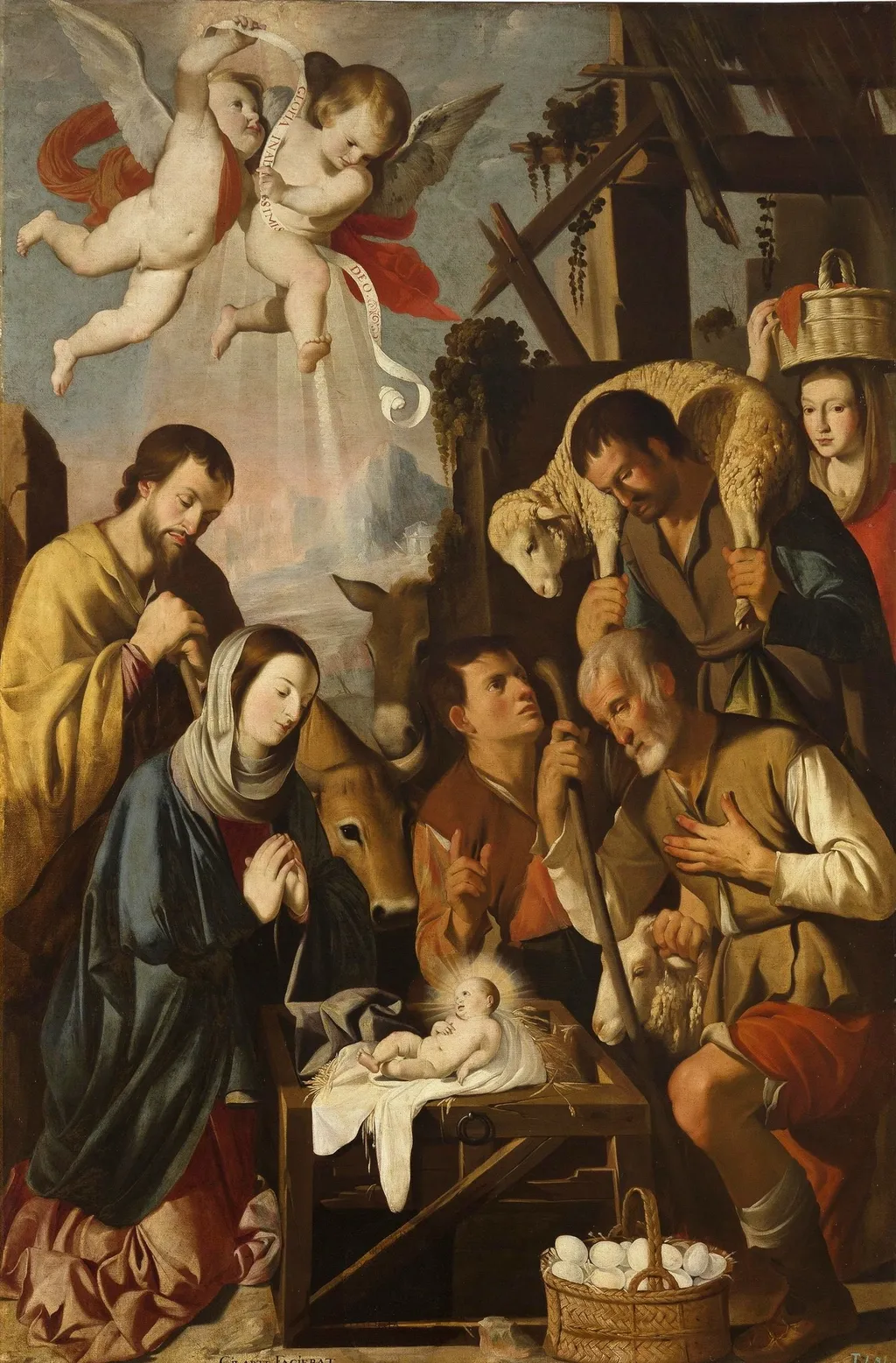
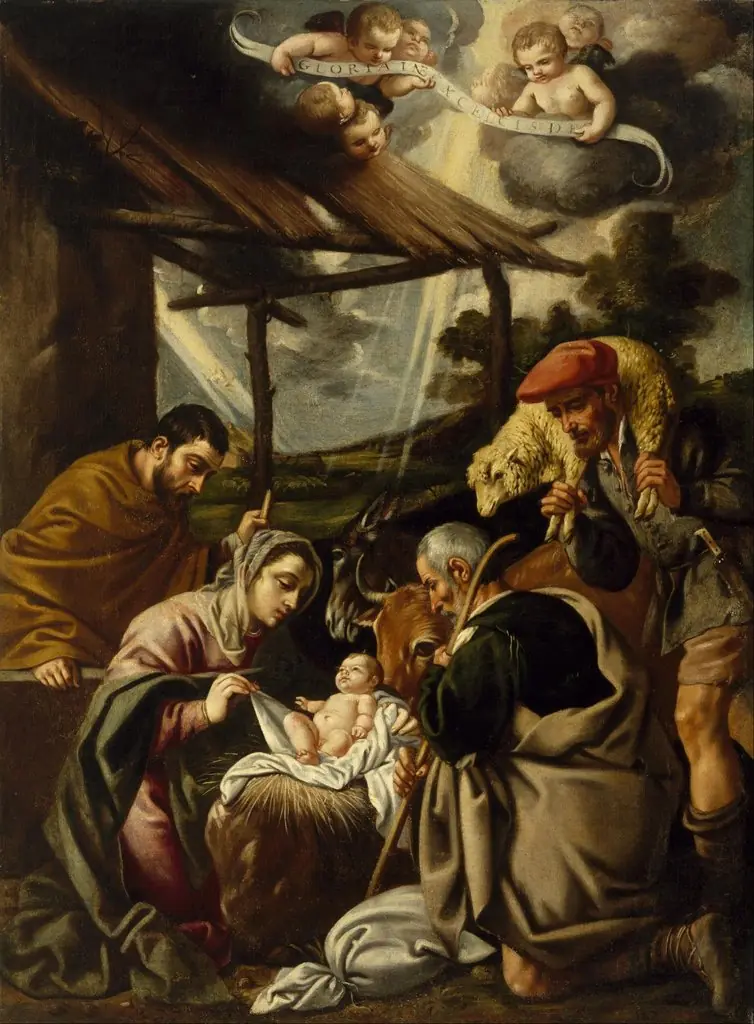
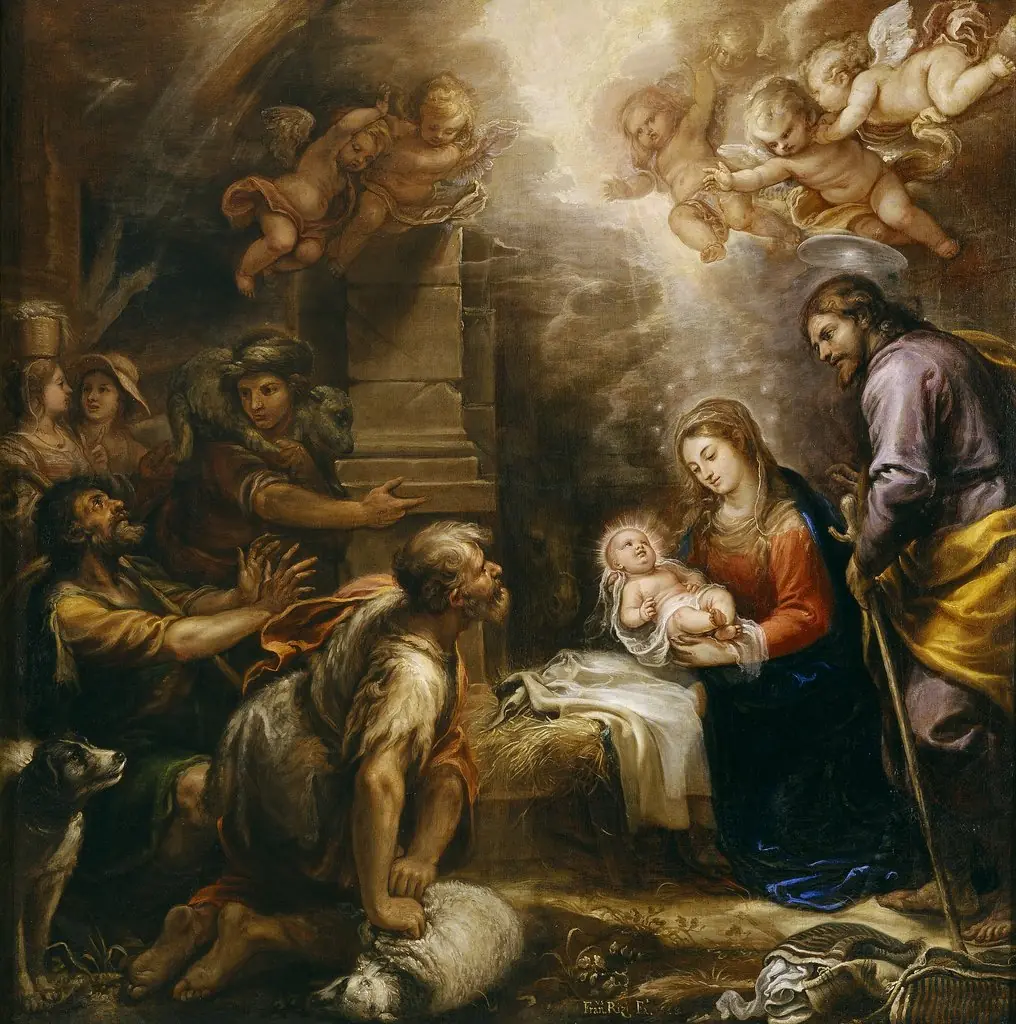
The Adoration of the Shepherds is an oil painting by the Early Baroque Italian artist Mateo Gilarte. It dates from 1651 and is held in the collection of the Museo del Prado.
About this work
Subject & Meaning
The composition centers on the Christ Child as the focal point, surrounded by shepherds who present offerings, symbolizing recognition of Jesus' sacred role.
The Adoration of the Shepherds depicts the biblical scene of shepherds paying homage to the infant Christ, emphasizing the theme of divine incarnation and humble veneration. The composition centers on the Christ Child as the focal point, surrounded by shepherds who present offerings, symbolizing recognition of Jesus' sacred role. This iconography aligns with common Counter-Reformation religious art, where shepherds represent faithful witnesses to the birth of Christ.
Technique & Style
The painting is executed in oil on canvas, measuring 228 cm in height and 146 cm in width, completed in 1651.
The handling aligns with mid-seventeenth-century Spanish chiaroscuro, deploying strong contrasts of light and shadow to model figures and drapery. The composition centers on the radiant Christ Child, surrounded by kneeling shepherds whose gestures and gazes direct attention to the divine light. Warm tonalities in the palette, ochres, umbers, and deep crimsons, are balanced by cooler highlights on flesh and textiles, producing a restrained yet emotionally charged atmosphere typical of the period.
History & Provenance
The Adoration of the Shepherds by Mateo Gilarte is dated to 1651, a date confirmed by both the artist’s inscription and the work’s record in the Museo del Prado’s holdings.
The painting entered the Prado’s collection via the Museo de la Trinidad, which transferred its holdings to the Prado in 1872. Its earlier provenance prior to the nineteenth century is not documented in the Prado’s records.
The Adoration of the Shepherds is housed in the Museo del Prado, where it is catalogued under the inventory number P009686.
The work was created in 1651 in oil paint on canvas, measuring 228 cm by 146 cm, and depicts the adoration of the Christ Child by shepherds.
It has been part of the permanent exhibition at the Museo del Prado since its acquisition and was included in the museum’s 2015 exhibition of Spanish Baroque religious paintings.
The painting’s provenance records its transfer from the Museo de la Trinidad to the Prado’s collection, where it remains on public view.
Context
Mateo Gilarte's 1651 oil painting The Adoration of the Shepherds, housed in the Museo del Prado, has been studied primarily for its devotional function within Counter-Reformation religious art, with scholars emphasizing its compositional balance and naturalistic treatment of the shepherds as key to understanding Gilarte's role in the evolution of Spanish Baroque sacred painting; the work's placement in the museum's collection alongside other genre scenes of adoration underscores its significance within a broader corpus of 17th-century Spanish devotional imagery, while its material properties of oil on canvas and dimensions of 228 cm by 146 cm reflect contemporary workshop practices of the period, a context explored in recent scholarship on Spanish religious art
Legacy
The Adoration of the Shepherds by Mateo Gilarte, painted in 1651, has been recognized for its devotional intensity and compositional clarity within Spanish Baroque religious art. Its presence in major institutions such as the Museo del Prado and Museo de la Trinidad has contributed to renewed scholarly attention and public interest in Gilarte’s oeuvre. The work’s depiction of the Christ Child surrounded by shepherds exemplifies key Baroque themes of humility and divine incarnation, influencing interpretations of similar nativity scenes in European religious art. Contemporary assessments highlight its significance as a devotional image within the cultural legacy of Spanish painting.
Overview
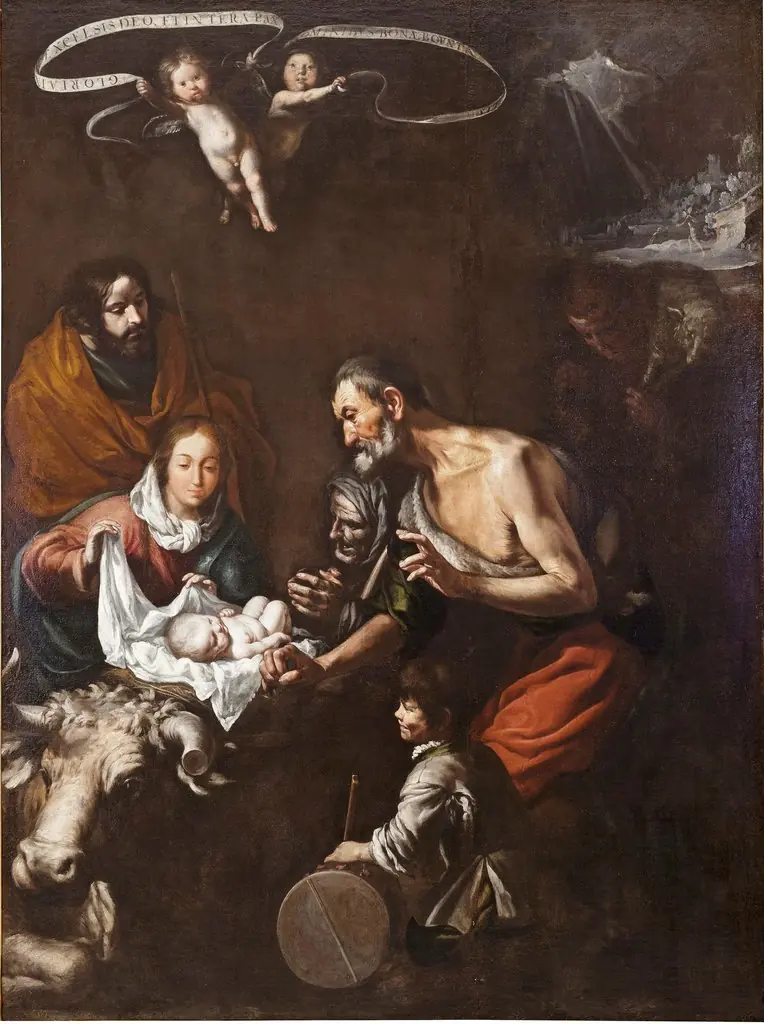
The Adoration of the Shepherds is an oil painting created by Mateo Gilarte in 1651. It is a representation of the Nativity scene and is housed at the Museo del Prado.
Own this work as a print
Artist & collection

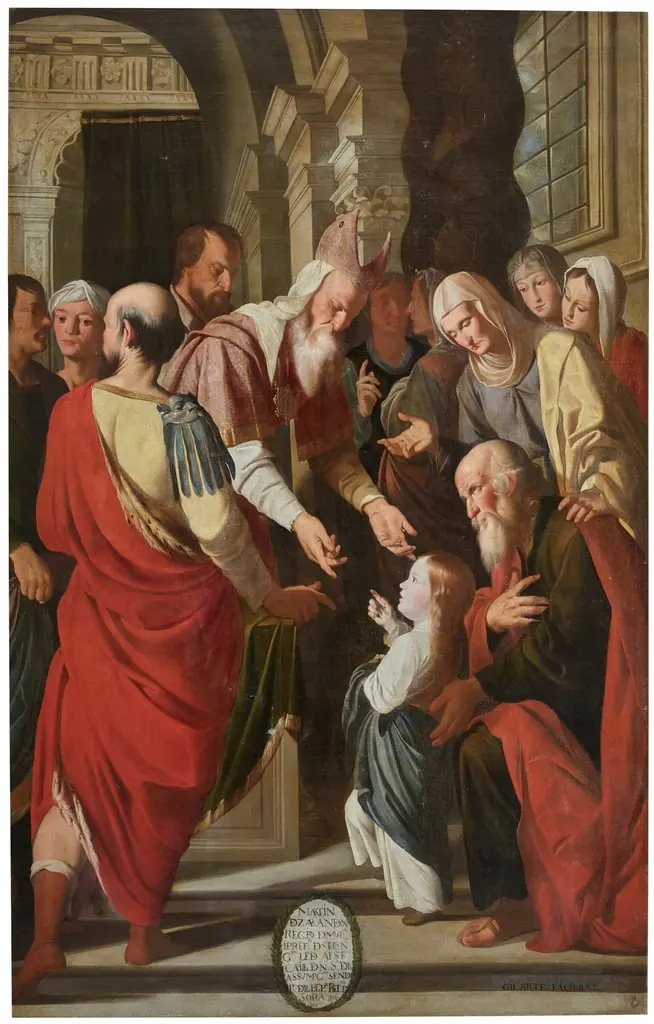
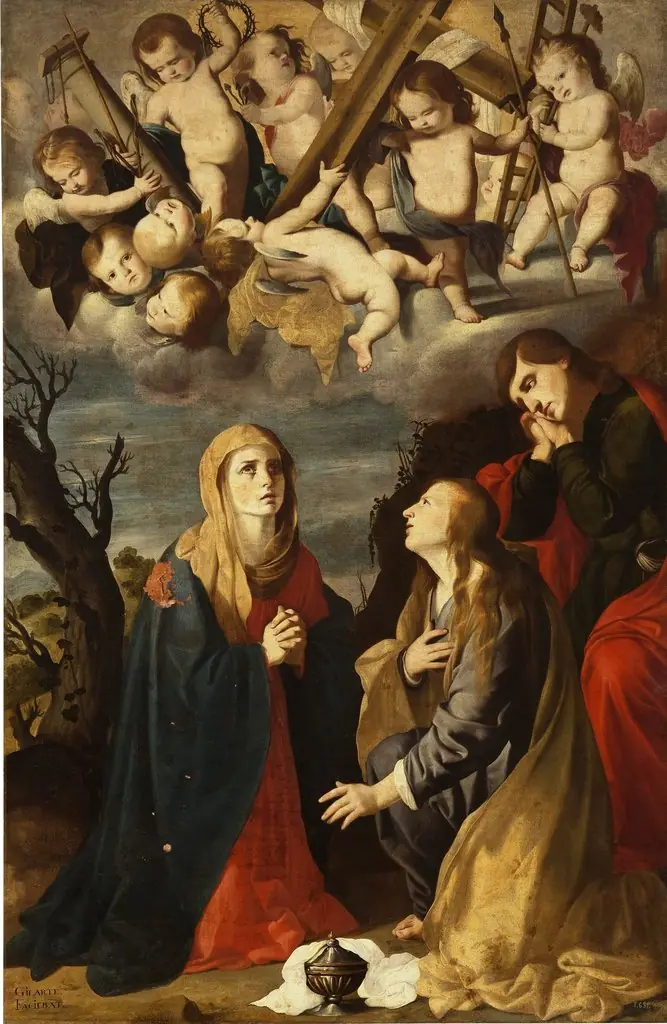
- The Adoration of the Shepherds
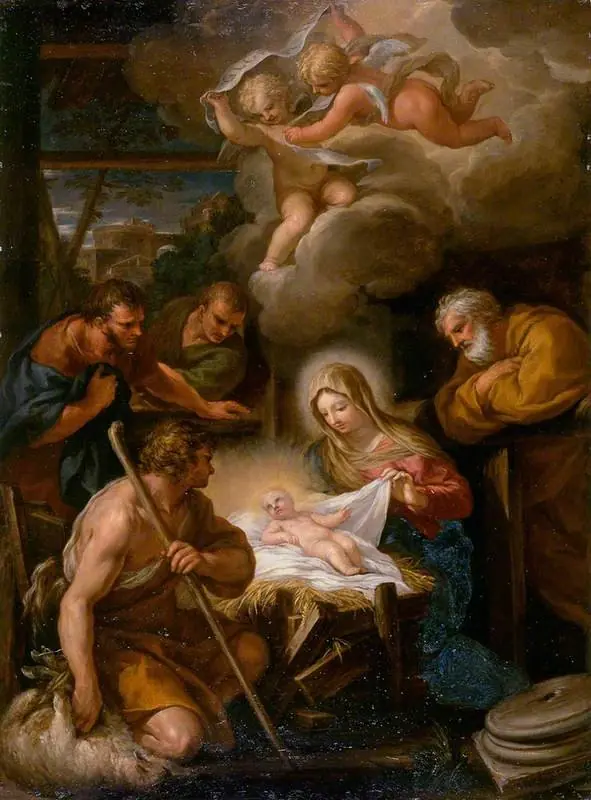 The Adoration of the Shepherds
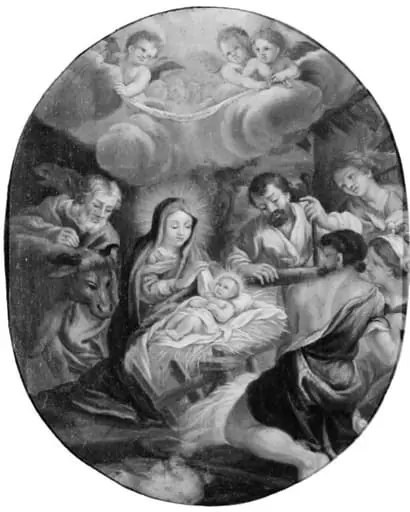 The Adoration of the Shepherds
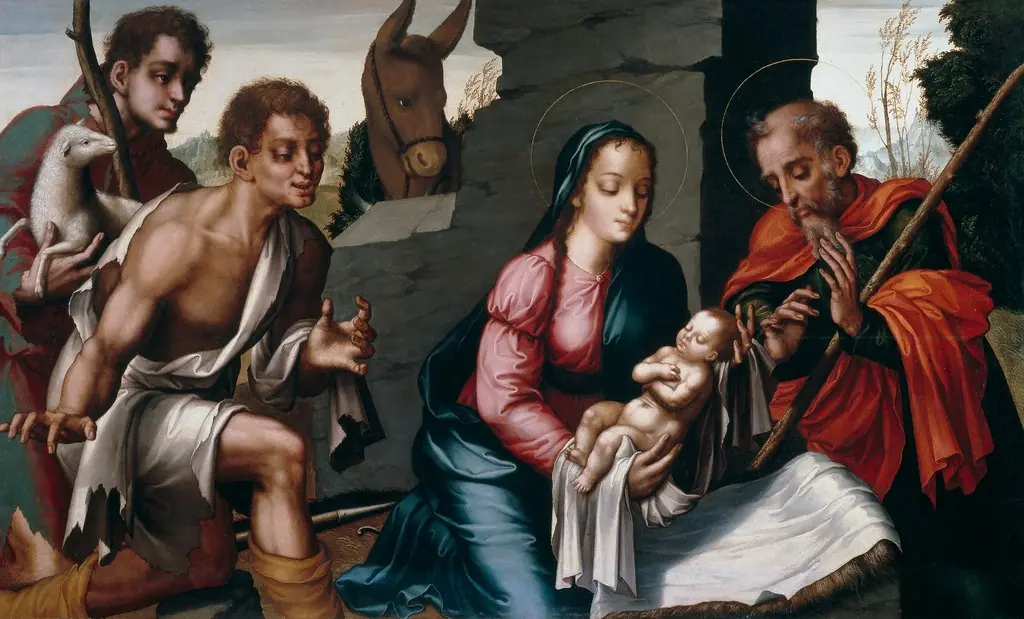 The Adoration of the Shepherds
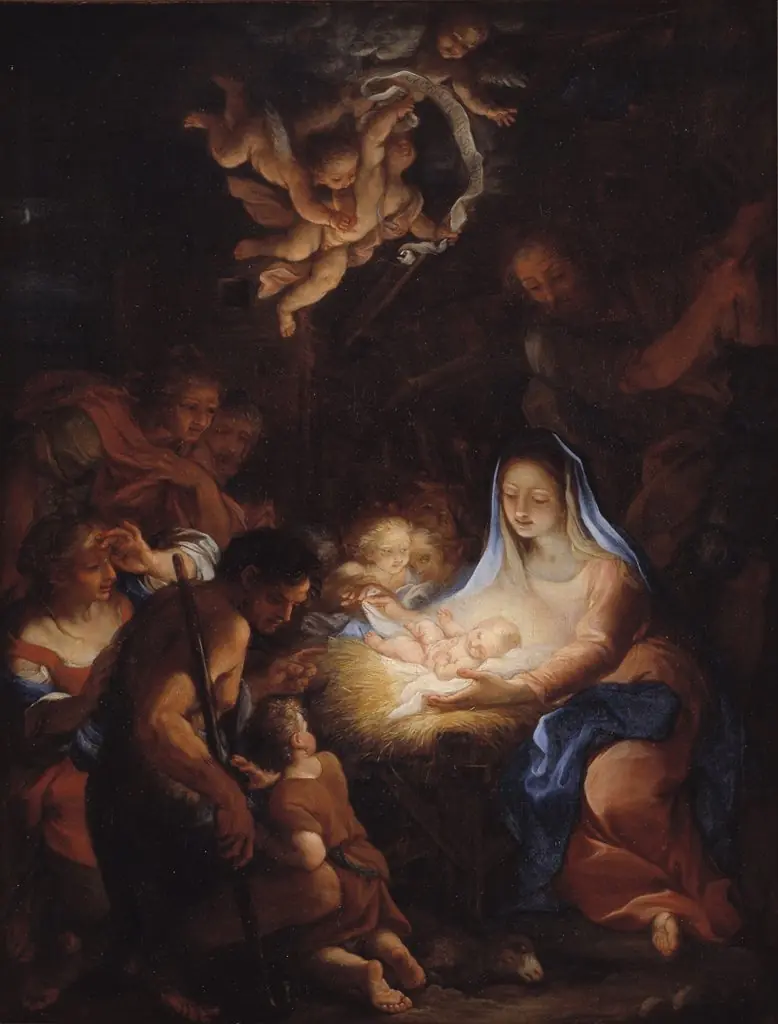 The Adoration of the Shepherds
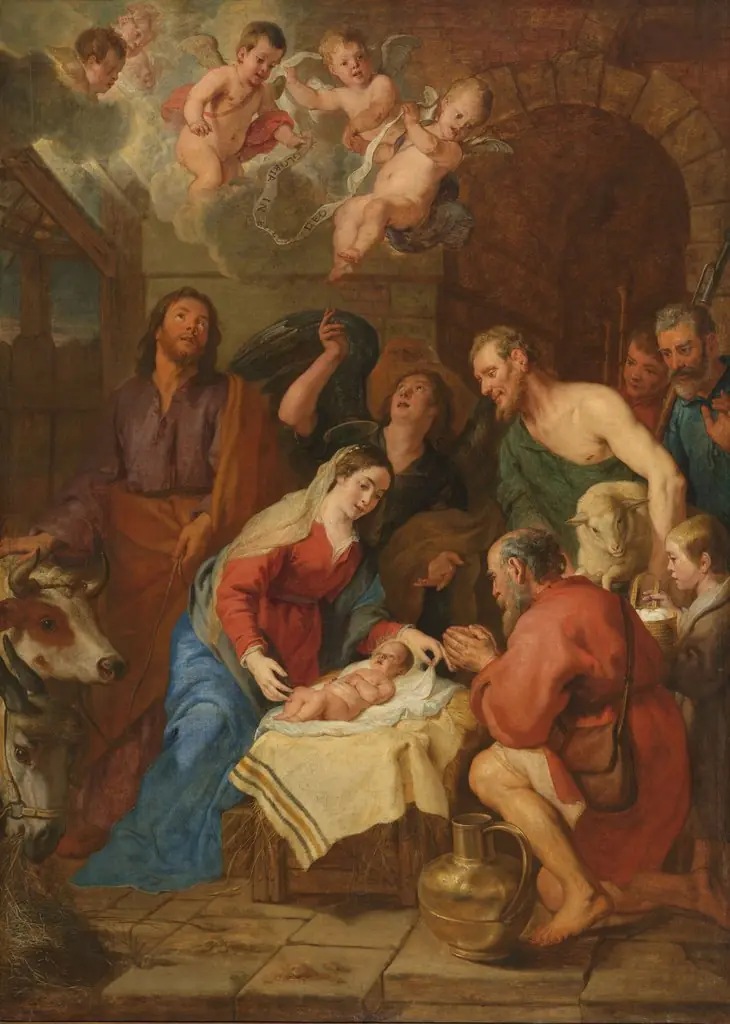 The adoration of the shepherds
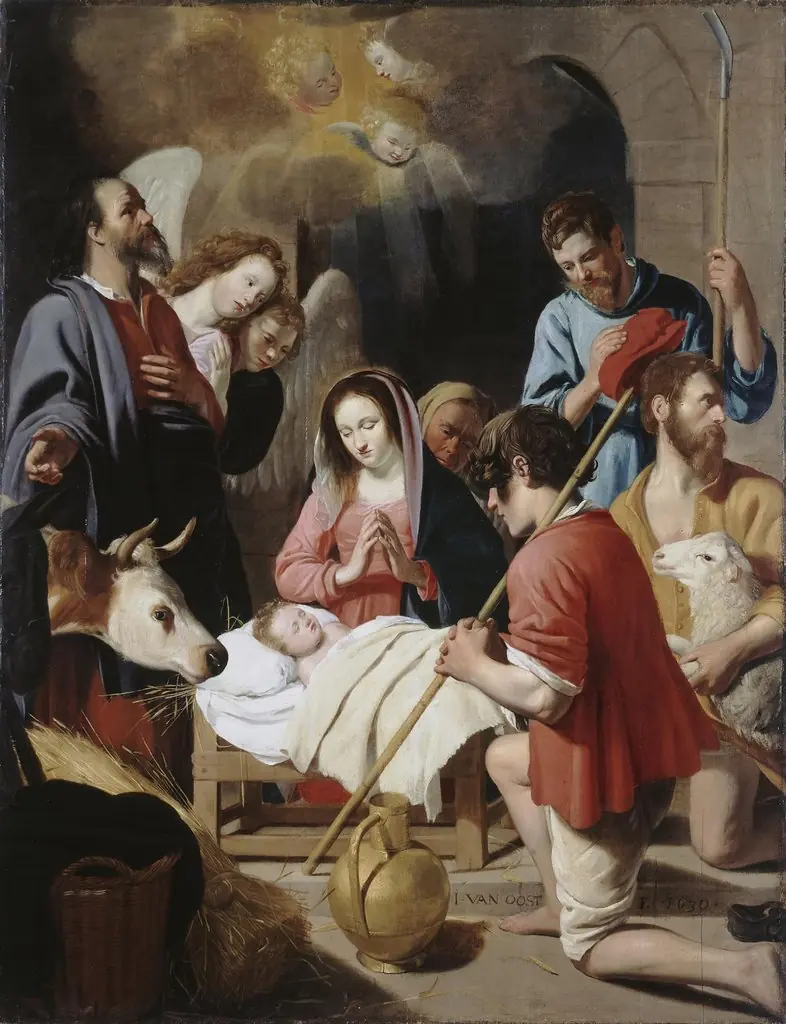 Adoration of the Shepherds
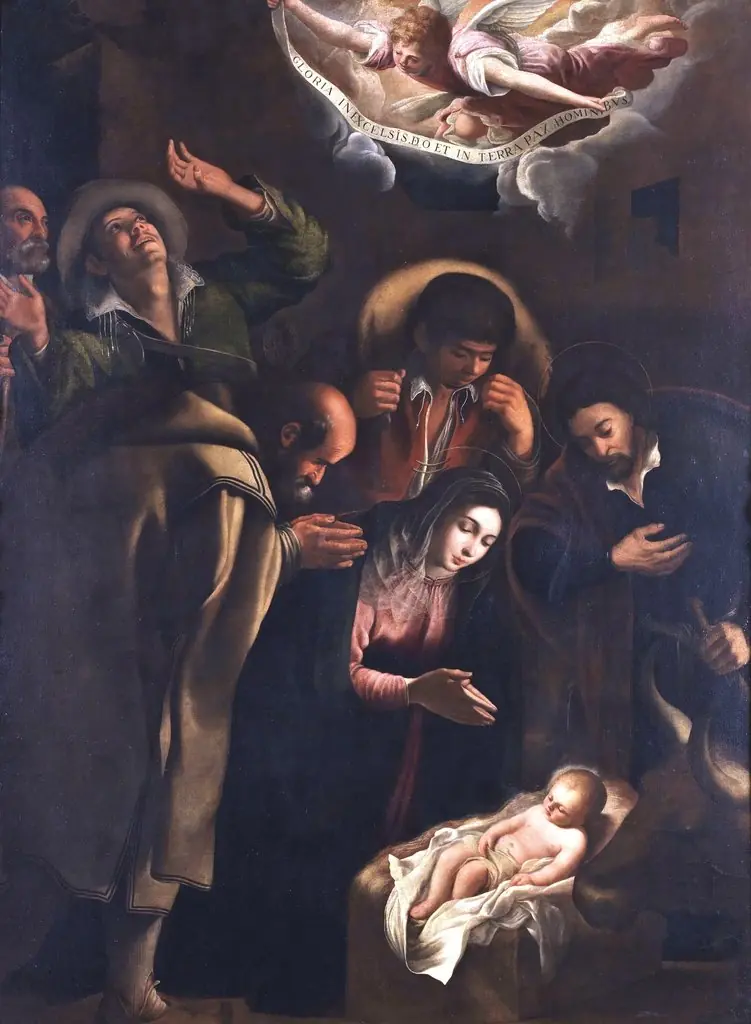
 The Adoration of the Shepherds
 The Adoration of the Shepherds
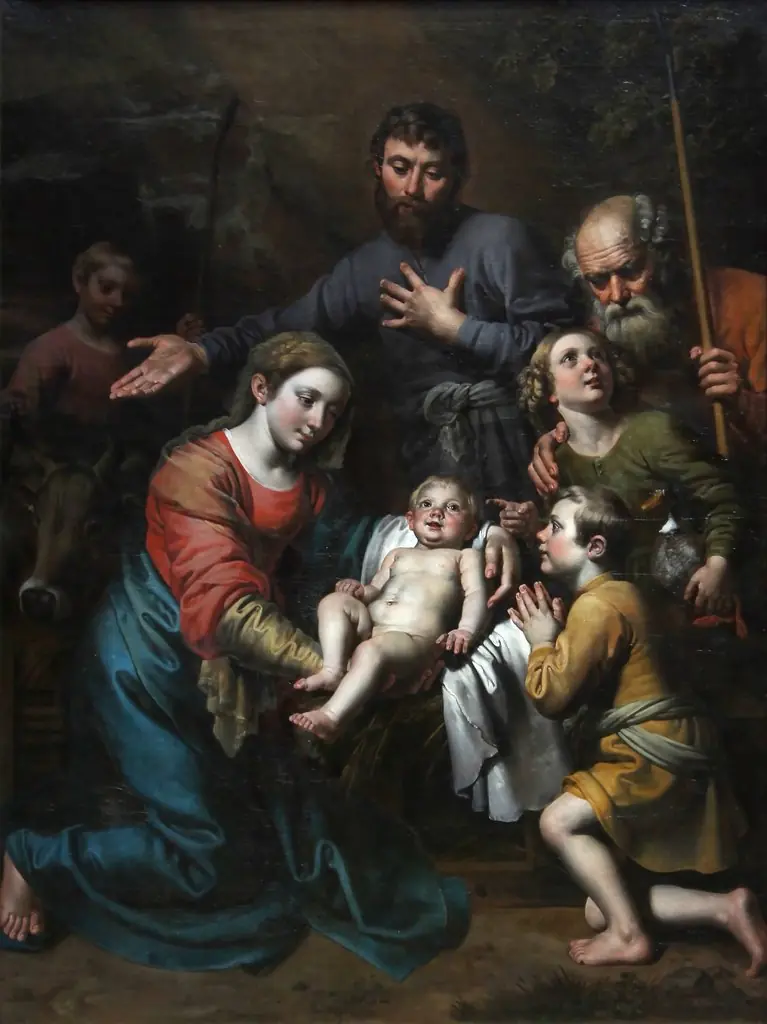 Adoration of the Shepherds
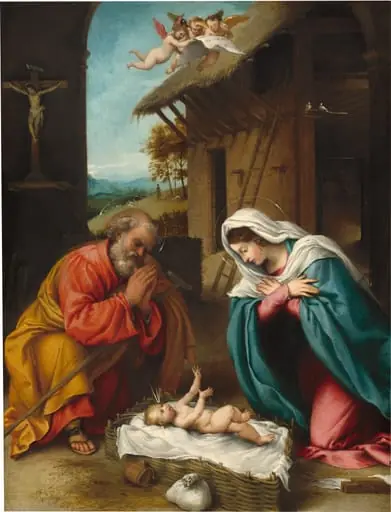 The Nativity
 The Adoration of the Shepherds