Artwork
Compoziție I
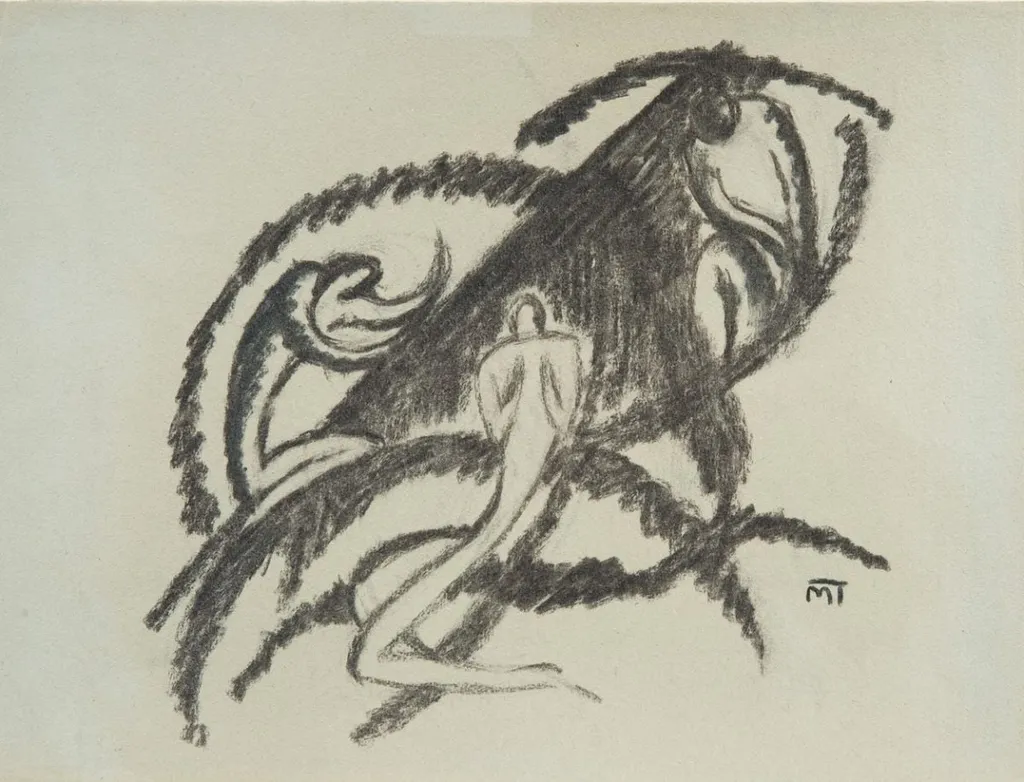
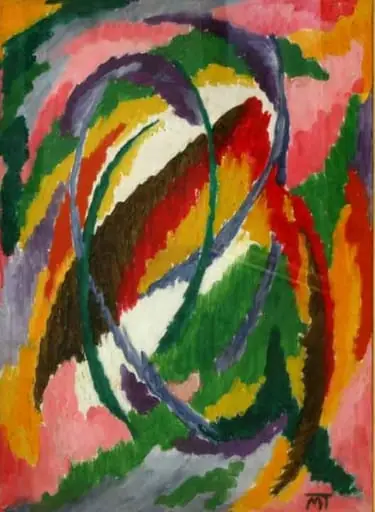
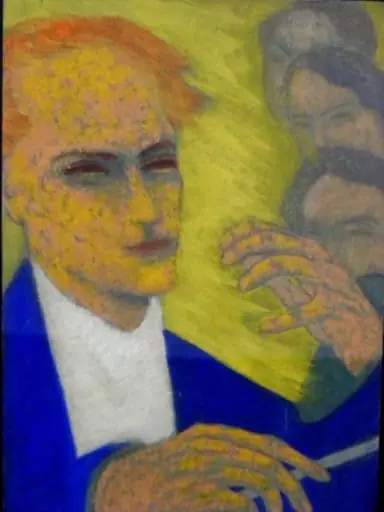
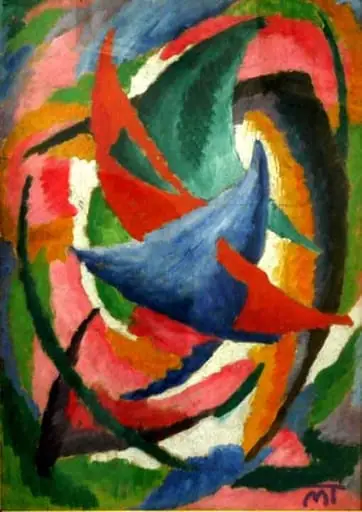
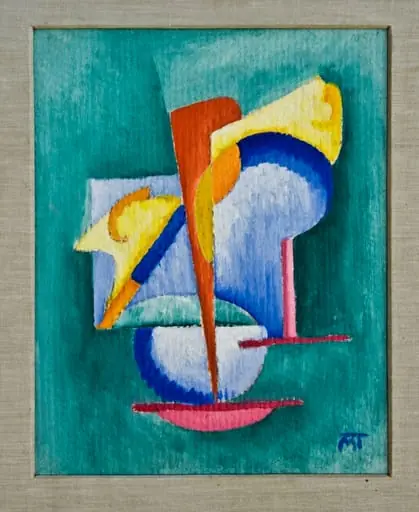
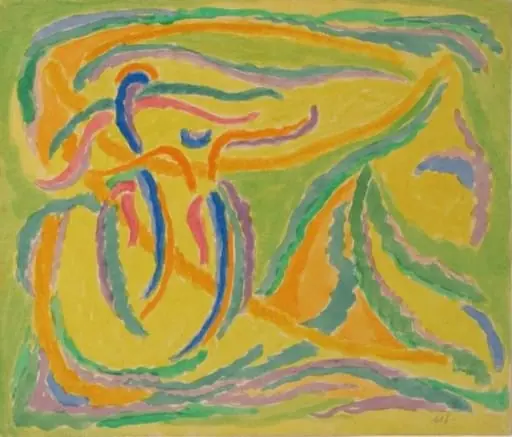
Compoziție I is a drawing by Hans Mattis-Teutsch. It dates from 1918 and is held in the collection of the National Museum of Art of Romania.
About this work
Overview
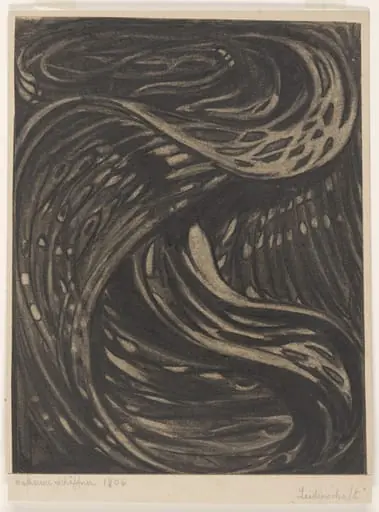
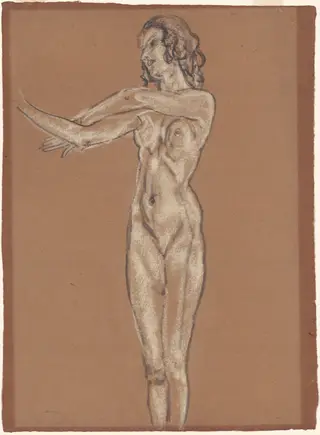
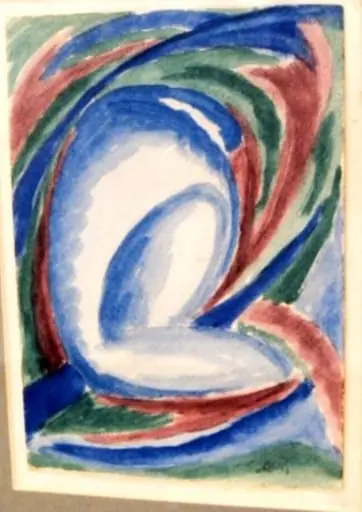
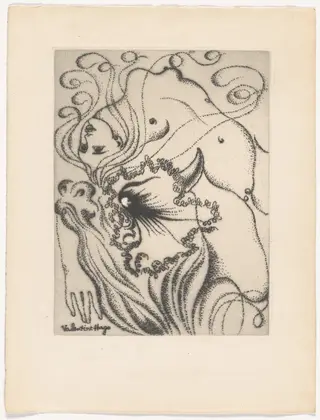
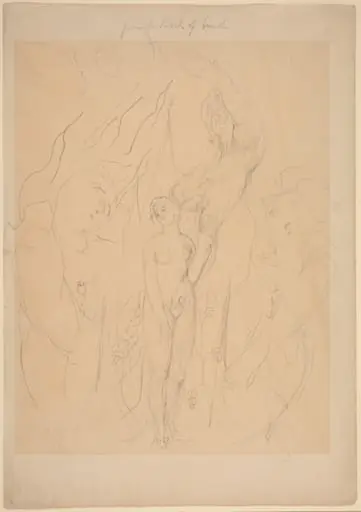
Executed in ink or pencil, it captures a reclining figure with arms extended behind the head, entangled in abstract, linear forms resembling vines or branches.
Compoziție I, dated 1918, is a black-and-white drawing by Hans Mattis-Teutsch. Executed in ink or pencil, it captures a reclining figure with arms extended behind the head, entangled in abstract, linear forms resembling vines or branches. The composition lacks color and fine detail, emphasizing gesture over finish. A minimal signature, consisting of two letters, appears in one corner, suggesting the work’s intimate, personal character.
Subject & Meaning
The figure’s relaxed posture and the surrounding tangled lines evoke a sense of bodily surrender or entrapment. The ambiguity of the surrounding forms, neither clearly botanical nor architectural, invites interpretation as a metaphor for psychological or spiritual states. The absence of context or environment isolates the figure, reinforcing a mood of introspection or vulnerability.
Technique & Style
Mattis-Teutsch employs loose, energetic linework that borders on scribbling, rejecting polished draftsmanship in favor of immediacy. The drawing relies on overlapping strokes to suggest volume and texture rather than shading or tone. The roughness of the lines conveys a sense of spontaneity, as if the image emerged directly from the artist’s hand without revision or planning.
History & Provenance
Created in 1918, during a period of intense artistic experimentation in Central Europe, Compoziție I reflects Mattis-Teutsch’s engagement with Expressionist and avant-garde currents. Little is documented about its early ownership, but it remains part of the artist’s lesser-known graphic output, often overshadowed by his later, more structured works.
Context
In the aftermath of World War I, many artists turned to raw, unrefined forms to express inner turmoil and existential uncertainty. Mattis-Teutsch, influenced by modernist movements and spiritual philosophies, used drawing as a direct conduit for emotion. This piece aligns with contemporaneous explorations of the human form in states of flux or dissolution.
Legacy
Though not widely exhibited, Compoziție I contributes to understanding Mattis-Teutsch’s transition from figurative representation toward abstraction. Its unpolished quality anticipates later postwar tendencies in drawing that valued process over finish. It stands as a quiet example of how personal, ephemeral sketches can carry significant expressive weight.
Artist & collection
Artist
Hans Mattis-Teutsch made bold, rhythmic paintings and prints that feel like music turned into shapes.