Artwork
Landscapes in Various Styles after Old Masters
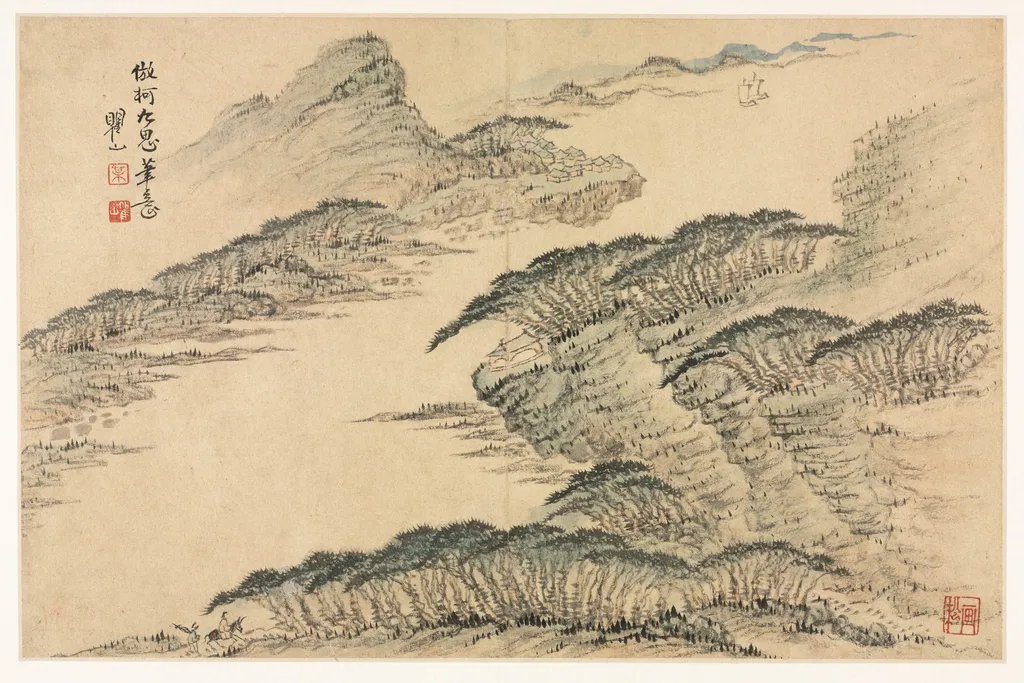
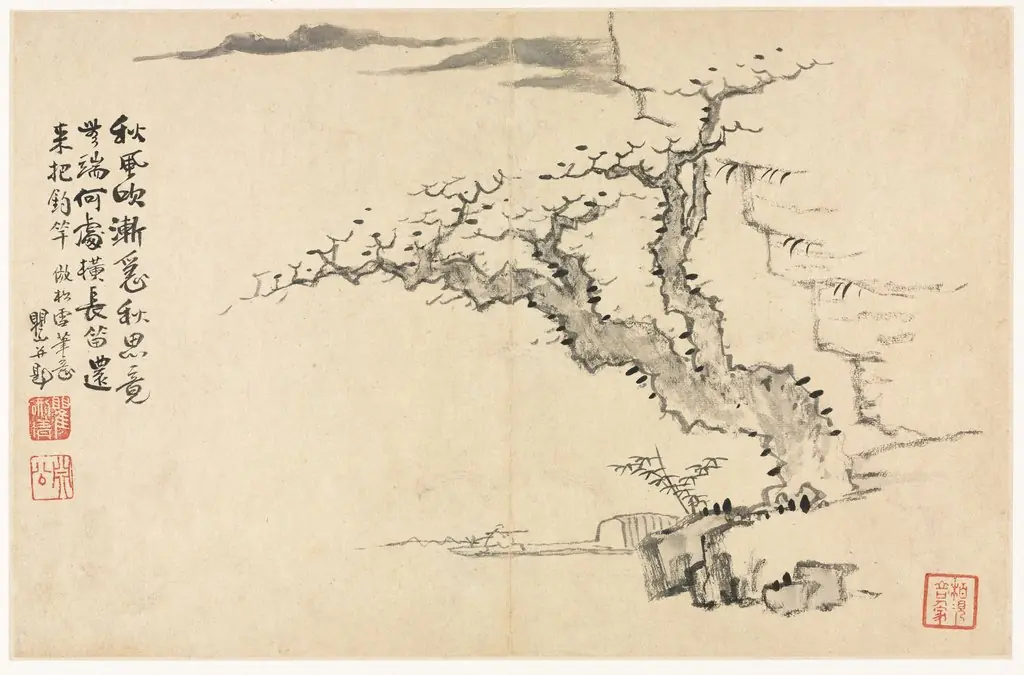
Landscapes in Various Styles after Old Masters is an unspecified painting by the Qing dynasty painting artist Mei Qing. It dates from 1696 and is held in the collection of the Cleveland Museum of Art.
About this work
History & Provenance
The painting depicts mountainous scenery and represents Mei Qing's engagement with earlier artistic traditions through his distinct stylistic approach.
Created in 1690 by the Chinese artist Mei Qing (1623–1697), this landscape painting was produced in China. The work, titled Landscapes in Various Styles after Old Masters, is currently held in the collection of the Cleveland Museum of Art, where it is cataloged under the accession number 1962.157.7. While the specific circumstances regarding its original commission or the detailed chain of ownership prior to its museum acquisition are not explicitly detailed in the available records, the piece is firmly dated to the final decade of the artist's life.
The painting depicts mountainous scenery and represents Mei Qing's engagement with earlier artistic traditions through his distinct stylistic approach.
The painting Landscapes in Various Styles after Old Masters by Mei Qing is held in the collection of the Cleveland Museum of Art. The work, created in 1690, is identified within the museum's records by the accession number 1962.157.7. While the artwork's creation date and location in China are documented, the provided sources do not contain specific details regarding its exhibition history or further provenance events beyond its current institutional housing.
Overview
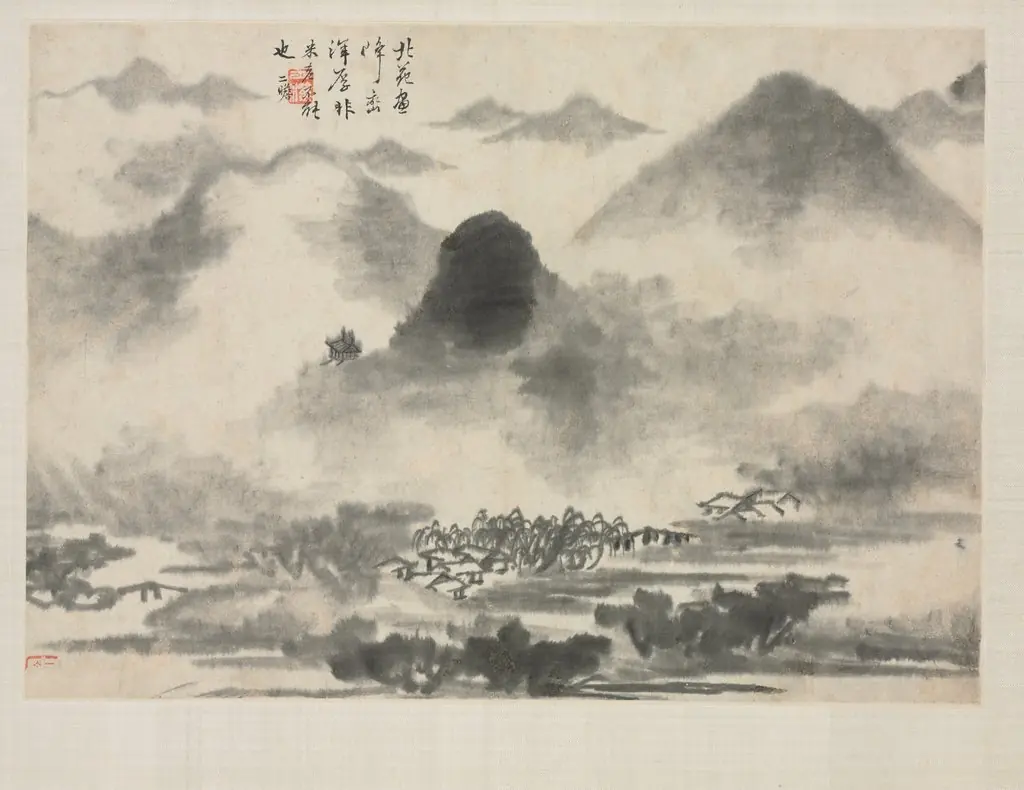
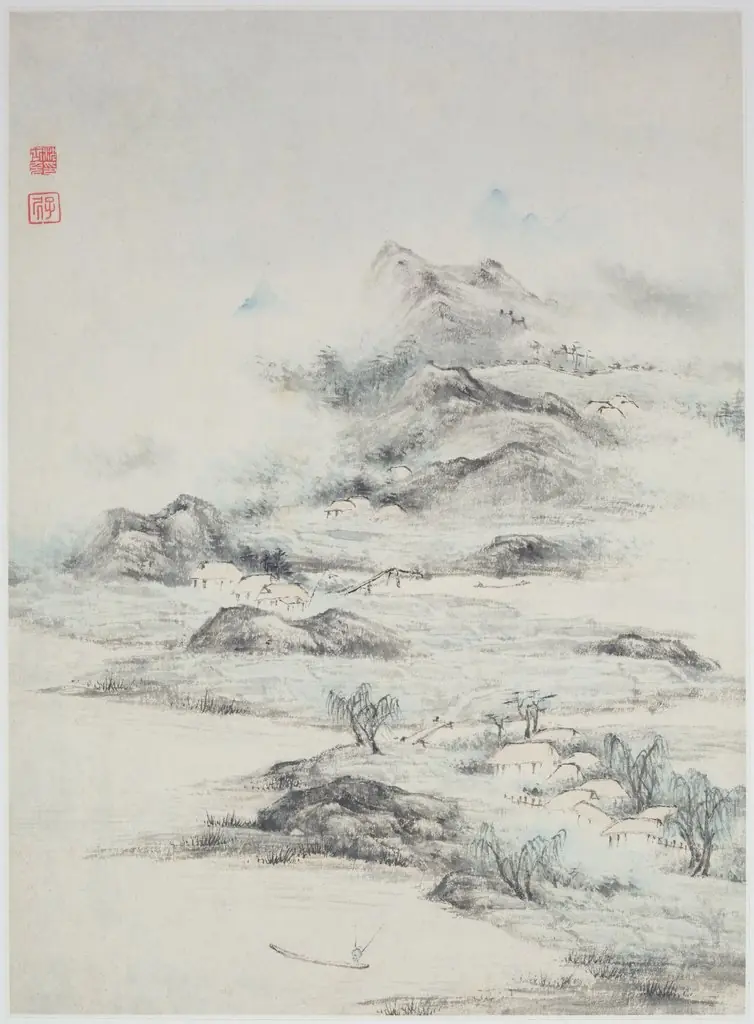
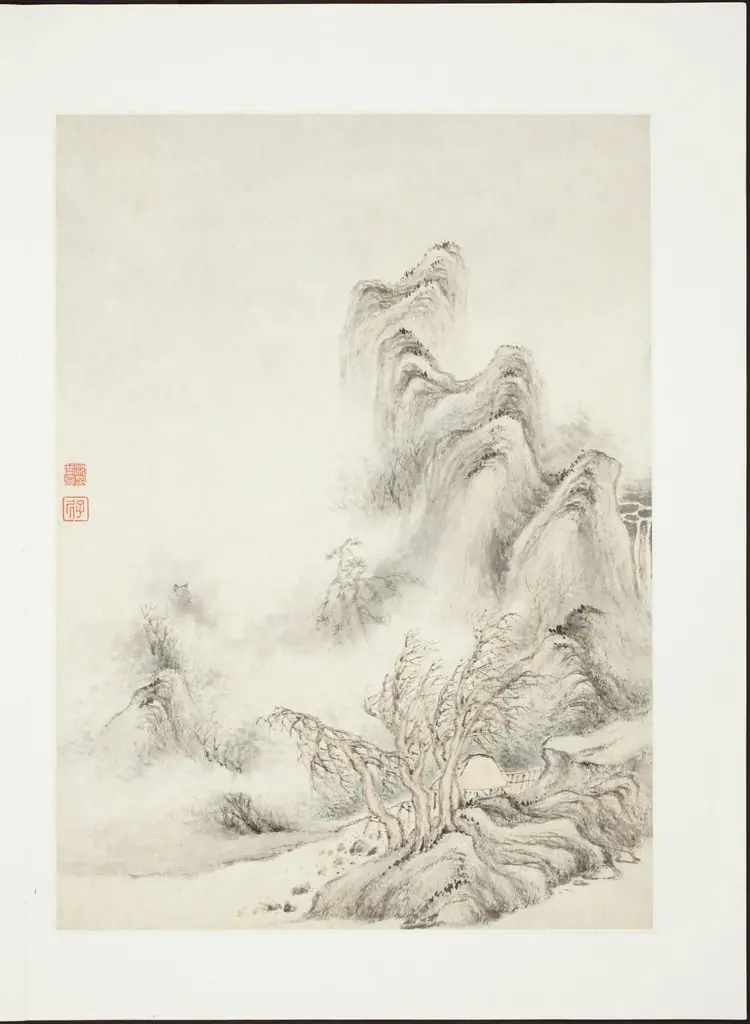
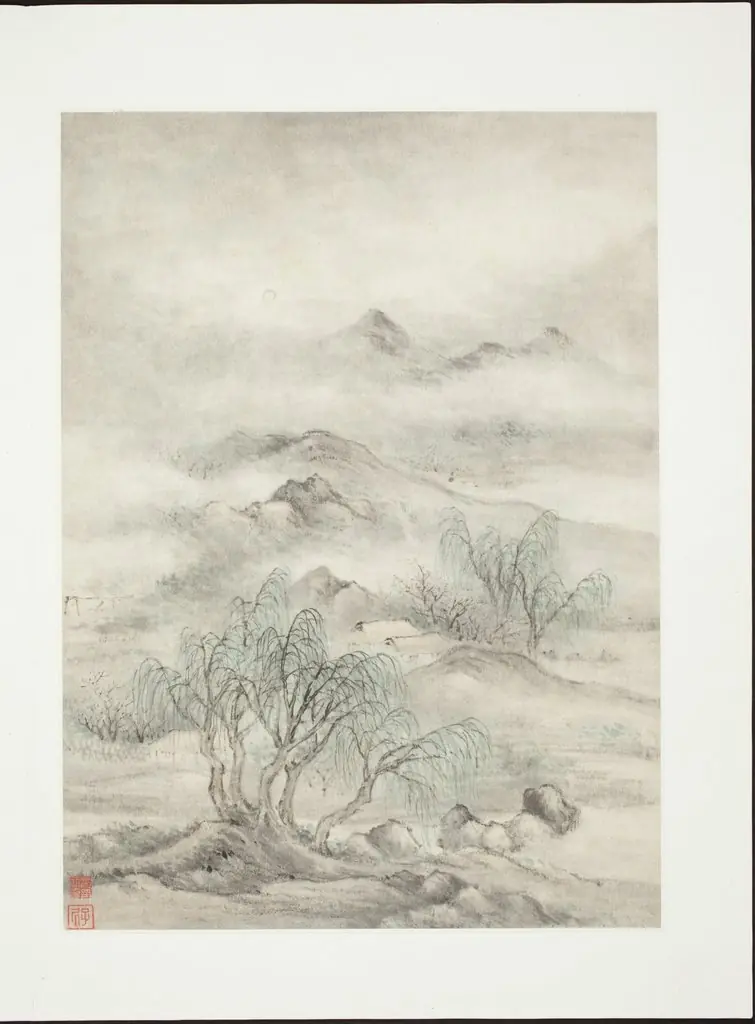
Mei Qing, a prominent Chinese artist of the Qing Dynasty, completed Landscapes in Various Styles after Old Masters in 1696. This painting, currently housed at The Cleveland Museum of Art, exemplifies his approach to landscape art. It presents a sweeping vista of mountainous terrain, characterized by a winding river and dense forests, rendered with a distinctive stylistic freedom that reflects the artistic currents of his era.
Subject & Meaning
The artwork depicts a dramatic natural scene, dominated by jagged peaks adorned with dark green trees. A river meanders through the valleys, while distant mountains recede into a soft, misty blue haze, creating a sense of depth and atmosphere. The palette is restrained, primarily utilizing gentle grays and greens, with subtle touches of light blue for the sky and water, emphasizing the serene yet powerful presence of the natural world.
Technique & Style
Mei Qing employed a distinctive, spontaneous technique in this work. The texture of the trees is conveyed through clusters of tiny, quick strokes, and the mountain contours feature rough, uneven edges. This approach gives the impression of a scene captured rapidly, almost in a single gesture, rather than meticulously smoothed.
The artist's use of sketchy lines contributes to the lively and dynamic character of the landscape, aligning with certain Qing painting traditions.
Context
Mei Qing was a versatile figure during the Qing Dynasty, recognized as a painter, calligrapher, and poet. Hailing from Xuancheng, Anhui Province, he adopted various artistic names, including Yuangong. His artistic development was shaped by his study under Wang Meng and a significant friendship with the influential painter Shitao.
His extensive travels, particularly to the Yellow Mountain, profoundly informed his landscape compositions, situating his work within the broader Qing painting tradition.
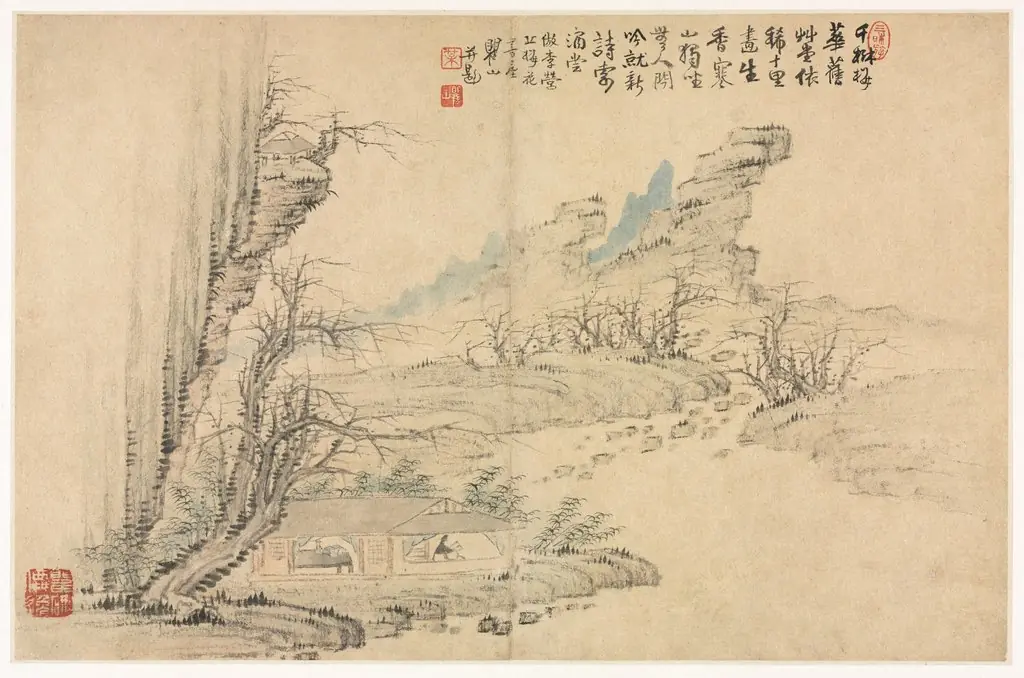
Own this work as a print
Artist & collection

Artist
Mei Qing (Chinese: 梅清; pinyin: Méi Qīng; Wade–Giles: Mei Ch'ing; ca. 1623–1697) was a Chinese landscape painter, calligrapher and poet active during the Qing Dynasty. Mei was born in Xuancheng, Anhui Province. His…

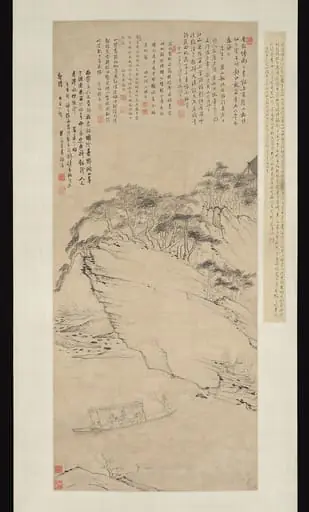 清 倣梅清 響山泛舟圖 軸|Boating beneath Echo Hill
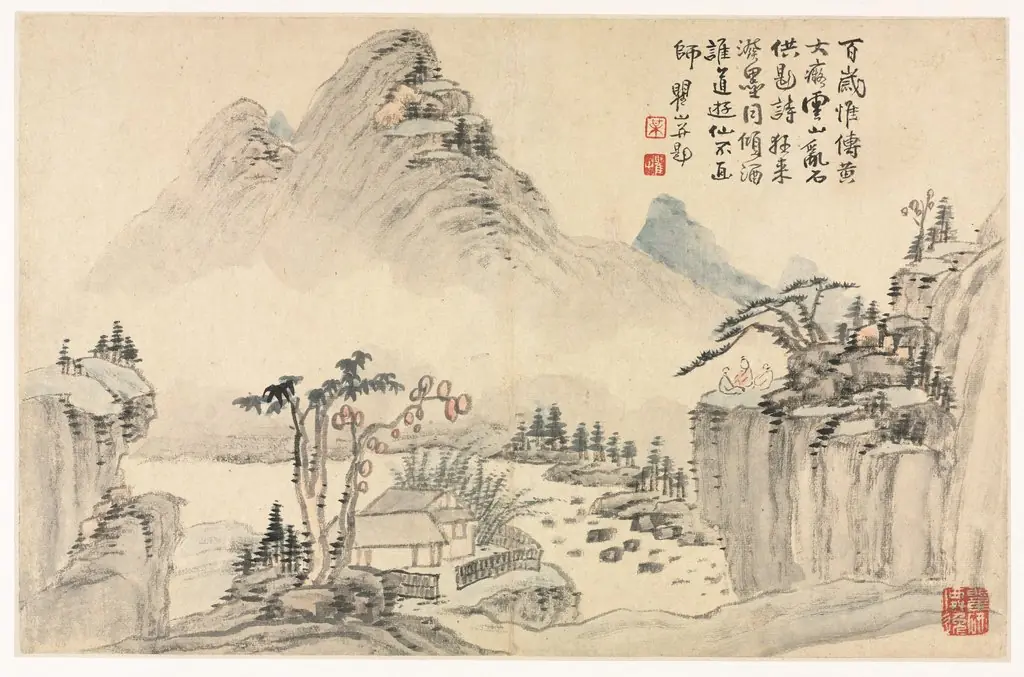 Landscapes in Various Styles after Old Masters
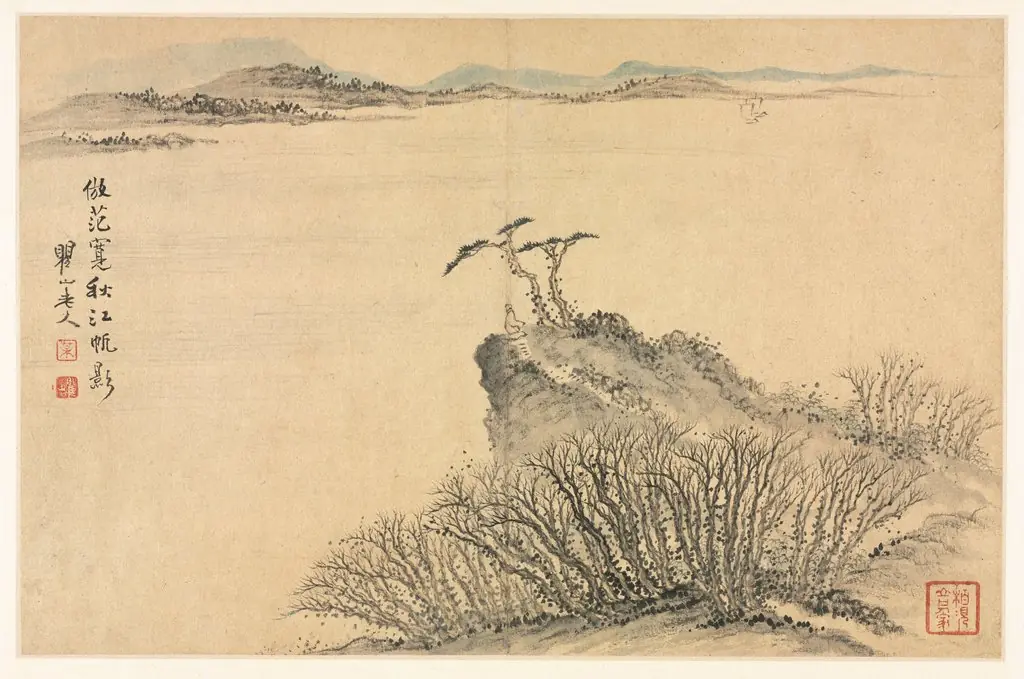 Landscapes in Various Styles after Old Masters
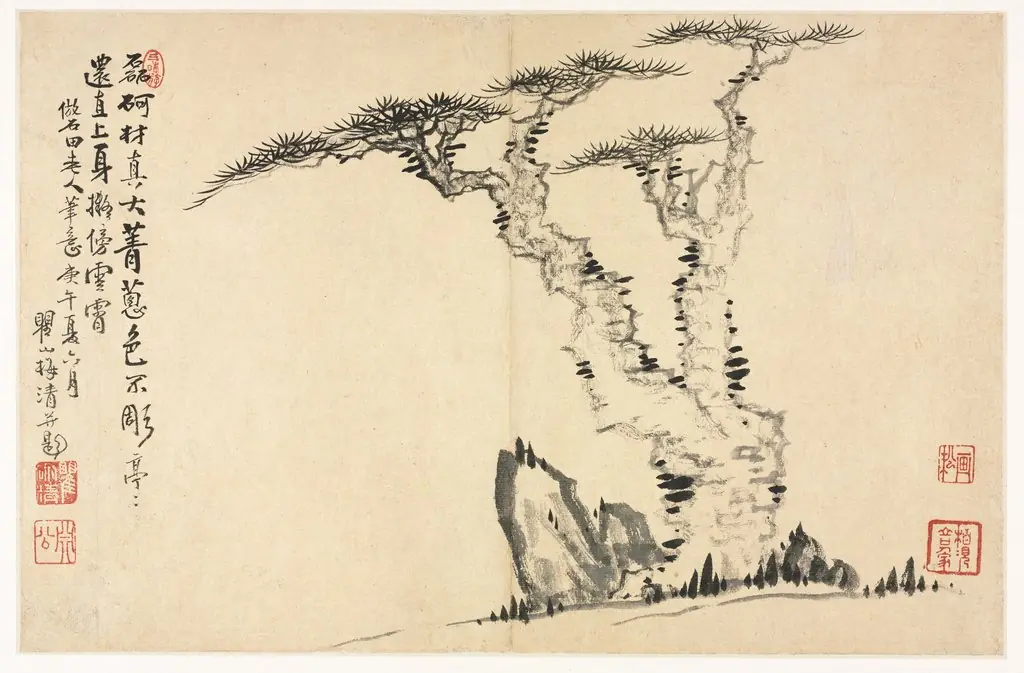 Landscapes in Various Styles after Old Masters
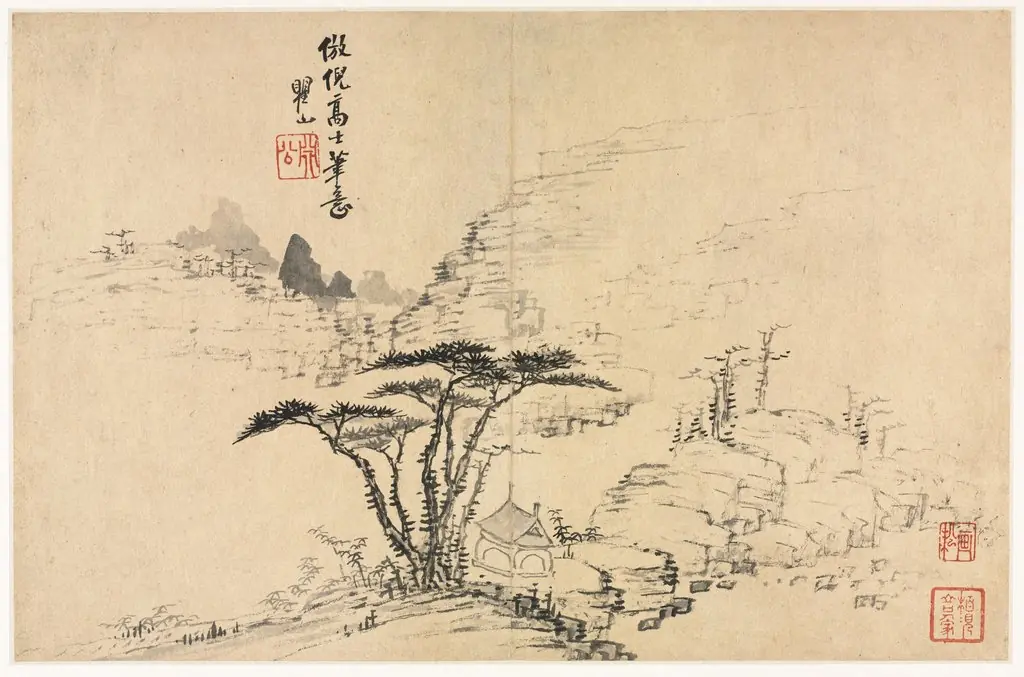 Landscapes in Various Styles after Old Masters
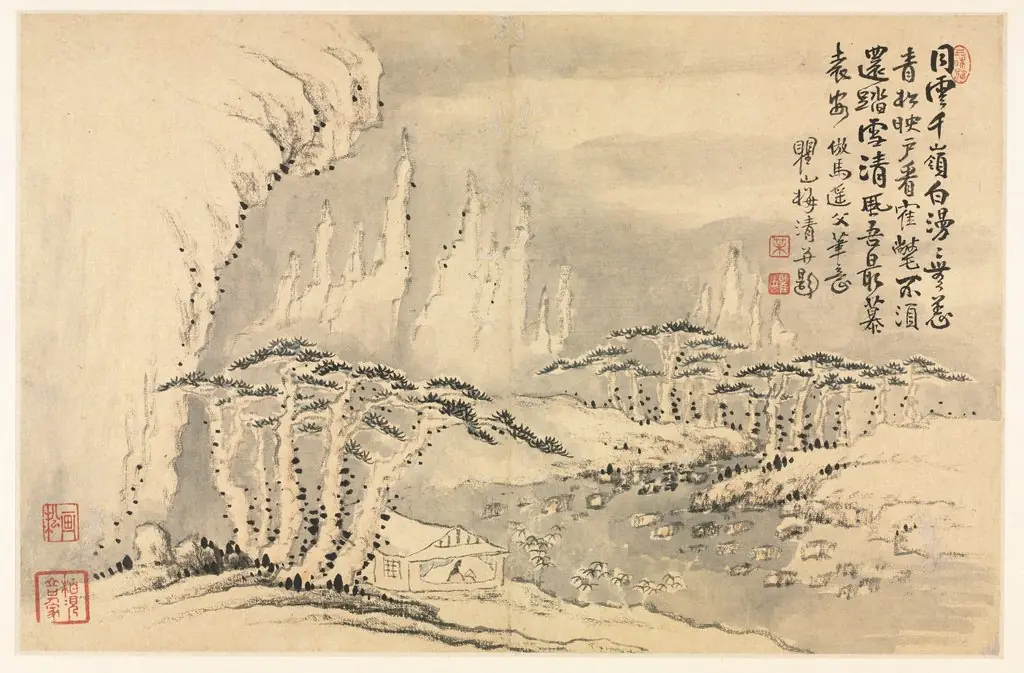 Landscapes in Various Styles after Old Masters
 Landscapes in Various Styles after Old Masters
- Landscapes in Various Styles after Old Masters