Artwork
Petrus Franciscus Greive (1811-1872)
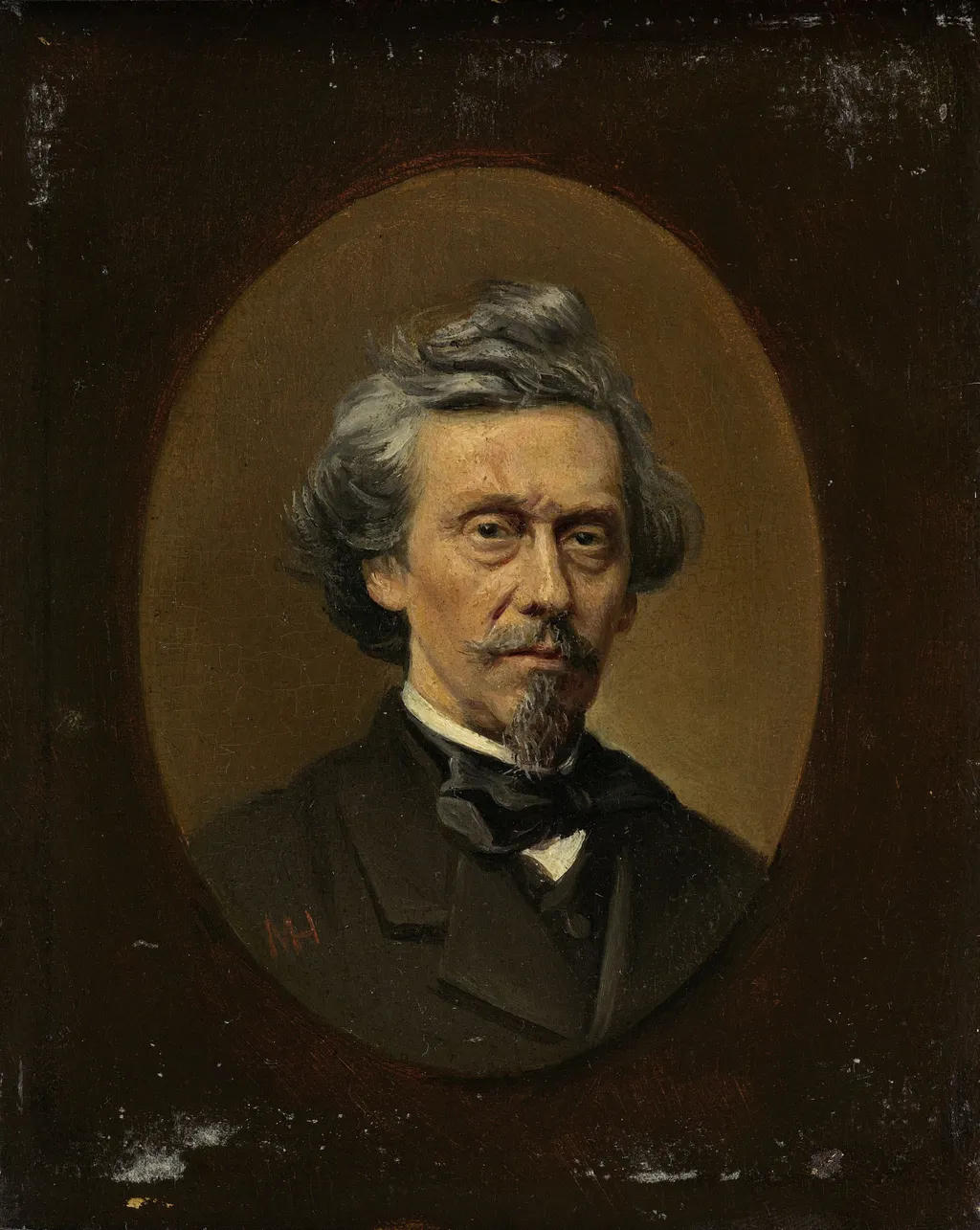
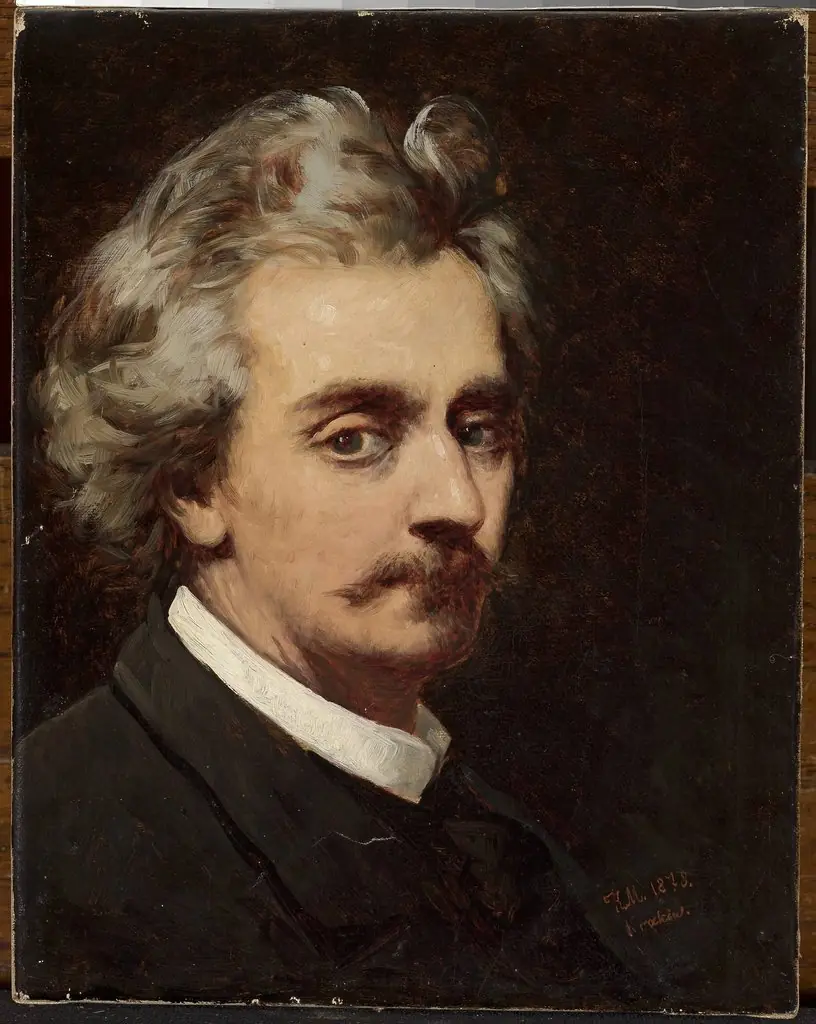
Petrus Franciscus Greive (1811-1872) is an oil painting by the Post-Impressionist artist Meijer de Haan. It dates from 1892 and is held in the collection of the Rijksmuseum. The oil portrait, executed in 1892, shows the Dutch painter Petrus Franciscus Greave (1811–1872).
About this work
If you're interested in learning more about the artist who created this painting, you might want to look up Meijer de Haan.
This painting is a portrait of a man with gray hair and a mustache. He is wearing a dark jacket and a white shirt with a black bow tie. The background is a warm brown color.
The man's face is serious, and he is looking straight ahead. His hair is styled in a way that was common during the 19th century. The painting is done in a realistic style, with attention to detail in the subject's clothing and facial features.
If you're interested in learning more about the artist who created this painting, you might want to look up Meijer de Haan.
Subject & Meaning
The work is a portrait depicting Petrus Franciscus Greive, the Dutch painter and art historian who lived from 1811 to 1872. Created by Meijer de Haan in 1882, the painting presents Greive as its main subject, capturing his likeness in oil on panel. As a portrait, the primary meaning of the piece is to document and commemorate the individual himself, serving as a visual record of Greive's appearance during the posthumous period shortly after his death.
The iconography is straightforward, focusing entirely on the representation of the sitter without additional symbolic elements or narrative scenes.
Technique & Style
The work is an oil painting executed on a wooden panel, measuring 14.3 cm in height by 11.7 cm in width. Rendered as a portrait, it portrays the sitter with a restrained palette and precise brushwork characteristic of 19th-century Dutch portraiture. The surface shows fine brushstrokes and subtle glazing, contributing to a realistic yet intimate rendering of the subject's features and attire.
The painting's condition is stable, with no visible damage or restoration noted in the source documentation. Its formal qualities emphasize a straightforward composition and naturalistic representation, aligning with the conventions of academic portraiture of the period.
Context
The painting entered public view through its inclusion in the Rijksmuseum collection, where it was displayed as part of the museum’s nineteenth-century portraiture holdings. Contemporary reviews of the work highlighted its psychological depth and technical mastery, contributing to a broader reassessment of late nineteenth-century Dutch portraiture that emphasized naturalism over academic idealization. Modern scholarship interprets the portrait as a pivotal example of the transition from Romantic to Realist tendencies in Dutch art, situating Greive within the generation of artists trained under the influence of Jozef Israëls and the Amsterdam School.
The painting’s presence in the Rijksmuseum has also reinforced its status as a representative work of Meijer de Haan’s mature period, shaping subsequent interpretations of his role in the development of Dutch realism.
Overview
The oil portrait, executed in 1892, shows the Dutch painter Petrus Franciscus Greave (1811–1872). Rendered by fellow artist Meijer de Haan, the work presents Greave in a dark jacket, white shirt and black bow tie against a warm brown backdrop. The composition is straightforward, with the sitter’s serious expression directed toward the viewer.
History & Provenance
Created two decades after Greave’s death, the painting was completed by de Haan, an Amsterdam‑born artist active in the late 19th century. The work entered the Rijksmuseum’s collection, where it remains part of the institution’s holdings of Dutch art from the period.
Own this work as a print
Artist & collection
Artist
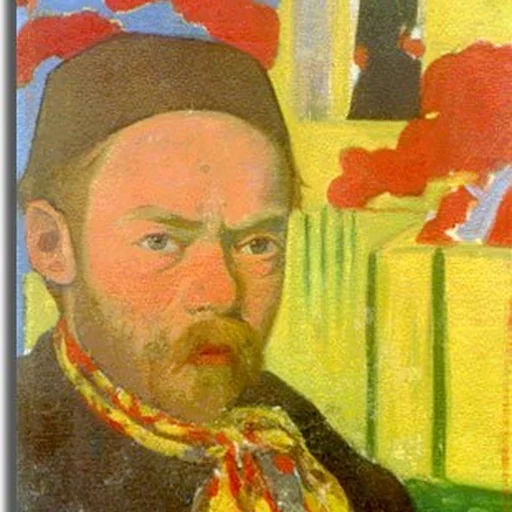
Meijer Isaac de Haan (Amsterdam, 14 April 1852 – Amsterdam, 24 October 1895) was a Dutch painter. In French the name was written Meyer de Haan.

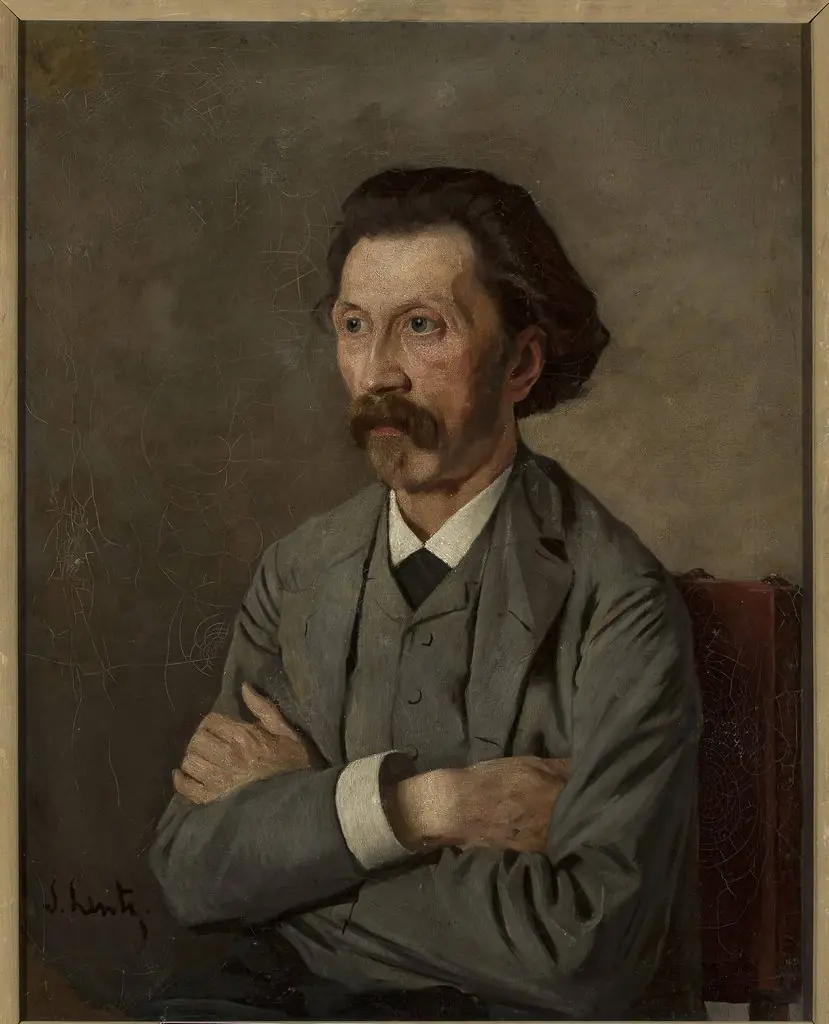
- Portrait of Daniel Filleborn
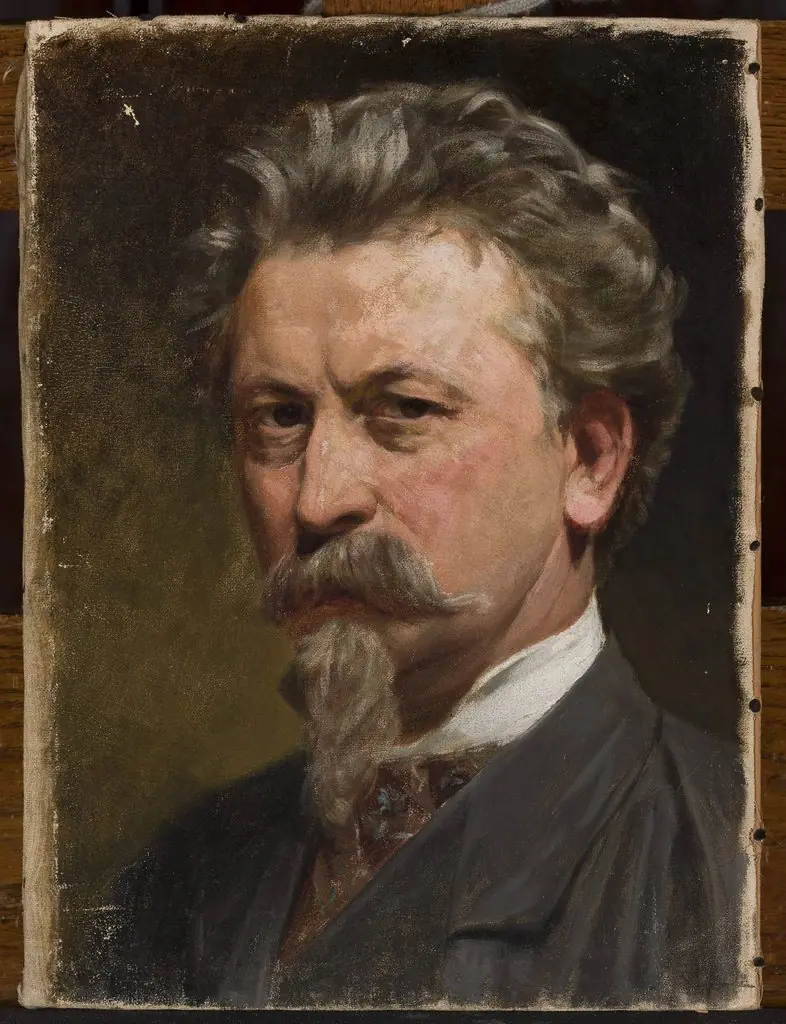 Self-portrait
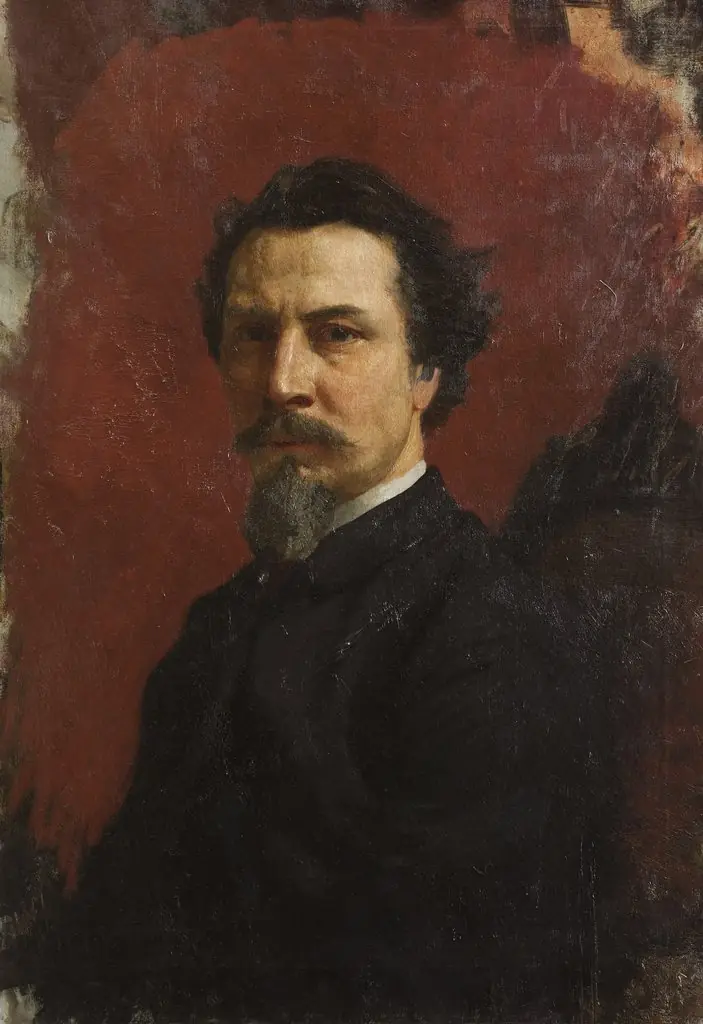 Self-Portrait
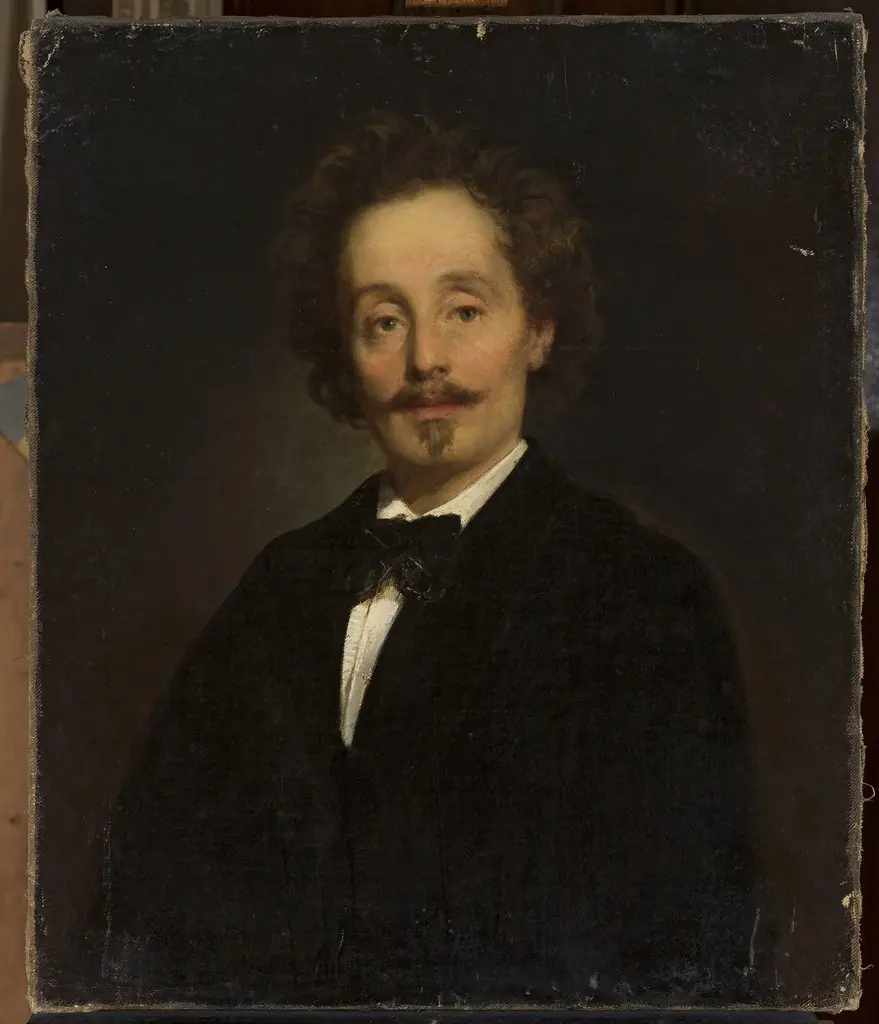 Portrait of Wiktor Brodzki, sculptor
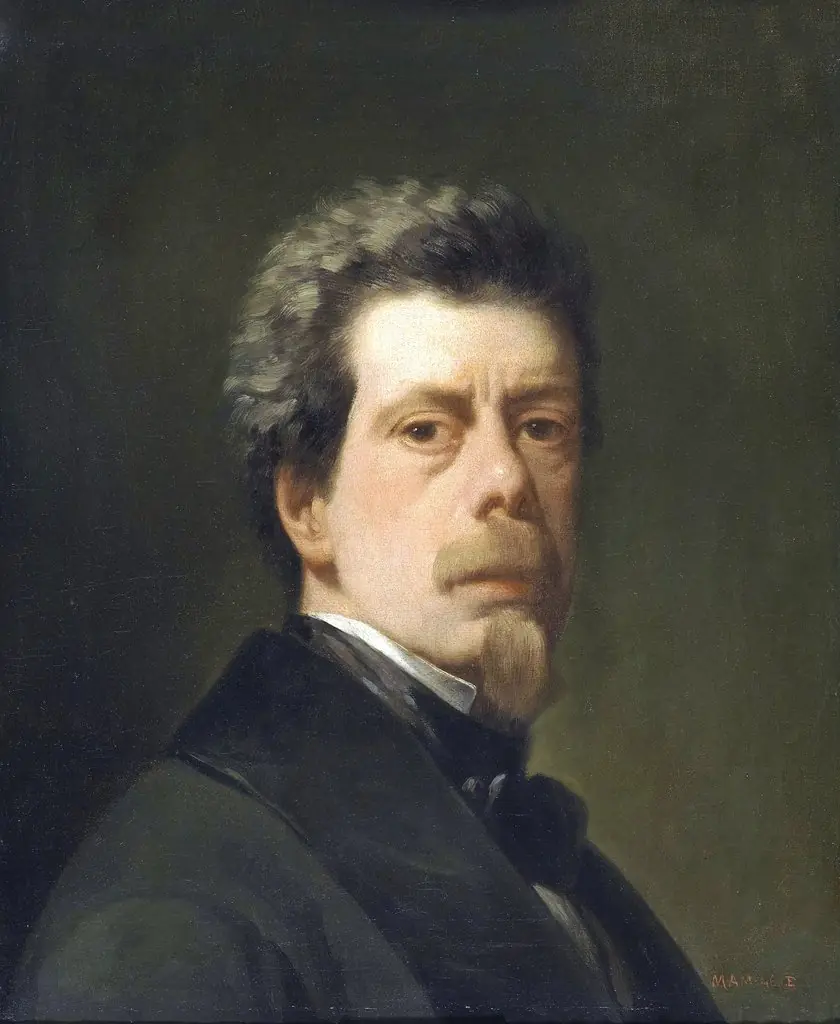 Autorretrato
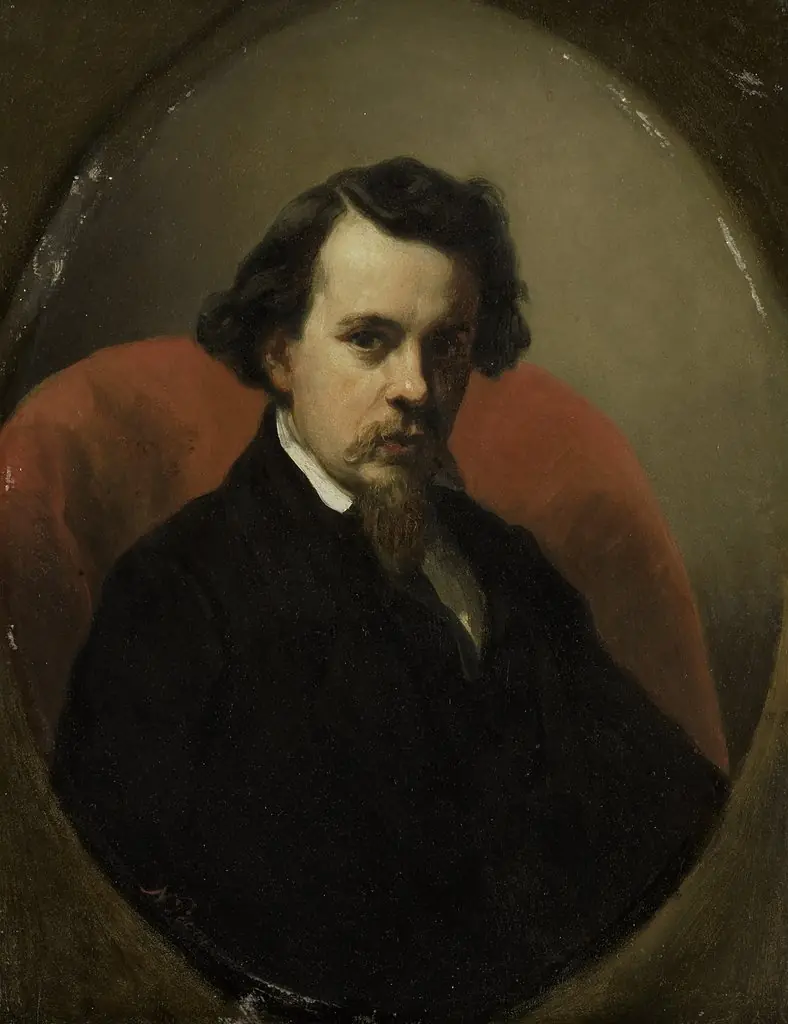 Portrait of Charles Henri Joseph Leicker, Painter
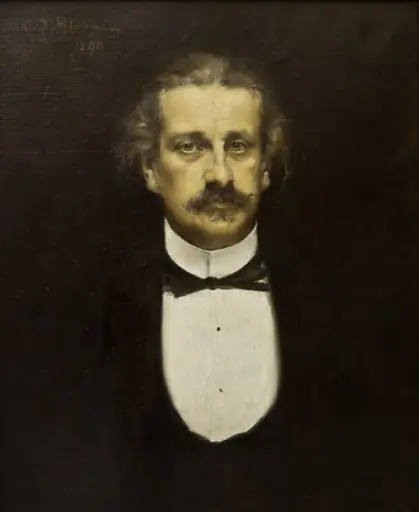 Portretul scriitorului Alexandru Odobescu
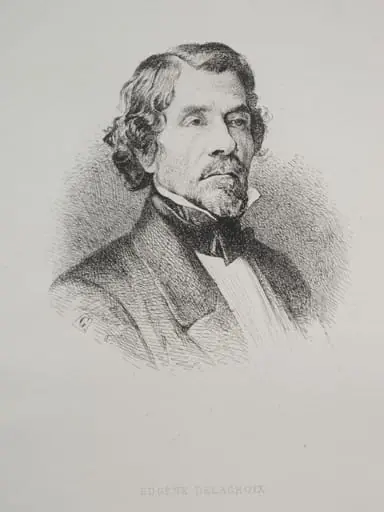 Eugène Delacroix
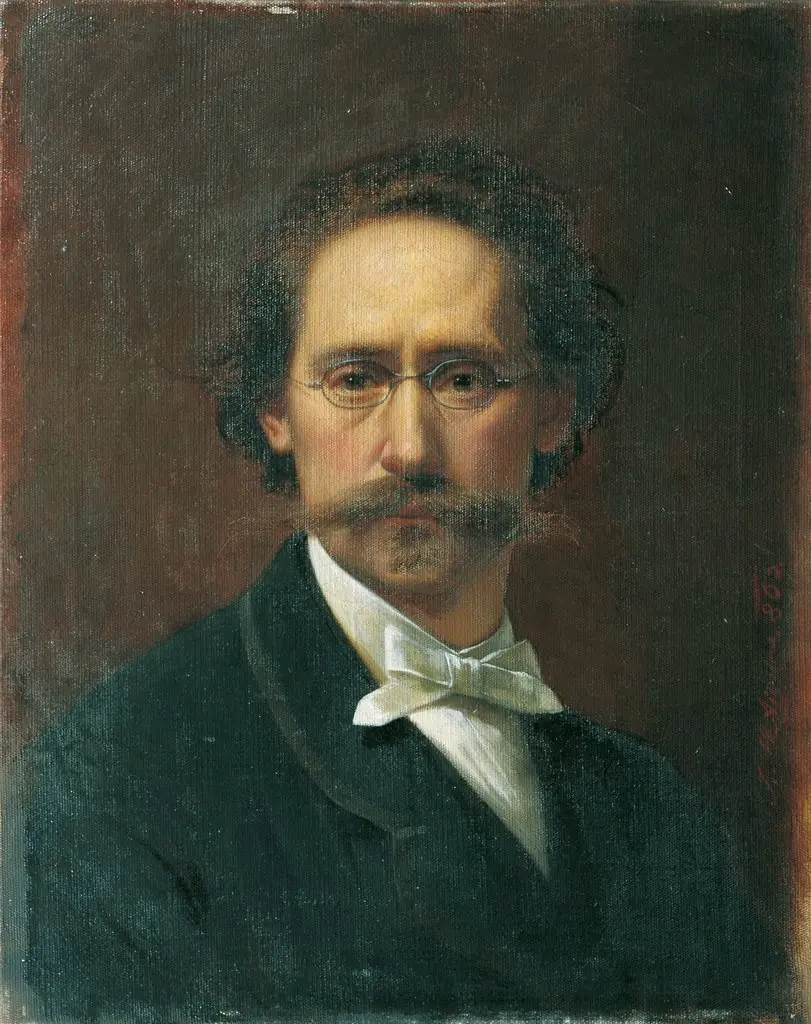 Self-portrait
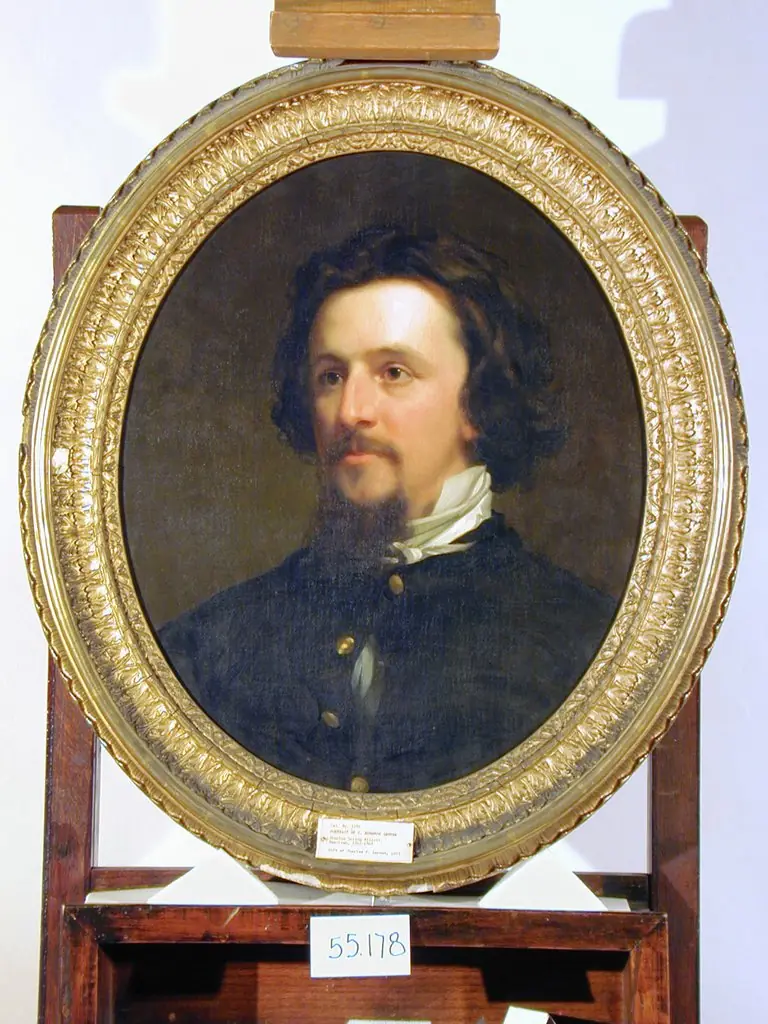 C. Edwards Lester
 Self-portrait
 Portret van J.A.B. Stroebel (1821-1905), kunstschilder