Artwork
The Sower
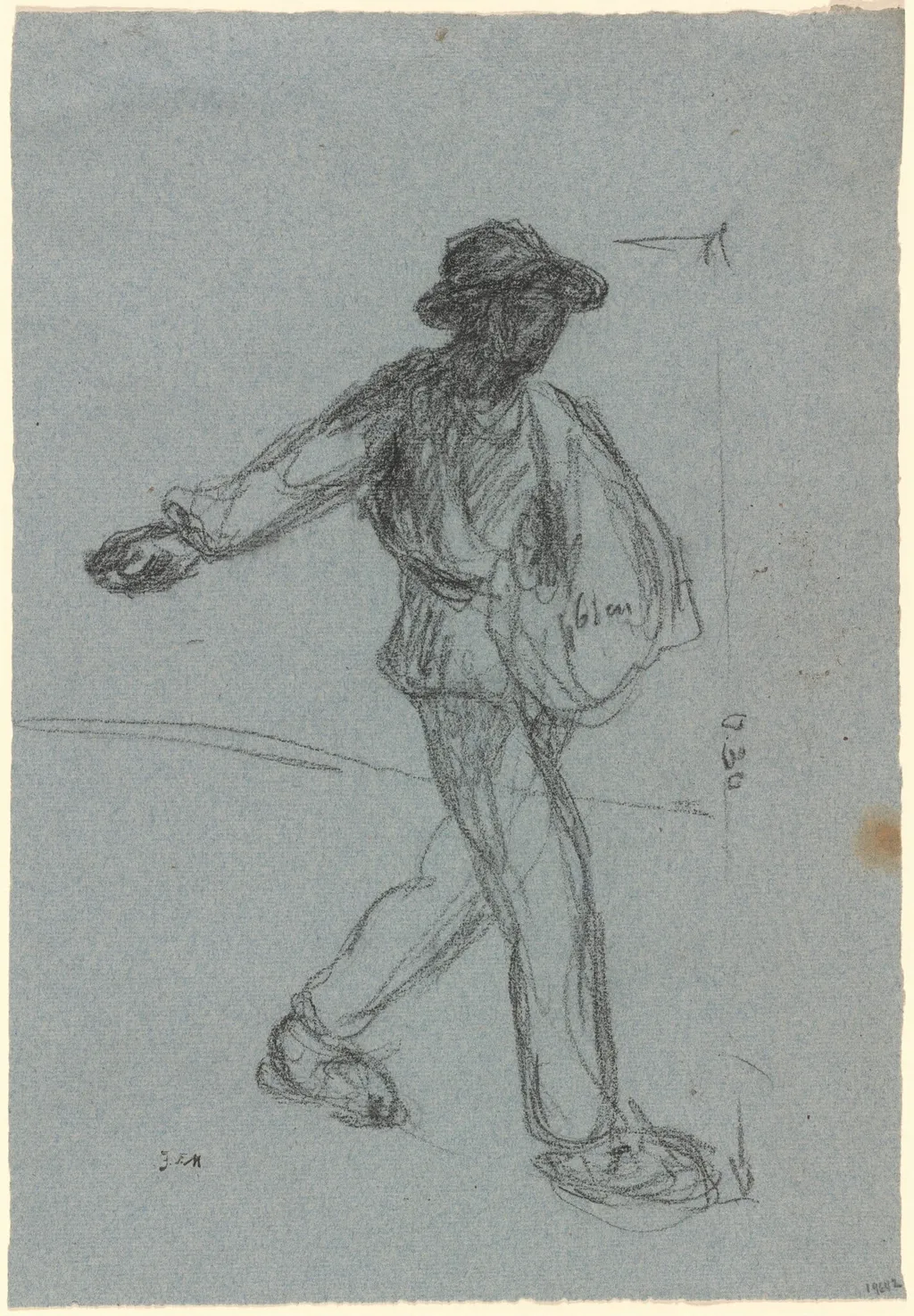
The Sower is a chalk drawing by the Romanticist artist Jean François Millet. It dates from 1844 and is held in the collection of the National Gallery of Art.
- Inscription
- Inscribed:lower left artist's stamp: J.F.M (Lugt Supp.1460-1460b)
About this work
Overview
The piece exemplifies Millet’s engagement with rural themes during his formative years, before his focus shifted toward expansive landscapes.
Created in 1844, The Sower is a chalk drawing on blue laid paper by Jean-François Millet. It belongs to his early body of works on paper, which preceded his more widely recognized oil paintings. The piece exemplifies Millet’s engagement with rural themes during his formative years, before his focus shifted toward expansive landscapes.
His use of chalk on colored paper reflects a deliberate choice within the drawing practices of the time.
Subject & Meaning
The drawing depicts a solitary figure sowing seed in a field, a common agricultural act rendered without idealization. Millet presents labor not as heroic or sentimental, but as a quiet, repetitive rhythm of rural existence. The figure’s posture and the direction of the seed suggest motion and continuity, grounding the image in the physical reality of peasant work.
Technique & Style
Millet employed chalk on blue paper to create tonal contrasts, using the paper’s hue as a mid-tone base. He built up shadows and form with dark chalk, leaving highlights to emerge naturally from the paper’s surface. The loose, economical lines convey movement and weight without detail, emphasizing gesture over precision, a hallmark of his preparatory and independent drawings.
History & Provenance
The drawing emerged during Millet’s early career in Paris, when he was developing his artistic voice amid the rising Realist movement. It remained in his personal collection until his death, later entering institutional holdings through estate distribution. Its survival as a standalone work on paper underscores its role as a study and personal exploration rather than a commissioned piece.
Context
In the 1840s, French art was dominated by historical and romantic themes. Millet’s focus on agricultural labor challenged these conventions, aligning with broader social interest in rural life following the 1848 revolutions. His drawings like The Sower offered a visual counterpoint to urban-centered narratives, asserting the dignity of manual toil in a changing society.
Legacy
The Sower contributed to Millet’s reputation as a chronicler of rural labor, influencing later artists who sought to depict everyday life with gravity. Though less known than his painted versions, this early drawing reveals the foundation of his visual language, direct, unadorned, and rooted in observation. It remains a key example of 19th-century drawing as an independent art form.
Own this work as a print
Artist & collection
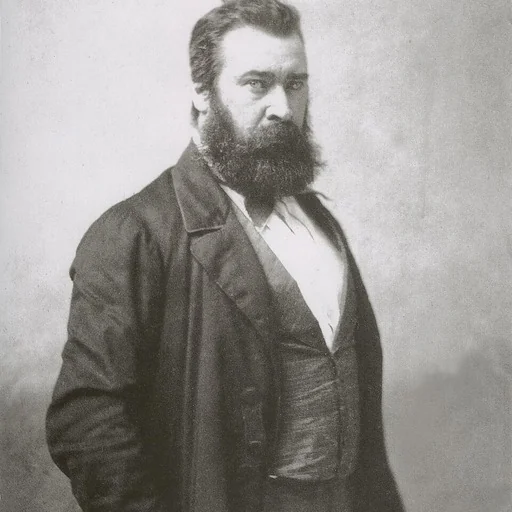
Artist
Jean-François Millet (French pronunciation:; 4 October 1814 – 20 January 1875) was a French painter and one of the founders of the Barbizon school in rural France.