Artwork
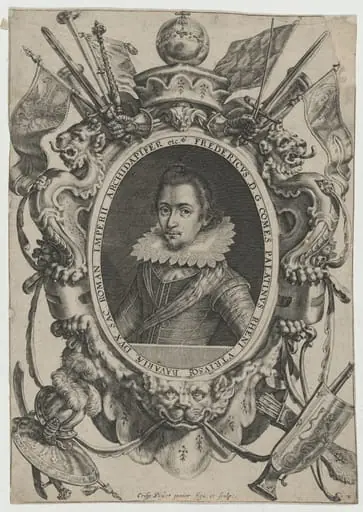
Portrait of a Man
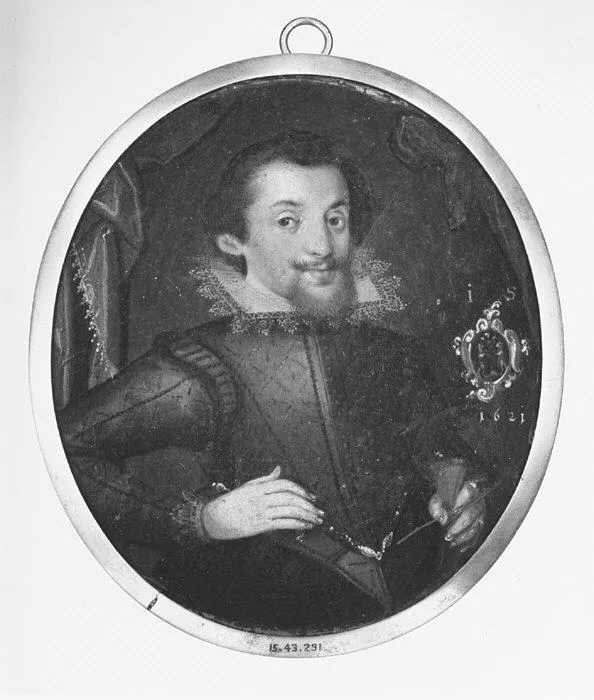
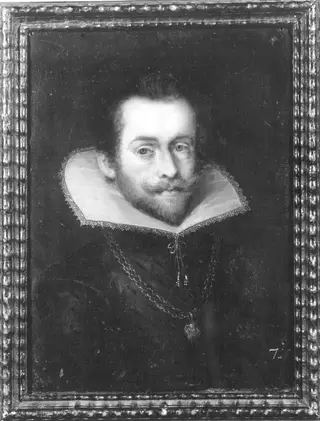
Portrait of a Man is an unspecified painting by the Flemish Baroque painting artist Monogrammist IS. It dates from 1621 and is held in the collection of the Metropolitan Museum of Art.
About this work
Subject & Meaning
The painting titled Portrait of a Man, executed in 1621 by the Monogrammist IS, is classified as a 17th‑century portrait.
The painting titled Portrait of a Man, executed in 1621 by the Monogrammist IS, is classified as a 17th‑century portrait. It portrays an unidentified male sitter, a common subject in contemporary portraiture that aimed to record the individual's appearance and suggest social standing. The work is part of the Metropolitan Museum of Art's collection, where it is catalogued as a portrait genre piece.
Its iconography consists solely of the figure of a man, without additional symbolic attributes, reflecting the straightforward representational purpose typical of portraits of this period.
History & Provenance
Created in 1621, this portrait is attributed to the artist known as the Monogrammist IS. The work depicts a male subject and is classified as a painting. While specific details regarding its original commission or early ownership history are not provided in the available records, the piece is currently held in the collection of the Metropolitan Museum of Art, where it remains located. The inception date is firmly established as January 1, 1621, marking the beginning of its documented history.
Overview
This painting, titled Portrait of a Man, was created in 1621 by the artist known as Monogrammist IS. This oil on panel work captures a male subject, presented in a formal pose. It is currently housed in the collection of The Metropolitan Museum of Art. The artist's identity, known only by a monogram, reflects a common practice among painters of the era.
Technique & Style
Monogrammist IS employs a restrained palette, dominated by dark tones in the subject's attire and the background, which emphasizes the sitter's face. The direct eye contact with the viewer, combined with the somber lighting, creates an intimate yet formal encounter. This approach aligns with the prevailing trends in portraiture during the early 17th century, where psychological depth and social standing were conveyed through subtle details and controlled expressions.
Artist & collection

- Bildnis eines Mannes (Wolfgang Wilhelm?)
 Bildnis eines jungen Mannes
 Ein geharnischter Ritter
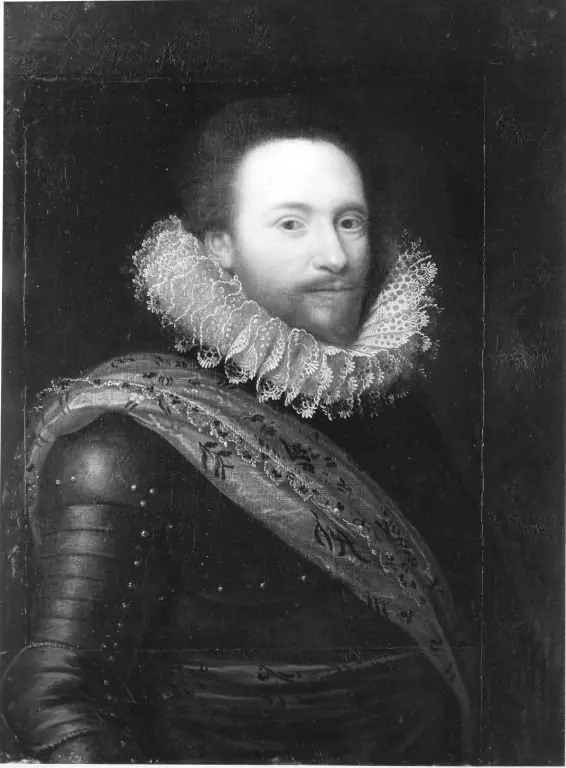 Männliches Bildnis (zugeschrieben)
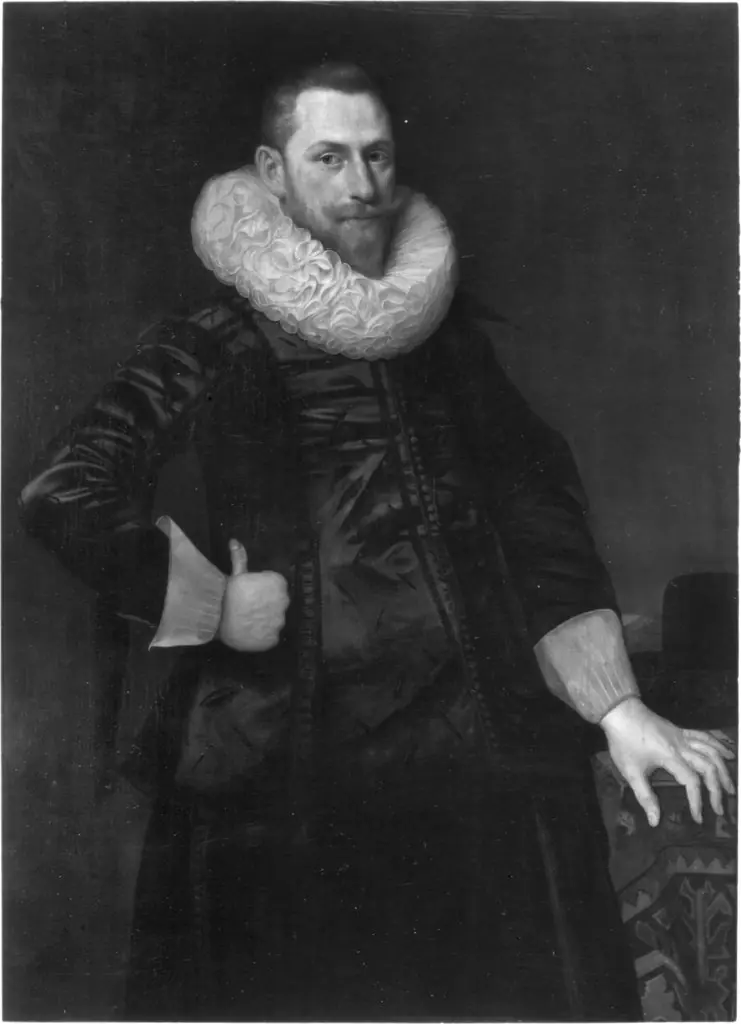 Portrait of Dirck Corver (1587-1633)
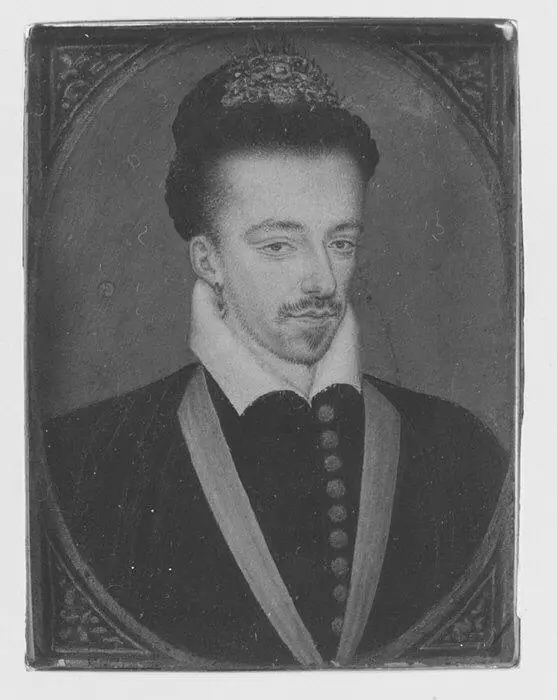 Henry III (1551–1589), King of France
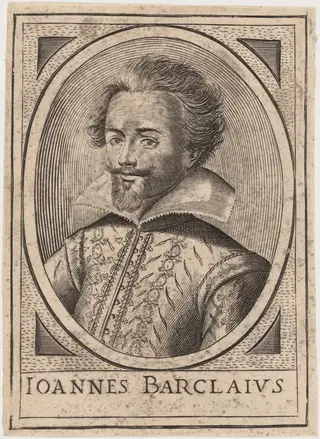 John Barclay
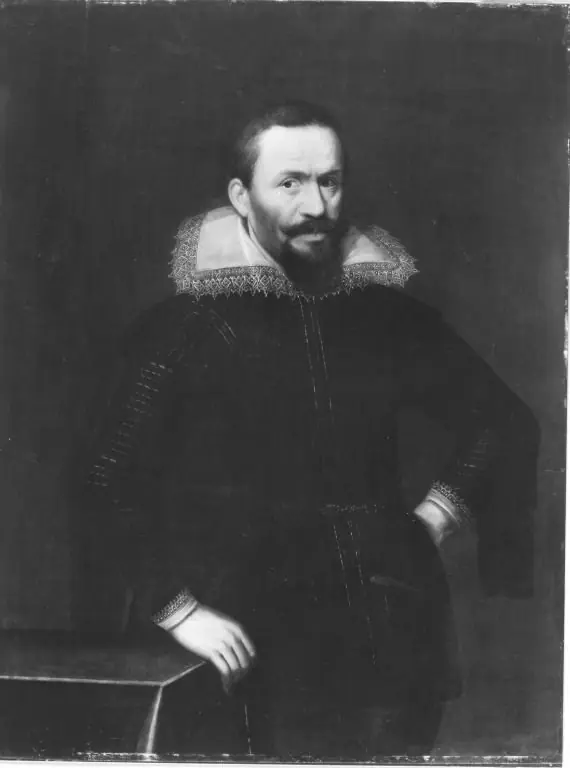 Portrait of an unknown man aged 41 year
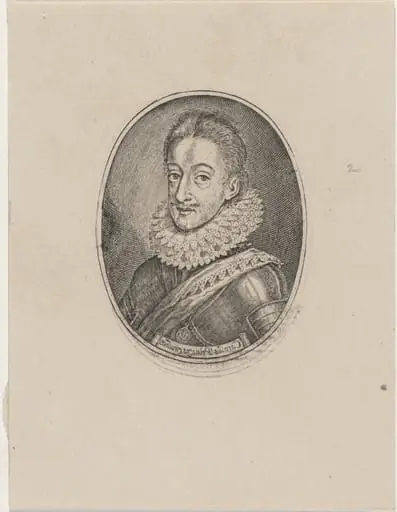 Charles I, King of England
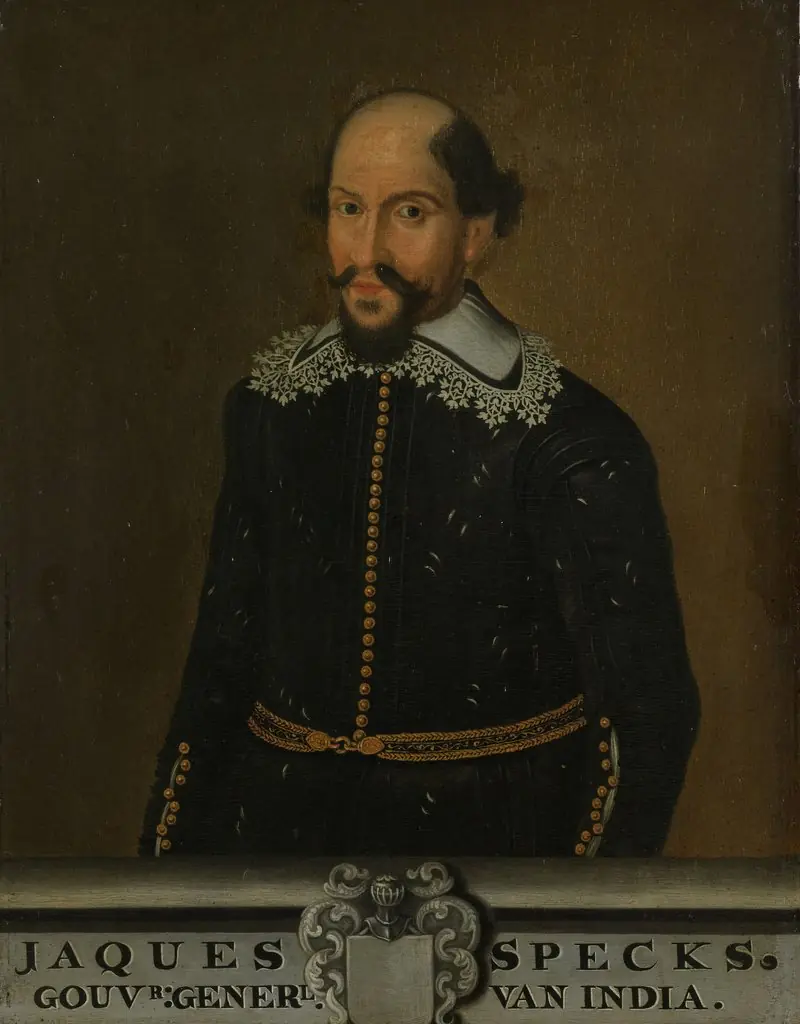 Jacques Specx (geb. 1588). Gouverneur-generaal (1629-32)
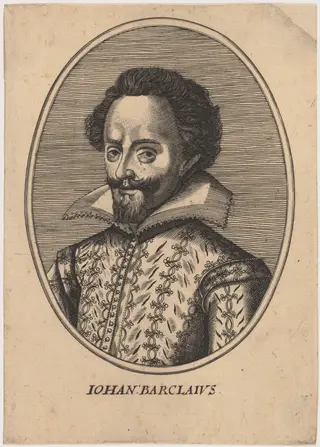 John Barclay
 Frederick V, Elector Palatine, King of Bohemia