Artwork
清 諸家 名家書畫 冊|Album of painting and calligraphy for Maoshu
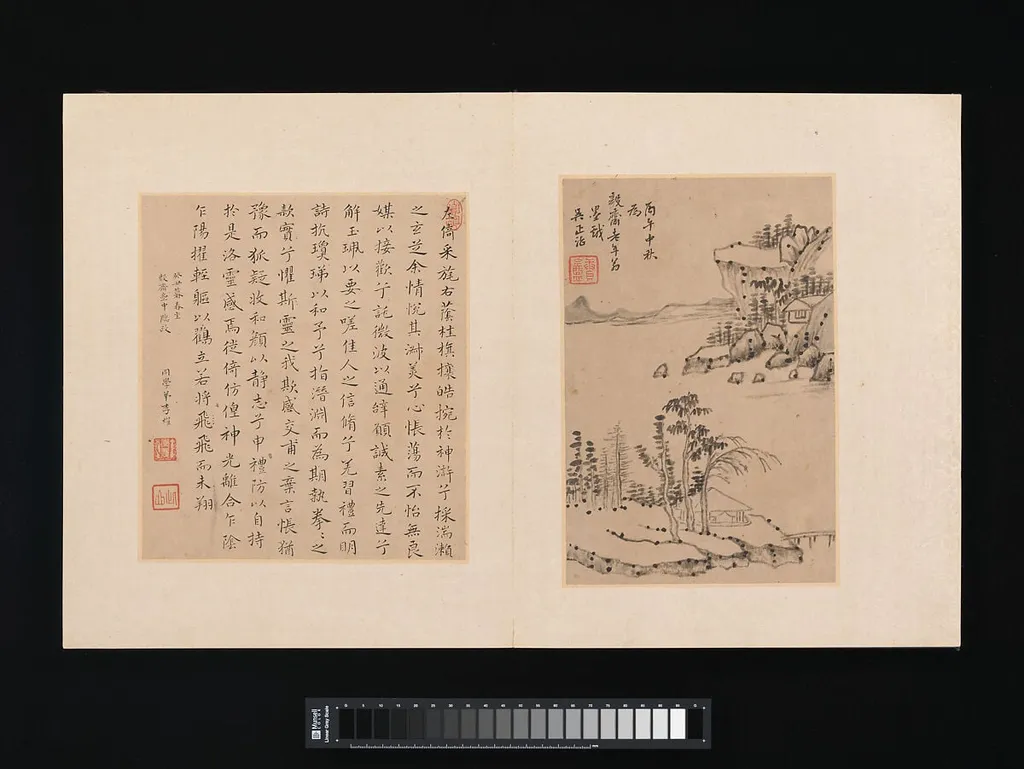
清 諸家 名家書畫 冊|Album of painting and calligraphy for Maoshu is an ink painting by the Baroque artist Various Artists. It dates from 1673 and is held in the collection of the Metropolitan Museum of Art.
About this work
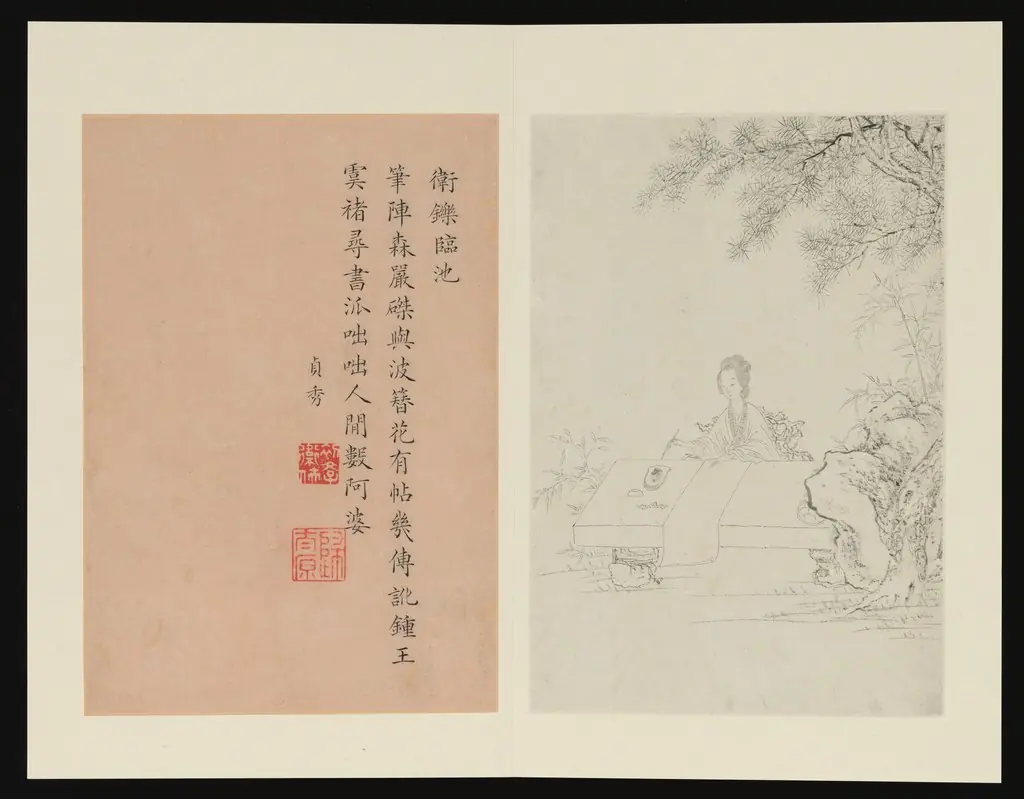
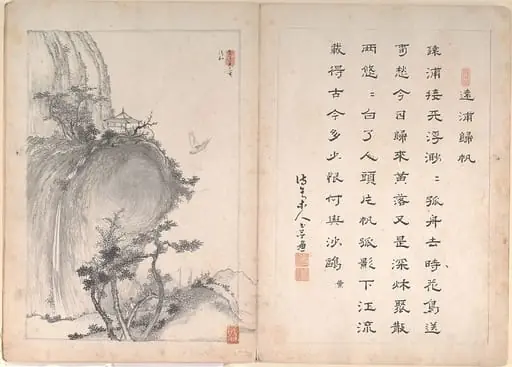
This album has fourteen small paintings on one side. The other side shows calligraphy in black ink. The colors are soft and the brushwork is light.
These came from a group of artists in China. They worked between 1666 and 1680. Each page shows a different scene or poem.
If you like this, look up the next artist in the book.
Technique & Style
The album, dated 1673 and housed in the Metropolitan Museum of Art, comprises fourteen leaves of paper bound together to form a hand‑scroll‑like format.
The album, dated 1673 and housed in the Metropolitan Museum of Art, comprises fourteen leaves of paper bound together to form a hand‑scroll‑like format. Each leaf carries a landscape painting executed in ink and subtle color, with a facing page of calligraphy, reflecting a close dialogue between visual and textual arts. The works were produced in China using traditional brush techniques on paper supports, employing mineral pigments for color accents.
Brushwork displays controlled strokes and layered washes typical of Qing‑era landscape painting, while the integrated calligraphy employs regular script that complements the pictorial rhythm. The overall composition balances spaciousness with intricate detail, creating a cohesive stylistic unity across the album.
History & Provenance
Created in 1673 in China, this album comprises fourteen leaves featuring landscape paintings and facing calligraphic pages executed in ink and color on paper. The work is attributed to various artists rather than a single creator. While the specific circumstances of its commission or the identity of the recipient named Maoshu are not detailed in the available records, the piece's inception is firmly dated to the seventeenth century.
The album eventually entered the collection of the Metropolitan Museum of Art, where it is currently housed and classified as a painting. The physical format consists of alternating leaves of visual art and text, characteristic of scholarly albums from the Qing dynasty period.
The album of painting and calligraphy for Maoshu is part of the Metropolitan Museum of Art's collection; the museum lists it as held in its department of Asian art, though no specific accession or inventory number is provided in the documentation. The work, dated 1673 and comprising fourteen paintings with accompanying calligraphy, was created in China and falls under the landscape genre. The available records do not note any documented exhibition history for this piece.
Legacy
The album, compiled in 1673 by various artists and featuring fourteen landscape paintings paired with calligraphic inscriptions, is held in the Metropolitan Museum of Art, reflecting its recognized significance as an important example of Qing painting. Its inclusion in a major museum collection underscores its lasting impact on the understanding of early modern Chinese art.
Overview
Created in 1673, the Album of Painting and Calligraphy for Maoshu is a collaborative work by various Chinese artists active between 1666 and 1680. The album consists of fourteen leaves, each featuring a small landscape painting executed in ink and light color on paper, paired with a facing page of calligraphy in black ink. The compositions depict varied scenic views, often accompanied by poetic inscriptions that complement the visual imagery.
The brushwork is characterized by its delicacy and the color palette by its softness, reflecting the aesthetic preferences of the period. This album represents a significant example of late seventeenth-century collaborative art-making in China, where multiple artists contributed to a single volume, likely as a gift or commemorative piece for an individual named Maoshu. The work illustrates the integration of painting and calligraphy, a hallmark of Chinese literati art, and demonstrates the diverse styles and techniques employed by the participating artists within a unified format.
Context
This collaborative album emerged from a group of Chinese artists working between 1666 and 1680. Such collective projects were a common practice, bringing together diverse artistic talents within a single volume. The dedication to 'Maoshu' indicates the album was likely a commissioned piece or a significant gift, tailored to a specific individual's appreciation for art and literature.
Artist & collection
Artist

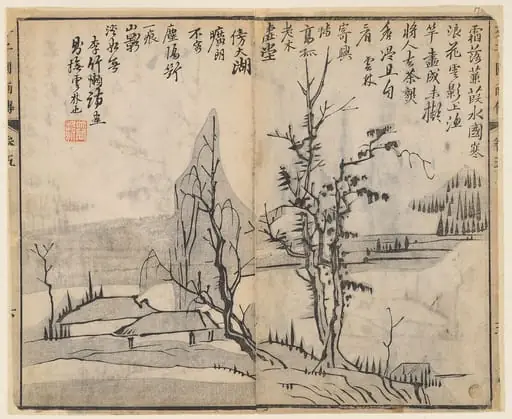
- 清 王槩 畫圖、李漁出版 《芥子園畫傳》 木版畫|Page from the Mustard Seed Garden Manual of Painting
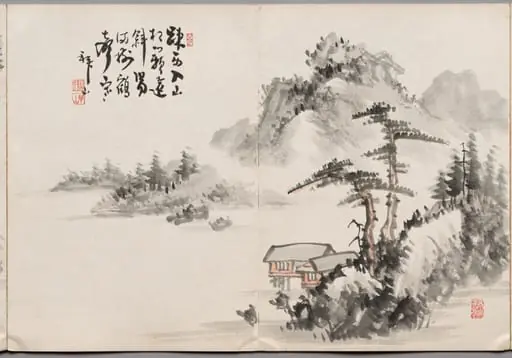 Painting One from Album of Paintings by Haizan
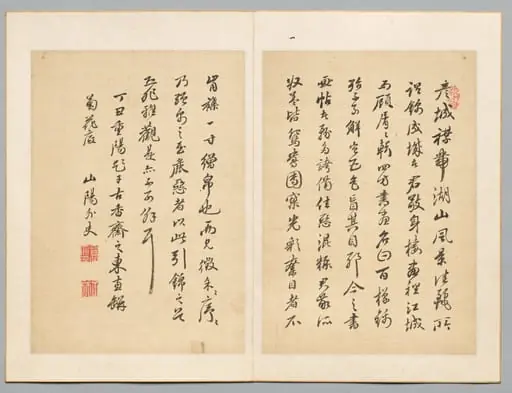 Preface
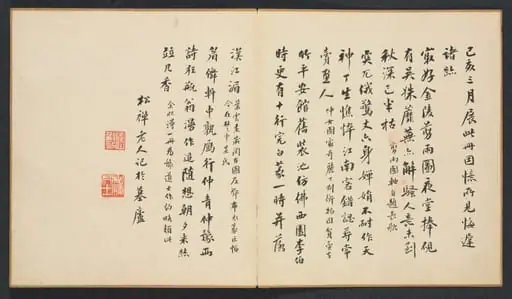 Paintings after Ancient Masters: Calligraphy
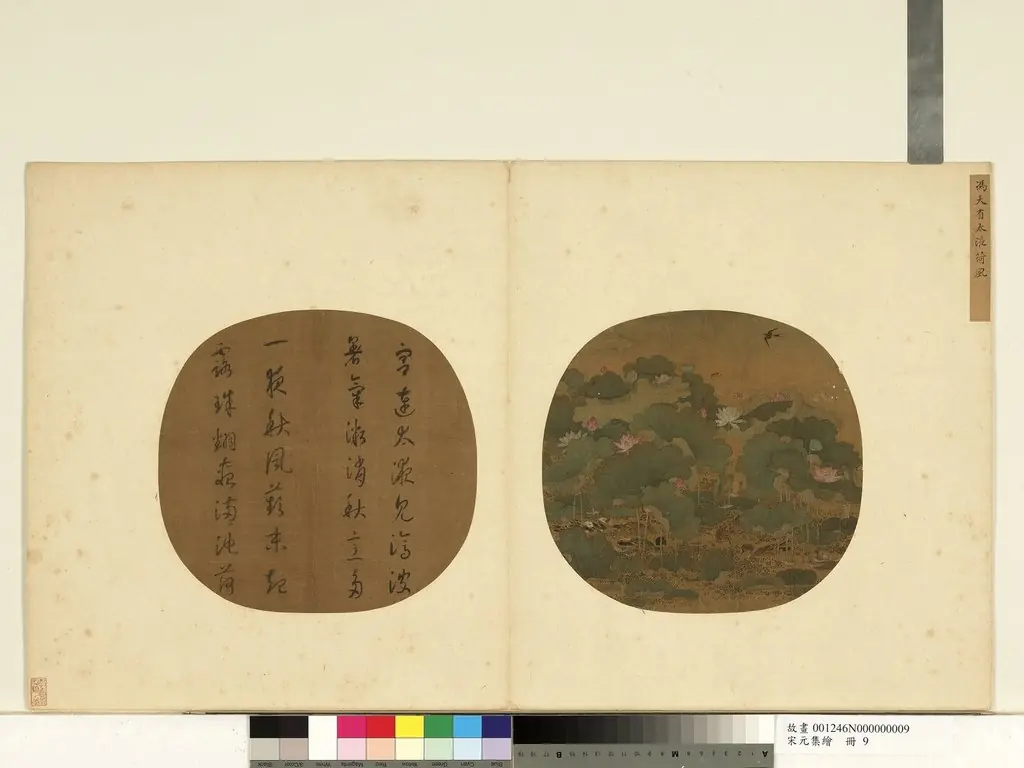 宋元集繪 冊 宋馮大有太液荷風
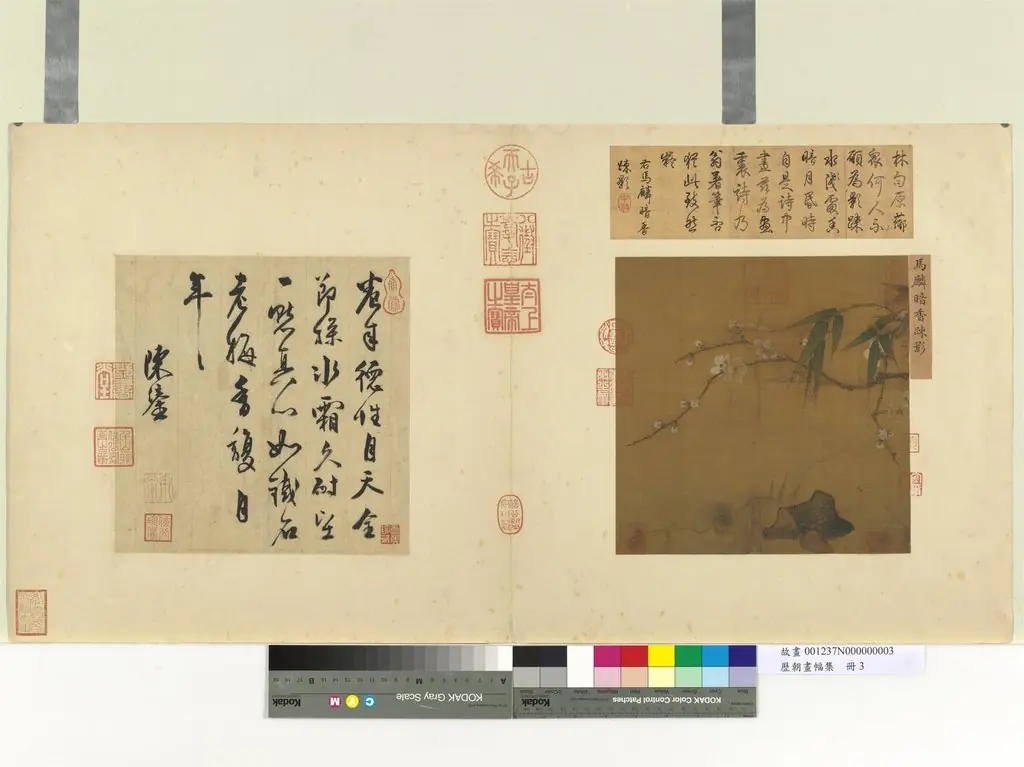 宋馬麟暗香疏影
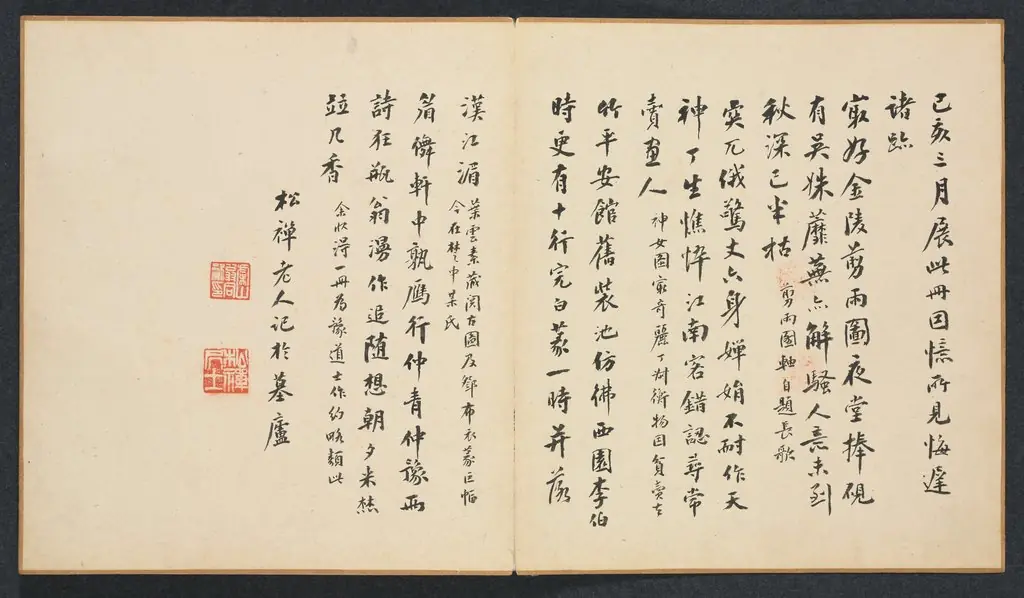 Paintings after Ancient Masters: Calligraphy
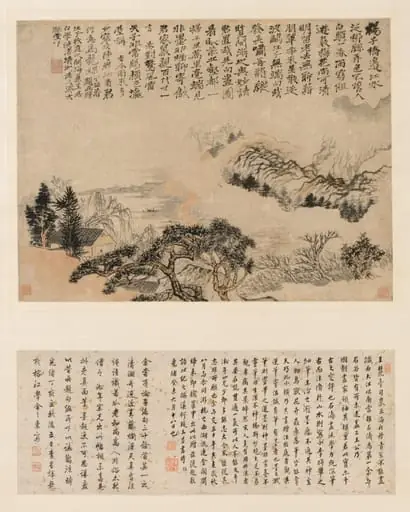 Spring Mist over Jiangnan
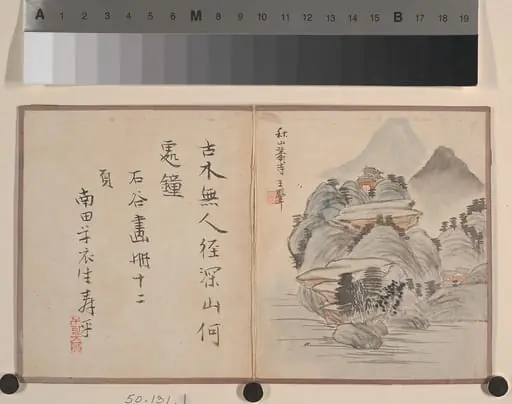 Untitled
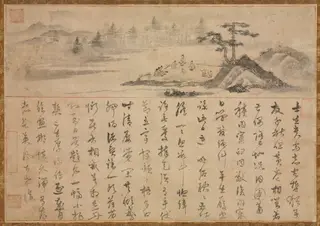 Gathering among the Members of Office Censor-General
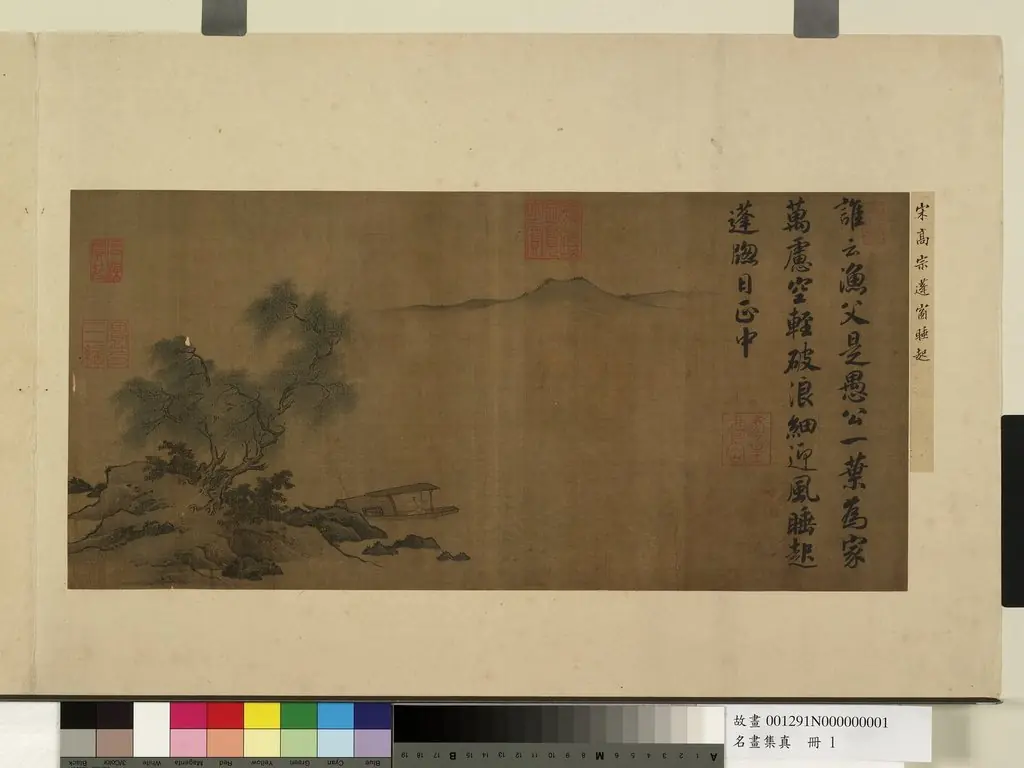 名畫集真 冊 宋高宗蓬窗睡起
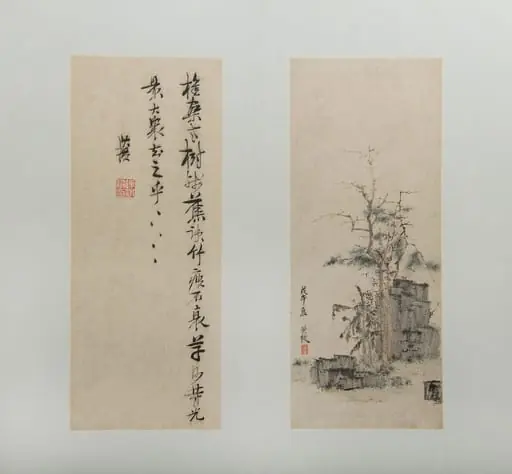 明/清 陳洪綬 山水人物花卉圖 冊|Landscapes, Figures, and Flowers
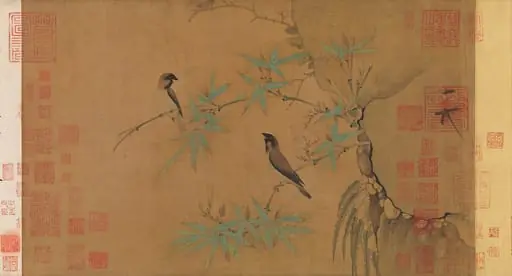 北宋 徽宗 竹禽圖 卷|Finches and bamboo
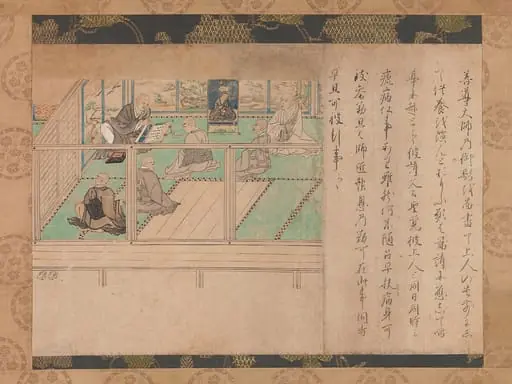 拾遺古徳伝絵断簡|Illustrated Biography of Hōnen (Shūikotokūden-e)
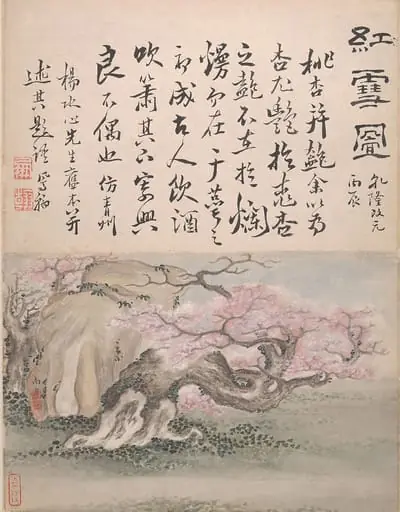 清 傳高鳳翰 書畫合璧 冊|Landscapes and Calligraphy
 Famous Women
 清 詩午閑人 瀟湘八景詩畫 冊|Eight Landscape Scenes and Calligraphy
 Fishing Boat on Reed Covered Bank and Calligraphy
 池大雅書 「楓橋夜泊」屏風|"Maple Bridge Night Mooring"
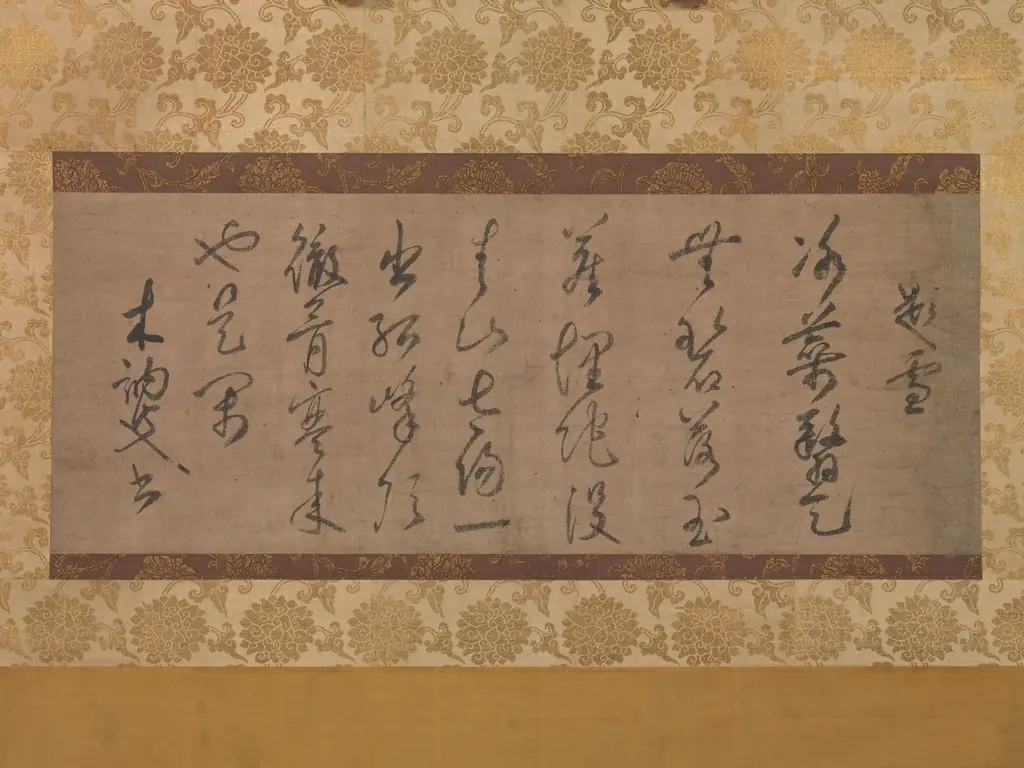 Poem on the Theme of Snow