Artwork
Portrait of a Gentleman
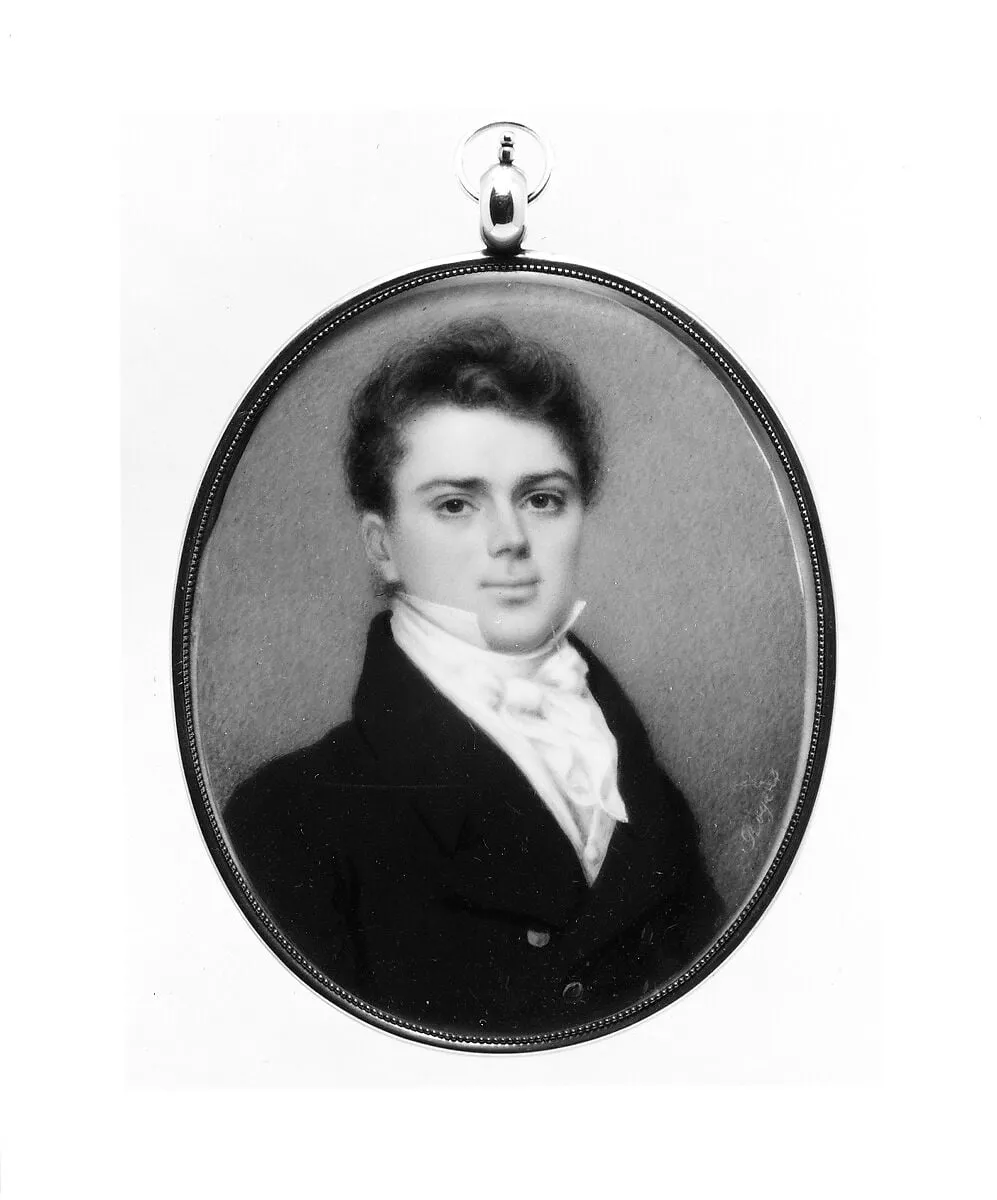
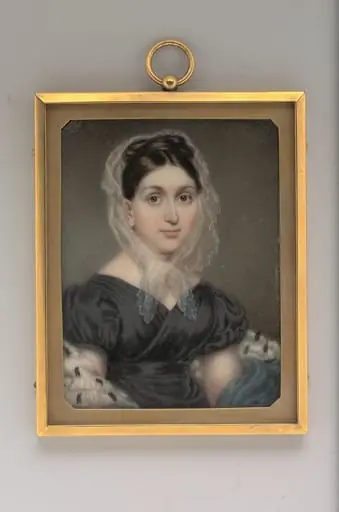
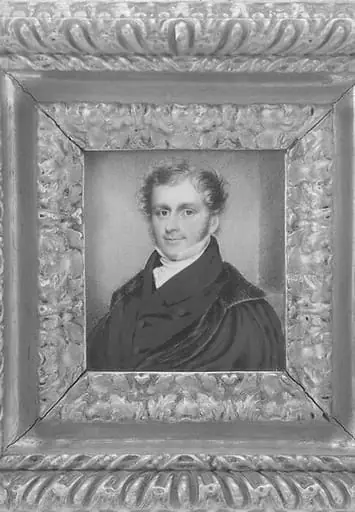
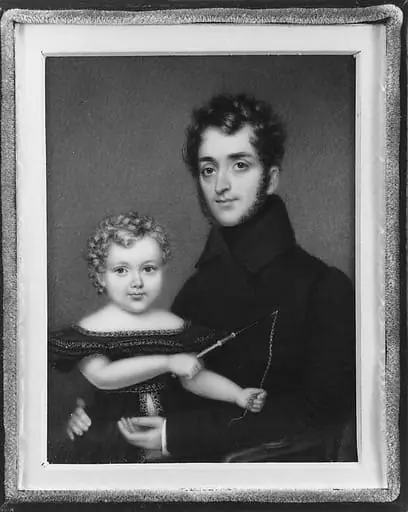
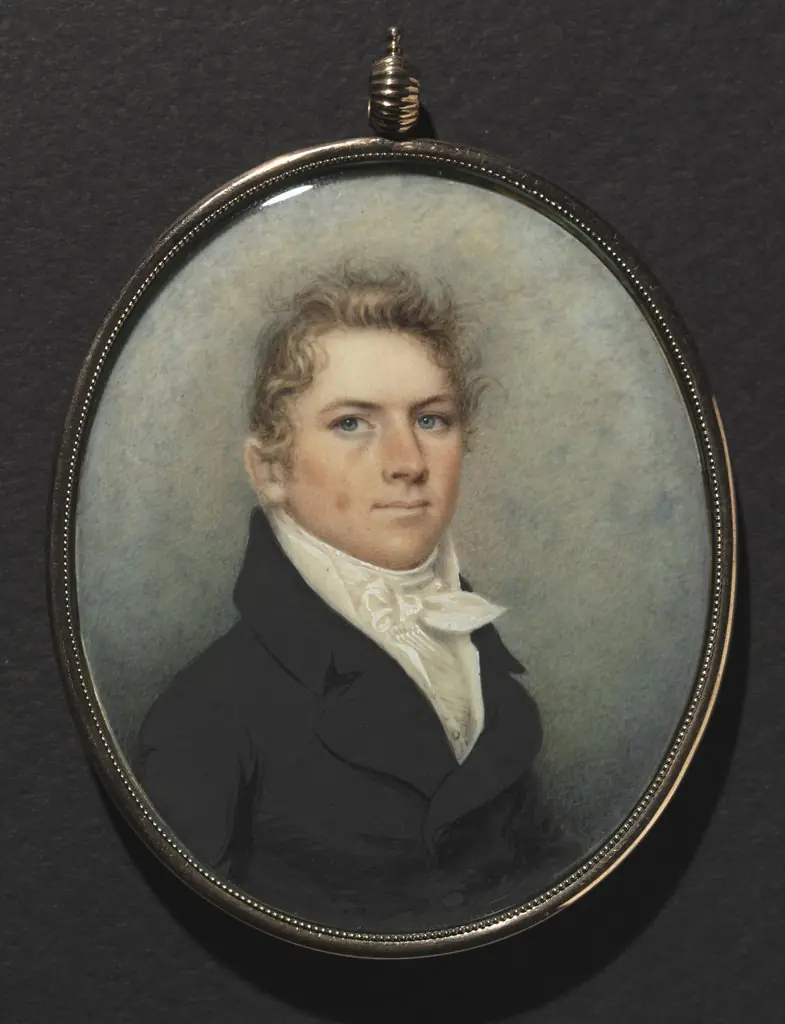
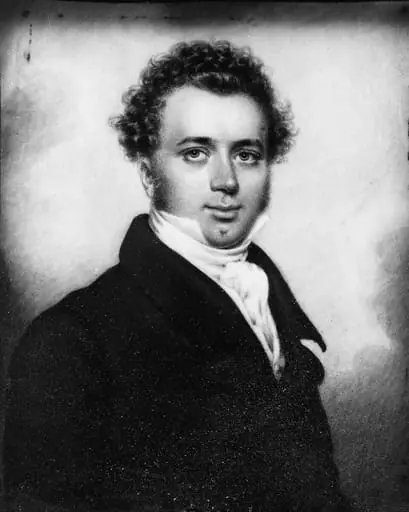
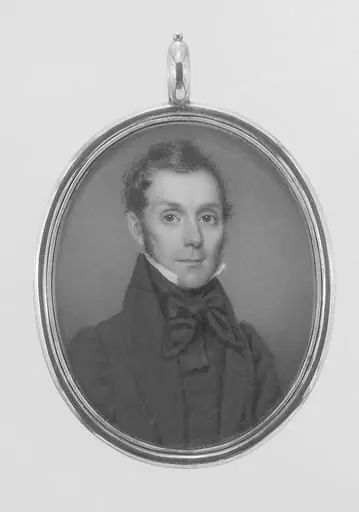
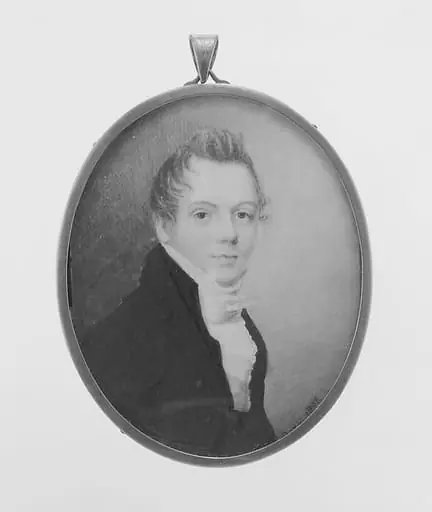
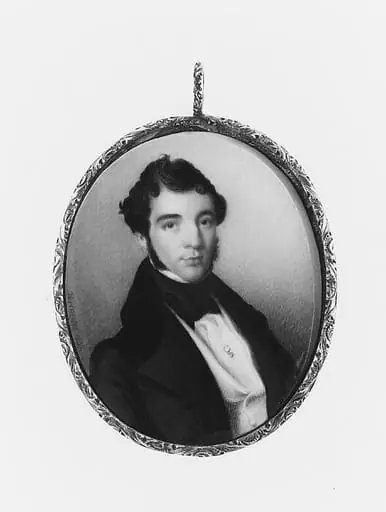
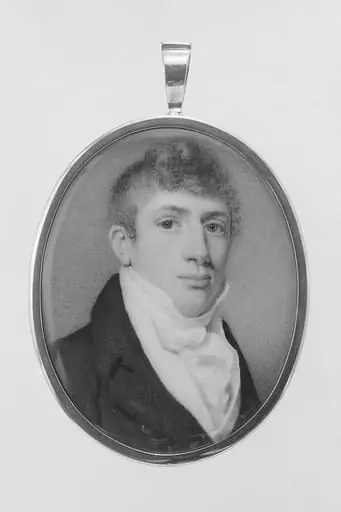
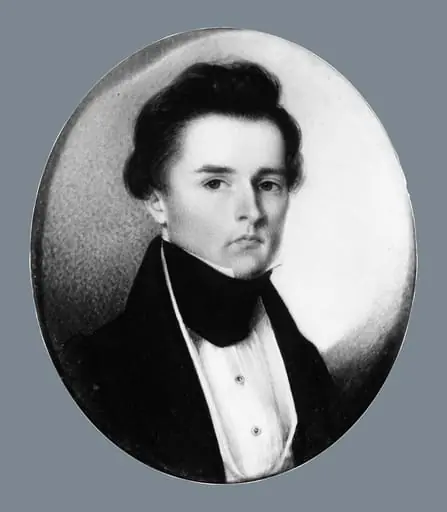
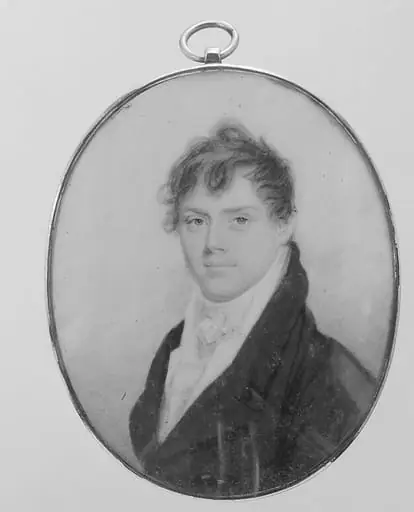
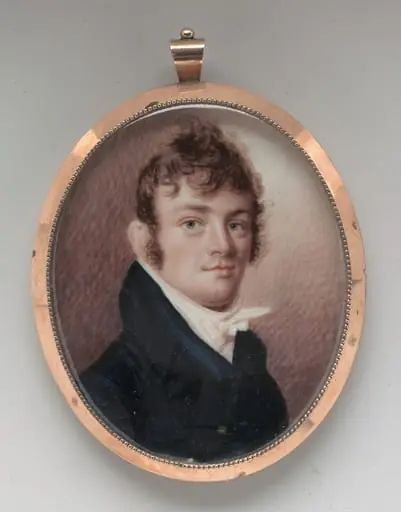
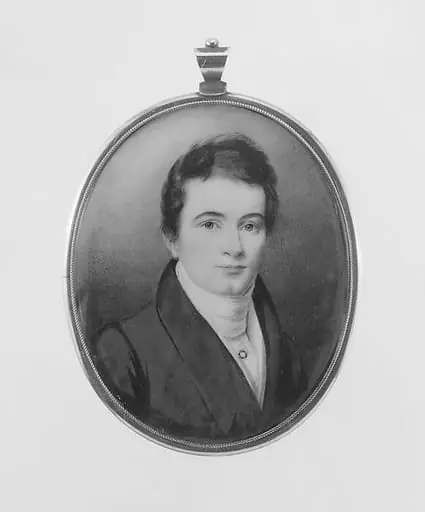
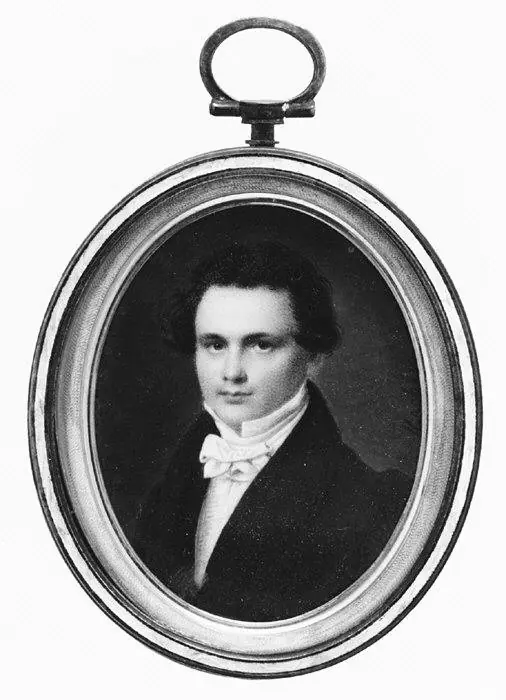
Portrait of a Gentleman is a watercolor painting by the American Folk Art artist Nathaniel Rogers. It dates from 1820 and is held in the collection of the Metropolitan Museum of Art.
About this work
Subject & Meaning
Portrait of a Gentleman, executed by Nathaniel Rogers in 1820 as a watercolor on ivory, depicts a single male sitter identified as a gentleman.
Portrait of a Gentleman, executed by Nathaniel Rogers in 1820 as a watercolor on ivory, depicts a single male sitter identified as a gentleman. The work, classified within the American Wing’s portrait genre, presents the subject in a manner typical of early-19th-century portraiture, emphasizing his respectability and social standing. Rogers captures the sitter’s dignified posture and refined attire, reinforcing the notion of genteel identity.
As part of the Metropolitan Museum of Art’s collection, the piece functions both as a visual record of the sitter’s status and as an example of early American miniature portraiture, reflecting contemporary ideals of masculinity and refinement.
Technique & Style
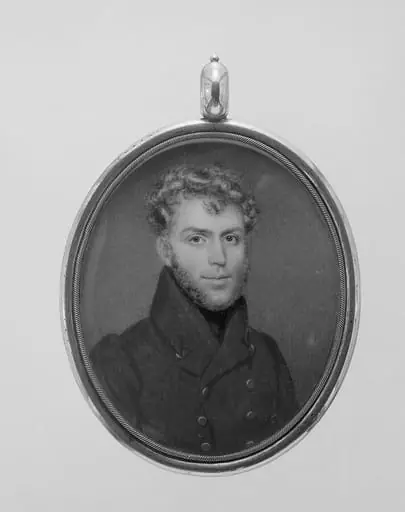
The Portrait of a Gentleman (1820) is executed in watercolor on a thin ivory support, a medium that affords the translucent washes and fine detail typical of early American miniature portraiture. The work measures roughly 7 cm by 5.7 cm, dimensions recorded in the Metropolitan Museum of Art catalogue. Rogers employs delicate brushwork to render the sitter’s facial features and the subtle folds of his clothing, using a limited palette of muted earth tones that emphasizes modeling over color. The composition reflects a restrained formalism, with a direct gaze and modest pose that convey quiet dignity.
History & Provenance
Portrait of a Gentleman was created by Nathaniel Rogers in 1820 as a watercolor on ivory. The work is classified as a portrait and is part of the American Wing collection at the Metropolitan Museum of Art, where it bears the accession number 2001.693. No earlier owners or commission details are recorded in the available sources; the painting’s provenance begins with its entry into the Met’s holdings. The delicate medium and small scale indicate it was intended as a miniature portrait.
Overview
This watercolor portrait, created around 1820 by Nathaniel Rogers, captures the likeness of an unidentified gentleman. Rendered on a small ivory support, the artwork exemplifies the intimate scale and detailed execution characteristic of miniature portraits from the early 19th century. It offers a direct gaze from its subject, presenting a refined image typical of American portraiture of the period.
Context
Miniature portraits like this one were often cherished personal objects, small enough to be carried or worn, much like jewelry. Their portability made them ideal for keeping the image of a loved one close, or for exchanging as tokens of affection or remembrance. This particular work reflects the widespread practice of commissioning such intimate likenesses in American society of the early 1800s.
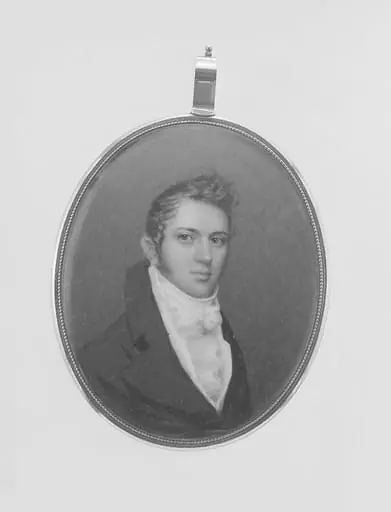
Artist & collection

Artist
Nathaniel Rogers (1787-1844) was an American miniature painter, born at Bridgehampton on Long Island, New York.