Artwork
Ferdinand Sands and his Son Joseph
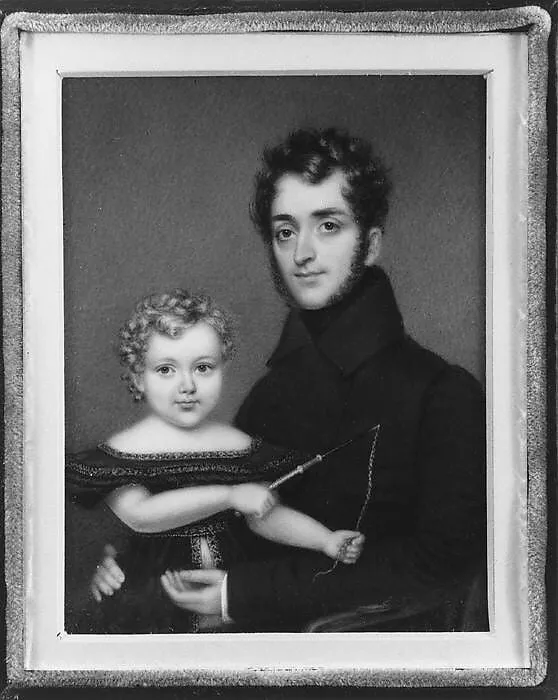
Ferdinand Sands and his Son Joseph is a watercolor painting by the Rococo painting artist Nathaniel Rogers. It dates from 1815 and is held in the collection of the Metropolitan Museum of Art.
About this work
Subject & Meaning
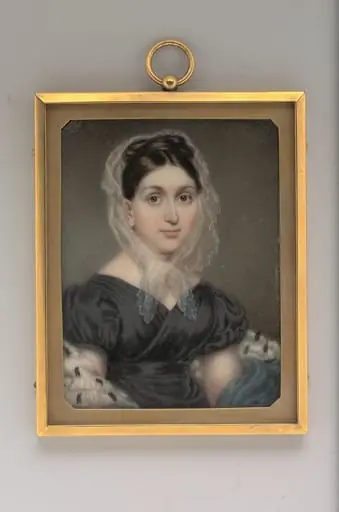
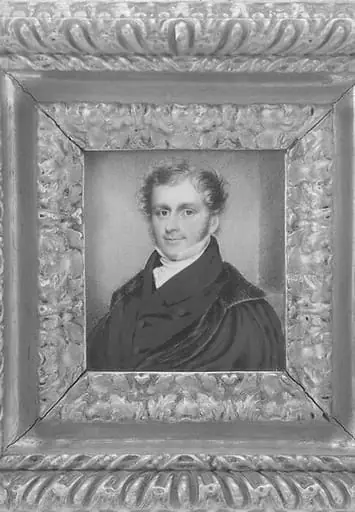
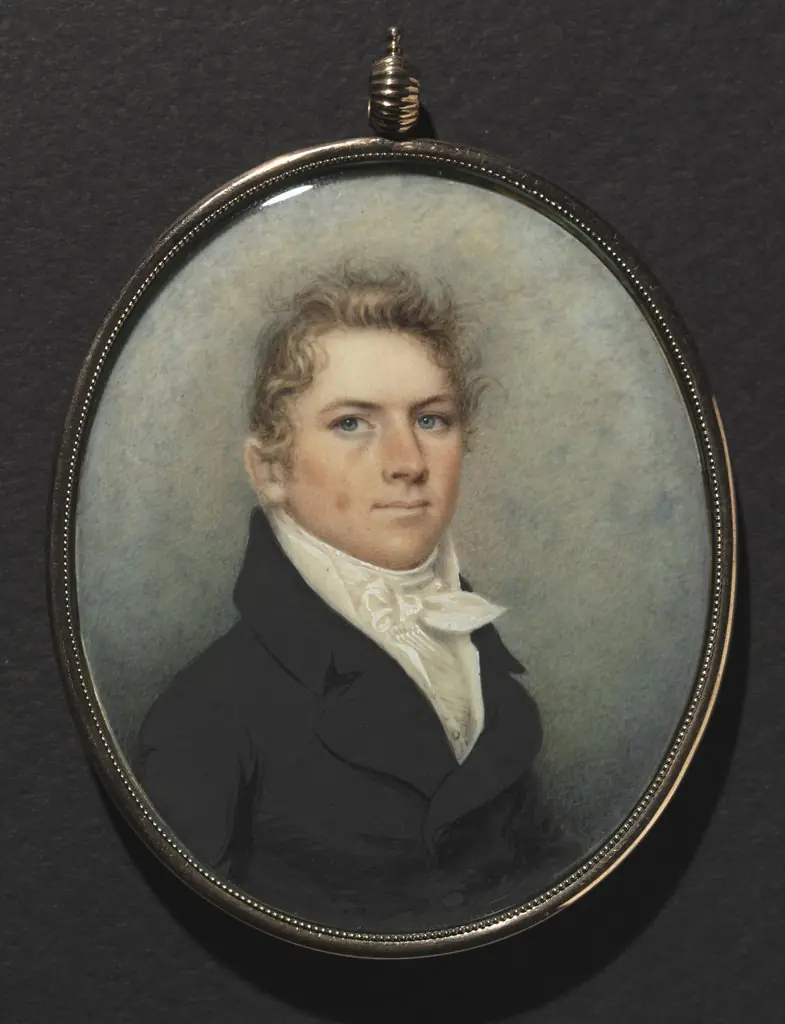
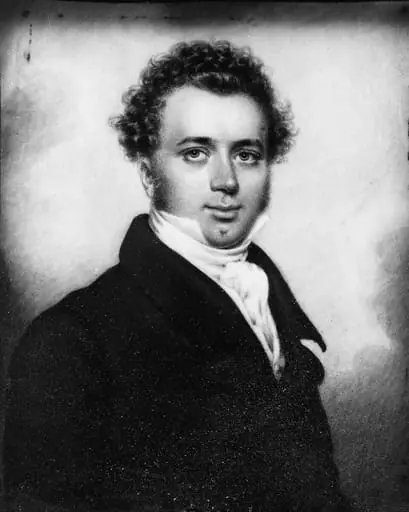
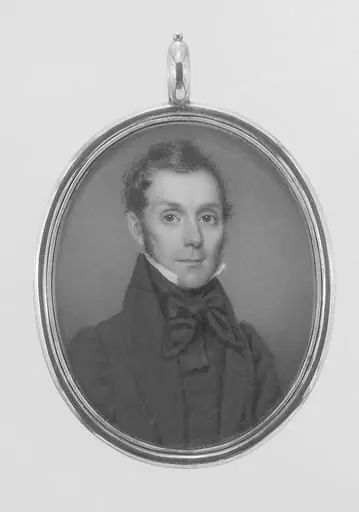
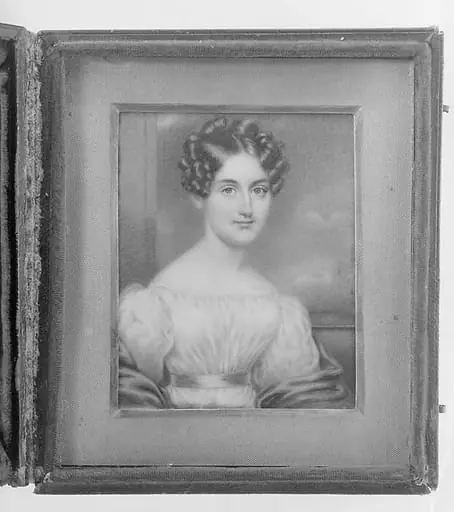
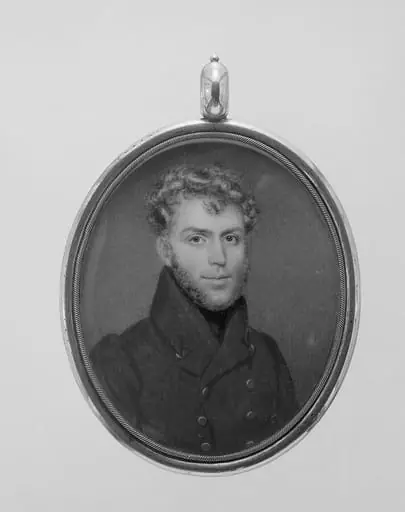
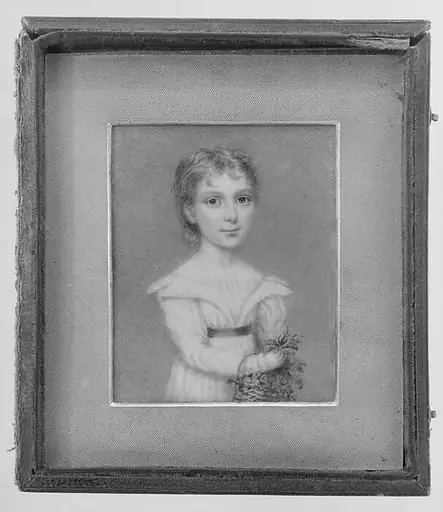
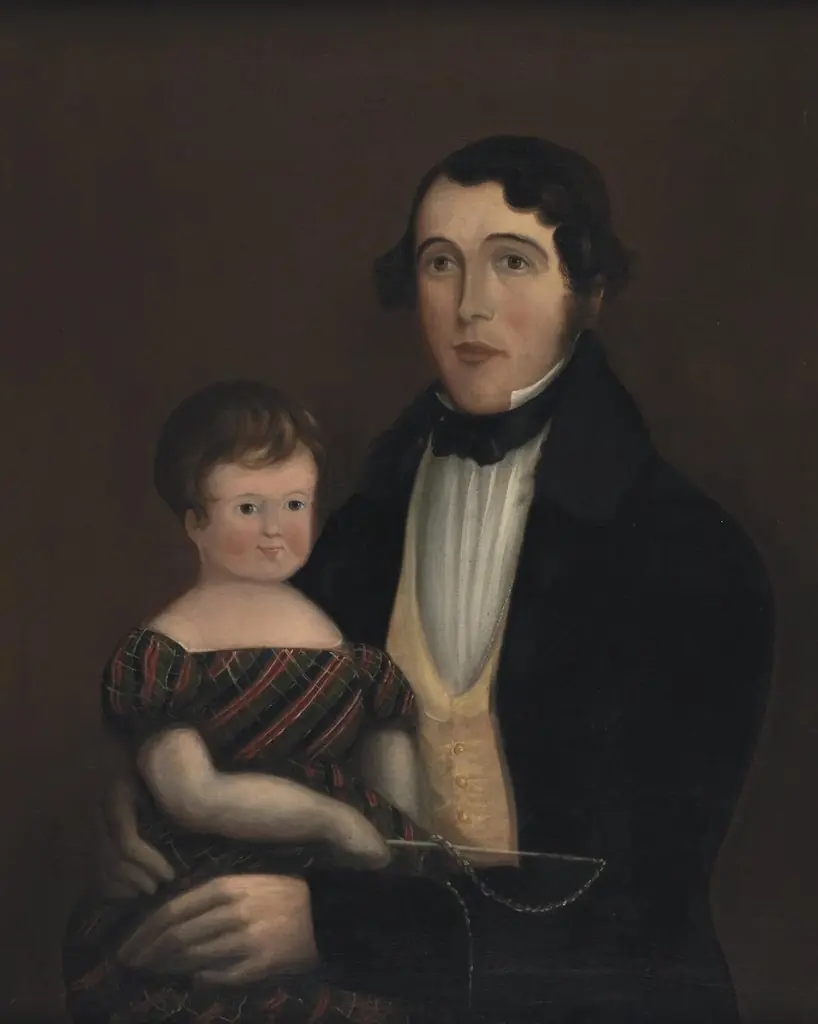
The watercolor entitled Ferdinand Sands and his Son Joseph, painted by Nathaniel Rogers in 1815, portrays Ferdinand Sands together with his young son Joseph.
The watercolor entitled Ferdinand Sands and his Son Joseph, painted by Nathaniel Rogers in 1815, portrays Ferdinand Sands together with his young son Joseph. The composition shows a man and a boy positioned as a double portrait, emphasizing their familial connection. Executed on ivory and measuring approximately 9.8 × 7.3 cm, the work is classified as a portrait and is part of the American Wing collection at the Metropolitan Museum of Art.
As a portrait, it functions to record the sitters' identities and their relationship, serving as a visual record of paternal affection within the early American artistic tradition.
Technique & Style
Ferdinand Sands and his Son Joseph is executed in watercolor on ivory, a miniature portrait technique that combines translucent pigment washes with the smooth, luminous surface of ivory as a support. This pairing was characteristic of early nineteenth-century American portrait miniatures, allowing for refined detail and a soft, glowing finish. The small-scale format, measuring approximately 9.8 by 7.3 centimeters, is consistent with intimate keepsake portraits intended for private viewing.
The work is classified within The American Wing and is identified as a portrait genre piece depicting a man and a boy.
History & Provenance
Nathaniel Rogers executed the watercolor portrait Ferdinand Sands and his Son Joseph in 1815. Created on an ivory support, the work measures approximately 9.8 by 7.3 centimeters. The piece was commissioned as a dual portrait depicting a man and a boy.
It is currently housed in the collection of the Metropolitan Museum of Art within the institution's American Wing.
Context
The watercolor on ivory portrait, attributed to Nathaniel Rogers and dated 1815, exemplifies early American portraiture by depicting a man and boy in a single composition. It is classified as a portrait and is housed in the Metropolitan Museum of Art's American Wing. The work reflects the broader 19th-century American tradition of intimate miniature portraiture, documenting familial subjects in a format suited to personal keepsakes.
Overview
Nathaniel Rogers created Ferdinand Sands and his Son Joseph in 1815, a watercolor miniature on ivory. This intimate portrait depicts a man and a young boy, likely a father and son, seated and looking directly forward. Such small-scale works were popular during the early 19th century, serving as personal mementos that could be easily carried or displayed. The delicate medium allowed for subtle detail despite the miniature format.
Artist & collection

Artist
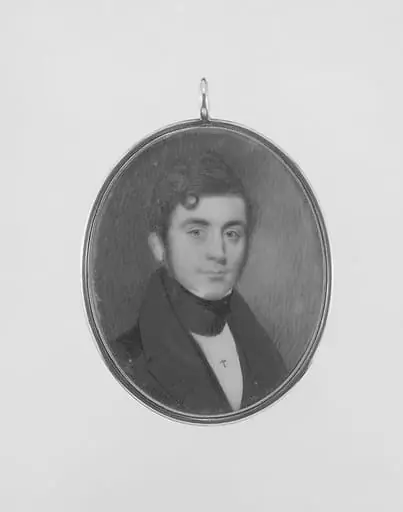
Nathaniel Rogers (1787-1844) was an American miniature painter, born at Bridgehampton on Long Island, New York.