Artwork
John Ludlow Morton
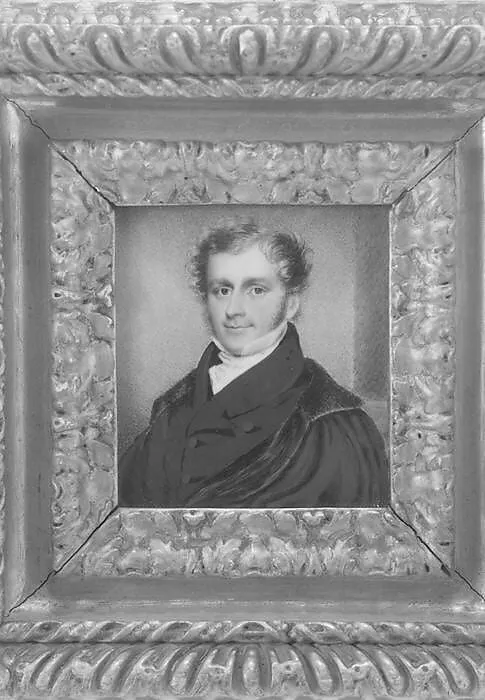
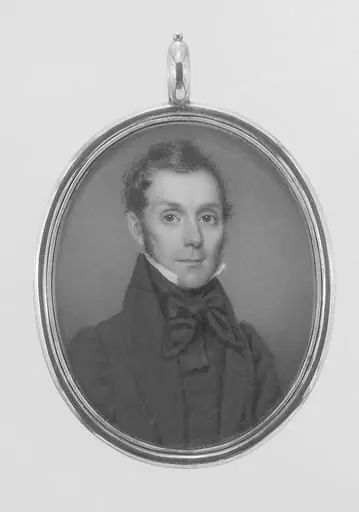
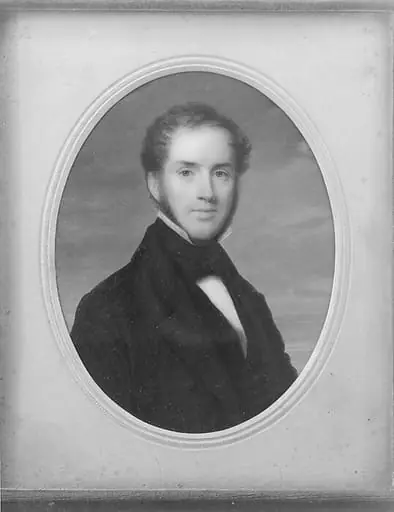
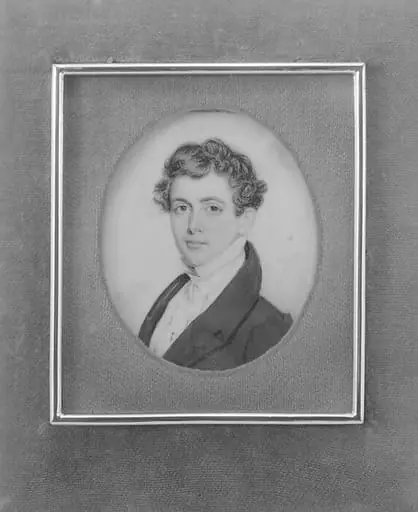
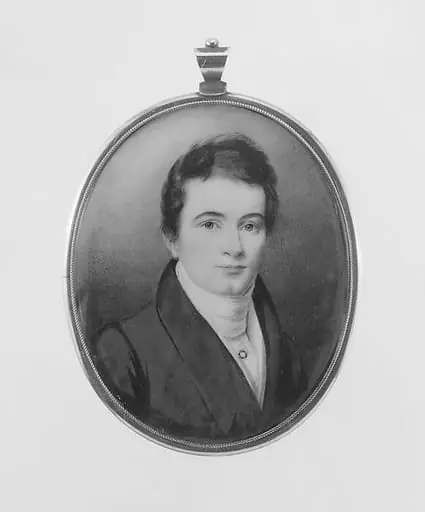
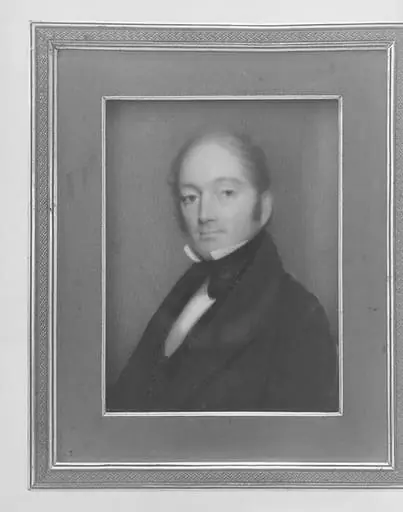
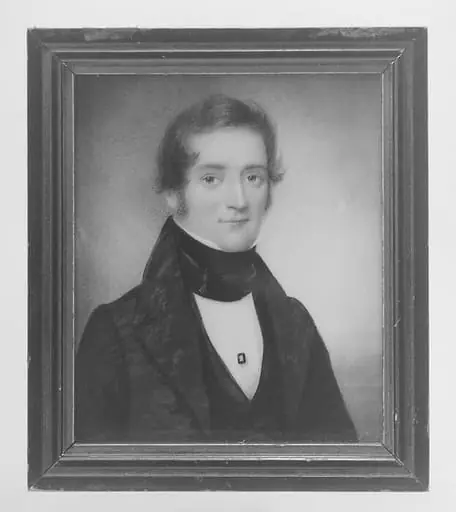
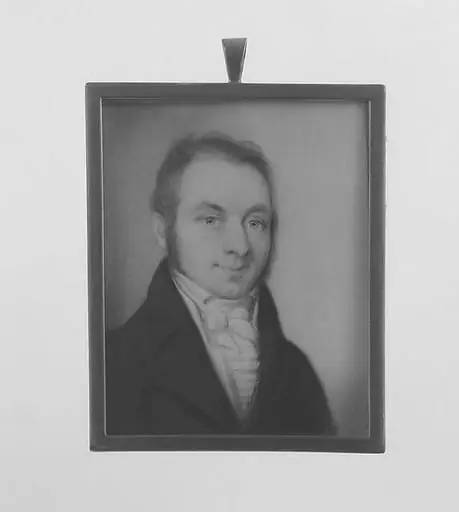
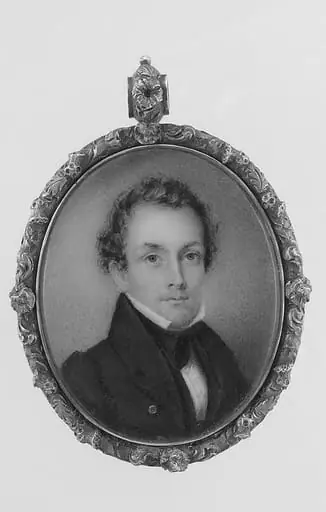
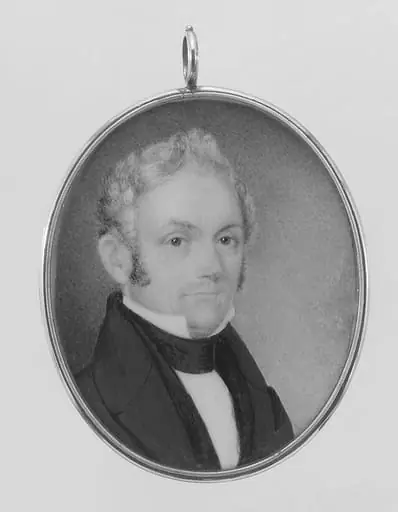
John Ludlow Morton is a watercolor painting by the American Folk Art artist Nathaniel Rogers. It dates from 1829 and is held in the collection of the Metropolitan Museum of Art.
About this work
Subject & Meaning
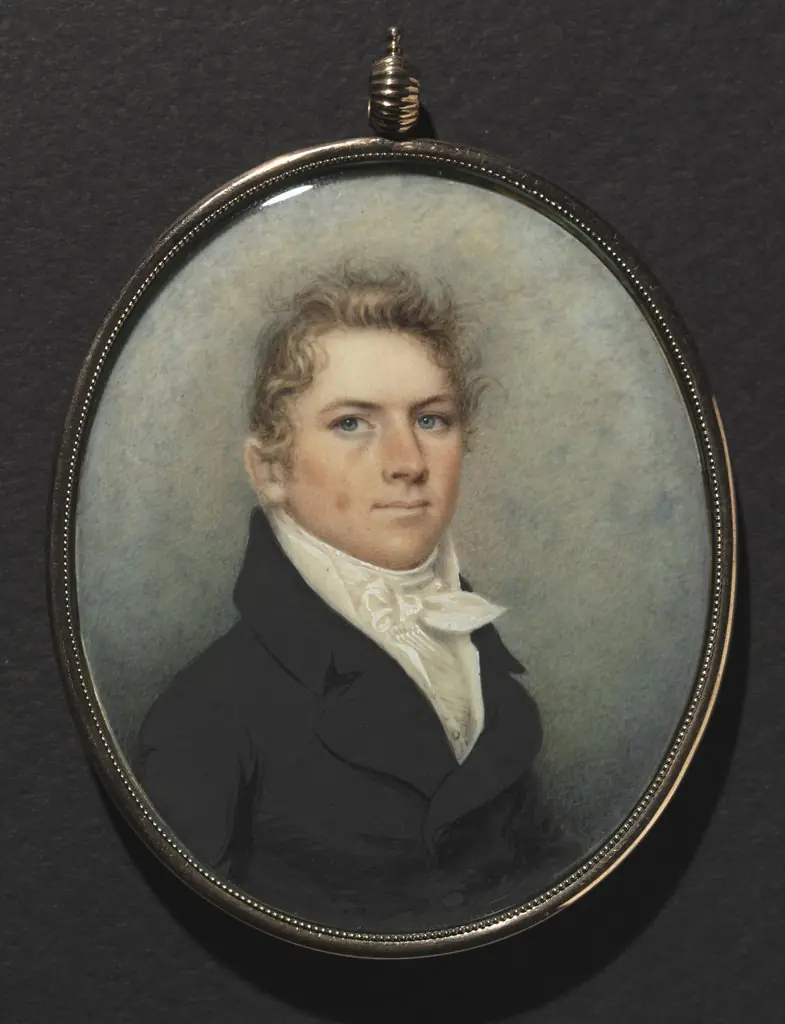
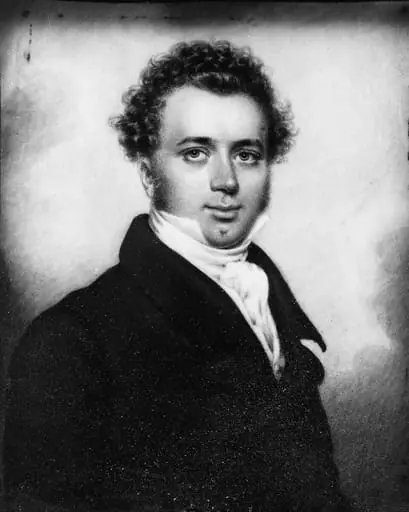
Executed in 1829 by Nathaniel Rogers, this watercolor on ivory functions as a formal portrait depicting John Ludlow Morton.
Executed in 1829 by Nathaniel Rogers, this watercolor on ivory functions as a formal portrait depicting John Ludlow Morton. The work's primary subject is Morton himself, presented as a specific individual rather than an allegorical figure. As a piece within the portrait genre, the iconography is focused entirely on the likeness and representation of the man, serving as a visual record of his appearance during the early nineteenth century.
The composition does not incorporate complex symbolic narratives or religious motifs; instead, its meaning is derived from its role as a personal commemoration and a document of identity. The artwork represents Morton directly, capturing his presence through the intimate medium of ivory, which was traditionally associated with personal keepsakes and miniature portraiture intended for private viewing.
Technique & Style
Executed in 1829, this portrait of John Ludlow Morton by Nathaniel Rogers utilizes watercolor applied to an ivory support. The work is characterized by its small-scale format, measuring approximately 7.5 by 5.5 units, a dimension typical for miniature paintings of this era. As a portrait genre piece, the composition focuses on the likeness of the male subject.
The selection of ivory as a ground suggests a smooth, luminous surface intended to enhance the translucency of the watercolor medium. Currently held in the collection of the Metropolitan Museum of Art within the American Wing, the object is classified specifically as a watercolor on ivory, highlighting the artist's reliance on this delicate medium rather than oil on canvas or panel.
History & Provenance
The watercolor miniature portrait of John Ludlow Morton by Nathaniel Rogers is dated 1829 and is classified as part of The American Wing at the Metropolitan Museum of Art. The work entered the museum’s collection as part of its holdings in portraiture from the early American period, with its provenance traceable to the subject himself, John Ludlow Morton, whose identity is confirmed by both the Metropolitan Museum’s records and the Wikidata entry for the work. The painting’s small dimensions (7.5 cm in height and 5.5 cm in width) align with the intimate format typical of portrait miniatures of the era.
No explicit documentation of a formal commission or subsequent ownership transfers prior to its acquisition by the museum is provided in the cited sources.
Overview
This miniature portrait depicts John Ludlow Morton, rendered in watercolor on ivory. Its diminutive scale, designed to fit comfortably in the hand, was characteristic of such personal artworks. The piece captures Morton in a direct gaze, his features subtly illuminated, reflecting the intimate nature of these small-scale likenesses.
Context
Miniature portraits like this one served primarily as private mementos, intended for personal contemplation rather than public exhibition. Often exchanged between family members or close acquaintances, they functioned as cherished keepsakes, allowing loved ones to carry an intimate representation of another person. This private function shaped their small size and detailed execution.
Artist & collection

Artist
Nathaniel Rogers (1787-1844) was an American miniature painter, born at Bridgehampton on Long Island, New York.