Artwork
Saint Lawrence
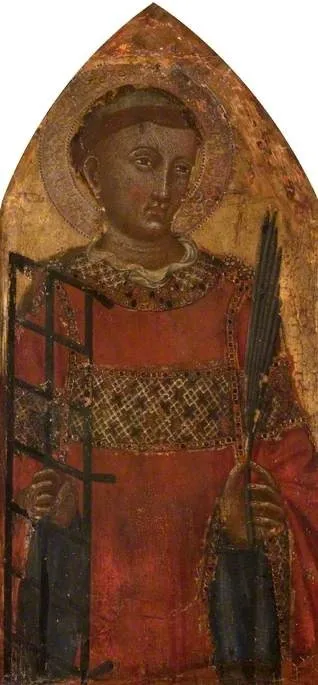
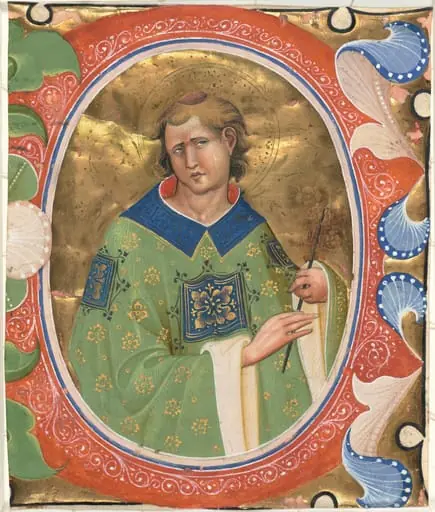
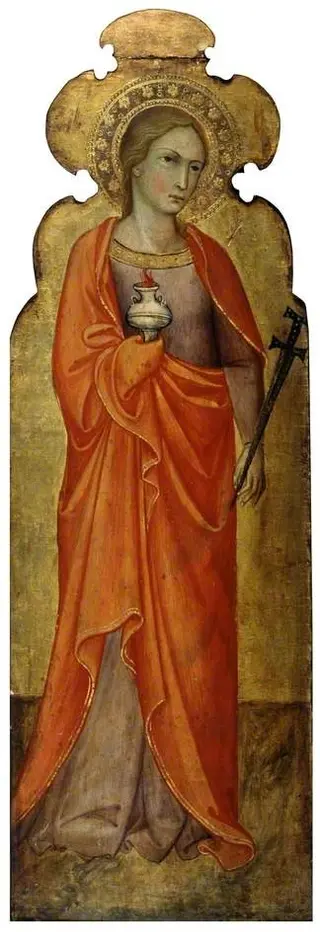
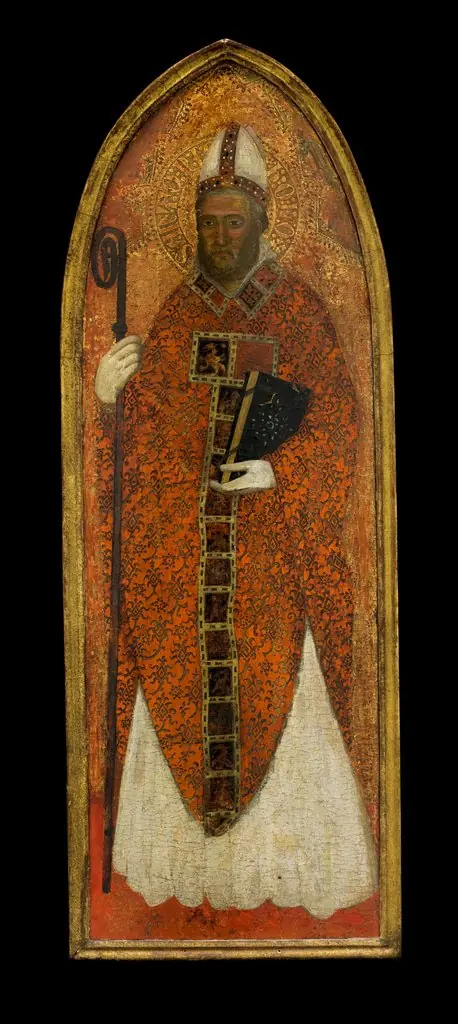
Saint Lawrence is a tempera painting by the Sienese School artist Niccolò di Buonaccorso. It dates from 1370 and is held in the collection of the Kelvingrove Art Gallery and Museum.
About this work
Overview
Painted around 1370 by Niccolò di Buonaccorso, this tempera-on-panel work portrays Saint Lawrence, a deacon martyred in the third century. Executed in the Sienese tradition, the painting reflects the period’s emphasis on devotional clarity and refined detail. It is part of the Kelvingrove Art Gallery and Museum’s collection, where it remains a quiet example of late medieval religious portraiture.
Subject & Meaning
Dressed in a red dalmatic, a vestment associated with deacons, and crowned with a gold halo, he embodies both ecclesiastical authority and sacrificial faith.
The figure of Saint Lawrence is identified by the gridiron, the instrument of his execution, which he holds in his right hand. His solemn gaze and restrained posture convey quiet endurance. Dressed in a red dalmatic, a vestment associated with deacons, and crowned with a gold halo, he embodies both ecclesiastical authority and sacrificial faith. The composition avoids narrative drama, focusing instead on contemplative presence.
Technique & Style
Tempera paint, applied in thin, layered strokes, allows for precise modeling of form and texture. The saint’s robe, with its patterned belt, reveals meticulous brushwork typical of Sienese miniaturist practice. The golden background, unmodulated and luminous, isolates the figure and enhances spiritual focus. Facial features are rendered with subtle gradations, drawing attention to the saint’s introspective expression.
History & Provenance
Niccolò di Buonaccorso, active in Siena between the 1350s and 1390s, was a respected painter who also participated in civic affairs. This work likely originated as part of a devotional altarpiece or private chapel commission. It entered the Kelvingrove collection in the 20th century, though its earlier ownership history remains undocumented beyond its Sienese origins.
Context
In late 14th-century Siena, religious imagery prioritized symbolic clarity over naturalism. Artists like Niccolò responded to a devotional culture that valued saints as intercessors. The use of tempera, gold leaf, and flat spatial construction aligned with established Byzantine influences, even as Sienese painters refined line and color to express inner dignity.
Legacy
Though not widely reproduced, this painting exemplifies the quiet sophistication of Sienese panel painting during a transitional period before the full emergence of Renaissance naturalism. Niccolò’s restrained style influenced regional workshops, preserving the spiritual intensity of earlier traditions while laying groundwork for later developments in Tuscan art.
Artist & collection
Artist
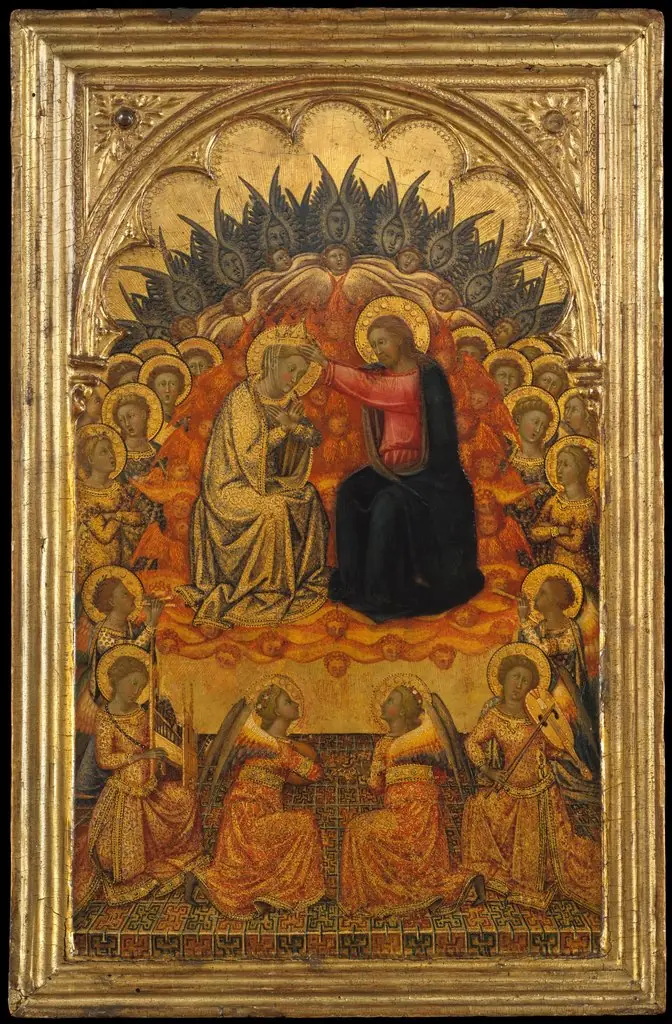
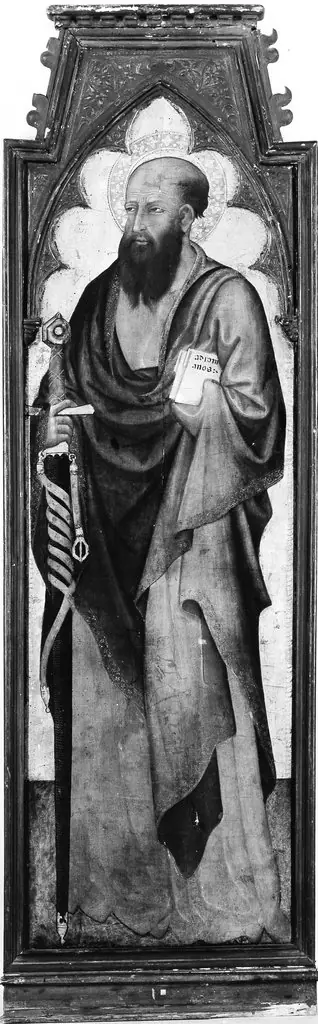
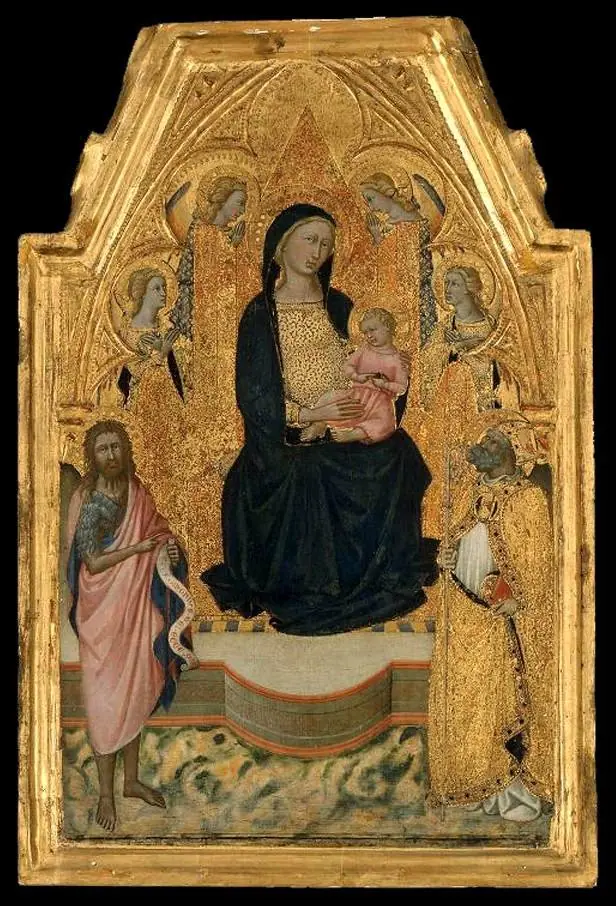
Niccolò di Buonaccorso, also Niccolò di Niccolò di Buonaccorso or Bonaccorso, (active 1355 – 1388) was an Italian painter and one of the most prominent Sienese painters of the 14th century.

![Deacon Saint, with Saint Anthony Abbot [right panel], by Martino di Bartolomeo](https://artifactworldgallery.com/img/martino-di-bartolomeo--deacon-saint-with-saint-anthony-abbot-right-panel--2a458c4f3eacee3b-w320.webp)
![Saint Catherine of Alexandria, with an Angel [right panel], by Pietro Lorenzetti](https://artifactworldgallery.com/img/pietro-lorenzetti--saint-catherine-of-alexandria-with-an-angel-right-panel--8acb359f1d360041-w320.webp)