Artwork
St Lucy
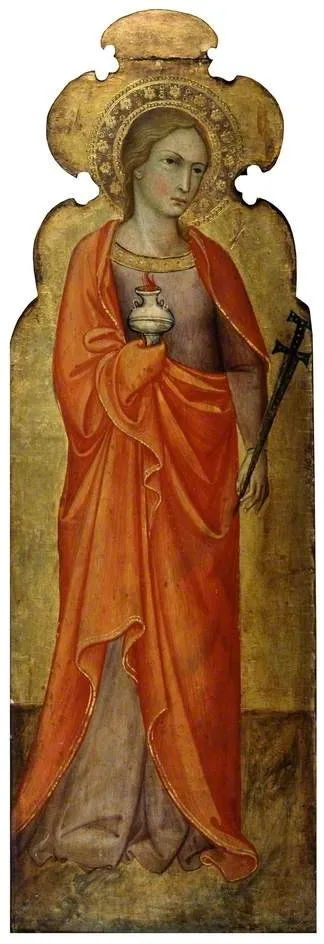
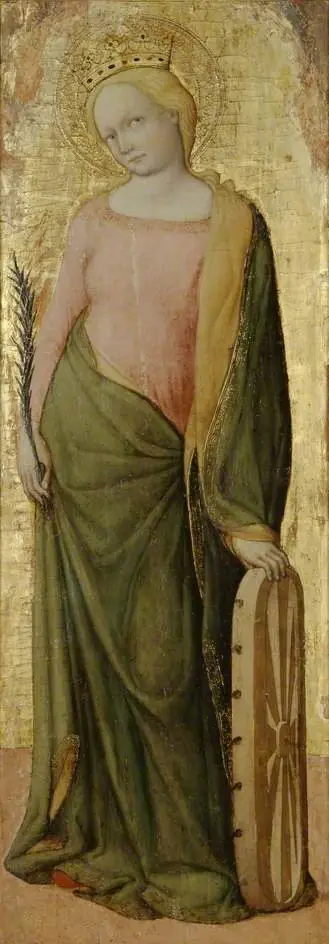
St Lucy is an unspecified painting by Andrea di Bartolo. It is held in the collection of the Ashmolean Museum.
About this work
Overview
Painted around 1395 by Andrea di Bartolo, this panel depicts Saint Lucy, a Christian martyr venerated for her devotion. The work is part of the Ashmolean Museum’s collection and reflects the devotional painting traditions of late 14th-century Tuscany. Its modest scale and intimate composition suggest it was intended for private prayer rather than public display in a church.
Subject & Meaning
Saint Lucy is shown holding a candle, symbolizing her role as the patroness of sight and light, and a sword, representing her martyrdom by beheading.
Saint Lucy is shown holding a candle, symbolizing her role as the patroness of sight and light, and a sword, representing her martyrdom by beheading. Her calm demeanor and downward gaze convey inner resolve and spiritual tranquility. The halo confirms her sanctity, while the plain white undergarment beneath her robe signifies purity. The imagery draws from hagiographic tradition, emphasizing faith over physical suffering.
Technique & Style
Di Bartolo employs tempera on panel with careful attention to textile folds and subtle modeling of the face. The orange robe is rendered with layered pigments to suggest volume, while the muted yellow background lacks perspective, maintaining a flat, sacred space typical of early Renaissance devotional art. Facial features are softly defined, avoiding dramatic expression in favor of serene stillness.
History & Provenance
The painting entered the Ashmolean Museum’s collection in the 19th century, though its earlier ownership is undocumented. It likely originated in a private chapel or domestic setting in Siena, where di Bartolo worked. Its preservation suggests it was valued by its owners, possibly as a personal object of veneration, though no records confirm its original commission or location.
Context
Created during a period when Sienese artists blended Gothic elegance with emerging naturalism, the work reflects regional tastes favoring refined detail and spiritual calm. Saint Lucy’s cult was widespread in Italy, particularly among women seeking protection for vision and purity. Di Bartolo’s style aligns with his father’s workshop and contemporaries like Bartolo di Fredi, who emphasized decorative clarity over spatial innovation.
Legacy
Though not among di Bartolo’s most ambitious works, this panel exemplifies the quiet devotional mode prevalent in late medieval Siena. It contributes to understanding how local artists adapted religious iconography for personal worship. Its survival offers insight into the material culture of private piety before the full emergence of Renaissance naturalism.
Artist & collection


![Christ on the Cross [reverse], by Andrea di Bartolo](https://artifactworldgallery.com/img/andrea-di-bartolo--christ-on-the-cross-reverse--6bfe980f802a6327-w320.webp) Christ on the Cross [reverse]
Christ on the Cross [reverse]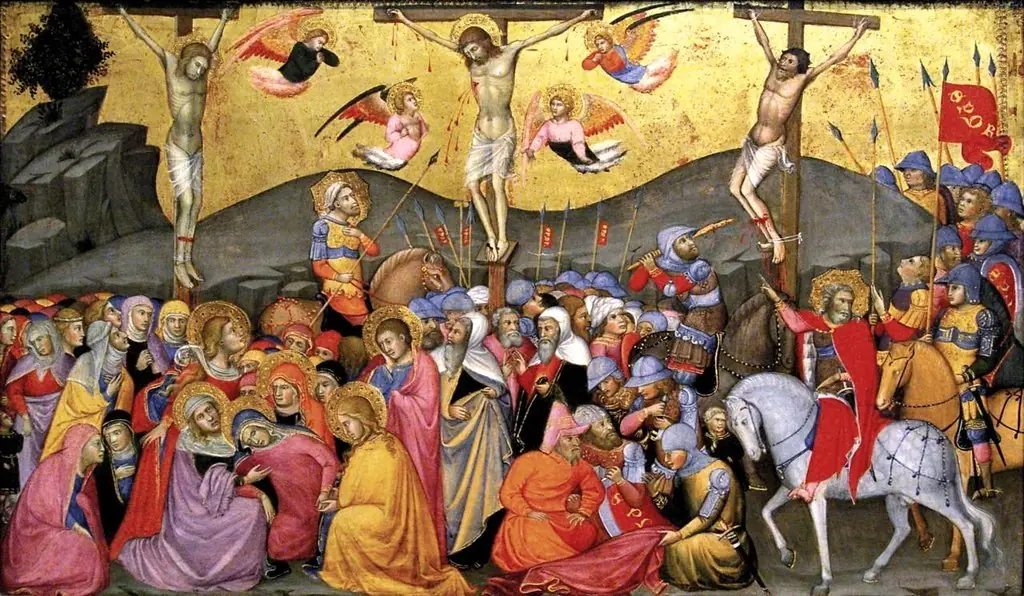 The Crucifixion
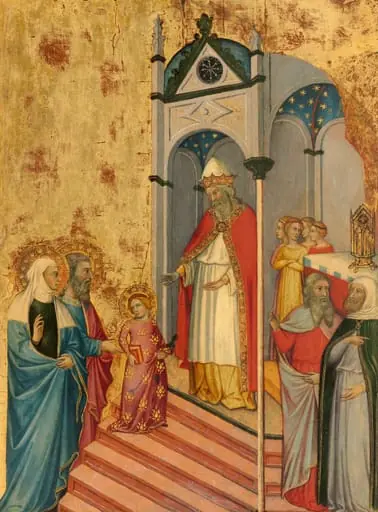 The Presentation of the Virgin in the Temple
![Madonna of Humility, The Blessing Christ, Two Angels, and a Donor [obverse], by Andrea di Bartolo](https://artifactworldgallery.com/img/andrea-di-bartolo--madonna-of-humility-the-blessing-christ-two-angels-and-a-don--d37c382429905539-w320.webp) Madonna of Humility, The Blessing Christ, Two Angels, and a Donor [obverse]
Madonna of Humility, The Blessing Christ, Two Angels, and a Donor [obverse]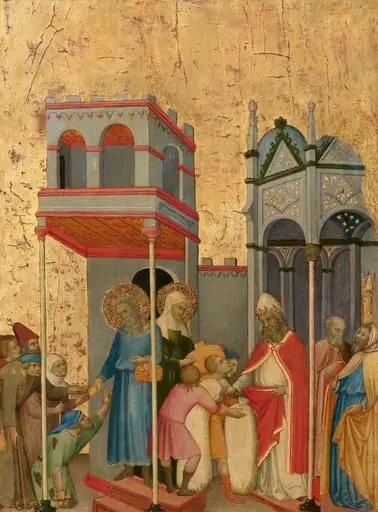 Joachim and Anna Giving Food to the Poor and Offerings to the Temple
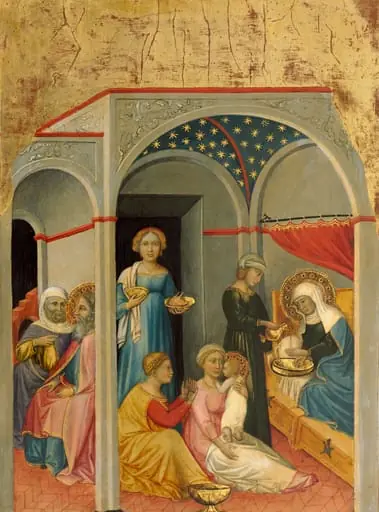 The Nativity of the Virgin
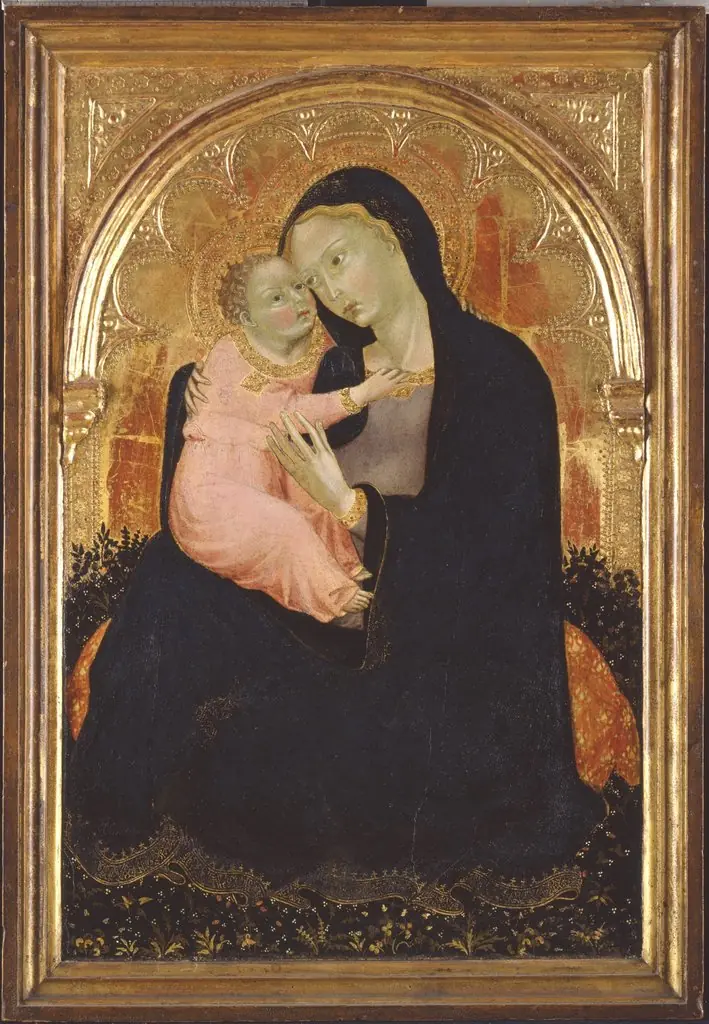 Madonna and Child
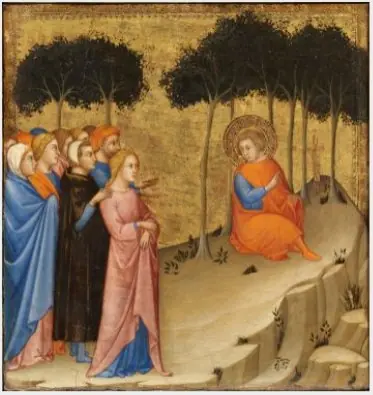 Saint Galgano Inviting the People to Adore the Cross