Artwork
Portrait of William III, King of the Netherlands
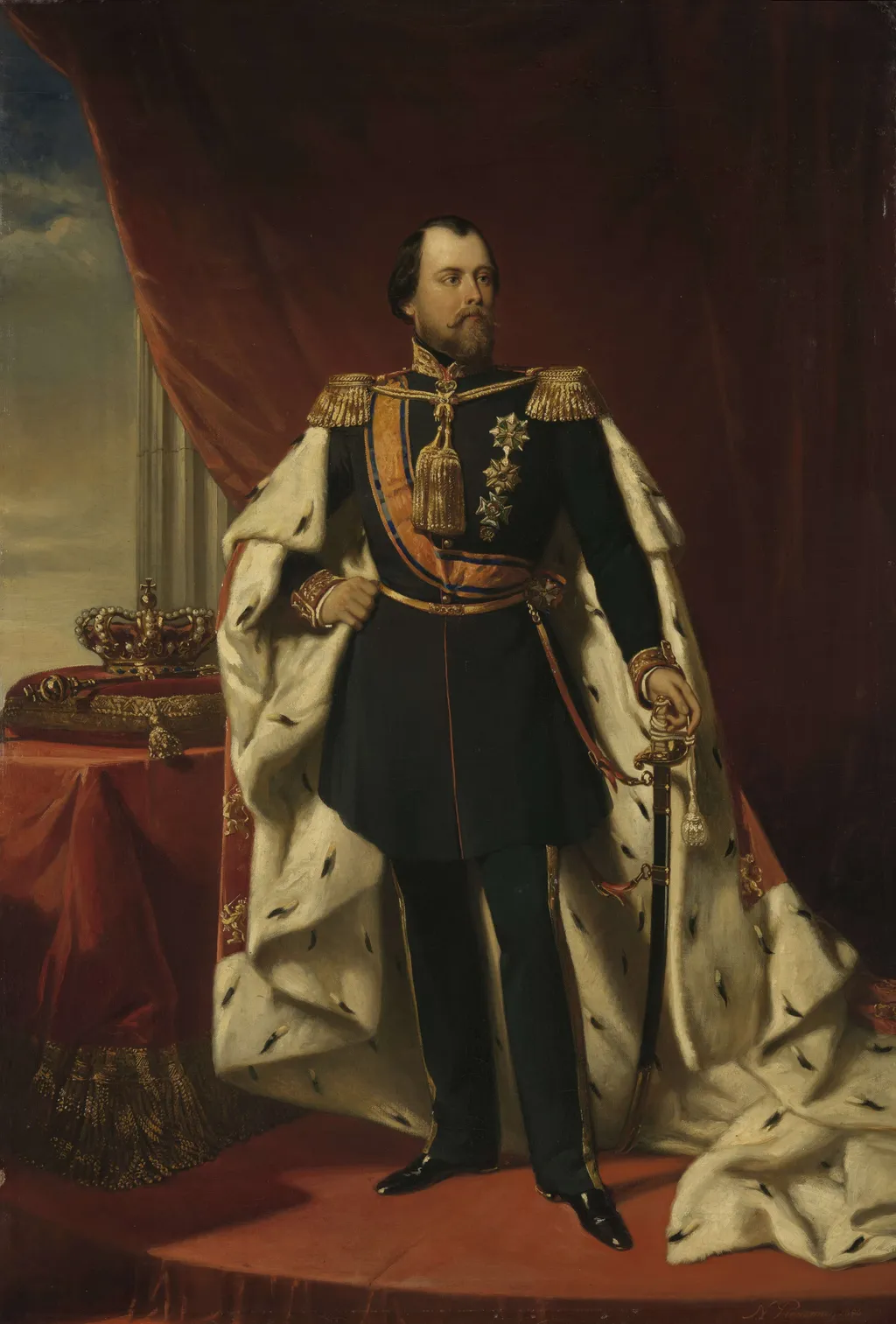
Portrait of William III, King of the Netherlands is an oil painting by the Biedermeier artist Nicolaas Pieneman. It dates from 1856 and is held in the collection of the Rijksmuseum.
About this work
Subject & Meaning
The portrait thus functions both as a record of likeness and as an affirmation of political legitimacy within 19th‑century Dutch visual culture.
The work presents William III of the Netherlands as a regal figure, rendered in formal attire that underscores his status and authority. Symbolic elements such as the imperial crown and the scepter convey sovereignty and monarchical power, while the subdued background directs focus to the subject's dignified presence. The portrait thus functions both as a record of likeness and as an affirmation of political legitimacy within 19th‑century Dutch visual culture.
Technique & Style
Executed in 1856 by Nicolaas Pieneman, this portrait utilizes oil paint applied to a canvas support. The work measures 93 cm in height and 62.5 cm in width. As a formal portrait, the composition focuses on depicting William III, King of the Netherlands.
The piece is classified within the genre of portraiture and is held in the collection of the Rijksmuseum.
History & Provenance
The Portrait of William III, King of the Netherlands, painted by Nicolaas Pieneman in 1856, was created as a commissioned portrait and has remained in the collection of the Rijksmuseum since its inception. The work measures 93 cm in height and 62.5 cm in width, executed in oil on canvas. Its subject is William III of the Netherlands, and it is classified as a portrait within the museum's holdings.
Context
The 1856 oil-on-canvas portrait by Nicolaas Pieneman entered the Rijksmuseum collection shortly after its creation and has been displayed in the museum’s historical portrait gallery since the late nineteenth century. Contemporary critics praised its realistic rendering of the Dutch monarch’s dignified bearing, while later scholars highlighted the work as a pivotal example of Romantic portraiture that bridges the formal conventions of earlier court painting with the emerging emphasis on psychological depth in the mid nineteenth century. Its inclusion in major retrospectives of Pieneman’s oeuvre underscores its significance within Dutch art history and its role in shaping public perceptions of the royal family during a period of national consolidation.
Overview
Nicolaas Pieneman’s 1856 oil portrait presents William III, monarch of the Netherlands, in a formal, ceremonial pose. Executed during the Biedermeier period, the painting is part of the Rijksmuseum’s collection and exemplifies mid‑nineteenth‑century Dutch portraiture.
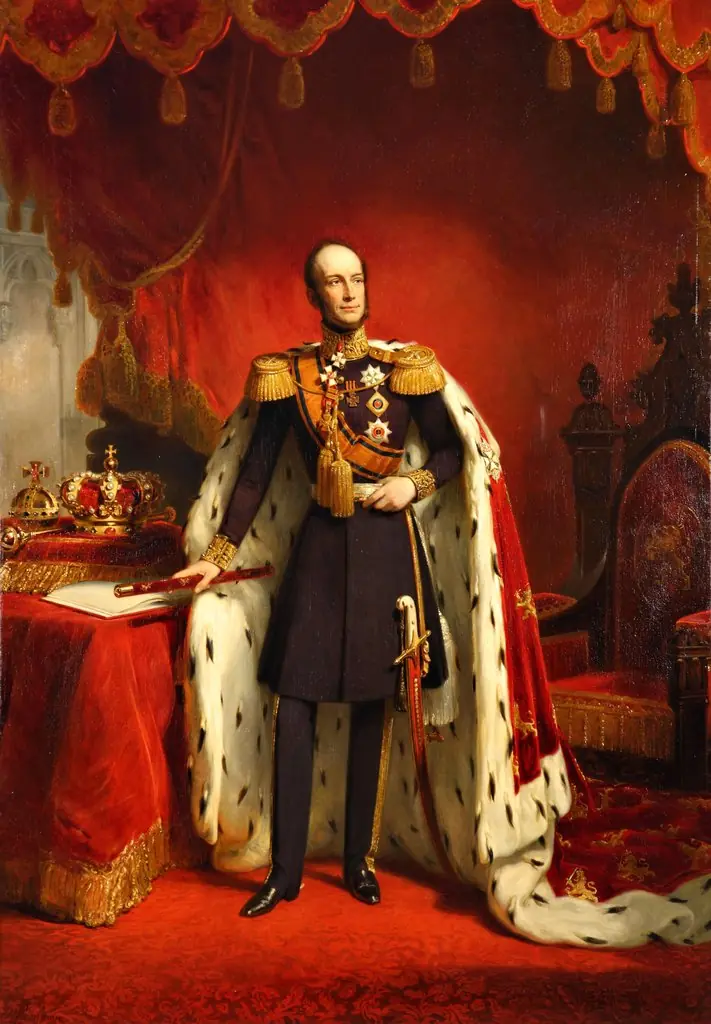
Own this work as a print
Artist & collection
Artist
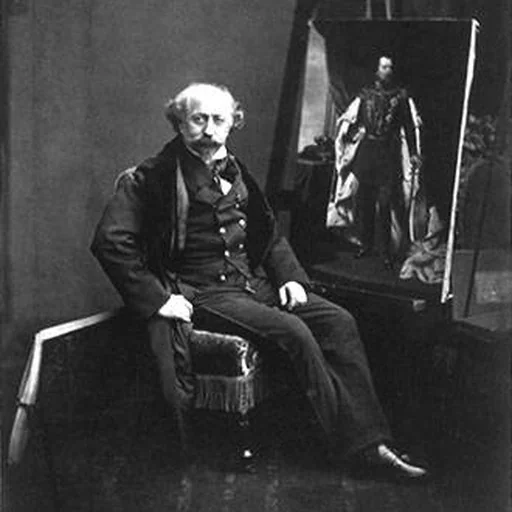
Nicolaas Pieneman (Dutch pronunciation:; 1 January 1809 – 30 December 1860) was a Dutch painter, art collector, lithographer, and sculptor.

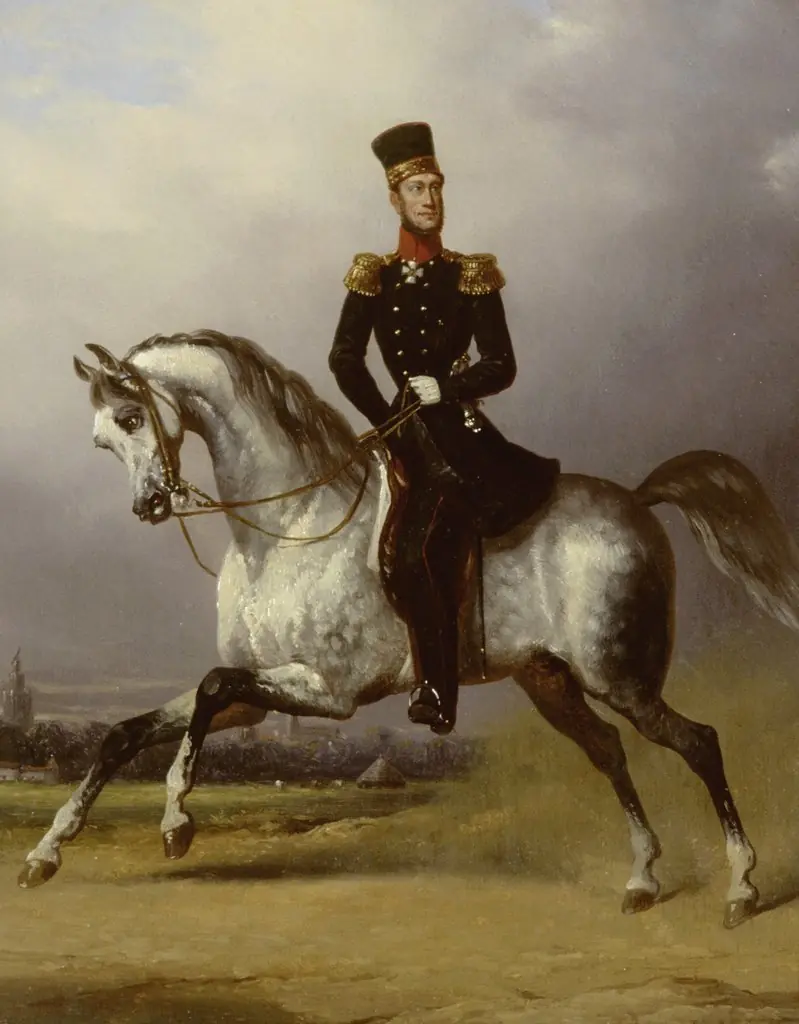 Equestrian Portrait of William II, King of the Netherlands
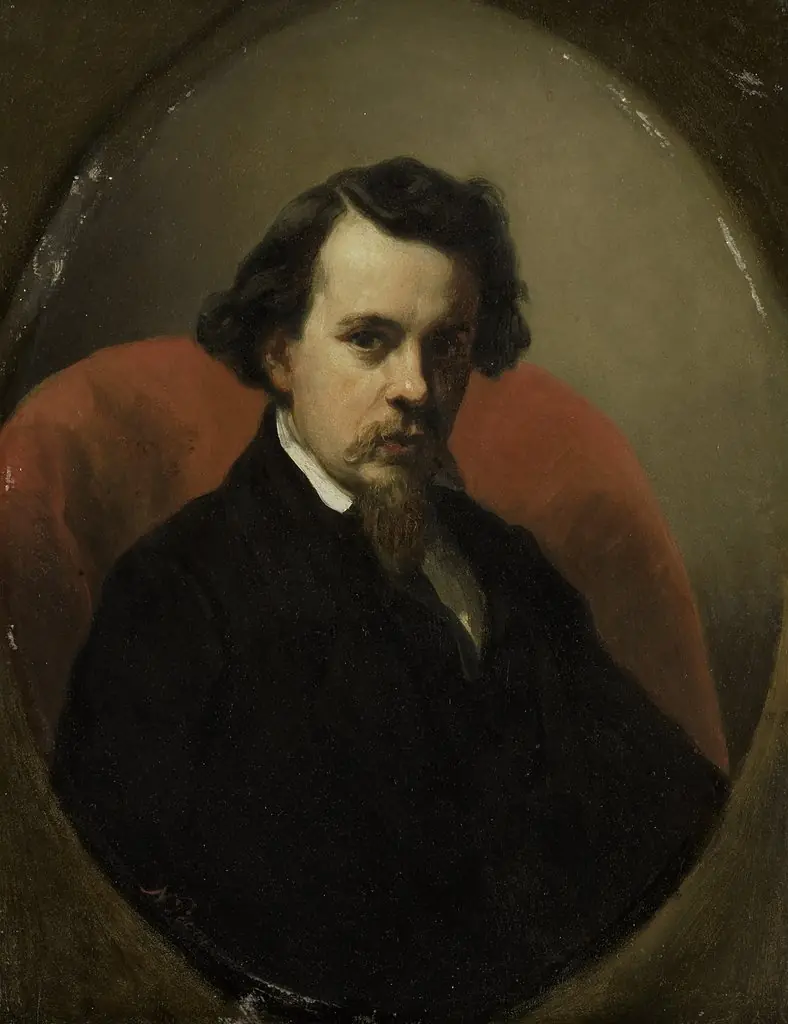 Portrait of Charles Henri Joseph Leicker, Painter
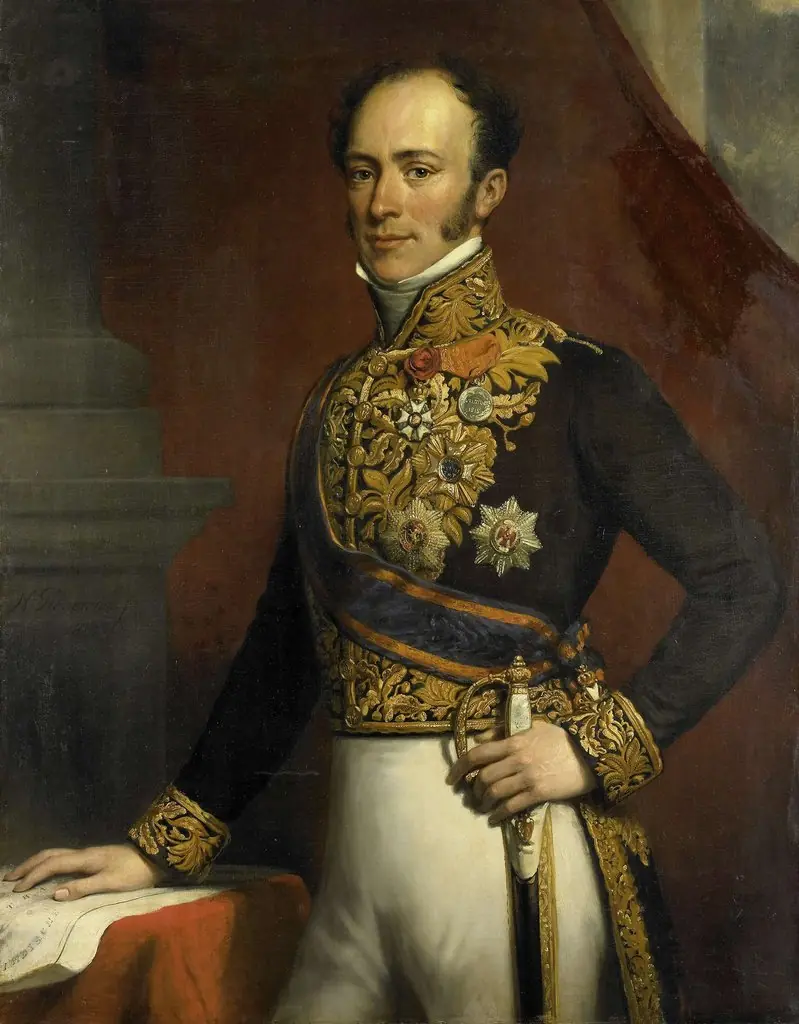 Portrait of Jan Jacob Rochussen, Governor-General of the Dutch East Indies
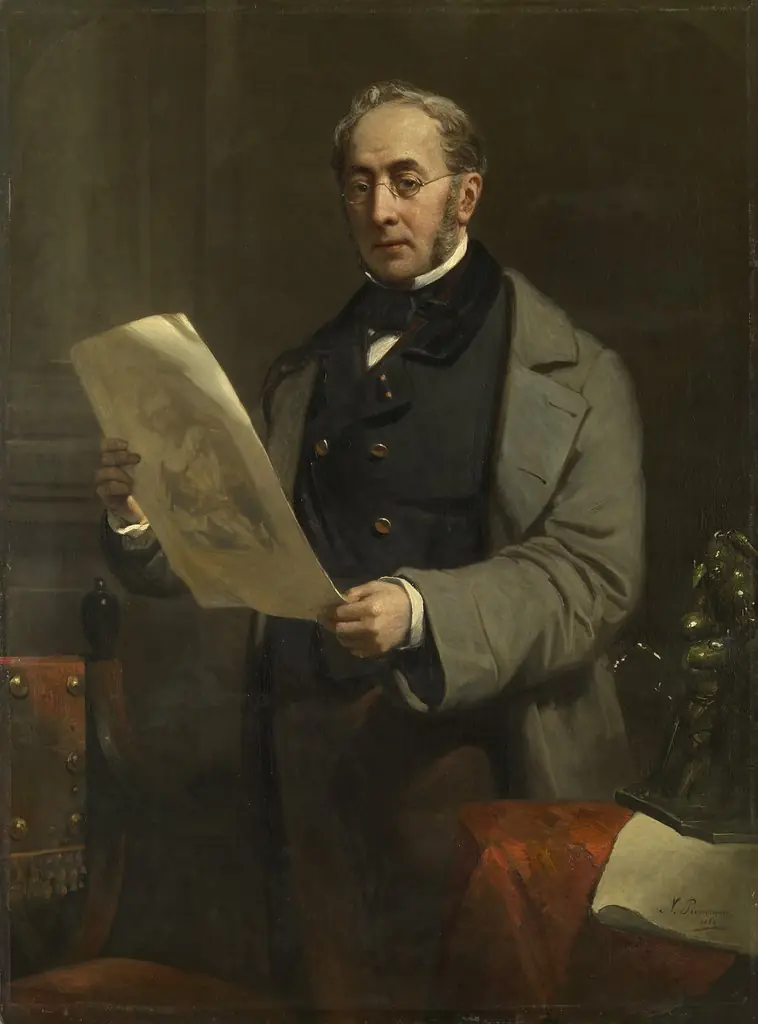 Portrait of Jacob de Vos Jacobszoon (1803-1878). Amsterdam Art Collector and Owner of the Historical Gallery De Vos
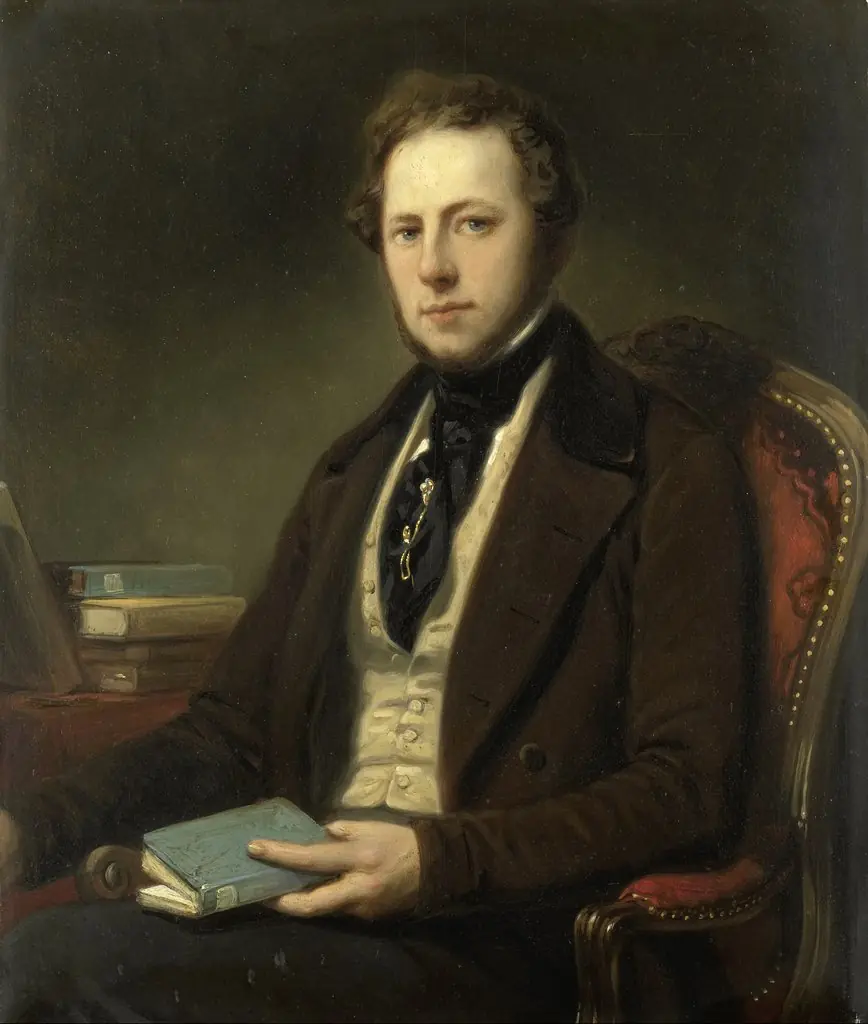 Portrait of a Man, perhaps the Poet Petrus Augustus de Genestet
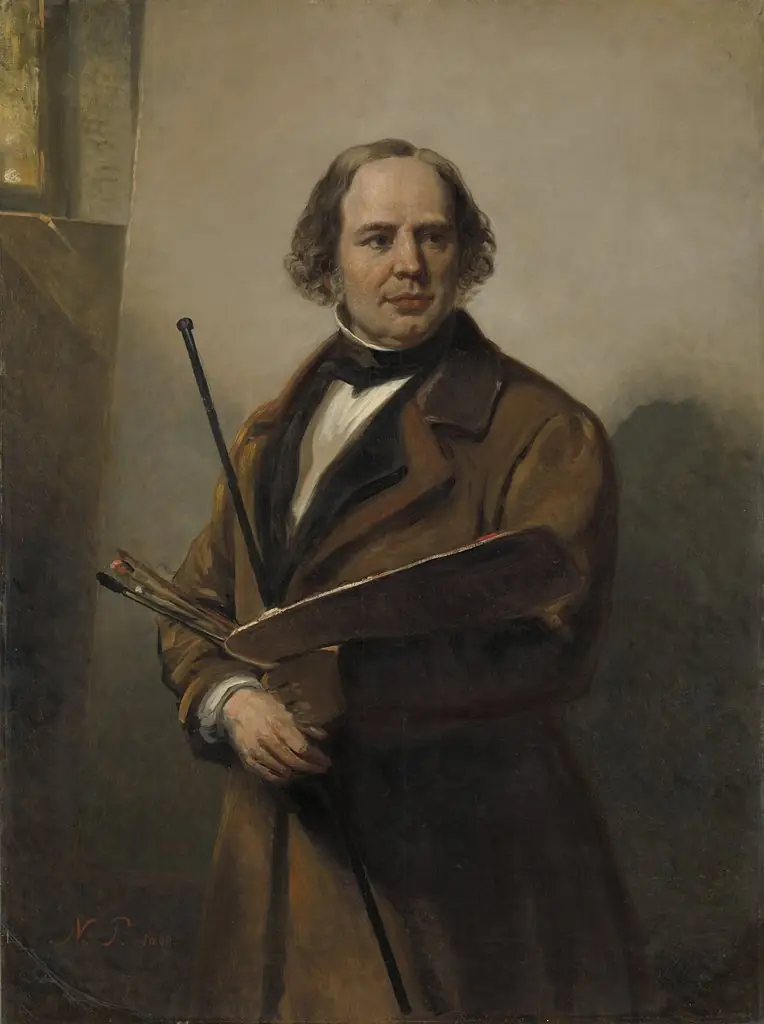 Jan Willem Pieneman, Painter, Father of Nicolaas Pieneman
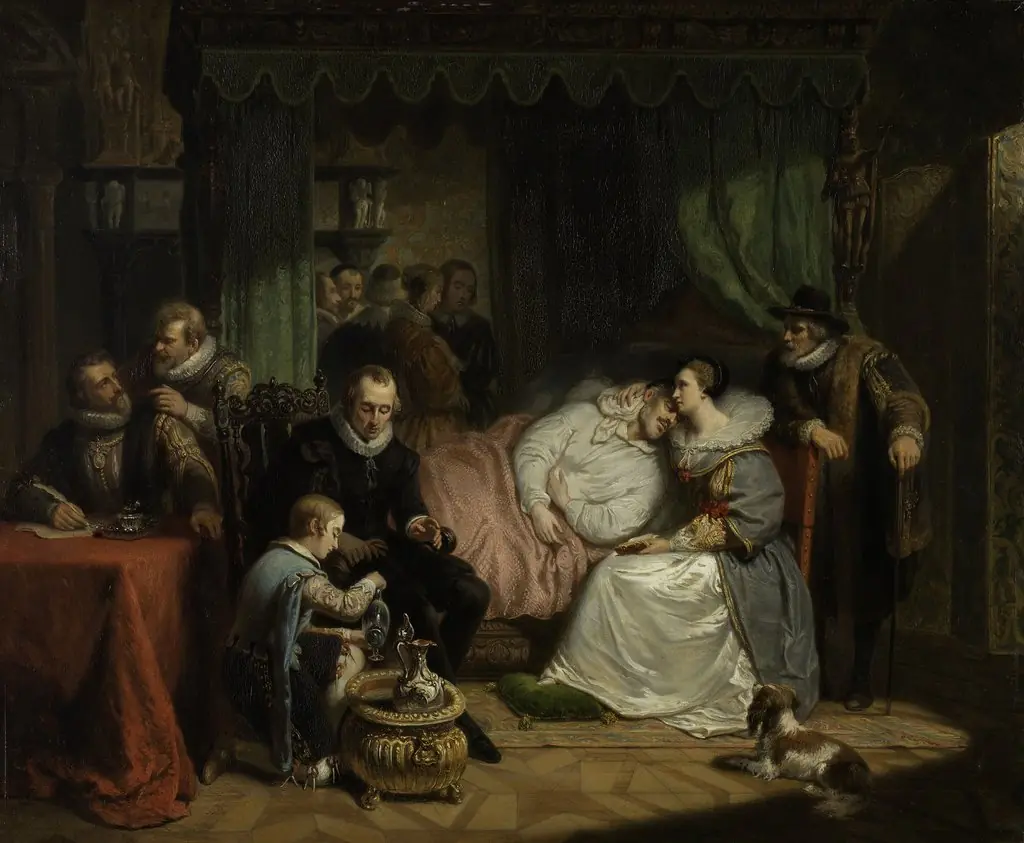 Prince William I after the failed Assassination Attempt by Jean Jaurequi in 1582, Nursed by Charlotte de Bourbon
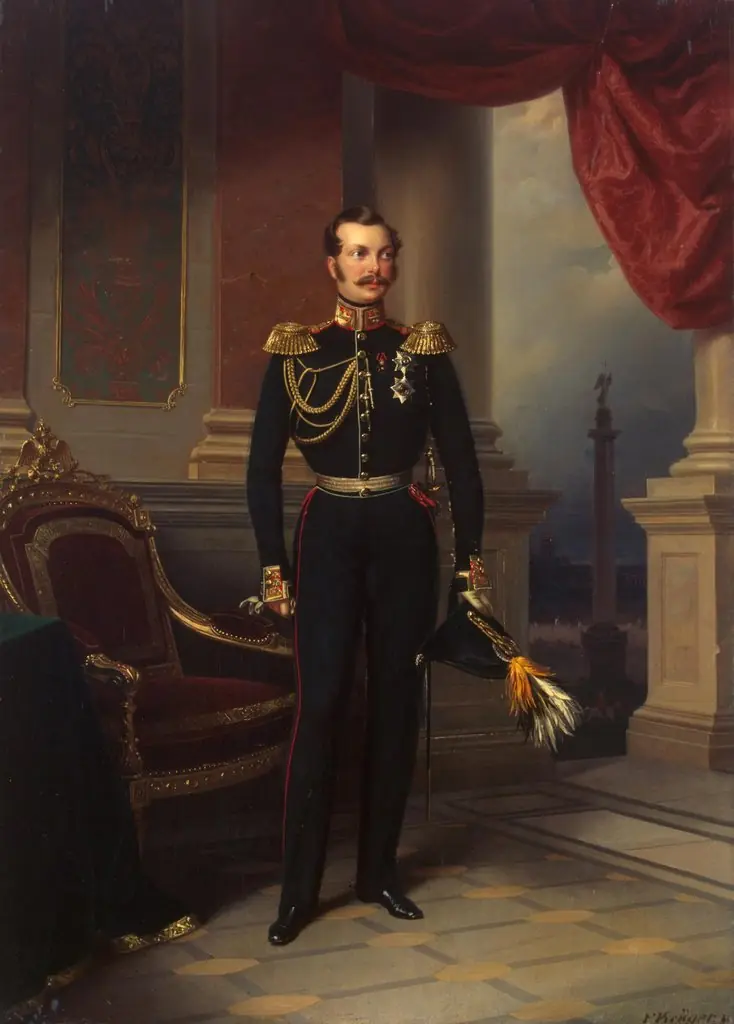 Portrait of Grand Prince Alexander Nikolayevich
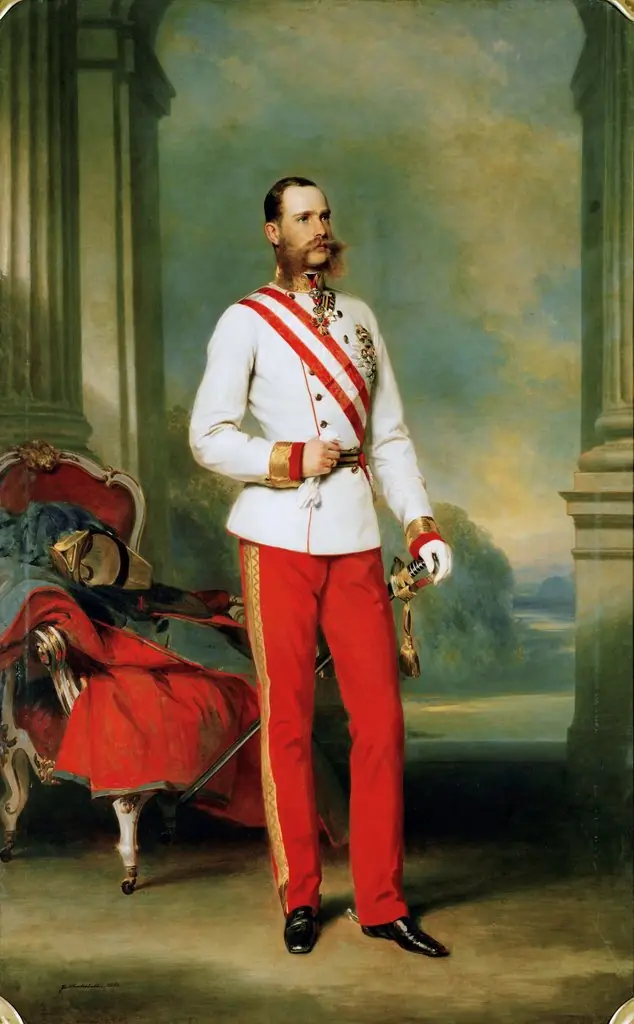 Franz Joseph I, Emperor of Austria wearing a Field Marshal uniform with the Great Star of the Military Order of Maria Theresa
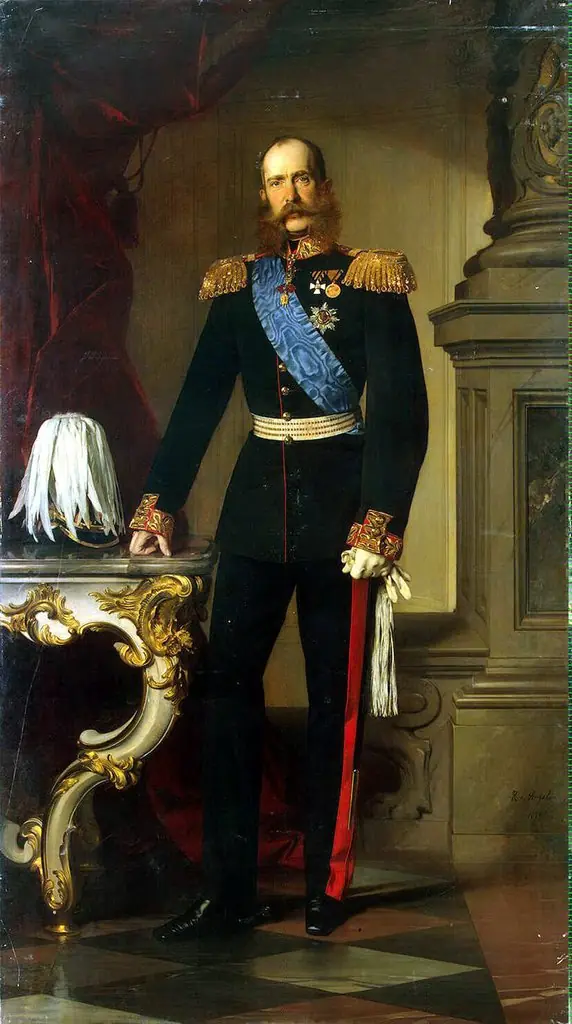 Portrait of Franz Josef I, Emperor of Austria
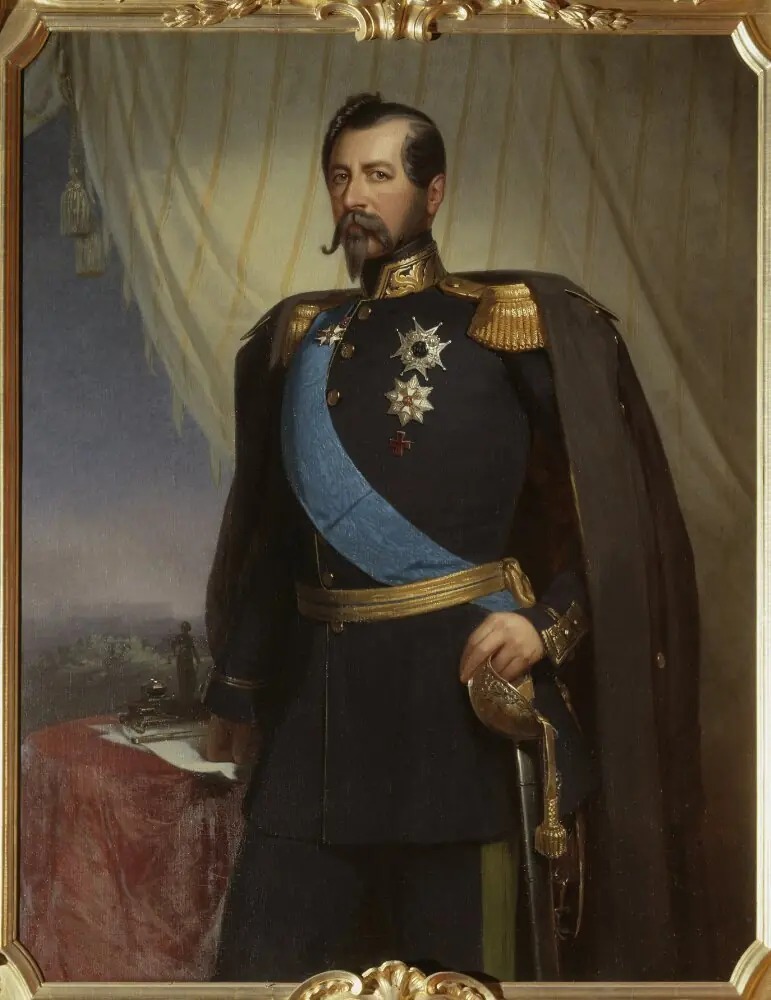 Oskar I, 1799-1859, konung av Sverige och Norge
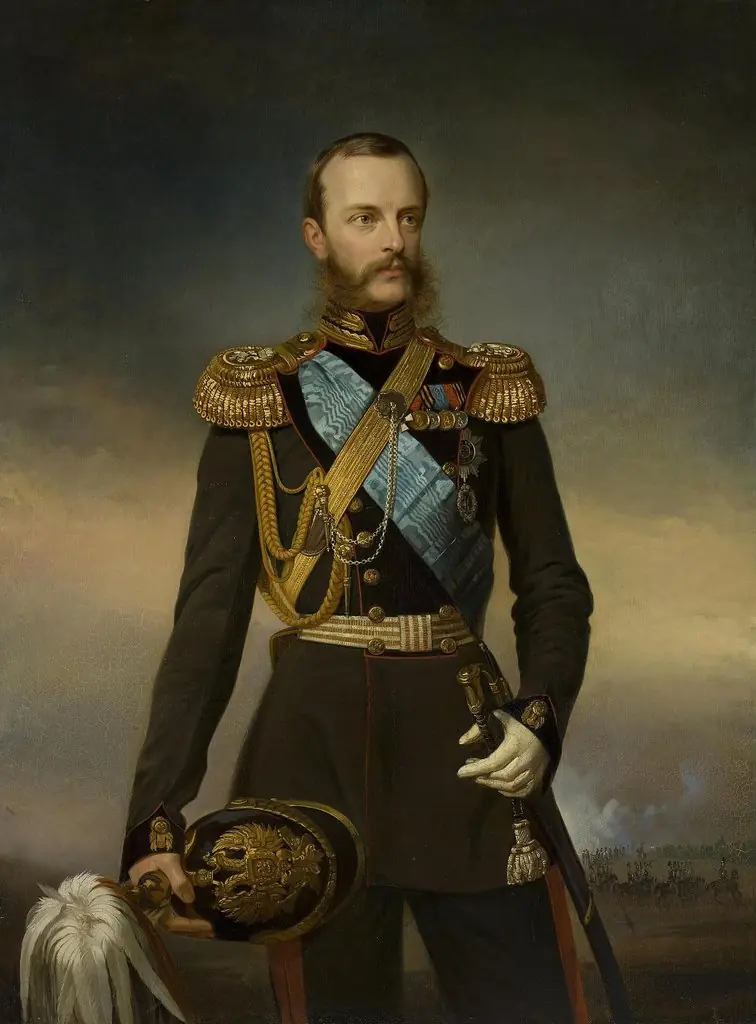 Portrait of Grand Duke Mikhail Nikolaevich
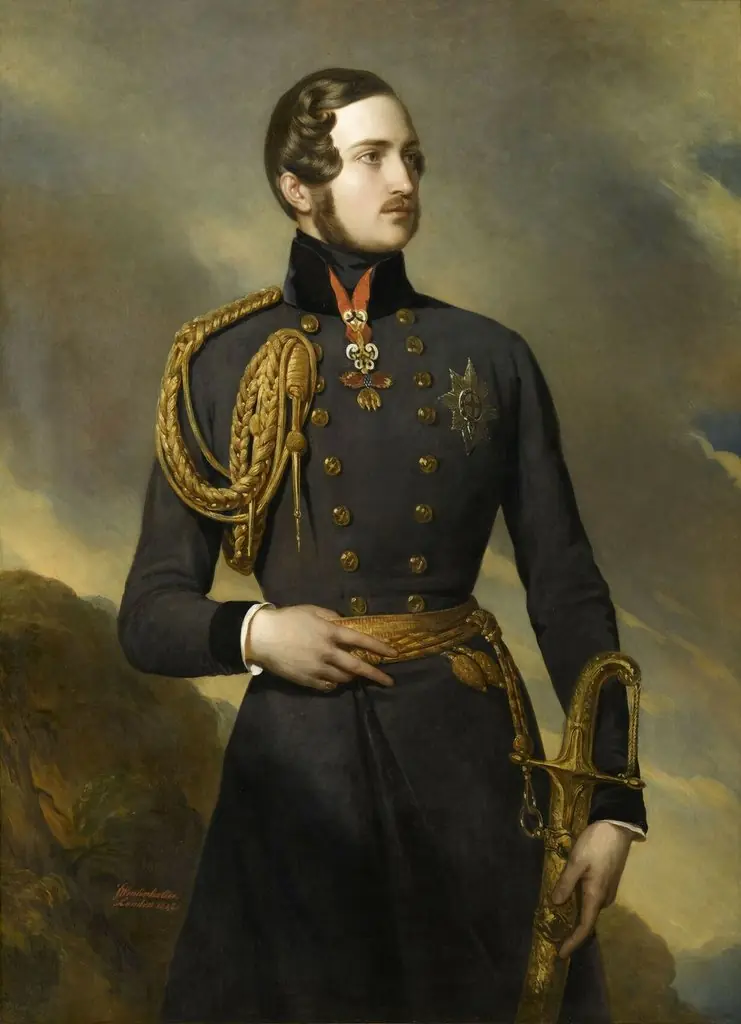 Albert of Saxe-Coburg-Gotha, Prince Consort (1819–1861)
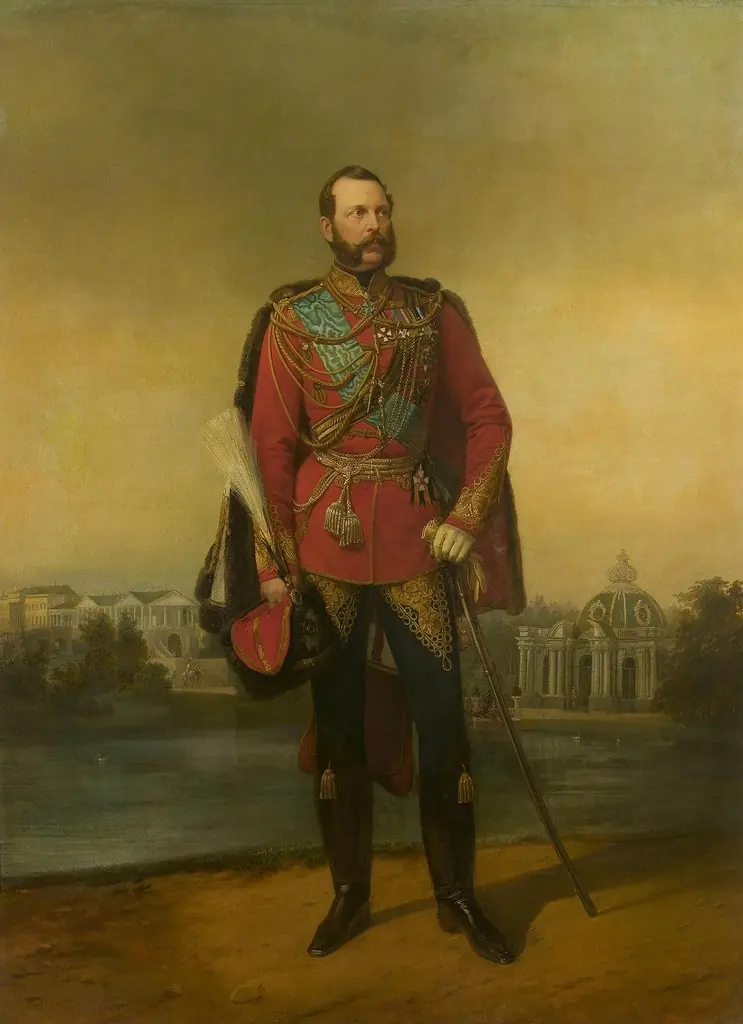 Portrait of Emperor Alexander II
 José Martínez de Roda luego marqués de Vistabella