Artwork
Duke Louis-Philippe of Orleans
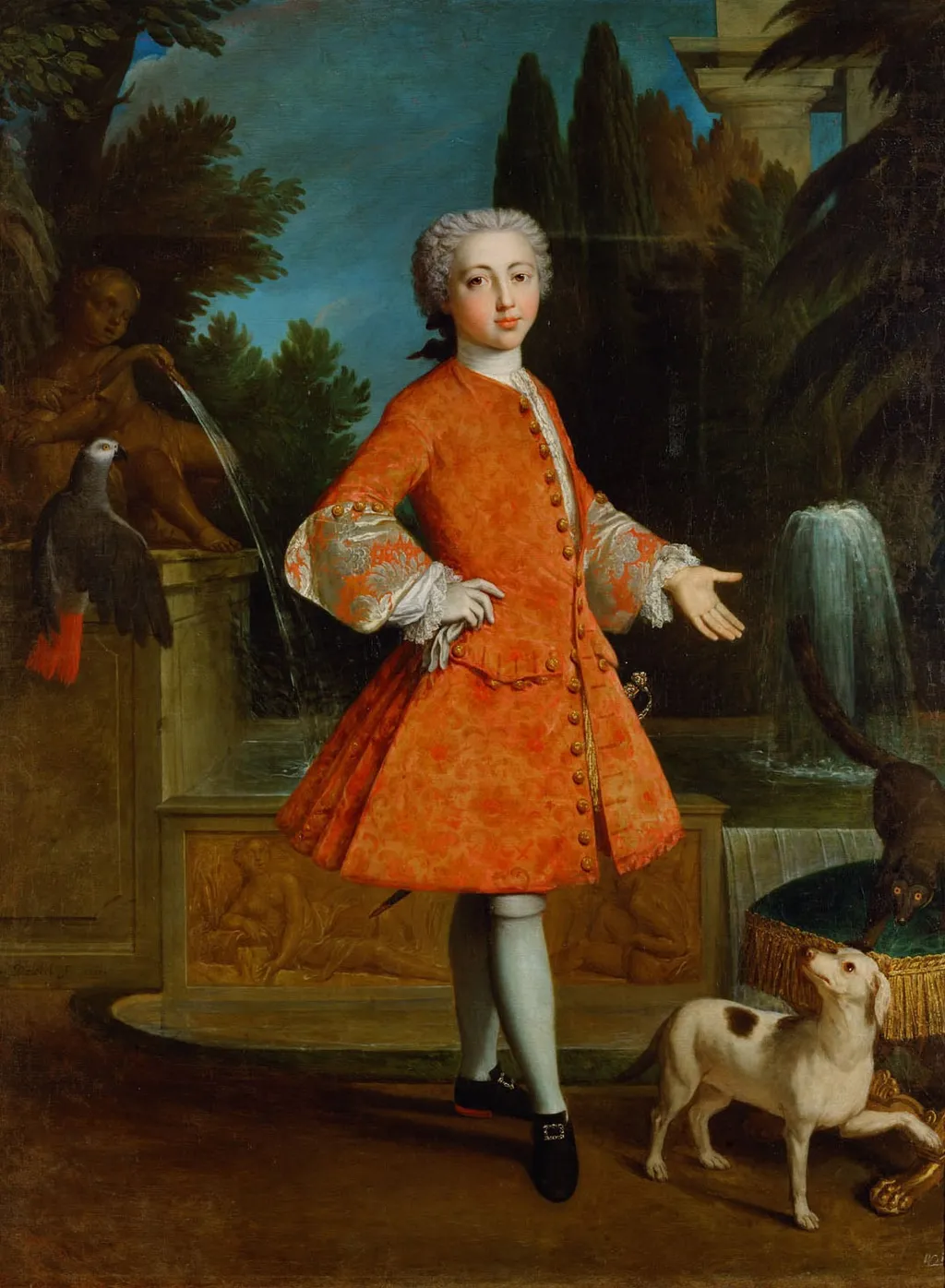
Duke Louis-Philippe of Orleans is an unspecified painting by the Rococo painting artist Nicolas Delobel. It dates from 1737 and is held in the collection of the Kunsthistorisches Museum. Executed in 1737, this oil portrait presents Louis Philippe I, Duke of Orléans, as a youthful aristocrat amid an ornamental garden setting.
About this work
Overview
The painting is held in the collection of the Kunsthistorisches Museum at Schloss Ambras Innsbruck, where it is inventoried as Gemäldegalerie 3288.
Duke Louis-Philippe of Orleans is a full-length portrait painted by the French artist Nicolas Delobel in 1737. The oil on canvas measures 281 by 145.5 centimetres and depicts Louis Philippe I, Duke of Orléans (1725-1785), a member of the French royal family. The painting is held in the collection of the Kunsthistorisches Museum at Schloss Ambras Innsbruck, where it is inventoried as Gemäldegalerie 3288. Signed and dated by the artist at the lower left edge of the fountain, the work represents a significant example of French aristocratic portraiture from the early eighteenth century, combining formal representation with an elaborate symbolic setting that asserts the subject's status and refinement.
Subject & Meaning
The portrait depicts Louis Philippe I, Duke of Orléans, who lived from 1725 to 1785 and was a prominent figure in the French royal house. He stands at the centre of the composition, facing forward with his left hand extended toward a small white dog with brown spots that looks upward at him. This gesture and the attentive animal suggest the duke's capacity for command and his noble character. The figure wears an ornate red coat with gold buttons and floral patterning, over white lace cuffs and white stockings with black buckled shoes, all signifying his elevated social position. The powdered wig frames his face in the fashion of the French elite. Surrounding him is a carefully constructed symbolic environment: to the left, a grey parrot with a red tail perches on a stone fountain featuring a sculpted putto from which water streams; behind him, a tiered fountain cascades water amid dark green trees; and to the right, a dark monkey sits on a fringed green and gold cushion. These elements carry conventional aristocratic associations, the parrot suggesting eloquence and exotic knowledge, the monkey perhaps alluding to imitation or playful intelligence, while the fountains evoke classical learning and the controlled nature of the garden as a marker of wealth and cultivation. The overall programme presents the young duke as a cultivated nobleman at ease in a world of luxury and learning.
Technique & Style
The painting is executed in oil on canvas, a standard medium for large-scale portraiture of this period. Delobel's handling varies across the composition: the surface shows smooth brushwork with careful attention to the rendering of textiles and the reflective qualities of water, while the foliage and background are treated more loosely. This differential handling, with precise detail in the figure and his immediate surroundings and broader treatment in the landscape elements, follows established conventions of French portraiture. Light falls evenly across the scene from the upper left, illuminating the duke's face and costume while creating a coherent atmospheric space. The warm brown earth of the ground anchors the composition, contrasting with the cooler tones of the sky and the vibrant red of the coat. The substantial dimensions, 281 by 145.5 centimetres, indicate that this was conceived as a major statement piece, designed to impress viewers with its scale and the artist's technical accomplishment.
History & Provenance
The painting is signed and dated by the artist at the lower left edge of the fountain: Delobel.f.1737. It was created when the sitter was twelve years old, suggesting it may have commemorated a significant moment in his early life or education. The provenance is documented from 1772, when the work was already present in the gallery at Schloss Ambras, indicating it entered the Habsburg collections by that date. The circumstances of its acquisition remain unspecified in the available documentation. The painting is now held by the Kunsthistorisches Museum at Schloss Ambras Innsbruck, where it is inventoried as Gemäldegalerie 3288. No exhibition history is recorded in the sources provided.
Context
Nicolas Delobel (1693-1763) was a French painter active during the first half of the eighteenth century, a period when French portraiture was dominated by artists working in the refined tradition established under Louis XIV and continued through the Régence and early reign of Louis XV. The portrait of the young Duke of Orléans belongs to a genre of aristocratic childhood portraiture that served to document lineage, assert status, and display familial wealth. The choice of Delobel for this commission suggests that he had achieved sufficient standing to attract patronage from the highest ranks of the French nobility. The painting's subsequent presence in the Habsburg collections at Schloss Ambras reflects the international circulation of French art and the prestige attached to works depicting the French royal family. Critical reception and scholarly literature on this specific work are not detailed in the available sources, though its preservation in a major museum collection attests to its continued recognition as a work of historical and artistic significance.
Legacy
The portrait's afterlife is primarily institutional rather than artistic. Its continuous presence in the Habsburg collections since at least 1772, and its current status as part of the Kunsthistorisches Museum holdings at Schloss Ambras Innsbruck, have ensured its preservation and accessibility for scholarly study. The work has entered the commercial reproduction market, with prints available through various vendors, indicating its continued currency as an image of French aristocratic culture. The painting's subject, Louis Philippe I, Duke of Orléans, would later become the father of Philippe Égalité and the grandfather of Louis-Philippe I, King of the French, giving the portrait added historical resonance as a document of the Orléans lineage. Nicolas Delobel's reputation has not sustained the same level of posthumous fame as some of his contemporaries, and this portrait remains one of the more substantial documented works from his hand, contributing to the reconstruction of his artistic profile.
Artist & collection
Artist
Nicolas Delobel (1693 – 18 March 1763) was a French painter. Under the employ of the French kings Louis XIV and Louis XV, he painted portraits, landscapes, allegories, as well as historical and mythological scenes. He…

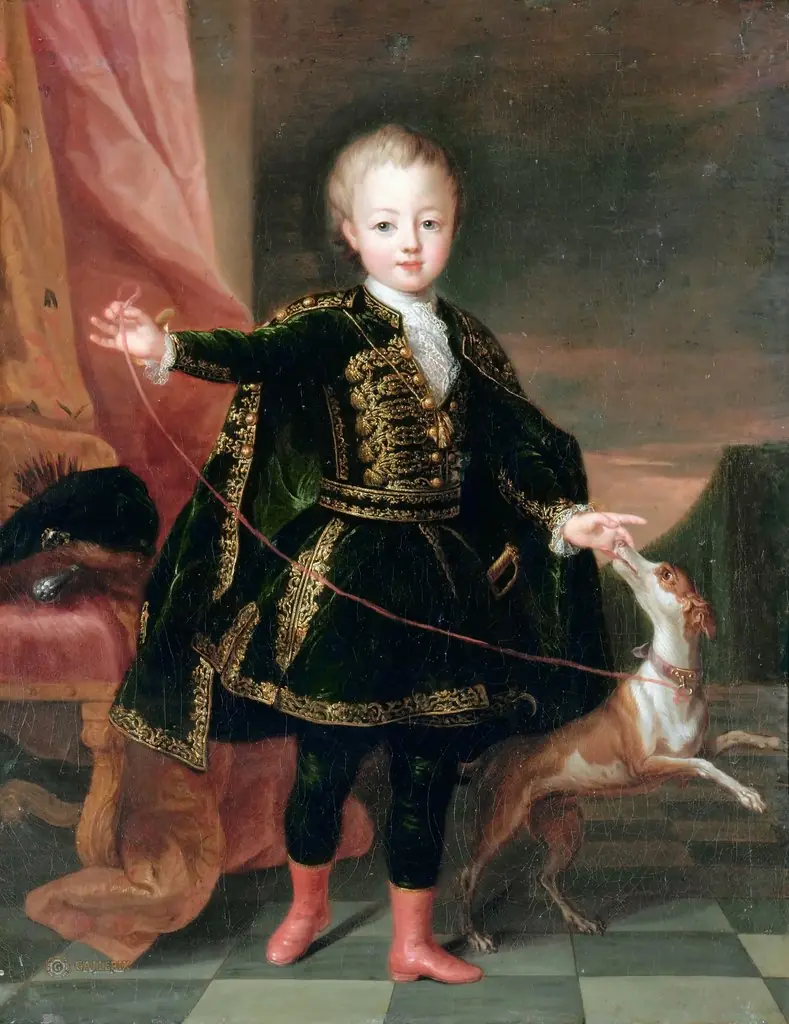 Portrait of Léopold Clément de Lorraine, Hereditary Prince of Lorraine (1707-1723)
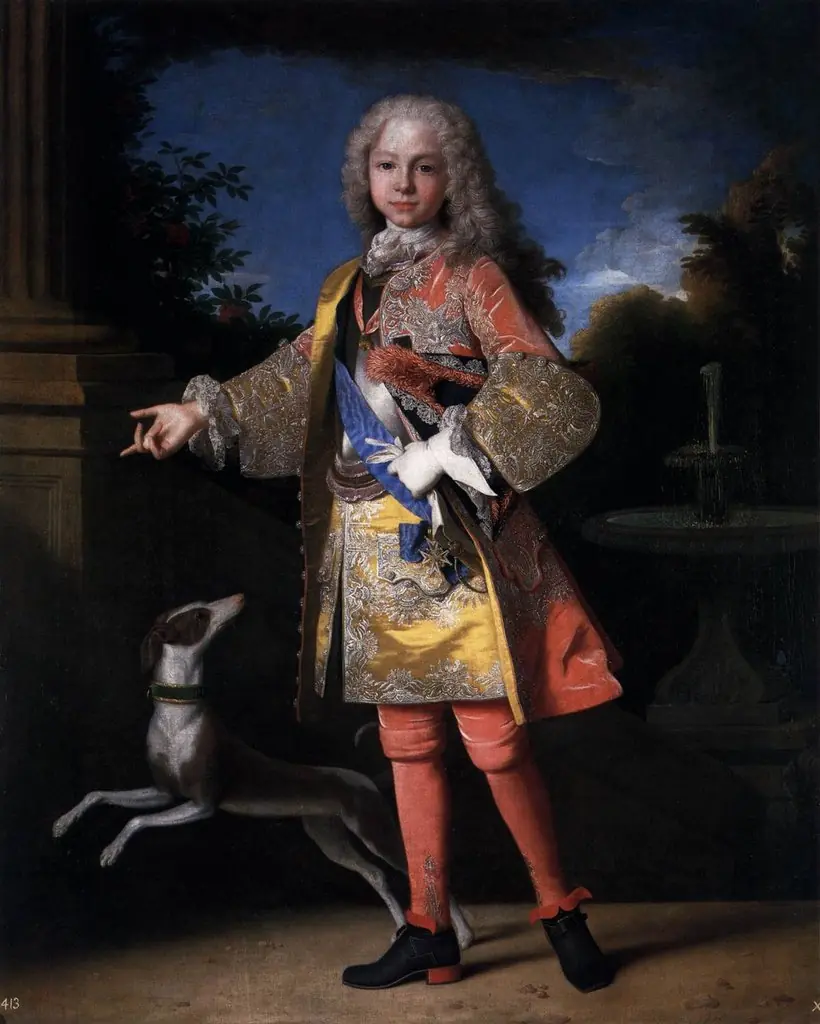 Portrait of Ferdinand VI as a Boy
 Louis I, Prince of Asturias
 Portrait of Joseph, Prince of Brasil and Beira
 Charles III as a Child
 Portrait of Frederik V in Anointment Robe
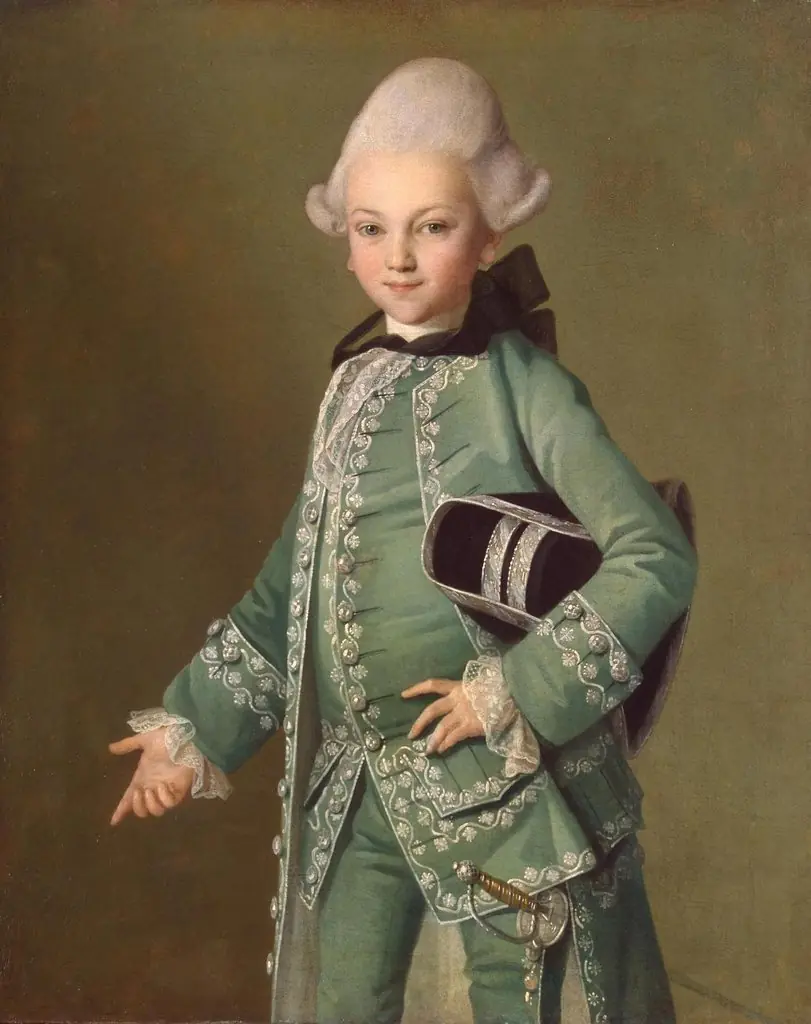 Portrait of Count Alexei Bobrinsky as a Child
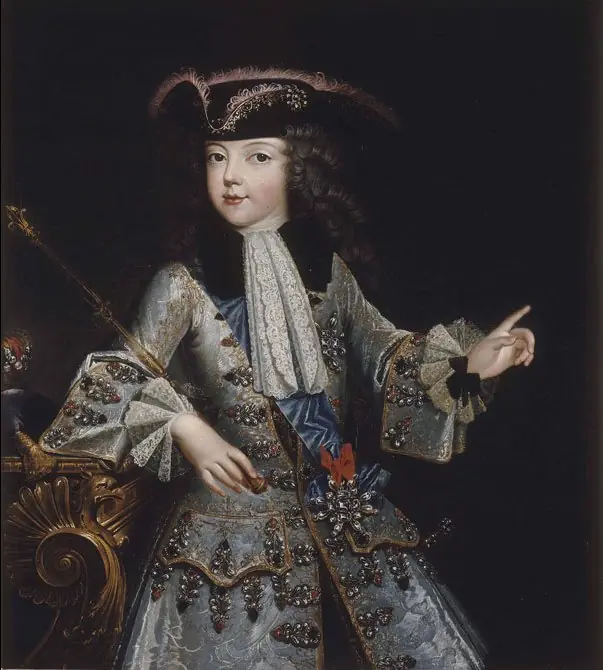 Portrait of a young Louis XV of France (1710-1774)
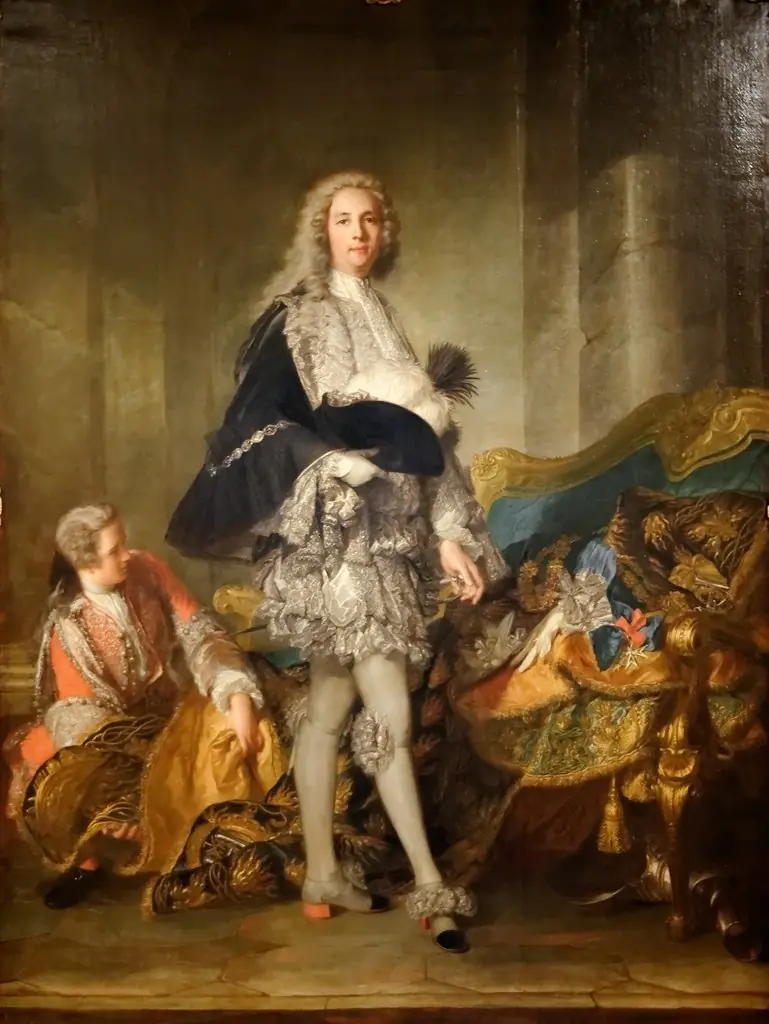 Portrait of the Duke of Richelieu
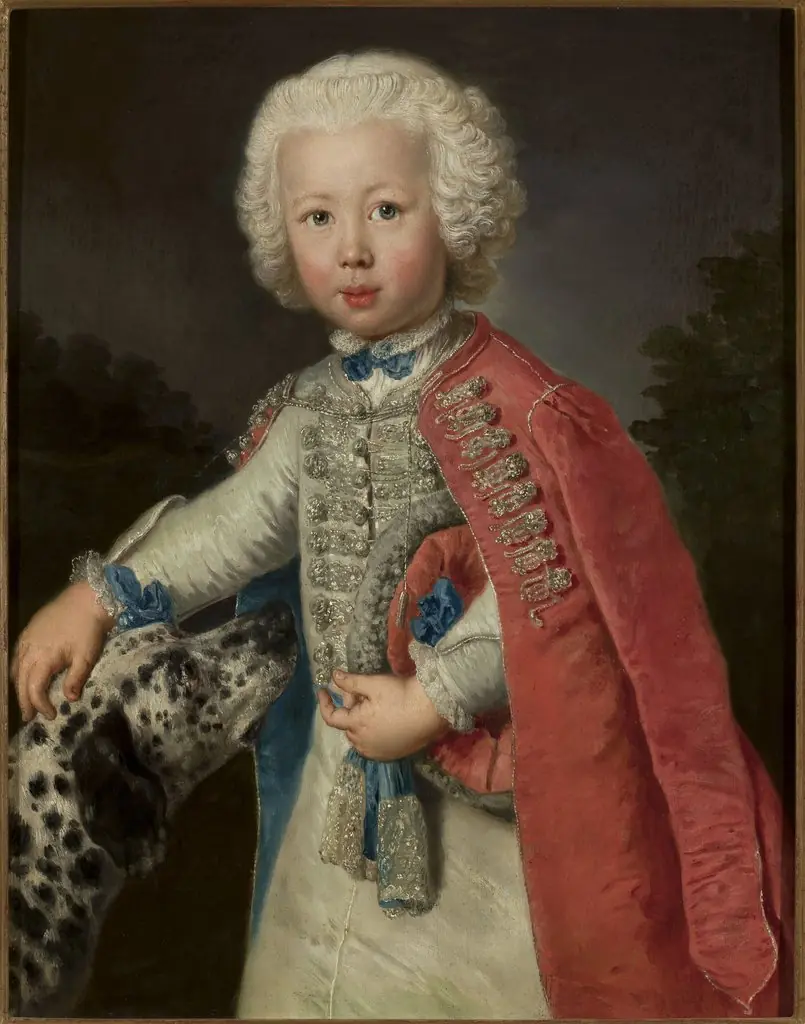 Portrait of a boy
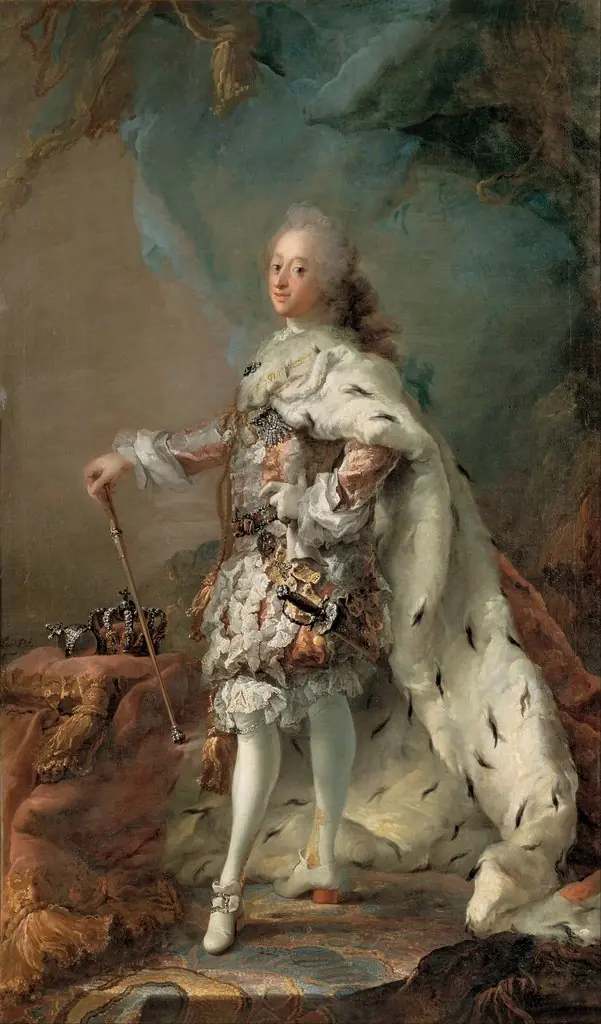 Portrait of Frederik V in Anointment Robe
- Louis of France, the Grand Dauphin