Subject
Parrot
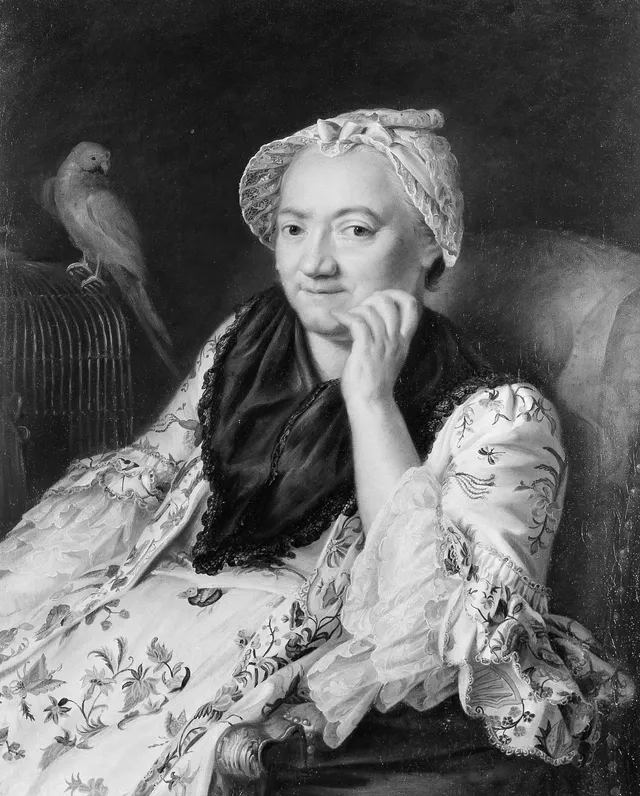
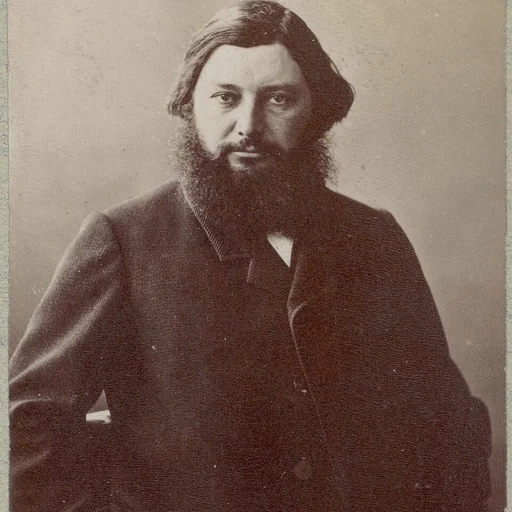
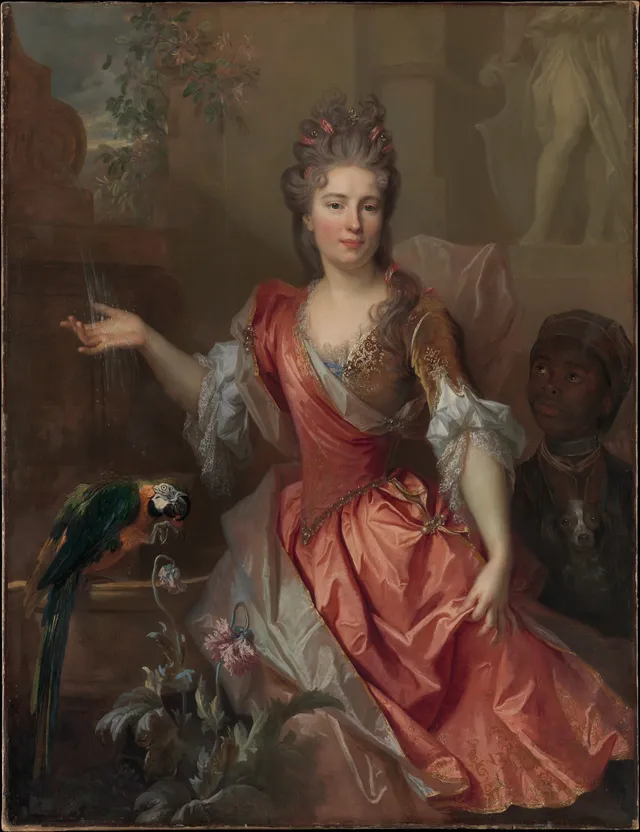
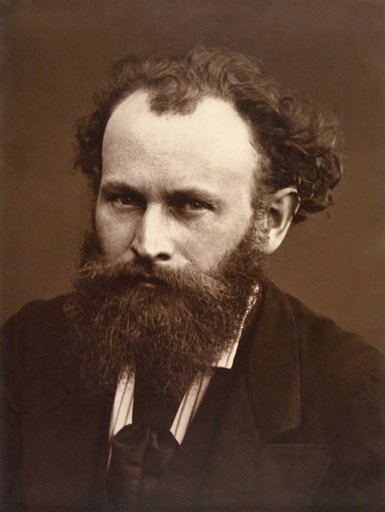
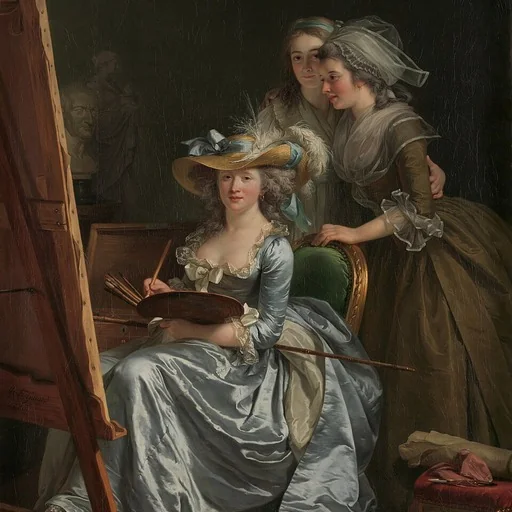
Parrot is a subject in art. The gallery holds 62 works in this subject in art, including works by Gustave Courbet, Édouard Manet and Adélaïde Labille-Guiard.
common name for some Psittaciformes
Key artists

Overview
The parrot is a common name for various birds of the order Psittaciformes, characterized by strong curved beaks, upright stances, vivid plumage, and zygodactyl feet. Found largely in tropical and subtropical regions, parrots have fascinated humans for centuries, largely due to their spectacular coloring and well-documented ability to mimic human speech. This capacity for vocal learning, combined with high intelligence, has made them highly sought after as companions, a trend that has persisted from the era of early European explorers to the present day. Beyond their biological traits, parrots have secured a prominent place in human culture, serving as religious symbols in pre-Columbian societies, exotic status symbols in European salons, and muses for artists and writers across the globe.
Iconography & meaning
In the visual arts, the parrot has carried complex and often contradictory symbolism. During the Middle Ages, it represented the Virgin birth of Christ, functioning as a theological symbol of purity and the miraculous. Conversely, the bird also appeared as an eyewitness to the Fall of Man, its mimicking ability serving as a reminder of human folly and deception. In later periods, particularly in Dutch genre painting, the parrot became an emblem of domesticity and exotic wealth, often featured as a pet in scenes of ordinary life. The bird also took on more provocative roles, occasionally acting as a surrogate lover for women or standing in for human figures to mock and comment on human behavior. Beyond European art, the parrot symbolized wisdom and moral guidance in ancient Indian literature, where it served as a virtuous narrator keeping fidelity.
Across movements & periods
The artistic treatment of the parrot has evolved significantly across different periods and cultural contexts. In pre-Columbian art, the Moche culture of the Americas venerated the birds, creating numerous artifacts in their effigy that reflected their spiritual significance. During the European Middle Ages and Renaissance, the bird was largely relegated to religious iconography, serving as a symbol for the Virgin birth or the Fall. By the seventeenth century, the parrot shifted from a strictly religious motif to a marker of global trade and bourgeois domesticity, featuring more prominently in Dutch scenes of daily life than in any other category of painting. Artists like Jan Steen integrated the bird into lively interior scenes. In the eighteenth century, painters like Tiepolo used the parrot for theatrical effect, while Francisco Goya employed it to darker, more satirical ends. The bird also became a subject of scientific illustration, treated with empirical precision by natural history artists like Ferdinand Bauer and Edward Lear, a tradition that continues into the present with artists like Elizabeth Butterworth.
Notable depictions
Several canonical depictions of parrots mark the history of art. Albrecht Durer established a precedent for the bird in Northern Renaissance art, while Peter Paul Rubens notably included the parrot in his intimate family portrait with his wife Helena Fourment and their son Frans. The seventeenth-century Dutch Golden Age saw Jan Steen utilize the bird to enliven domestic scenes, as seen in works like A Woman Feeding a Parrot, with a Page. In the eighteenth century, Giovanni Battista Tiepolo incorporated the bird into his decorative, theatrical compositions. Francisco Goya later used the parrot in works that commented on human follies. Moving into the nineteenth and twentieth centuries, the bird appeared in the portraiture of Gustave Courbet and Edouard Manet, reflecting its established role as an exotic companion. Beyond painting, the 1884 volume Parrots in Captivity by William Thomas Greene, featuring illustrations by Alexander Francis Lydon, stands as a notable work of natural history depiction, cataloging species like the Blue and Yellow Macaw and the Great Salmon Crested Cockatoo.
Legacy
The cultural afterlife of the parrot extends far beyond traditional fine art, permeating literature, popular culture, and scientific study. In literature, the ancient Sanskrit text Shukasaptati, or Seventy Tales of the Parrot, established a narrative framework where the bird acts as a moral guide, a tradition that later influenced Persian and Arabic storytelling through translations like the fourteenth-century Tuti-Nameh. The parrot's literary presence continued into modern fiction, most notably in Julian Barnes' novel Flaubert's Parrot, where a stuffed bird drives a retrospective quest. In popular culture, the parrot is inextricably linked to pirate lore, a trope popularized by Captain Flint in Treasure Island, and has been featured in animated works like Disneys Aladdin and the Rio franchise. Scientifically, the legacy of the parrot as an intelligent communicator was cemented by the grey parrot Alex, who demonstrated the ability to use words creatively, identify objects, and even ask an existential question, reshaping understandings of animal cognition. However, this enduring fascination has had disastrous consequences, as the demand for parrots as pets has severely diminished wild populations, leaving roughly one-third of all parrot species threatened by extinction.
Works
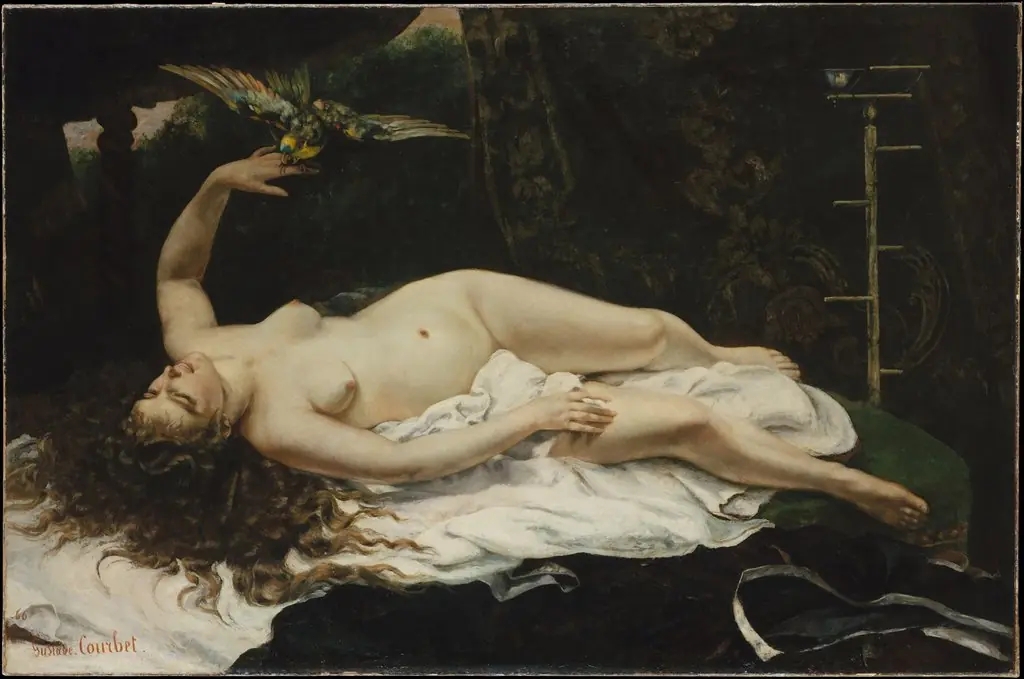 Woman with a Parrot
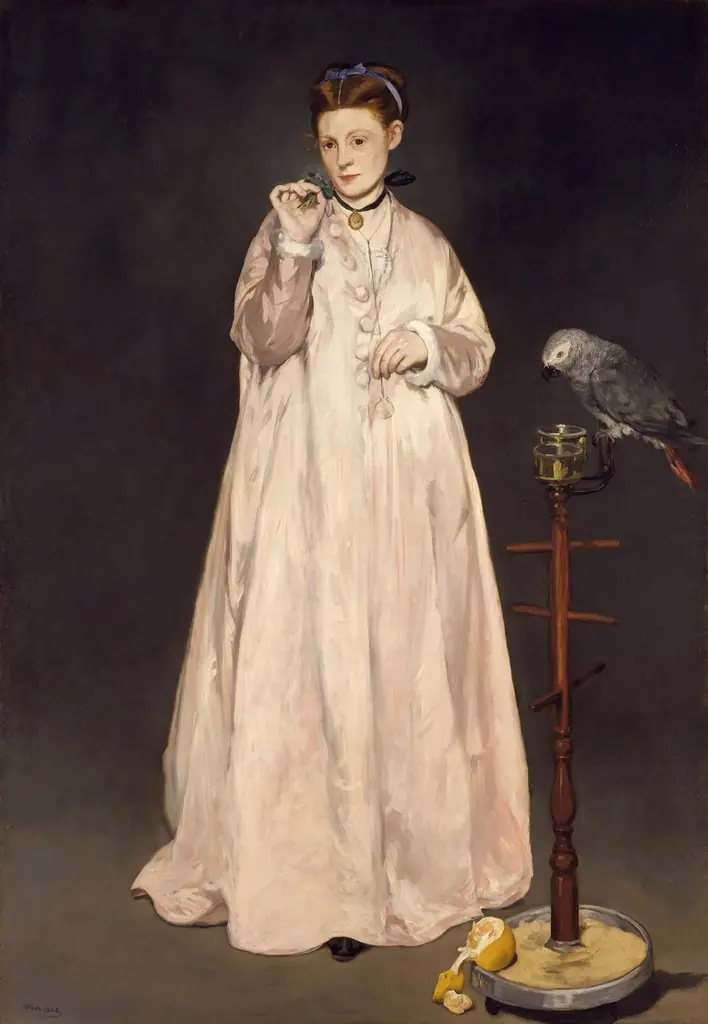 Young Lady in 1866
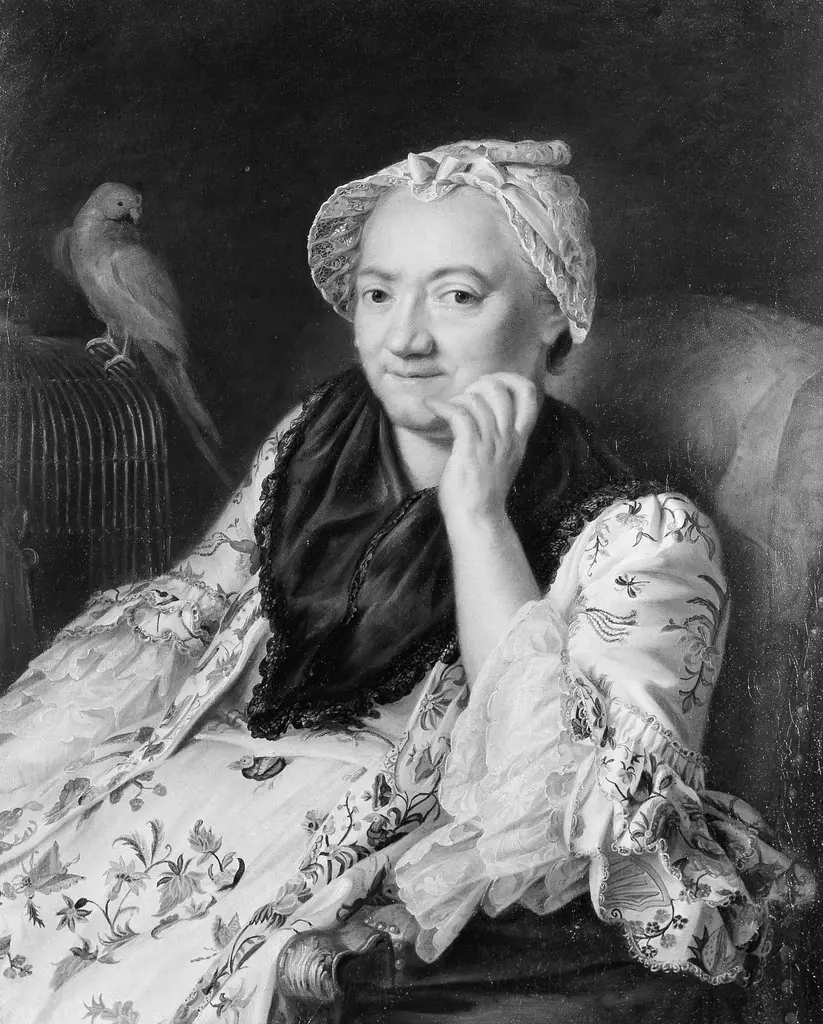 Portrait of a Woman
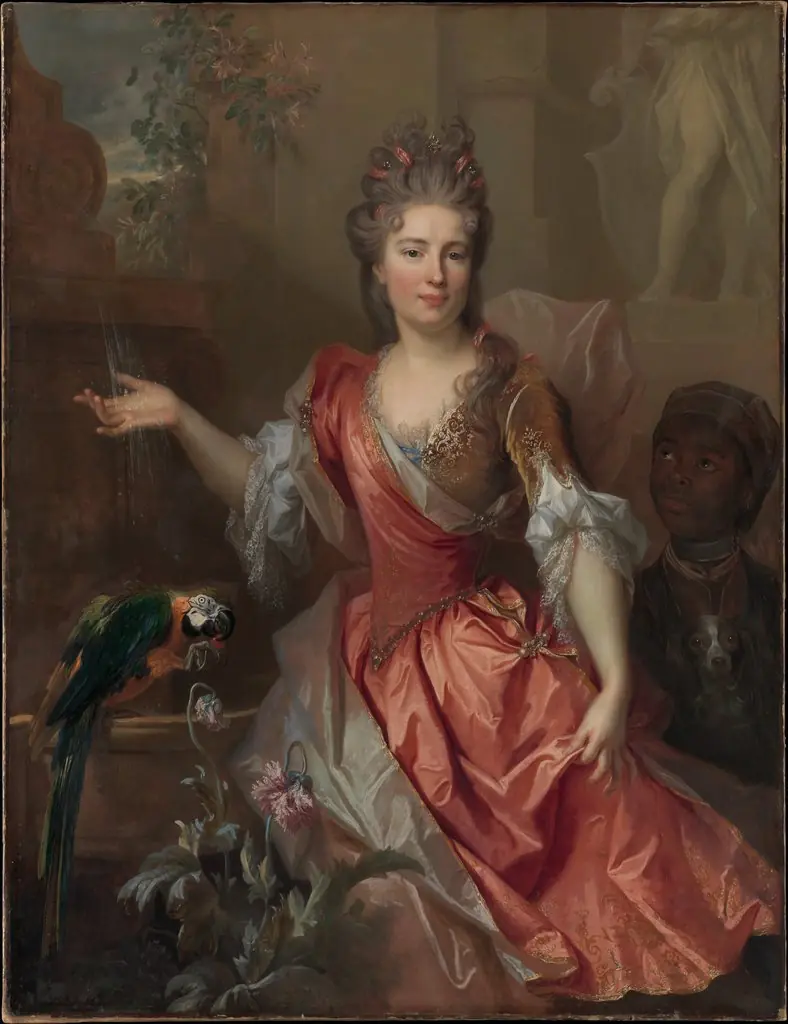 Portrait of a Woman, Possibly Madame Claude Lambert de Thorigny (Marie Marguerite Bontemps, 1668–1701)
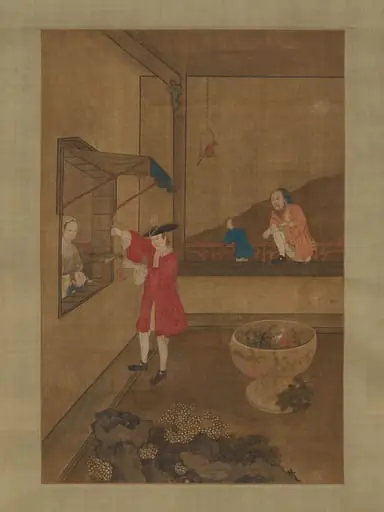 Untitled
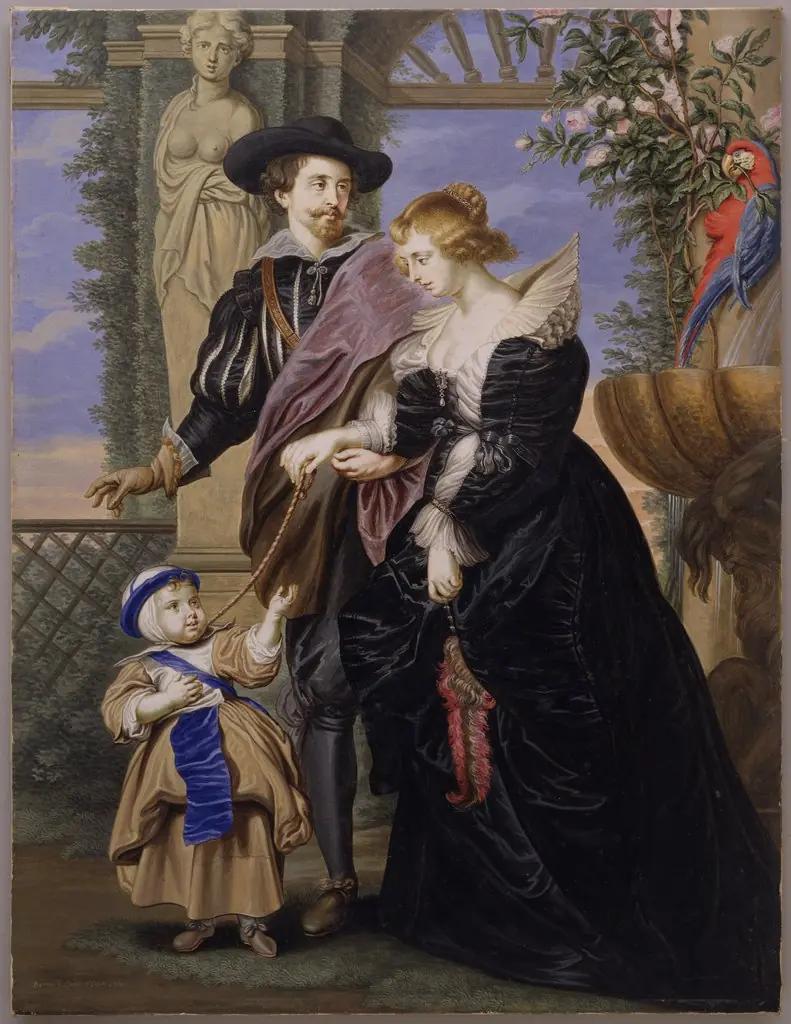 Copy after "Rubens, His Wife Helena Fourment (1614–1673), and Their Son Frans (1633–1678)"
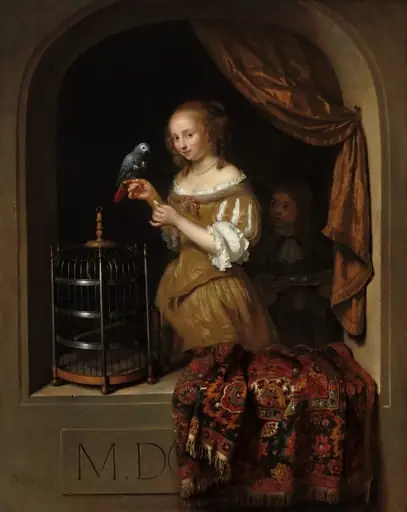 A Woman Feeding a Parrot, with a Page
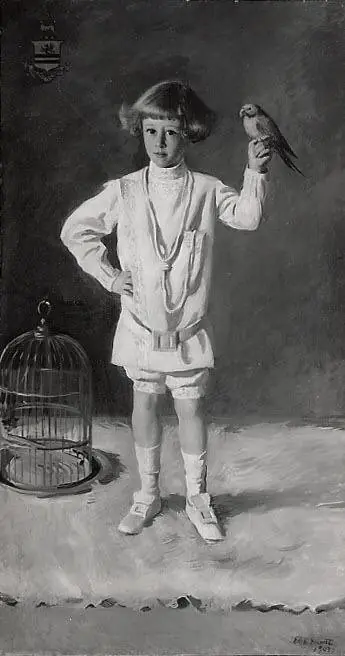 Amory S. Carhart, Jr.
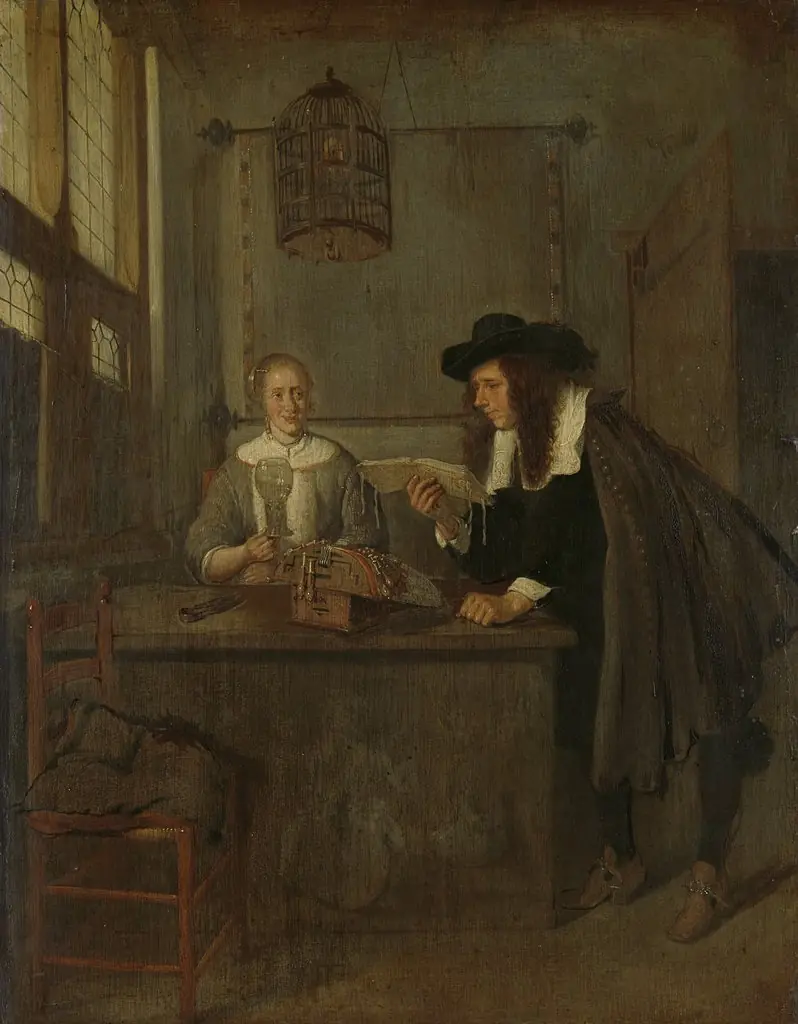 Reading aloud
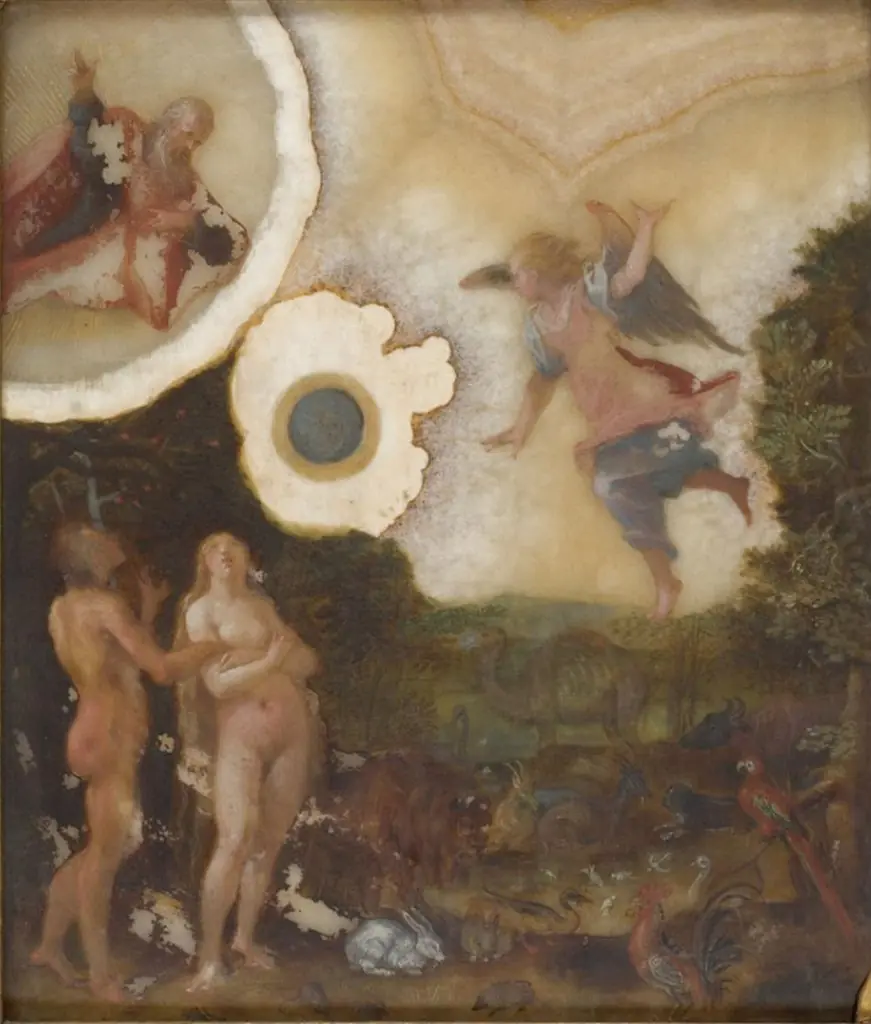 Expulsion from earthly Paradise.
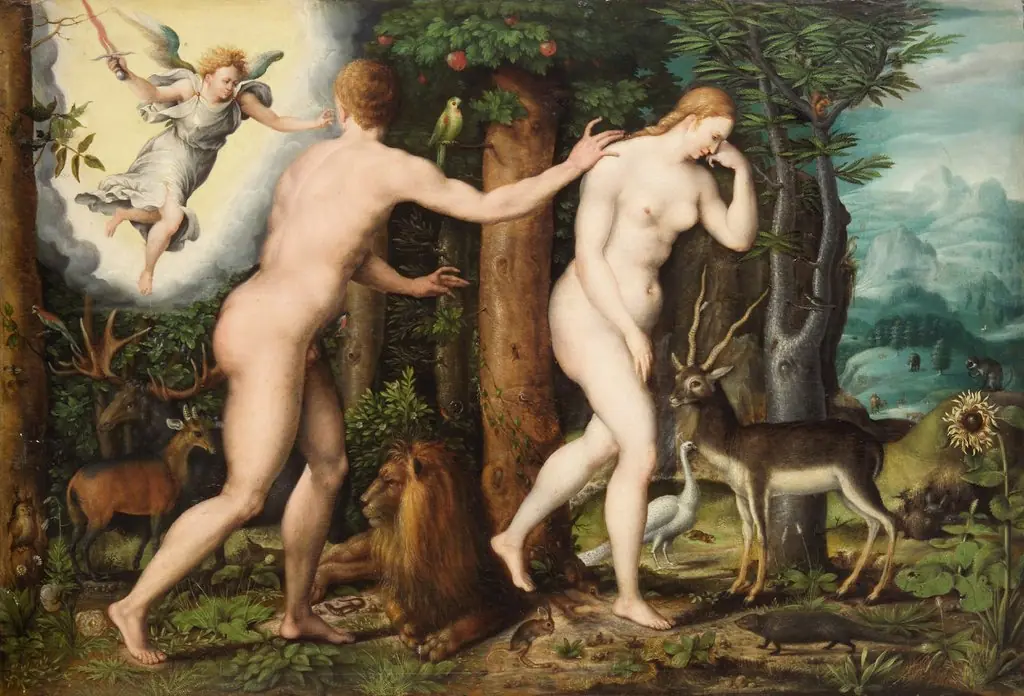 Vertreibung aus dem Paradies
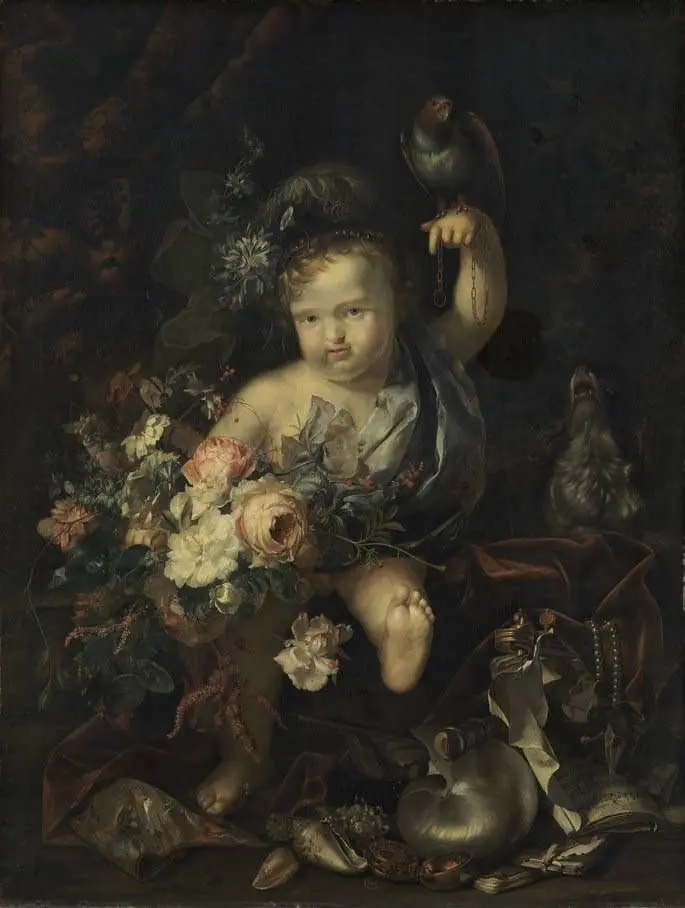 Cherub with Flowers and Parrot
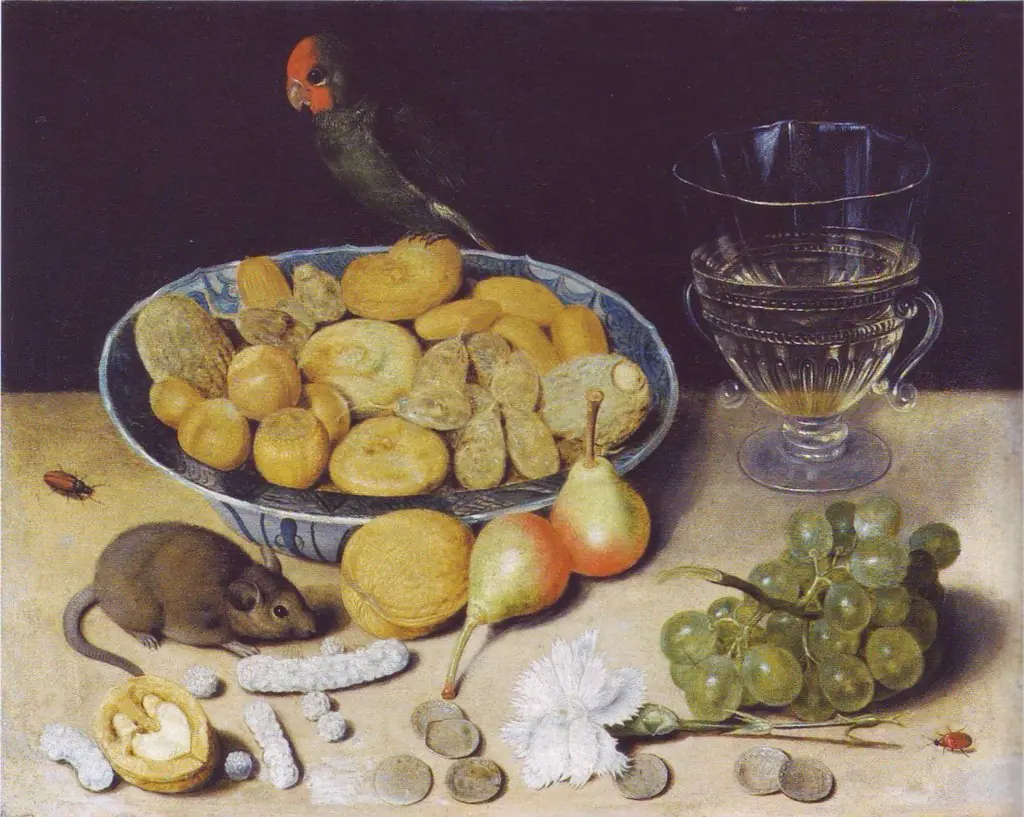 Meal with a Mouse and a Parrot
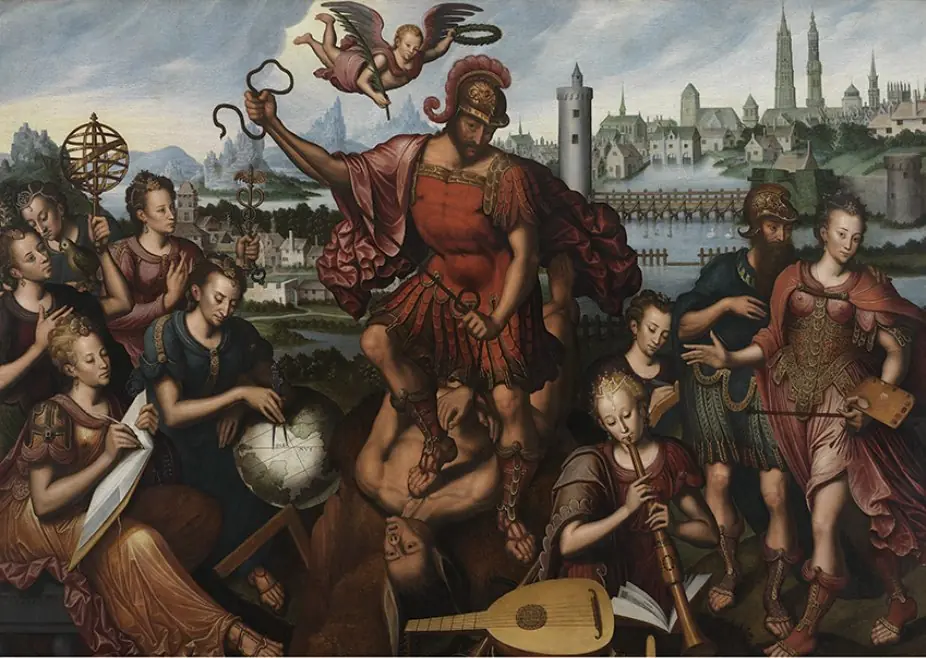 Mars, surrounded by the Arts and Sciences, conquers Ignorance
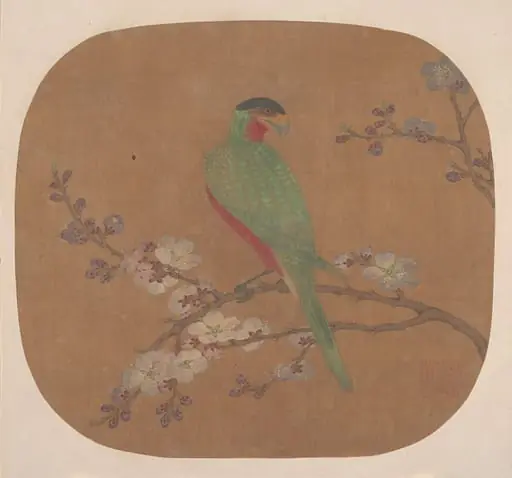 Untitled
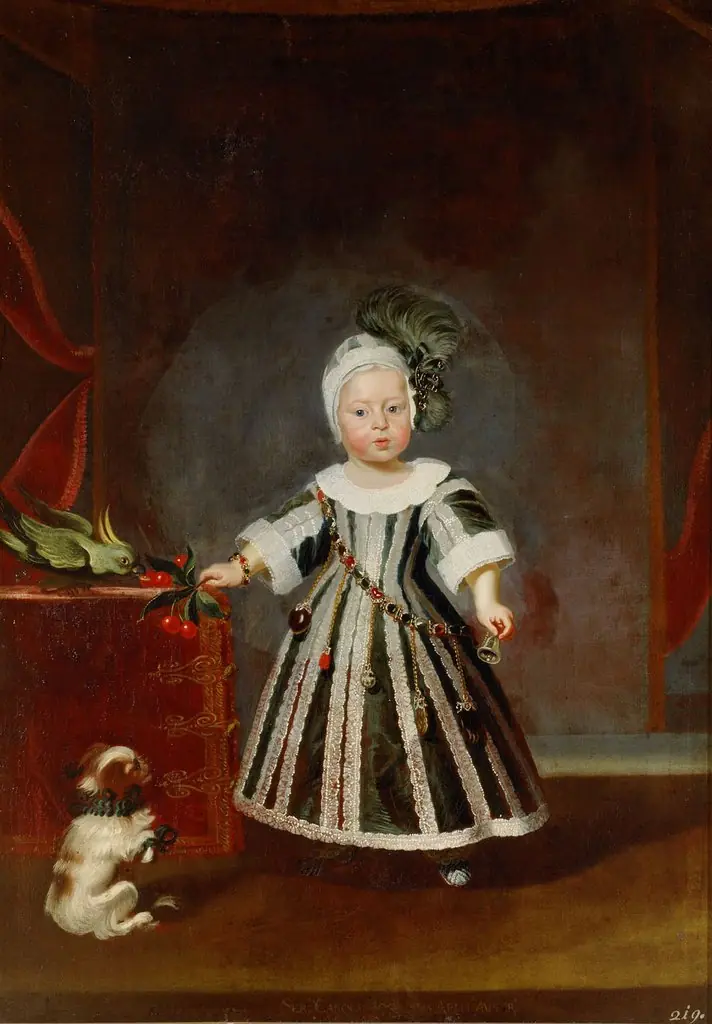 Portrait of Charles Joseph, Archduke of Austria (1745-1761)
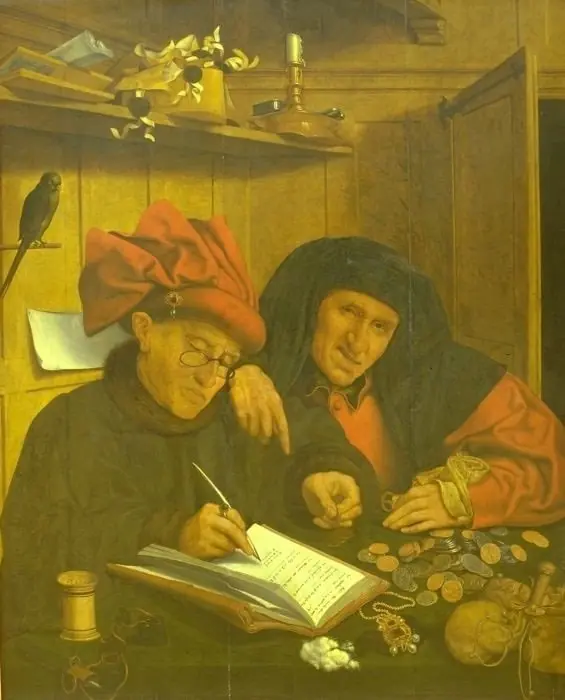 The Two Tax Collectors
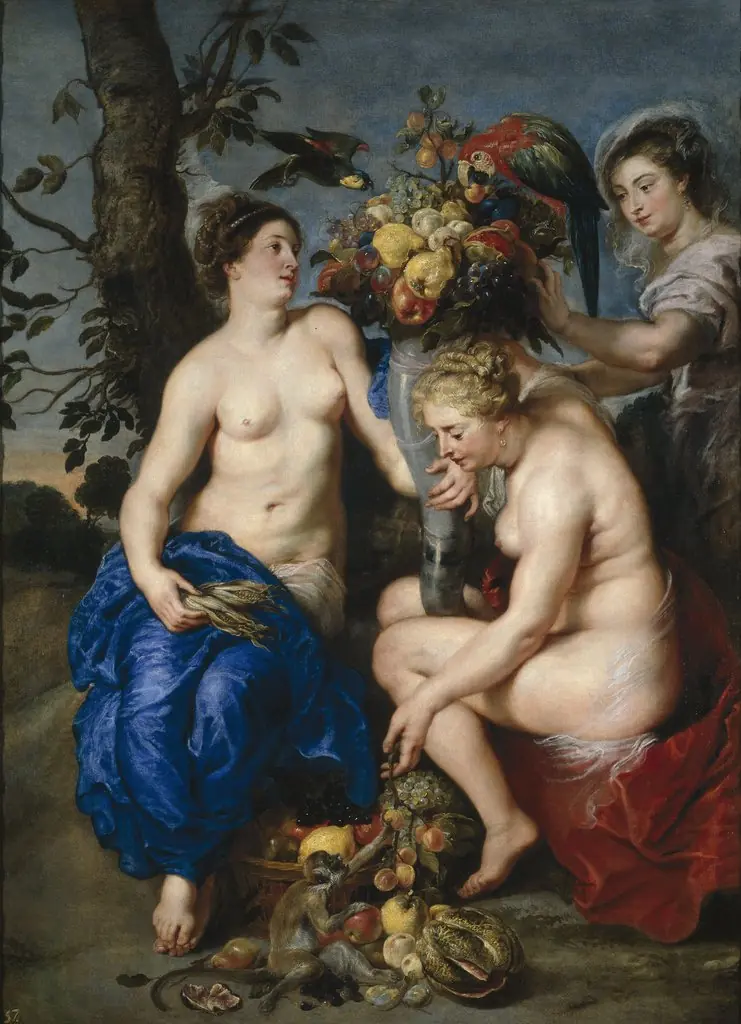 Ceres and Two Nymphs
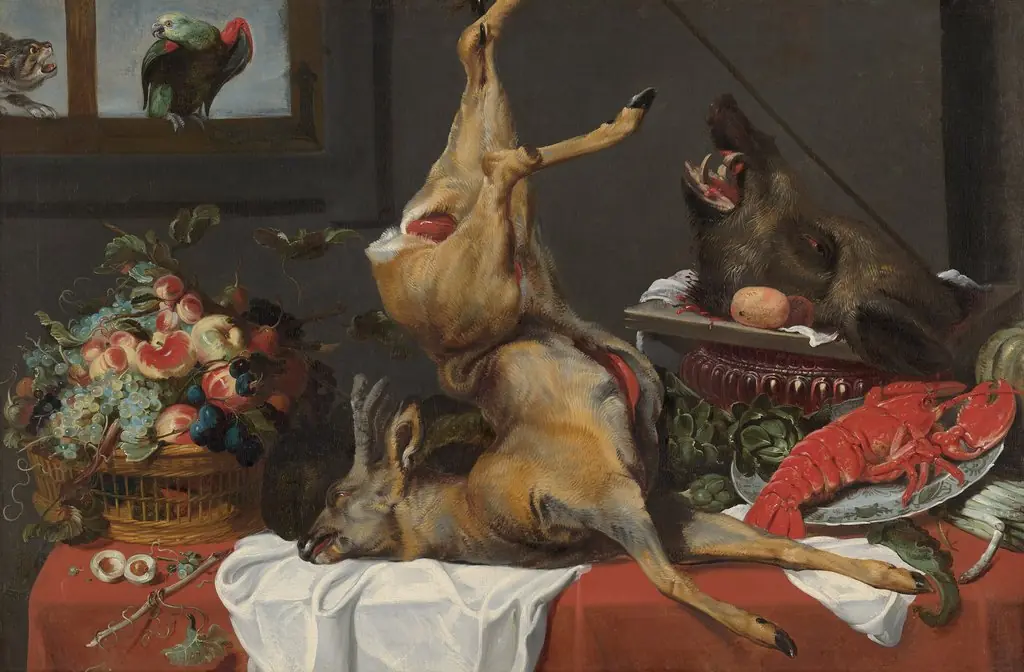 Still Life with a Dead Stag
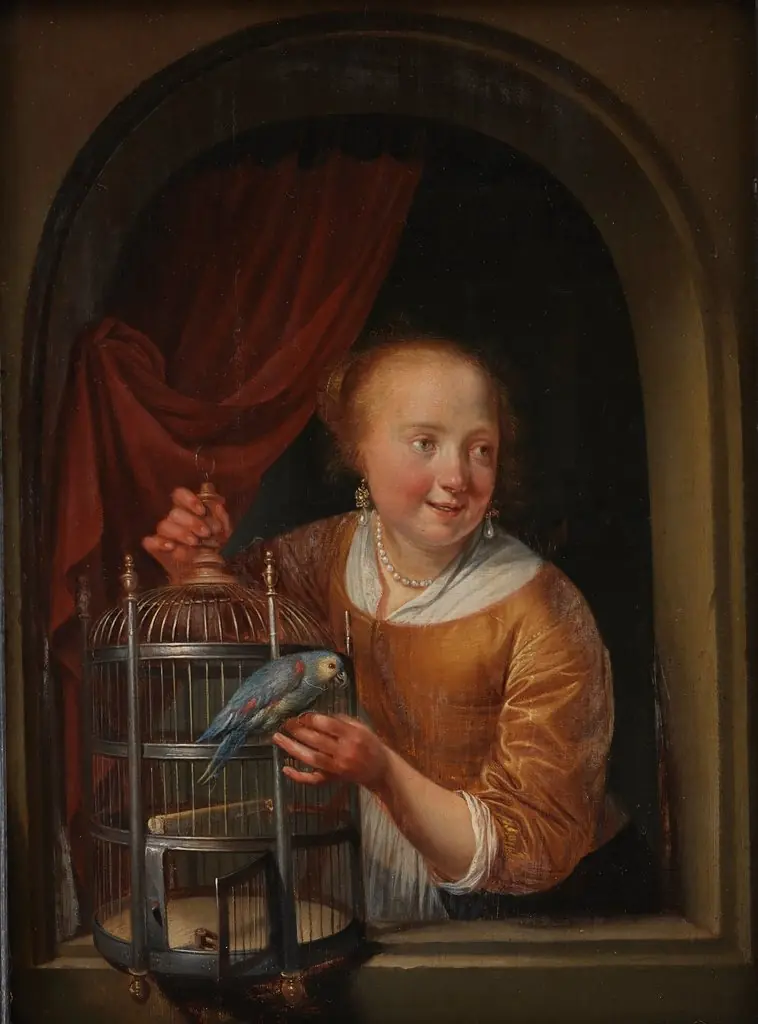 Girl with a Parrot
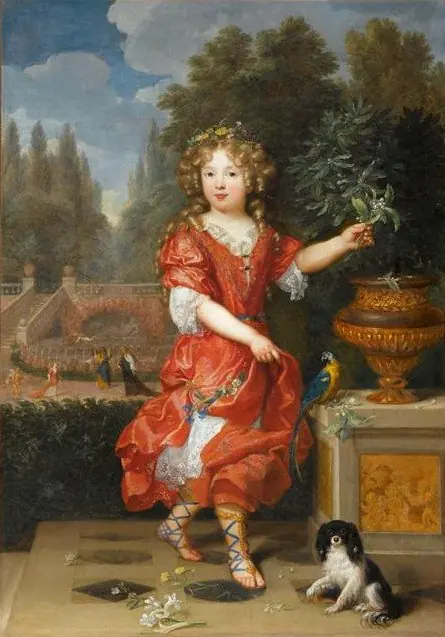 Presumed portrait of Mademoiselle de Blois
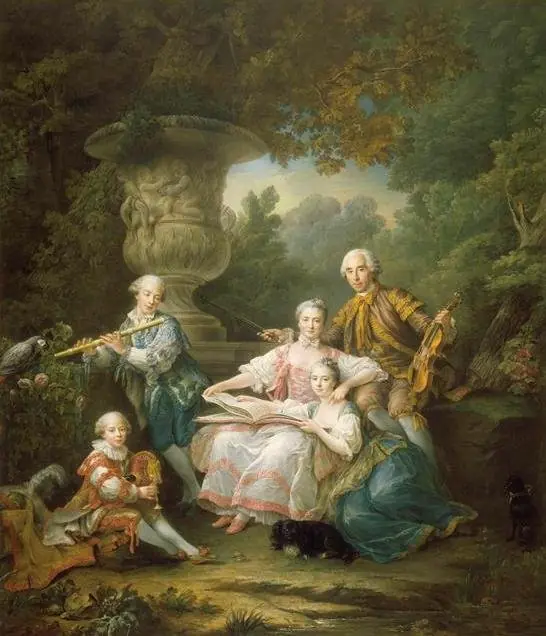 The Sourches family
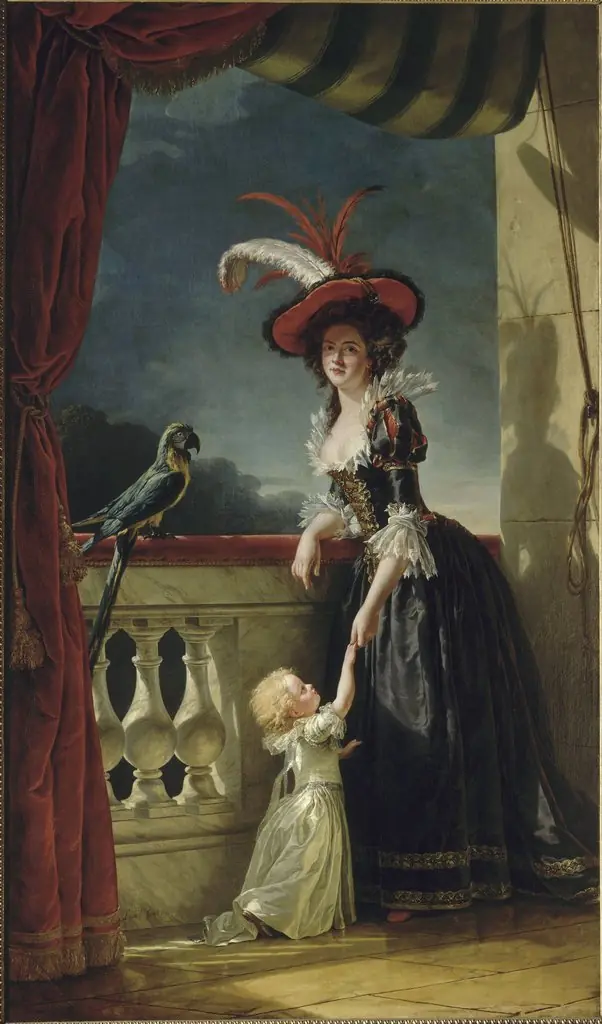 Portrait of Elisabeth of France, Duchess of Parma (1727-1759)
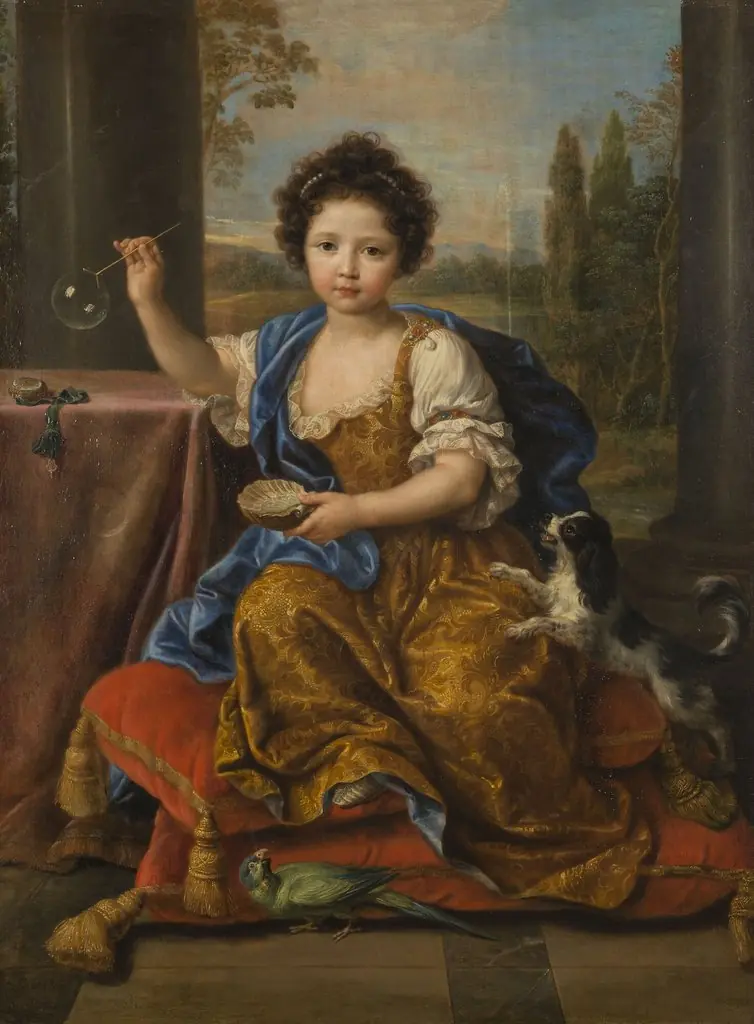 Louise-Marie de Bourbon (1674-1681)
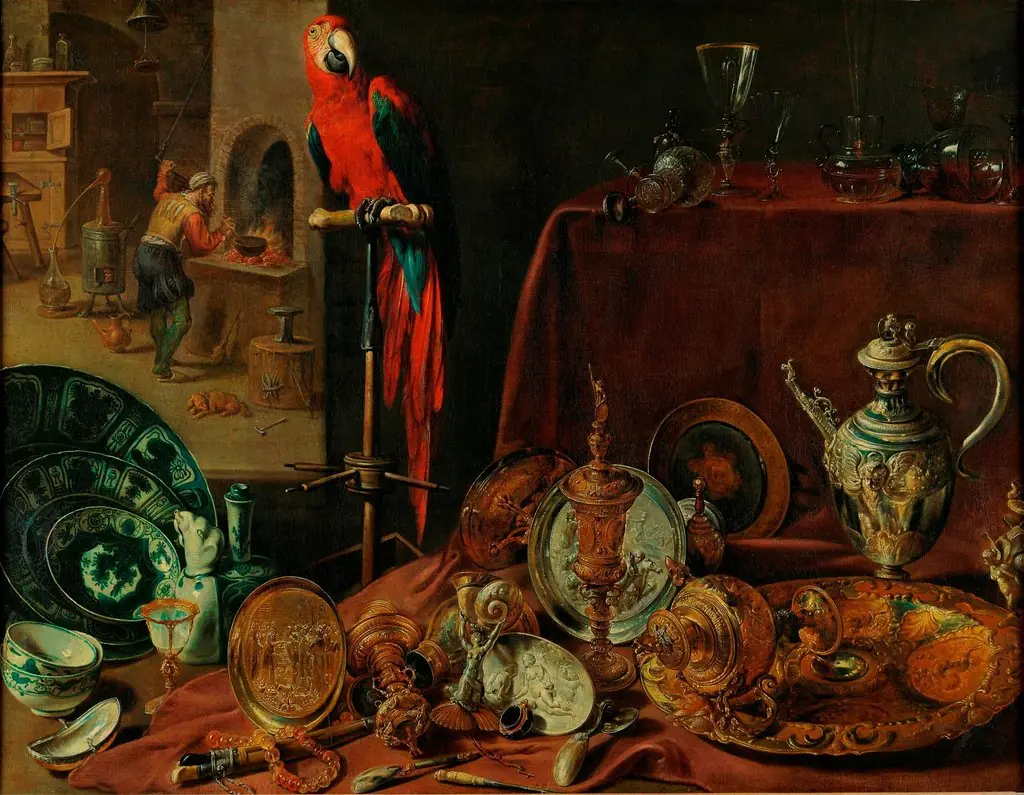 Still life with parrot, an allegory of fire
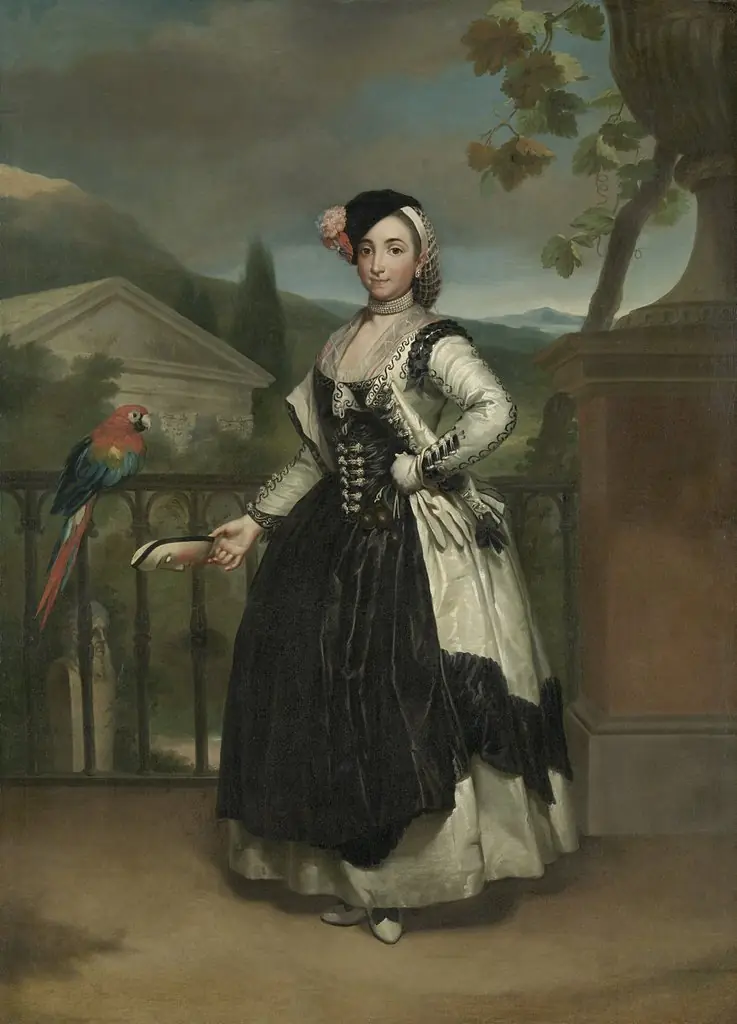 Portrait of Isabel Parreño y Arce, Marquesa de Llano
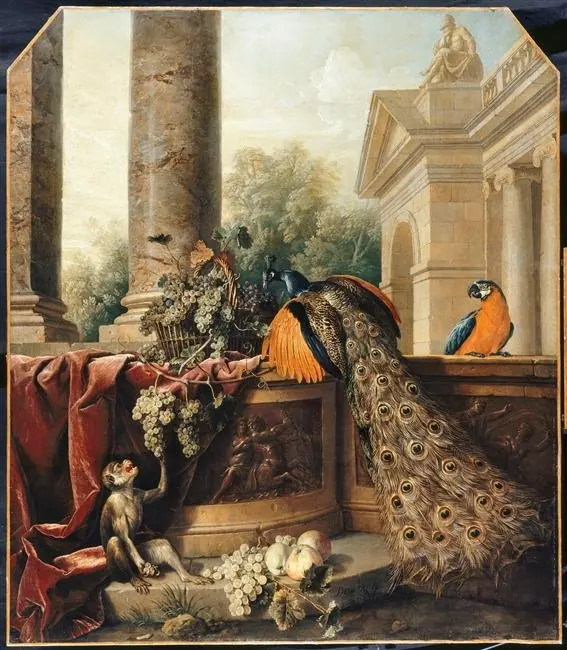 Still Life with a Peacock
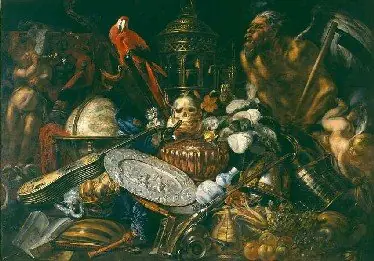 Vanitas
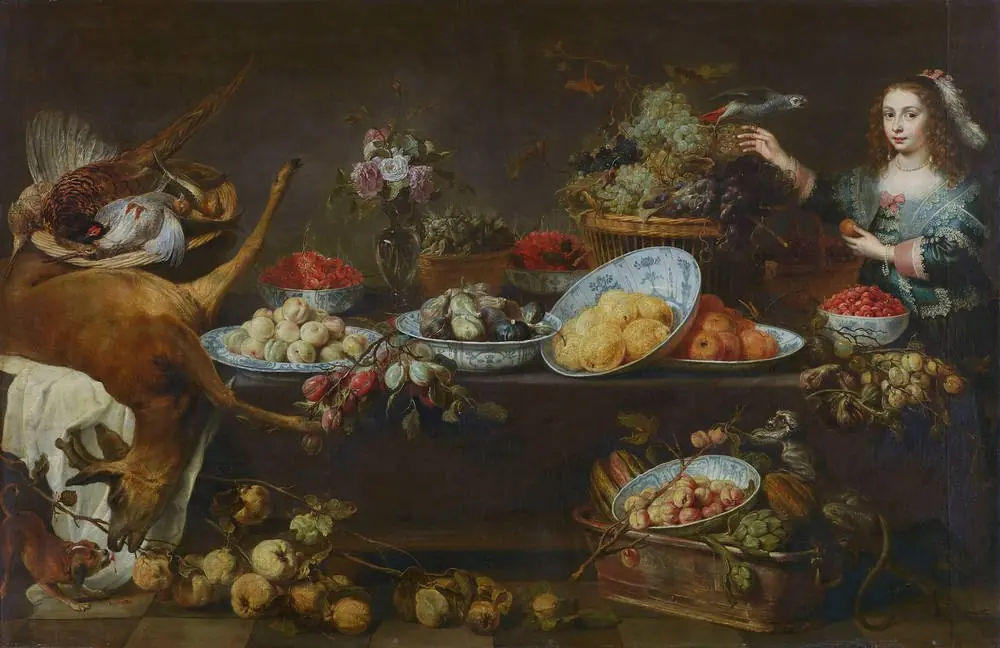 Large Still-life with a Lady and a Parrot
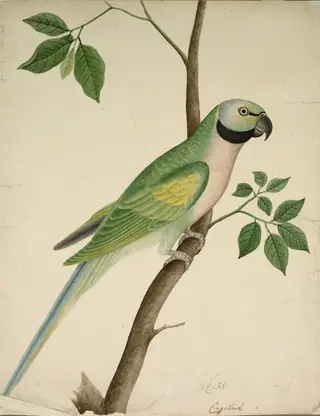 Green Parrot
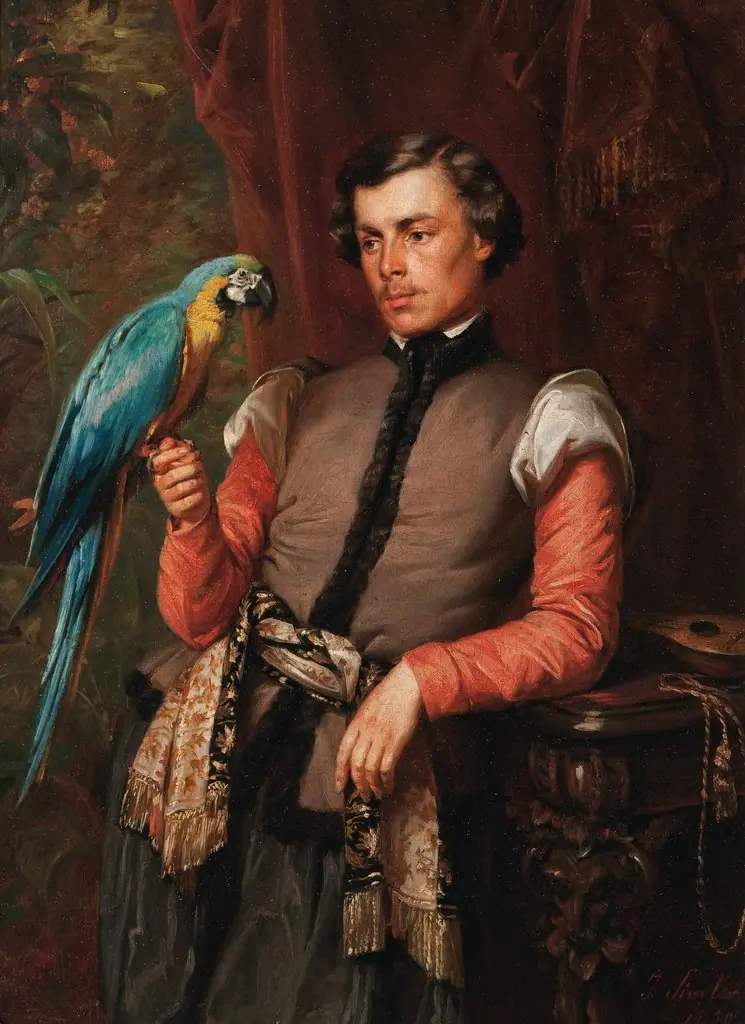 Nobleman with a Parrot
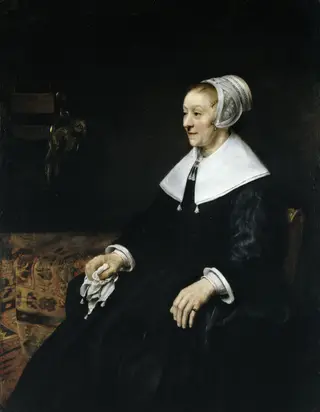 Portrait of Catrina Hoogsaet
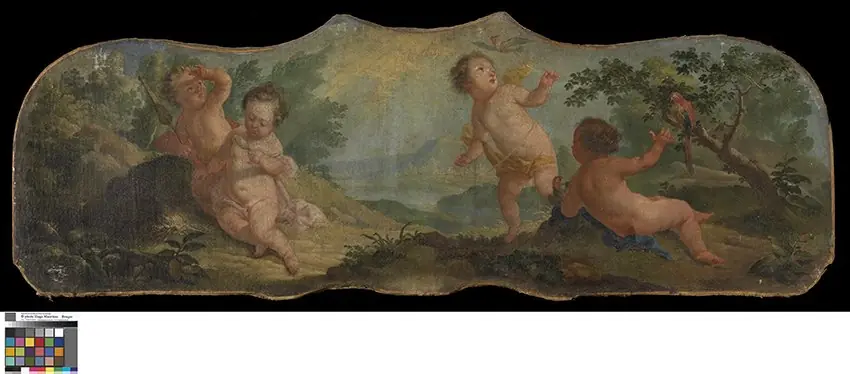 Vier elementen: Vuur en Lucht
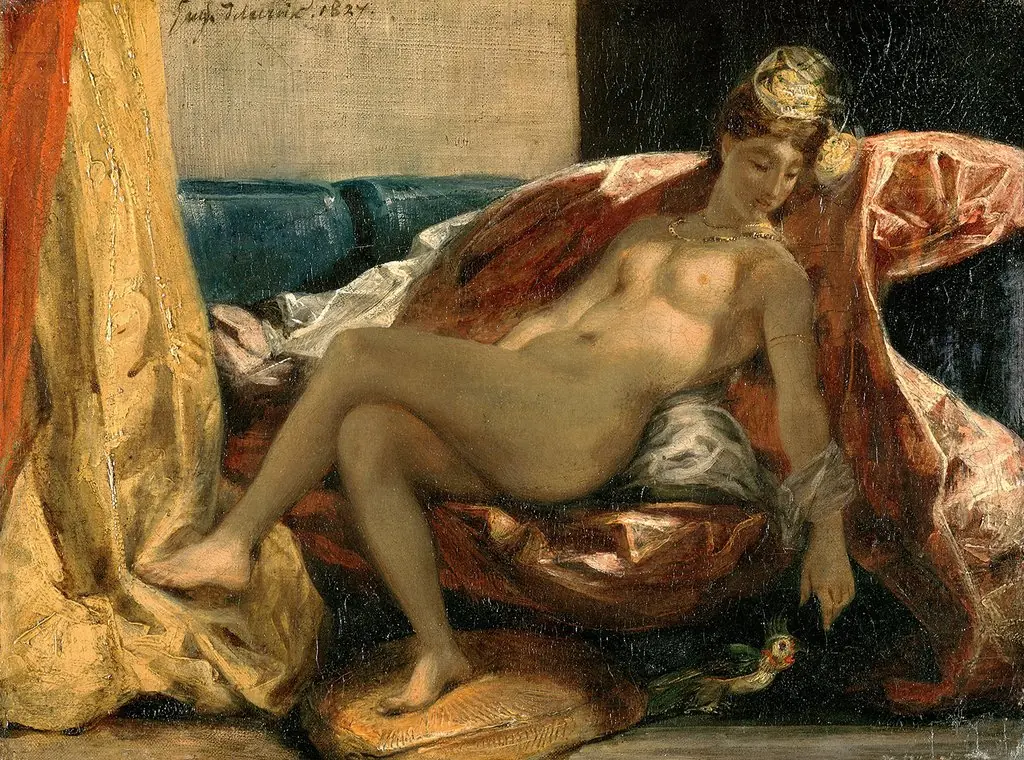 Woman with a Parrot
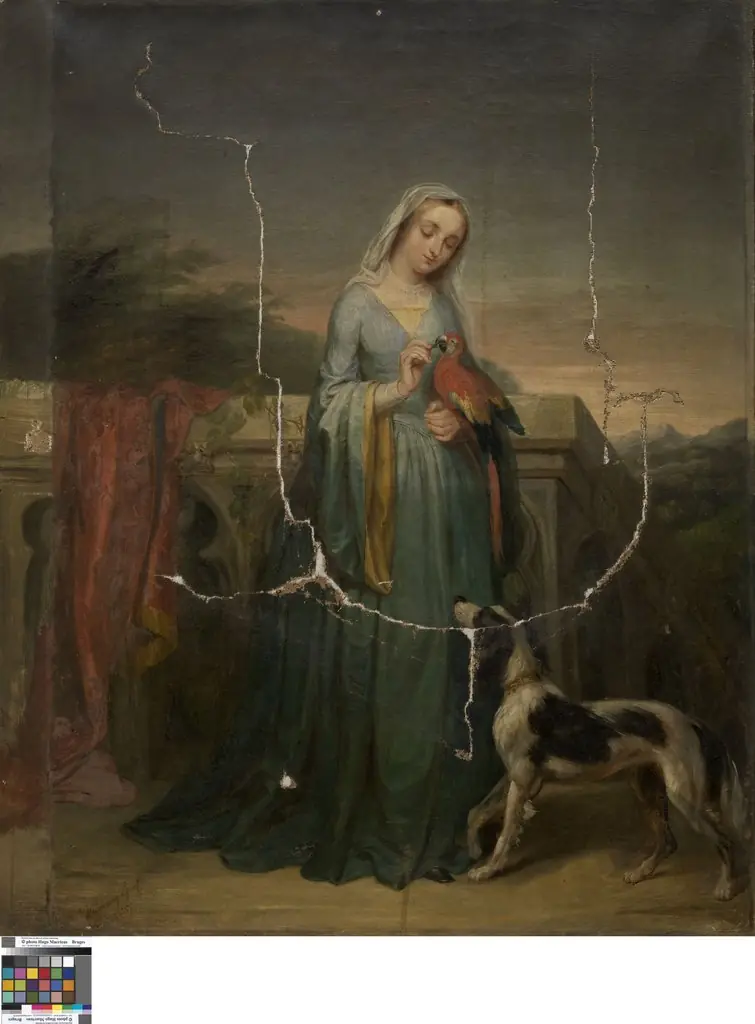 Dame met papegaai
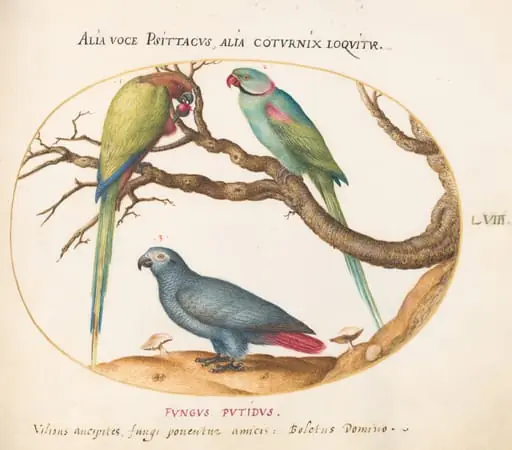 Plate 58: African Gray Parrot, Indian Ring-Necked Parrot, and a Third Parrot
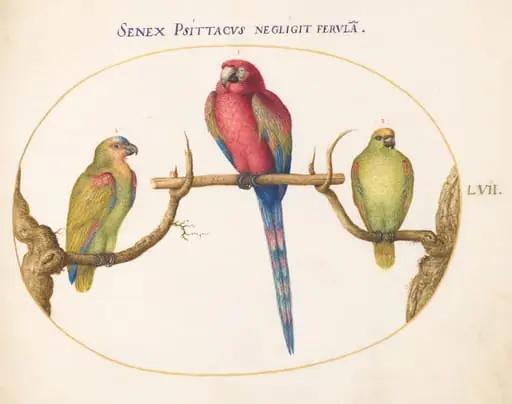 Plate 57: Scarlet Macaw with Two Smaller Green Parrots
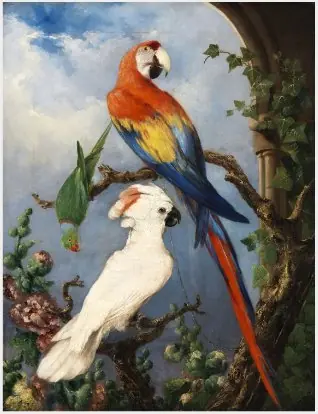 Paroquets
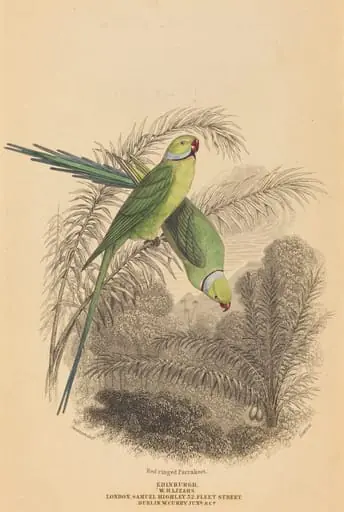 Red Ringed Parrakeet
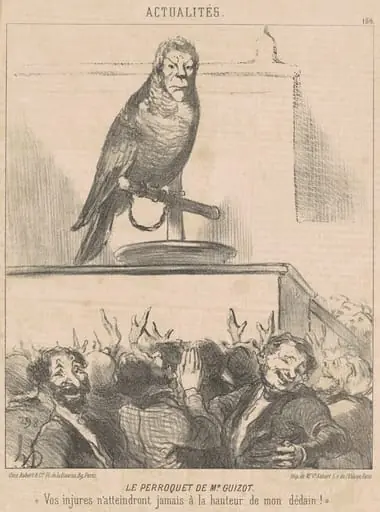 Le perroquet de M. Guizot
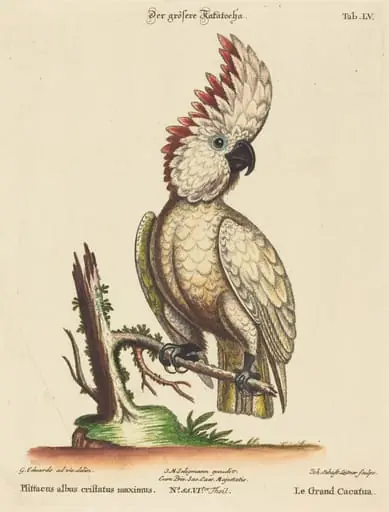 Psittacus albus cristatus maximus
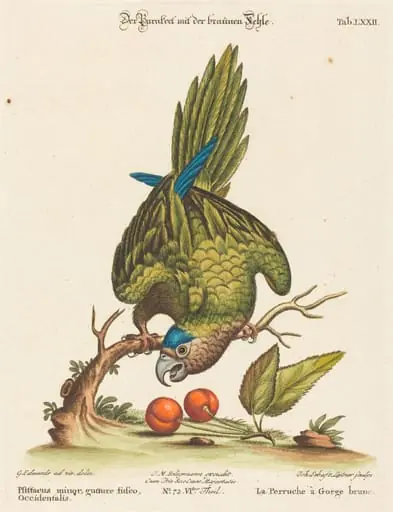 Psittacus minor gutture fusco, occidentalis
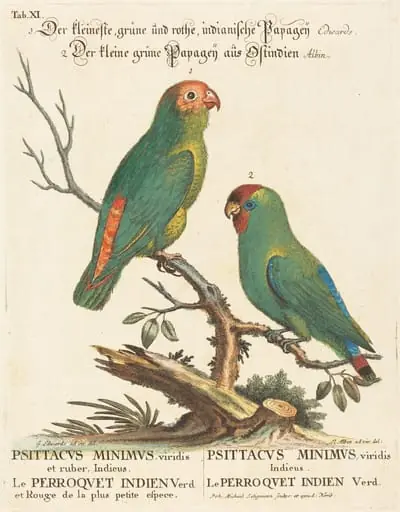 Parrot (Le Perroquet Indien. Psittacus Minimus)
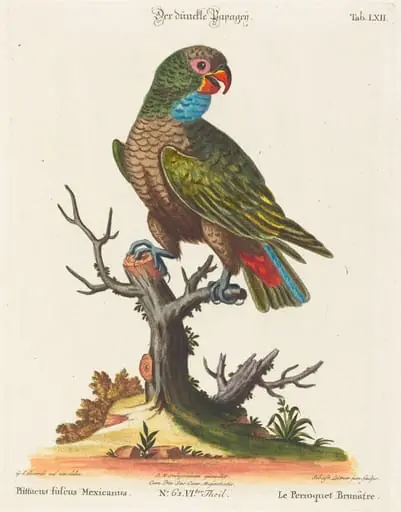 Parrot (Le Perroquet Brunatre. Pfittacus Fulcus Mexicanus)
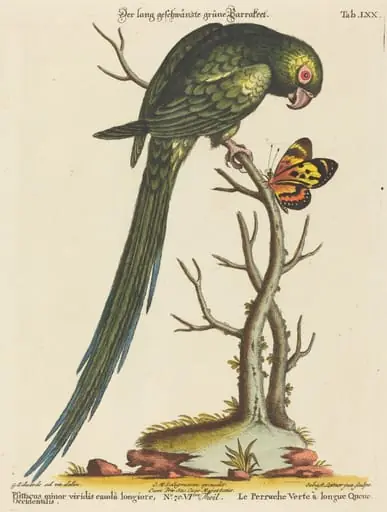 Psittacus minor viridis cauda longiore Occidentalis
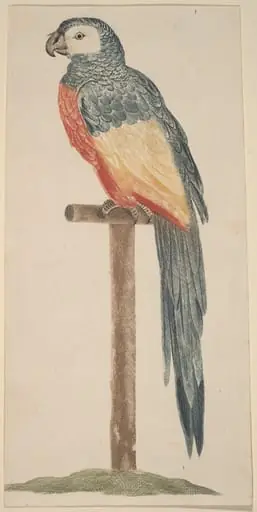 Parrot (Ara)
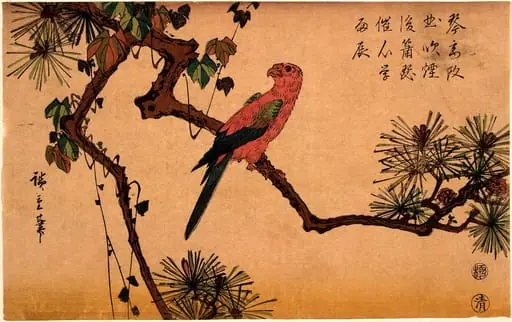 Macaw on a Pine Branch
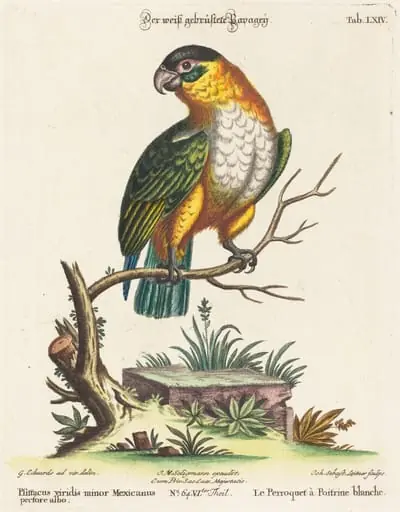 Psittacus viridis minor Mexicanus
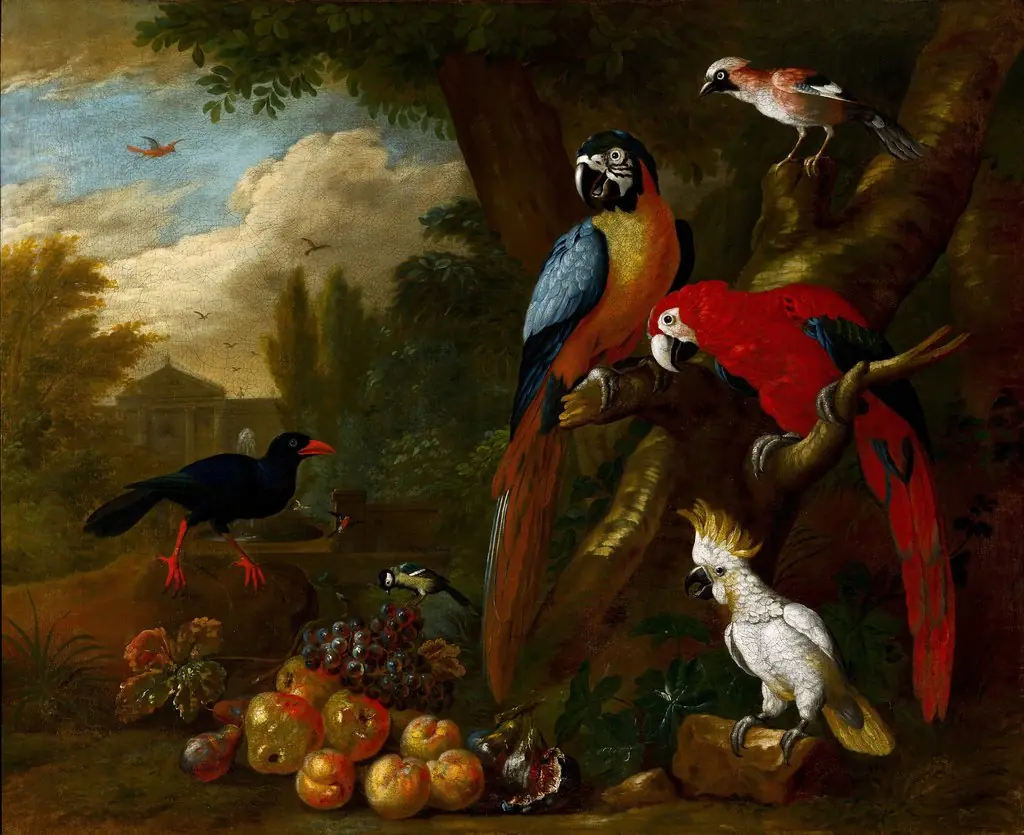 Two Macaws, a Cockatoo and a Jay, with Fruit
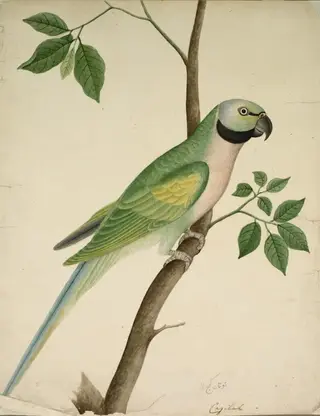 Green Parrot
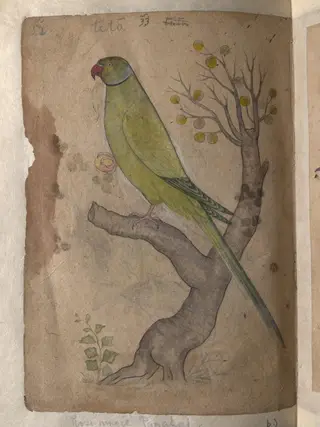 Depictions of Striated scops owl and Rose-ringed parakeet of Northern India
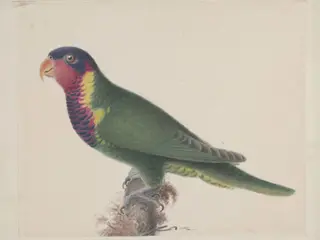 Blossom-headed parakeet
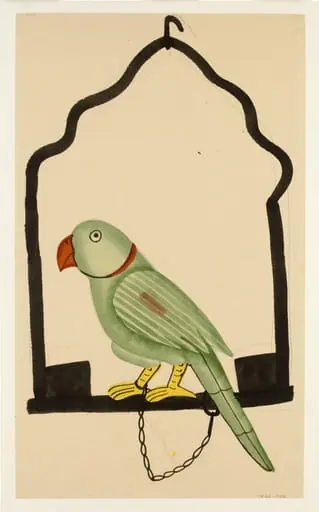 Untitled
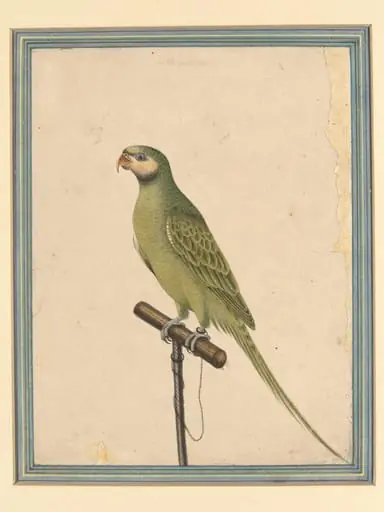 A parrot
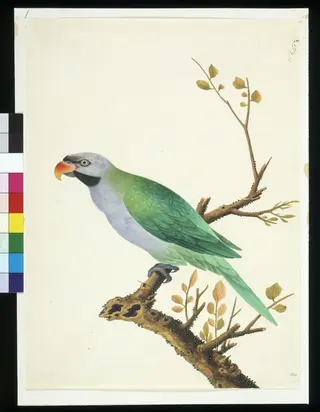 Derbyan Parakeet
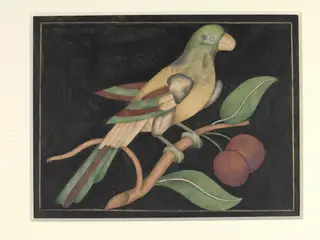 Detail of pietra dura work from the Diwan-i Am, Delhi Palace and Fort
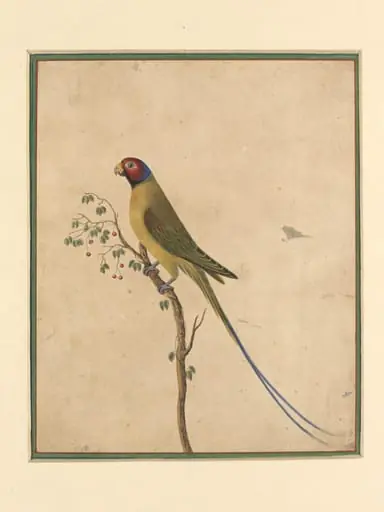 A parakeet
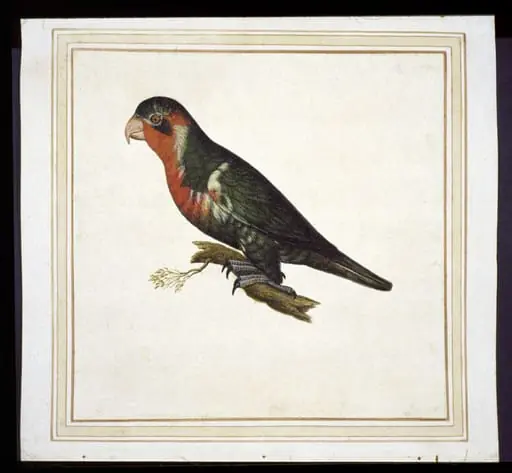 Possibly ornate lorikeet, Tricholglossus ornatus
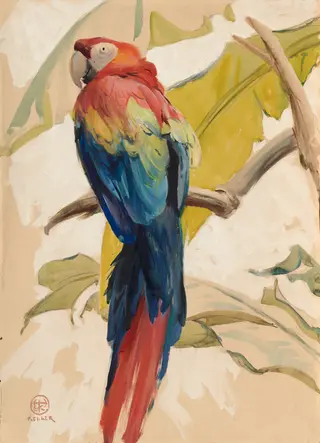 Old Grumpy
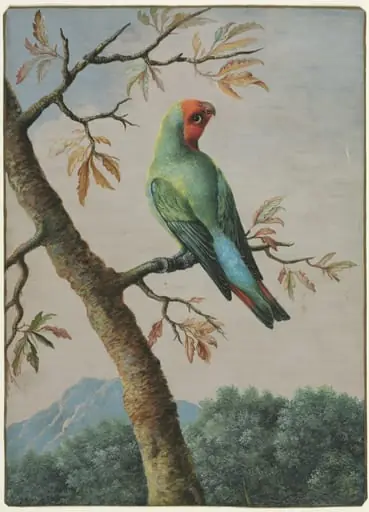 Bird Study: Rosy Faced Love Bird
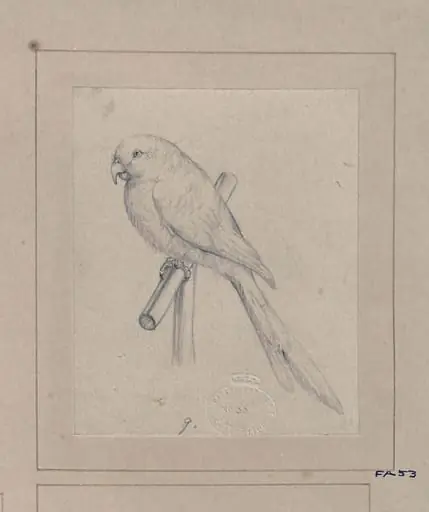 Drawing of a bird
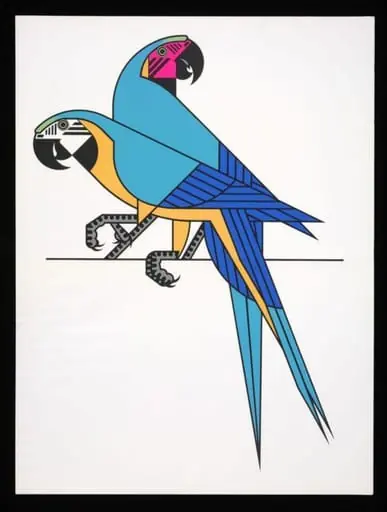 Parrots
Frequently asked questions
What is Parrot?
Parrot is a subject in art. common name for some Psittaciformes
How many Parrot works does Artifact World Gallery have?
Artifact World Gallery holds 62 public-domain Parrot works, all free to view and download.
Who are the key Parrot artists?
Key Parrot artists in the collection include Gustave Courbet, Édouard Manet and Adélaïde Labille-Guiard.
Where can I see Parrot works?
Parrot works in the collection are held by National Gallery of Art, Victoria and Albert Museum and Metropolitan Museum of Art.