Artwork
Portrait of Léopold Clément de Lorraine, Hereditary Prince of Lorraine (1707-1723)
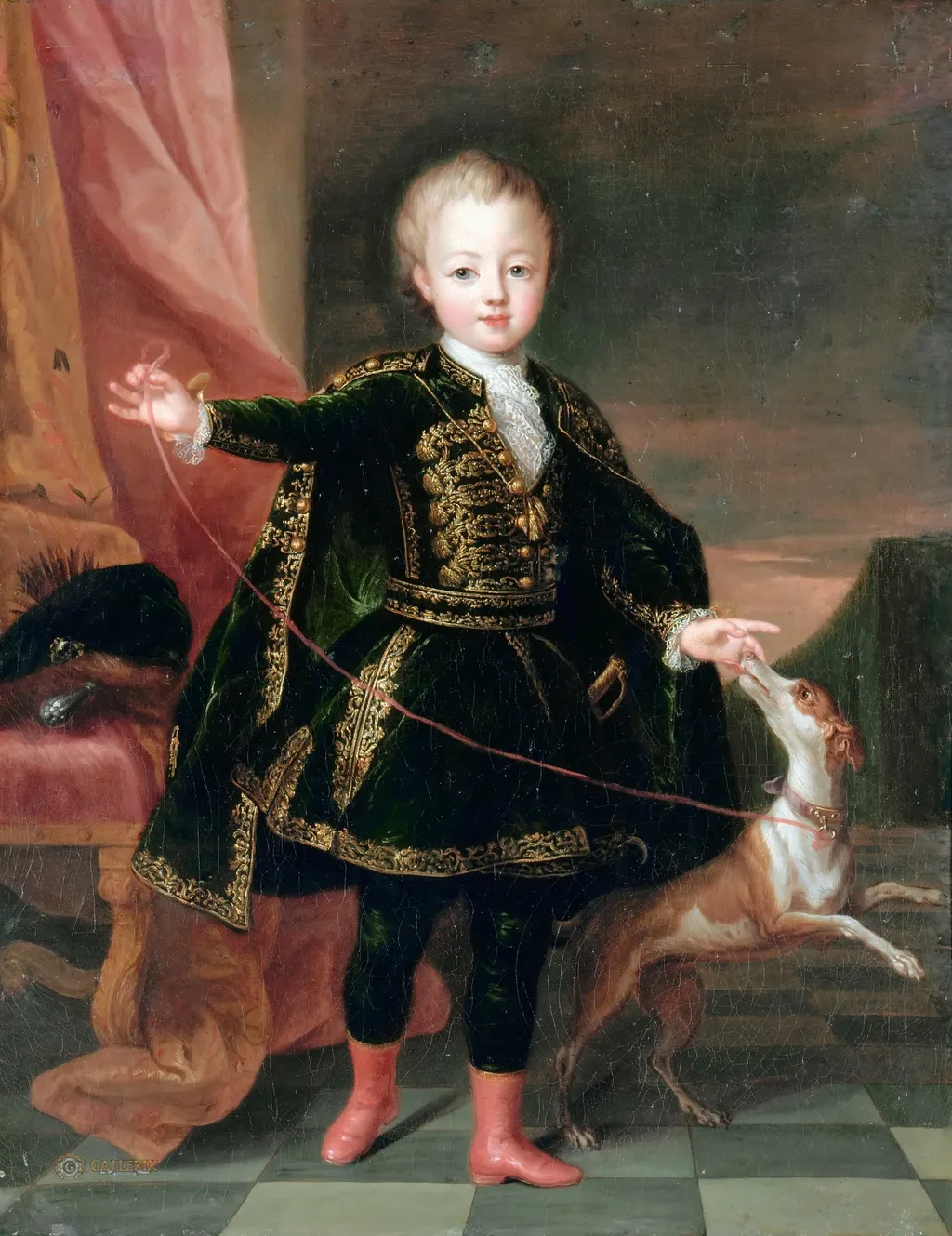
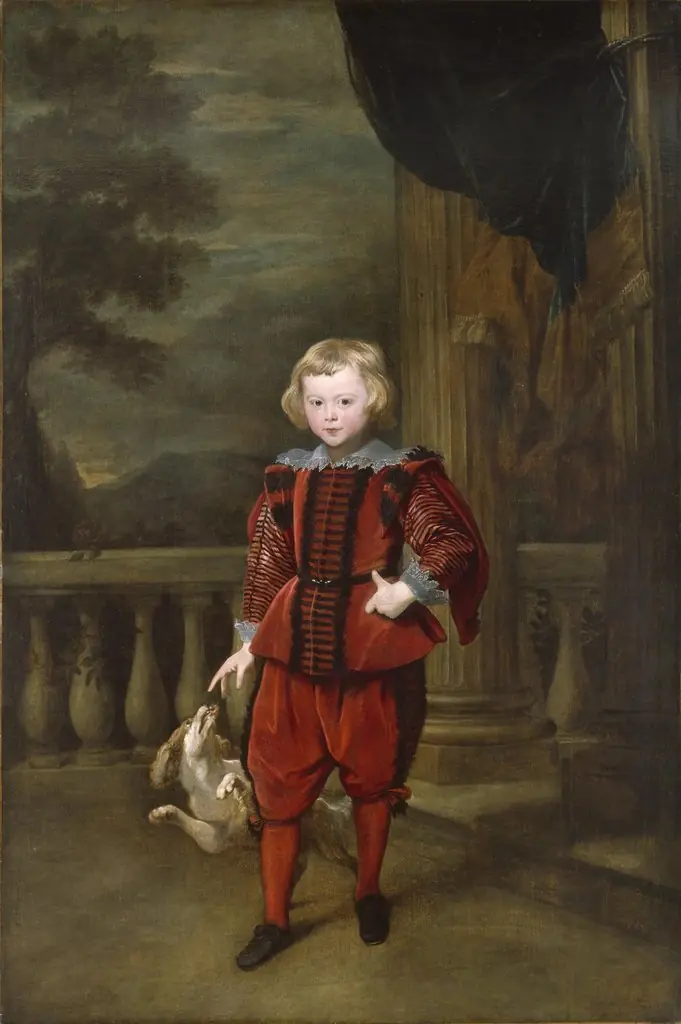
Portrait of Léopold Clément de Lorraine, Hereditary Prince of Lorraine (1707-1723) is an oil painting by the Rococo painting artist Unknown. It dates from 1710 and is held in the collection of the Palace of Versailles.
About this work
Overview
The painting is now recognized as a portrait of the young prince by an unknown artist.
The Portrait of Léopold Clément de Lorraine, Hereditary Prince of Lorraine (1707-1723) is an oil-on-canvas painting dated 1710, depicting the three-year-old heir to the sovereign Duchy of Lorraine. Long misidentified, the work was formerly attributed to Nicolas Ferry, a dwarf nicknamed Bébé who served at the court of Stanisław Leszczyński, Duke of Lorraine. The painting is now recognized as a portrait of the young prince by an unknown artist. Measuring 69 by 58 centimeters, it belongs to the collection of the Museum of the History of France at the Palace of Versailles, where it documents the visual culture of a minor princely court that would soon be linked to the French and Habsburg dynasties through marriage. Its shifting attribution illustrates the challenges of identifying anonymous portraiture and the political uses of court imagery in early eighteenth-century Europe.
Subject & Meaning
The subject, Léopold Clément Charles, was born on 25 April 1707 at the Château de Lunéville to Léopold, Duke of Lorraine, and Élisabeth Charlotte d'Orléans, a member of the French royal House of Bourbon. At the time of the portrait he was the third son, but after the death of his older brother Louis in 1711 and the earlier loss of three siblings to smallpox, he became Hereditary Prince. The painting presents him as a small child in full-length format, standing frontally with head turned slightly toward the viewer. His costume proclaims princely status: an elaborate dark green velvet outfit with extensive gold embroidery and trim, a white lace collar and cuffs, and vivid red boots. The leashed hound beside him, reaching up toward his extended left hand, functions as both companion and symbol of aristocratic privilege and youthful mastery. The table with pink drapery, feathered hat, and metal object to his left, together with the sweeping rose-colored curtains and muted background, frame him within a staged interior that suggests courtly refinement without specific locational detail. The even light from the left and the polished surface emphasize the preciousness of the textiles and the sitter's social position.
Technique & Style
The painting is executed in oil on canvas, measuring 69 by 58 centimeters. The handling is smooth and polished, with careful attention to textile textures, metallic sheen, and the rendering of lace. The palette centers on deep greens, golds, rose pinks, and the vivid red of the boots and leash, set against darker neutral tones in the background and a gray and white checkered floor. Light falls evenly from the left, creating soft shadows that model the figure without dramatic contrast. The surface shows fine craquelure throughout, consistent with its age. The composition follows conventions of European court portraiture for young nobility, combining frontal dignity with slight movement in the pose and the leaping dog. The scale is intimate rather than monumental, appropriate for a private portrait of a very young child.
History & Provenance
The work was long misidentified, as recorded in the Joconde database under the title "LEOPOLD-CLEMENT, PRINCE HEREDITAIRE DE LORRAINE ? ; DIT AUTREFOIS NICOLAS FERRY, SURNOMME BEBE, NAIN DE STANISLAS LECZINSKI." This former attribution to Nicolas Ferry (1741-1764), a dwarf at the court of Stanisław Leszczyński, has been rejected. The painting is now held by the Museum of the History of France, located at the Palace of Versailles, having been accessioned into the national collections. Photographic credits are attributed to Gérard Blot and the Réunion des musées nationaux. The image has been commercially distributed, with one photograph dated 7 April 2009.
Context
The portrait belongs to a period of intense dynastic negotiation for the Duchy of Lorraine. Léopold Clément's father maintained careful diplomatic relations, including with the Habsburg court and the Stuart court in exile. The prince's own brief life would end in 1723 from smallpox at Lunéville, the same disease that had killed his siblings and other European royalty during the 1711 epidemic. His younger brother Francis Stephen would eventually marry Maria Theresa, Habsburg heiress, linking the house of Lorraine to the imperial throne. The misidentification with Nicolas Ferry reflects the later obscurity of the short-lived prince compared to the more colorful figure of the court dwarf, whose nickname "Bébé" may have facilitated confusion with a child portrait. The attribution to Pierre Gobert proposed by some commercial sources lacks scholarly confirmation, and the work remains anonymous.
Legacy
The painting's primary significance lies in its documentary value for the visual history of the Duchy of Lorraine and its value as a case study in attribution. The correction of its identification from Nicolas Ferry to Léopold Clément demonstrates the ongoing work of reattribution in museum collections and the importance of archival research in establishing the identity of sitters in anonymous portraiture. As part of the Versailles collections, it contributes to the broader narrative of provincial French and allied courts that paralleled and interacted with the cultural production of Versailles itself. The work has no recorded influence on later artistic production, but its existence testifies to the universal practice of dynastic portraiture even in small states, and to the fragility of princely lives in an era of epidemic disease.
Artist & collection









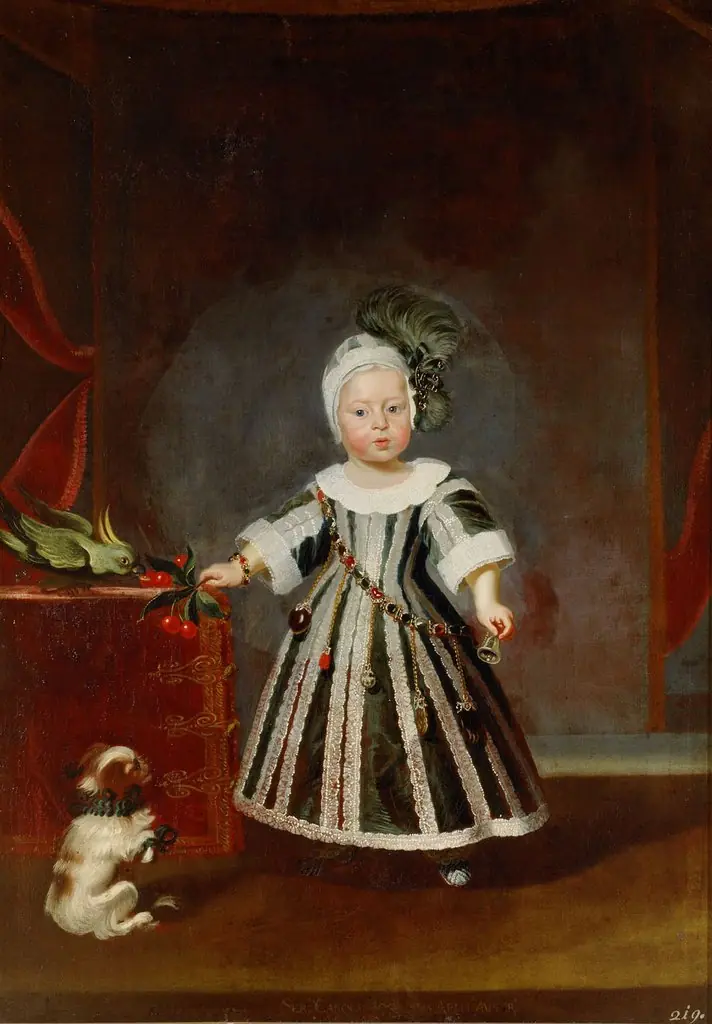
- Portrait of Charles Joseph, Archduke of Austria (1745-1761)
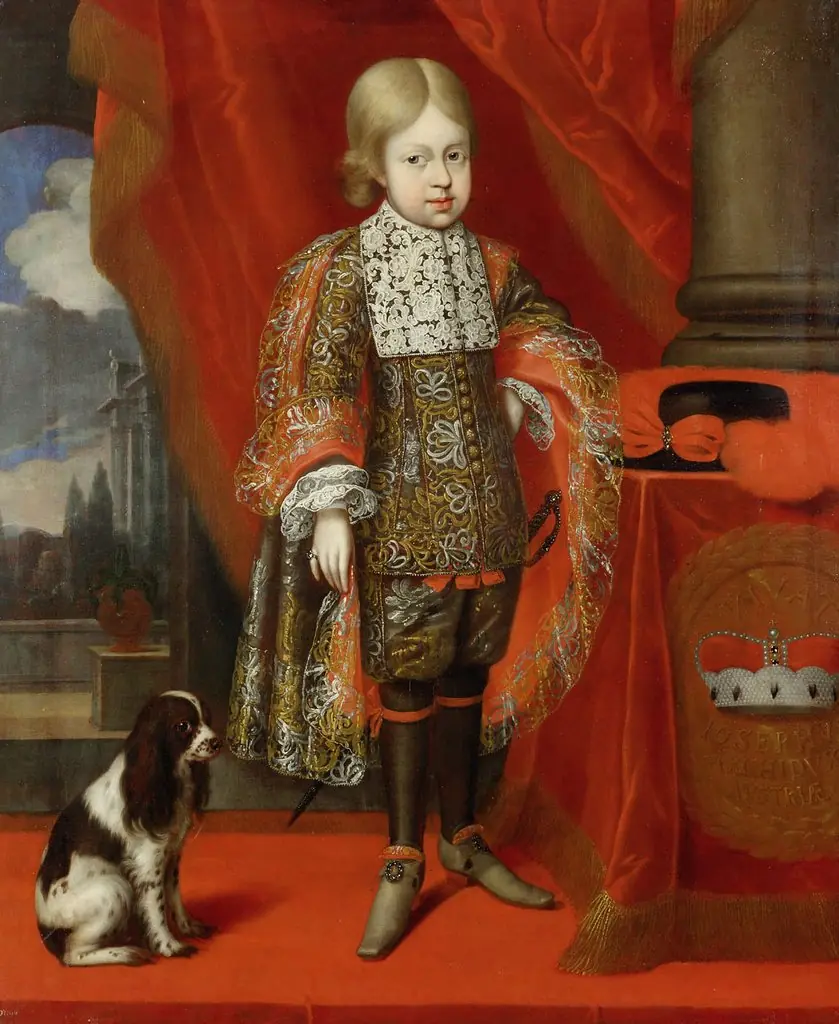 Portrait of Kaiser Joseph I. (1678-1711) at the age of six
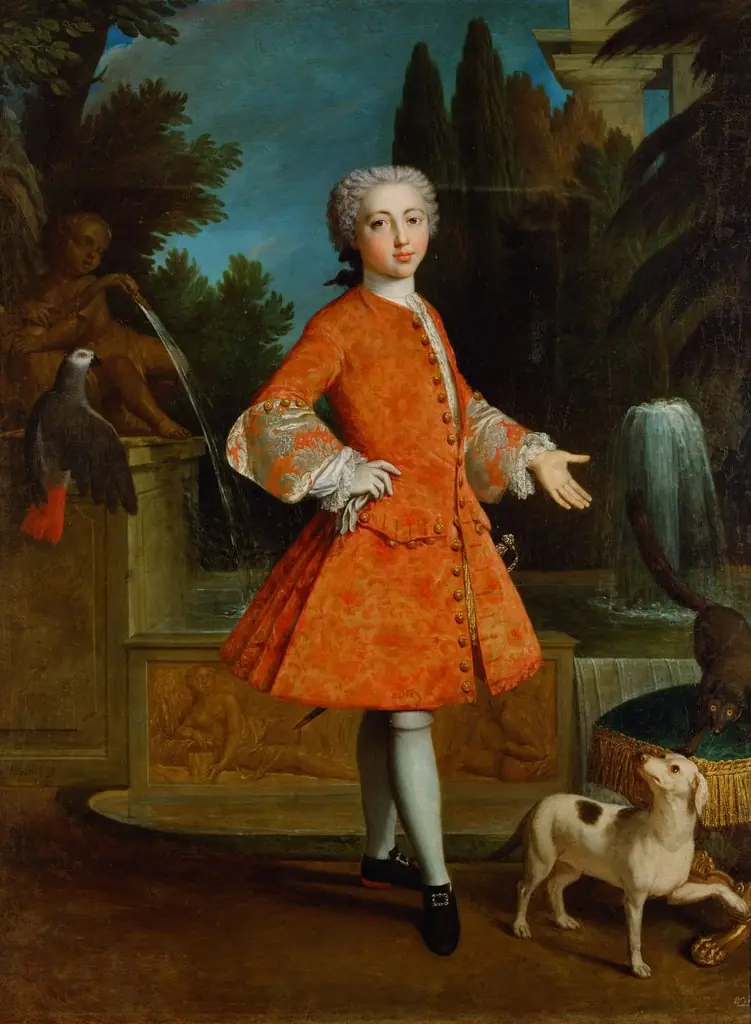 Duke Louis-Philippe of Orleans
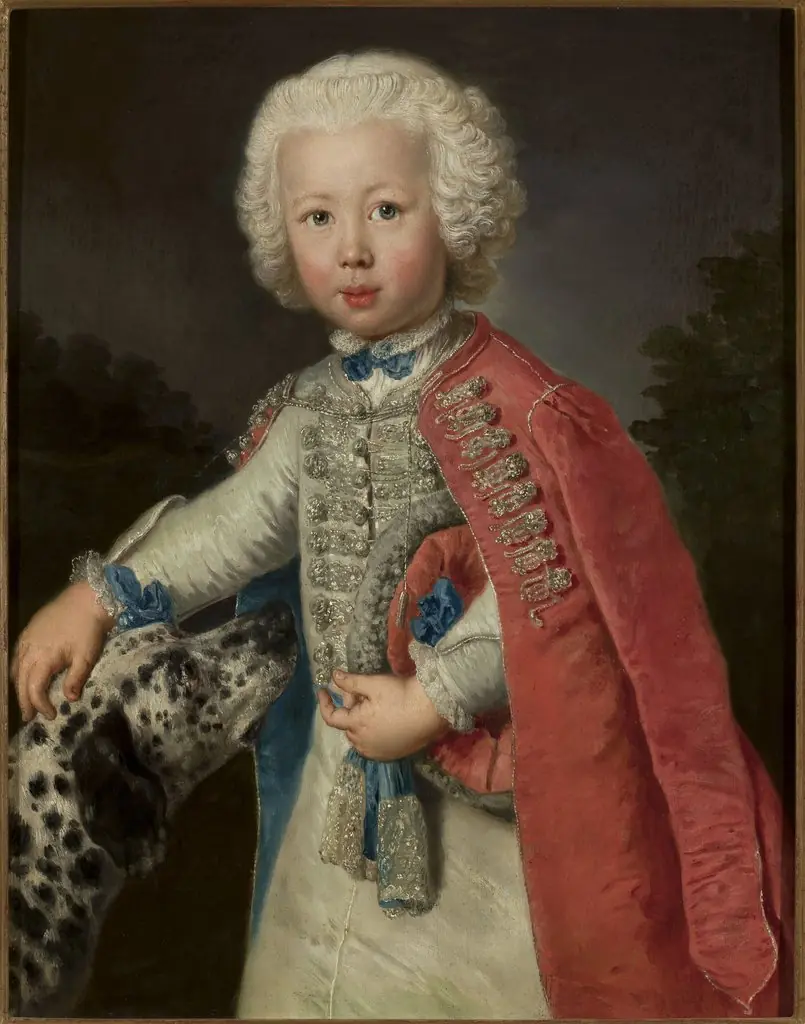 Portrait of a boy
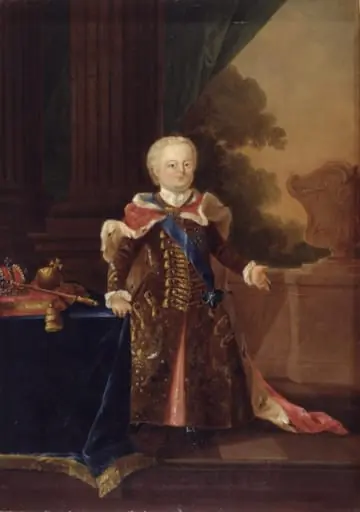 Ivan III or Ivan VI Antonovich. Full-length Portrait
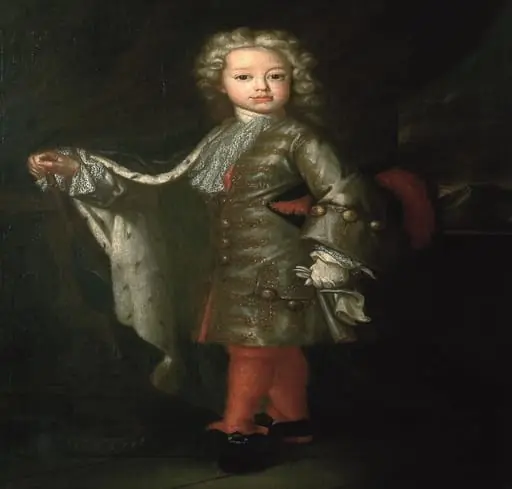 Portretul Împăratului Carol Albert, copil
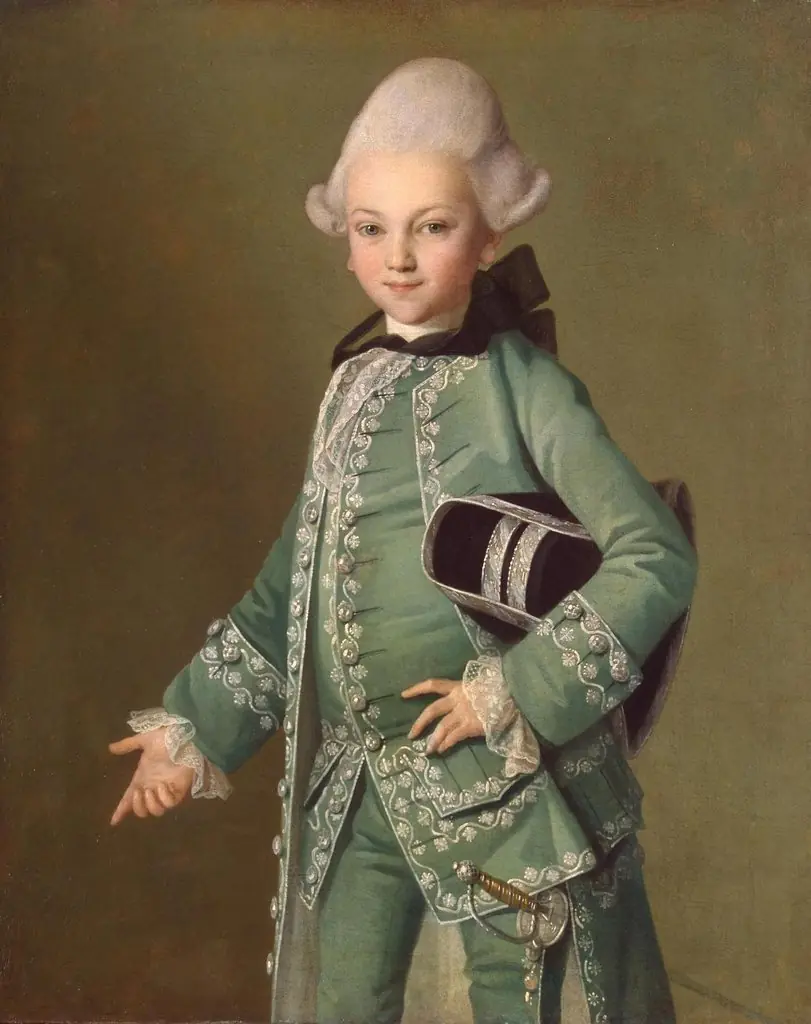 Portrait of Count Alexei Bobrinsky as a Child
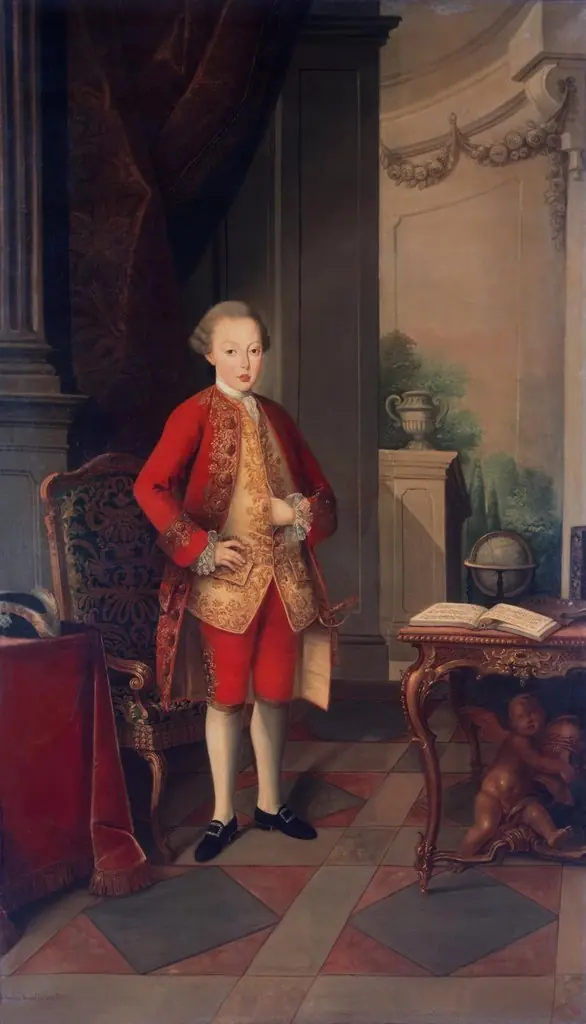 Portrait of Joseph, Prince of Brasil and Beira
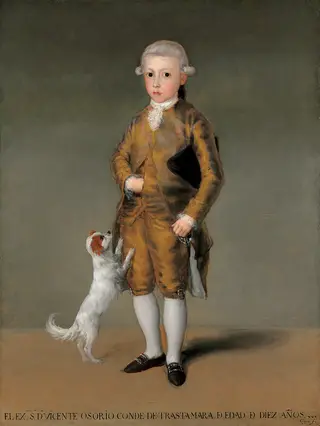 Vicente Osorio de Moscoso, hrabia Trastamara
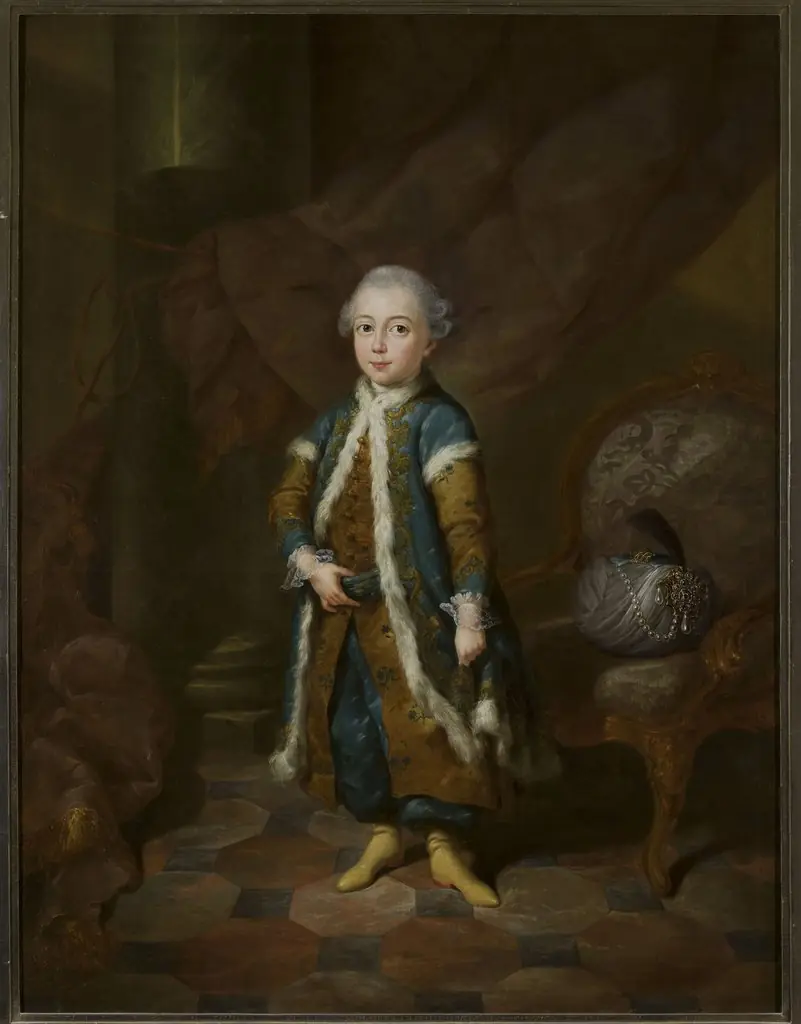 Portrait of Henirich Reuss
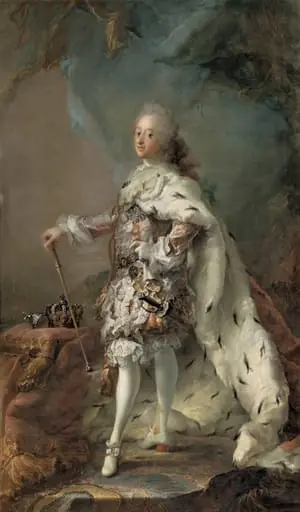 Portrait of Frederik V in Anointment Robe
 A Boy Standing on a Terrace