Artwork
Nymphs and a Satyr (Amor Vincit Omnia)
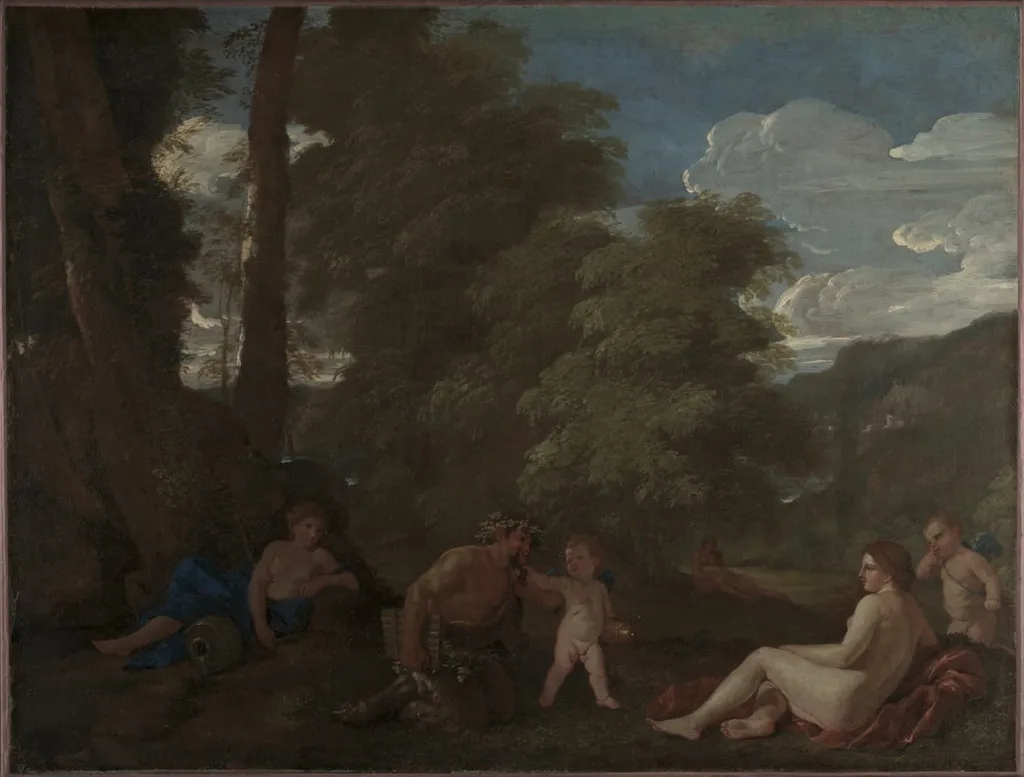
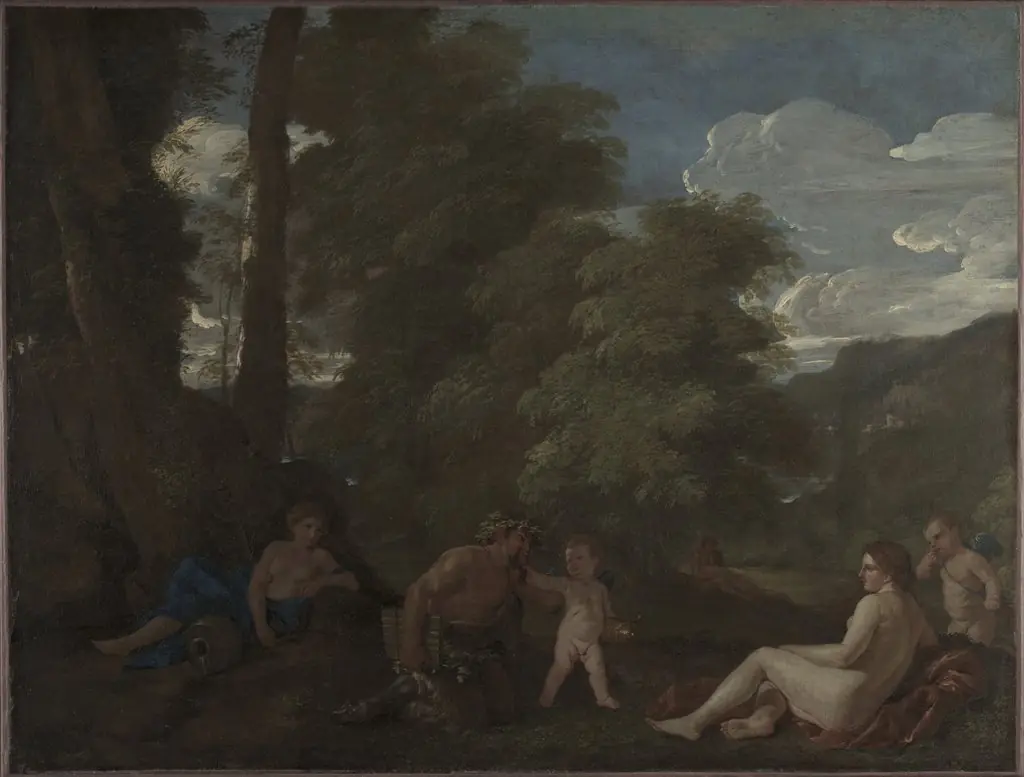
Nymphs and a Satyr (Amor Vincit Omnia) is an unspecified painting by the Baroque artist Nicolas Poussin. It dates from 1626 and is held in the collection of the Cleveland Museum of Art. Nymphs and a Satyr, also known as Amor Vincit Omnia, is a painting depicting a scene from classical mythology set in a woodland landscape.
- Accession no.
- 1926.26
- Credit line
- Gift of J. H. Wade
About this work
Overview
Nymphs and a Satyr, also known as Amor Vincit Omnia, is a painting depicting a scene from classical mythology set in a woodland landscape.
Subject & Meaning
The painting shows a group of figures, including nymphs, the goat-legged god Pan, and a playful cupid, illustrating the Latin phrase 'amor vincit omnia' or 'love conquers all'. The scene is a clever play on words, as 'pan' means 'all' in Greek.
Technique & Style
The work is characterized by a complex composition with multiple figures and symbols, set in an idyllic woodland landscape inspired by the countryside around Rome.
Artist & collection
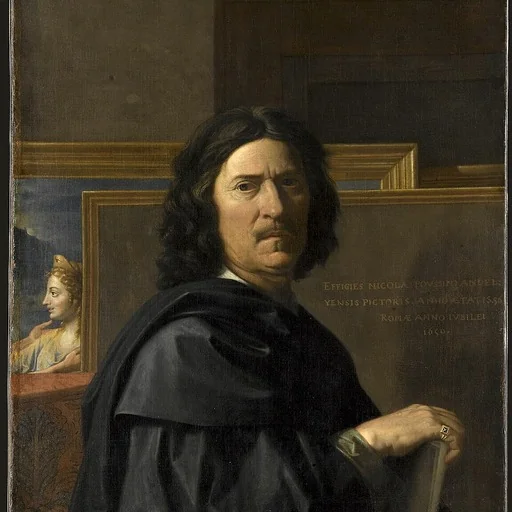
Artist
Nicolas Poussin (UK: US: French:; June 1594 – 19 November 1665) was a leading painter of the classical French Baroque style, although he spent most of his working life in Rome.