Artwork
Still Life
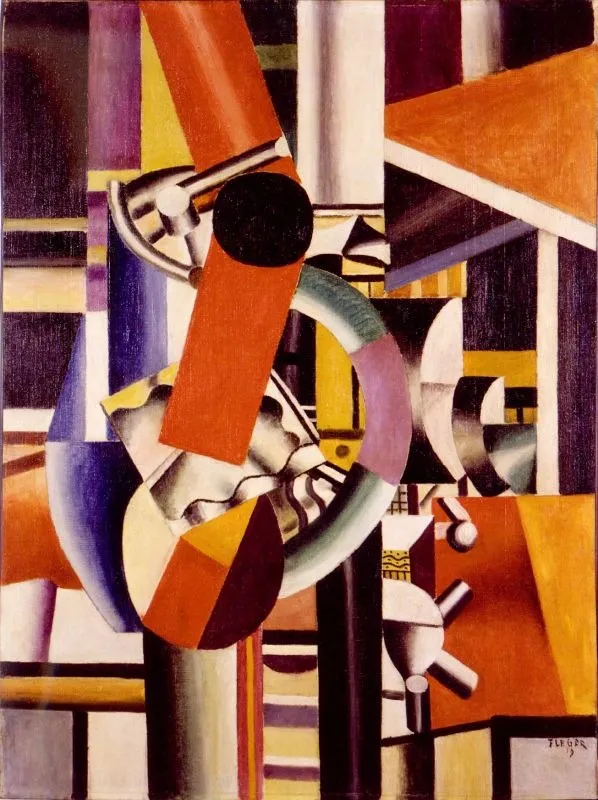
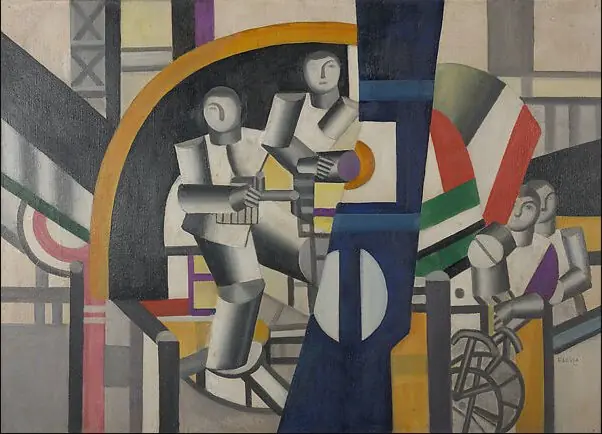
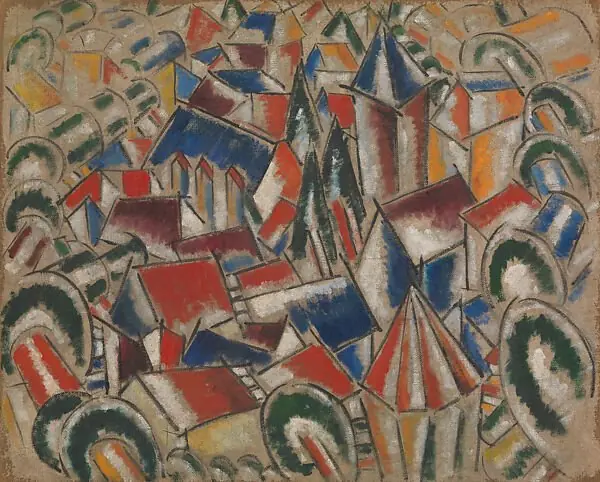
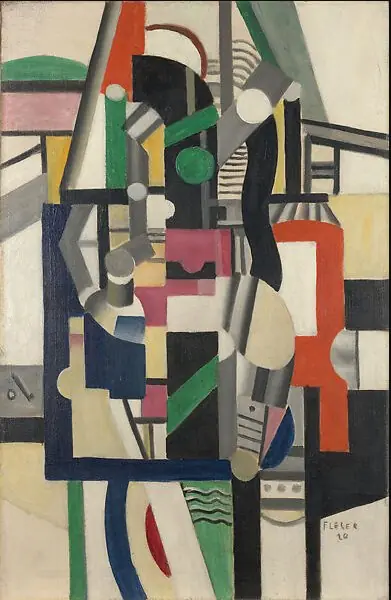
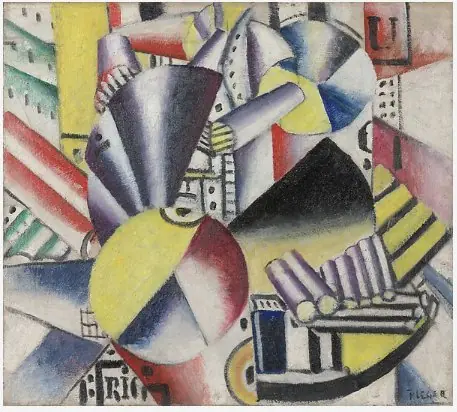
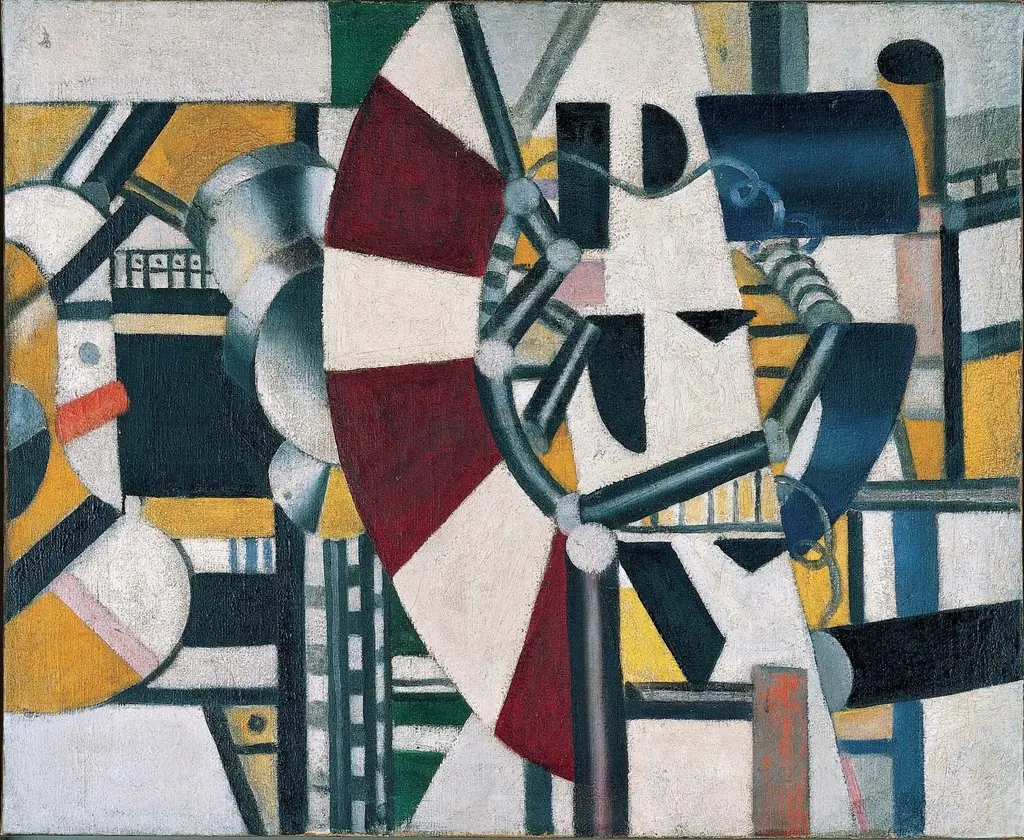
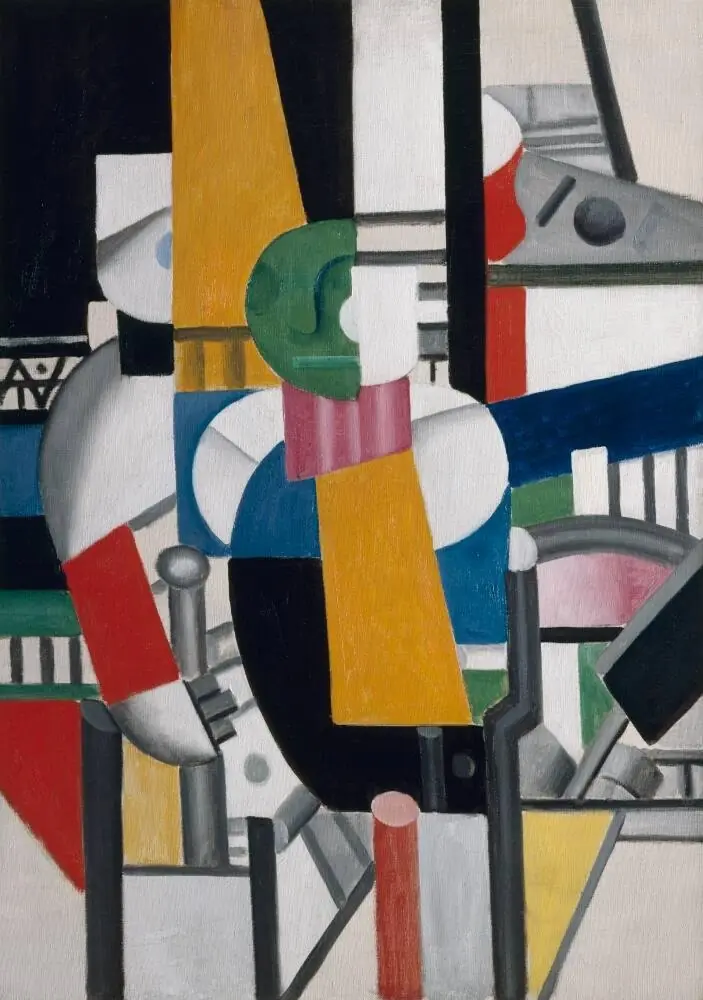
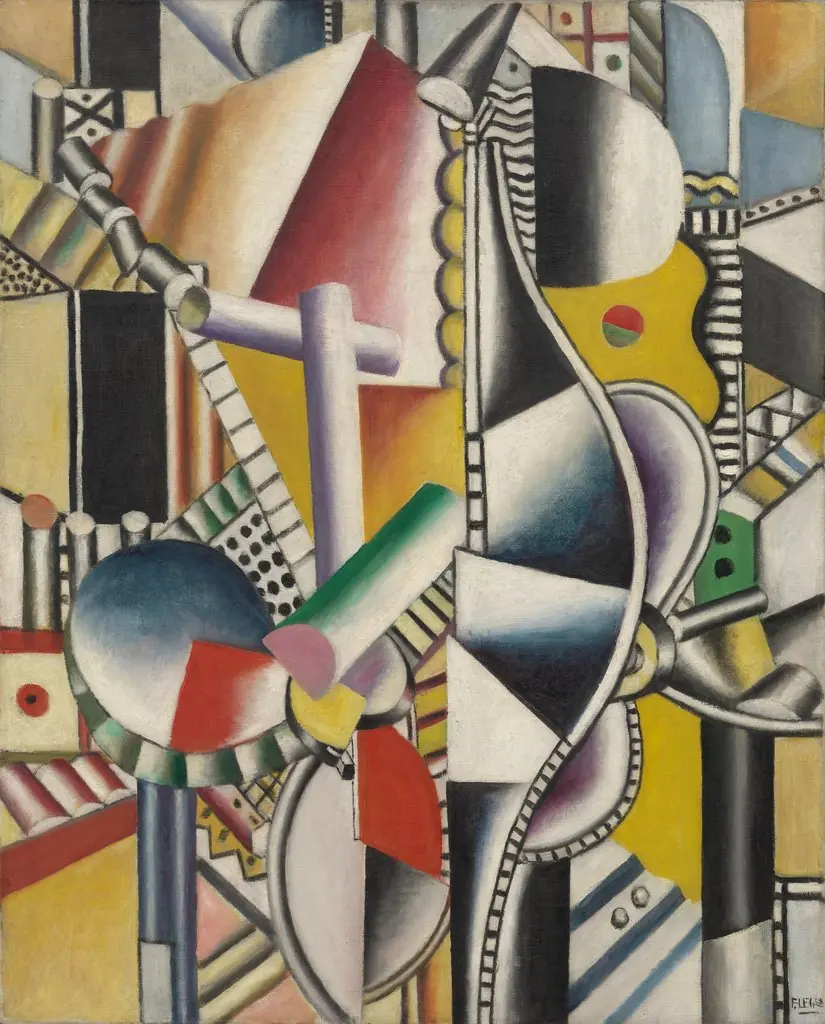
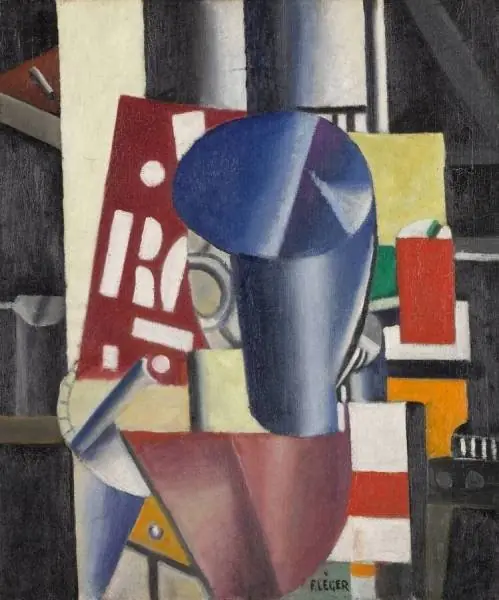
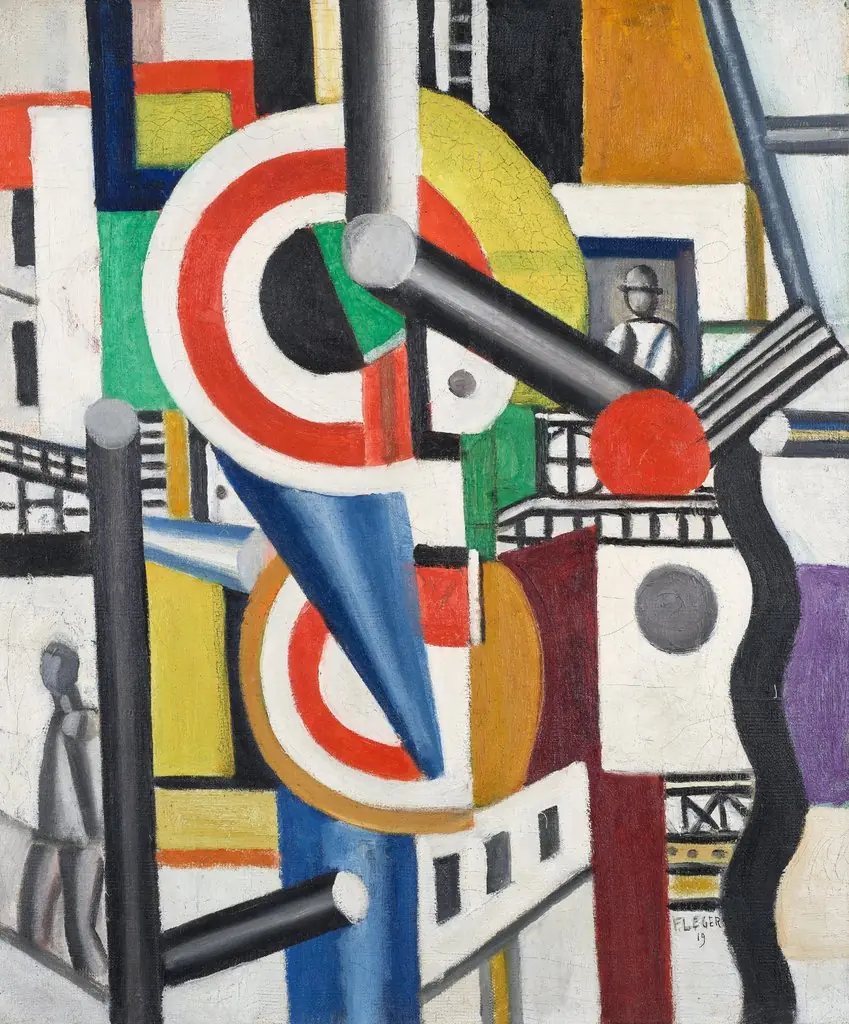
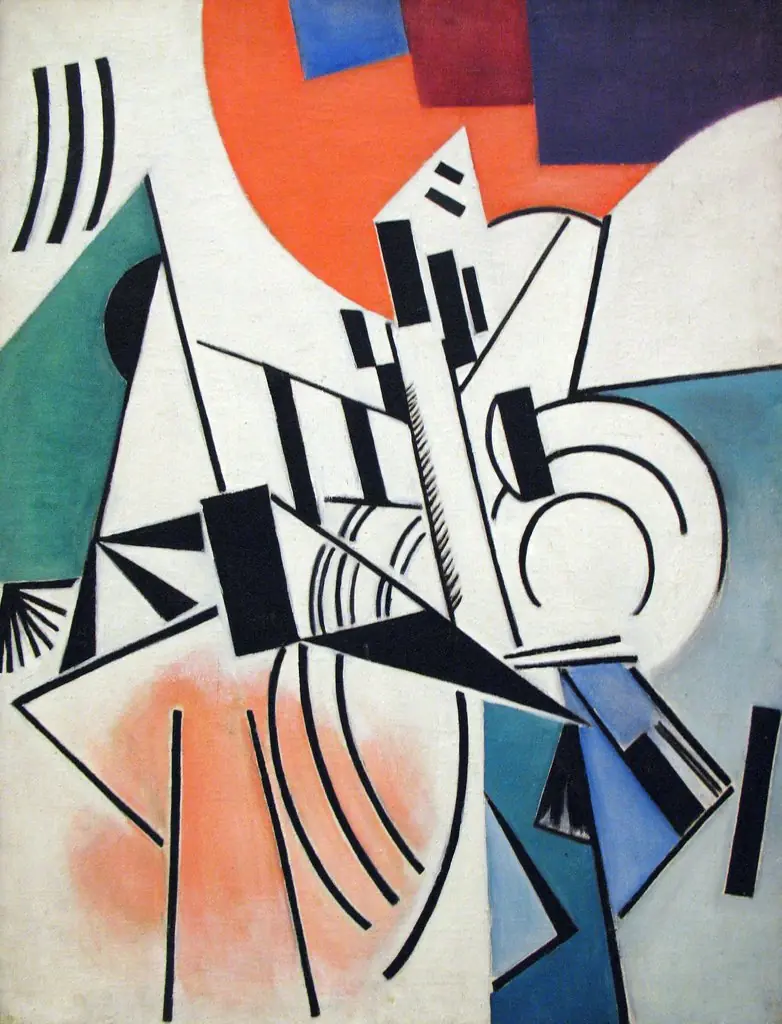
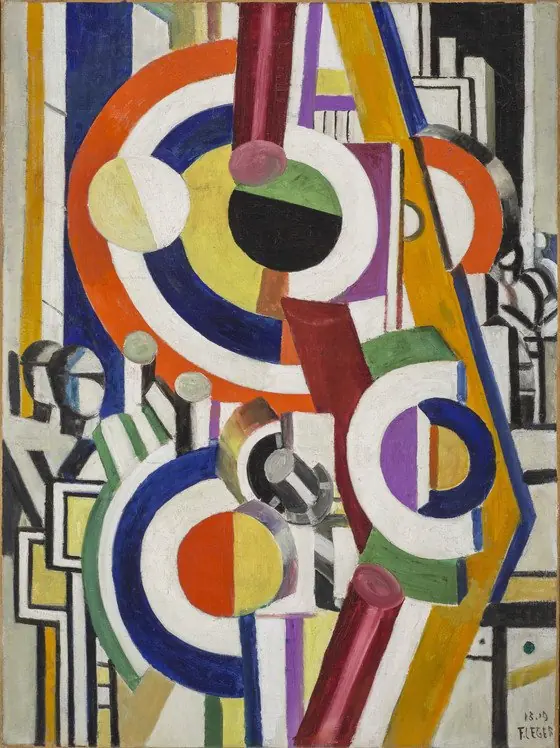
Still Life is an oil painting by the Cubism Synthetic artist Fernand Léger. It dates from 1919 and is held in the collection of the Israel Museum.
About this work
Overview
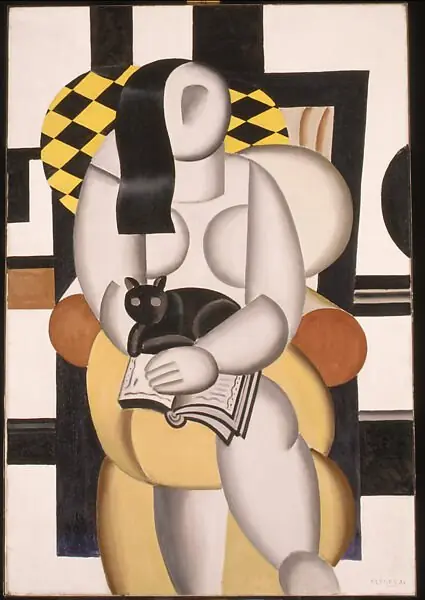
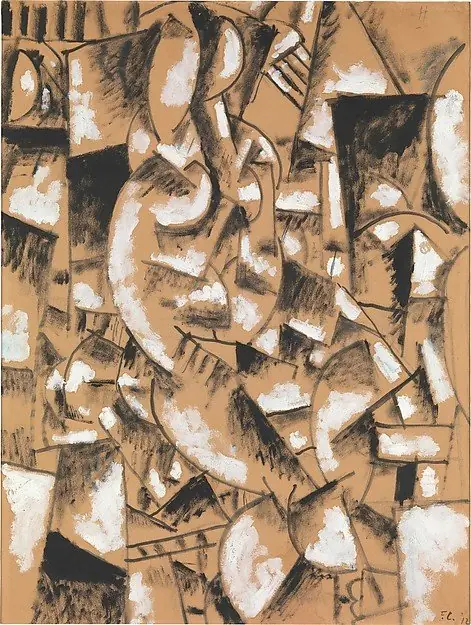
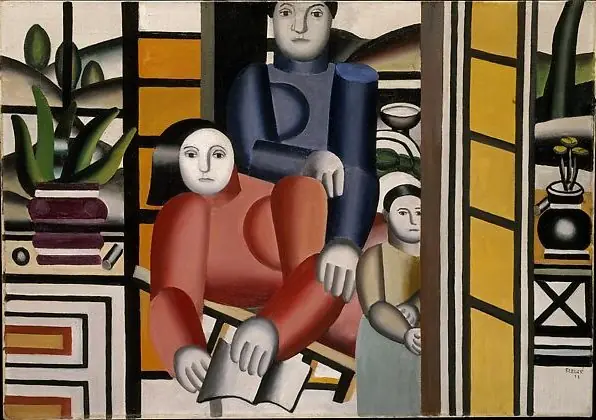
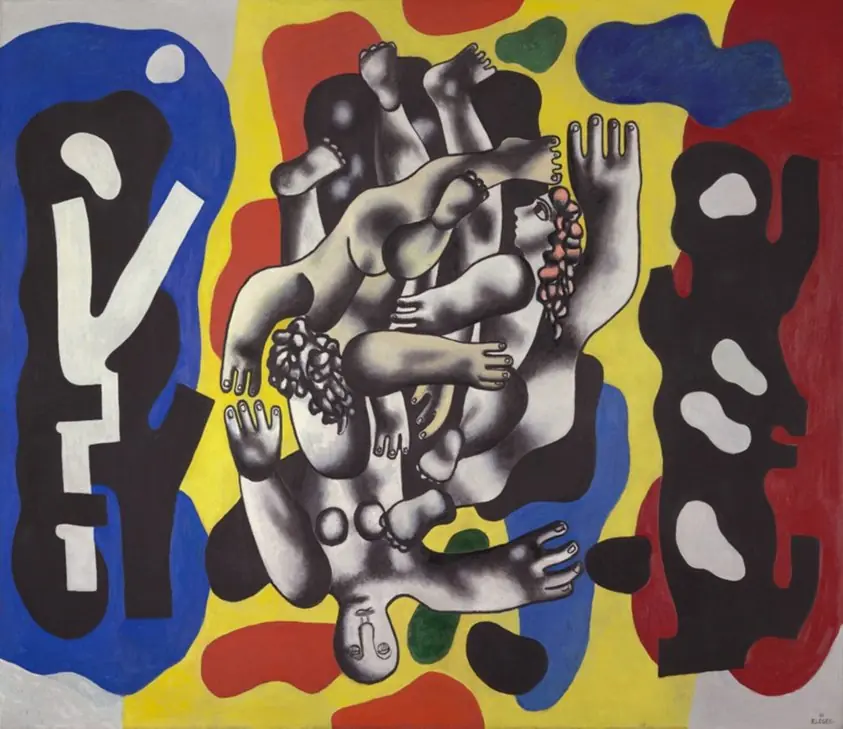
Fernand Léger’s 1919 oil painting titled Still Life presents an arrangement of everyday objects rendered in a flattened, geometric manner.
Fernand Léger’s 1919 oil painting titled Still Life presents an arrangement of everyday objects rendered in a flattened, geometric manner. The composition includes a guitar, a tabletop surface and assorted items, all organized within a compact space that emphasizes shape and color over realistic detail. The work is part of the collection of the Israel Museum, where it is displayed among other early‑twentieth‑century modernist pieces.
Subject & Meaning
The painting depicts a conventional still‑life subject, a collection of inanimate objects, yet Léger abstracts them into bold, mechanical forms. By reducing the guitar and other items to simplified planes, the artist invites viewers to consider the underlying structure of ordinary things, suggesting a tension between the familiar and the industrial aesthetic of his era.
Technique & Style
Executed in oil on canvas, the work employs Léger’s characteristic use of strong outlines and a limited palette of vivid hues. Warm oranges and yellows clash with cooler blues and greens, creating visual contrast that energizes the static scene. The flattened perspective and emphasis on geometric shapes reflect the artist’s engagement with Cubist principles while moving toward his own mechanistic visual language.
History & Provenance
Created shortly after World War I, Still Life reflects Léger’s post‑war shift toward a more optimistic, machine‑inspired visual vocabulary. The painting entered the Israel Museum’s collection in the latter half of the twentieth century, where it has been conserved as an example of Léger’s transition from Cubism to his distinctive modernist style.
Artist & collection
Artist
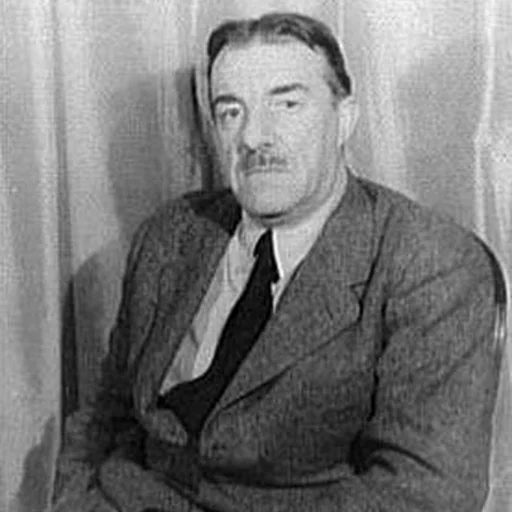
Joseph Fernand Henri Léger was a French painter, sculptor, and filmmaker. In his early works he created a personal form of cubism which he gradually modified into a more figurative, populist style. His boldly simplified…