Artwork
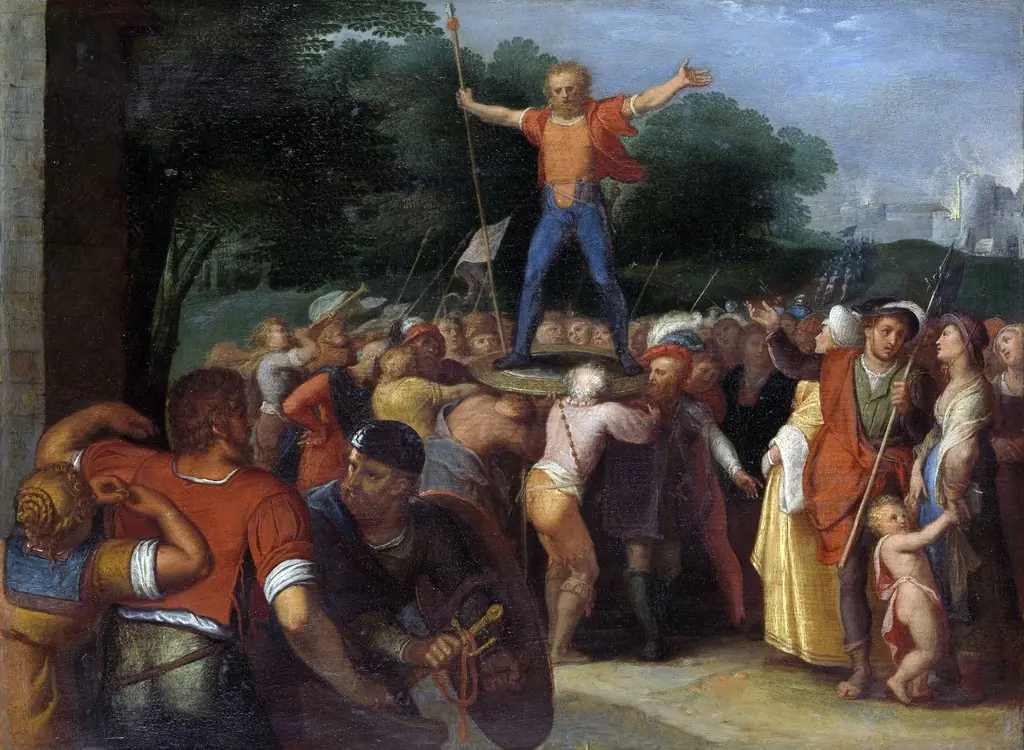
After the Fall of Vetera Castra Claudius Civilis has his hair cut while his son shoots some prisoners
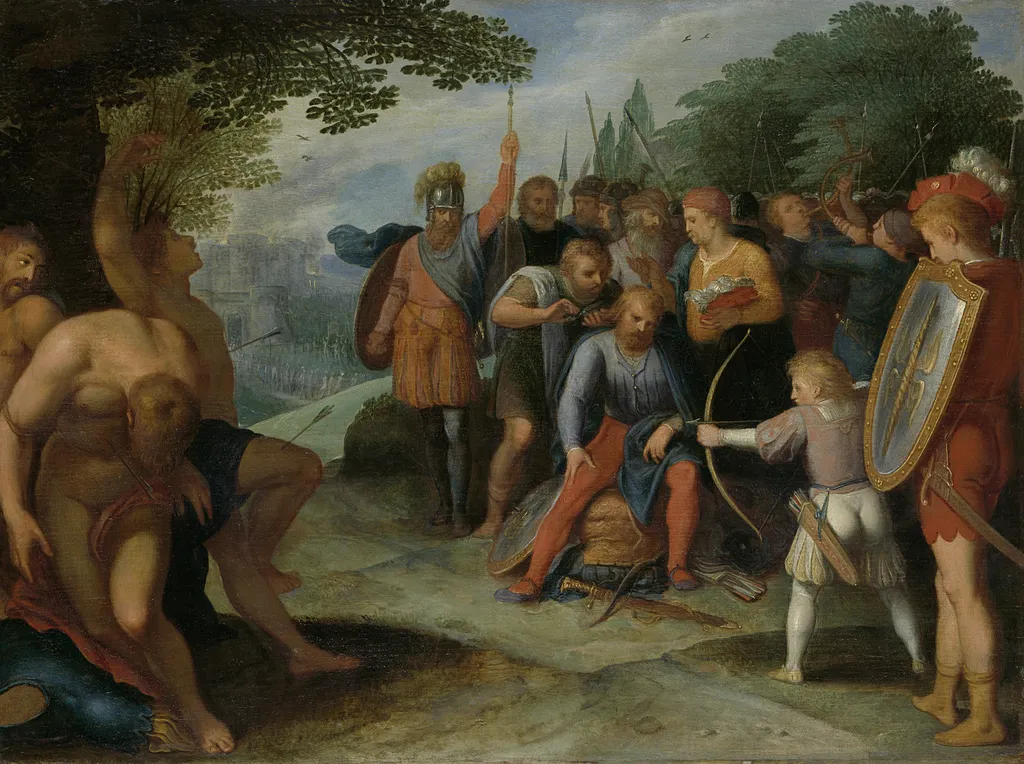
After the Fall of Vetera Castra Claudius Civilis has his hair cut while his son shoots some prisoners is an oil painting by the Dutch Golden Age artist Otto van Veen. It dates from 1606 and is held in the collection of the Rijksmuseum.
About this work
Subject & Meaning
Commissioned by the Gecommitteerde Raad van State, the work was created in 1606 by Otto van Veen to visualize this historical episode.
The painting depicts a scene from the Batavian revolt where Claudius Civilis, following the fall of Vetera Castra, has his hair cut while his son executes prisoners. This narrative moment illustrates the brutal aftermath of the conflict and the specific actions of the rebel leader. The inclusion of a tree within the composition serves as a visual element of the setting for these events.
Commissioned by the Gecommitteerde Raad van State, the work was created in 1606 by Otto van Veen to visualize this historical episode.
Technique & Style
Created in 1606, this work by Otto van Veen is executed in oil paint on a panel support. The painting measures 38 cm in height and 52 cm in width. As a panel painting from the early 17th century, the medium and support reflect the standard practices for high-status historical works of the period commissioned by the Raad van State. The composition depicts a narrative scene involving trees and figures, consistent with the artist's historical subject matter.
History & Provenance
The painting After the Fall of Vetera Castra Claudius Civilis has his hair cut while his son shoots some prisoners is held in the collection of the Rijksmuseum in Amsterdam. It is executed in oil on panel and measures 38 cm in height by 52 cm in width. The work was commissioned by the gecommitteerde Raad van State and dates to 1606.
No specific inventory or accession number is provided in the available records, nor is there any documented exhibition history for this piece.
Legacy
Otto van Veen's 1606 oil painting After the Fall of Vetera Castra Claudius Civilis has his hair cut while his son shoots some prisoners entered the Rijksmuseum collection, where it remains on view. The work's stark narrative of Roman-era retribution influenced Baroque treatments of historical violence, particularly in Dutch Golden Age depictions of moral retribution. Its dramatic composition informed later interpretations of familial betrayal in European art historiography.
The painting entered the Rijksmuseum's holdings and has been part of its permanent display since its acquisition.
Overview
Otto van Veen’s oil on canvas, dated 1606, portrays a dramatic episode following the loss of Vetera Castra. The composition gathers several figures in a wooded landscape, with a central older man whose hair is being trimmed while a youthful companion readies a bow toward captive figures. The work is part of the Rijksmuseum’s collection.
Context
Created during a period when Dutch artists frequently revisited national myths, the work reflects contemporary interest in the Batavian revolt as a symbol of resistance. Van Veen, also known for his pedagogical role as a teacher of Peter Paul Rubens, incorporated classical compositional principles while addressing a distinctly local narrative.
Own this work as a print
Artist & collection

Artist
Otto van Veen, was a painter, draughtsman, and humanist active primarily in Antwerp and Brussels in the late 16th and early 17th centuries.

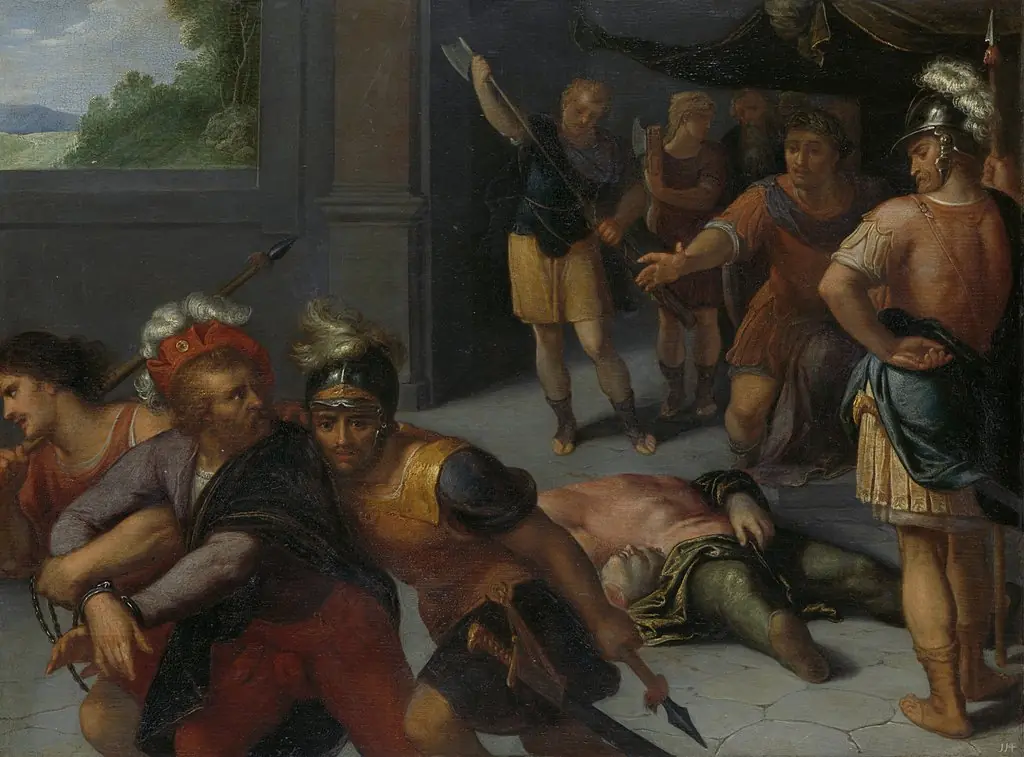
- Beheading of Julius Paulus and Imprisonment of Claudius Civilis
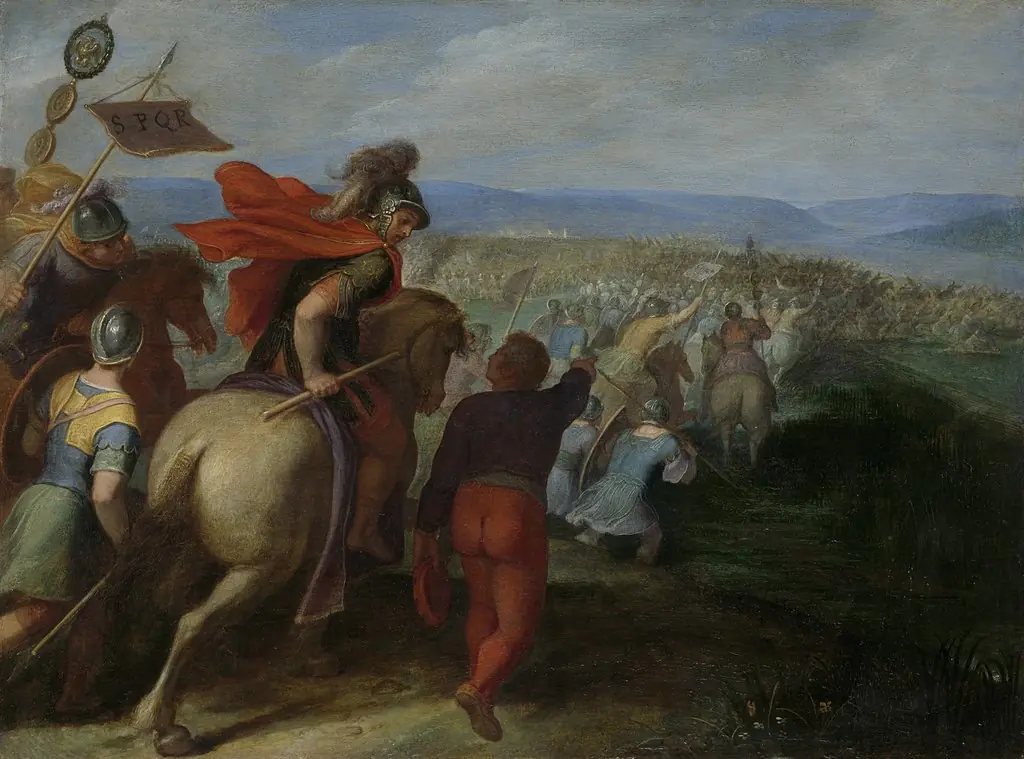 The Romans under Cerealis Defeat Claudius Civilis and the Batavians following betrayal from within
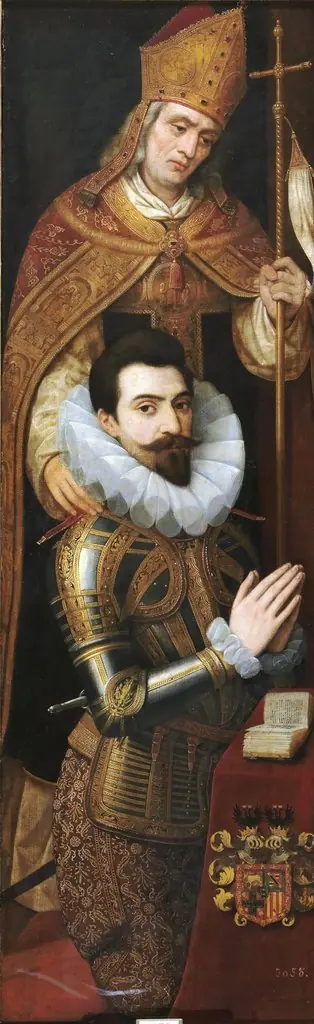 Alonso de Idiáquez duque de Ciudad Real (Cittá-Reale en Nápoles)
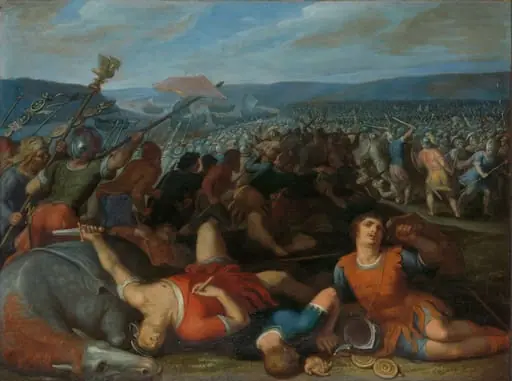 De Bataven verslaan de Romeinen bij de Rijn
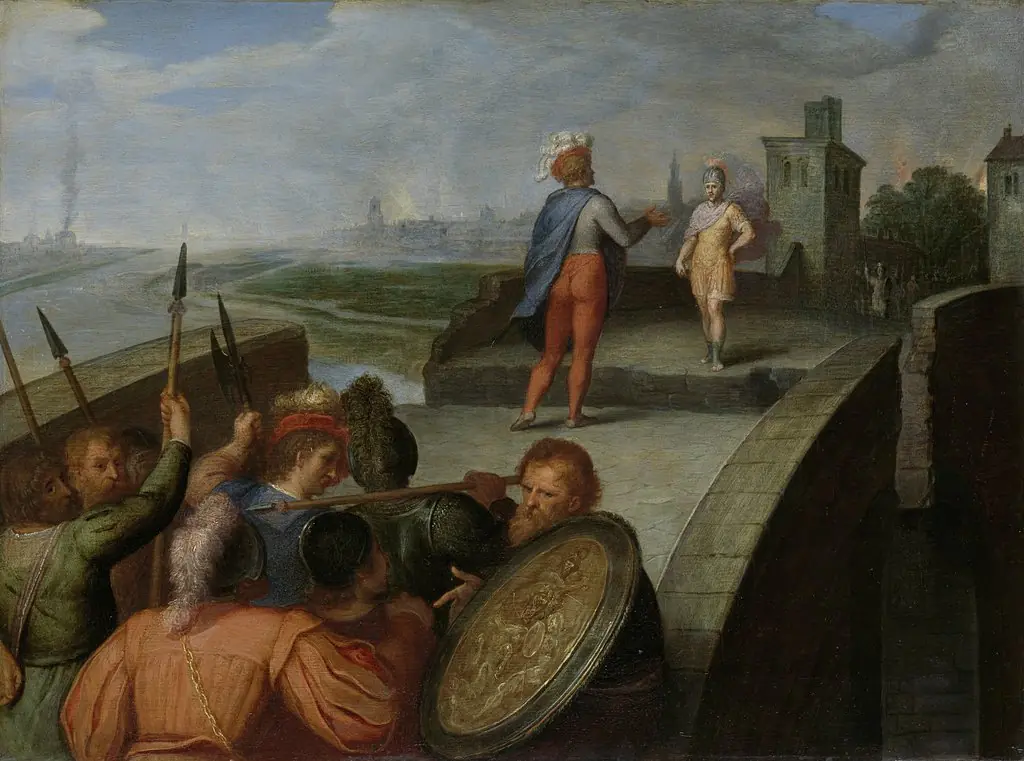 Peace Negotiations between Claudius Civilis and Cerealis
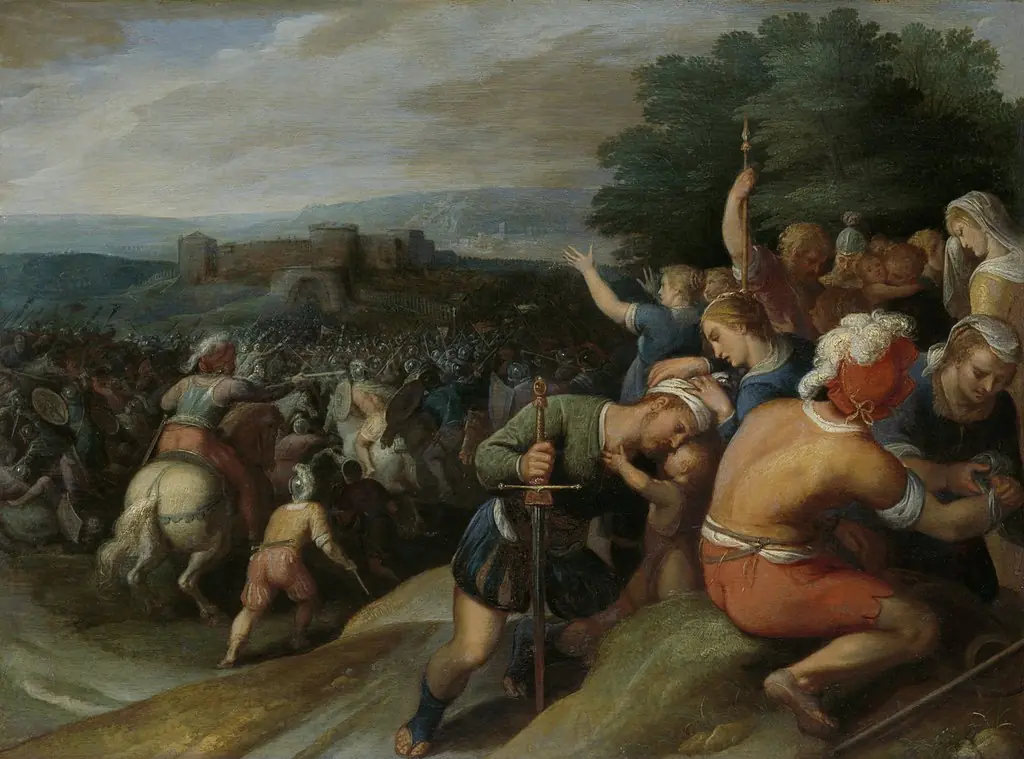 The Batavians Surround the Romans at Vetera
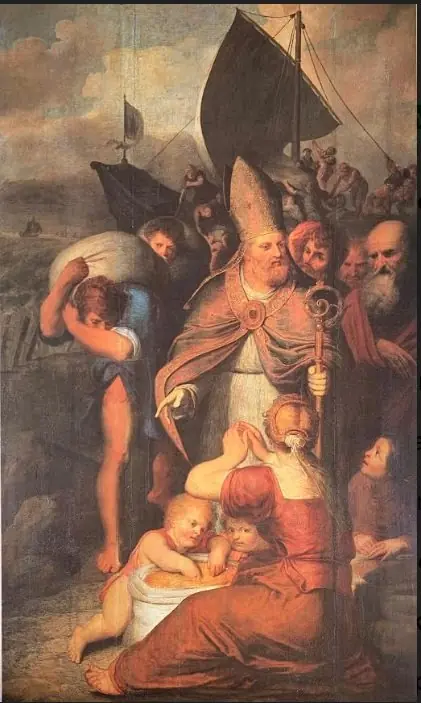 During a Famine in Myra Saint Nicholas Saves the People
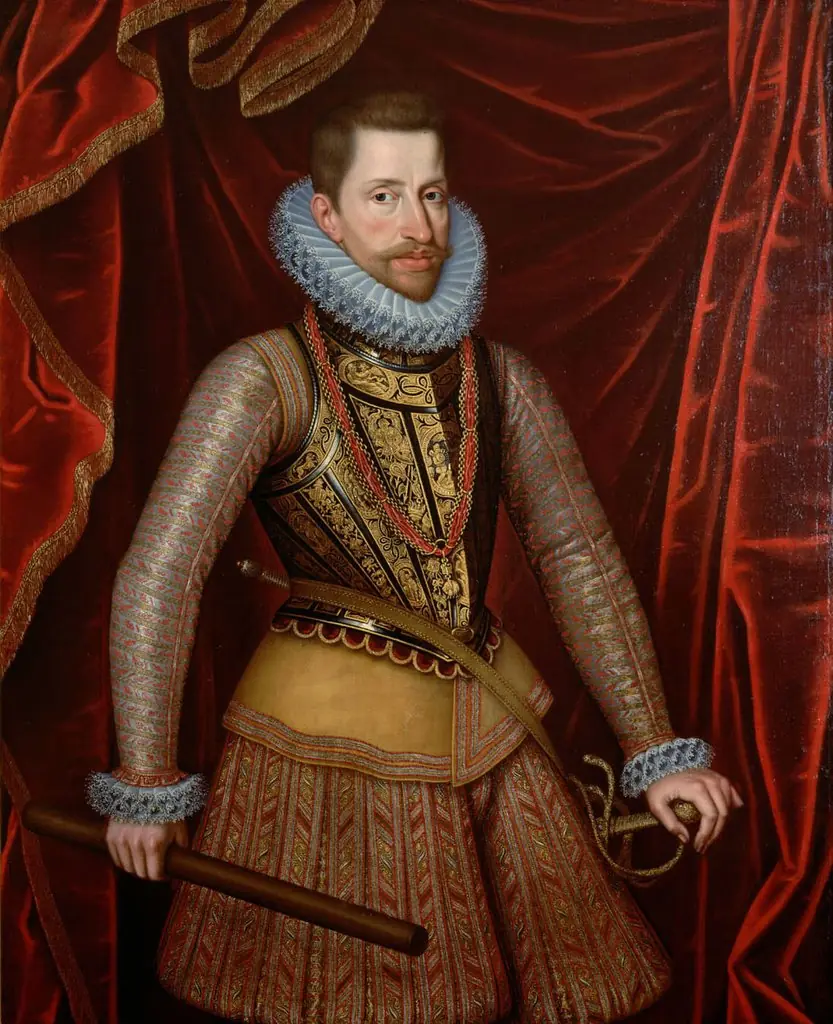 Portrait of Albrecht VII, Archduke of Austria (1559-1621)